
Why Thermal Transfer Ribbon Still Matters Smarter Printing for Durable Labels, Faster Scanning, and Better Packaging Performance
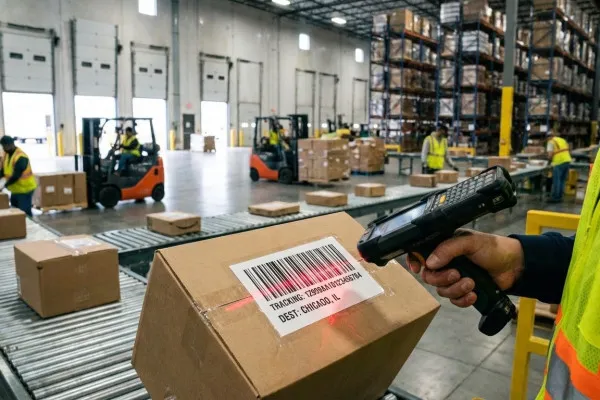
- Original TTR manufacturer since 2013
- Automated coating and slitting
- IQC / IPQC / OQC control
- ANSI barcode grade testing
- -20°C to 120°C environmental testing
- Batch-level traceability
- ANSI barcode grade
- Batch traceability
- RoHS / REACH compliance
- SGS and MSDS documents on request
Why Thermal Transfer Ribbon Still Matters: Smarter Printing for Durable Labels, Faster Scanning, and Better Packaging Performance
In modern manufacturing, logistics, retail packaging, and product identification, labels are no longer a minor afterthought. A label carries critical information: barcodes, QR codes, batch numbers, dates, model numbers, tracking data, and compliance details. If the print is unclear, inconsistent, or easy to scratch off, the problem does not stop at appearance. It affects scanning accuracy, warehouse efficiency, shipping reliability, traceability, and even how professional a brand looks in the market.
That is why thermal transfer ribbon remains an essential part of serious labeling systems. As supply chains become more digital and product information becomes more important, businesses are paying closer attention to print durability, media compatibility, and long-run stability. The question is no longer whether a ribbon can print. The real question is whether it can keep printing clearly, consistently, and efficiently under real production conditions.

Why Thermal Transfer Ribbon Continues to Be a Reliable Choice
Compared with basic thermal printing, thermal transfer printing offers clear advantages when durability matters. Direct thermal labels can work well in short-term, low-impact environments, but they are often more vulnerable to heat, abrasion, light, and time. In contrast, thermal transfer printing uses heat to transfer ink from the ribbon onto the label surface, creating a more stable printed image designed for longer-lasting performance.
This matters in industries where labels must survive handling, transportation, storage, scanning, and exposure to changing environments. Whether the label is applied to an outer carton, a warehouse shelf, a retail package, an electronics component, or a chemical container, print quality must hold up throughout the product journey. A ribbon that delivers strong edge definition, consistent transfer, and dependable adhesion helps prevent scanning failures and costly rework later.
The Market Is Shifting from Basic Supply to Performance Matching
In the past, many buyers treated thermal transfer ribbon as a standard consumable and focused mainly on width, length, and price. That purchasing logic is becoming outdated. Today, more businesses understand that ribbon performance depends on how well it matches the label material, printing speed, application environment, and durability requirement.
Different Label Materials Require Different Ribbon Logic
Paper labels, synthetic labels, PET, PP, PVC, wash-care labels, and silver matte materials do not behave the same way. A wax ribbon may be suitable for standard paper labels in general logistics or retail use, where cost efficiency is important. A wax-resin ribbon often provides a stronger balance between print sharpness and resistance to smudging or scratching. A resin ribbon can offer higher resistance to heat, chemicals, abrasion, and demanding industrial conditions.
The best ribbon is not simply the most expensive or the most advanced on paper. It is the one that fits the media, usage conditions, and performance target. Better matching improves print quality, reduces waste, protects the printhead, and lowers hidden operating costs over time.
High-Speed Printing Demands More Stability
As production lines become faster and labeling volumes increase, ribbon stability matters more than ever. In high-speed printing, problems such as uneven coating, poor release, weak back coating, or unstable thermal response can lead to voids, light print, blurred edges, powdering, or printhead contamination.
A one-time print issue is frustrating. Repeated inconsistency across long production runs is expensive. That is why many professional buyers now care less about a ribbon looking acceptable in a small test and more about whether it can maintain consistent results across multiple batches, long shifts, and continuous output. Stability is not just a technical advantage. It is a productivity advantage.

What Businesses Expect from Modern Thermal Transfer Ribbon
The latest demand in the market is not limited to whether it can print clearly. Buyers increasingly expect ribbons to support a broader set of business goals: more reliable scanning, less maintenance, better compatibility, and stronger durability in real-world applications.
Cleaner Barcode and QR Code Definition
As more companies rely on automated scanning, barcode readability has become a measurable operational issue rather than a cosmetic concern. Sharp edges, full coverage, and consistent contrast all affect whether scanners can capture data quickly and accurately. High-quality ribbon formulations help produce cleaner lines, stronger definition, and better readability on both barcodes and small variable data.
Stronger Adhesion and Better Resistance
Printed labels are often exposed to rubbing, stacking, shipping, temperature changes, moisture, and in some sectors, alcohol wipes or chemical contact. If the transferred image lacks adhesion, information may fade or scratch away before the label completes its job. Advanced ribbon solutions are designed to improve bonding with the label surface so that printed information remains legible for longer.
Lower Risk of Printhead Wear
Ribbon quality also affects equipment life. A well-designed back coating can help reduce friction between the ribbon and the printhead, improving smooth movement during printing and reducing abnormal wear. For businesses running high volumes every day, that can mean less downtime, fewer maintenance interruptions, and a more stable total printing system.
Broader Application Flexibility
Today’s labeling needs are increasingly diverse. One business may need outer carton labels for warehouse use, product labels for retail packaging, and durable identification labels for internal process control. A more capable thermal transfer ribbon portfolio makes it easier to adapt to different materials and environments without sacrificing consistency.
Industries That Benefit Most from Better Ribbon Performance
Thermal transfer ribbon is widely used across sectors, but some industries feel the value of reliable ribbon performance more directly because their labels must work under pressure, at speed, or for extended periods.
Logistics and Warehousing
In logistics, a clear barcode is directly tied to throughput. Labels must print fast, scan quickly, and remain readable during sorting, storage, and delivery. Better ribbon performance helps reduce scan failures, relabeling work, and avoidable delays in the fulfillment process.
Electronics and Manufacturing
Electronics labeling often requires resistance to heat, solvents, abrasion, and long-term handling. Product identification, circuit labels, rating labels, and component tracking all depend on print staying legible in technical environments. In these cases, ribbon selection is closely tied to compliance, reliability, and process accuracy.
Food, Daily Consumer Goods, and Retail Packaging
Packaging labels in these sectors often carry date codes, batch numbers, product specifications, and traceability information. At the same time, visual presentation still matters. Faded or uneven print can weaken the perceived quality of the package, while stable, sharp printing helps support a more professional product image.
Apparel and Textile Applications
Garment tags and care labels must often remain readable through transportation, retail handling, and sometimes repeated washing. This creates higher expectations for abrasion resistance, adhesion, and material compatibility. The right ribbon helps maintain readability where ordinary solutions may fail too quickly.
How Colorful Supports Better Labeling Results
Colorful focuses on thermal transfer ribbon solutions that support different industries, media types, and printing environments. For customers, the real value is not only obtaining ribbon rolls. It is finding a better fit between ribbon, printer, label stock, and application target.
From standard paper labeling to more demanding industrial uses that require stronger resistance to abrasion, heat, or chemicals, a more application-oriented approach helps customers improve print clarity, output stability, and long-term cost efficiency. Instead of making ribbon decisions based only on unit price, more businesses now evaluate the bigger picture: failed scans, reprints, machine wear, and the hidden cost of inconsistent results.
The Future of Label Printing Is About Consistency
As traceability, automation, and digital product management continue to expand, label printing is becoming a more strategic part of operations. Businesses are under pressure to move faster, reduce errors, and keep information readable across the full lifecycle of the label. That means ribbon performance is no longer a background issue. It is part of operational quality.
The direction of thermal transfer ribbon development is clear: sharper image quality, stronger adhesion, better compatibility, improved resistance, and more stable high-speed performance. For companies that care about reliability and efficiency, choosing the right thermal transfer ribbon is not just about printing labels. It is about protecting workflow continuity, data accuracy, and the professional standard of the finished product.

Key Takeaways
- Thermal transfer ribbon ensures durable labels, clear barcodes, and stable printing for industrial and logistics use.
Related Products & Guides
Explore
Industrial Serial Number Marking: Definition, Methods and How It Differs From Batch Coding
Industrial serial number marking puts a unique per-unit ID on each product by label…
Read article
How to Choose Vulcanized Air Spring Labels for Your Production Line
Choose air spring labels by cure timing, actual finished-part substrate, location, and…
Read article
Wax Thermal Transfer Ribbon: A Practical Selection Guide
Choose wax thermal transfer ribbon for paper labels and light-duty use. Match the grade…
Read articleRecommended products for this industry
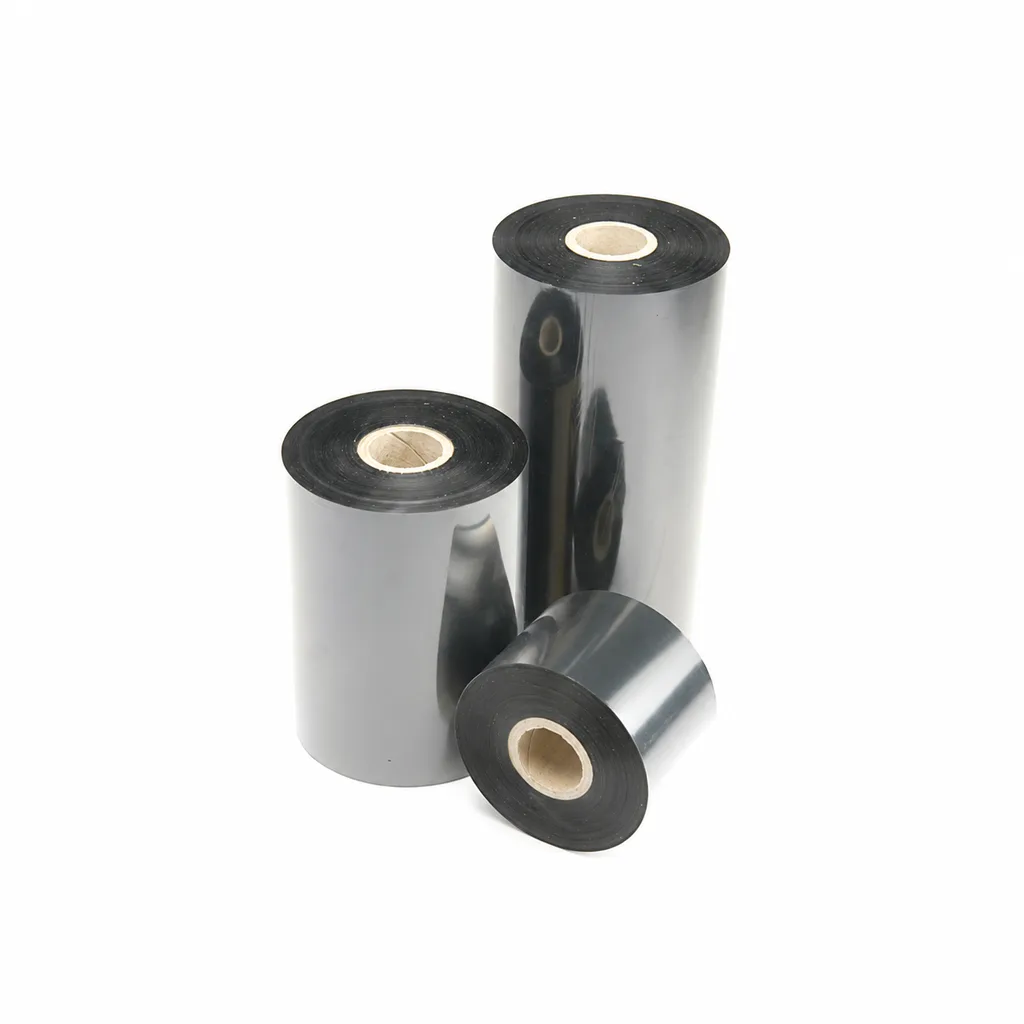
CL-Z213 Near-Edge Wax-Resin Thermal Transfer Ribbon for Barcode Labels
An enhanced black near-edge wax-resin thermal transfer ribbon for near-edge barcode printers and low- to medium-speed thermal transfer overprinting (TTO). Listed applications include retail labels, warehousing, garment tags and packaging identification. Match the printer, actual print medium and operating speed before selection: print quality and image durability can vary with the printer and substrate.
View details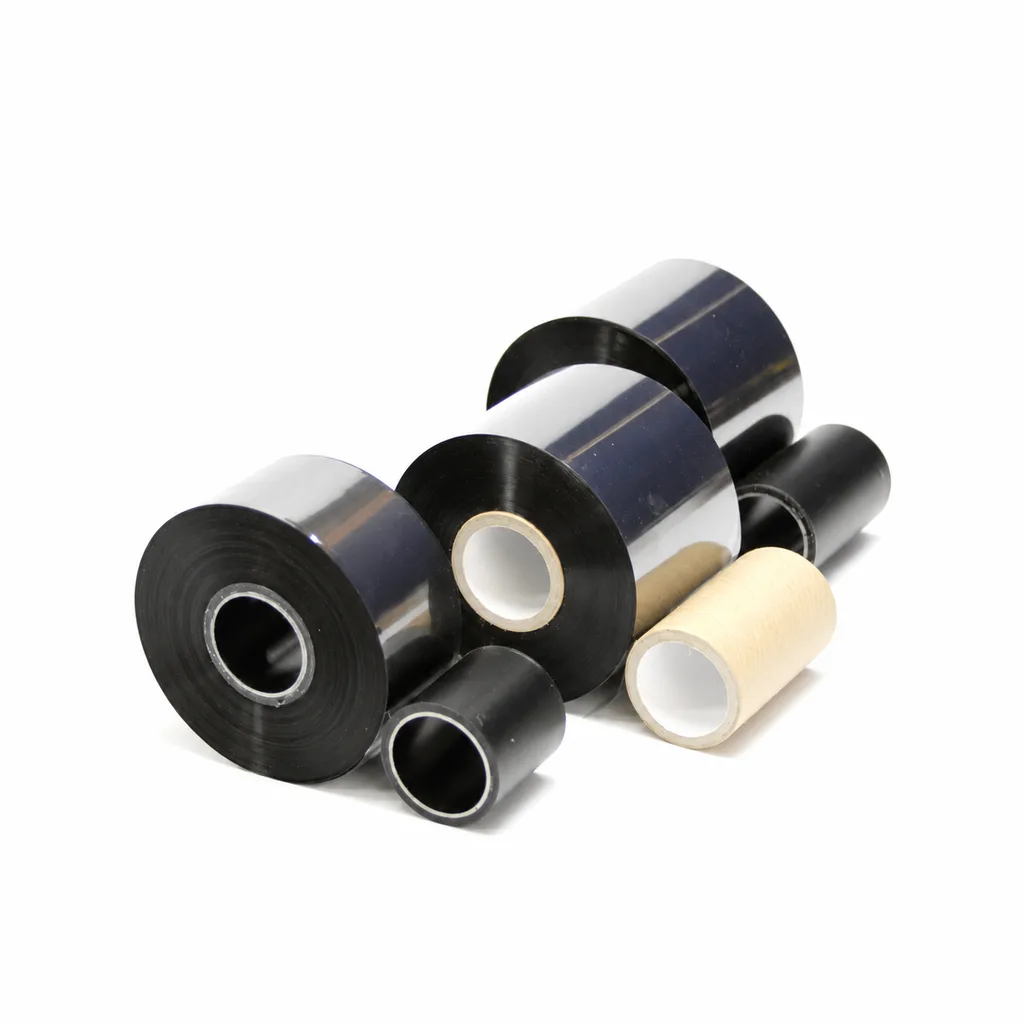
CL-Z215 Wax-Resin Thermal Transfer Ribbon for Packaging and Barcode Printing
CL-Z215 is a black, general-purpose wax-resin thermal transfer ribbon for thermal transfer overprinting (TTO) and near-edge barcode printers. Listed applications include retail labels, prepackaging, food packaging, pharmaceutical packaging, hot packaging and the frozen-food sector. Select it against your actual printer, printing material and required speed, then confirm print quality and image durability on that combination. The stated speed limits and durability results apply only within the documented conditions; they are not universal compatibility or long-term temperature guarantees.
View details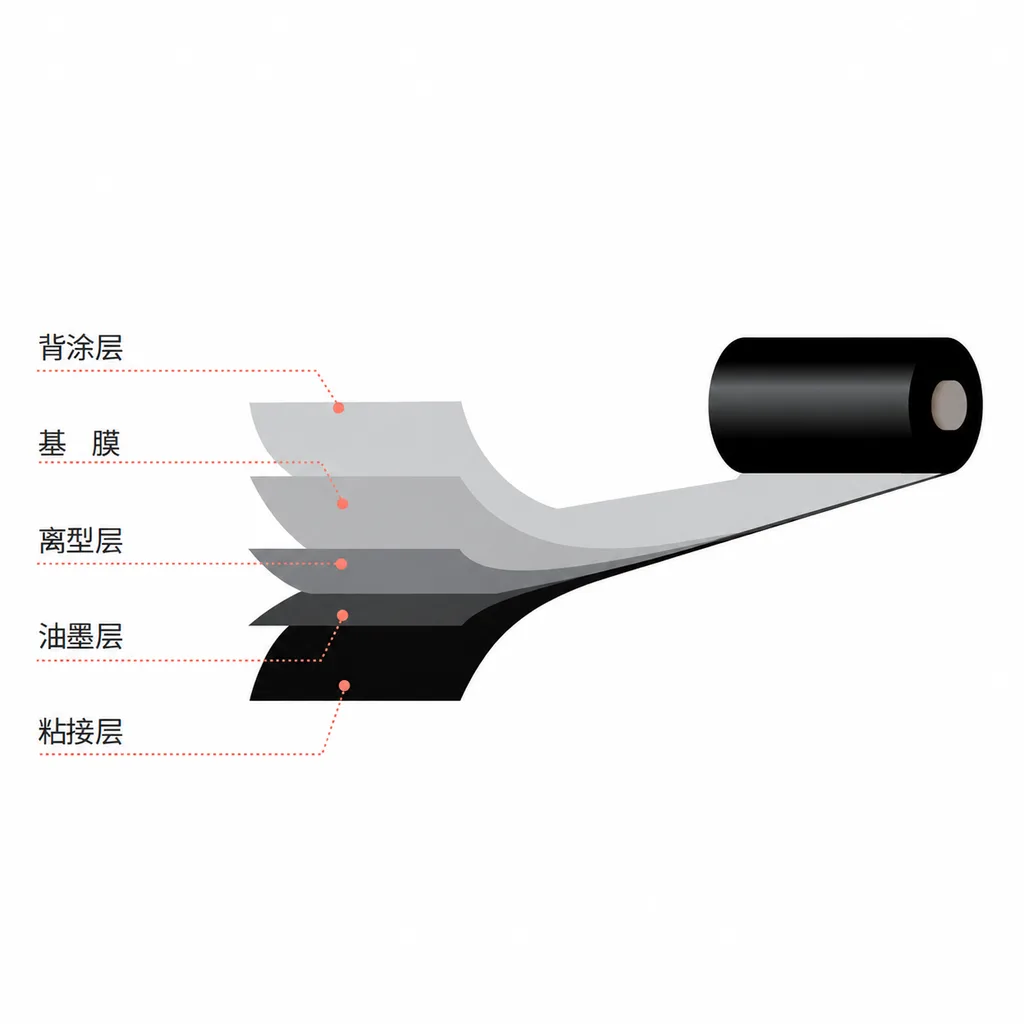
CL-Z312 Resin Thermal Transfer Ribbon for Packaging Printing
CL-Z312 is a black, general-purpose resin ribbon for thermal transfer overprinting (TTO), with packaging and retail label applications listed in the product information. Its abrasion, alcohol and oil resistance data were obtained on polyethylene terephthalate (PET). Select it against your actual packaging material, printer and production speed: print quality and image durability can vary with the printer and substrate, and the material chart percentages are not defined as pass rates.
View detailsNeed the right ribbon for your label application?
Share the label material, printer and operating environment. Our team will recommend a tested combination.
