
- Original TTR manufacturer since 2013
- Automated coating and slitting
- IQC / IPQC / OQC control
- ANSI barcode grade testing
- -20°C to 120°C environmental testing
- Batch-level traceability
- ANSI barcode grade
- Batch traceability
- RoHS / REACH compliance
- SGS and MSDS documents on request
Wax thermal transfer ribbon is a practical choice for many coated and uncoated paper labels used indoors with limited abrasion. Choose it by label material, expected service life, printer compatibility, and a sample print test. If exposure or durability demands rise, compare wax-resin or resin grades.
Key Takeaways
- Start with the label face stock and use environment.
- Wax suits many general paper-label jobs; tougher applications may need another grade.
- Confirm ribbon width, roll fit, and coated-side orientation for the exact printer.
- Approve a production-like sample before ordering in volume.
What Is a Wax Thermal Transfer Ribbon?
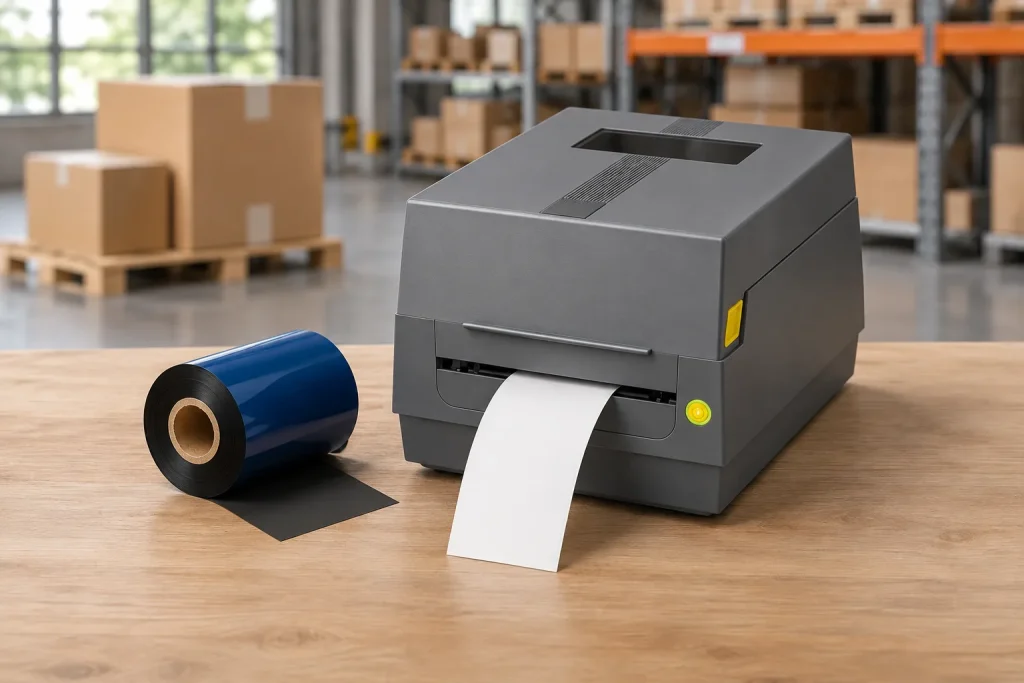
A wax thermal transfer ribbon is a coated film that carries ink to a label when heat from the printer’s printhead activates the coating. The printhead heats selected points to form an image, transferring ink from ribbon to media. For buyers, wax is generally the economical, lower-energy choice for paper labels used in ordinary indoor conditions.
Wax ribbons are commonly used for shipping and warehouse identification, retail tags, and other general-purpose paper labels. They can produce clear barcodes when the ribbon and label are compatible and the printer is set correctly. Their trade-off is durability: compared with wax-resin and resin grades, wax offers less resistance to abrasion, smearing, and demanding environments. Choose it by the label’s expected life and handling conditions, not by price alone.
Wax, Wax-Resin, or Resin: Which Fits?
| Ribbon grade | Typical match | Consider when |
|---|---|---|
| Wax | Coated or uncoated paper | Indoor use, routine handling, limited abrasion, and cost-conscious general labeling |
| Wax-resin | Coated paper and many synthetic materials | You need more smudge and scratch resistance or broader material compatibility |
| Resin | Demanding synthetic labels and specialty films | The application requires stronger abrasion or chemical resistance and longer-lasting print |
These are starting points, not universal guarantees. The label’s surface coating matters, and two labels that look alike can behave differently. Wax usually needs less print energy than the other grades and may support faster printing, but the correct speed and darkness depend on the ribbon, media, and printer combination. A higher-priced grade does not automatically improve a poorly matched system.
When Is Wax the Right Choice?
Consider wax for paper labels used in shipping, receiving, retail, shelving, or warehouse identification when the printed image will have a relatively short service life and face ordinary indoor handling. Typical examples include carton labels, address labels, shelf labels, and retail tags. In these applications, the goal is often readable text and barcodes at a practical consumable cost, rather than maximum resistance to harsh exposure.
Wax may be the wrong starting point when labels are frequently rubbed, exposed to chemicals or solvents, kept outdoors, or expected to remain legible in severe heat, moisture, or other difficult conditions. Synthetic substrates such as polyester often call for a resin grade; polypropylene and coated materials may require wax-resin or resin depending on the exact label and performance target. Check media and ribbon manufacturer compatibility guidance, then test the actual combination.
A Five-Step Selection Process
- Define the job. Record how long the label must remain readable, where it will be used, and how often it will be touched, rubbed, wetted, or exposed to chemicals, oil, heat, or sunlight.
- Identify the label face stock. Confirm whether it is uncoated paper, coated or semi-gloss paper, or synthetic film. Start with wax for ordinary paper; consider wax-resin or resin when the substrate or durability requirement calls for it.
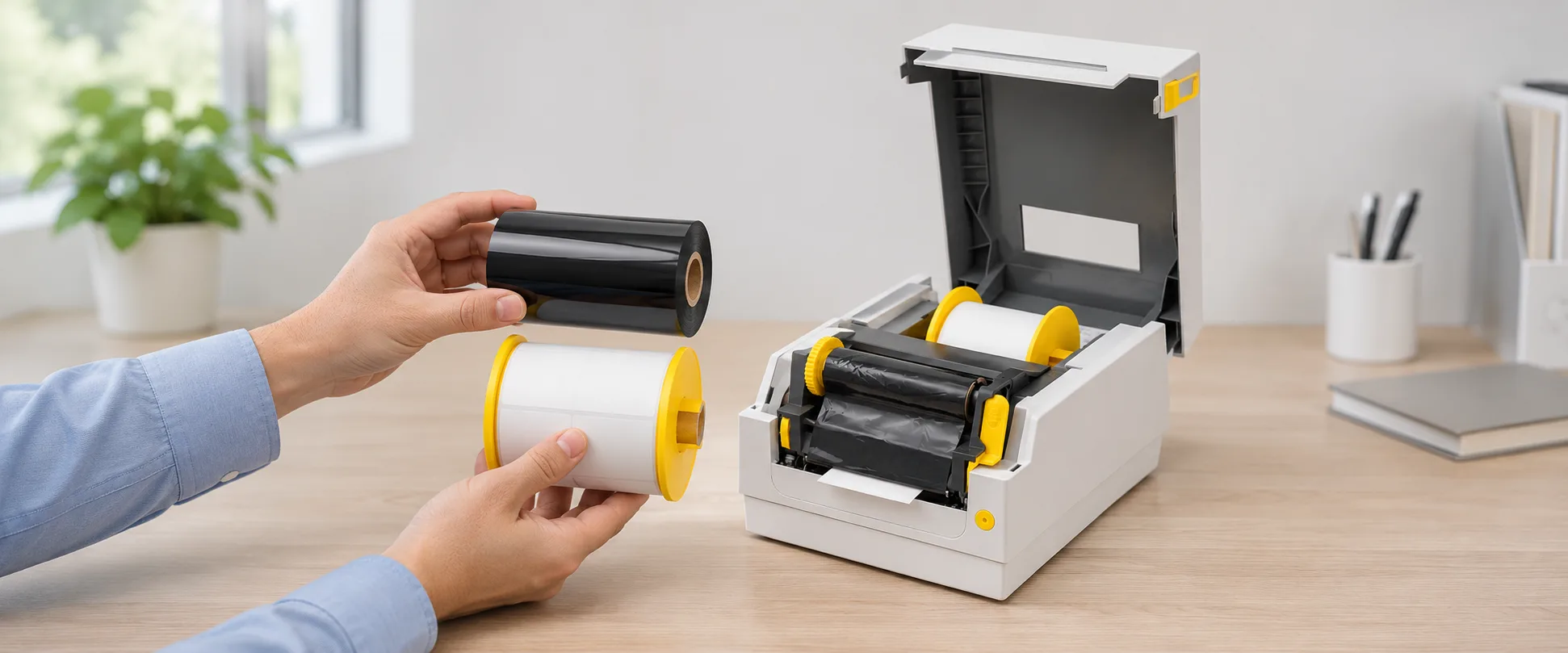
- Check printer compatibility. Use the printer manual or compatibility list. Verify ribbon formulation, printhead style where specified, roll dimensions, core, and coated-side orientation (often called ink-in or ink-out). These details are model-specific.
- Confirm width and roll fit. Select a ribbon at least as wide as the media unless the printer maker specifies otherwise. Check length, core diameter, and maximum roll dimensions against the printer.
- Run a production-like sample. Print the real label design at intended speed and darkness. Check barcode scanning, text clarity, smudge and scratch resistance, and relevant exposure before approving a volume order.
How to Troubleshoot a Weak Print
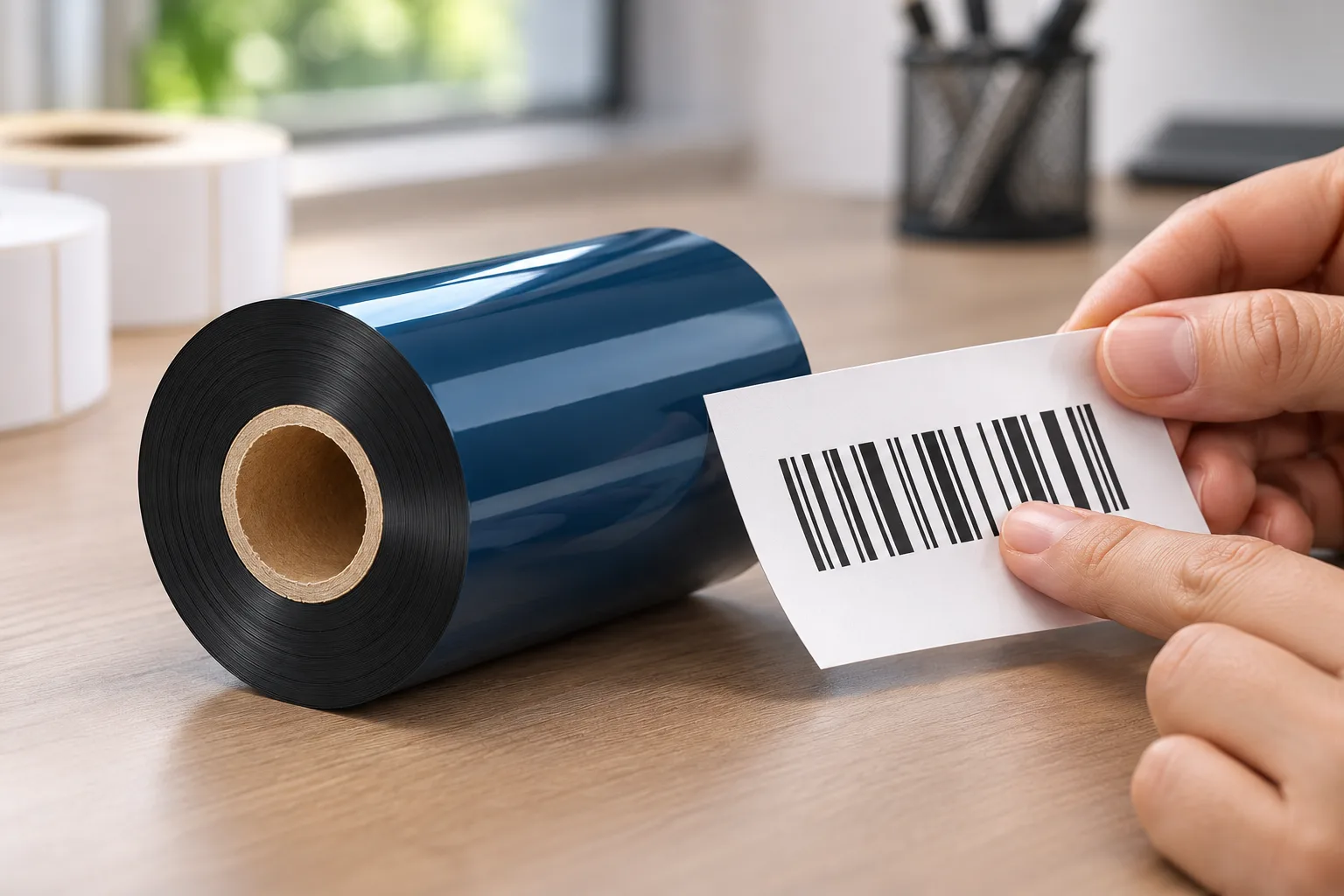
If the print looks faint, confirm that the printer is in thermal-transfer mode and that the ribbon’s coated side faces the media as required. Use the manufacturer’s recommended darkness and speed range, check the ribbon-label match, and clean the printhead according to the printer manual. Raising darkness without checking compatibility can mask the cause and create unnecessary heat or wear.
If ink smears or scratches off, compare the result with real use conditions. The paper coating or environment may require wax-resin or resin. If a barcode will not scan, verify print quality and sizing, media alignment, and scanner readability in the actual workflow. Test changes one at a time so the cause of improvement is clear.
Before You Place a Bulk Order
Send the supplier the exact printer model, label material and finish, label width, ribbon width and length, core size, coated-side orientation, print speed, and expected durability. Ask for the relevant data sheet and sample rolls. Keep approved sample labels and printer settings so incoming batches can be compared consistently. Agree on packaging, storage guidance, and delivery quantities based on your use rate.
This validation step can prevent wasted stock and production interruptions. If you are unsure whether wax will hold up, ask for candidate grades and test them on the same label and printer. Choose the simplest grade that passes actual readability and durability requirements.
Data and Evidence
Published guidance supports wax for coated and uncoated paper and indoor applications with limited abrasion. Printer-specific instructions also show why width and winding orientation must be checked against the exact model: an undersized ribbon can leave printhead areas unprotected, while coated-side direction varies by printer.
For verification, record the label stock and finish, exact printer model, ribbon dimensions and orientation, speed and darkness settings, and intended use conditions. Print the same label design with candidate grades, then document barcode readability and the application’s relevant rub, smear, moisture, or chemical checks. Use the printer and media suppliers’ compatibility information for final specifications.
Frequently Asked Questions
How long will a wax-ribbon label remain readable?
There is no single shelf-life answer. Readability depends on label stock, ribbon, printer settings, handling, and exposure. Define the required service period and verify it with a representative sample.
Can wax ribbon print on PET or PVC film?
Do not assume compatibility. Wax is primarily intended for paper labels; synthetic films often need wax-resin or resin. Check exact media and printer recommendations and test before ordering.
What if the wax print rubs off?
Verify the label surface and print settings. If the label will face more abrasion, moisture, or chemical exposure than a general-purpose indoor label, trial a more durable wax-resin or resin grade.
How do I avoid ordering the wrong ribbon orientation or size?
Use the exact printer model and manual to confirm coated-side direction, core and roll dimensions, and permitted ribbon width. A ribbon that fits another printer may not fit yours.
Recommended products for this industry
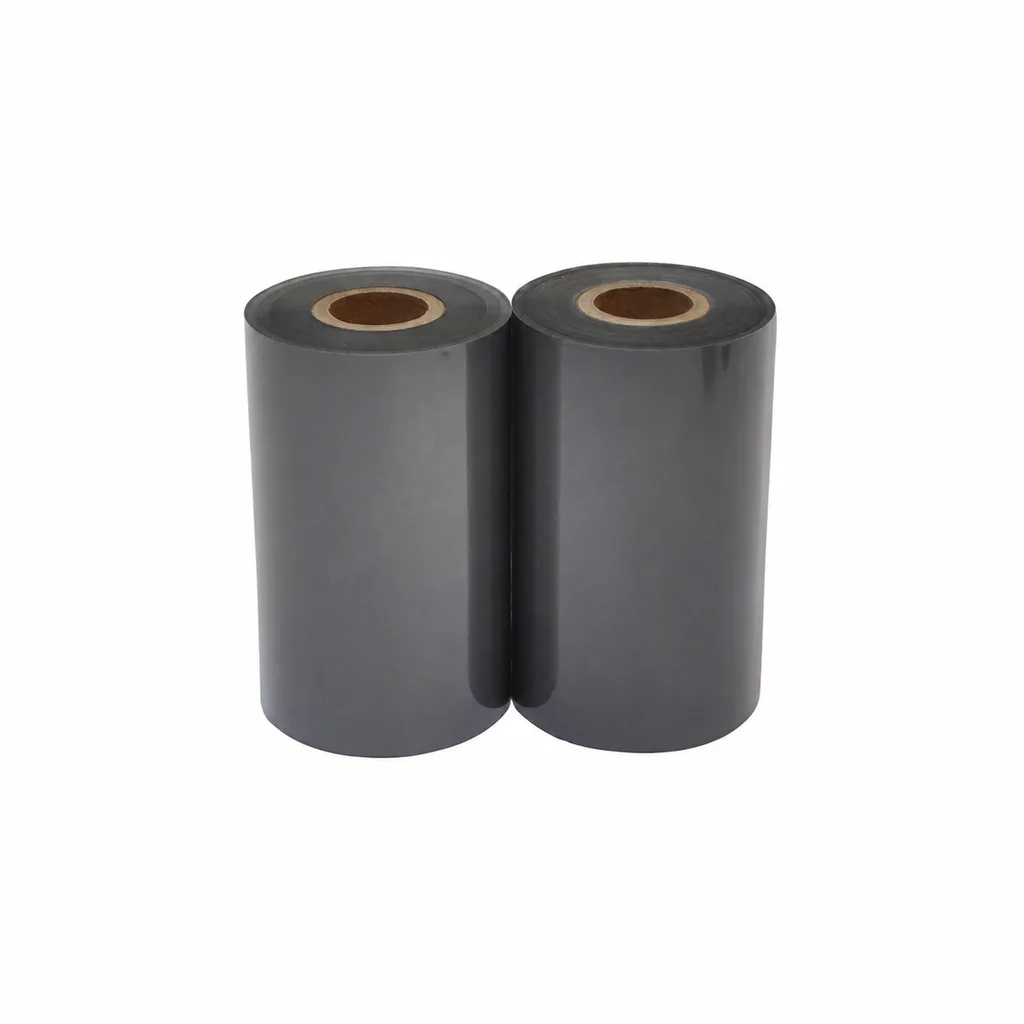
Black Resin Thermal Transfer Ribbon for Label Printing - CL-Z373
CL-Z373 is a black resin thermal transfer ribbon for label printing with desktop or industrial flat-head barcode printers at speeds of ≤6 ips (inches per second). Listed applications include electronics processing, tire identification, automotive manufacturing, pharmaceutical packaging, cosmetic labels and outdoor identification. Selection depends on the actual label material, printer and exposure conditions. Fine-line, small-character and resistance results were obtained on coated paper; print quality and image durability may vary with the printer and print substrate.
View details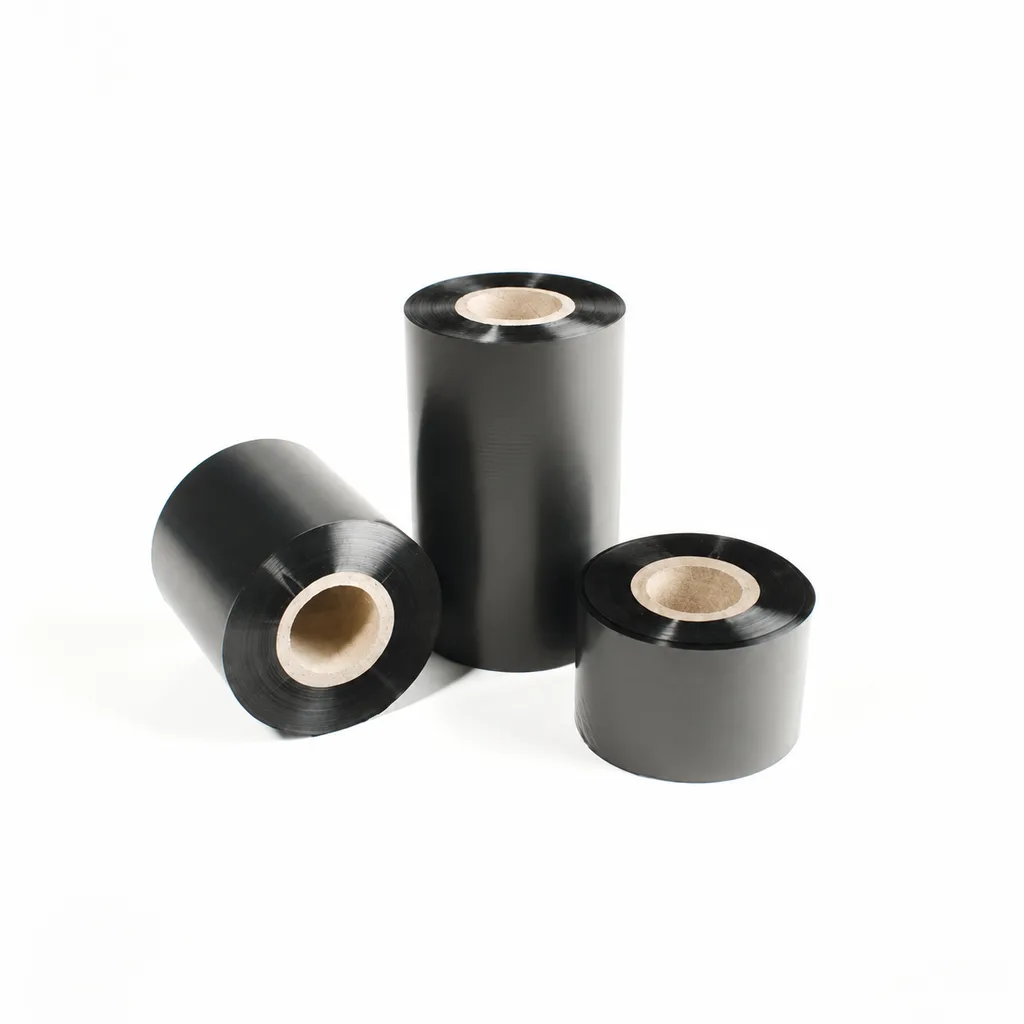
CL-Z112 Enhanced Wax Thermal Transfer Ribbon for Paper Labels and Tags
An enhanced wax thermal transfer ribbon with black ink for paper labels and tags used in retail, warehousing and logistics. It is specified for flat-head printing on desktop or industrial barcode printers at ≤8 inches per second (ips). Select it by checking the actual label material, printer configuration and handling conditions: image-quality, rub-resistance and cold-chamber results were obtained on coated paper, and print quality and image durability may vary with the printer and print medium.
View details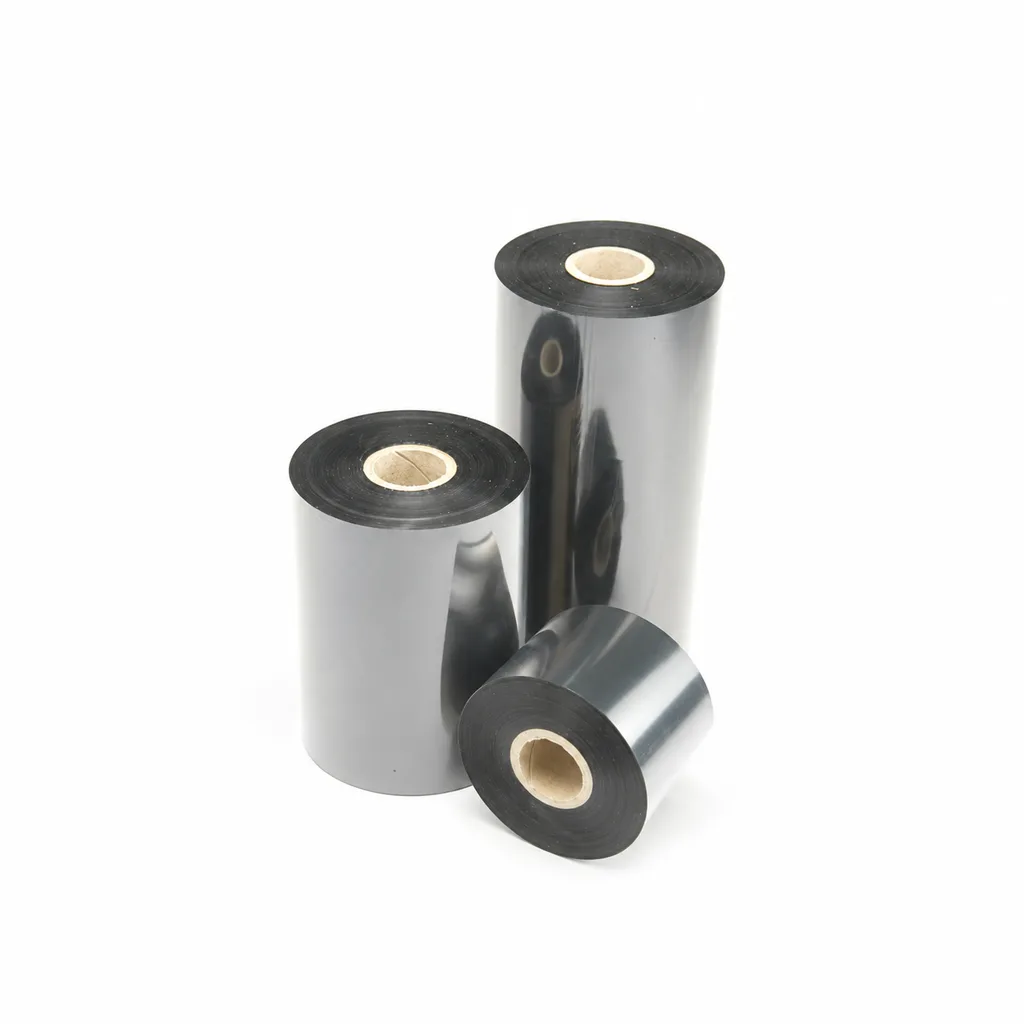
CL-Z203 Wax-Resin Thermal Transfer Ribbon for Barcode Labels
A black wax-resin thermal transfer ribbon for flat-head printing, with listed applications including retail, warehousing, logistics and garment tags. Select it against your actual label material and desktop or industrial barcode printer at speeds ≤6 ips (inches per second). Fine-line, small-text and durability results were obtained on coated paper; print quality and image durability may vary with the printer and printing substrate.
View details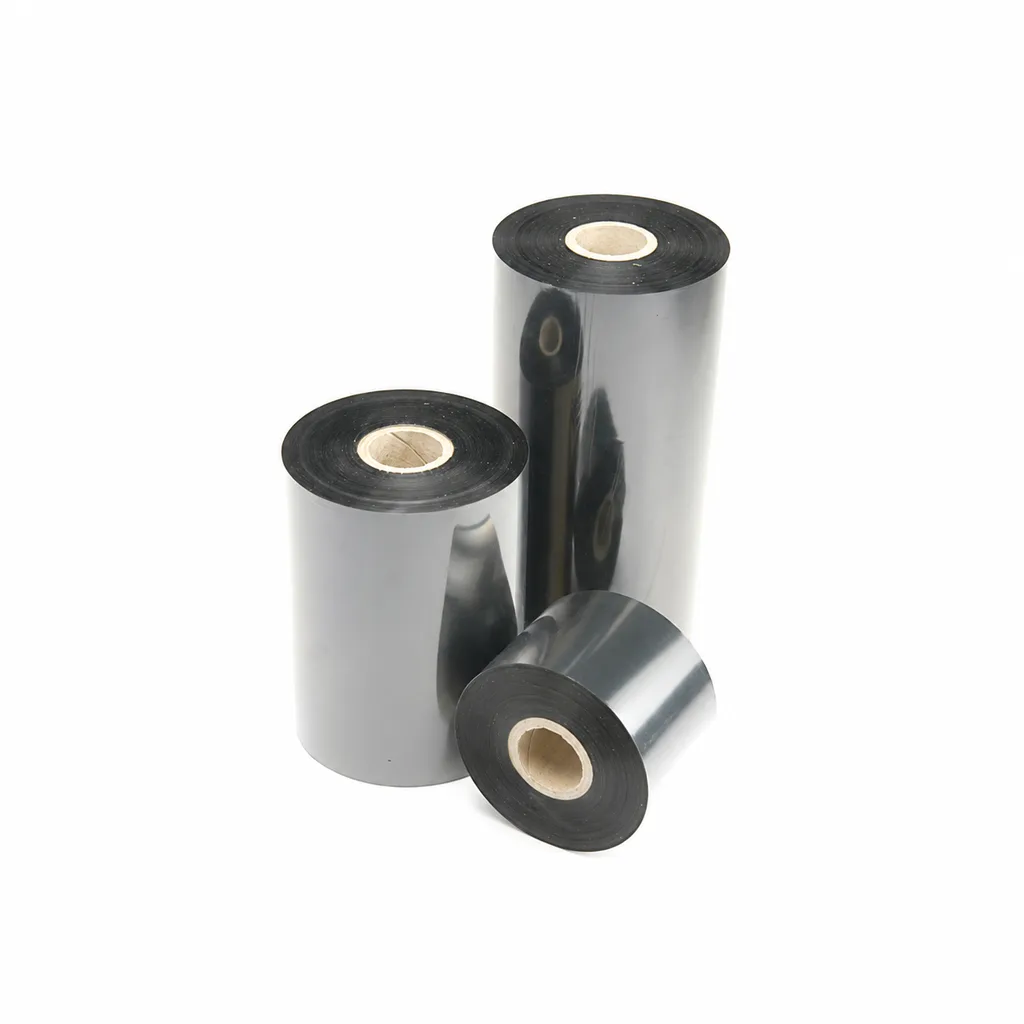
CL-Z213 Near-Edge Wax-Resin Thermal Transfer Ribbon for Barcode Labels
An enhanced black near-edge wax-resin thermal transfer ribbon for near-edge barcode printers and low- to medium-speed thermal transfer overprinting (TTO). Listed applications include retail labels, warehousing, garment tags and packaging identification. Match the printer, actual print medium and operating speed before selection: print quality and image durability can vary with the printer and substrate.
View detailsNeed the right ribbon for your label application?
Share the label material, printer and operating environment. Our team will recommend a tested combination.
