
Why High-Performance Thermal Transfer Ribbon Still Matters in Modern Label Printing

- Original TTR manufacturer since 2013
- Automated coating and slitting
- IQC / IPQC / OQC control
- ANSI barcode grade testing
- -20°C to 120°C environmental testing
- Batch-level traceability
- ANSI barcode grade
- Batch traceability
- RoHS / REACH compliance
- SGS and MSDS documents on request
Thermal transfer ribbon has become more than a basic printing consumable. In modern industries, it supports product identification, packaging quality, warehouse speed, and brand presentation. A blurred barcode or a faded product label can slow scanning, create shipping errors, and damage customer trust. That is why the right ribbon still matters.
For manufacturers, distributors, and brand owners, thermal transfer ribbon helps improve print consistency and reduce waste. It also supports stable output across different surfaces and working environments. When companies choose the right ribbon, they do more than improve print quality. They protect efficiency across the whole labeling process.

Why Thermal Transfer Ribbon Still Plays a Key Role
A label is expected to do more than show a product name. It often carries barcodes, batch numbers, compliance details, shipping data, and traceability information. These details must stay clear during storage, transport, retail display, and end use. If the print quality drops too soon, the label loses value.
Thermal transfer ribbon supports long-lasting image quality when it matches the right label material and printer settings. It can produce sharp text, dark images, and clean barcode edges. This matters in food packaging, cosmetics, electronics, logistics, healthcare, and manufacturing. In these fields, labels often face rubbing, handling, temperature change, and long storage cycles.
The quality of the ribbon directly affects how well the label survives these conditions. That is why more buyers now treat ribbon selection as part of quality control rather than a low-priority purchase.
How Print Quality Affects Daily Operations
Poor print quality creates many hidden costs. A label may leave the printer looking acceptable, yet fail during scanning or transport. A barcode that scans slowly can reduce warehouse speed. A smudged label can lead to manual checking. A faded mark can cause traceability risk.
These issues often create:
more reprints
extra label waste
slower packing work
barcode reading errors
more manual correction
higher customer complaint risk
A reliable ribbon helps reduce these problems. Stable ink transfer and clean release support better output from one roll to the next. This consistency helps teams maintain smoother workflows.
Why Rework Becomes Expensive
Rework is one of the most common problems in label printing. When text is unclear or darkness is uneven, operators usually stop the line, test new settings, and print again. That costs time and materials.
A high-quality thermal transfer ribbon can help reduce those interruptions. It supports better small-font clarity, cleaner lines, and stronger barcode readability. For factories and warehouses that print labels every day, those small improvements can bring real savings.
Choosing the Right Ribbon Type
Different applications need different ribbon types. The best choice depends on label material, durability needs, printing speed, and end-use conditions.
Wax Ribbon for Standard Paper Labels
Wax ribbon is often used for common paper labels. It is a good choice for shipping labels, carton labels, and general warehouse use. It offers a cost-effective balance between print quality and budget control.
Wax-Resin Ribbon for Better Resistance
Wax-resin ribbon is a stronger option for applications that need better scratch resistance and more stable performance. It works well for retail labels, inventory labels, healthcare labels, and branded packaging where durability matters.
Resin Ribbon for Demanding Conditions
Resin ribbon is designed for high-resistance needs. It is often used on synthetic materials such as PET and other durable label stocks. It suits electronics, chemicals, automotive parts, asset tags, and industrial applications where labels face heat, friction, or chemicals.

Material Compatibility Is Critical
Ribbon quality alone is not enough. The final printing result depends on compatibility. A ribbon that performs well on coated paper may not work the same way on synthetic film. Printer settings also matter. Speed, heat level, and pressure all influence the final image.
That is why testing is important. Buyers should not choose ribbon by price only. A better selection process includes checking:
print sharpness
image density
scratch resistance
barcode scan performance
storage durability
printer compatibility
This practical approach helps businesses avoid short-term savings that create long-term waste.
Thermal Transfer Ribbon and Brand Image
Label quality also affects how a brand looks. Customers notice product labels, shipping marks, and packaging details. If the print looks clean and stable, the product appears more reliable. If the label looks rough or faded, the brand image becomes weaker.
This is especially true for premium packaging, retail products, cosmetics, food labels, and technical products. In these markets, every visible detail shapes customer confidence.
Even simple elements such as batch codes, date codes, and barcode clarity can influence how professional a product looks. Good ribbon performance helps brands protect that impression.
What Buyers Should Expect from a Ribbon Supplier
A good ribbon supplier should offer more than product availability. Buyers often need stable coating quality, consistent roll performance, broad application support, and responsive service.
A reliable supplier should be able to support:
stable product quality
consistent roll-to-roll performance
multiple material options
practical application guidance
dependable supply for repeat orders
Colorful focuses on thermal transfer ribbon solutions for real labeling and packaging needs. Instead of treating ribbon as a simple commodity, the goal is to support better printing consistency and better business results in actual production environments.
Why the Market Still Depends on Thermal Transfer Ribbon
Modern supply chains demand more from labels. Companies now expect labels to stay readable through storage, transport, handling, and scanning. As traceability standards rise, poor print quality becomes harder to accept.
That is one reason thermal transfer ribbon remains highly relevant. It continues to offer strong print clarity, flexible material compatibility, and dependable durability. For many industries, it remains one of the most practical ways to achieve stable label performance at scale.
As packaging systems grow more advanced, the value of a reliable ribbon becomes even clearer. Better ribbon choice supports fewer failures, better workflow speed, and more professional labeling results.
Final Thoughts
Thermal transfer ribbon may seem like a small part of the packaging process, but its impact is broad. It affects readability, efficiency, waste control, traceability, and brand image. For businesses that print labels every day, ribbon performance is not a minor issue. It is part of operational quality.
The right ribbon helps companies print clearly, scan smoothly, and maintain stable results over time. That is why high-performance thermal transfer ribbon still matters in modern label printing.

Key Takeaways
- Learn why thermal transfer ribbon ensures clear labels, stable printing, and reliable performance in modern packaging.
Related Products & Guides
- Colour Ribbon – Yellow
- Handheld Barcode Scanner A890
- TTO Hybrid Base Ribbon
- Thermal Transfer Ribbon Supplier in France: A Factory-Grade Buying Guide
- Thermal Transfer Ribbon Supplier in Brazil: A Factory Buyer's Guide
Related Products & Guides
- TTO Barcode Printer Thermal Transfer Colour Ribbon High-Speed Customisation
- TTO Ribbon Printer High-Speed Customisation Model with Thermal Transfer Colour Ribbon
- Why Thermal Transfer Ribbon Still Matters_ Smarter Printing for Durable Labels, Faster Scanning, and Better Packaging Performance
- Smart Manufacturing
Explore
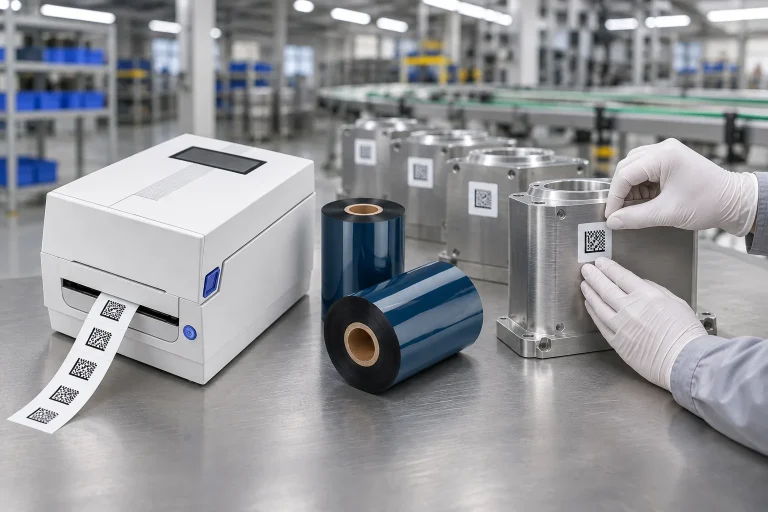
Industrial Serial Number Marking: Definition, Methods and How It Differs From Batch Coding
Industrial serial number marking puts a unique per-unit ID on each product by label…
Read article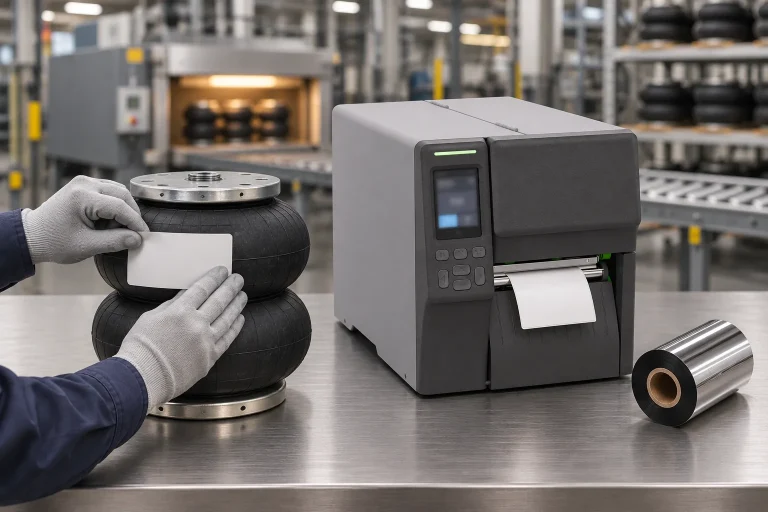
How to Choose Vulcanized Air Spring Labels for Your Production Line
Choose air spring labels by cure timing, actual finished-part substrate, location, and…
Read article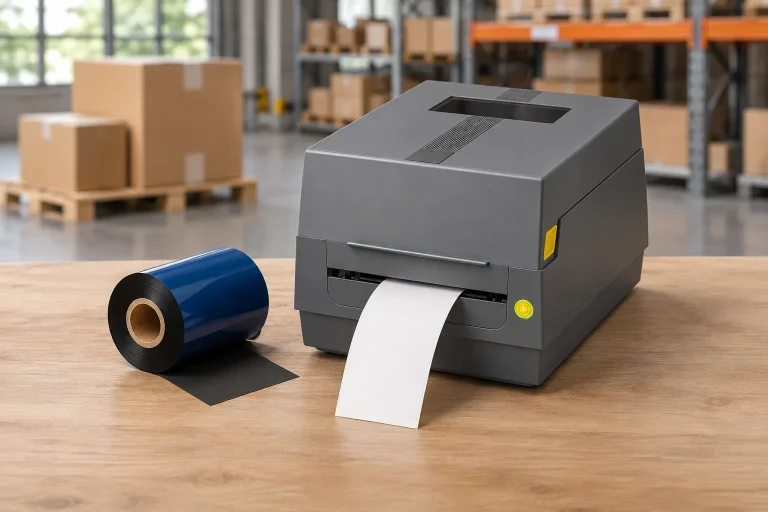
Wax Thermal Transfer Ribbon: A Practical Selection Guide
Choose wax thermal transfer ribbon for paper labels and light-duty use. Match the grade…
Read articleRecommended products for this industry
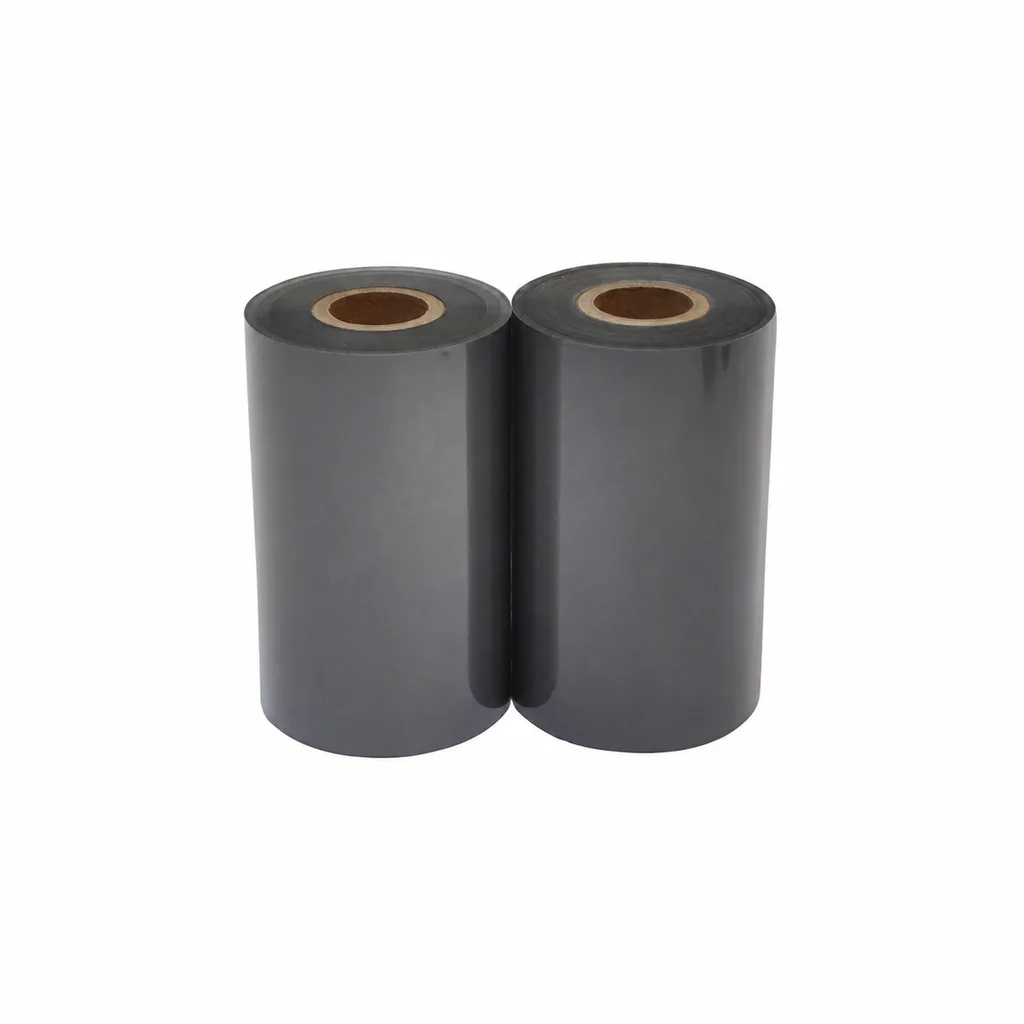
Black Resin Thermal Transfer Ribbon for Label Printing - CL-Z373
CL-Z373 is a black resin thermal transfer ribbon for label printing with desktop or industrial flat-head barcode printers at speeds of ≤6 ips (inches per second). Listed applications include electronics processing, tire identification, automotive manufacturing, pharmaceutical packaging, cosmetic labels and outdoor identification. Selection depends on the actual label material, printer and exposure conditions. Fine-line, small-character and resistance results were obtained on coated paper; print quality and image durability may vary with the printer and print substrate.
View details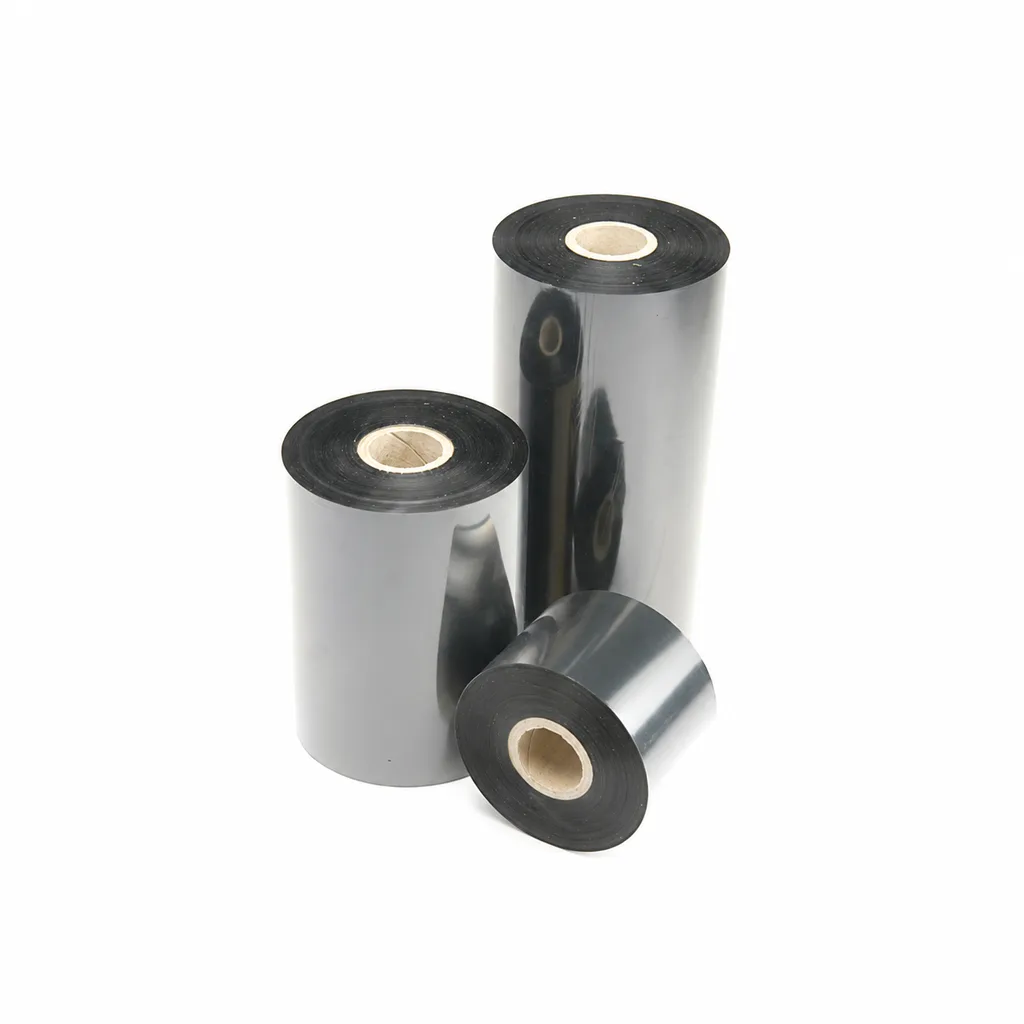
CL-Z213 Near-Edge Wax-Resin Thermal Transfer Ribbon for Barcode Labels
An enhanced black near-edge wax-resin thermal transfer ribbon for near-edge barcode printers and low- to medium-speed thermal transfer overprinting (TTO). Listed applications include retail labels, warehousing, garment tags and packaging identification. Match the printer, actual print medium and operating speed before selection: print quality and image durability can vary with the printer and substrate.
View details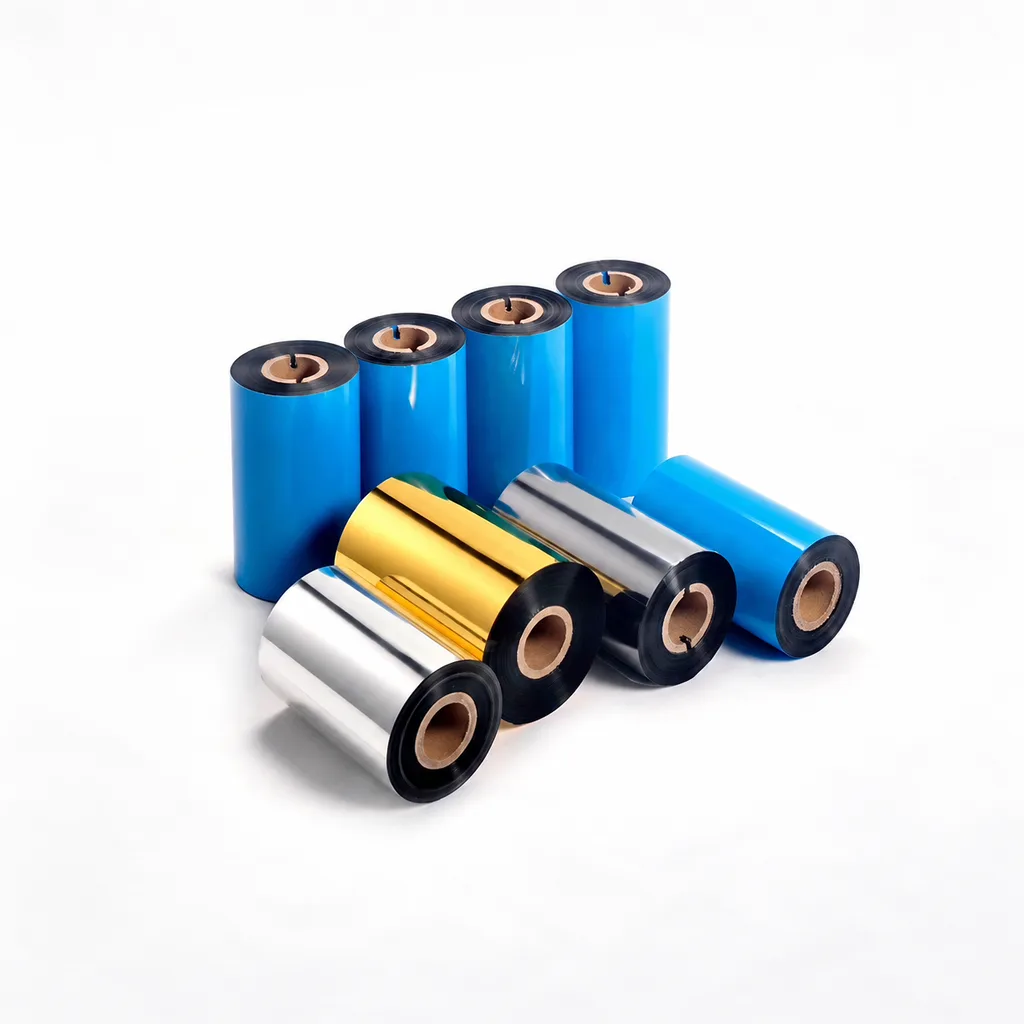
CL-Z302 Enhanced Resin Thermal Transfer Ribbon for Label Printing
A black enhanced resin thermal transfer ribbon for label printing with flat-head desktop or industrial barcode printers at ≤6 ips (inches per second). Listed applications include cosmetics labels, pharmaceutical packaging, electronics processing and automotive identification. Select it against your actual label material and exposure conditions: the reported abrasion, alcohol, water-immersion and low-temperature results were obtained on coated paper, and print quality and image durability may vary with the printer and printing substrate.
View detailsNeed the right ribbon for your label application?
Share the label material, printer and operating environment. Our team will recommend a tested combination.
