
Industrial Serial Number Marking: Definition, Methods and How It Differs From Batch Coding
Request a solution
- Original TTR manufacturer since 2013
- Automated coating and slitting
- IQC / IPQC / OQC control
- ANSI barcode grade testing
- -20°C to 120°C environmental testing
- Batch-level traceability
- ANSI barcode grade
- Batch traceability
- RoHS / REACH compliance
- SGS and MSDS documents on request
Industrial serial number marking means giving each manufactured unit its own identifier and placing that identifier on the unit where people or machines can read it. This guide is for purchasing and technical leads who need to tell a serial number from a batch or model code and to see how laser, dot peen and inkjet marking, thermal transfer labels and RFID tags each carry it. The route decides where the number lives, not what it means, and a code that merely opens a web page is not a verified per-unit identity. Each point rests on published industry guidance and Colorfulttr's product documentation, and the closing checks show how to confirm a mark on your own line.
Key Takeaways
- A serial number is a unique identifier assigned to an individual product during manufacturing, while a batch number belongs to the whole group made together under the same conditions.
- A serial number can be carried by a label, laser marking, a Data Matrix code or an RFID tag.
- Laser coding ablates the part surface and needs no consumables, whereas thermal transfer printing transfers ink from a ribbon onto a label or film.
- The result depends on the material and the process settings, so it has to be confirmed on the actual part or label stock.
- Many manufacturing processes use batch numbers for incoming materials and serial numbers for finished products.
What Industrial Serial Number Marking Means
Industrial serial number marking is the step that puts a unique identifier, assigned to one individual product during manufacturing, onto that product in a readable form; Because each unit carries its own number, you can track specific items even when they are identical to others in the same product line. Manufacturing traceability guidance lists four carriers: a label, laser marking, a Data Matrix code or an RFID tag. The word marking therefore covers both a mark formed on the part and a carrier attached to it, such as a printed paper or film adhesive, a shrink sleeve or a digital identifier embedded in an RFID chip.
The purpose is unit-level traceability. A manufacturing execution system (MES) records production data per individual part: process parameters per station, quality status per part and the complete production history. Typical applications include serial numbers on vehicle parts and markings on machine components, tools and type plates. Industrial labels are most frequently used to identify the equipment or product and to communicate critical safety information clearly; supply chain management is a secondary use that is becoming increasingly common.
At business level, batch and serial codes are described as the backbone of recall management and brand protection, and serialization is now mandated in pharma and tobacco track-and-trace.
Serial Number, Batch Number and Model Code: Which One Identifies What
A serial number identifies one unit, a batch number identifies the group that unit came from, and a model or type code identifies the product kind rather than the individual item. A batch number, also called lot number or charge number, is a unique identifier assigned to a group of products manufactured together under the same conditions: same raw materials, same machine, same process parameters and same time period. Lot numbers therefore give a batch a collective identity, while serial numbers give each unit within that batch its own identity.
A model or type code separates product variants, while identifying the single physical unit is the serial number's role; in the example below, two Siemens motor MLFB codes that differ by one final digit are different products.
| Identifier | What it identifies | Example |
|---|---|---|
| Serial number | One individual unit | Serial number 00047823 |
| Batch or lot number | A group of products made together under the same conditions | Batch 2026-03-15-A |
| Production order number | An internal planning identifier in the ERP system | No example in the sources |
| Model or type code | A product kind or variant | Siemens motor MLFB 1LA7 096-4AA10 and 1LA7 096-4AA11 |
Many manufacturing processes use both: batch numbers for incoming materials, such as steel coil, plastic granulate or chemical batches, and serial numbers for finished products. An MES links the serial number to the material batch used, as the first two examples in the table show, which enables both forward traceability (which products used this material batch?) and backward traceability (which material batches went into this product?).
How the Serial Number Gets Onto the Part or the Label
Industrial serial numbers reach the product by two main routes: a mark formed on the part itself, or a printed label, tag or film applied to it. On the part, laser coding ablates the surface for permanent, consumable-free coding, and on aluminum it selectively removes the top material layer, such as anodizing or paint. Dot peen marking creates lettering or a code from many precisely placed dots, and it is a popular method in the automotive industry. Inkjet (TIJ/CIJ/PIJ) lays fast-dry or pigment ink for flexible, low-cost marks on many substrates.
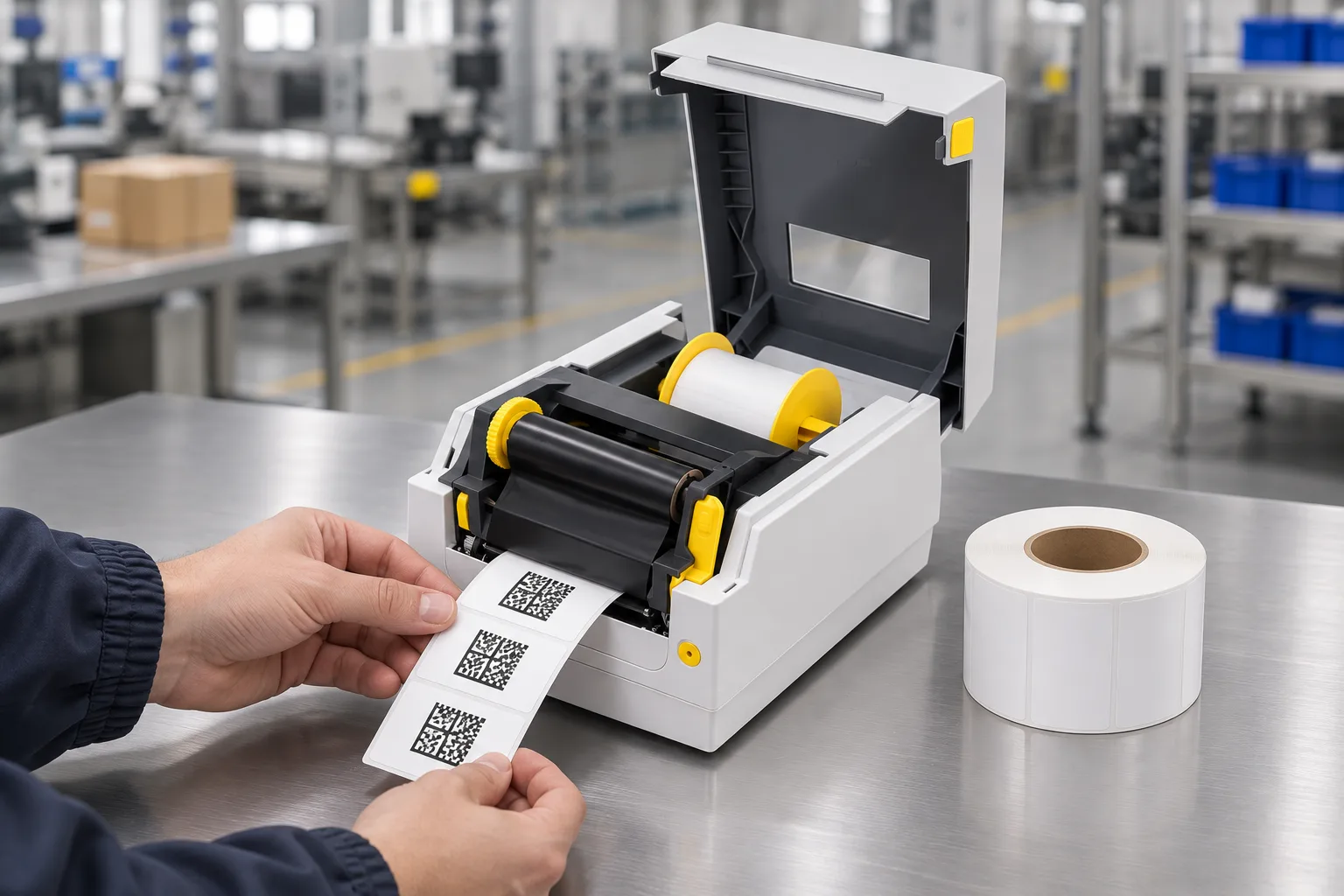
The second route prints the number onto a carrier. In thermal transfer printing, a printhead heats resistive dots against the back of a ribbon, and the released ink transfers onto the label underneath. Thermal transfer ribbons are used mostly for printing variable information, and the three common classes are full wax, wax-resin blend and full resin; the coating determines print durability, substrate compatibility and resistance to heat, chemicals and abrasion. For serial numbers on flexible packaging, Thermal Transfer Overprinting (TTO) applies a code to flexible film or labels with a thermal printhead and a wax-resin or resin ribbon.
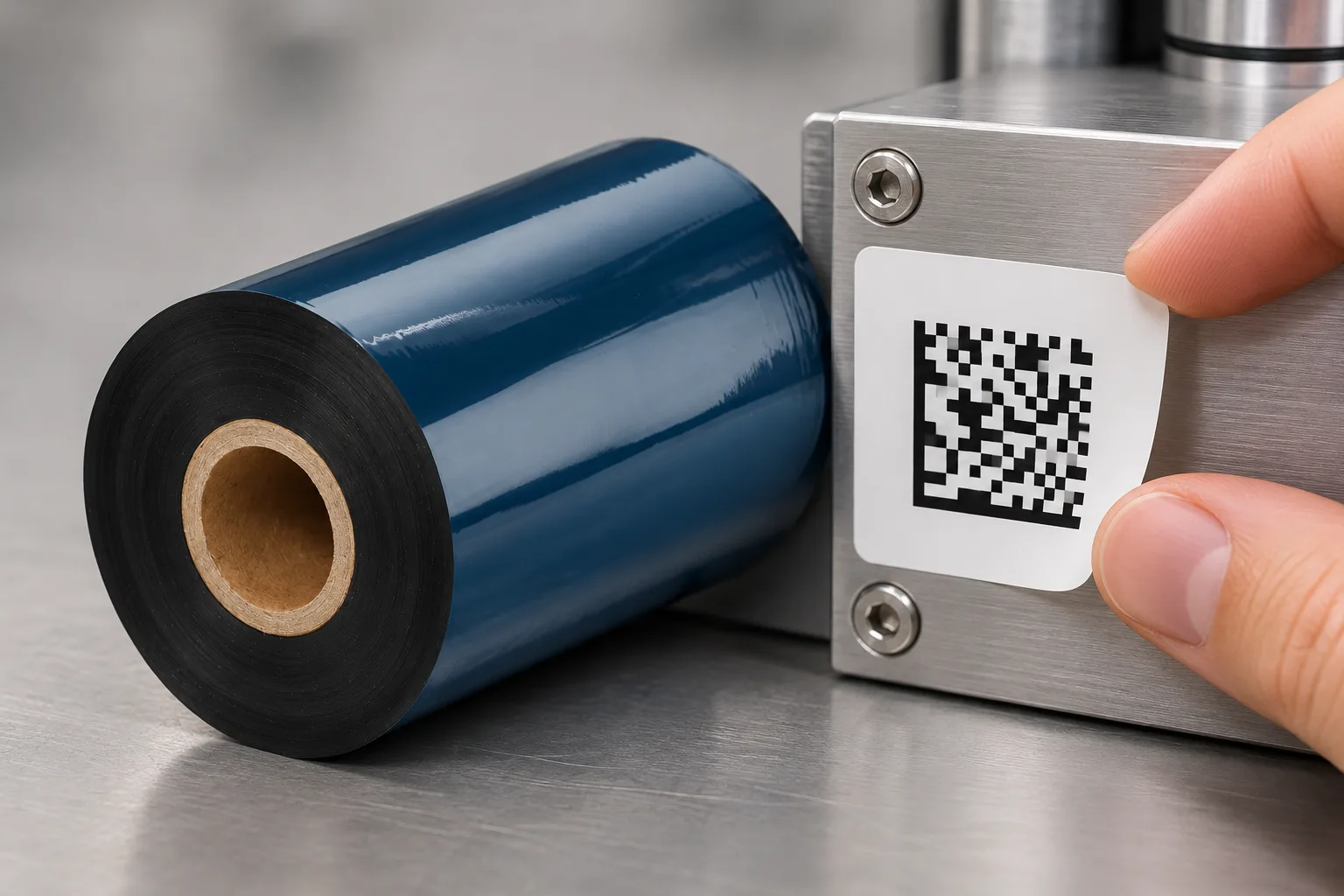
For the label route, Colorfulttr is a thermal transfer ribbon materials factory and a thermal transfer identification solutions provider. Its product matrix states that the ribbon line covers all thermal transfer printer brands and that a ribbon for one machine is chosen by checking the printer's full model, printhead type, ribbon width and length, core and winding direction. Its quality documentation states that each shipment batch gets a print test checked against the customer's confirmation sample. A specific ribbon still needs confirming on your own label stock and printer.
What a Serial Number Mark Does Not Prove
A serial number mark records which unit a product is, but it does not by itself prove that a code belongs to a single unit or how long the mark will stay readable. Four limits follow from the guidance cited above.
- A code is not automatically an identity. A QR that opens a webpage differs from an identity assigned to an individual unit and checked by a verification service.
- Durability cannot be read from the method name. Ribbon performance belongs to the complete printed construction, and Colorfulttr's product matrix likewise says that a full resin ribbon's resistance is decided by its formulation.
- A laser mark is not secured by the laser alone. The marking result depends on how alloy composition, surface condition and process parameters work together.
- A successful scan is not a quality grade. A barcode verification grade from A to F says how closely a printed barcode matches the ISO standard for readability, not whether your scanner happens to read it today.
Data and Evidence
The table condenses what published marking and printing guides state about each route; it does not rank the routes.
| Route | How the serial number is carried | What published sources state |
|---|---|---|
| Laser marking | Ablation of the part surface | Permanent, consumable-free; pulsed lasers are favored in most industrial applications |
| Dot peen marking | Lettering or a code built from precisely placed dots | Permanent, robust, suited to industrial marking |
| Inkjet (TIJ/CIJ/PIJ) | Fast-dry or pigment ink on the substrate | Flexible, low-cost marks on many substrates |
| Thermal transfer label | Ink released from a ribbon by a heated printhead | Mostly used for variable information; the coating sets print durability |
| TTO | A code applied to flexible film or labels with a wax-resin or resin ribbon | Digital printing technology for flexible packaging |
| RFID tag | A digital identifier embedded in an RFID chip | Named with the label, laser marking and Data Matrix code as a carrier |
Checks that the sources describe for a serial number mark:
- Perfect the label data first and the printing quality second.
- Grade printed 2D symbols such as Data Matrix and QR codes under ISO 15415, the standard that defines how to assess their print quality.
- Validate the ribbon and label combination on your own facestock, printer and settings before release.
To apply this on your own line, list which identifier each product needs, pick the route that fits the part material and the environment, and for the label route gather the printer model, printhead type and label stock before asking a ribbon supplier to propose one. Identifier definitions come from manufacturing traceability guidance, route descriptions from published marking and thermal transfer guides, and company statements from Colorfulttr's product matrix and quality documentation.
Frequently Asked Questions
Does every industrial product need a serial number mark?
No. Products that are consumed or discarded quickly, such as food or low-cost personal care items, probably do not need individual tracking, and products that need no warranty, service or repair tracking can do without serial numbers. Check your sector first, because serialization is mandated in pharma and tobacco track-and-trace.
Is an RFID tag a form of serial number marking?
Yes. An RFID tag is one of the four carriers that traceability guidance lists for a serial number, next to the label, laser marking and the Data Matrix code. The number is held as a digital identifier embedded in the RFID chip, and the choice of carrier depends on the substrate and the information density required.
Can a serial number be printed as a Data Matrix code on a label?
Yes. A label and a Data Matrix code are both listed as carriers for a serial number, and thermal transfer ribbons are used mostly for printing variable information. Assess the printed 2D symbol under ISO 15415 and confirm the ribbon and label combination on your own printer and material.
Recommended products for this industry
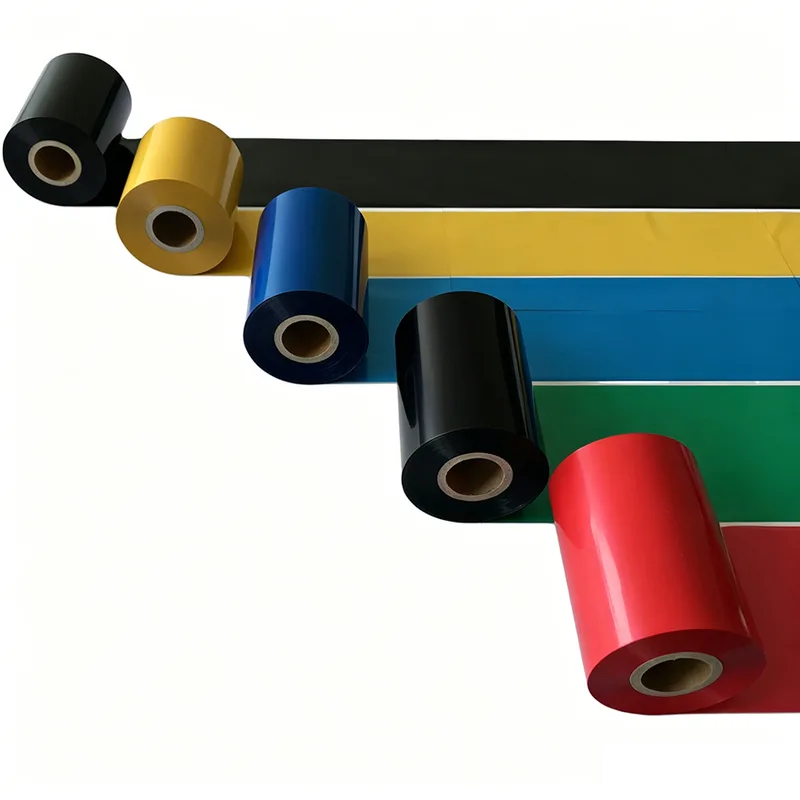
Thermal Coding Ribbon for Tire Position Marking CL-0080D
A thermal coding ribbon for tire position marking, available with red, white or yellow ink. Select it with the printer and printing surface in mind: print quality and image durability may vary with their types.
View details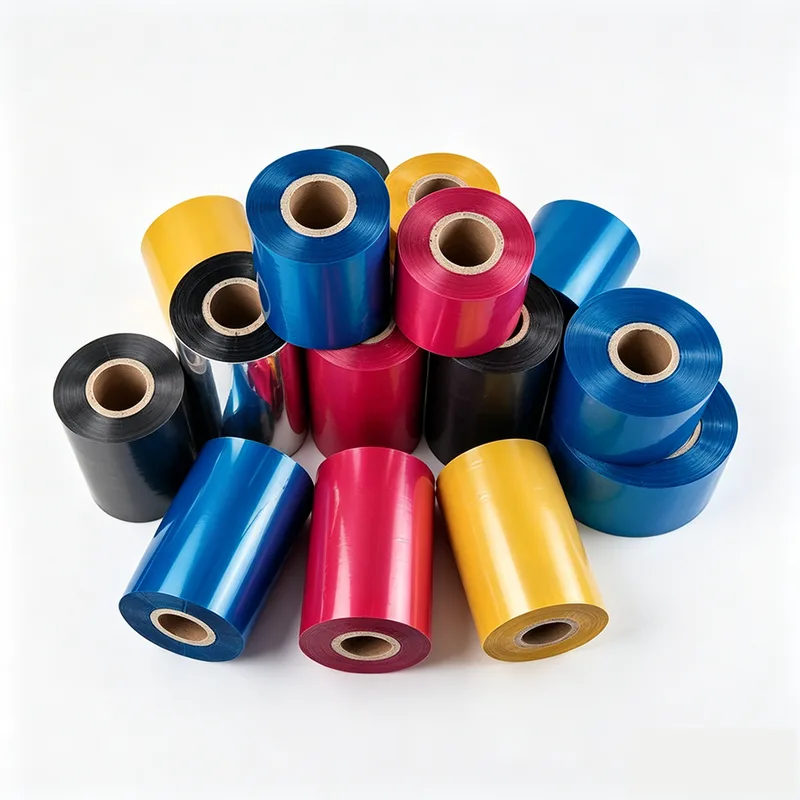
Thermal Coding Ribbon for Tire Position Marking CL-UFGQ2
CL-UFGQ2 is a thermal coding ribbon for tire position marking. Select the ink color and check the printer, marking material and operating conditions; print quality and image durability can vary with the printer and substrate.
View details
4-inch lightweight industrial printer
Industrial printers are engineered for lightweight construction, straightforward…
View details
Acid and Alkali Resistant Label
Chemical-resistant label construction for acid baths, paint-stripping solutions, alkali…
View detailsNeed the right ribbon for your label application?
Share the label material, printer and operating environment. Our team will recommend a tested combination.
