
Industrial Identification Label: Purpose, Materials and Print Methods
Request a solution
- Original TTR manufacturer since 2013
- Automated coating and slitting
- IQC / IPQC / OQC control
- ANSI barcode grade testing
- -20°C to 120°C environmental testing
- Batch-level traceability
- ANSI barcode grade
- Batch traceability
- RoHS / REACH compliance
- SGS and MSDS documents on request
An industrial identification label identifies equipment or products and may also communicate critical safety information. For buyers printing labels in-house, the term describes a purpose rather than a particular material or printing process. Separate the identity data from the label construction, then verify the proposed stock and ribbon together on the intended printer and application surface.
Key Takeaways
- Industrial labels commonly identify equipment or products and communicate critical safety information.
- A serial number identifies an individual item, while a batch number identifies a production group.
- Thermal transfer uses ribbon ink, whereas direct thermal printing uses specially treated label material.
- Ribbon performance belongs to the complete printed construction and requires validation on the intended facestock, printer and settings.
Understand what the identification label is meant to identify
An industrial identification label identifies equipment or a product; its information can also communicate critical safety requirements. Start by asking what a worker or customer must identify when reading it. The answer might be one individual item or a group produced together. That distinction should guide the data you prepare before you discuss label stock or ribbon chemistry.
A serial number identifies a specific individual item. A batch number identifies a group manufactured together under the same conditions, and products in that batch share the number. These are different levels of identity. For example, when preparing a label brief, write “identify each unit” or “identify the production batch” instead of asking only for an identification code.
Identification and safety communication can appear on the same label, but they answer different questions. One establishes which equipment or product the reader is looking at; the other communicates safety information. Keep those purposes explicit when reviewing the artwork. Do not treat the presence of an identifier as confirmation that the safety content has also been checked.
For an in-house printing project, a useful first deliverable is an approved list of information fields. State the object being identified, the required level of identity and who approves the content. This gives the print team a defined information task before it starts comparing consumables.
Separate the label's purpose from its material and printing method
The final label choice depends on the facestock, ribbon formulation, printer architecture, print settings and required durability. “Industrial identification” tells you the intended function, while a material description tells you about the stock you intend to print. A printing method describes how the image is produced. Keep all three descriptions in the specification rather than expecting one term to cover them.
Thermal transfer printing uses heat from a printhead to transfer ink from a ribbon onto the label. Direct thermal printing applies heat directly to specially treated label material. The JT desktop and Q series printer specifications distinguish these modes as ribbon-based thermal transfer and ribbon-free direct thermal. Confirm the supported mode for the exact machine before choosing consumables.
Ribbon families are another separate description: full wax, wax-resin blend and full resin. These names identify broad ribbon types, not a finished-label approval. Choosing a family still leaves the buyer with a specific stock, printer and application to evaluate. A printer's ribbon compatibility list establishes a starting point for that evaluation rather than the outcome of the durability check.
When comparing supplier proposals, ask each supplier to describe the same intended construction. Record the stock, proposed ribbon and printer together. This makes a change in consumables visible and helps avoid comparing a label's application name with another supplier's material description as though they were equivalent specifications.
Understand where print performance comes from
Ribbon performance belongs to the complete printed construction, so the proposed combination needs validation on the intended facestock, printer and settings. The ribbon is the ink source in thermal transfer printing, but the receiving surface and printing conditions also matter. Evaluate the combination that will actually be used instead of approving a ribbon name in isolation.
The facestock is the starting point for selection, while the ribbon formulation and printer architecture help determine the final choice. This explains why an industrial identification label brief should include the existing printer and stock. If a supplier proposes a replacement ribbon, ask which stock and printing conditions support that proposal before treating it as a suitable substitution.
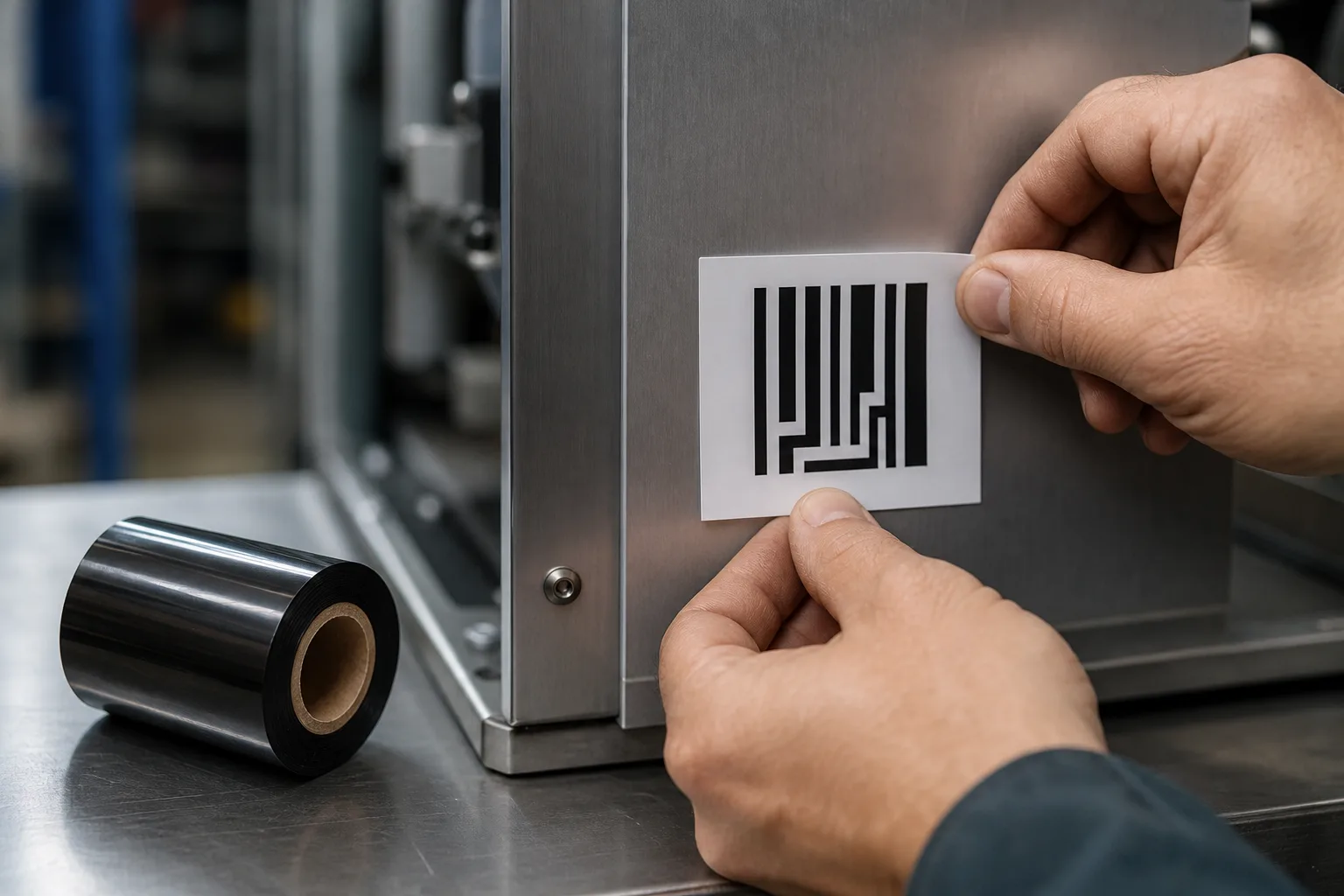
Printing an image and attaching the label are also separate checks. Validate the label on the production substrate rather than relying on a test panel. For an equipment application, make the intended application surface part of the sample brief. Keep the printed sample and the surface used for evaluation connected in the record.
As a practical review format, describe what must remain readable and what label condition is acceptable after the intended exposure. Agree those observations before testing a sample. This creates a concrete decision for the sample review without inventing a universal temperature, exposure time or pass threshold for every industrial label.
Recognize what the word industrial does not prove
The term industrial identification label does not specify the facestock, ribbon formulation, printer settings or a verified durability result. Industrial labels face environmental demands such as heat, light, moisture and corrosive solvents, but the relevant demands depend on the application. Describe the exposures that matter for your equipment or product rather than assuming the name covers all of them.
Likewise, a successful barcode scan is a limited observation. A scanner decodes a barcode and can read marginal symbols. Record a scan result as a reading check, and define any additional barcode quality requirement separately. Avoid using one successful reading as the entire acceptance decision for a label that must work in a broader operating setting.
Keep information approval separate from physical sample approval as well. Check that the sample carries the intended individual or batch identity, then review the proposed printed construction against the application brief. A clear image with the wrong identity data has not completed the identification task.
When changing suppliers, preserve the approved requirements and compare the proposed replacement against them. Ask what has changed in the stock or ribbon and what evidence applies to that combination. The useful next step is a documented sample evaluation, with the exact printer, materials and intended application recorded for the person making the approval decision.
Data and Evidence
The available evidence supports a distinction between identity data, print method and the complete printed construction. Use the following checks to turn those distinctions into a sample brief; the table provides no universal durability rating or operating setting.
| Question | Supported distinction | What to record |
|---|---|---|
| Which identity is needed? | Serial numbers identify individual items; batch numbers identify production groups. | The approved information fields and their intended level of identity. |
| How will the image be printed? | Thermal transfer uses a ribbon; direct thermal uses specially treated media without a ribbon. | The exact printer and supported printing mode. |
| What evidence applies to durability? | Ribbon performance belongs to the complete printed construction. | The facestock, ribbon, printer, settings and required evaluation conditions. |
| Where should the label be evaluated? | Validation should use the production substrate. | The actual application surface used for the sample. |
The company printer media-compatibility specifications support the print-mode distinction. The supplied Industrial labels, Serial numbers, batch number, Ribbon performance and production substrate references support the corresponding concepts and validation scope. These references explain what to check; they do not establish a tested service life for a particular finished label.
Before requesting samples, complete a brief with the object to identify, approved data, printer, proposed stock and expected exposure. Use that same brief when reviewing the printed sample.
Frequently Asked Questions
Does an industrial identification label need a serial number or a batch number?
Use a serial number when the task is to identify one individual item, and a batch number when it is to identify a production group. Define the required level of identification before preparing the label data.
Does thermal transfer printing use the same consumables as direct thermal printing?
No. Thermal transfer uses a ribbon to transfer ink onto the label. Direct thermal applies heat to specially treated label material without a ribbon; confirm which mode your printer supports.
Does a resin ribbon prove that an equipment label will survive its working environment?
No. Ribbon performance depends on the complete printed construction, including the facestock, printer and settings. Validate the proposed combination under the conditions required for the equipment label.
Recommended products for this industry
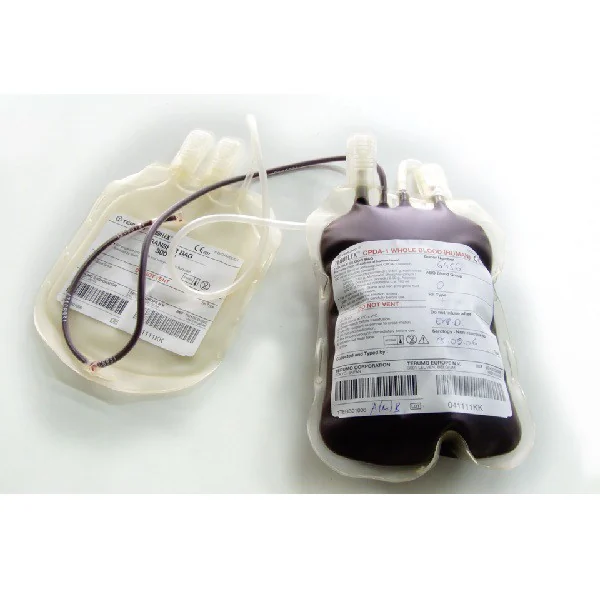
Blood Bag Identification Label
Cold-storage label for blood bags and transfusion containers where traceability remains…
View details
Cable Wrap and Outdoor Identification Label
Vinyl cable-wrap label for outdoor cables, harnesses and power infrastructure exposed to…
View details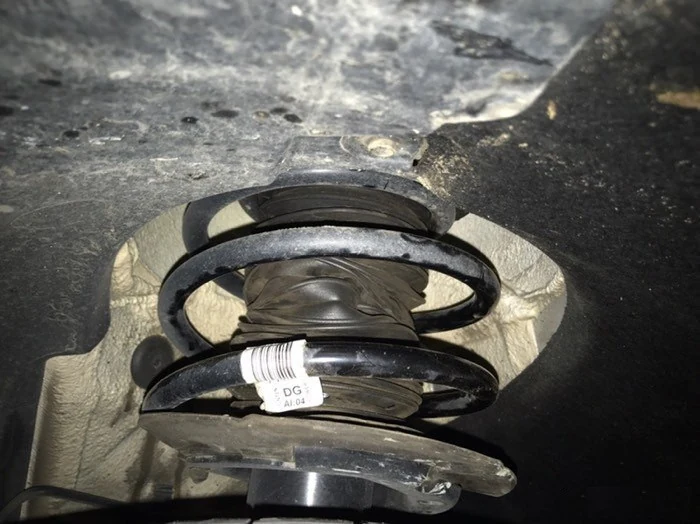
Chemical-Resistant PET Identification Label
Durable PET label for asset, rating-plate and component identification exposed to oils…
View details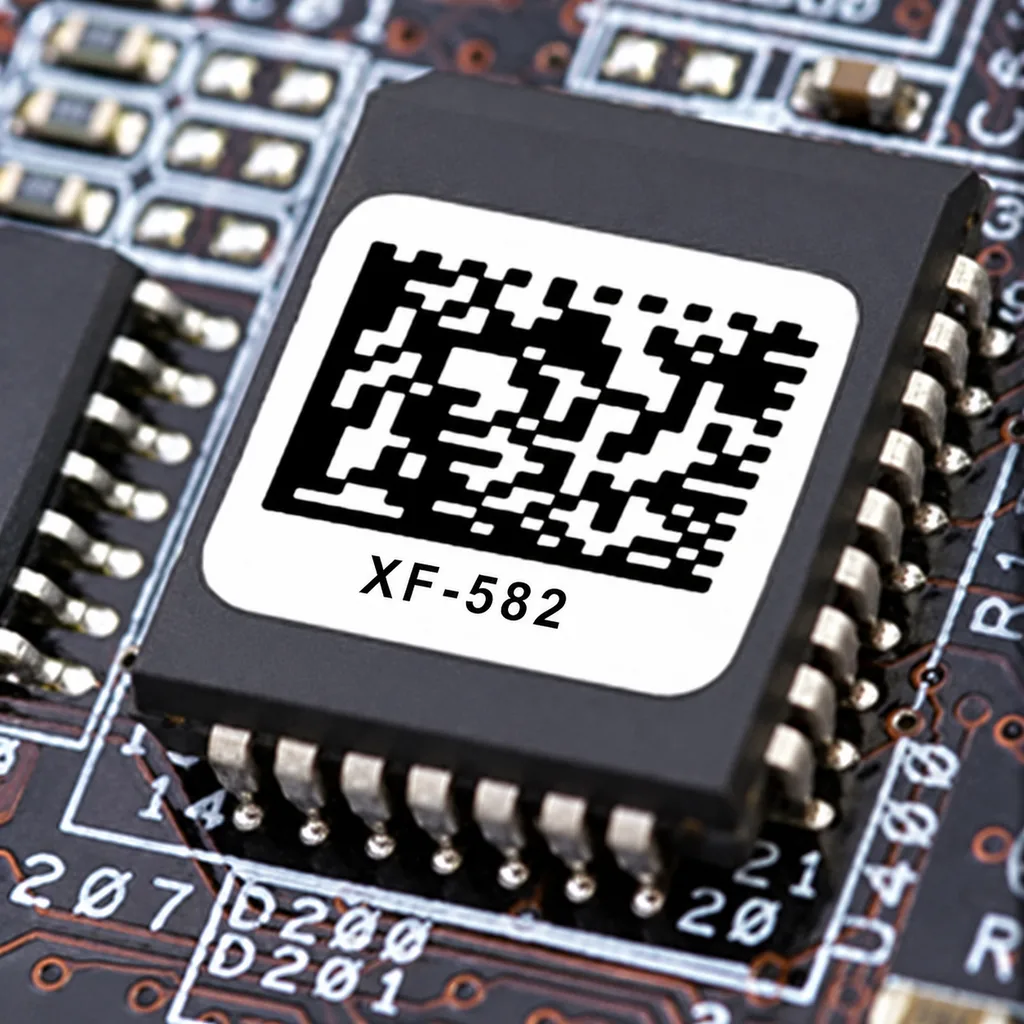
CL-582 High-Temperature Polyimide Labels for Printed Circuit Board Traceability
CL-582 is a high-temperature polyimide (PI) label material for printed circuit board (PCB) and sensitive electronic component process control and product traceability. It has a gloss white coating, a listed thickness of 2mil and an acrylic adhesive. The source identifies wave soldering and reflow soldering as applications. Selection requires confirmation of the actual heat exposure and chemical conditions: the listed temperature range has no specified exposure duration, and solvent resistance is qualitative.
View detailsNeed the right ribbon for your label application?
Share the label material, printer and operating environment. Our team will recommend a tested combination.
