
Marcaje de Codificación en Aluminio: What Code Marking on Aluminum Means and How It Works
Request a solution
- Original TTR manufacturer since 2013
- Automated coating and slitting
- IQC / IPQC / OQC control
- ANSI barcode grade testing
- -20°C to 120°C environmental testing
- Batch-level traceability
- ANSI barcode grade
- Batch traceability
- RoHS / REACH compliance
- SGS and MSDS documents on request
Key Takeaways
- Code marking on aluminum applies variable data — date codes, batch numbers, serial numbers, and barcode or 2D symbols — so each part or pack can be traced.
- A batch number identifies one group of products made under the same conditions; a serial number identifies a single unit.
- Laser and dot peen are the two popular direct-marking methods for metal parts; on anodized or painted aluminum, a laser can remove the top layer and expose the metal.
- Thermal transfer prints codes onto labels, nameplates, and aluminum foil packaging; the ink transfers onto the receiving substrate, and bare aluminum is not among the listed printer media.
- No method name guarantees durability: for laser marking, the alloy, the surface condition, and the process parameters set the result; for marking aluminum in general, high surface temperatures and downstream heat treatment of aluminum products are a recognized challenge.
What Code Marking on Aluminum Means
Code marking on aluminum (marcaje de codificación en aluminio) is the process of putting variable codes onto aluminum surfaces, aluminum nameplates or tags, or aluminum packaging. Variable is the defining word: the content changes from batch to batch or from part to part, which separates coding from a fixed logo or product name.
Four code types do most of the work. A production date states when an item was made. A batch number — also called a lot or charge number — is a unique identifier for one group of products manufactured together under the same conditions: same raw materials, same machine, same process parameters, same time period. A serial number is a unique identifier assigned to an individual product during manufacturing, so every unit carries a different value. Barcodes and 2D symbols such as Data Matrix pack this data into a mark a scanner can read. For printed 2D symbols, ISO 15415 is the standard that establishes the guidelines on how to assess their print quality.
The carrier can vary even when the data does not: a serial number can ride on a label, a laser mark, a Data Matrix code, or an RFID tag. The purpose stays the same — traceability. A batch number remains a traceability identifier for the product's whole lifecycle, including after it leaves the factory, and the records behind the codes let a manufacturer determine where each component came from and how it was made.
How the Code Reaches the Aluminum
Three routes cover the cases buyers usually meet, and they differ in where the mark physically sits.
Direct marking forms the code directly on the aluminum surface. Dot peen marking and laser marking are two popular methods used in the automotive industry for identifying components. One laser marking method is material removal: the laser selectively removes a top layer such as anodizing or paint, exposing the underlying aluminum. Fiber lasers handle especially small, high-resolution marks.
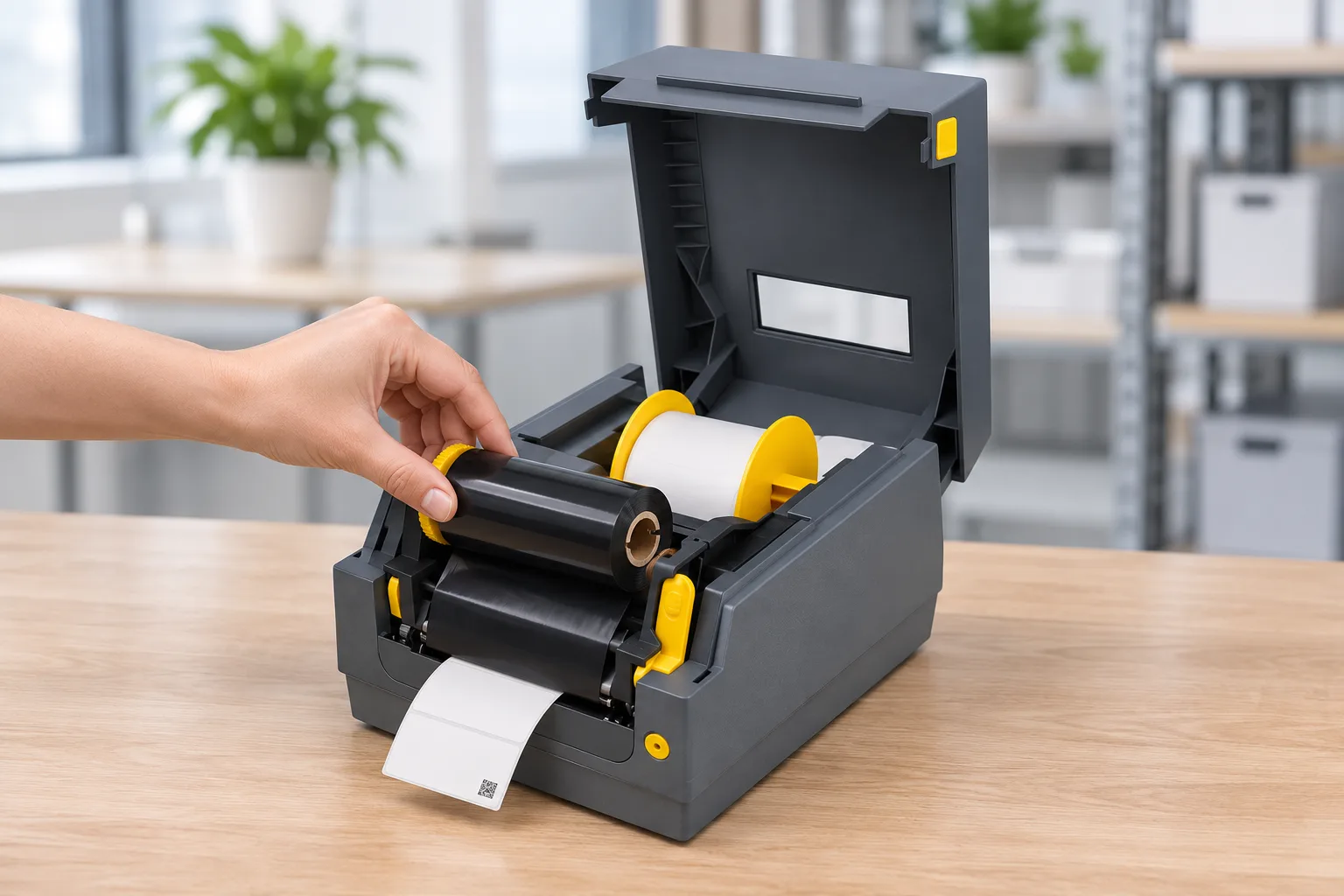
Printed carriers put the code on something applied to the part. Thermal transfer printing is a method in which heat transfers ink from a ribbon onto a substrate, and the printhead applies heat and pressure to move text and barcode information onto that surface. Printable topcoats are engineered to accept thermal transfer, laser, or inkjet printing. Colorfulttr, a thermal transfer ribbon materials factory serving global B2B buyers since 2013, works on this route: each ribbon batch is print-tested and checked against the customer's confirmed sample before it ships.
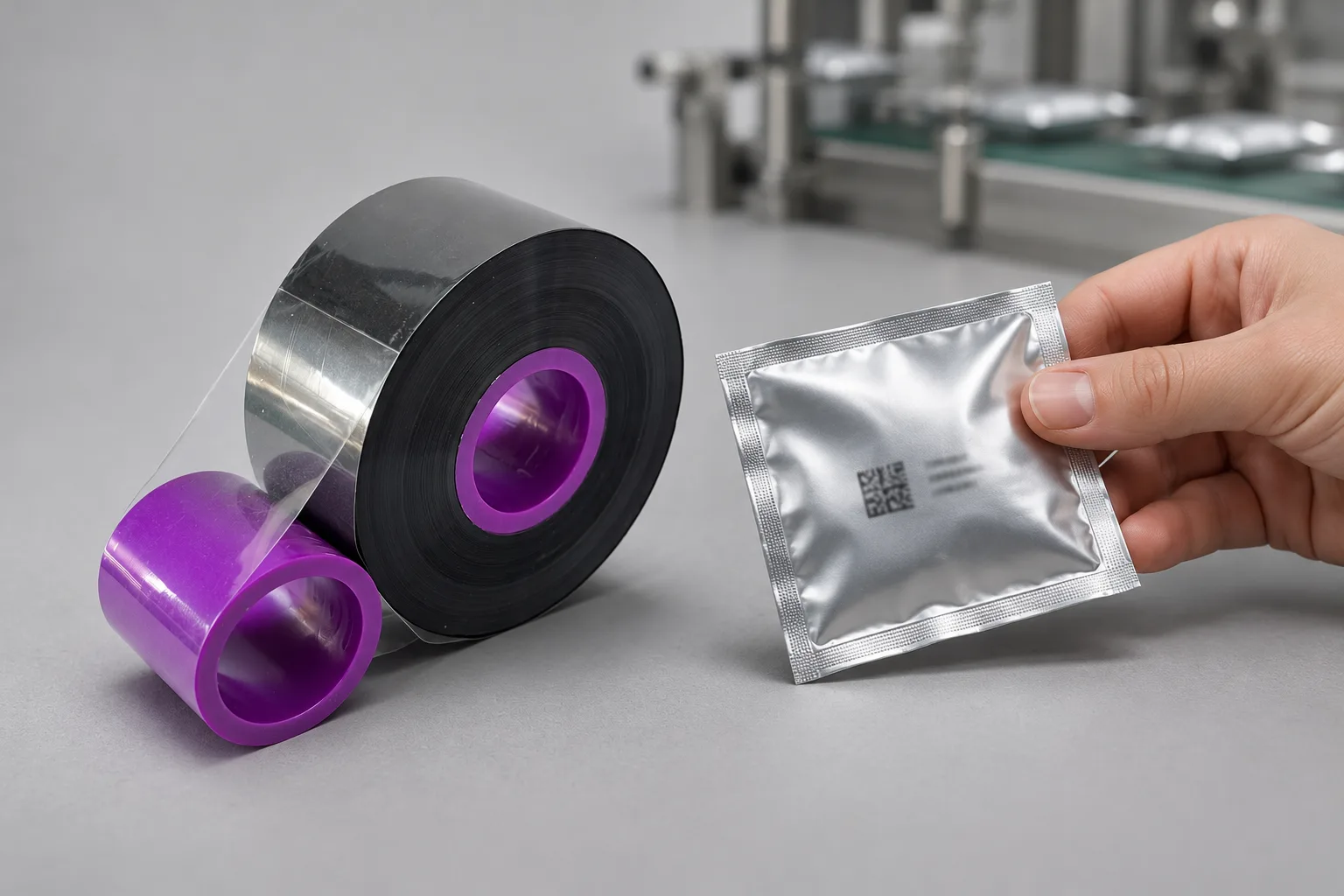
Inline coding covers aluminum packaging. The inline thermal transfer technique for industrial coding is called thermal transfer overprint (TTO), and it is very suitable for printing on flexible packaging materials. Colorfulttr's TTO ribbon range serves production date, batch number, and product parameter printing for products such as food and pharmaceutical items, and prints on aluminum foil bags as well as PP, PET, PE, PVC, and PS packaging films.
How Code Marking Differs from Adjacent Terms
Buyers meet several overlapping terms, and the differences matter when specifying equipment or consumables.
Industrial marking on aluminum (marcaje industrial para aluminio) is the broader family. It covers every kind of identification put on the material — fixed markings such as brand names and rating plates as well as variable codes. Code marking is the subset in which the content changes per batch or per unit, so a fixed-logo requirement is a marking job, not a coding job.
Batch and serial are not interchangeable. A batch number answers which production group an item belongs to and is shared by every unit in the group; a serial number identifies the exact unit and differs on every item. Products that are consumed or discarded quickly, such as food or low-cost personal care items, can often do without unit-level serials.
Direct marks and printed carriers differ in where the mark lives. A laser or dot peen code is formed directly on the metal surface, and a thermal transfer code sits in ink on a label or nameplate.
Marking aluminum parts and coding aluminum packaging are different jobs. TTO coders run inline on packaging lines and print on flexible films and foil bags; laser and dot peen systems work on solid components. Equipment does not transfer freely between the two — Colorfulttr's own specification warns that TTO ribbons must not be used in flat-head barcode printers.
What a Code on Aluminum Does Not Guarantee
Four limits come up repeatedly in aluminum coding projects.
A method name is not a durability rating. High surface temperatures and downstream heat treatment of aluminum products are a challenge for marking. In the case of ink markings, the marking can become barely legible after tempering. Match the laser marking process to the heat the part will actually see.
A laser setting is not portable between parts. The marking result depends not on the laser source alone, but on how alloy composition, surface condition, and process parameters work together, so a process proven on one alloy or finish is not automatically valid on another.
A thermal transfer route is defined by its listed media. Colorfulttr's printer-media specification lists papers and films — direct thermal paper, art paper, silver PET, self-adhesive labels, tags, wash-care labels, tickets — and bare aluminum is not among the listed media.
A code is an identifier, not a test report. It tells a scanner which batch or unit is in front of it, and the traceability records linked to it can show where a component came from and how it was made; the code itself carries no inspection result unless your system records one against it.
The practical next step: write down the code content, the alloy and surface state, the line speed, and the expected heat exposure, then match the check to the code and its carrier. For printed 2D barcodes on labels or films, that means ISO 15415 print-quality assessment; for laser marks, it means holding the process to the alloy, surface, and process parameters it depends on.
Data and Evidence
Use this table to match a coding route to what you are actually marking. Public-source statements in this guide trace to reference entries titled: serial number, batch number, Traceability, ISO 15415, Dot peen marking, aluminum, marking result, UV laser marking, Faserlaser, Die Lasermarkierung, Aluminiumprodukten, Tinten und Farben (German-language entries), Thermal Transfer Printing, Thermal Transfer Overprint or TTO, and Printable topcoat. Company rows reflect Colorfulttr's product matrix and printer-media specification from 2025.
| Route | What gets marked | Typical code content | Condition to verify |
|---|---|---|---|
| Laser marking | Directly on the aluminum surface; one method selectively removes a top layer such as anodizing or paint to expose the metal | Serial numbers, Data Matrix codes, part identifiers | Alloy, surface condition, and process parameters jointly set the result; fiber lasers handle especially small, high-resolution marks |
| Dot peen marking | Directly on the aluminum surface | Part and serial identifiers | Used alongside laser marking for automotive component identification |
| Thermal transfer on labels or tags | A label or tag applied to the part | Barcodes, batch numbers, dates, product parameters | The ink bonds to the label or tag surface; bare aluminum is not among the listed printer media |
| TTO inline coding | Aluminum foil bags and flexible packaging films | Production dates, batch numbers, product parameters | Runs on near-edge TTO coders; the ribbons must not be used in flat-head barcode printers |
Frequently Asked Questions
Can aluminum parts be coded with laser marking?
Yes. Laser marking and dot peen marking are the two popular coding methods used on automotive components, and one laser marking method selectively removes a top layer such as anodizing or paint to expose the underlying aluminum. Validate the process on your exact alloy and surface first, because the laser marking result depends on alloy composition, surface condition, and process parameters together.
Is a batch number the same as a serial number when coding aluminum products?
No. A batch number identifies one group of products made together under the same conditions, while a serial number is a unique identifier assigned to an individual product during manufacturing. Use batch numbers for group-level traceability and serial numbers to identify individual units.
Can a thermal transfer ribbon print a code directly on an aluminum surface?
Thermal transfer uses heat to move ink from a ribbon onto a substrate such as a label, a printable topcoat, or a packaging film. Colorfulttr's printer-media lists cover papers and films — direct thermal paper, art paper, silver PET, self-adhesive labels, tags, wash-care labels, tickets — and bare aluminum is not among the listed media. On aluminum foil bags, TTO ribbons print production dates and batch numbers inline.
Related Products & Guides
Recommended products for this industry
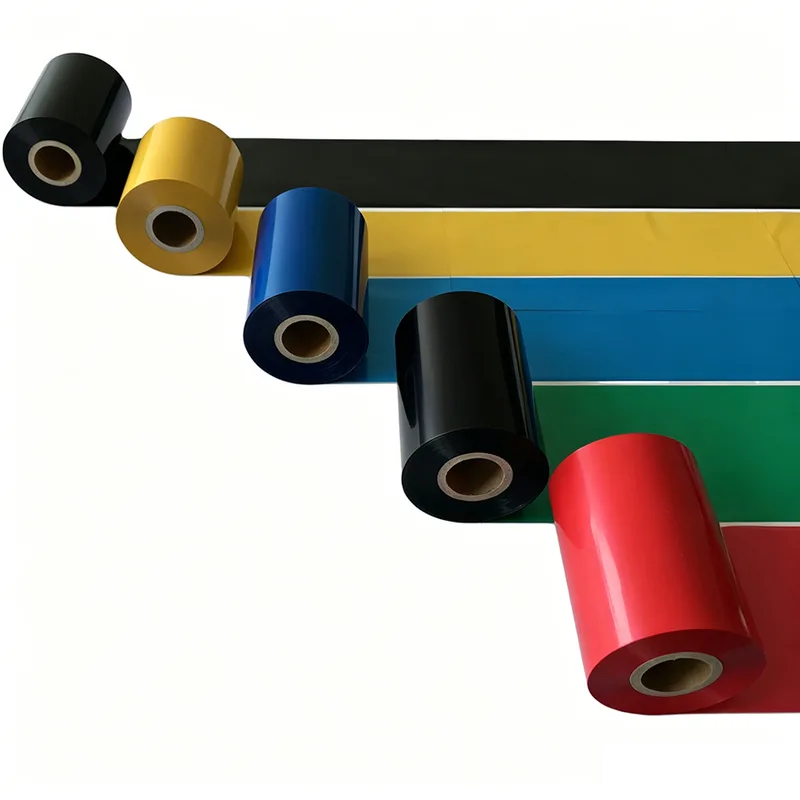
Thermal Coding Ribbon for Tire Position Marking CL-0080D
A thermal coding ribbon for tire position marking, available with red, white or yellow ink. Select it with the printer and printing surface in mind: print quality and image durability may vary with their types.
View details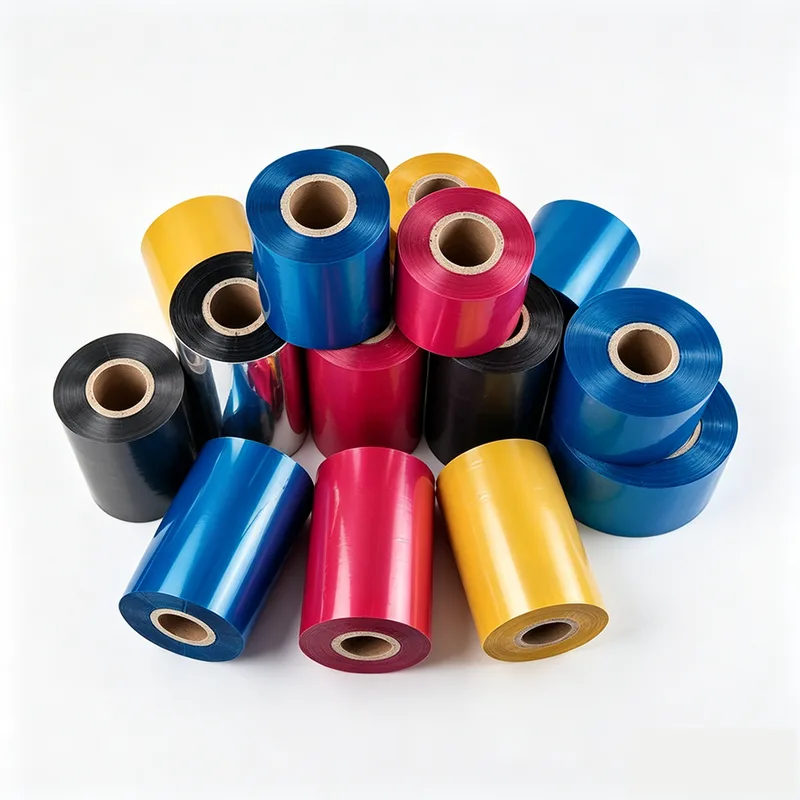
Thermal Coding Ribbon for Tire Position Marking CL-UFGQ2
CL-UFGQ2 is a thermal coding ribbon for tire position marking. Select the ink color and check the printer, marking material and operating conditions; print quality and image durability can vary with the printer and substrate.
View details
3-inch mobile printer
These lightweight and cost-effective 3-inch mobile printers enable accurate receipt and…
View details
4-inch lightweight industrial printer
Industrial printers are engineered for lightweight construction, straightforward…
View detailsNeed the right ribbon for your label application?
Share the label material, printer and operating environment. Our team will recommend a tested combination.
