
How Thermal Transfer Ribbons Strengthen Logistics Traceability in Fast-Moving Warehouses

- Original TTR manufacturer since 2013
- Automated coating and slitting
- IQC / IPQC / OQC control
- ANSI barcode grade testing
- -20°C to 120°C environmental testing
- Batch-level traceability
- ANSI barcode grade
- Batch traceability
- RoHS / REACH compliance
- SGS and MSDS documents on request
How Thermal Transfer Ribbons Strengthen Logistics Traceability in Fast-Moving Warehouses
Warehouse speed keeps rising, but labeling mistakes still slow everything down. A blurred barcode, a scratched shipping label, or a carton mark that fails to scan can interrupt picking, delay loading, and create avoidable customer complaints. In high-volume logistics operations, thermal transfer ribbon selection has become a practical way to improve traceability, scanning accuracy, and process control.
Many teams invest in software, handheld terminals, and warehouse automation. Those upgrades matter. Still, the whole traceability chain depends on one simple fact: the printed information must stay clear from inbound receiving to final delivery. That is why more logistics managers are paying closer attention to ribbon performance instead of treating it as a basic consumable.
Key Takeaways
- Thermal transfer ribbons improve warehouse traceability, barcode clarity, and scanning efficiency in fast logistics.
Why warehouse traceability depends on durable print performance
Modern warehouses handle constant motion. Labels move across conveyors, slide into totes, face repeated handling, and often meet dust, friction, and changing temperatures. In that environment, print quality needs to survive more than the first scan. It must remain readable through storage, sorting, shipment, and in some cases returns processing.
If the printed layer breaks down too early, the effect spreads across the operation. Workers spend more time rescanning. Manual input rises. Shipping confidence drops. Once that happens at scale, a small print issue becomes a measurable cost.

Speed increases the cost of small labeling failures
Fast warehouses leave little room for hesitation. Staff need labels that scan on the first pass. When barcodes fade or smear, each exception takes attention away from the flow. One problem label may seem minor, but repeated failures can slow an entire zone.
This is especially true in e-commerce fulfillment, third-party logistics, cross-border shipping, and pharmaceutical distribution. Each sector relies on reliable identification to keep goods moving and records accurate.
How thermal transfer ribbons support stable scanning results
Thermal transfer printing is widely used in logistics because it creates durable labels with clear text, sharp barcodes, and good material compatibility. The ribbon plays a central role in that result. A well-matched ribbon helps the print bond properly to the label surface, which improves resistance to rubbing, handling, and storage wear.
For warehouse environments, consistency matters as much as initial darkness. Operators need labels that look uniform across long print runs. They also need edges that stay clean on small barcodes and shipment identifiers. Good ribbon selection supports both goals.
Different warehouse tasks need different ribbon strategies
Not every warehouse label faces the same pressure. A short-cycle carton label may need cost-efficient performance with reliable scan quality. A shelf label or inventory tag may need stronger resistance to abrasion over time. A logistics provider handling outdoor staging or export packaging may need even more durability.
That is why experienced buyers compare ribbon type, label material, printer settings, and application time. A ribbon that works well for one task may not be the best fit for another.
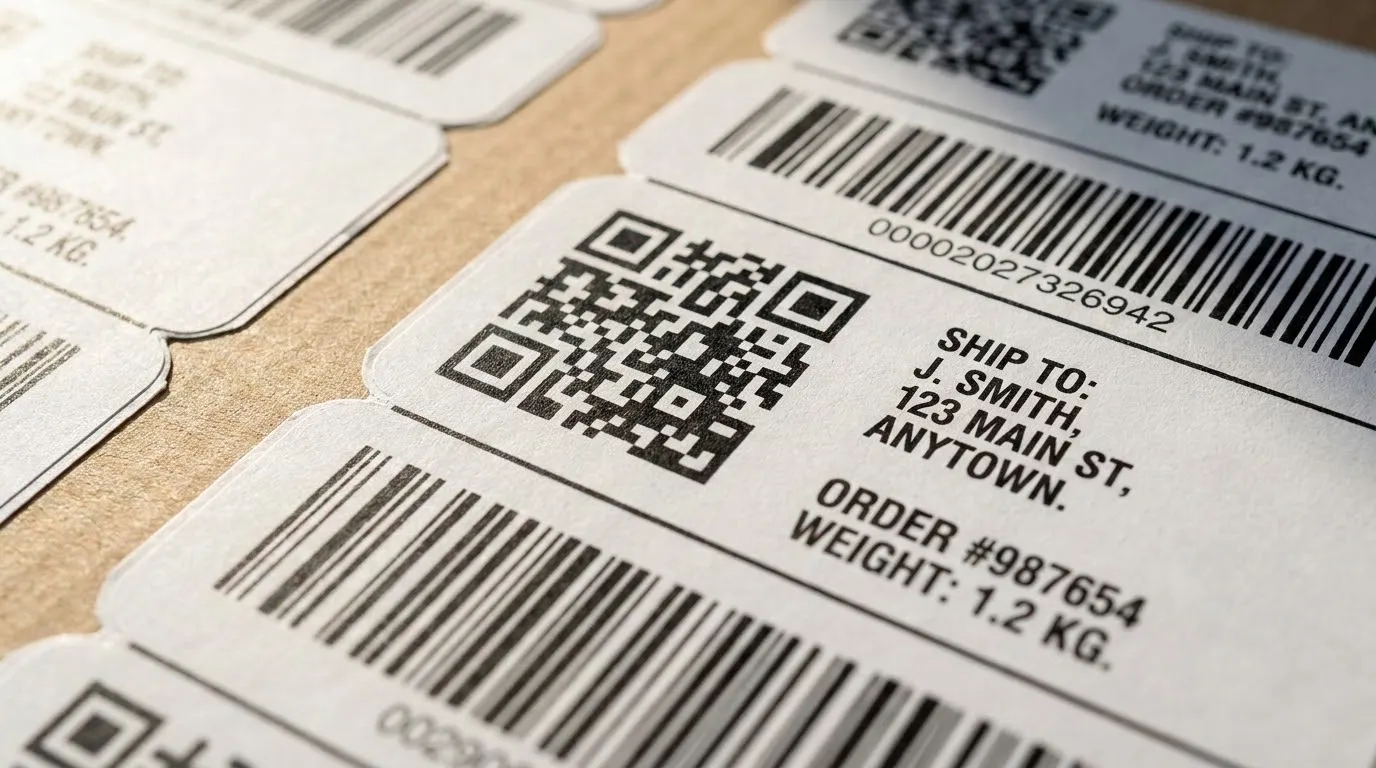
Three business benefits beyond basic print quality
Lower scanning friction on the warehouse floor
When labels scan quickly, workflows stay smooth. Pickers move faster, packers verify orders with less interruption, and outbound teams avoid repeated handling. This creates a better daily rhythm and reduces avoidable labor loss.
More reliable product and shipment traceability
Traceability only works when codes remain readable at every checkpoint. A strong ribbon solution supports that visibility. It helps teams connect incoming stock, internal movements, outbound shipments, and return records with fewer data gaps.
Better brand control in customer-facing logistics
Customers may never ask which ribbon a company uses, but they notice clean labels, correct shipment data, and fewer delivery errors. Durable printing supports a more professional operation. It also reduces the chance of relabeling near dispatch, where mistakes can be expensive.
What buyers should evaluate before choosing a ribbon
Price is important, but it should not be the only filter. A low-cost ribbon that increases misreads or shortens label life can raise total operating cost. Buyers should look at print consistency, abrasion resistance, scan success, substrate compatibility, and performance across long production runs.
Real testing is the best way to confirm fit. A warehouse should evaluate labels in actual use, not only at the printer. That means checking scan performance after handling, transport, stacking, and normal friction.
Printer settings still matter
Even a good ribbon can underperform if heat and speed settings are wrong. Proper adjustment improves transfer quality and reduces avoidable defects. In many cases, a supplier that helps optimize printing conditions brings more value than one that only offers a catalog.

Why logistics companies are becoming more selective
Warehouse operations are under pressure to deliver faster, with fewer errors and stronger data visibility. Because of that, consumables are being judged by operational impact, not by unit price alone. Thermal transfer ribbons now sit closer to process reliability than many buyers assumed in the past.
Colorful works with customers that need clear, durable, and application-matched printing solutions. In logistics settings, the right thermal transfer ribbon helps companies protect traceability, improve scanning efficiency, and reduce preventable disruptions.
A small component with operational influence
Ribbon choice may look minor on paper, yet it affects accuracy at multiple points in the warehouse. When labels stay readable, teams move with more confidence. That reliability supports both internal efficiency and customer satisfaction.

Conclusion
Fast-moving warehouses depend on information that stays visible and scannable. That need makes thermal transfer ribbon performance more important than ever. With the right ribbon strategy, logistics teams can strengthen traceability, reduce scanning interruptions, and build a smoother operation from receiving to delivery.
Explore
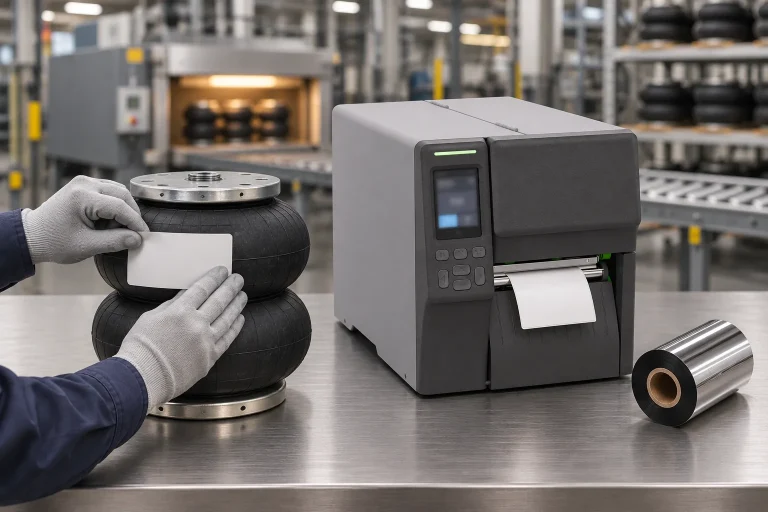
How to Choose Vulcanized Air Spring Labels for Your Production Line
Choose air spring labels by cure timing, actual finished-part substrate, location, and…
Read article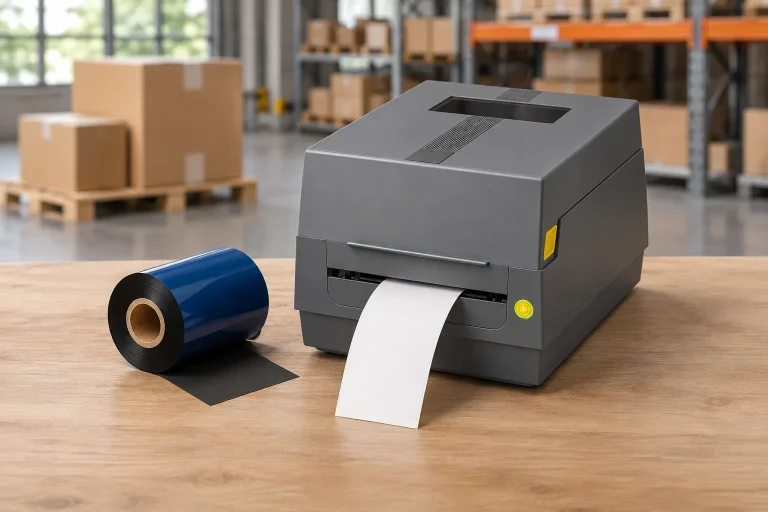
Wax Thermal Transfer Ribbon: A Practical Selection Guide
Choose wax thermal transfer ribbon for paper labels and light-duty use. Match the grade…
Read article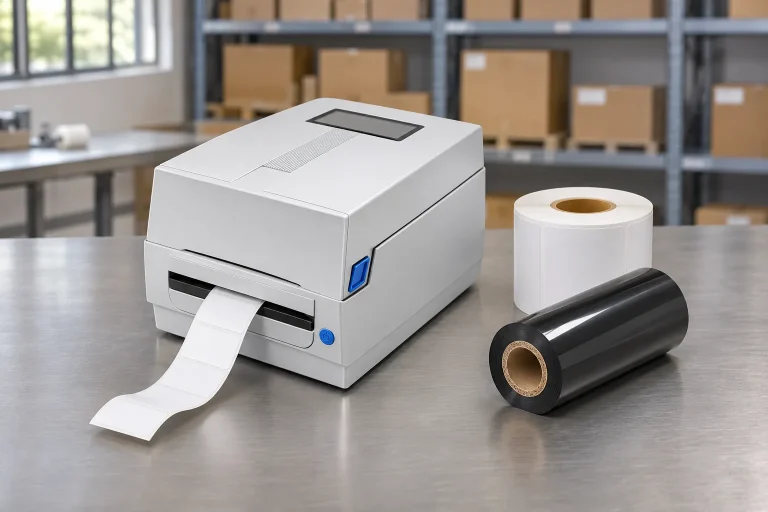
How to Choose a Resin Thermal Transfer Ribbon for Your Labels
Choose a resin thermal transfer ribbon by matching label surface and exposure, checking…
Read articleRecommended products for this industry
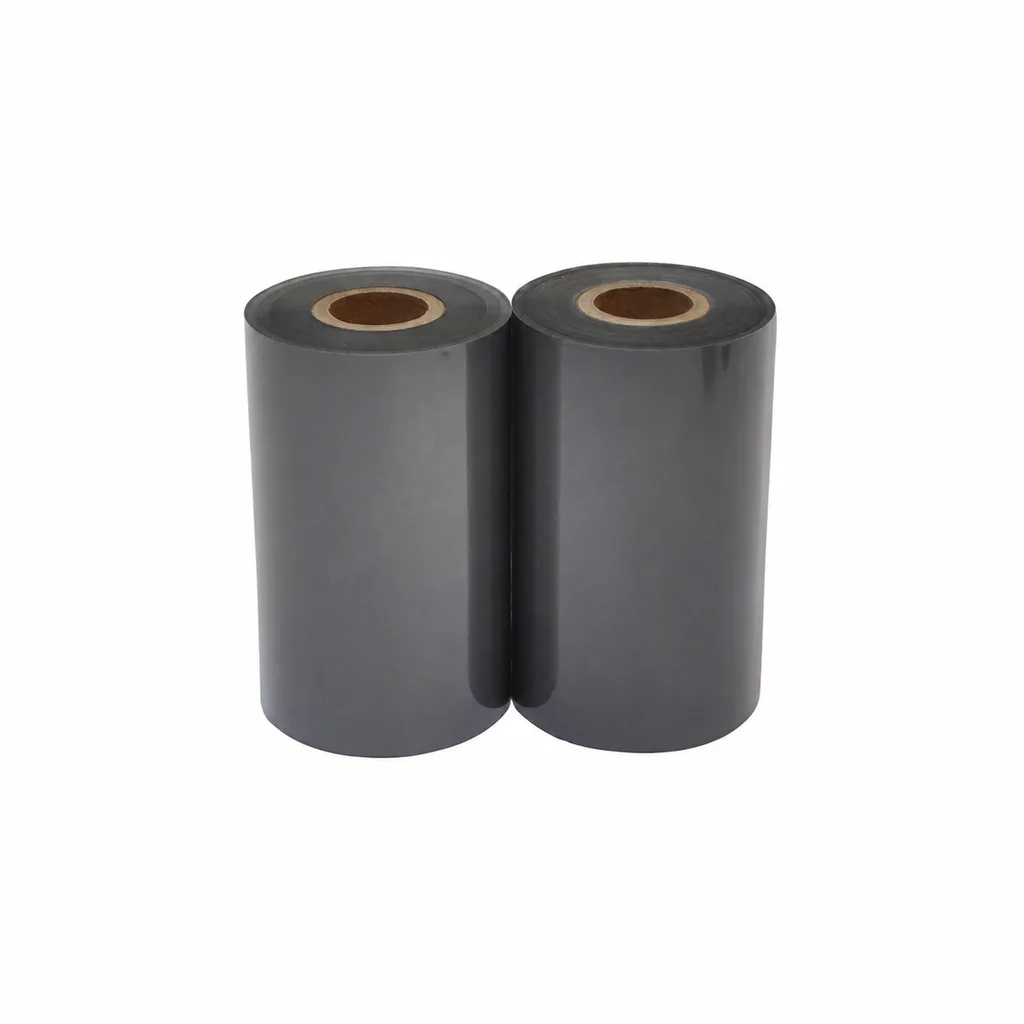
Black Resin Thermal Transfer Ribbon for Label Printing - CL-Z373
CL-Z373 is a black resin thermal transfer ribbon for label printing with desktop or industrial flat-head barcode printers at speeds of ≤6 ips (inches per second). Listed applications include electronics processing, tire identification, automotive manufacturing, pharmaceutical packaging, cosmetic labels and outdoor identification. Selection depends on the actual label material, printer and exposure conditions. Fine-line, small-character and resistance results were obtained on coated paper; print quality and image durability may vary with the printer and print substrate.
View details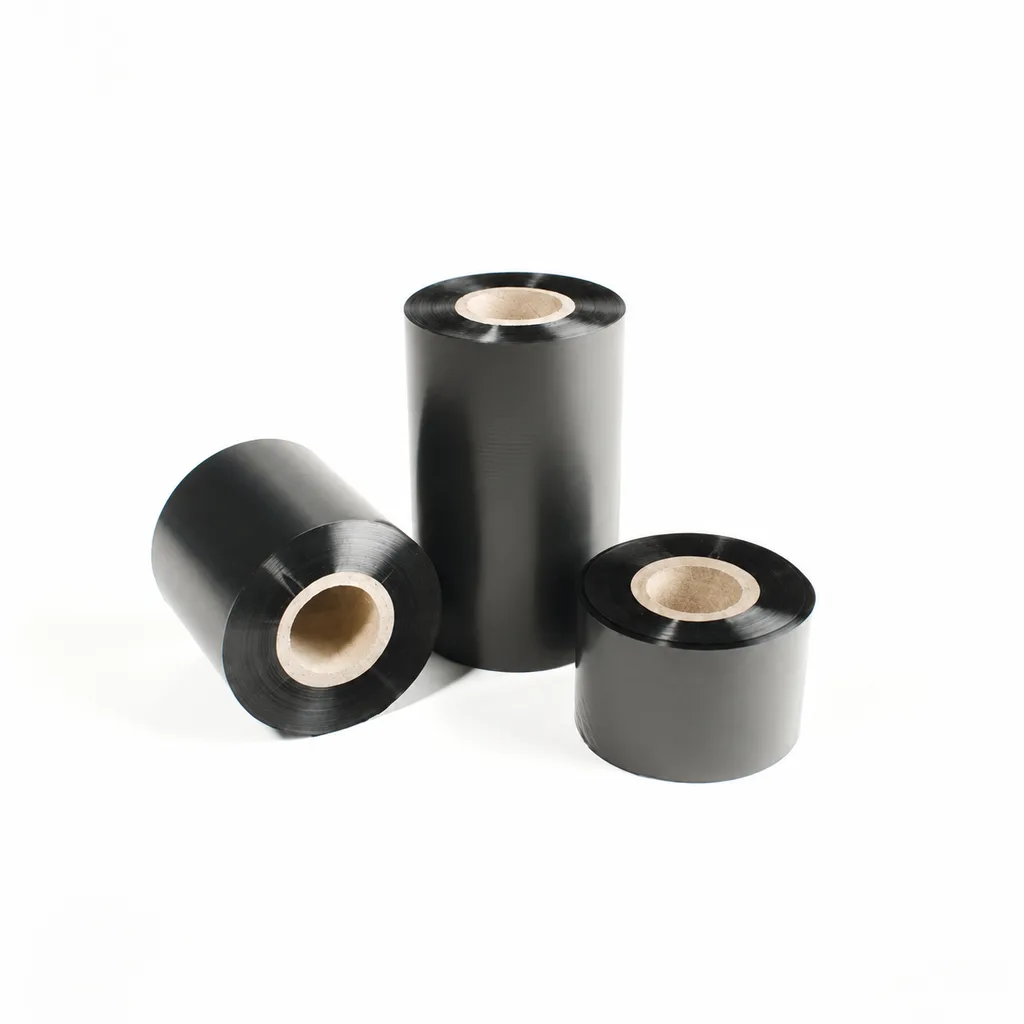
CL-Z112 Enhanced Wax Thermal Transfer Ribbon for Paper Labels and Tags
An enhanced wax thermal transfer ribbon with black ink for paper labels and tags used in retail, warehousing and logistics. It is specified for flat-head printing on desktop or industrial barcode printers at ≤8 inches per second (ips). Select it by checking the actual label material, printer configuration and handling conditions: image-quality, rub-resistance and cold-chamber results were obtained on coated paper, and print quality and image durability may vary with the printer and print medium.
View details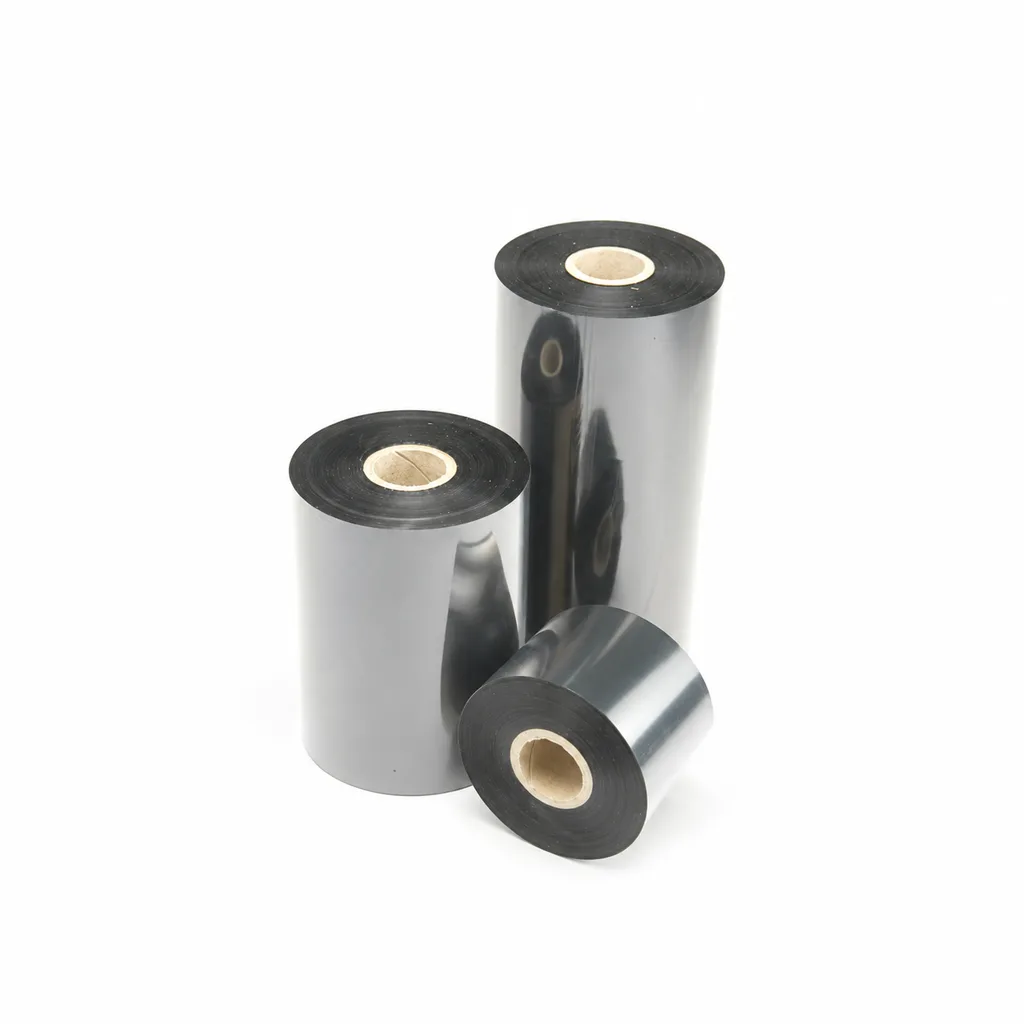
CL-Z203 Wax-Resin Thermal Transfer Ribbon for Barcode Labels
A black wax-resin thermal transfer ribbon for flat-head printing, with listed applications including retail, warehousing, logistics and garment tags. Select it against your actual label material and desktop or industrial barcode printer at speeds ≤6 ips (inches per second). Fine-line, small-text and durability results were obtained on coated paper; print quality and image durability may vary with the printer and printing substrate.
View detailsNeed the right ribbon for your label application?
Share the label material, printer and operating environment. Our team will recommend a tested combination.
