
How Thermal Transfer Ribbons Support Clear Packaging Identification in Fast-Moving Supply Chains

- Original TTR manufacturer since 2013
- Automated coating and slitting
- IQC / IPQC / OQC control
- ANSI barcode grade testing
- -20°C to 120°C environmental testing
- Batch-level traceability
- ANSI barcode grade
- Batch traceability
- RoHS / REACH compliance
- SGS and MSDS documents on request
Key Takeaways
- Improve packaging identification with thermal transfer ribbons that deliver sharp, durable, scan-ready labels.
Why packaging identification now carries more operational weight
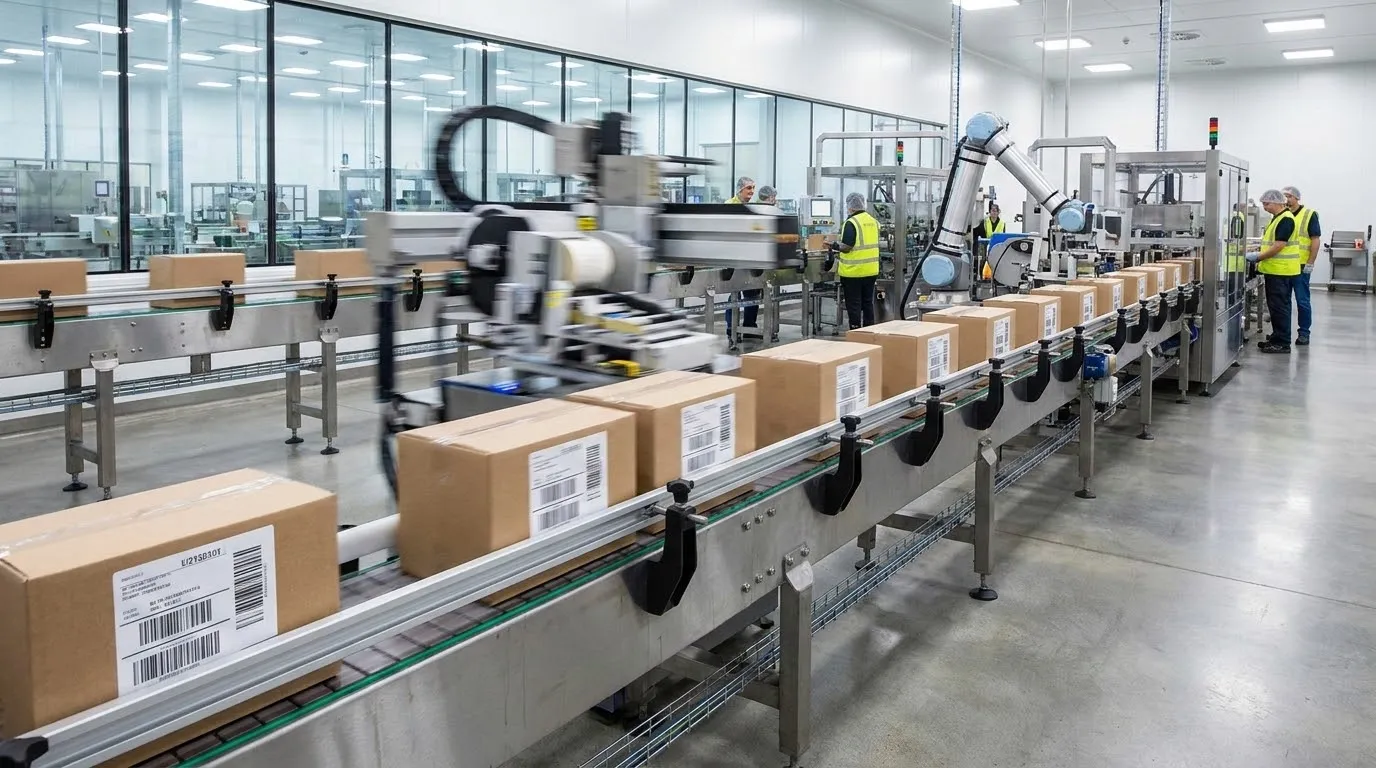
Packaging labels are no longer simple shipping stickers. They now connect production data, warehouse movements, quality checks, and customer delivery records. A barcode on a carton may need to work in a factory, a distribution center, a delivery hub, and a retail back room. If the print fades or smears at any point, teams lose time and accuracy.
That is why many manufacturers and logistics providers are paying closer attention to the ribbon behind the print. Thermal transfer ribbon quality affects sharpness, scan reliability, and long-term legibility. In high-volume operations, even
small print failures can create repeated rescans, relabeling work, and avoidable delays.
Packaging lines need print that stays readable after movement and handling
A printed code may look perfect at the moment of application, but the real test starts after that. Cartons slide on conveyors, stack on pallets, move through trucks, and pass through several hands. Each touch point adds friction. Each transfer increases the chance of surface abrasion. Weak print layers often break down long before the package reaches its destination.
Reliable ribbon performance reduces relabeling costs
When a warehouse team cannot scan a label quickly, theproblem spreads beyond one package. Staff members stop to inspect the code, reprint a label, and sometimes verify the product manually. Those extra steps reduce throughput. They also increase the chance of shipping errors. A ribbon that delivers stable adhesion on the right label stock helps prevent that chain reaction.
This matters even more for export packaging, food ingredient traceability, electronics distribution, and third-party logistics. In those environments, labels often stay in circulation longer. They may also face rubbing, pressure, and varied storage conditions. Clear packaging identification starts with durable print, not with a last-minute correction.
Material compatibility shapes final print quality
Coated paper, synthetic labels, PET, and polypropylene surfaces do not react in the same way. Some materials accept wax-based solutions well. Others require a stronger wax resin or resin ribbon to hold detail under stress. Smart selection depends on the actual surface, the print speed, and the expected journey of the package. Buyers who only compare unit price often miss the larger operating cost.

Traceability depends on consistency, not on one-time print success
Modern supply chains run on traceable data. Lot numbers, dates, SKU information, and handling instructions must stay readable across multiple checkpoints. A single damaged code can interrupt digital records and force manual intervention. That makes print consistency a process issue, not just a consumables issue.
Small failures can disrupt end-to-end visibility
Consider a supplier shipping components to several assembly plants. If package identification fails during receiving, the customer may pause intake, inspect labels by hand, or request replacement documents. The delay affects labor planning and inventory visibility. Strong thermal transfer output supports smoother handoffs because the information remains available when the next team needs it.
For companies building traceability into packaging operations, ribbon stability helps maintain scan confidence. Crisp edges, strong density, and better resistance to smudging support both machine readability and human readability. Those factors become especially important when packages move across long routes or mixed storage environments.

How to choose ribbons for packaging identification goals
A better buying approach starts with the use case. Ask how long the label must remain readable. Review whether the package will face friction, heat, or outdoor exposure. Test the ribbon with the actual label material and printer settings. Then compare scan performance after handling, not only after printing. This method gives a more honest picture of total value.
Work with suppliers that understand application details
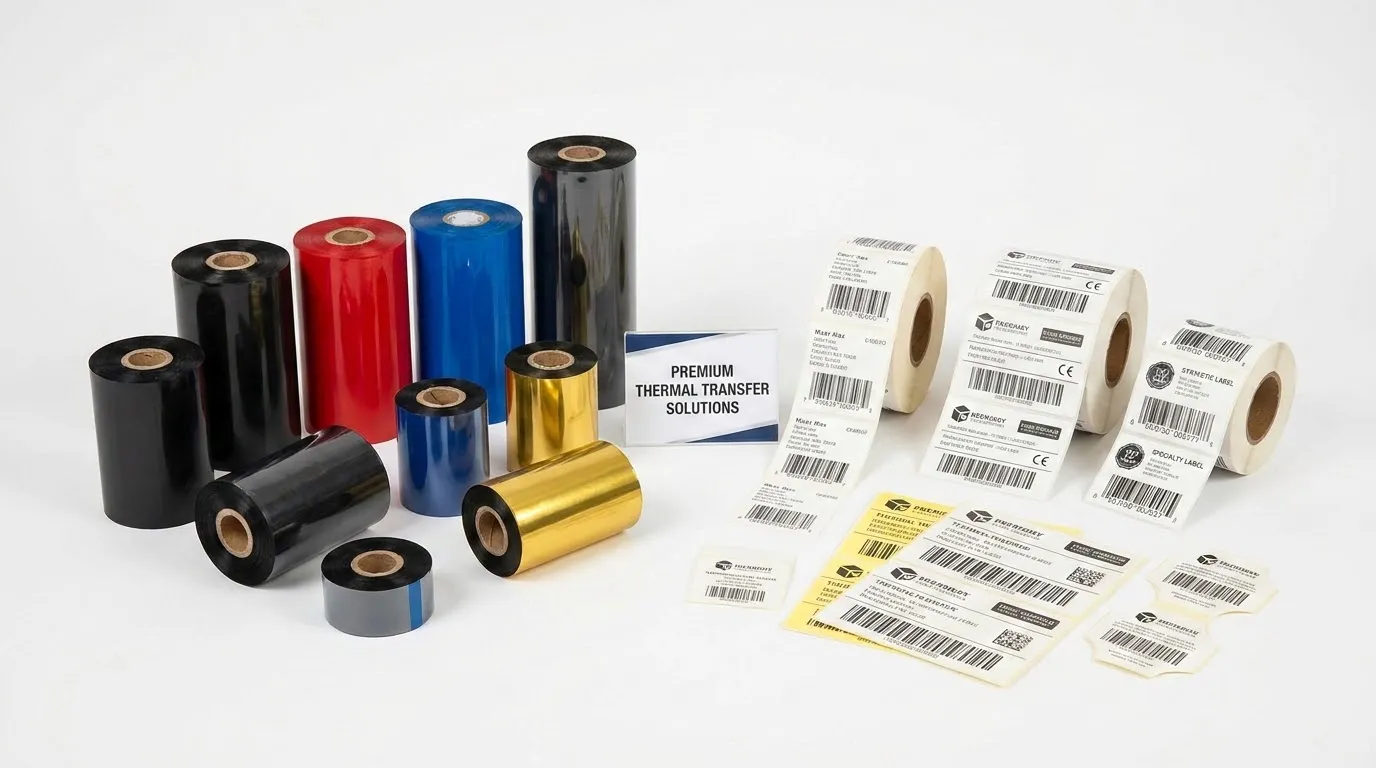
Colorful focuses on thermal transfer ribbon solutions for varied printing environments. That matters because packaging identification needs more than generic compatibility. It needs a ribbon choice matched to label stock, print density targets, transport conditions, and scanning requirements. The right fit improves labeling reliability and helps operations scale with fewer interruptions.
Companies that treat ribbon selection as part of packaging performance usually see the difference quickly. They spend less time on relabeling. They reduce missed scans. They also protect the integrity of product data from factory output to final delivery.
Conclusion
Fast-moving supply chains need packaging labels that stay readable from start to finish. Thermal transfer ribbons play a direct role in that result. When the ribbon matches the material and the application demands, packaging identification becomes clearer, more durable, and easier to trust. That is a practical advantage for any business that depends on speed, traceability, and consistent delivery performance.
Explore
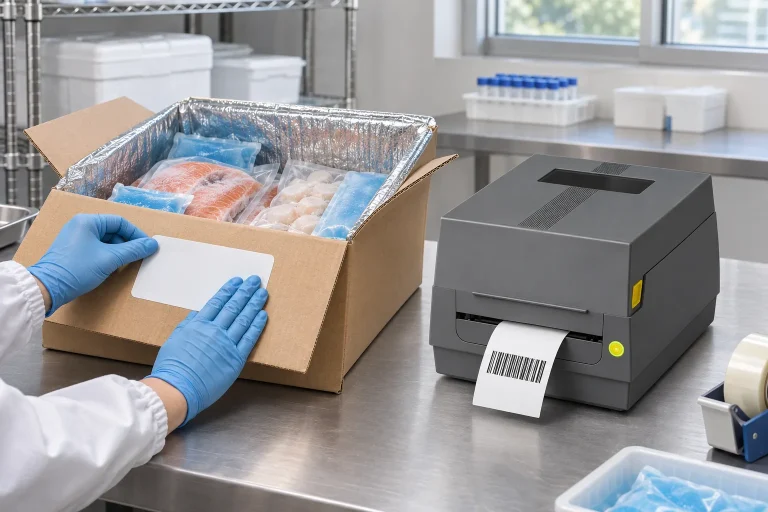
Cold Chain Packaging and Labeling: A Buyer’s Checklist
Choose insulated packaging, adhesives and print materials for your shipment, then…
Read article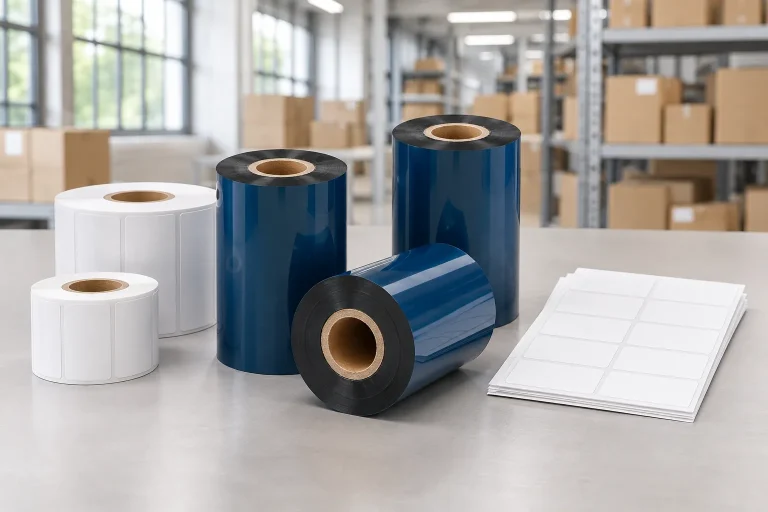
How to Choose a Zebra Thermal Transfer Ribbon
Choose a Zebra ribbon by print method, label material and roll fit, then test the printed…
Read article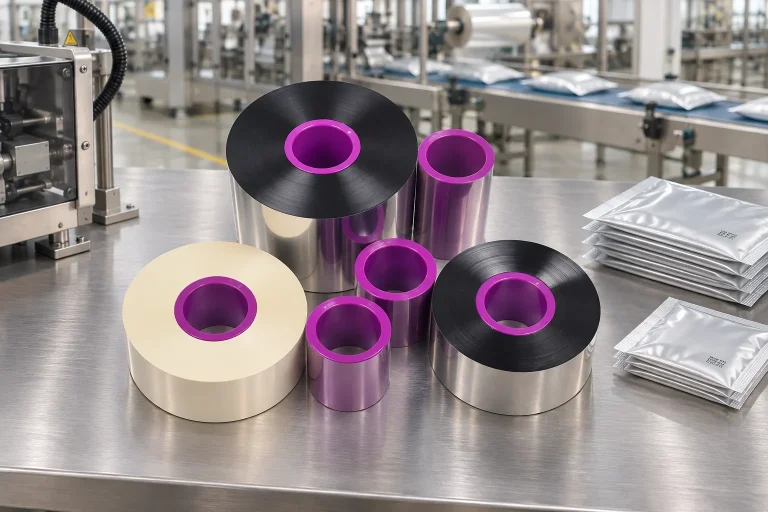
Thermal Transfer Overprint: A Practical Ribbon Selection Guide
Learn how TTO prints variable codes and choose a compatible ribbon by checking your…
Read articleRecommended products for this industry
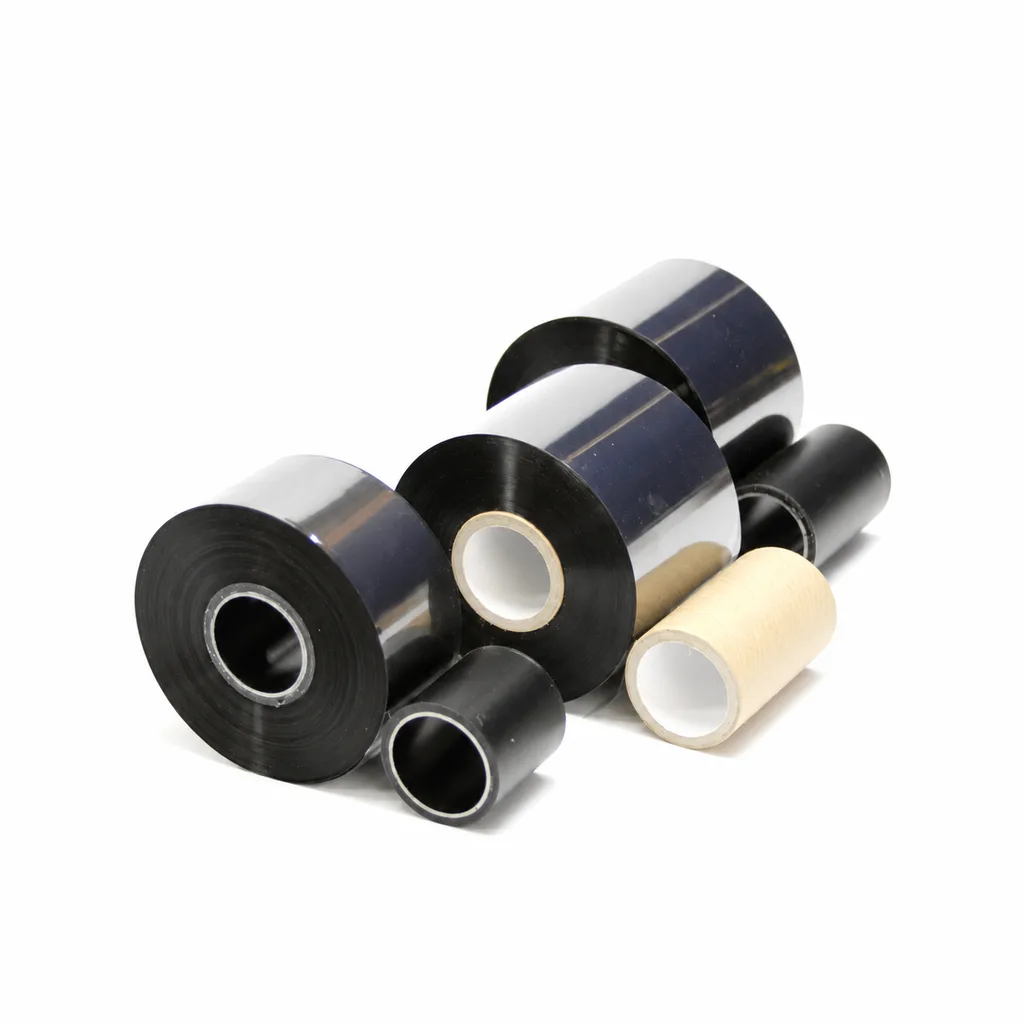
CL-Z215 Wax-Resin Thermal Transfer Ribbon for Packaging and Barcode Printing
CL-Z215 is a black, general-purpose wax-resin thermal transfer ribbon for thermal transfer overprinting (TTO) and near-edge barcode printers. Listed applications include retail labels, prepackaging, food packaging, pharmaceutical packaging, hot packaging and the frozen-food sector. Select it against your actual printer, printing material and required speed, then confirm print quality and image durability on that combination. The stated speed limits and durability results apply only within the documented conditions; they are not universal compatibility or long-term temperature guarantees.
View details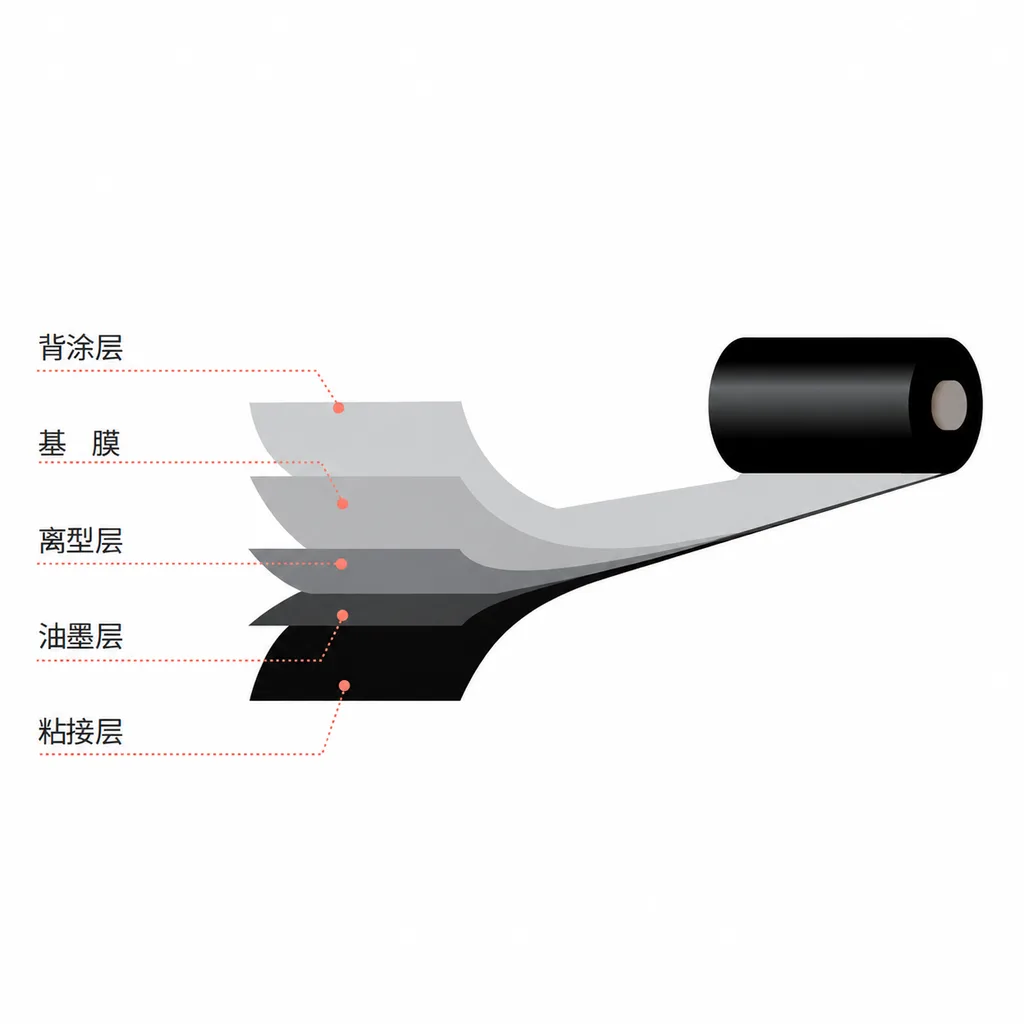
CL-Z312 Resin Thermal Transfer Ribbon for Packaging Printing
CL-Z312 is a black, general-purpose resin ribbon for thermal transfer overprinting (TTO), with packaging and retail label applications listed in the product information. Its abrasion, alcohol and oil resistance data were obtained on polyethylene terephthalate (PET). Select it against your actual packaging material, printer and production speed: print quality and image durability can vary with the printer and substrate, and the material chart percentages are not defined as pass rates.
View details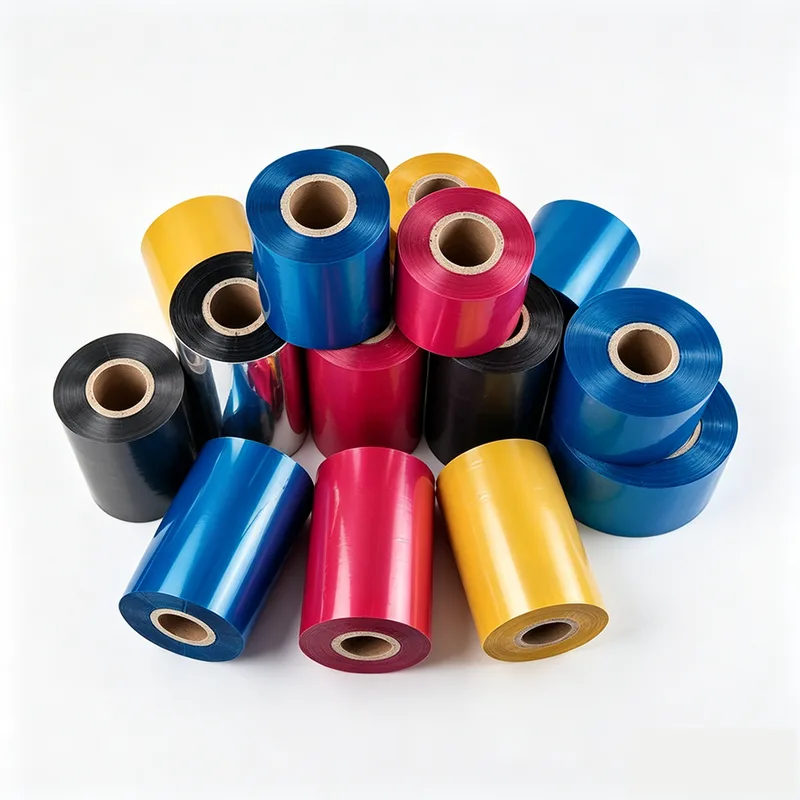
CL-ZL200 Freezer-Resistant Hot Coding Ribbon for Packaging
CL-ZL200 is a black hot coding ribbon for packaging exposed to freezing or cold water. Select it against the packaging material and printer conditions; print quality and image durability can vary with the printer and substrate.
View detailsNeed the right ribbon for your label application?
Share the label material, printer and operating environment. Our team will recommend a tested combination.
