
- Original TTR manufacturer since 2013
- Automated coating and slitting
- IQC / IPQC / OQC control
- ANSI barcode grade testing
- -20°C to 120°C environmental testing
- Batch-level traceability
- ANSI barcode grade
- Batch traceability
- RoHS / REACH compliance
- SGS and MSDS documents on request
Key Takeaways
- Specify the temperature range, shipment duration and route before comparing packaging.
- Ask suppliers separately for application temperature and the storage range after application.
- Match the label, printer and ribbon to the actual package and handling conditions.
- Evaluate sample packs and printed labels before committing to a full order.
Define the shipment before selecting the pack
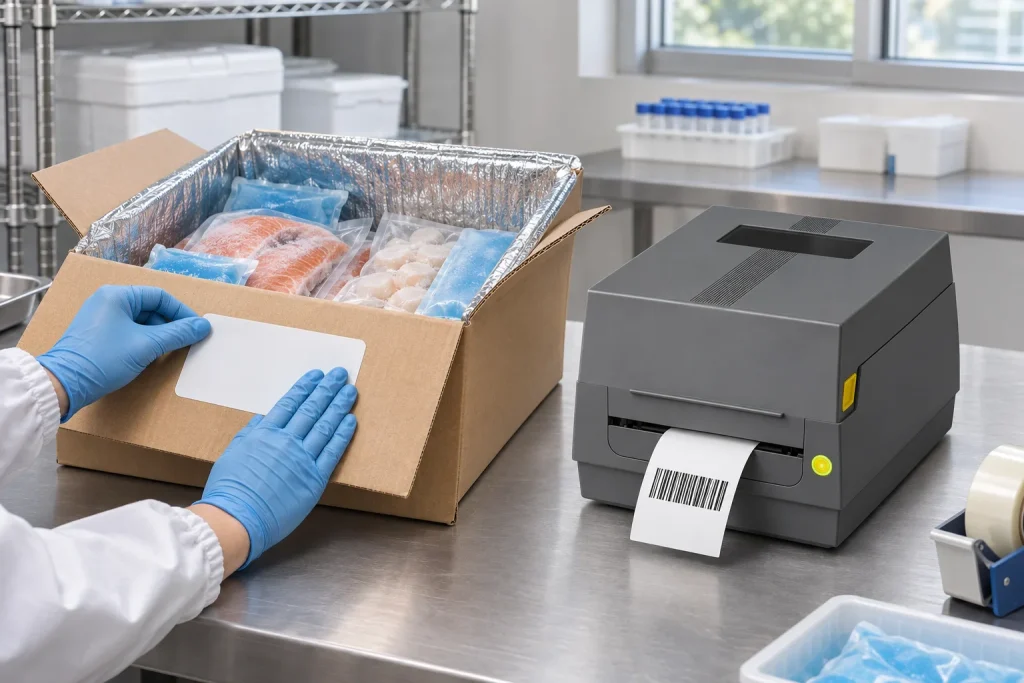
A cold chain pack must protect the particular product throughout its intended journey. Write down the product’s permitted temperature range, quantity, intended transit time, route, season and transport method before asking suppliers for a proposal. Include expected delays and handling points in the brief so that suppliers can explain what their proposed system covers.
Compare the insulated container and refrigerant as a combined design. Ask each supplier what assumptions underpin its proposal and how performance will be demonstrated for your route. A cheaper component is not a useful saving if the assembled pack does not meet the product requirement.
A NOAA-hosted guide notes that leak-proof packaging protects products if thawing occurs during transport. Ask how the outer container protects its contents, how the insulation closes, and what prevents leakage if the product thaws. Review the proposed refrigerant and its preparation instructions with the shipper. Record the configuration used in testing so that the purchased pack can be assembled the same way.
Choose the label construction for the actual surface
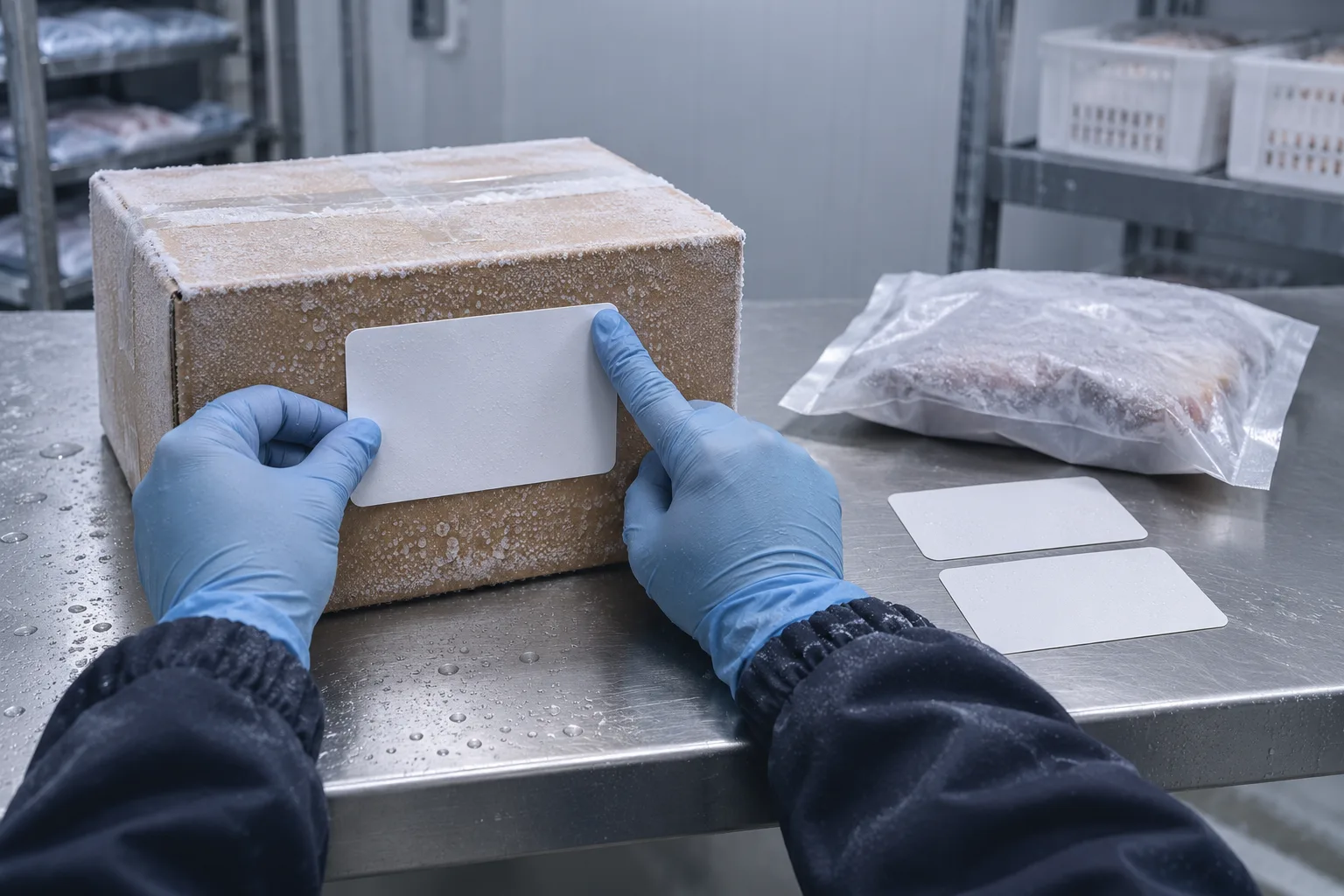
A cold-chain label must be selected for its surface and application conditions as well as its eventual storage conditions. List each label separately: an outer carton, a flexible pack and a small container may present different surfaces and handling needs. Give the supplier the actual material, shape and condition of each surface, along with where the label will be applied.
Application temperature is the temperature when the label is applied. Do not assume a label suitable for freezer storage can also be applied to an already frozen pack. Ask the supplier for the application temperature and the storage range after application, along with the conditions for the intended bond.
Describe whether the surface can be wet, frosted or subject to condensation at the application point. Test on the actual package under the intended process conditions. Ask for samples of the proposed facestock and adhesive, apply them in the intended location and inspect the edges after the expected storage and handling sequence. If adhesion fails, review surface preparation, application conditions and adhesive selection with the supplier before repeating the test.
Match printing and verification to the pack
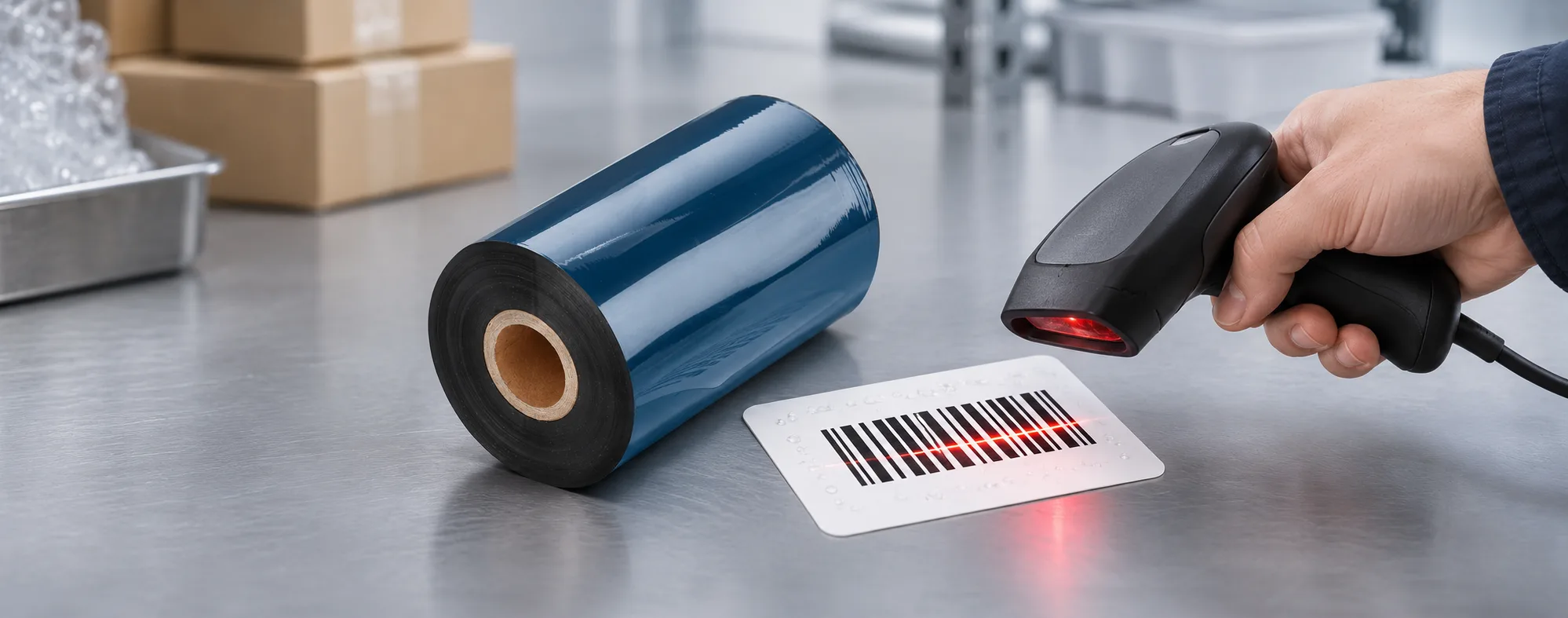
Barcode readability depends on the complete combination of label material, printer and ribbon, not the ribbon name alone. Decide which information changes at packing and which can be prepared beforehand. Then check the available label area, printer compatibility and the conditions the printed image must withstand. Test direct thermal and thermal transfer candidates against the required life and handling instead of assuming that either method is universally suitable.
For thermal transfer, wax, wax-resin and resin are possible ribbon choices; evaluate samples on the intended material. Print samples on the intended material using the production printer, then check image adhesion, contrast and code readability after representative moisture and handling exposure. If a code fails, review the media and ribbon combination and repeat the test before ordering volume.
For flexible packaging exposed to freezing or cold water, Colorfulttr lists CL-ZL200 black hot coding ribbon. Its product description says selection depends on the packaging material and printer conditions, and that print quality and image durability can vary with the printer and substrate. Provide those details when evaluating a sample; the product description alone does not establish compatibility with a particular line.
Data and Evidence
Use a written specification and sample results to compare suppliers on the same conditions. The following checks connect the published guidance to a practical purchasing decision.
| Decision | Record and verify |
|---|---|
| Pack-out | Product temperature range, duration, route, insulation, refrigerant and leakage protection; test the assembled configuration. |
| Label adhesion | Surface material and condition, application temperature and subsequent storage range; test on the actual package. |
| Printed information | Required identification and handling information, label size, printer and material; check readability after the intended process. |
Confirm required shipping and product information with the responsible quality team and carrier for the product and destination. Include the agreed fields in the layout before ordering labels: their amount and size affect the space available for a readable code. Keep the temperature-monitoring requirement separate from the identification label.
Before rollout, retain the tested pack configuration, label and print settings with the results. Run a limited pilot on the intended route, inspect the shipment and scan the code at receipt. If the pack or label fails, record the failure and conditions, revise the relevant component with its supplier and test again. Share the written specifications and sample results when requesting final quotations.
Frequently Asked Questions
Can a freezer label be applied directly to a frozen package?
Only if its construction is suitable for the actual application conditions. Test the adhesive on the real package with the expected frost, moisture and application pressure.
Should I choose direct thermal or thermal transfer for cold-chain labels?
Choose according to the label material, required life and exposure to moisture and rubbing. Test the printed code through the intended process before ordering.
Does a cold-chain label measure the package temperature?
An identification label does not replace a temperature sensor or data logger. Specify the monitoring device separately when the shipment requires one.
Related Products & Guides
Recommended products for this industry
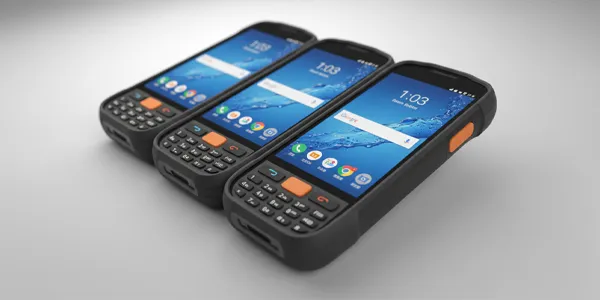
Cold Storage Cold Chain PDA
To address the high-humidity environment of professional cold storage and cold chain…
View details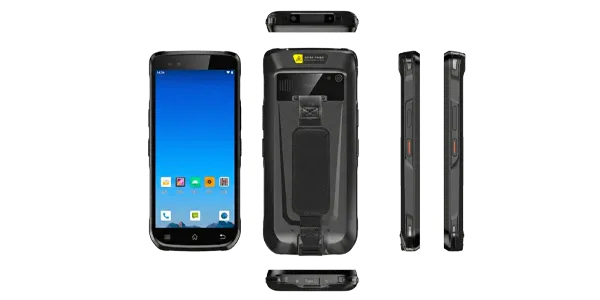
PDA Data Collector for Cold Chain Applications
Octa-core 2.0GHz processor, 4+64GB storage, standard barcode/QR code scanning…
View details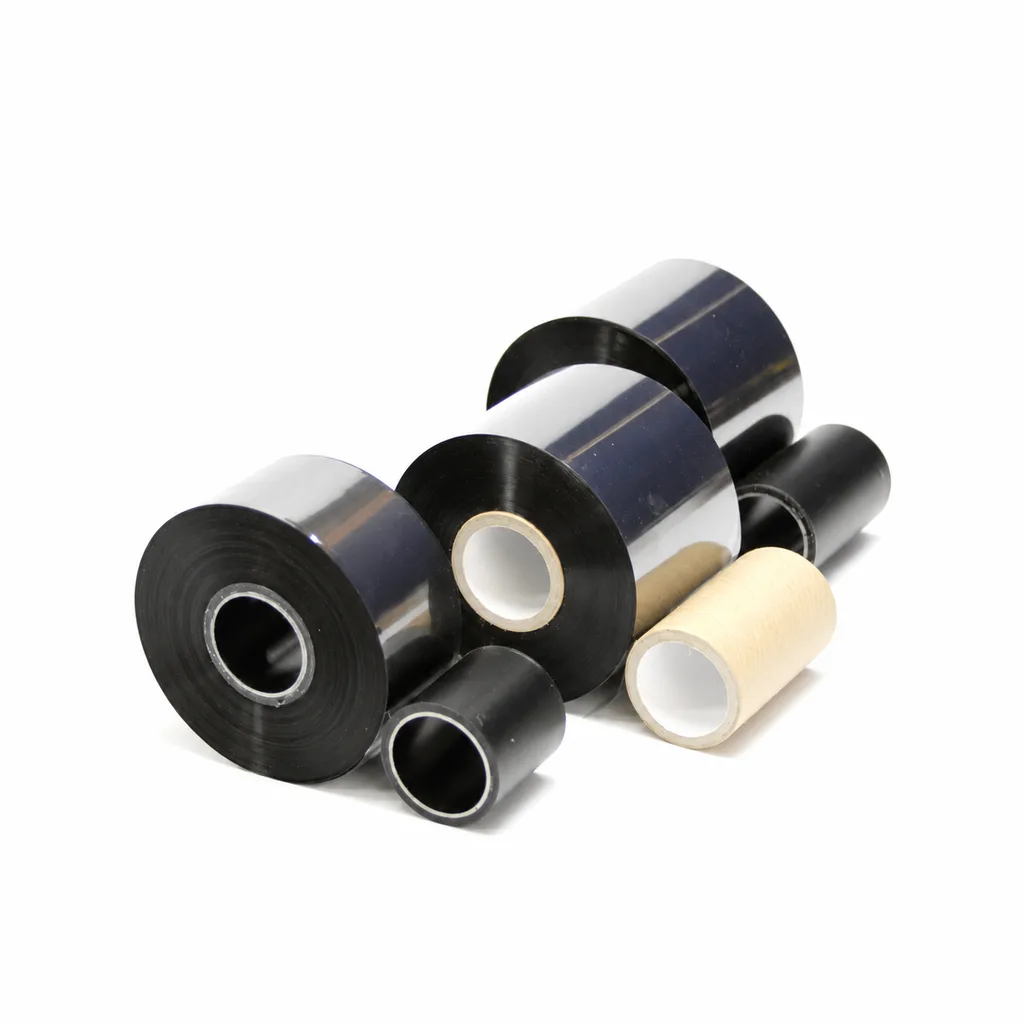
CL-Z215 Wax-Resin Thermal Transfer Ribbon for Packaging and Barcode Printing
CL-Z215 is a black, general-purpose wax-resin thermal transfer ribbon for thermal transfer overprinting (TTO) and near-edge barcode printers. Listed applications include retail labels, prepackaging, food packaging, pharmaceutical packaging, hot packaging and the frozen-food sector. Select it against your actual printer, printing material and required speed, then confirm print quality and image durability on that combination. The stated speed limits and durability results apply only within the documented conditions; they are not universal compatibility or long-term temperature guarantees.
View details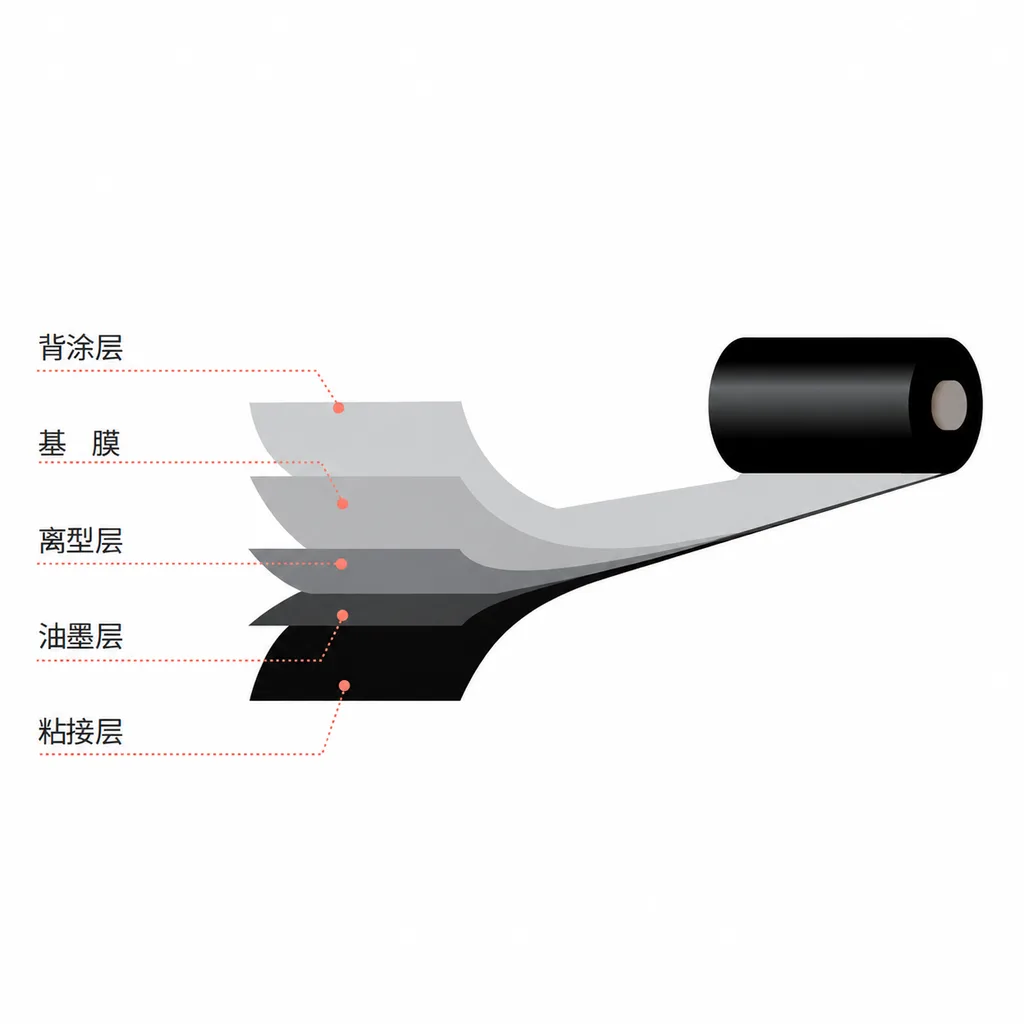
CL-Z312 Resin Thermal Transfer Ribbon for Packaging Printing
CL-Z312 is a black, general-purpose resin ribbon for thermal transfer overprinting (TTO), with packaging and retail label applications listed in the product information. Its abrasion, alcohol and oil resistance data were obtained on polyethylene terephthalate (PET). Select it against your actual packaging material, printer and production speed: print quality and image durability can vary with the printer and substrate, and the material chart percentages are not defined as pass rates.
View detailsNeed the right ribbon for your label application?
Share the label material, printer and operating environment. Our team will recommend a tested combination.
