
Why More Electronics Manufacturers Use Thermal Transfer Ribbon for Heat-Resistant Cable and Component Labels

- Original TTR manufacturer since 2013
- Automated coating and slitting
- IQC / IPQC / OQC control
- ANSI barcode grade testing
- -20°C to 120°C environmental testing
- Batch-level traceability
- ANSI barcode grade
- Batch traceability
- RoHS / REACH compliance
- SGS and MSDS documents on request
Cable labels and component identification marks look simple until they fail inside a real electronics workflow. A label may pass through wire harness assembly, heat shrink tubing, testing, packing, warehousing, and field installation before anyone questions its durability. In that journey, heat, rubbing, solvents, and repeated handling can quickly damage low-stability print. That is why more electronics manufacturers now pay close attention to thermal transfer ribbon performance when they build heat-resistant labeling systems for cables, connectors, and critical components.
Heat resistance is no longer a niche requirement
Electronics production keeps moving toward tighter layouts, denser assemblies, and higher traceability standards. Labels now need to survive more than storage. They often face elevated temperatures during processing, transport, or use. A printed code that fades after mild heat exposure can slow maintenance work, create confusion on the production floor, and weaken product traceability records.
Small labels carry high-value information
A cable marker may contain serial data, routing instructions, batch codes, or certification details. A component label may support internal control, quality tracking, or later service verification. When these details become hard to read, teams lose time. Operators stop to confirm parts. Service staff spend longer on inspection. In regulated or quality-sensitive environments, unreadable labels can also raise compliance concerns.

Thermal transfer ribbon helps labels stay readable under pressure
The strength of thermal transfer printing lies in controlled ink transfer and material compatibility. With the right ribbon and label stock, manufacturers can produce text, barcodes, and variable data that stay sharp for longer. For electronics applications, that advantage matters because the label is often small, data-rich, and exposed to friction or moderate heat. If the printed layer breaks too easily, even a well-designed traceability system starts to look fragile.
Ribbon selection should match label material and use conditions
Not every electronics label uses the same face stock. Some applications rely on polyester. Others use polyimide, specialty synthetics, or coated films for cable wraps and component surfaces. Each material reacts differently to heat, surface contact, and print energy. A ribbon that performs well on one substrate may underperform on another. Strong results come from matching ribbon formulation with the label material, printer settings, and the real use environment.
This is where experienced suppliers like Colorful add practical value. A good supplier does more than ship ribbon rolls. It helps buyers test print density, adhesion, resistance, and consistency across real applications. That support reduces trial-and-error and helps production teams lock in a repeatable process faster.

Reliable labeling supports traceability, assembly speed, and service efficiency
Heat-resistant cable and component labels support more than appearance. They support workflow clarity. On the shop floor, operators need to identify the right cable route and the right part without hesitation. In warehousing, scanners need sharp codes. During after-sales service, technicians need markings that still make sense after time has passed. Durable print helps every one of these teams work faster and with fewer mistakes.
Readable labels reduce avoidable friction across the product lifecycle
When print remains stable, rework drops. Teams spend less time replacing labels or checking records by hand. Product packs move faster through inspection. Service technicians can trace information without guessing. These gains may look small one by one, but together they improve throughput and reduce hidden labor costs. In electronics production, those small improvements often matter a lot.

Choosing the right ribbon means thinking beyond print darkness
Many buyers still begin with one visible question: does the label print dark enough? That question matters, but it is not enough. Better evaluation includes abrasion resistance, heat tolerance, compatibility with small text, scan reliability, and consistency across longer runs. A ribbon that keeps output stable under these conditions often creates more value than a cheaper option that only looks fine at first print.
A stronger labeling system begins with realistic testing
Manufacturers should test labels in conditions that reflect actual use. Run samples through handling steps. Check performance after heat exposure. Review scan success after rubbing and bending. Compare results on the exact label stocks used in production. This approach makes purchasing decisions more grounded and helps avoid later surprises.
As electronics products become more traceable and more compact, heat-resistant labeling grows in importance. Thermal transfer ribbon remains a smart choice because it gives manufacturers a practical path to stronger print durability, cleaner identification, and better long-term readability. For companies that want fewer labeling failures and more process stability, the right ribbon is not a minor consumable. It is part of the quality system.

Key Takeaways
- Electronics manufacturers increasingly rely on thermal transfer ribbon for heat-resistant cable and component labels.
- Proper ribbon selection ensures durable, readable labels that withstand heat, friction, and handling, supporting traceability and workflow efficiency across production, warehousing, and service.
Related Products & Guides
Explore
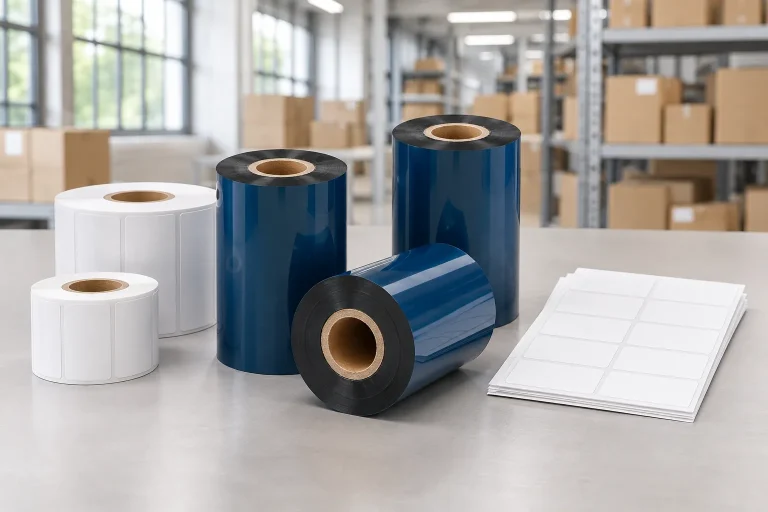
How to Choose a Zebra Thermal Transfer Ribbon
Choose a Zebra ribbon by print method, label material and roll fit, then test the printed…
Read article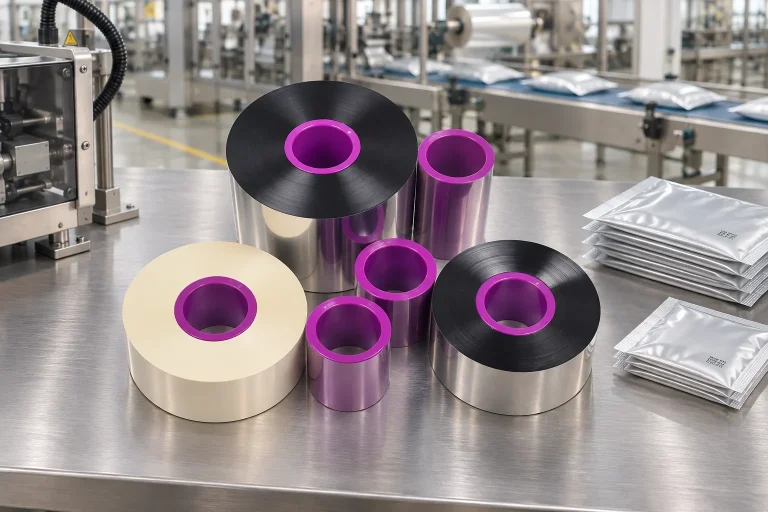
Thermal Transfer Overprint: A Practical Ribbon Selection Guide
Learn how TTO prints variable codes and choose a compatible ribbon by checking your…
Read article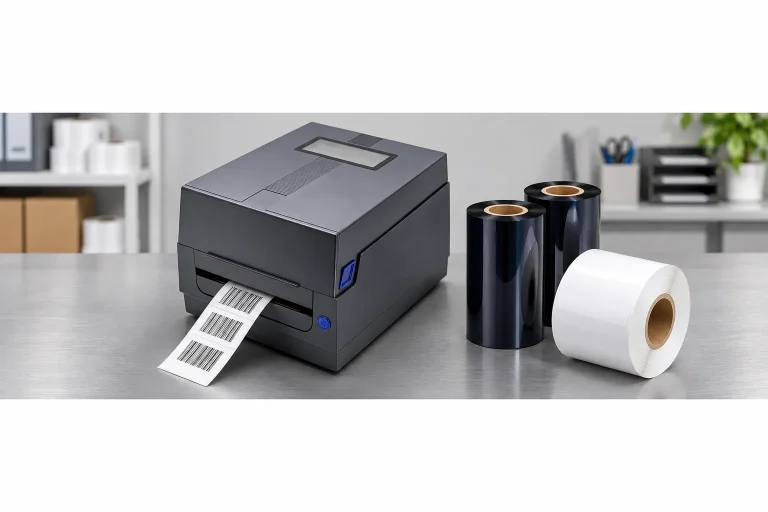
Thermal Transfer Ribbon Specialist: What the Term Means and What It Does Not Prove
A ribbon specialist works on ink, coating, slitting and print testing. See how that…
Read articleRecommended products for this industry
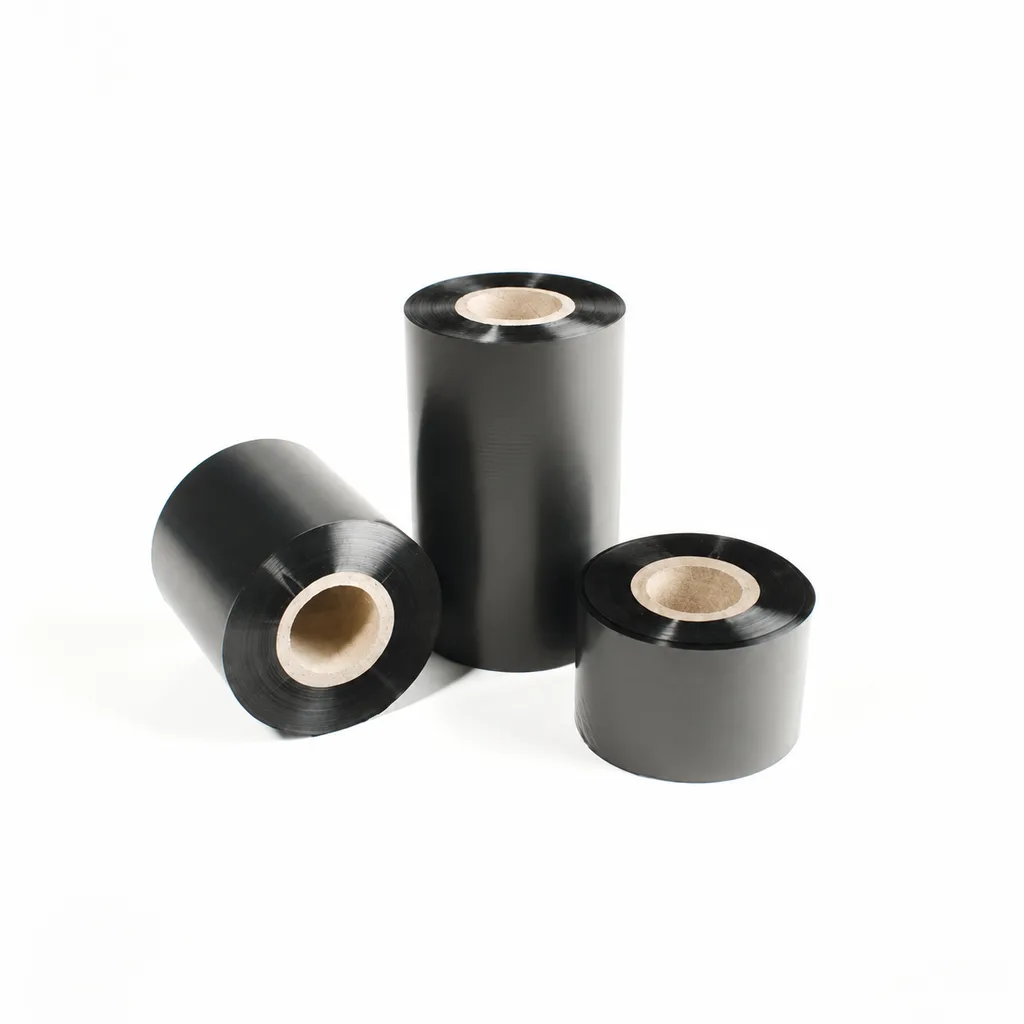
CL-Z112 Enhanced Wax Thermal Transfer Ribbon for Paper Labels and Tags
An enhanced wax thermal transfer ribbon with black ink for paper labels and tags used in retail, warehousing and logistics. It is specified for flat-head printing on desktop or industrial barcode printers at ≤8 inches per second (ips). Select it by checking the actual label material, printer configuration and handling conditions: image-quality, rub-resistance and cold-chamber results were obtained on coated paper, and print quality and image durability may vary with the printer and print medium.
View details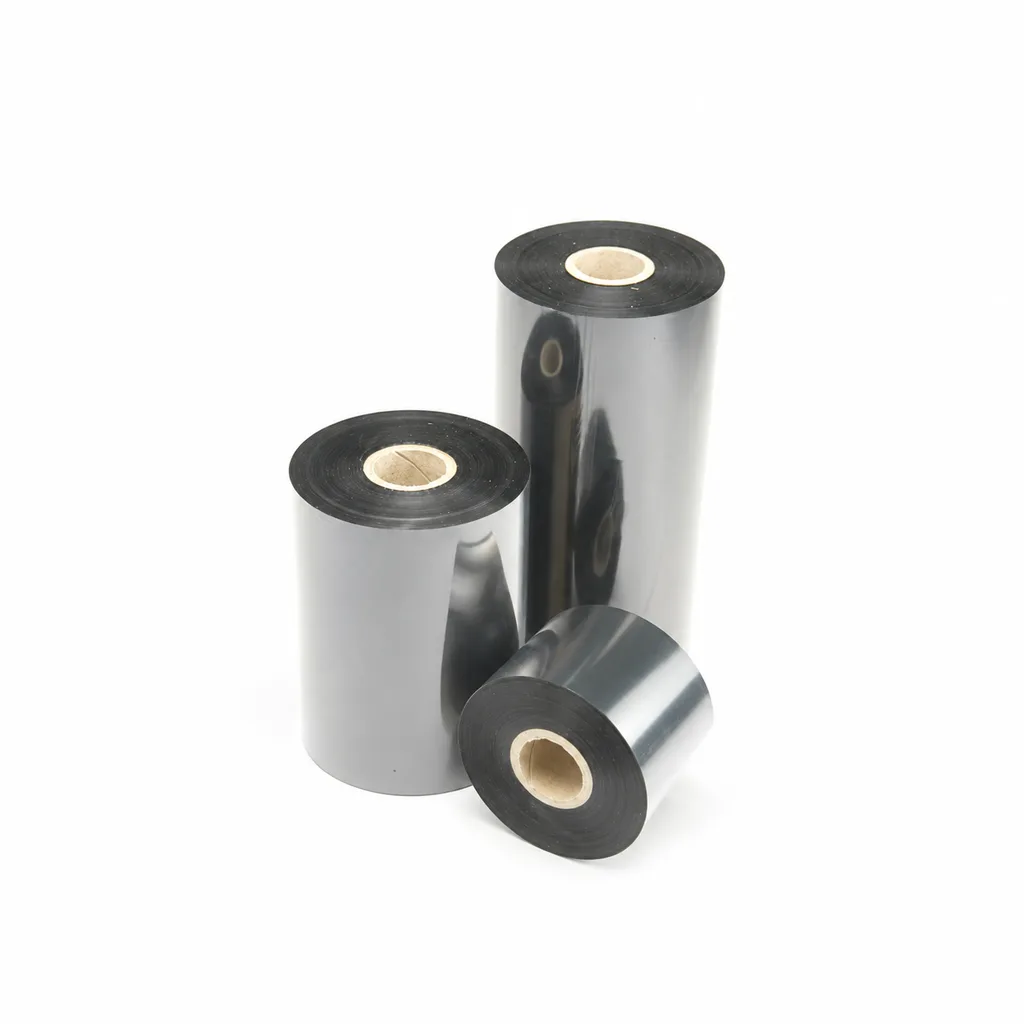
CL-Z203 Wax-Resin Thermal Transfer Ribbon for Barcode Labels
A black wax-resin thermal transfer ribbon for flat-head printing, with listed applications including retail, warehousing, logistics and garment tags. Select it against your actual label material and desktop or industrial barcode printer at speeds ≤6 ips (inches per second). Fine-line, small-text and durability results were obtained on coated paper; print quality and image durability may vary with the printer and printing substrate.
View details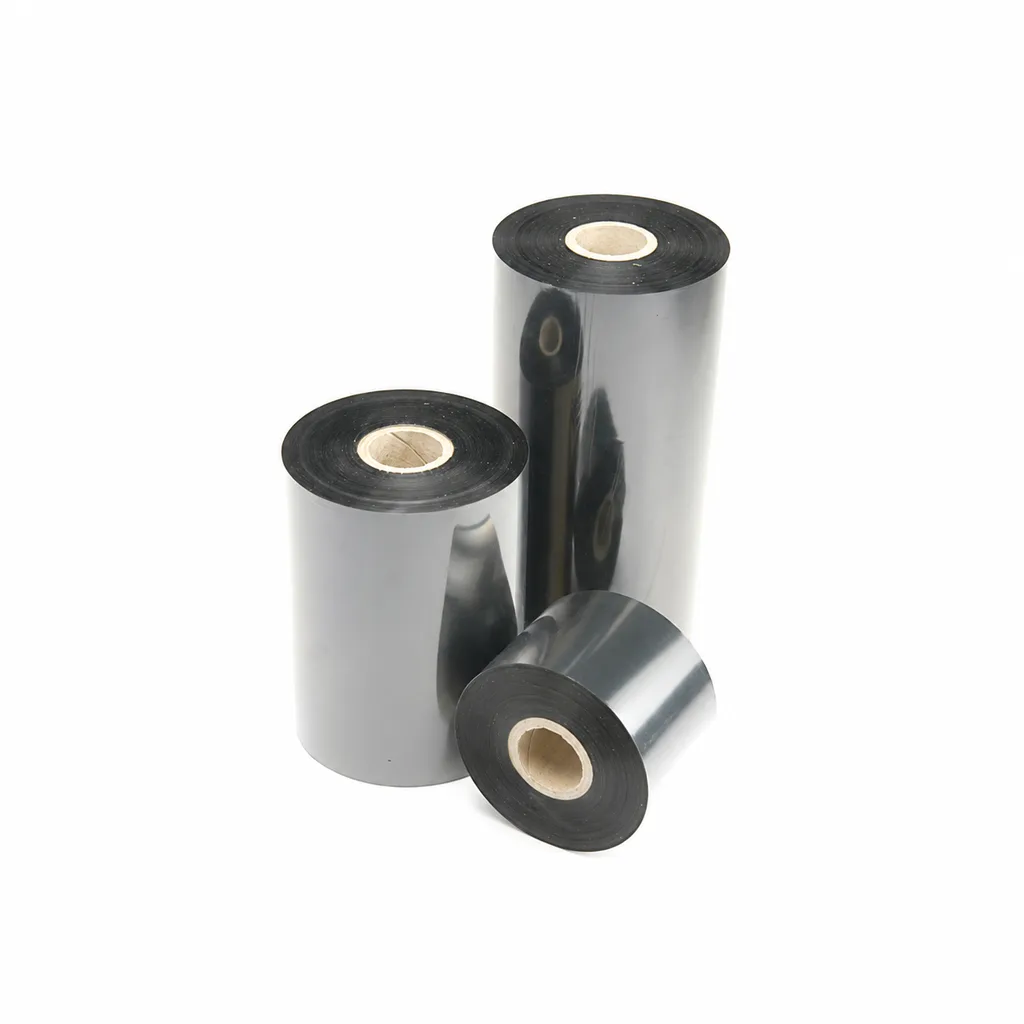
CL-Z213 Near-Edge Wax-Resin Thermal Transfer Ribbon for Barcode Labels
An enhanced black near-edge wax-resin thermal transfer ribbon for near-edge barcode printers and low- to medium-speed thermal transfer overprinting (TTO). Listed applications include retail labels, warehousing, garment tags and packaging identification. Match the printer, actual print medium and operating speed before selection: print quality and image durability can vary with the printer and substrate.
View detailsNeed the right ribbon for your label application?
Share the label material, printer and operating environment. Our team will recommend a tested combination.
