
Thermal Transfer Ribbon Specialist: What the Term Means and What It Does Not Prove
Request a solution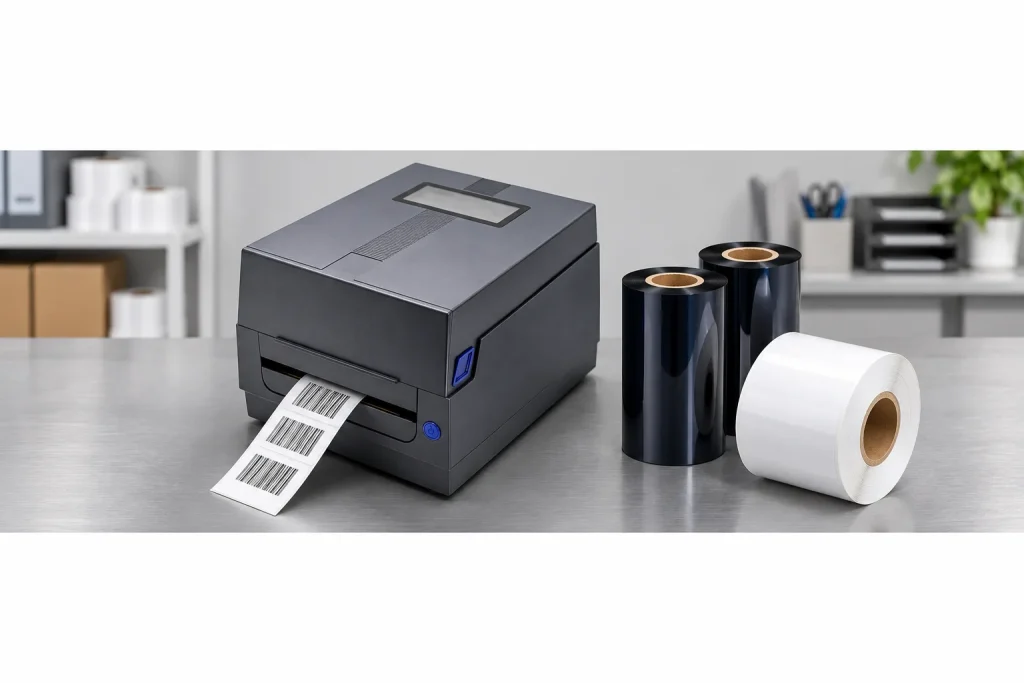
- Original TTR manufacturer since 2013
- Automated coating and slitting
- IQC / IPQC / OQC control
- ANSI barcode grade testing
- -20°C to 120°C environmental testing
- Batch-level traceability
- ANSI barcode grade
- Batch traceability
- RoHS / REACH compliance
- SGS and MSDS documents on request
This guide is for B2B buyers and print-room technical leads who meet the phrase “thermal transfer ribbon specialist” while looking for a ribbon source. The term points to a supplier whose work centres on the ribbon itself, from ink formulation and coating to slitting and print testing, rather than on printers. It does not by itself prove that a firm coats its own film or that one grade fits every printer and label, because private-label packing and partner agents both exist in this trade. You can check any claim by asking who coats and slits the ribbon, which ink family suits your label material, and whether a print test on your own stock is available.
The French phrase « spécialiste rubans transfert thermique » refers to a thermal transfer ribbon specialist.Key Takeaways
- A thermal transfer ribbon is a printer consumable: a PET carrier coated on one side with a wax, resin or wax-resin ink layer, with a backcoat that protects the printhead.
- The printhead heats the ribbon so its ink transfers onto the label; direct thermal printing heats a treated label material that already contains the ink, so no ribbon is used.
- “Specialist” describes product focus and know-how, while “manufacturer” and “supplier” describe activity and reach; none of the three words shows who coated the film.
- Ribbon performance belongs to the complete printed construction, so a grade must be validated on your own label material, printer and settings before release.
What a Thermal Transfer Ribbon Is and How It Prints
A thermal transfer ribbon (TTR) is a printer consumable made of a PET carrier film on which several layers are coated. The ink layer consists of wax, resin or a wax-resin blend, and a backcoat on the reverse side limits static, spreads heat and reduces friction to protect the printhead. Colorfulttr's production notes describe the build in the same way: a polyester film coated on one side with wax-based, resin-based or mixed ink, and with a lubricant layer on the non-ink side to protect the printhead.
Printing works by heat and pressure. The printhead heats resistive dots against the back of the ribbon, the ink melts in the selected areas, and the released ink transfers onto the label underneath. Colorfulttr's notes describe the step identically: the printhead uses heat and pressure to move text and barcode information from the ribbon onto the label.
The neighbouring method is direct thermal printing, and the difference lies in the surface the printhead heats. Thermal transfer heats a wax- or resin-based ribbon so its ink transfers onto the label. Direct thermal applies heat directly to a specially treated label material that already has ink set in it, so no ribbon is used. A printer described only as a thermal printer therefore tells you nothing about whether it needs a ribbon.
How WAX, WAX/RESIN and RESIN Ribbons Differ
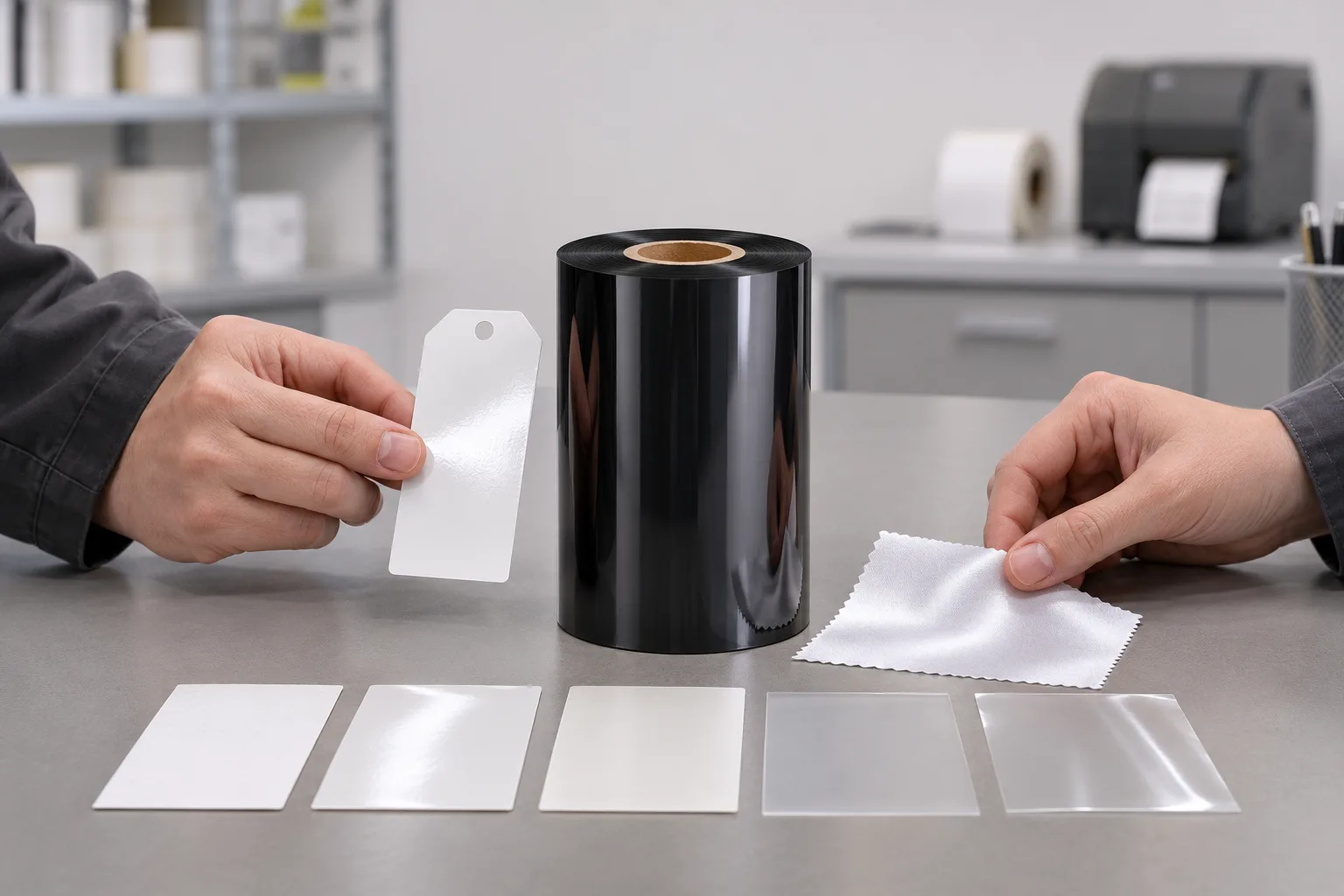
Three ink families cover most thermal transfer ribbons: full wax, wax-resin blend and full resin, and the coating decides print durability, which substrates the ribbon accepts, and resistance to heat, chemicals and abrasion.
- WAX: wax ribbons are generally suited to porous and coated paper.
- WAX/RESIN: the coating is a combination of wax and resin, and wax-resin ribbons suit coated paper and selected synthetics.
- RESIN: full resin ribbons suit demanding synthetic films such as polyester, polyimide and vinyl. They need a higher level of heat and pressure, so the printer must have a compatible printhead.
Washable care labels show why the difference matters. Industry-public guidance does not recommend wax-only ribbons for wash care labels because of poor wash resistance, describes full resin as the standard for wash labels, and limits wax-resin to gentle home washing while industrial washing still needs full resin. Those statements assume wash-label materials such as satin, nylon taffeta or polyester; the same ribbon on plain coated paper is outside this guidance. Colorfulttr's wash-care resin product line is aimed at exactly this wash-label use.
Where Ribbons Come From: Coating, Slitting and Private Label
Ribbon production runs from raw-material formulation and coating of the master roll to slitting and rewinding into finished rolls, and every step in that chain needs specialist technical support. The ink is only one part: apart from the ink itself, the additional layers of a ribbon are the know-how of each manufacturer and influence print quality and durability.
Slitting turns the master roll into the narrow roll a printer accepts, and tension control decides the result. Colorfulttr's process notes list what goes wrong when tension is off: too much tension stretches the PET film and changes the ink layer, which can lead to powder shed and ink contamination, while too little tension produces wrinkles, white lines and pressure marks.
Packing explains why a brand name is not proof of origin. The same notes list blank packing with no logo or product grade among the packing options, and the company supports private-label production under OEM/ODM terms. A ribbon can therefore carry another company's brand while being coated and slit elsewhere.
Colorfulttr is one example of a specialist that covers the whole chain. It focuses on TTR research, production and sales and states that it runs a complete production chain from raw materials through coating and slitting to finished product. Its head office and factory share one site in Shenzhen, and it supports buyers through partner agents, with European coverage in the UK, France, the Netherlands and Germany, so a local contact is not the same thing as a local plant.
What the Word Specialist Does Not Prove
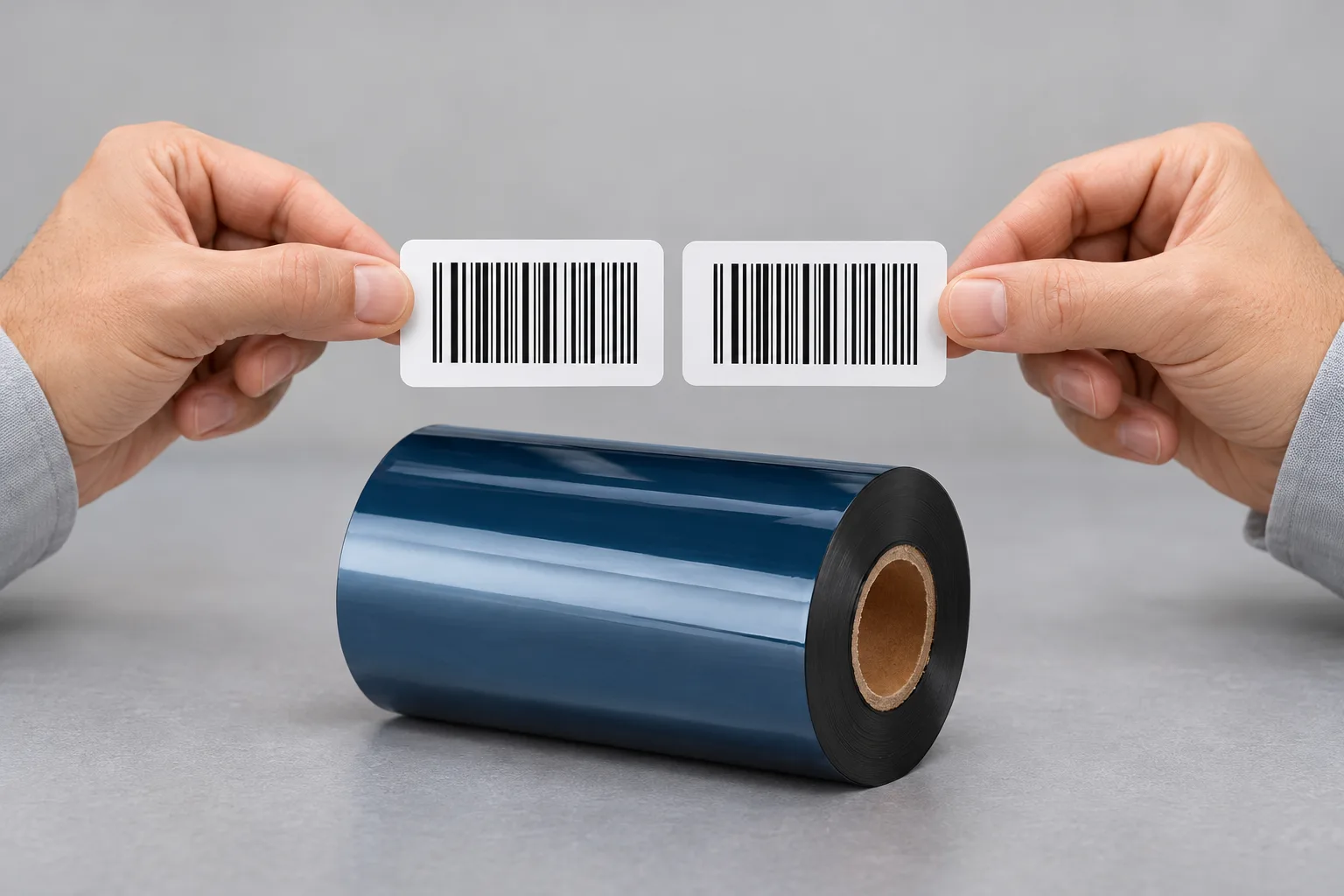
The word specialist describes product focus and know-how; it is not a certificate, and four conclusions cannot be drawn from it.
- It does not prove who coated the film. Private-label packing is one of the options in this trade, so ask directly whether the supplier formulates and coats its own master rolls or only slits, packs and brands ribbon made elsewhere.
- It does not prove a grade fits your printer. Different printhead types require different ribbons, and choosing the right ribbon starts with matching ink formulation, width, core size and roll length to the printer and label material. Colorfulttr's own product guidance keeps the same discipline: for a specific machine, check the full printer model, printhead type, ribbon width and length, core and winding direction.
- It does not prove durability on your label. Mismatched ribbon and substrate combinations frequently cause smudging, and ribbon performance belongs to the complete printed construction, so any combination should be validated on your own facestock, printer and settings before release. Industry wash guidance is industry-public data, not a supplier's own test result, and the wash requirement of a specific order should be confirmed by a sample test under the actual washing conditions and film.
- It does not prove local stock or a local plant. Ask where the ribbon is coated and slit, and from where it ships.
Put these four questions to any supplier, including Colorfulttr. As a final check, ask how each batch is released: Colorfulttr states that it prints a test before every batch ships and compares the result with the customer's confirmed reference sample, which turns a claim into a checked fact.
Data and Evidence
The first table summarises the three ribbon families and the label materials they are generally suited to; the second shows what a supplier's wording tells you and what to ask next.
| Ribbon family | Ink | Generally suited to | Wash care labels |
|---|---|---|---|
| WAX | Wax-based | Porous and coated paper | Not recommended because of poor wash resistance |
| WAX/RESIN | Combination of wax and resin | Coated paper and selected synthetics | Gentle home washing only |
| RESIN | Resin-based | Demanding synthetic films such as polyester, polyimide and vinyl | The industry standard for wash labels |
Note: the wash-label column follows industry-public guidance compiled from public supplier guides. It assumes wash-label materials such as satin, nylon taffeta or polyester, and it is neither a test result from Colorfulttr nor a pass line for a specific order.
| What you see | What it tells you | What to ask |
|---|---|---|
| “Specialist” on a supplier page | The firm's focus is the ribbon itself | Who formulates and coats the ink, and who slits the rolls? |
| A brand name on the box | Who markets the ribbon | Is it private-label packing or the coater's own product? |
| A local address or agent | Where you get contact and support | Where are coating and slitting done, and from where does stock ship? |
| A named grade | The ink family and its intended use | Can it be print-tested on your label stock under your wash or abrasion conditions? |
Sources: ribbon construction and printing facts follow verified industry references held in Colorfulttr's knowledge base; production, packing, quality and contact facts come from Colorfulttr's 2025 company notes (production process and quality, product matrix, certifications, contact and global layout); wash-label statements follow the industry-public wash-testing guidance dated 20 November 2026.
Frequently Asked Questions
Is a thermal transfer ribbon specialist the same as a ribbon manufacturer?
Not necessarily. “Specialist” describes product focus and know-how, while “manufacturer” describes production activity. Because private-label packing is one of the packing options in this trade, ask the supplier directly whether it formulates, coats and slits its own master rolls or only slits, packs and brands ribbon made elsewhere.
Does a thermal transfer printer need a ribbon when a direct thermal printer does not?
Yes. Thermal transfer printing heats a wax- or resin-based ribbon so its ink transfers onto the label, while direct thermal printing heats a specially treated label material that already contains the ink. Check which method your printer uses before ordering consumables, because a machine called simply a thermal printer may be either type.
Can I print washable care labels with a WAX/RESIN ribbon?
Only for light washing. Industry-public guidance limits wax-resin to gentle home washing, while industrial washing and dry cleaning call for full resin, and it assumes wash-label materials such as satin, nylon taffeta or polyester. Confirm the result with a sample test under your actual wash conditions and film.
Recommended products for this industry
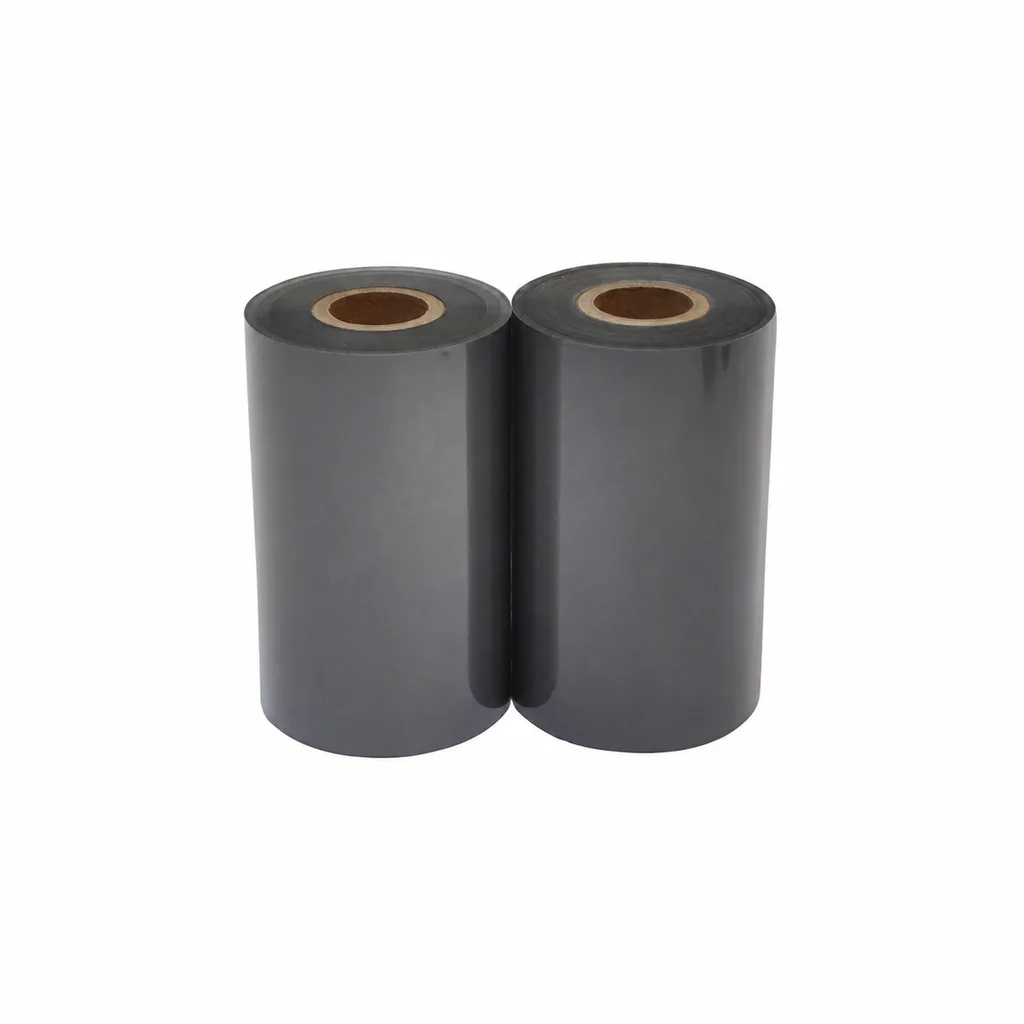
Black Resin Thermal Transfer Ribbon for Label Printing - CL-Z373
CL-Z373 is a black resin thermal transfer ribbon for label printing with desktop or industrial flat-head barcode printers at speeds of ≤6 ips (inches per second). Listed applications include electronics processing, tire identification, automotive manufacturing, pharmaceutical packaging, cosmetic labels and outdoor identification. Selection depends on the actual label material, printer and exposure conditions. Fine-line, small-character and resistance results were obtained on coated paper; print quality and image durability may vary with the printer and print substrate.
View details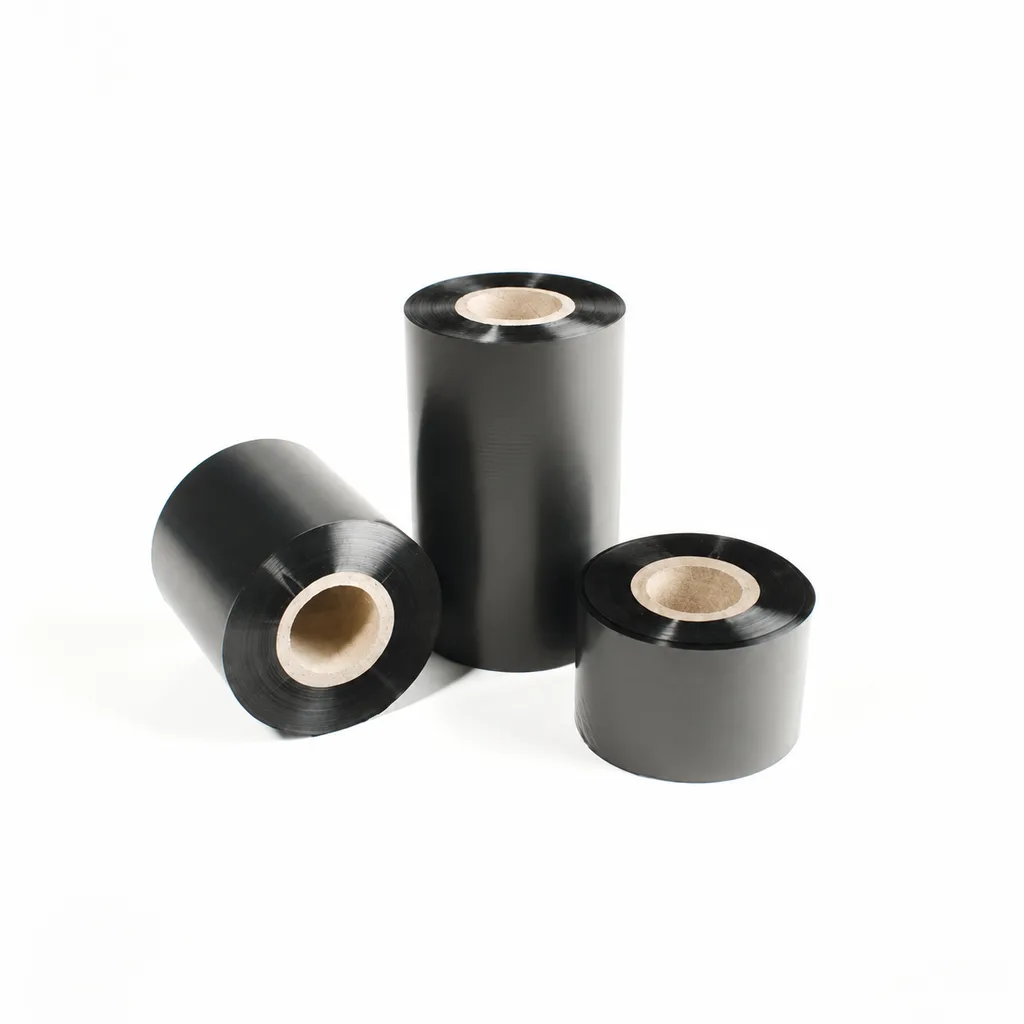
CL-Z112 Enhanced Wax Thermal Transfer Ribbon for Paper Labels and Tags
An enhanced wax thermal transfer ribbon with black ink for paper labels and tags used in retail, warehousing and logistics. It is specified for flat-head printing on desktop or industrial barcode printers at ≤8 inches per second (ips). Select it by checking the actual label material, printer configuration and handling conditions: image-quality, rub-resistance and cold-chamber results were obtained on coated paper, and print quality and image durability may vary with the printer and print medium.
View details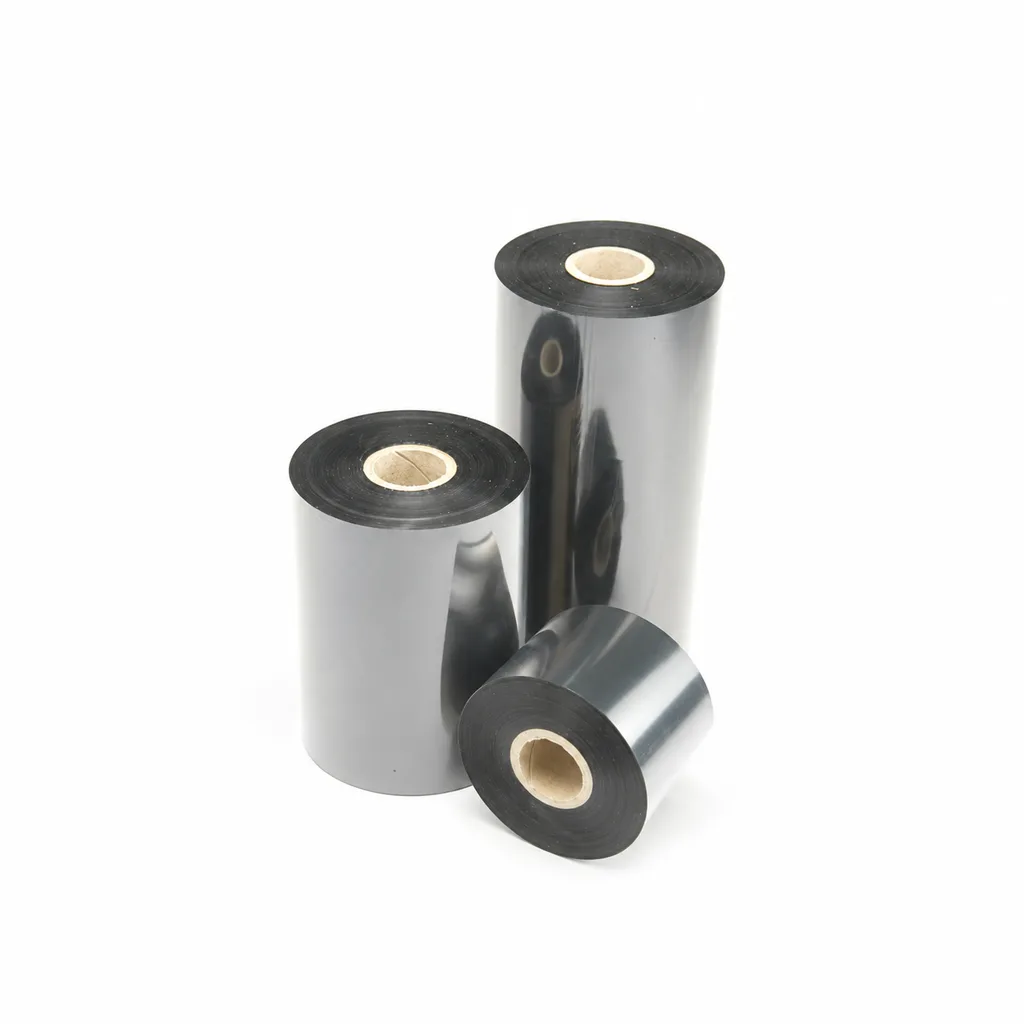
CL-Z203 Wax-Resin Thermal Transfer Ribbon for Barcode Labels
A black wax-resin thermal transfer ribbon for flat-head printing, with listed applications including retail, warehousing, logistics and garment tags. Select it against your actual label material and desktop or industrial barcode printer at speeds ≤6 ips (inches per second). Fine-line, small-text and durability results were obtained on coated paper; print quality and image durability may vary with the printer and printing substrate.
View details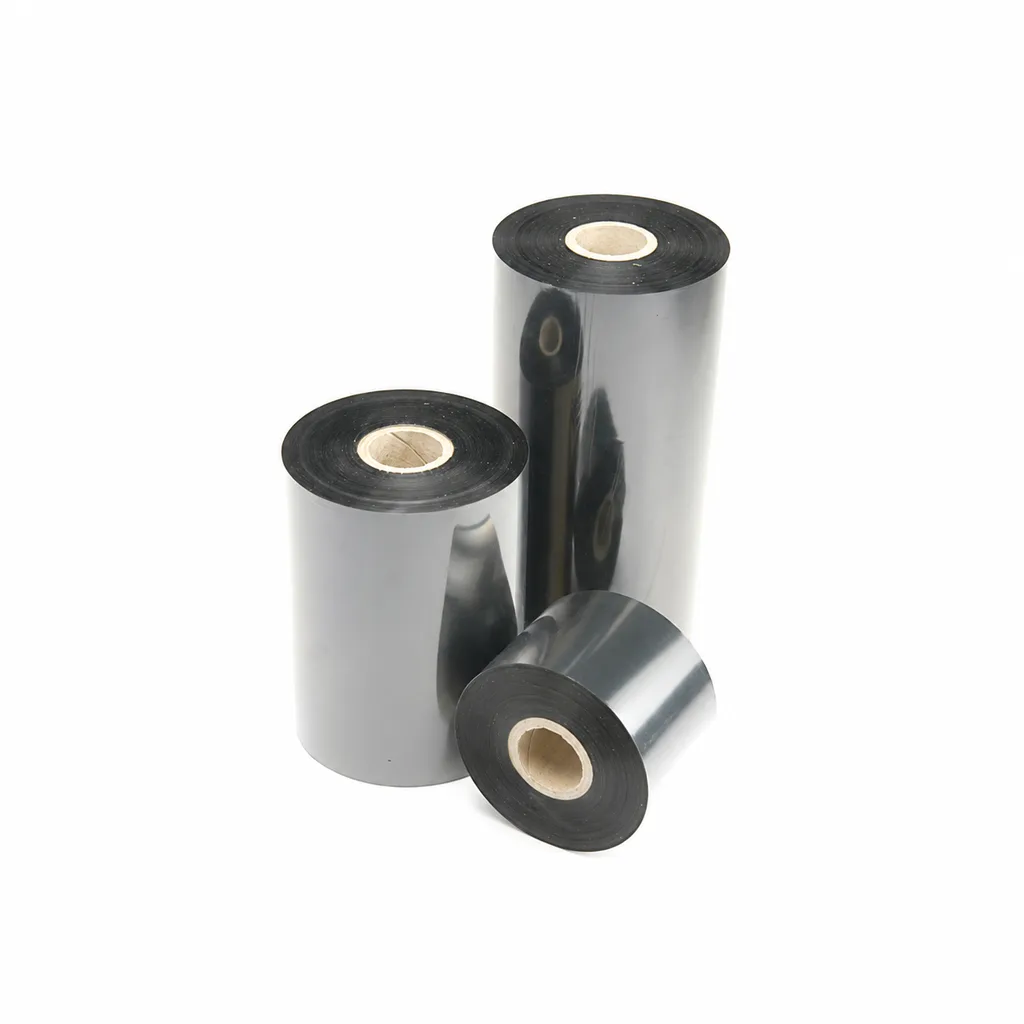
CL-Z213 Near-Edge Wax-Resin Thermal Transfer Ribbon for Barcode Labels
An enhanced black near-edge wax-resin thermal transfer ribbon for near-edge barcode printers and low- to medium-speed thermal transfer overprinting (TTO). Listed applications include retail labels, warehousing, garment tags and packaging identification. Match the printer, actual print medium and operating speed before selection: print quality and image durability can vary with the printer and substrate.
View detailsNeed the right ribbon for your label application?
Share the label material, printer and operating environment. Our team will recommend a tested combination.
