
Why Chemical Drum and GHS Labels Depend on More Durable Thermal Transfer Ribbon

- Original TTR manufacturer since 2013
- Automated coating and slitting
- IQC / IPQC / OQC control
- ANSI barcode grade testing
- -20°C to 120°C environmental testing
- Batch-level traceability
- ANSI barcode grade
- Batch traceability
- RoHS / REACH compliance
- SGS and MSDS documents on request
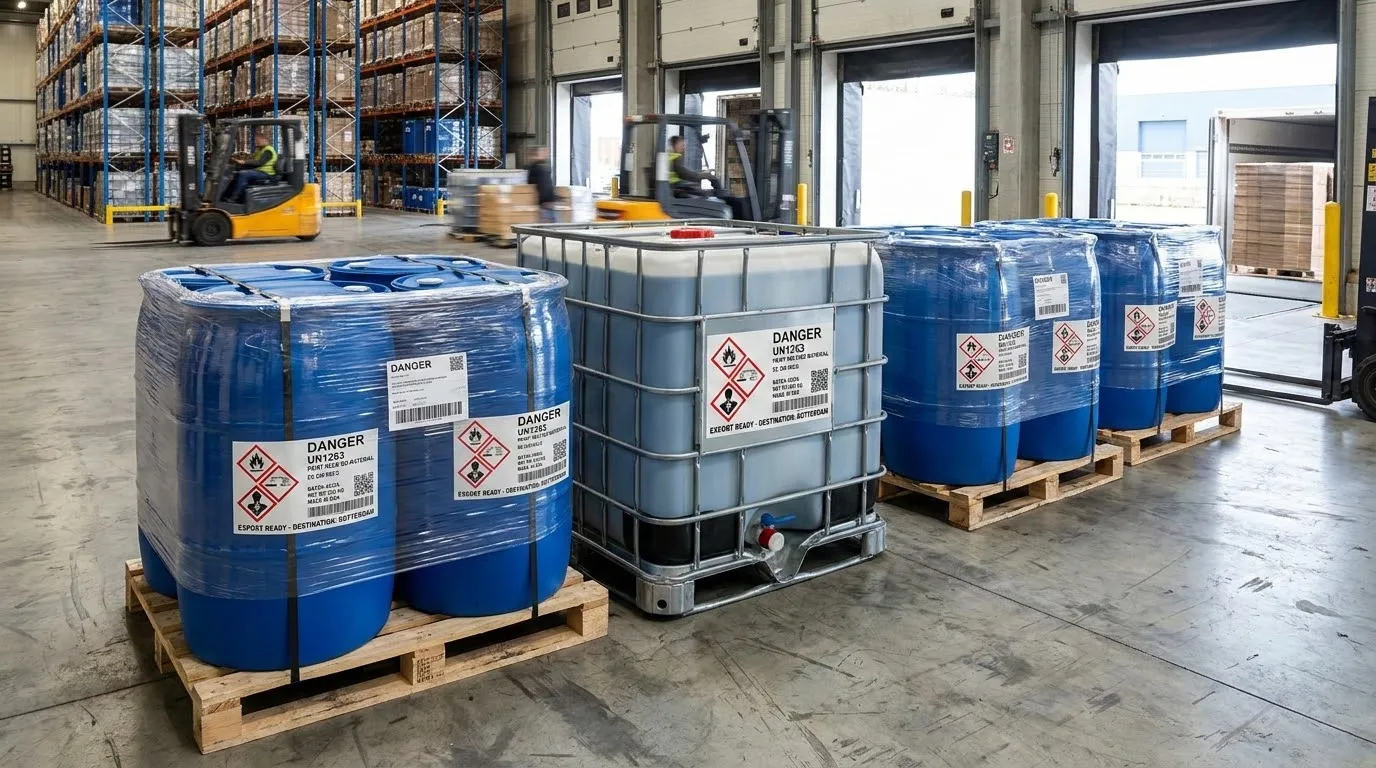
Chemical labeling leaves little room for weak print performance. A drum label may need to carry product names, hazard symbols, batch data, storage instructions, and barcodes that stay readable through shipping, warehousing, and handling. If any part of that information smears, fades, or rubs off, the problem reaches far beyond appearance. It can slow logistics, weaken compliance, and create avoidable risk on site.
That is why more buyers are reviewing the ribbon behind the label result instead of focusing only on the adhesive or the printer. In chemical packaging, durability matters because the label faces friction, contact, variable temperatures, and long storage cycles. A stronger thermal transfer ribbon helps protect critical information from the moment a label is printed to the moment a container is scanned or inspected again.

Key Takeaways
- Chemical drum labels face harsh conditions that standard labels don't.
- This article explains why durable thermal transfer ribbon is critical for maintaining readable GHS labels, barcodes, and hazard information through shipping, warehousing, and handling.
Why chemical labels face tougher conditions than standard shipping labels
A standard logistics label may only need to survive a short trip through a warehouse. Chemical drum labels often work much harder. Containers are stacked, wrapped, moved by forklift, and stored for longer periods. Surfaces may collect dust, moisture, or residue. In some applications, labels also face rubbing from film, pallets, or repeated contact during transport.
Under these conditions, print quality must remain stable. Hazard information and traceability codes cannot become partial or unclear after routine handling. A ribbon that performs well on synthetic materials and resists rub-off gives packaging teams a better margin of safety and consistency.
Compliance depends on readable information
GHS and other compliance-driven labels are not decorative elements. They carry instructions that workers, inspectors, and logistics partners rely on. If key text becomes difficult to read, the label loses value at exactly the moment it should guide safe action. Durable print helps keep compliance practical, not theoretical.
What durable thermal transfer ribbon improves in chemical packaging
The right ribbon can support darker images, cleaner edges, and better adhesion on label materials used for drums, pails, and industrial containers. These gains matter because bold print alone is not enough. Buyers need text and codes that stay legible after handling stress. Strong transfer performance helps reduce edge breakdown, character loss, and scanning errors later in the supply chain.

Better resistance means fewer relabeling problems
Relabeling a damaged drum is inconvenient at best. In busy plants, it can interrupt dispatch, force extra verification, and create confusion between physical goods and digital records. A ribbon with stronger durability helps teams avoid those interruptions. The savings show up in labor, accuracy, and smoother outbound flow.
Synthetic label compatibility is a real advantage
Many chemical labels use PE, PP, or PET-based materials rather than simple paper stock. Buyers should make sure the ribbon performs well on those surfaces at real print speeds. A ribbon that matches the intended substrate can deliver better adhesion and a cleaner finish without constant printer adjustment.
How buyers should test ribbon performance for drum labels
The best evaluation method is application-based testing. Print the label format used in production. Then expose it to the same conditions found in the field, such as rubbing, wrapping pressure, storage time, and repeated scanning. This process reveals whether the ribbon supports long-term readability instead of only producing a good first impression.
Teams should also review barcode scan consistency, character sharpness, and batch-to-batch stability. One successful sample does not guarantee repeatable results. Reliable supply matters because chemical operations cannot afford major shifts in print behavior from one roll lot to the next.

Look beyond roll price
A cheaper ribbon may look attractive on paper, yet its real cost appears later if labels need rework or if codes fail in the warehouse. Buyers who compare only unit price may miss the larger operational picture. Total value comes from stable print quality, fewer interruptions, and better traceability control.
Why a focused ribbon partner adds value
Chemical labeling often requires more than a generic consumable. Buyers may need guidance on substrate matching, durability balance, and print setting optimization. A supplier that understands thermal transfer ribbon performance in demanding industrial labeling can help shorten trial cycles and reduce risk during deployment.
That is where a manufacturer such as Colorful can contribute. The value is not only in supplying ribbon rolls. It is also in helping customers build a print solution that supports safety, readability, and traceability throughout chemical logistics.
Final thought: durable print protects both compliance and workflow
Chemical drum labels carry information that people must be able to trust. When thermal transfer ribbon performance improves, the label becomes more dependable in real operating conditions. That means fewer relabeling issues, stronger compliance support, and a cleaner path from production to delivery. For chemical packaging teams, that is a practical upgrade worth making.
Related Products & Guides
- High-grade wax resin thermal transfer ribbon
- Silver Thermal Transfer Colour Washable Resin Printer Ribbon
- Why Resin-Enhanced Thermal Transfer Ribbon Is Becoming Essential for Chemical Drum and GHS Labeling
- Smart Manufacturing
Explore
How to Choose a Thermal Printing Ribbon: A Practical Buyer’s Guide
Choose a thermal printing ribbon by matching its ink type to your label material, printer…
Read article
Thermotransfer-Bänder: How to Choose Wax, Wax-Resin or Resin Ribbon
Pick thermal transfer ribbon by label stock and exposure: wax for paper, wax-resin for…
Read article
Choosing a Thermal Transfer Ribbon Manufacturer: Buyer Criteria
Compare ribbon suppliers by printer compatibility, label stock, product range and sample…
Read articleRecommended products for this industry
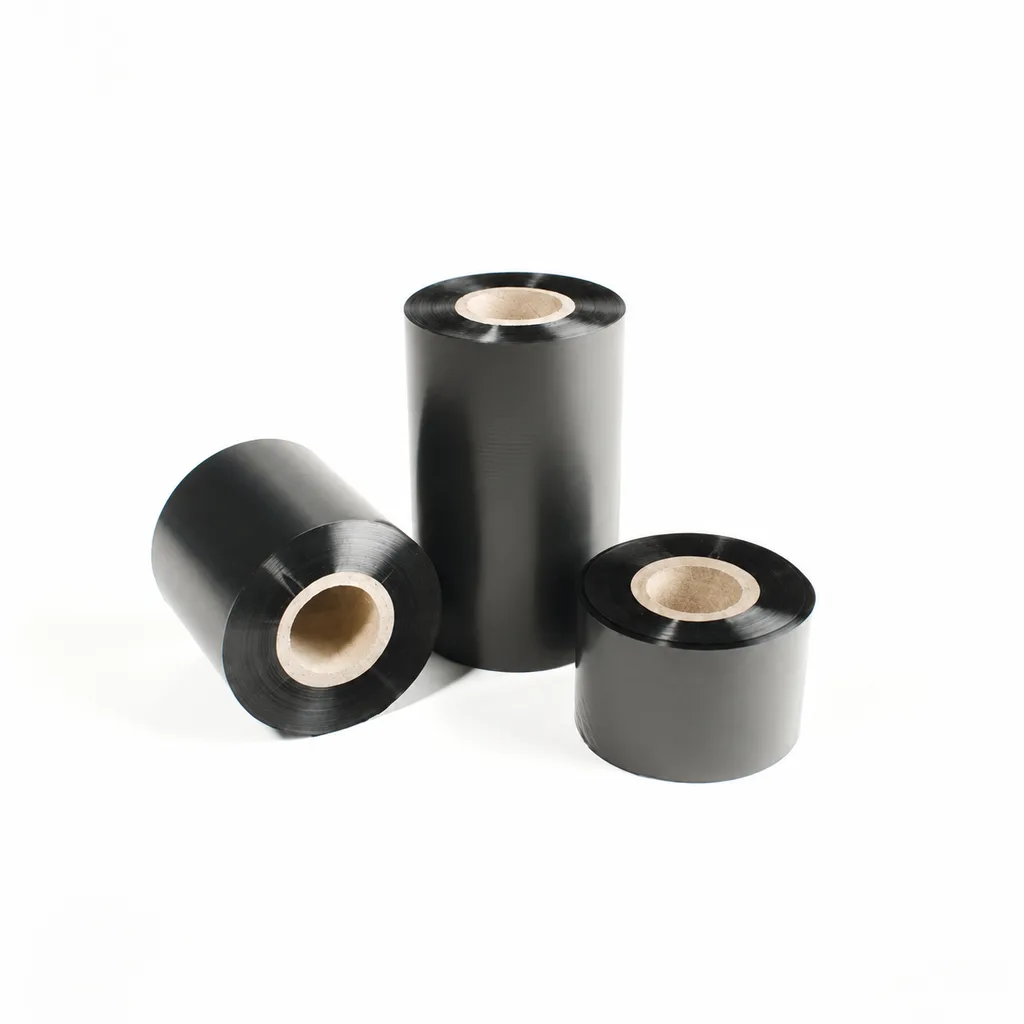
CL-Z112 Enhanced Wax Thermal Transfer Ribbon for Paper Labels and Tags
An enhanced wax thermal transfer ribbon with black ink for paper labels and tags used in retail, warehousing and logistics. It is specified for flat-head printing on desktop or industrial barcode printers at ≤8 inches per second (ips). Select it by checking the actual label material, printer configuration and handling conditions: image-quality, rub-resistance and cold-chamber results were obtained on coated paper, and print quality and image durability may vary with the printer and print medium.
View details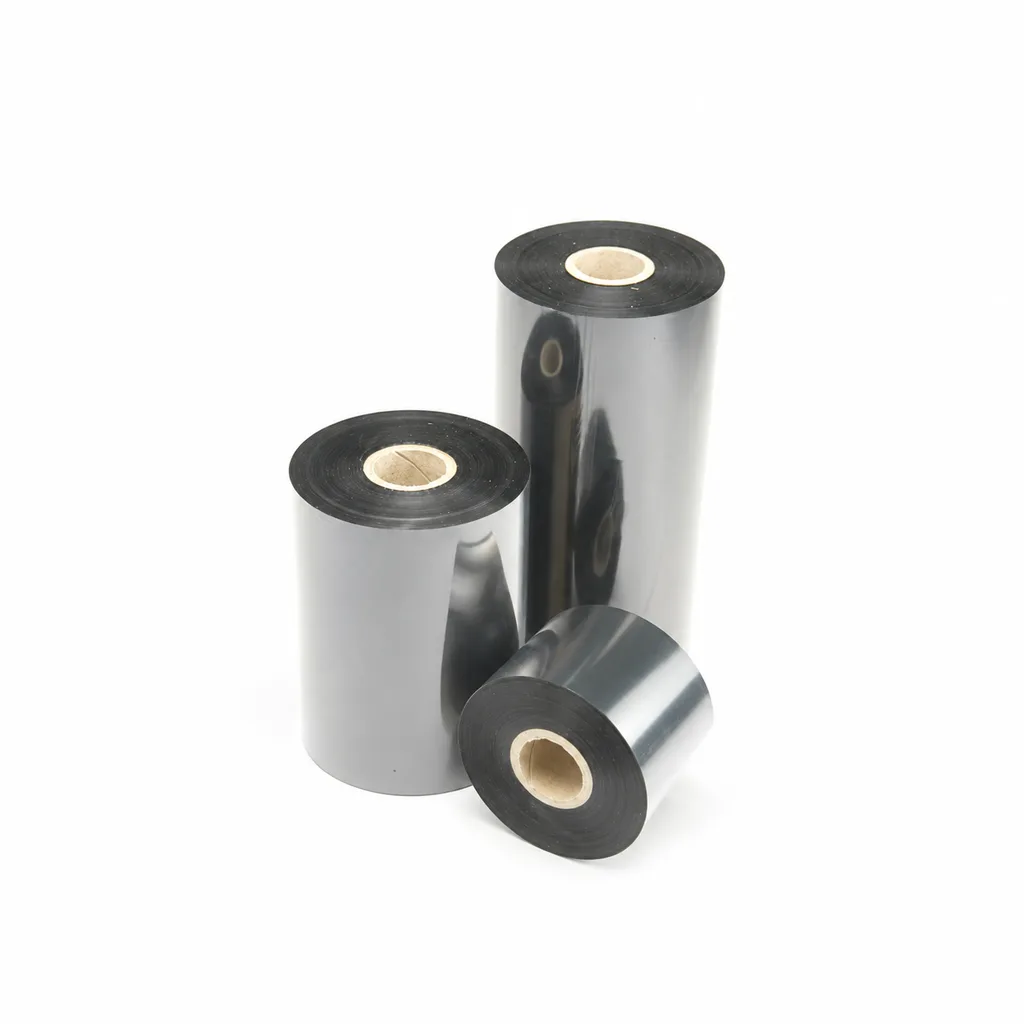
CL-Z203 Wax-Resin Thermal Transfer Ribbon for Barcode Labels
A black wax-resin thermal transfer ribbon for flat-head printing, with listed applications including retail, warehousing, logistics and garment tags. Select it against your actual label material and desktop or industrial barcode printer at speeds ≤6 ips (inches per second). Fine-line, small-text and durability results were obtained on coated paper; print quality and image durability may vary with the printer and printing substrate.
View details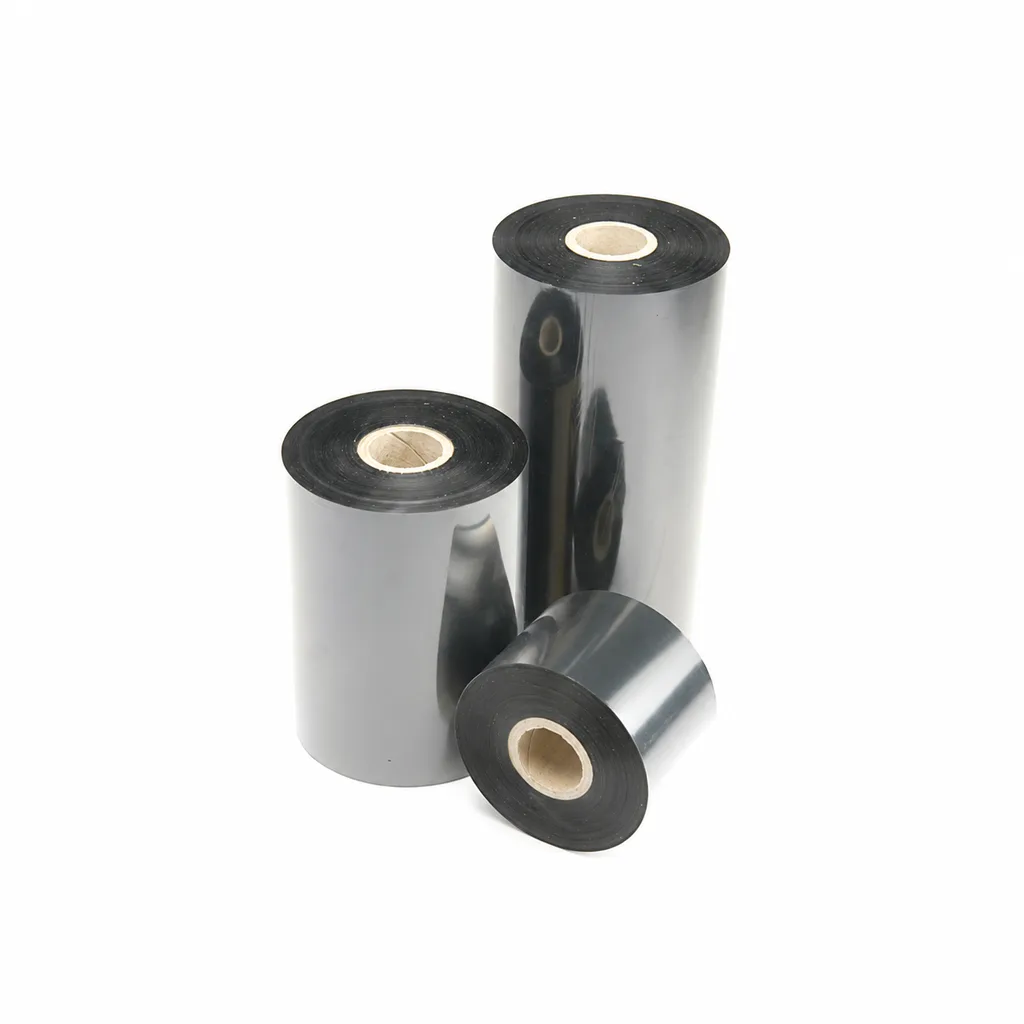
CL-Z213 Near-Edge Wax-Resin Thermal Transfer Ribbon for Barcode Labels
An enhanced black near-edge wax-resin thermal transfer ribbon for near-edge barcode printers and low- to medium-speed thermal transfer overprinting (TTO). Listed applications include retail labels, warehousing, garment tags and packaging identification. Match the printer, actual print medium and operating speed before selection: print quality and image durability can vary with the printer and substrate.
View detailsNeed the right ribbon for your label application?
Share the label material, printer and operating environment. Our team will recommend a tested combination.
