
Why Resin-Enhanced Thermal Transfer Ribbon Is Becoming Essential for Chemical Drum and GHS Labeling
- Original TTR manufacturer since 2013
- Automated coating and slitting
- IQC / IPQC / OQC control
- ANSI barcode grade testing
- -20°C to 120°C environmental testing
- Batch-level traceability
- ANSI barcode grade
- Batch traceability
- RoHS / REACH compliance
- SGS and MSDS documents on request
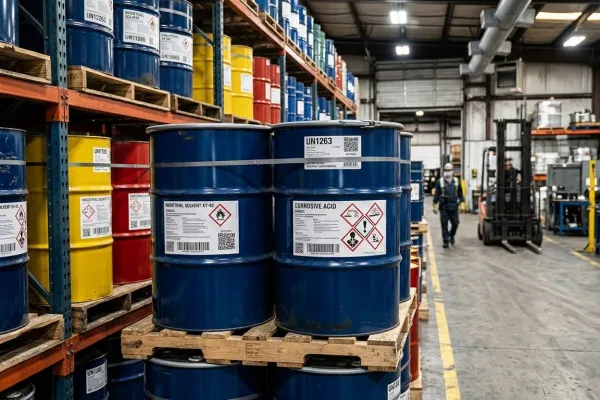
Chemical labeling has entered a stricter phase. Manufacturers, exporters, and distributors now face stronger expectations for traceability, hazard communication, and scan reliability across the full logistics chain. A label on a chemical drum may start in a filling plant, move through a warehouse, cross a port, and end up in a regulated storage area. At every step, the printed warning symbols, batch details, and barcode data must remain clear. That is why more buyers are moving beyond basic wax solutions and evaluating resin-enhanced thermal transfer ribbon for demanding GHS and drum labeling work.
Key Takeaways
- Chemical drum labeling demands durability against abrasion, moisture, and handling.
- Resin-enhanced thermal transfer ribbon provides superior print contrast and scan reliability for GHS labels, reducing reprints and compliance risks across logistics.
Chemical labels fail for practical reasons, not theoretical ones
A drum label rarely lives in a gentle environment. It may face rubbing from pallet film, scratches from forklift handling, moisture in transit, or contact with cleaning agents in storage zones. If the print layer weakens, the most important parts of the label lose value first. Signal words, UN numbers, barcode zones, and handling instructions can become harder to read long before the label itself falls off.
This is where many low-cost label systems run into trouble. They look acceptable on the day of printing, but they do not hold enough contrast after repeated movement. For chemical operations, that gap creates risk. The problem affects compliance, warehouse speed, and even customer confidence.
Durability now supports both safety and efficiency
Safety teams want labels that remain legible. Operations teams want labels that scan fast. Procurement teams want fewer reprints and less complaint handling. Resin-enhanced ribbon helps connect these needs because it improves abrasion resistance, surface adhesion, and image stability on suitable synthetic label materials.
Why resin-enhanced ribbon fits GHS and drum labeling better
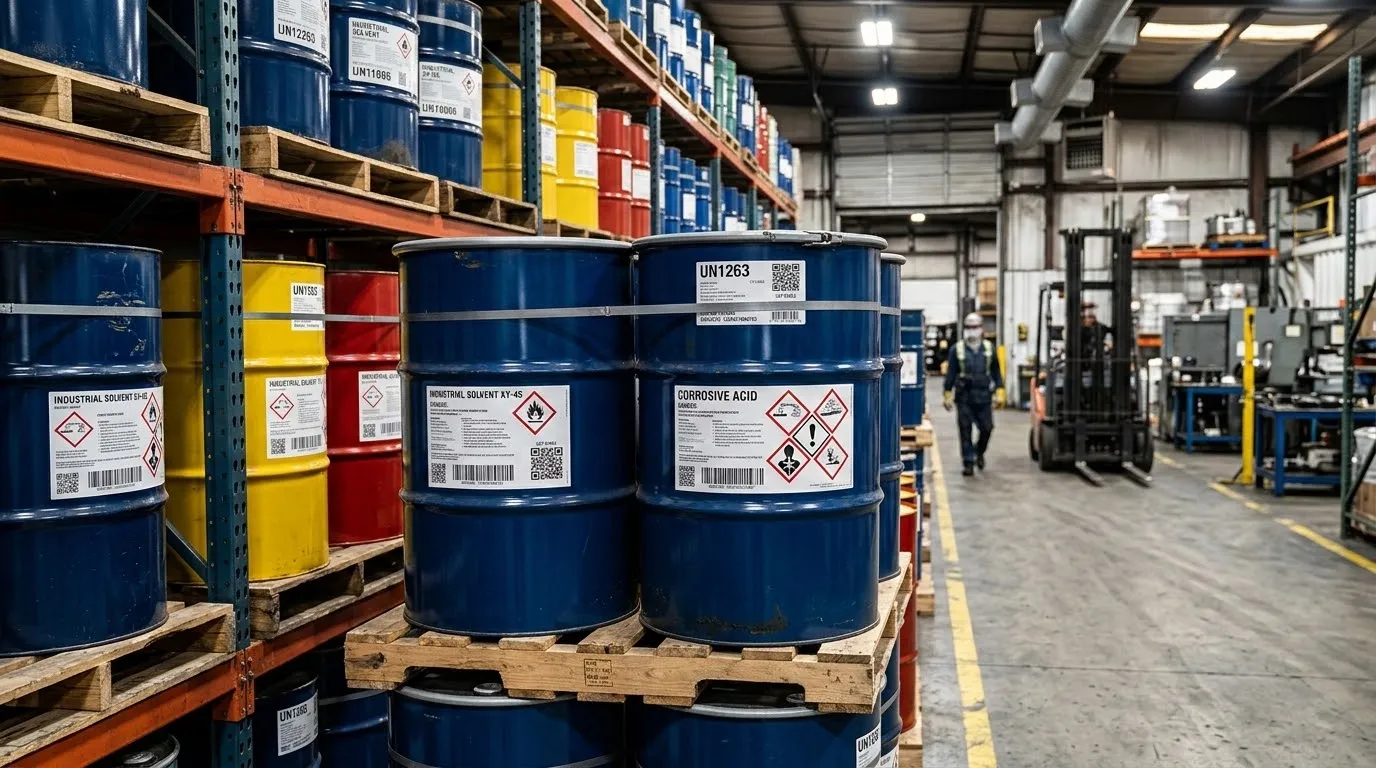
GHS labeling depends on readable information under rough handling conditions. The ribbon has to transfer a dense, durable image onto label stock that often needs strong chemical and moisture resistance. Resin-enhanced thermal transfer ribbon performs well in this role because it creates a harder print layer than standard wax products while staying more cost-flexible than full resin solutions in many medium-demand applications.
That balance matters. Many chemical suppliers need better scratch resistance and stronger smudge control, but they also want stable output over long print runs. A good resin-enhanced ribbon can support both goals when matched with PET or other durable synthetic labels. The result is cleaner small text, more secure barcode edges, and better resistance during drum movement and stacking.
Export packaging raises the performance bar
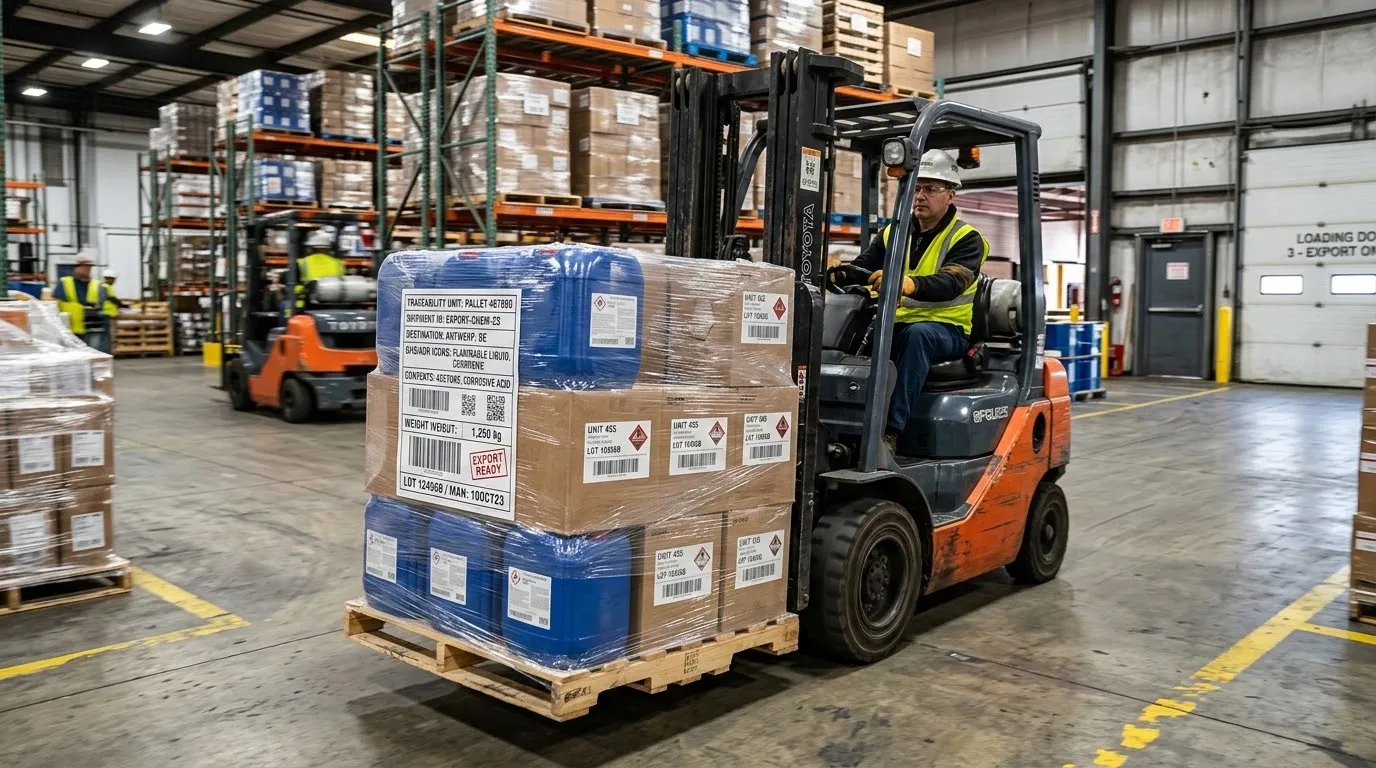
Export shipments bring more pressure to the label system. Drums and pails may pass through humid terminals, rough loading processes, and longer storage cycles. Labels must still look professional when they reach the consignee. In that context, a ribbon that protects print density and edge definition becomes a supply chain tool, not just a consumable.

Where buyers see the biggest payoff
Hazard communication on drums and pails
Primary packaging labels need to stay readable during filling, palletizing, and transport. When operators can still scan and read them after handling, internal mistakes drop and relabeling work shrinks.
Secondary packaging and warehouse traceability
Outer carton and pallet labels also benefit from better ribbon performance. Clear barcodes speed receiving, stock rotation, and outbound verification. The savings are small per label but significant across high-volume shipments.
Private label and contract manufacturing
Contract manufacturers often print multiple SKUs, languages, and regulatory formats on shared equipment. They need ribbon performance that stays predictable across shifts. Stable print transfer reduces operator adjustments and helps protect consistency for different customer programs.
What to evaluate before choosing a ribbon supplier
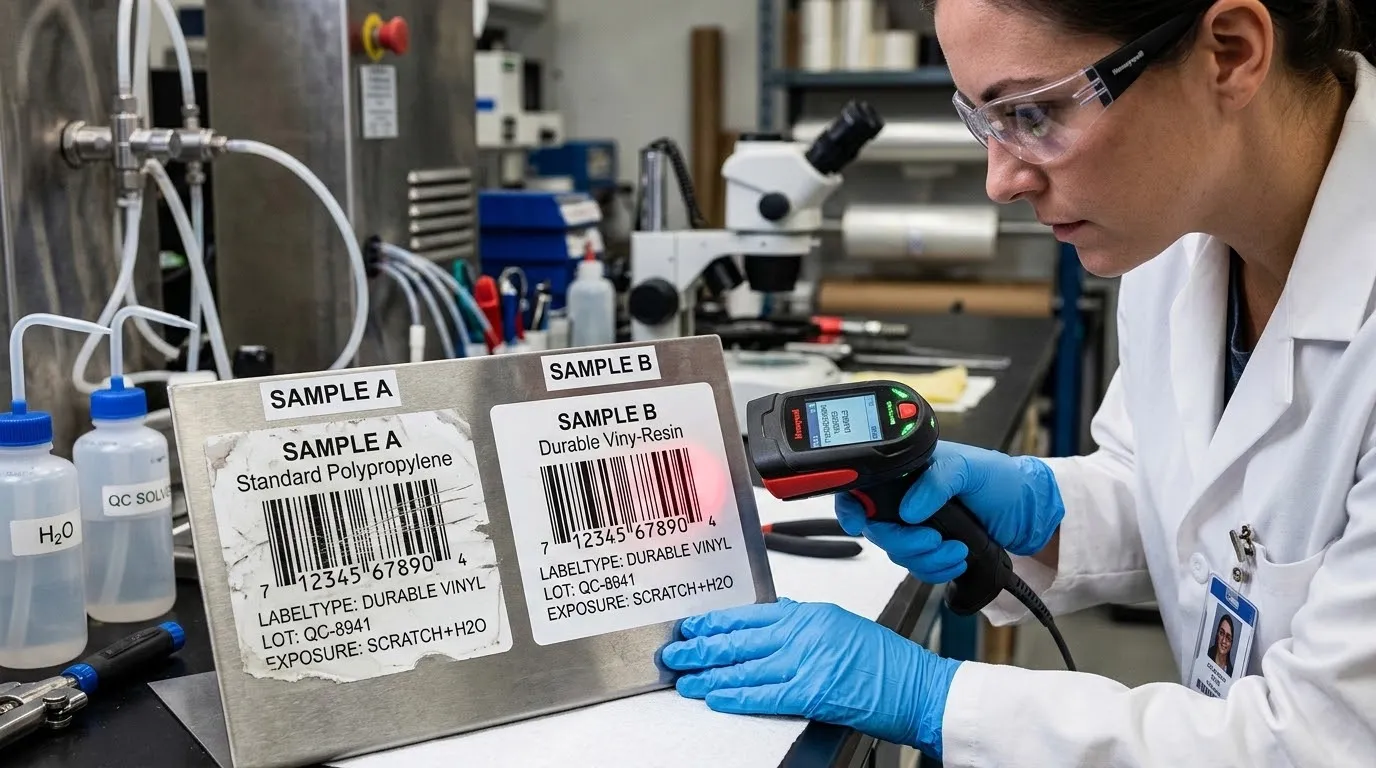
Start with the label material, not the ribbon alone. A strong ribbon still needs the right face stock and adhesive to perform in chemical environments. Next, test abrasion resistance, scan performance, and small-character sharpness under real handling conditions. Then review print consistency over a full production batch instead of a short sample run.
Buyers should also ask whether the supplier understands the target use case. A ribbon recommendation for office asset tags is not enough for chemical export packaging. The better suppliers can discuss printer settings, label compatibility, and expected performance in storage and transport.
Application support matters as much as product specs
Colorful works with thermal transfer ribbon applications across labeling and packaging scenarios. For buyers who need more dependable print durability, that experience helps shorten the selection cycle. It also improves the chance of finding a ribbon and label combination that performs well in the field, not only on a test sheet.
The market for chemical labeling keeps getting tougher. Better durability, cleaner scanning, and stronger compliance support now shape purchasing decisions. Resin-enhanced thermal transfer ribbon offers a practical answer for teams that want labels to remain sharp from filling line to final delivery.
Related Products & Guides
- High-grade wax resin thermal transfer ribbon
- Silver Thermal Transfer Colour Washable Resin Printer Ribbon
- Why Resin-Enhanced Thermal Transfer Ribbon Matters for Chemical Drum Labels and Long-Term Traceability
- Smart Manufacturing
Explore
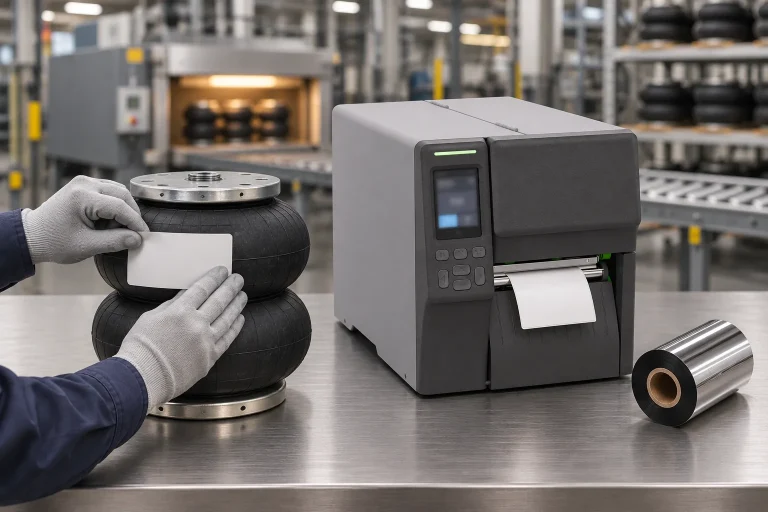
How to Choose Vulcanized Air Spring Labels for Your Production Line
Choose air spring labels by cure timing, actual finished-part substrate, location, and…
Read article
Wax Thermal Transfer Ribbon: A Practical Selection Guide
Choose wax thermal transfer ribbon for paper labels and light-duty use. Match the grade…
Read article
How to Choose a Resin Thermal Transfer Ribbon for Your Labels
Choose a resin thermal transfer ribbon by matching label surface and exposure, checking…
Read articleRecommended products for this industry
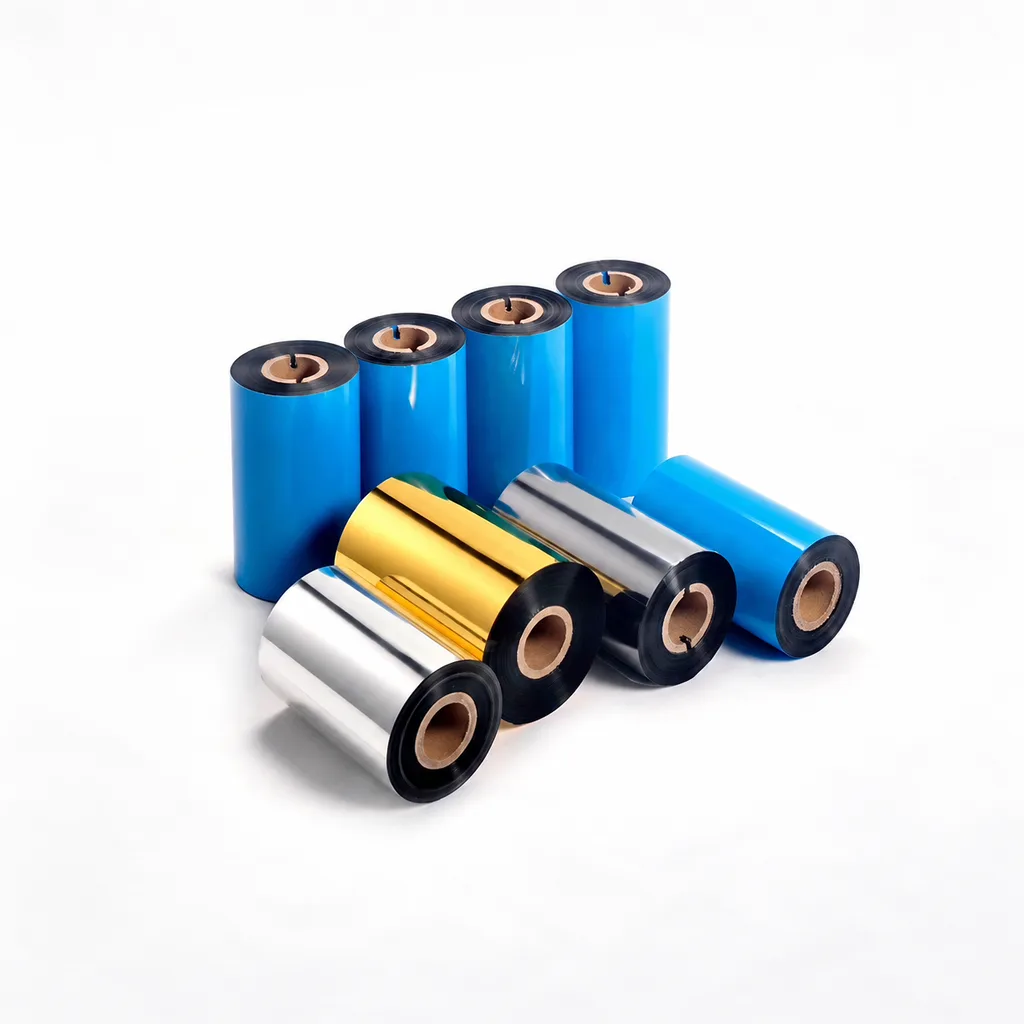
CL-Z302 Enhanced Resin Thermal Transfer Ribbon for Label Printing
A black enhanced resin thermal transfer ribbon for label printing with flat-head desktop or industrial barcode printers at ≤6 ips (inches per second). Listed applications include cosmetics labels, pharmaceutical packaging, electronics processing and automotive identification. Select it against your actual label material and exposure conditions: the reported abrasion, alcohol, water-immersion and low-temperature results were obtained on coated paper, and print quality and image durability may vary with the printer and printing substrate.
View details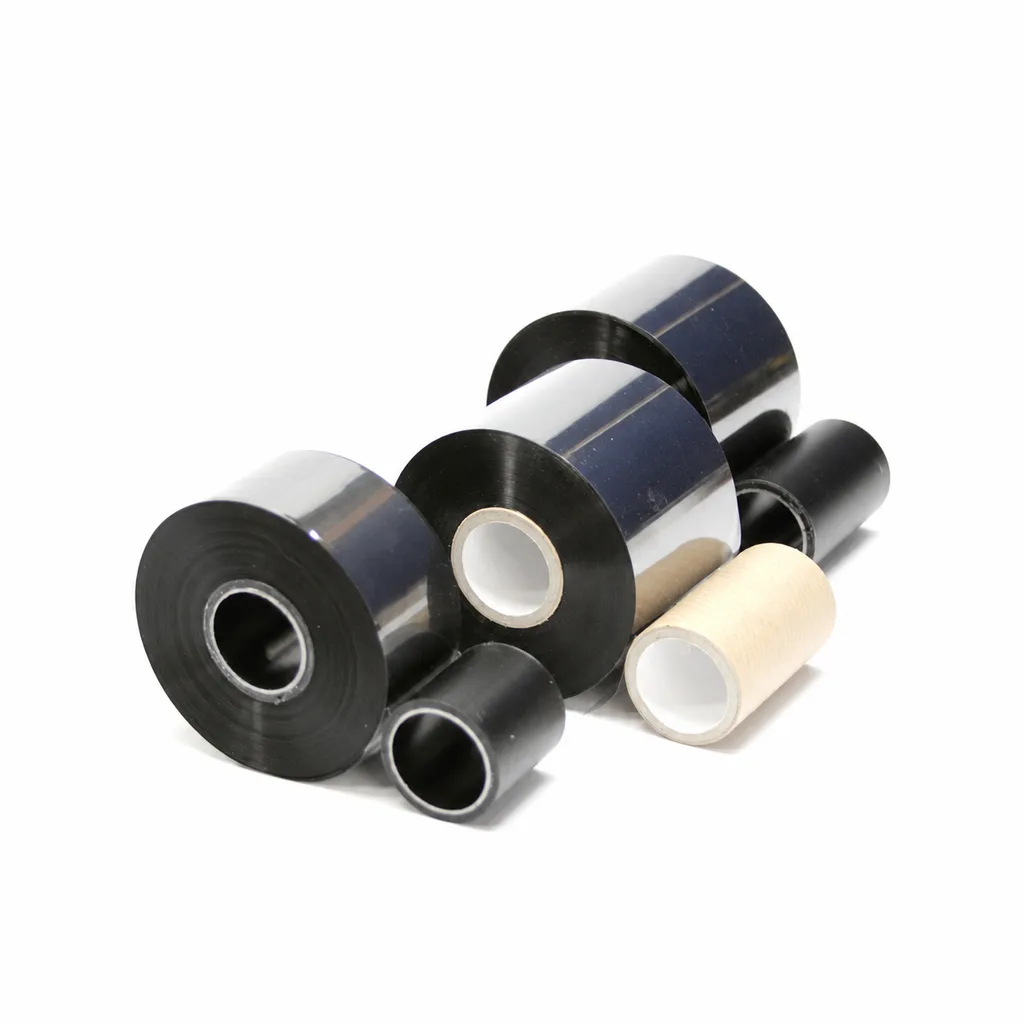
Enhanced Wax-Resin Thermal Transfer Ribbon for Packaging — CL-T074
CL-T074 is a black enhanced wax-resin thermal transfer ribbon for thermal transfer overprinting (TTO) printers. Listed applications include food packaging, pharmaceutical packaging, logistics labels, garment hangtags and retail labels. The recommended printing speed is ≤20 inches per second (IPS). Select against the actual printing material and operating conditions: the published polypropylene (PP) and polyethylene (PE) entries are PP 80%,PE 80%, but their percentage meaning and test method are not specified.
View details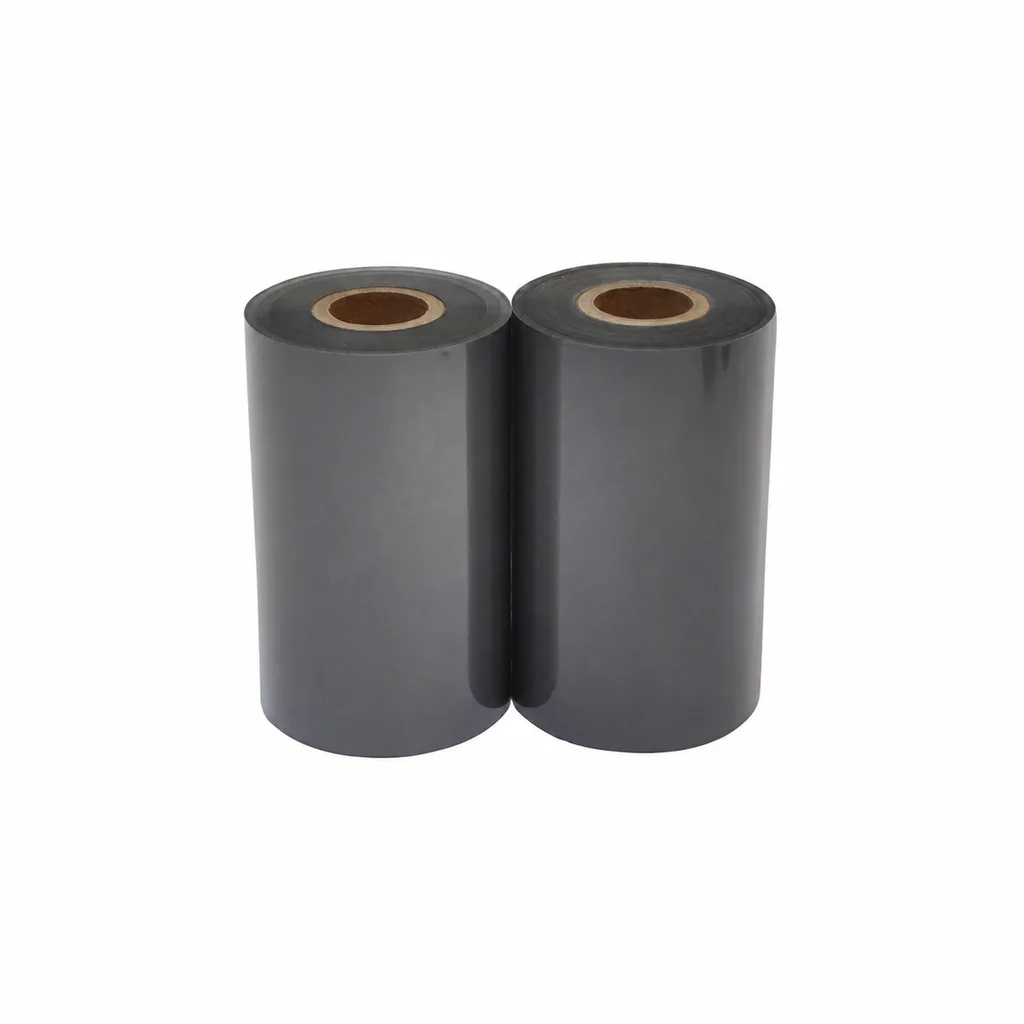
Black Resin Thermal Transfer Ribbon for Label Printing - CL-Z373
CL-Z373 is a black resin thermal transfer ribbon for label printing with desktop or industrial flat-head barcode printers at speeds of ≤6 ips (inches per second). Listed applications include electronics processing, tire identification, automotive manufacturing, pharmaceutical packaging, cosmetic labels and outdoor identification. Selection depends on the actual label material, printer and exposure conditions. Fine-line, small-character and resistance results were obtained on coated paper; print quality and image durability may vary with the printer and print substrate.
View detailsNeed the right ribbon for your label application?
Share the label material, printer and operating environment. Our team will recommend a tested combination.
