
Why Resin-Enhanced Thermal Transfer Ribbon Matters for Chemical Drum Labels and Long-Term Traceability
- Original TTR manufacturer since 2013
- Automated coating and slitting
- IQC / IPQC / OQC control
- ANSI barcode grade testing
- -20°C to 120°C environmental testing
- Batch-level traceability
- ANSI barcode grade
- Batch traceability
- RoHS / REACH compliance
- SGS and MSDS documents on request
Key Takeaways
- Chemical drum labels face harsh conditions that can degrade print quality.
- Resin-enhanced thermal transfer ribbon provides superior durability, protecting barcodes and variable data from abrasion, humidity, and chemicals.
- This improves long-term traceability, reduces relabeling, and ensures compliance across the supply chain.
Chemical drum labels face pressure long after printing ends
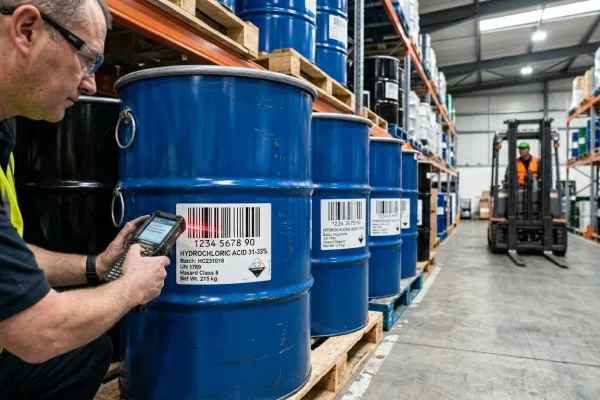
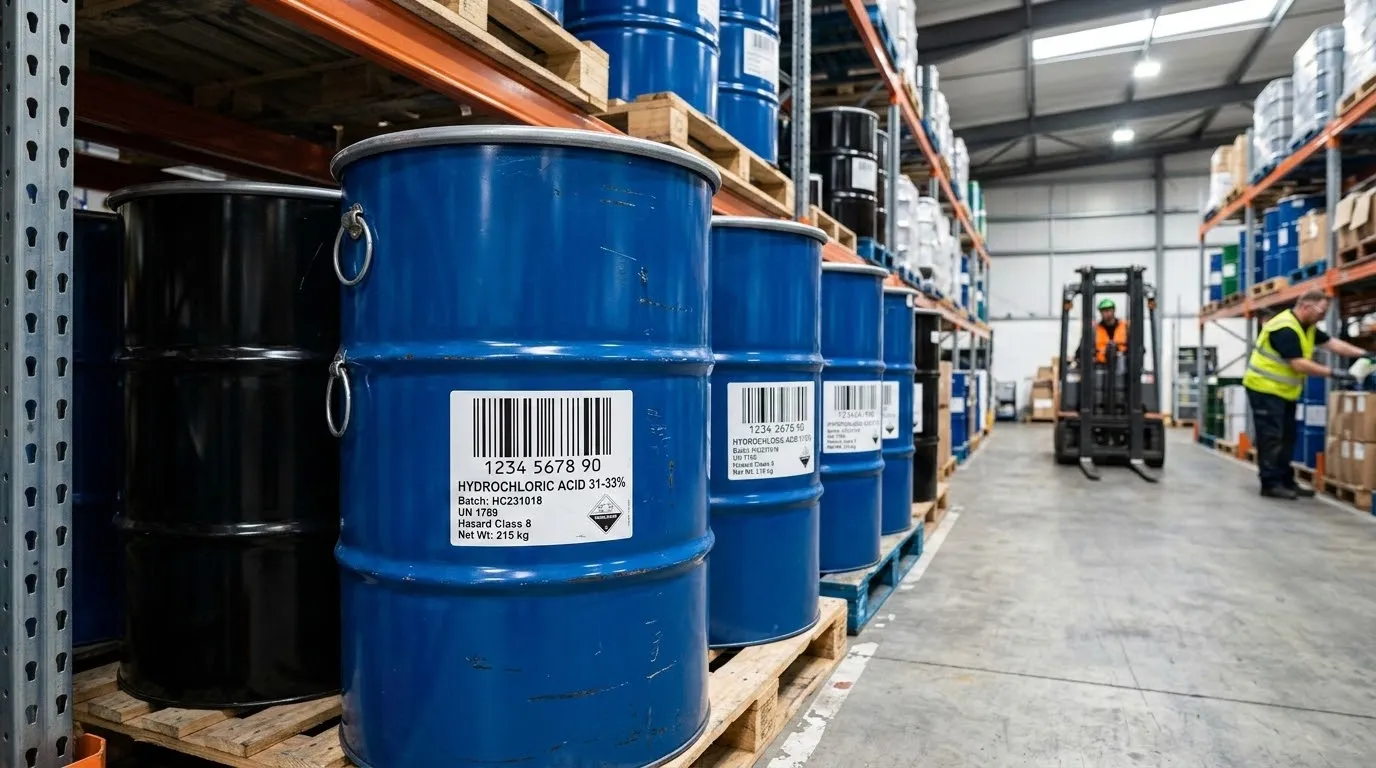
A label on a chemical drum does more than identify a product. It carries batch data, hazard details, storage guidance, and traceability codes that must remain readable across transport, warehousing, and site handling. In many facilities, that label also supports compliance checks and internal inventory accuracy. If the print fades, scratches, or smears, the problem spreads beyond appearance. Teams lose scanning speed, operators waste time on manual checks, and traceability becomes weaker at the exact moment accuracy matters most.
That is why more manufacturers and packaging suppliers are paying closer attention to thermal transfer ribbon selection. A drum label may sit in humid storage, face rubbing during pallet movement, or contact chemicals on the surface. Standard performance is often not enough. Resin-enhanced thermal transfer ribbon helps protect print quality when the label must survive harder conditions over a longer period.
Why chemical labeling creates a tougher printing environment
Surface contact and abrasion are constant risks
Chemical drums move often. Workers load them, rotate them, stack them, and scan them at several stages. Labels rub against gloves, pallets, strapping, and neighboring drums. In that setting, weak print layers can lose edge sharpness fast. A barcode may still look acceptable to the eye, yet fail at the scanner because fine detail has already broken down.
Resin-enhanced ribbon supports better resistance to scratching and rubbing. That extra durability helps the printed image stay intact through handling cycles that would challenge a lower-performance solution.
Environmental exposure raises the performance bar
Many chemical products travel through warm loading zones, cool storage rooms, and humid transit conditions. Some labels also face incidental splashes or surface contamination. Those changes can stress both the label stock and the printed layer. A ribbon that performs well in a calm office test may struggle in an industrial environment. Stronger ribbon chemistry helps the image stay stable when labels meet real operational pressure.
How resin-enhanced ribbon improves long-term traceability
It protects barcode readability across the supply chain
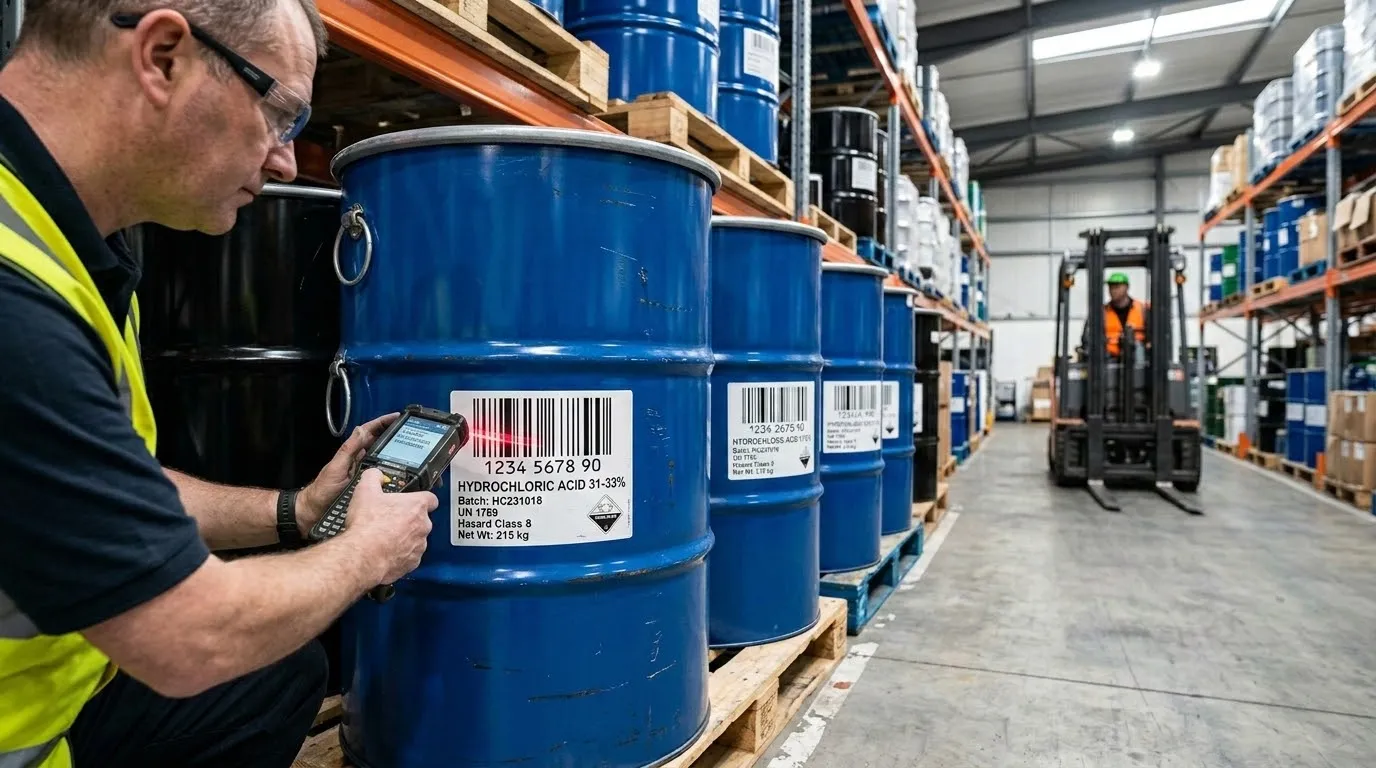
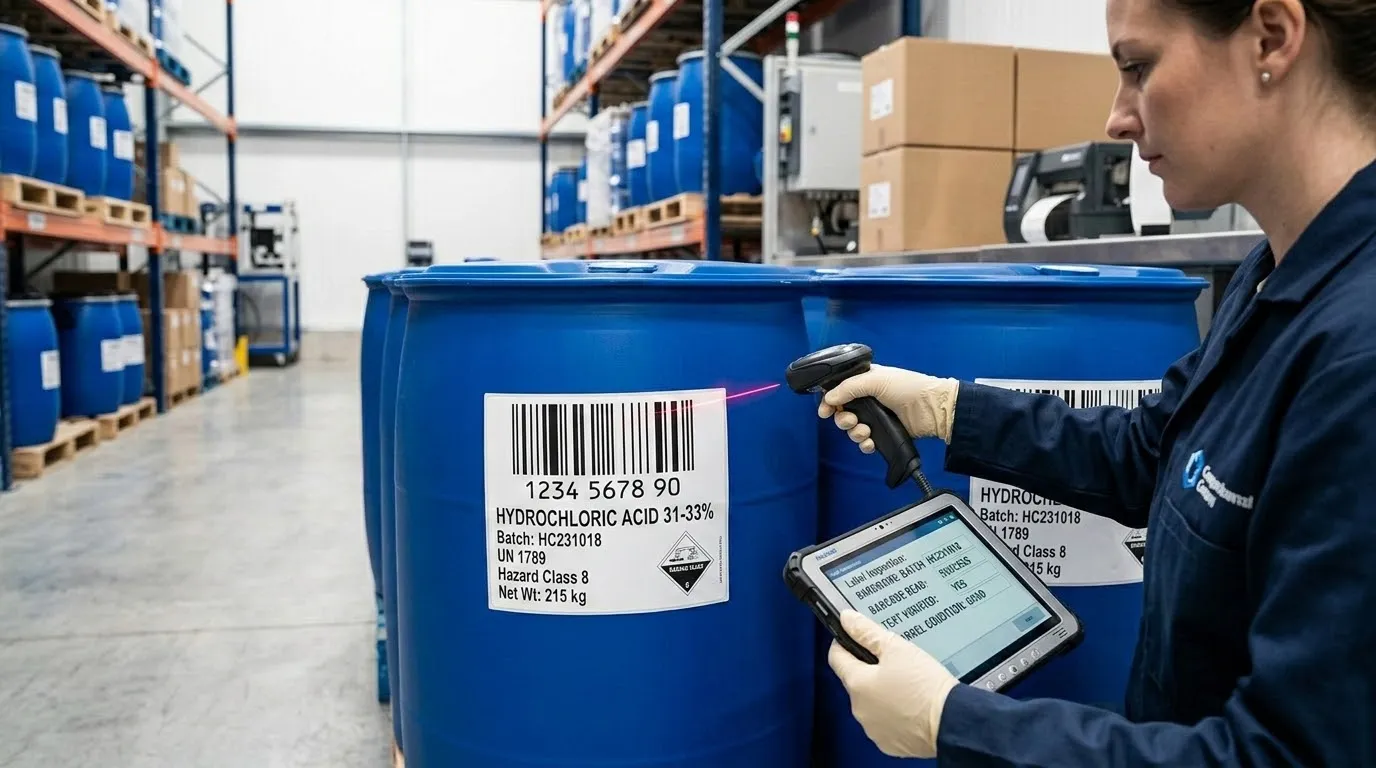
Traceability depends on consistent scanning. When barcode bars stay dark, clean, and well defined, receiving teams can process drums faster and with fewer exceptions. That matters for inbound checks, internal transfers, and outbound shipment control. A more durable ribbon gives companies a better chance of keeping that barcode readable from production to final delivery.
It also supports clearer variable data. Lot numbers, manufacturing dates, and handling instructions need the same reliability as the barcode itself. When those details remain easy to read, audit work becomes simpler and error risk falls.
It helps reduce relabeling and operational waste
Relabeling costs time, labor, and material. It can also interrupt shipment schedules. A better matched ribbon lowers the chance that labels need replacement after storage or transport friction. That means fewer exceptions on the floor and smoother movement through warehouse and compliance checkpoints.
Where application matching makes the biggest difference
Label material and ribbon must work as a pair
Ribbon performance depends on the label surface. Gloss paper, coated synthetics, PE, PET, and specialty chemical labels do not react the same way. A ribbon that works on one stock may show lower adhesion or weaker resistance on another. Smart selection starts with the full combination: substrate, print speed, print energy, storage environment, and durability target.
Testing the ribbon with the actual label material helps reveal whether the final print can handle the expected stress. That step is more useful than choosing by price alone or copying a setup from a different application.
Printer settings should support the ribbon, not fight it
A strong ribbon still needs the right setup. Excess heat can create spread or edge softness. Low heat can weaken transfer. Balanced pressure and speed help preserve definition while protecting the printhead. When teams tune the full printing process, resin-enhanced ribbon can deliver its full value.

What buyers should look for when comparing ribbon options
Focus on total labeling reliability
Buyers should look beyond roll price. A ribbon that reduces print failure, relabeling, scan rejection, and complaint risk often delivers better total value. In chemical labeling, the cost of unreadable information can far exceed the cost difference between ribbon grades.
Ask for application-driven support
The best supplier support includes testing guidance, substrate matching, and advice based on real use conditions. That is especially useful when companies run multiple drum sizes, different label materials, or mixed warehouse environments.
How Colorful supports durable industrial labeling
Colorful focuses on thermal transfer ribbon solutions for demanding labeling work. For customers in industrial packaging, the goal is not just to print a darker image on day one. The goal is to keep information readable through handling, storage, and movement across the supply chain. With the right ribbon match, chemical drum labels can stay clearer, scan faster, and support stronger traceability over time.
For businesses that need dependable label performance in harder environments, resin-enhanced thermal transfer ribbon is not a minor upgrade. It is a practical step toward safer operations and more reliable identification.
Related Products & Guides
- High-grade wax resin thermal transfer ribbon
- Silver Thermal Transfer Colour Washable Resin Printer Ribbon
- Why Resin-Enhanced Thermal Transfer Ribbon Is Becoming Essential for Chemical Drum and GHS Labeling
- New Materials
Explore

Choosing a Thermal Transfer Ribbon Manufacturer: Buyer Criteria
Compare ribbon suppliers by printer compatibility, label stock, product range and sample…
Read article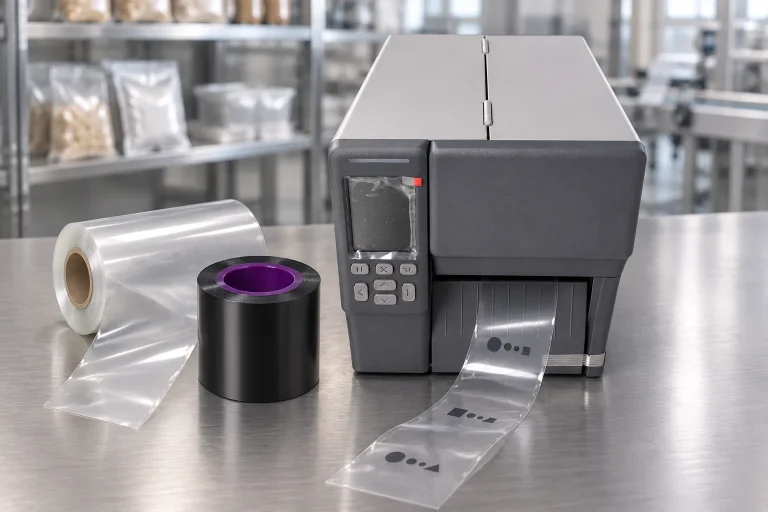
TTO Meaning: Thermal Transfer Overprinting Explained
TTO applies codes to flexible film or labels using a thermal printhead and ribbon; choose…
Read article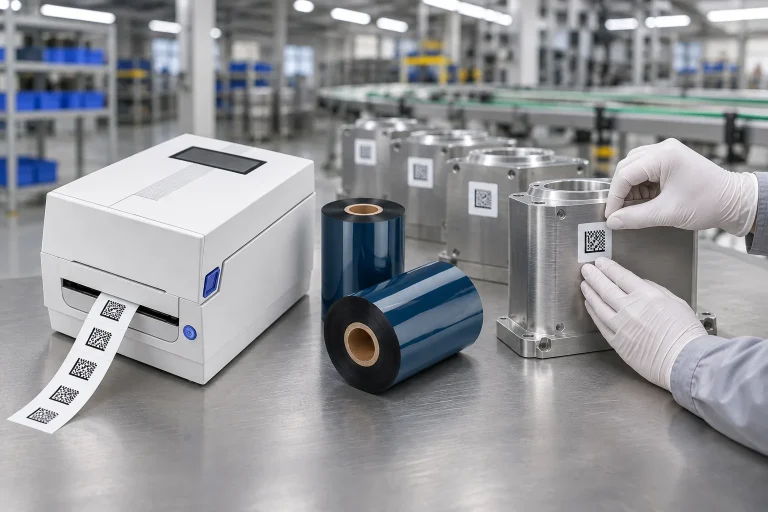
Industrial Serial Number Marking: Definition, Methods and How It Differs From Batch Coding
Industrial serial number marking puts a unique per-unit ID on each product by label…
Read articleRecommended products for this industry
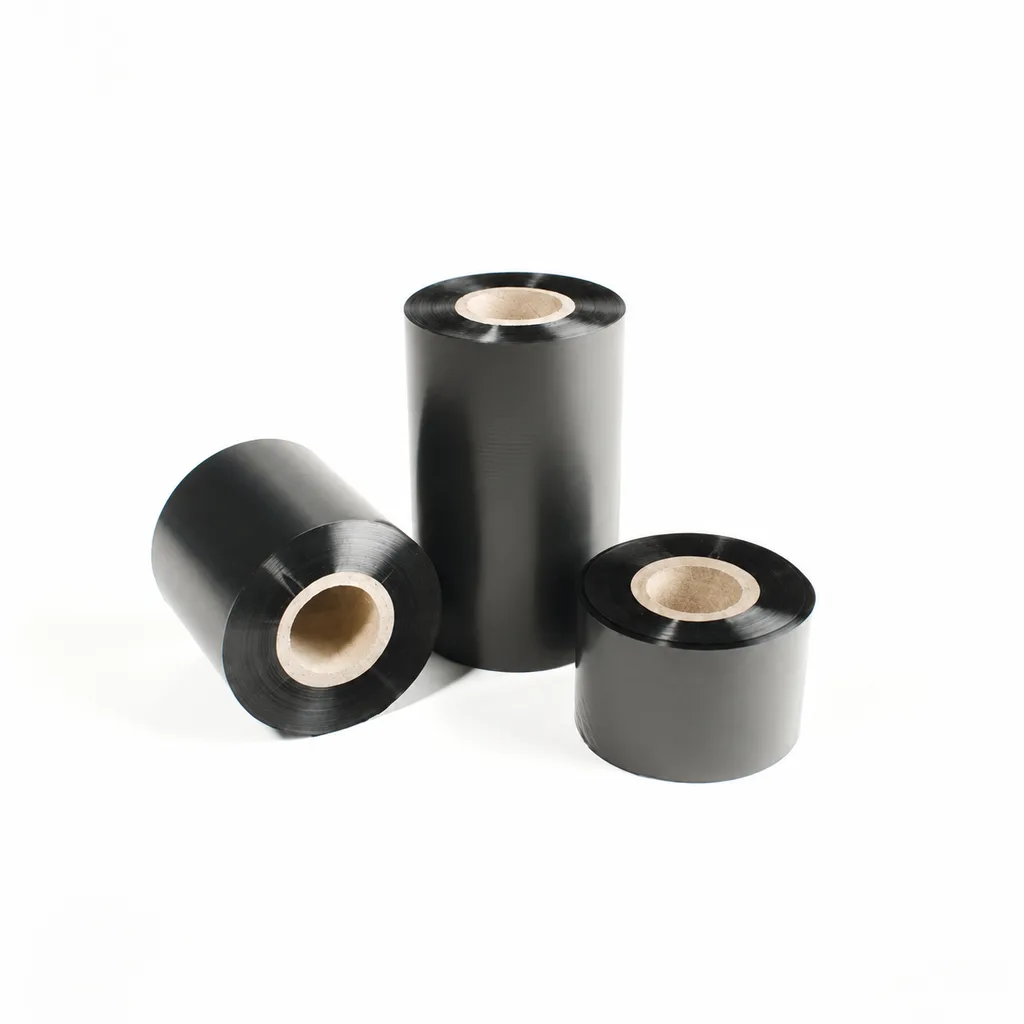
CL-Z112 Enhanced Wax Thermal Transfer Ribbon for Paper Labels and Tags
An enhanced wax thermal transfer ribbon with black ink for paper labels and tags used in retail, warehousing and logistics. It is specified for flat-head printing on desktop or industrial barcode printers at ≤8 inches per second (ips). Select it by checking the actual label material, printer configuration and handling conditions: image-quality, rub-resistance and cold-chamber results were obtained on coated paper, and print quality and image durability may vary with the printer and print medium.
View details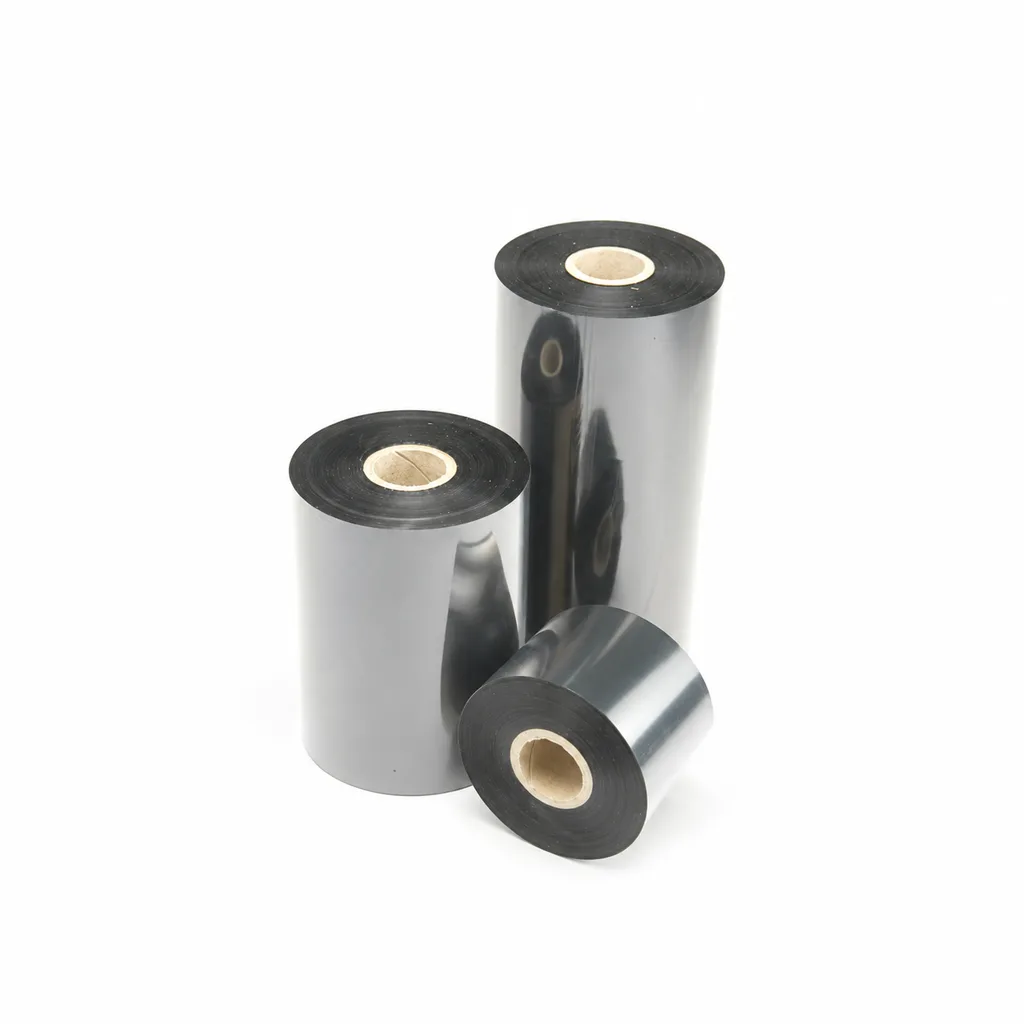
CL-Z203 Wax-Resin Thermal Transfer Ribbon for Barcode Labels
A black wax-resin thermal transfer ribbon for flat-head printing, with listed applications including retail, warehousing, logistics and garment tags. Select it against your actual label material and desktop or industrial barcode printer at speeds ≤6 ips (inches per second). Fine-line, small-text and durability results were obtained on coated paper; print quality and image durability may vary with the printer and printing substrate.
View details
CL-Z213 Near-Edge Wax-Resin Thermal Transfer Ribbon for Barcode Labels
An enhanced black near-edge wax-resin thermal transfer ribbon for near-edge barcode printers and low- to medium-speed thermal transfer overprinting (TTO). Listed applications include retail labels, warehousing, garment tags and packaging identification. Match the printer, actual print medium and operating speed before selection: print quality and image durability can vary with the printer and substrate.
View detailsNeed the right ribbon for your label application?
Share the label material, printer and operating environment. Our team will recommend a tested combination.
