
Why Thermal Transfer Ribbon Still Matters in Modern Labeling: A Practical Guide for Durable, Scannable, and Cost-Efficient Identification

- Original TTR manufacturer since 2013
- Automated coating and slitting
- IQC / IPQC / OQC control
- ANSI barcode grade testing
- -20°C to 120°C environmental testing
- Batch-level traceability
- ANSI barcode grade
- Batch traceability
- RoHS / REACH compliance
- SGS and MSDS documents on request
Key Takeaways
- Thermal transfer ribbon ensures durable, scannable labels for industrial use, improving print quality and efficiency.
Durable print quality starts with the right ribbon strategy
In modern manufacturing and logistics, labeling is no longer a small support task. A label now carries information tied to traceability, inventory control, compliance, production flow, and customer confidence. Whether a business is shipping electronics, automotive parts, medical products, apparel, chemicals, or packaged goods, the printed label must remain readable long after it leaves the printer.
That is why thermal transfer ribbon still matters. Even when printing equipment is advanced and software systems are highly automated, labeling performance still depends on the compatibility between ribbon, media, printer settings, and the real working environment. If a barcode fades, smears, scratches off, or becomes difficult to scan, the impact is not limited to appearance. It affects labor efficiency, data accuracy, product movement, and traceability reliability.
A company that wants stable labeling results should not treat ribbon as a generic supply item. It should treat ribbon selection as part of a practical identification strategy.

Scannability is an operational advantage, not just a printing detail
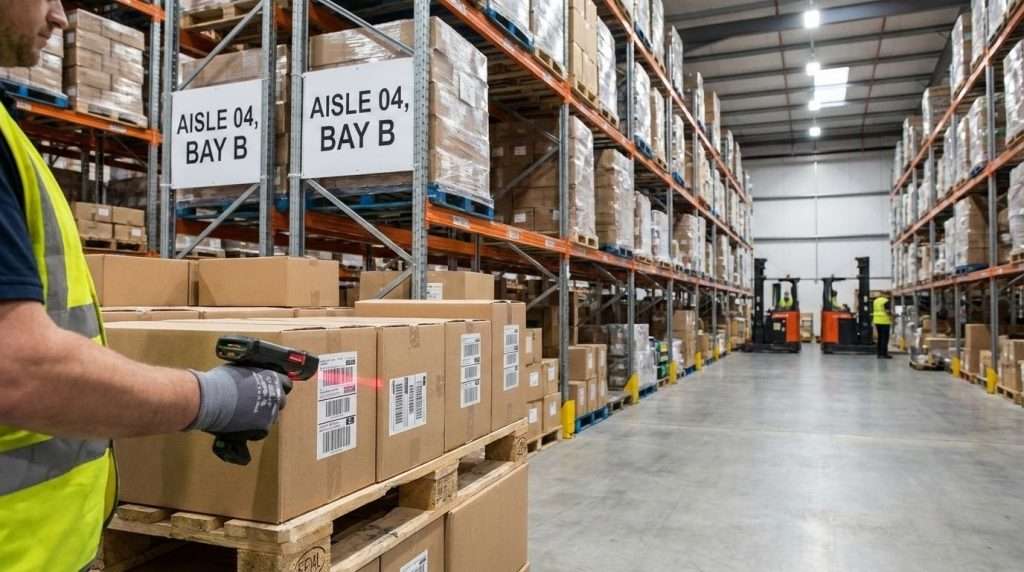
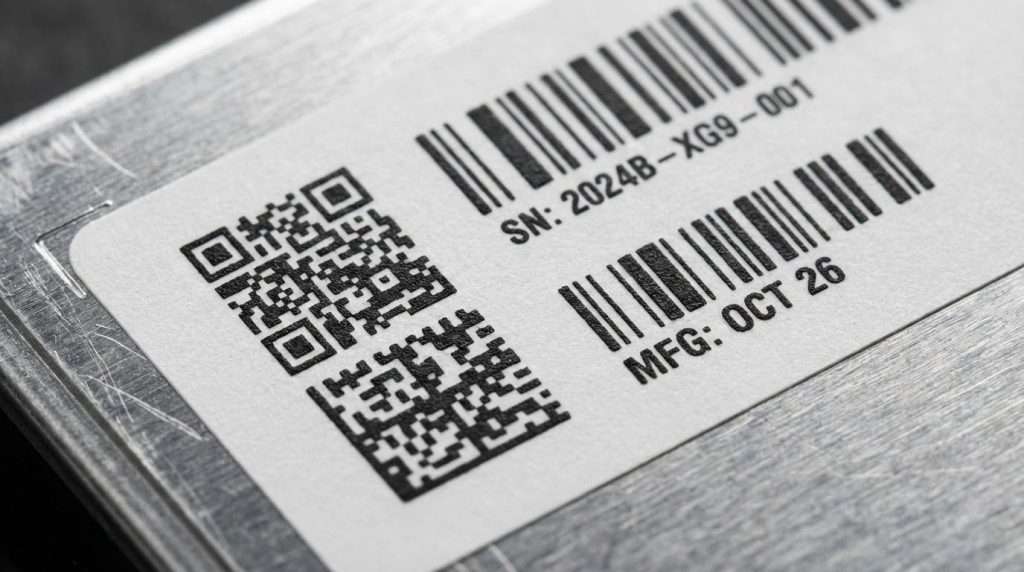
A label may look acceptable to the eye while still performing poorly in scanning scenarios. This matters even more now that many operations rely on 1D barcodes, 2D codes, serial numbers, batch data, small text, and variable information printed on compact labels. As information density increases, print precision becomes more important.
A dependable thermal transfer ribbon helps maintain barcode edge definition, text clarity, and contrast consistency. These factors directly influence scan speed and first-pass scan success. In warehouses, production lines, and distribution environments, even a small drop in scan performance can slow down handling across a large number of items. That makes ribbon performance a real efficiency factor.
For traceability-focused industries, the value is even greater. Electronics, medical devices, automotive components, cables, and industrial materials often move through multiple stages before final use. If labels fail partway through the lifecycle, data continuity breaks, and that can affect compliance records, quality investigations, service support, and inventory accuracy.
Material compatibility determines long-term label performance
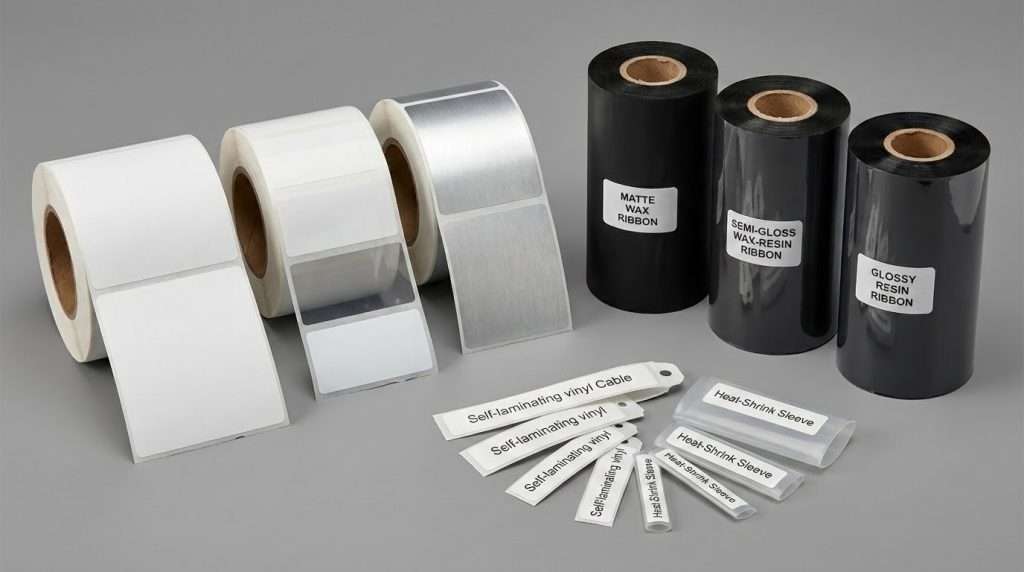
One of the most common labeling mistakes is assuming that one ribbon can work equally well on every substrate. In reality, paper labels, coated media, PET, PVC, silver polyester, cable tags, and specialty industrial labels all respond differently to heat, pressure, and ink transfer. Environmental resistance requirements also vary widely depending on the application.
Wax ribbons are often suitable for standard paper labeling where cost efficiency and basic performance are the priority. Wax-resin ribbons usually offer a better balance between print sharpness and abrasion resistance, making them useful in many warehouse and industrial settings. Resin ribbons are generally more appropriate for demanding applications where labels must resist chemicals, heat, friction, or long-term storage conditions.
The best ribbon is not simply the one with the highest specification. It is the one that matches the label material, printer behavior, and actual use environment. When that match is correct, companies benefit from more stable output, lower reprint rates, and fewer downstream disruptions.
Cost control improves when hidden labeling losses are reduced
Many buyers focus only on ribbon purchase price, but the real cost of labeling includes much more than the roll itself. Failed scans, relabeling, print waste, printer downtime, avoidable manual checks, shipping delays, and traceability gaps all increase total operating cost.
A lower-cost ribbon that performs inconsistently may end up costing more over time than a more suitable ribbon with stronger print durability. The smarter goal is not simply to buy cheaper consumables. It is to reduce the total cost of reliable identification.
That usually means selecting a ribbon that offers stable transfer performance, good media compatibility, and enough durability for the real environment. When print quality remains consistent, operations become smoother, data becomes more dependable, and labeling stops being a recurring source of avoidable friction.
Colorful supports more dependable thermal transfer ribbon applications
Colorful focuses on thermal transfer ribbon products and the practical value behind labeling performance. The emphasis is not only on visible print quality, but also on helping customers improve durability, readability, and application stability across different materials and operating conditions.
Whether the requirement is standard packaging labels or more demanding industrial identification involving abrasion resistance, heat resistance, chemical exposure, or long-term traceability, the key is to align the ribbon solution with the actual task. When materials, printers, and use conditions are considered together, labeling performance becomes more dependable and more cost-efficient.
Better content and better labeling both start with real application thinking
For B2B buyers searching for thermal transfer ribbon solutions, generic product descriptions are rarely enough. They are usually trying to solve practical questions: how to improve barcode readability, how to reduce label failure, how to match ribbon to substrate, and how to maintain clear identification in demanding environments.
That is why good English-site content should go beyond basic specifications. It should connect labeling materials to performance outcomes, application conditions, and operational efficiency. When the content is more original, more application-focused, and more aligned with real search intent, it becomes more useful for both SEO and conversion.
Thermal transfer ribbon remains relevant because it solves a basic but critical business problem: helping printed information stay clear, durable, and scannable in real-world conditions. For companies that want stronger labeling performance without unnecessary disruption, improving ribbon selection is often one of the most practical steps they can take.
Related Products & Guides
- High-grade wax resin thermal transfer ribbon
- Silver Thermal Transfer Colour Washable Resin Printer Ribbon
- Why High-Performance Thermal Transfer Ribbon Still Matters in Modern Label Printing
- Smart Manufacturing
Explore
Industrial Serial Number Marking: Definition, Methods and How It Differs From Batch Coding
Industrial serial number marking puts a unique per-unit ID on each product by label…
Read article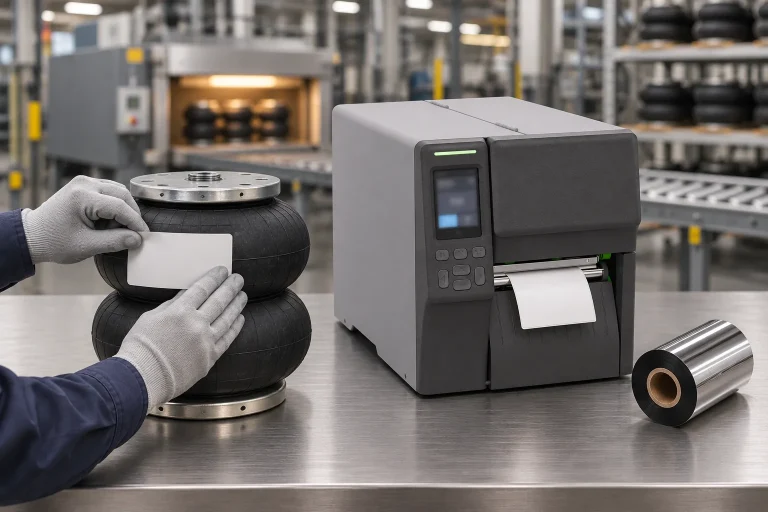
How to Choose Vulcanized Air Spring Labels for Your Production Line
Choose air spring labels by cure timing, actual finished-part substrate, location, and…
Read article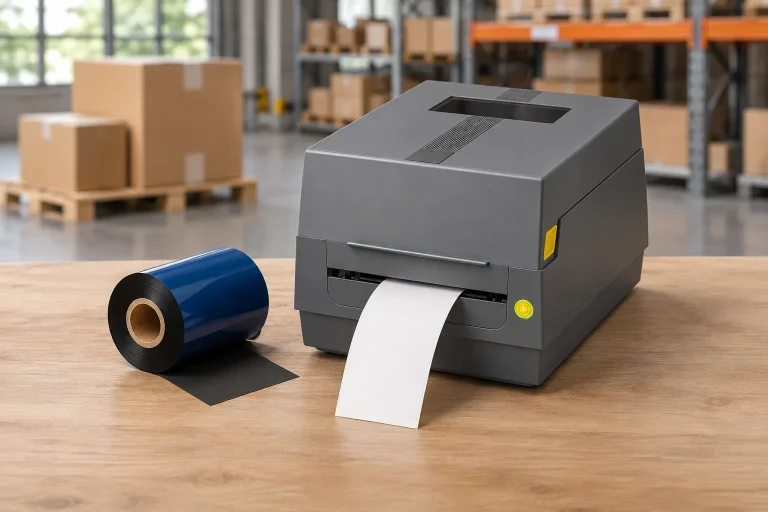
Wax Thermal Transfer Ribbon: A Practical Selection Guide
Choose wax thermal transfer ribbon for paper labels and light-duty use. Match the grade…
Read articleRecommended products for this industry
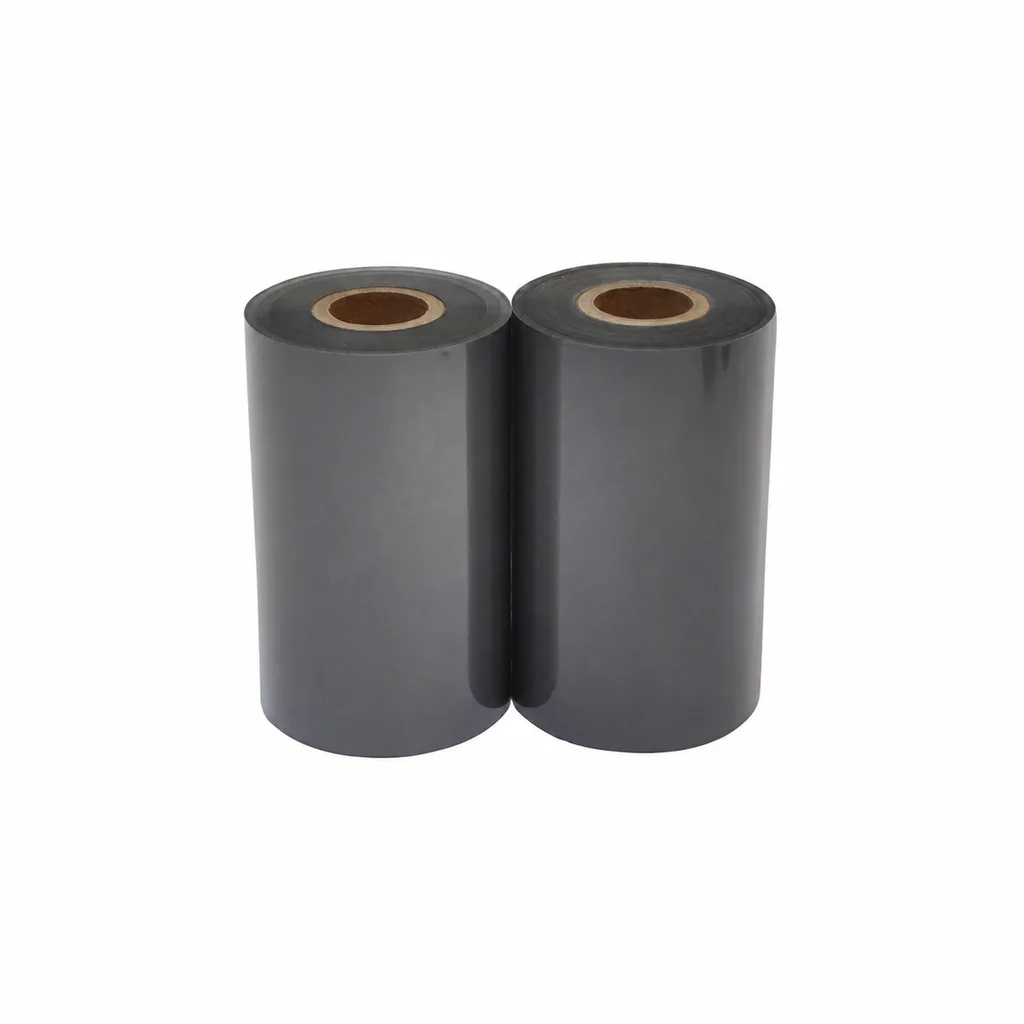
Black Resin Thermal Transfer Ribbon for Label Printing - CL-Z373
CL-Z373 is a black resin thermal transfer ribbon for label printing with desktop or industrial flat-head barcode printers at speeds of ≤6 ips (inches per second). Listed applications include electronics processing, tire identification, automotive manufacturing, pharmaceutical packaging, cosmetic labels and outdoor identification. Selection depends on the actual label material, printer and exposure conditions. Fine-line, small-character and resistance results were obtained on coated paper; print quality and image durability may vary with the printer and print substrate.
View details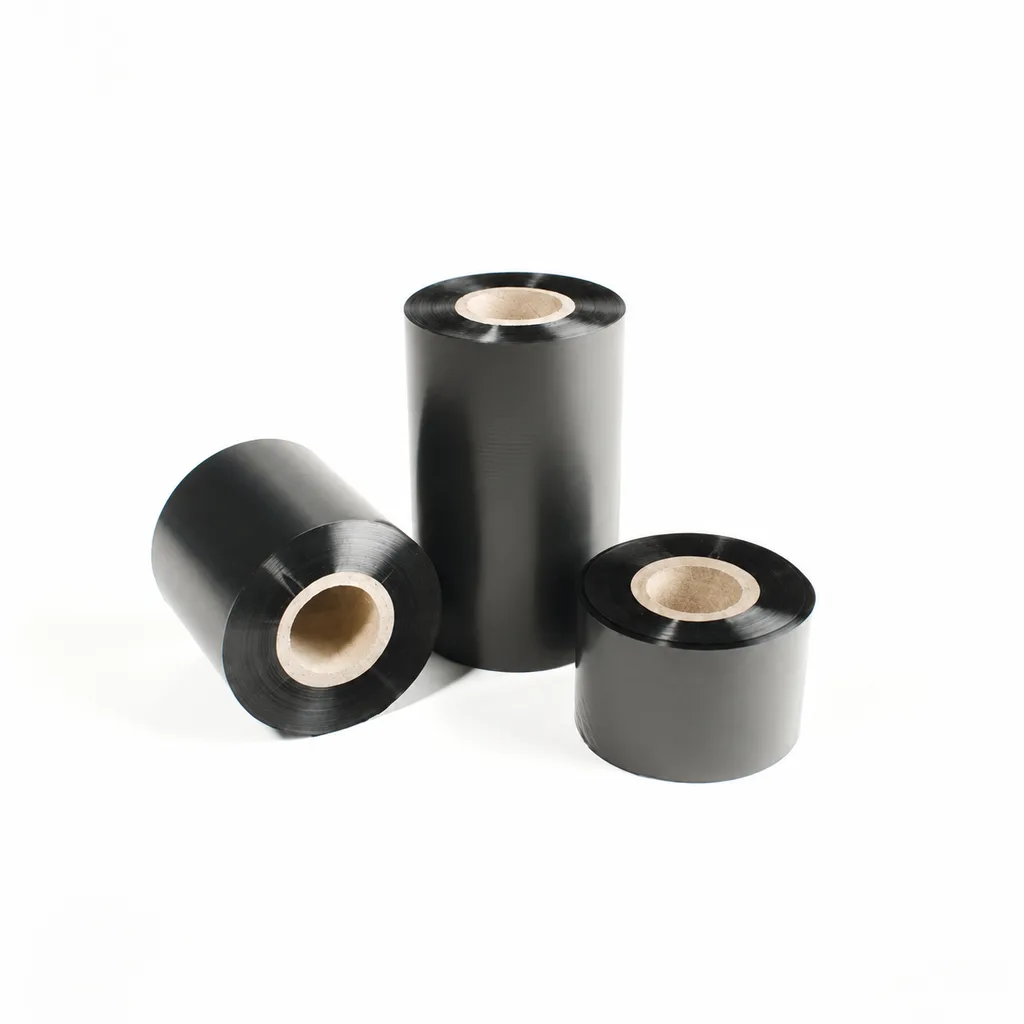
CL-Z112 Enhanced Wax Thermal Transfer Ribbon for Paper Labels and Tags
An enhanced wax thermal transfer ribbon with black ink for paper labels and tags used in retail, warehousing and logistics. It is specified for flat-head printing on desktop or industrial barcode printers at ≤8 inches per second (ips). Select it by checking the actual label material, printer configuration and handling conditions: image-quality, rub-resistance and cold-chamber results were obtained on coated paper, and print quality and image durability may vary with the printer and print medium.
View details
CL-Z203 Wax-Resin Thermal Transfer Ribbon for Barcode Labels
A black wax-resin thermal transfer ribbon for flat-head printing, with listed applications including retail, warehousing, logistics and garment tags. Select it against your actual label material and desktop or industrial barcode printer at speeds ≤6 ips (inches per second). Fine-line, small-text and durability results were obtained on coated paper; print quality and image durability may vary with the printer and printing substrate.
View detailsNeed the right ribbon for your label application?
Share the label material, printer and operating environment. Our team will recommend a tested combination.
