
Why Thermal Transfer Ribbon Matters More as 2D Barcode Packaging Moves Mainstream

- Original TTR manufacturer since 2013
- Automated coating and slitting
- IQC / IPQC / OQC control
- ANSI barcode grade testing
- -20°C to 120°C environmental testing
- Batch-level traceability
- ANSI barcode grade
- Batch traceability
- RoHS / REACH compliance
- SGS and MSDS documents on request
Packaging is carrying more responsibility than it did a few years ago. In 2026, industry discussions around 2D barcodes, digital shelf visibility, smarter traceability, and data-rich packaging are making one thing clear: labels are no longer just small printed identifiers. They are becoming active carriers of product information, compliance data, logistics intelligence, and brand trust. As more manufacturers and packaging teams prepare for this shift, attention is moving beyond printers and software. It is returning to a less glamorous but far more decisive material in the system—thermal transfer ribbon.
That change makes sense. A barcode that prints clearly in the first second is not necessarily a barcode that stays readable through warehousing, transport, friction, temperature change, and repeated handling. A variable code that looks sharp on the line is not automatically reliable at the point of scanning three days, three weeks, or three months later. As packaging becomes more traceable and more data-driven, the market is starting to see a simple truth again: print quality is not only a printing issue. It is a traceability issue.

Key Takeaways
- As 2D barcode packaging becomes mainstream, thermal transfer ribbon quality is critical for label durability and traceability.
- This article explains why ribbon choice impacts scan reliability, supply chain performance, and data integrity.
Data-Rich Packaging Is Raising the Standard for Label Performance
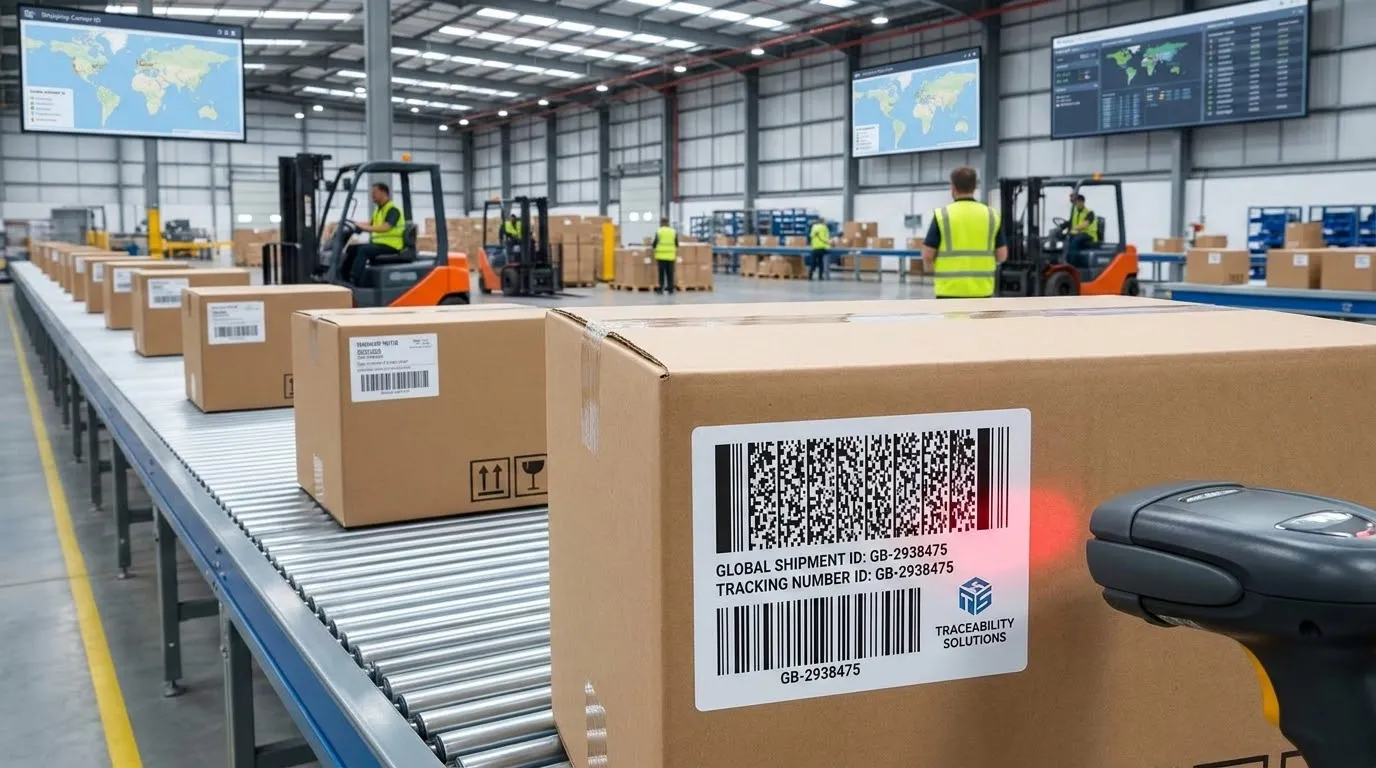
Recent coverage around digital shelf transformation and smart packaging has focused heavily on codes, connectivity, and data layers. That is understandable. 2D barcodes can store more information, improve traceability, and support stronger links between physical packaging and digital systems. But none of those advantages matter if the printed information cannot survive real-world movement.
That is where label performance becomes more demanding. Today’s packaging labels often need to do much more than identify a carton. They may need to support warehouse scanning, retail processing, inventory rotation, channel management, anti-mix-up checks, and post-sale traceability. Some labels also need to remain legible under pressure from abrasion, moisture, heat, or long storage cycles.
In that environment, “printable” is no longer enough. Packaging teams need labels that remain stable, scannable, and visually consistent from the first print to the final scan. That is one reason thermal transfer printing continues to hold strong value in industrial packaging, even as digital systems evolve around it.
Why Thermal Transfer Ribbon Is Back in the Conversation
For many buyers, ribbon used to be treated like a routine consumable. If it could print, it could ship. If the barcode scanned once, the job seemed done. But that mindset is becoming risky. When labels now support stronger compliance, more granular batch control, and richer supply-chain data, ribbon performance becomes directly tied to business reliability.
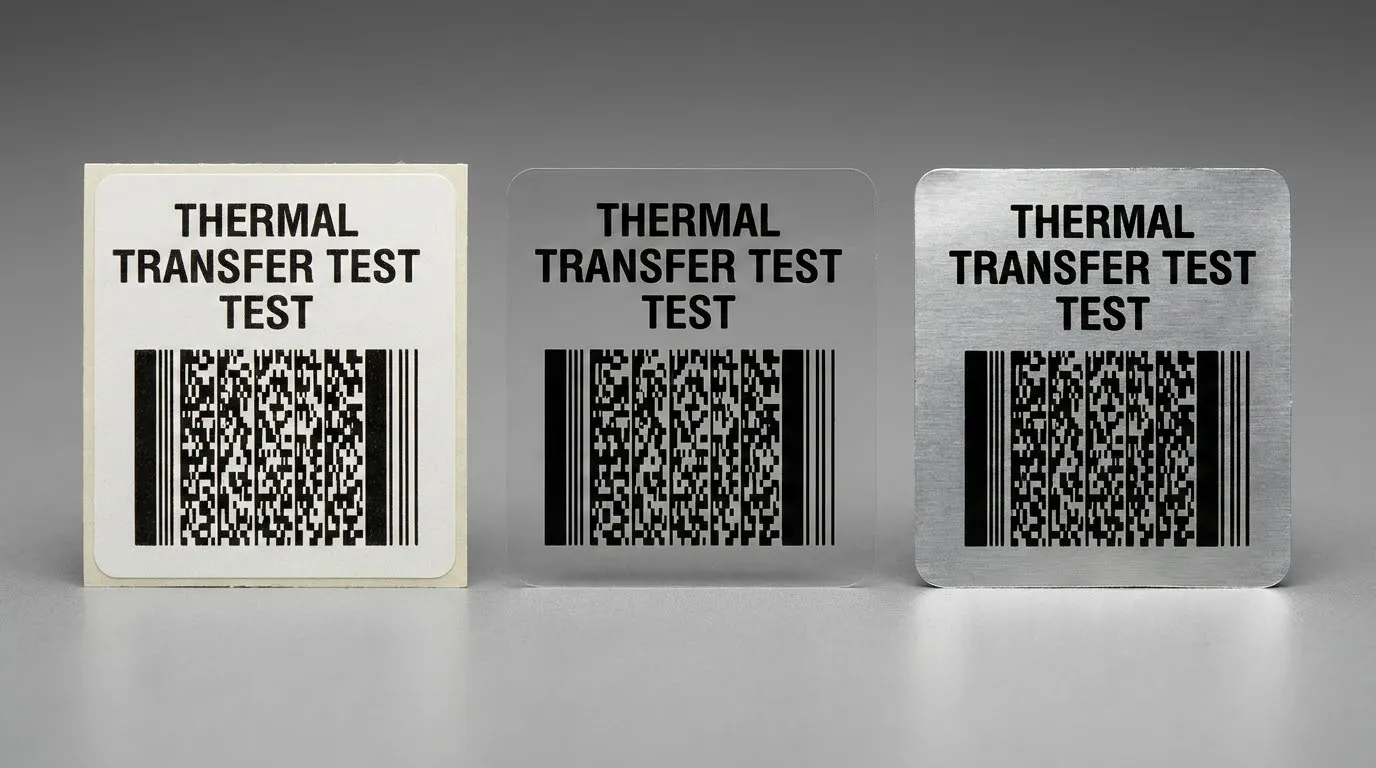
A weak ribbon can create problems that look small at first but grow fast downstream. Edges soften. Fine lines break. Dense barcodes lose definition. Batch codes fade under friction. Synthetic labels show inconsistent transfer. Scanning slows down. Rework increases. Traceability confidence drops. By the time those issues are visible, the cost is already larger than the ribbon price difference that caused them.
This is why more companies are re-evaluating thermal transfer ribbon not as a commodity, but as a quality-control material. The right ribbon supports clean transfer, strong durability, stable readability, and better adaptation across label stocks such as coated paper, PET, synthetic films, and specialty substrates.

Stability Matters More Than One Good Sample
Experienced packaging managers rarely judge a ribbon by one attractive label sample. They care more about consistency over time. Can the ribbon maintain image quality during long production runs? Can it handle speed without losing sharpness? Can it support different substrate combinations without constant adjustment? Can it keep printed data intact through transport and handling?
These are practical questions, but they define whether a labeling system performs well in the real world. A sample label can be tuned. A production environment cannot be staged so easily. In daily operations, ribbon performance must stay reliable across multiple shifts, changing temperatures, different label formats, and high-volume print cycles.
That is why stability is becoming a stronger buying factor than isolated print darkness. Packaging teams are looking for ribbon solutions that reduce uncertainty, not just ribbon products that look acceptable in a short demo.
The Best Ribbon Choice Depends on the Full Application Path
Not every packaging application needs the same ribbon profile. Some projects need cost-efficient performance on coated paper. Others need stronger scratch resistance on synthetic stocks. Some need clearer small text and dense 2D code printing at higher speeds. Others need labels to remain readable in more aggressive environments.
This is where application matching becomes critical. A better ribbon decision is not simply about wax, wax-resin, or resin as category labels. It is about how the ribbon behaves on the chosen substrate, under the actual print conditions, and throughout the full label lifecycle.
For buyers, that means the best supplier is not just the one offering rolls on a price sheet. It is the one helping match ribbon performance to packaging reality.
Why Suppliers Like Colorful Become More Valuable in This Shift
As packaging systems become more traceable, the role of the ribbon supplier also changes. Buyers need more than routine stock availability. They need consistent product quality, clear application guidance, and dependable adaptation across different label materials and use scenarios.
That is where Colorful can create stronger value. Instead of treating thermal transfer ribbon as a simple replacement item, Colorful can position its solutions around what industrial customers actually want: cleaner barcode output, stronger wear resistance, stable print consistency, and better substrate compatibility. In a market that is becoming more dependent on durable data carriers, those benefits matter more than ever.
For packaging, logistics, manufacturing, and retail labeling users, the goal is not only to print information. The goal is to keep that information useful throughout the entire movement of the product. That is the point where a reliable thermal transfer ribbon stops being an unnoticed consumable and becomes part of the traceability infrastructure itself.
The Future of Smart Packaging Still Depends on Print Fundamentals
The packaging sector will continue moving toward smarter codes, stronger traceability, and more connected information. But the growth of digital packaging does not reduce the importance of thermal transfer ribbon. It increases it. The more value a label carries, the more important the print foundation becomes.
A smart code is only smart if it stays readable. A traceable label is only traceable if the printed data survives the journey. A digital shelf strategy only works when the physical packaging can support reliable information capture in the real world.
That is why thermal transfer ribbon remains a strategic material, not a background accessory. As brands and manufacturers invest in smarter packaging systems, they will need equally dependable print durability underneath them. Suppliers that understand this shift will be the ones that help customers move from better-looking labels to truly more reliable packaging operations.
Explore
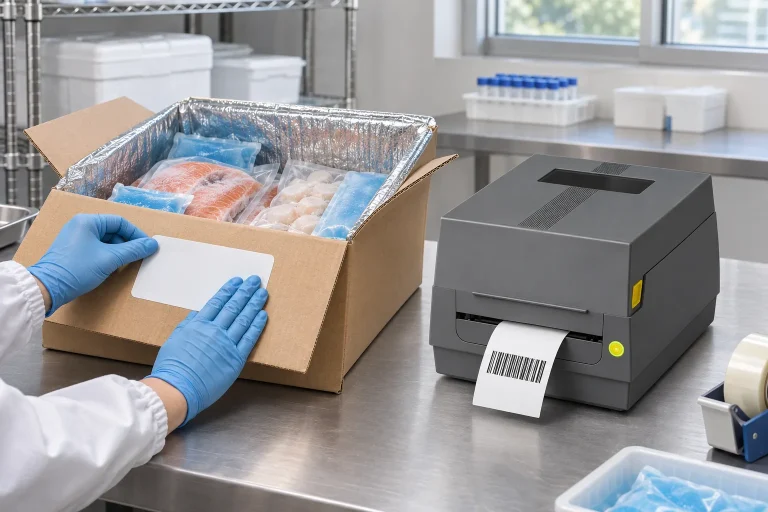
Cold Chain Packaging and Labeling: A Buyer’s Checklist
Choose insulated packaging, adhesives and print materials for your shipment, then…
Read article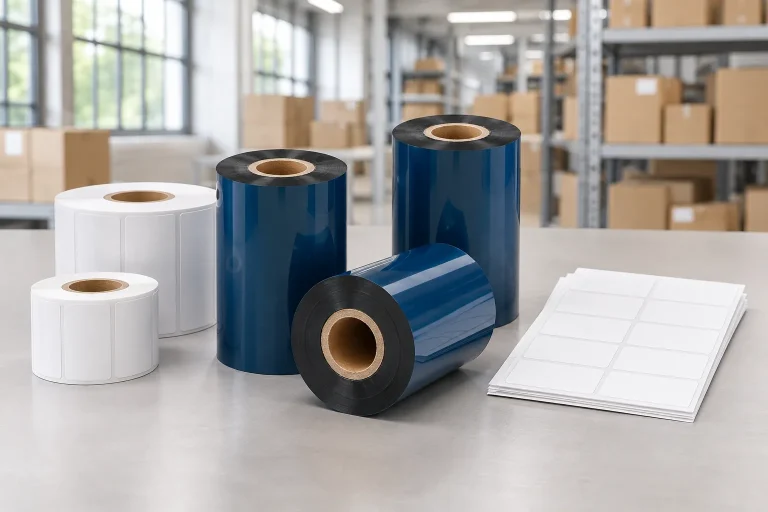
How to Choose a Zebra Thermal Transfer Ribbon
Choose a Zebra ribbon by print method, label material and roll fit, then test the printed…
Read article
Thermal Transfer Overprint: A Practical Ribbon Selection Guide
Learn how TTO prints variable codes and choose a compatible ribbon by checking your…
Read articleRecommended products for this industry
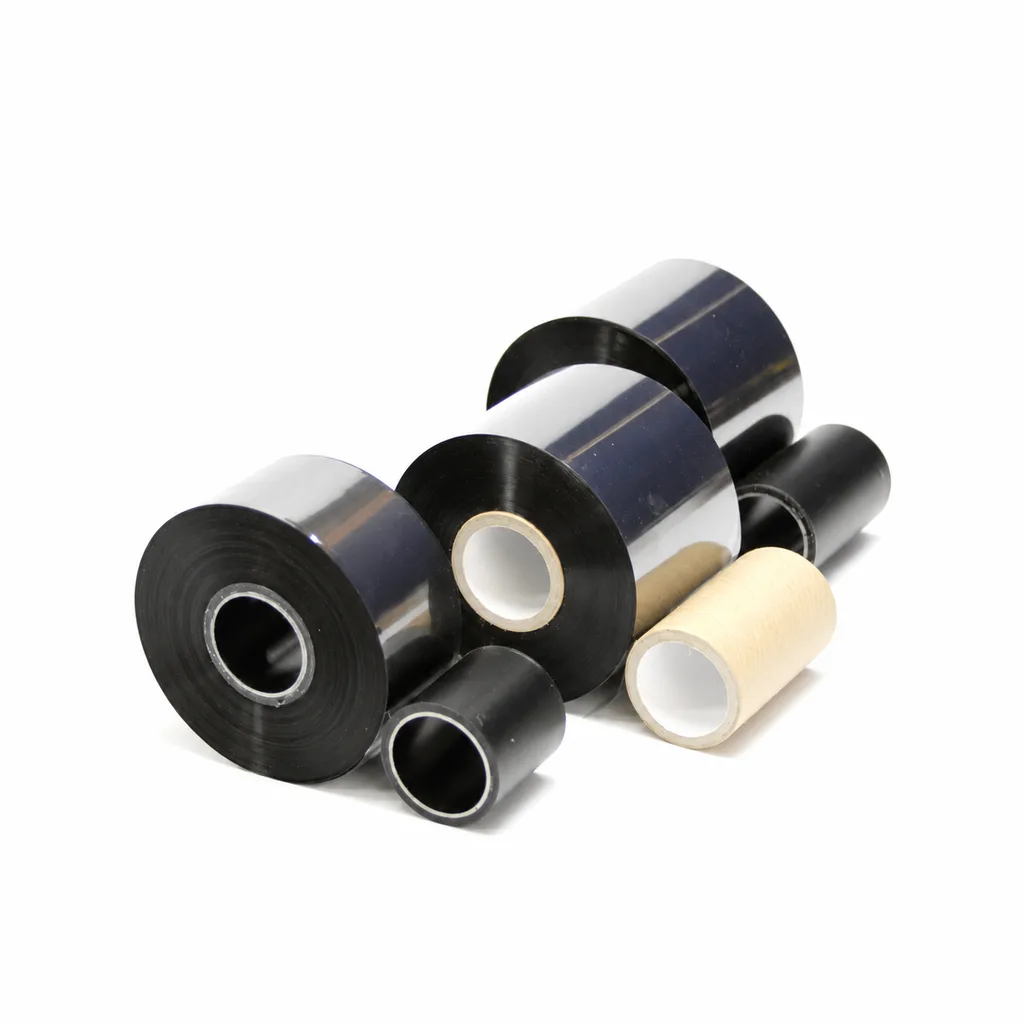
CL-Z215 Wax-Resin Thermal Transfer Ribbon for Packaging and Barcode Printing
CL-Z215 is a black, general-purpose wax-resin thermal transfer ribbon for thermal transfer overprinting (TTO) and near-edge barcode printers. Listed applications include retail labels, prepackaging, food packaging, pharmaceutical packaging, hot packaging and the frozen-food sector. Select it against your actual printer, printing material and required speed, then confirm print quality and image durability on that combination. The stated speed limits and durability results apply only within the documented conditions; they are not universal compatibility or long-term temperature guarantees.
View details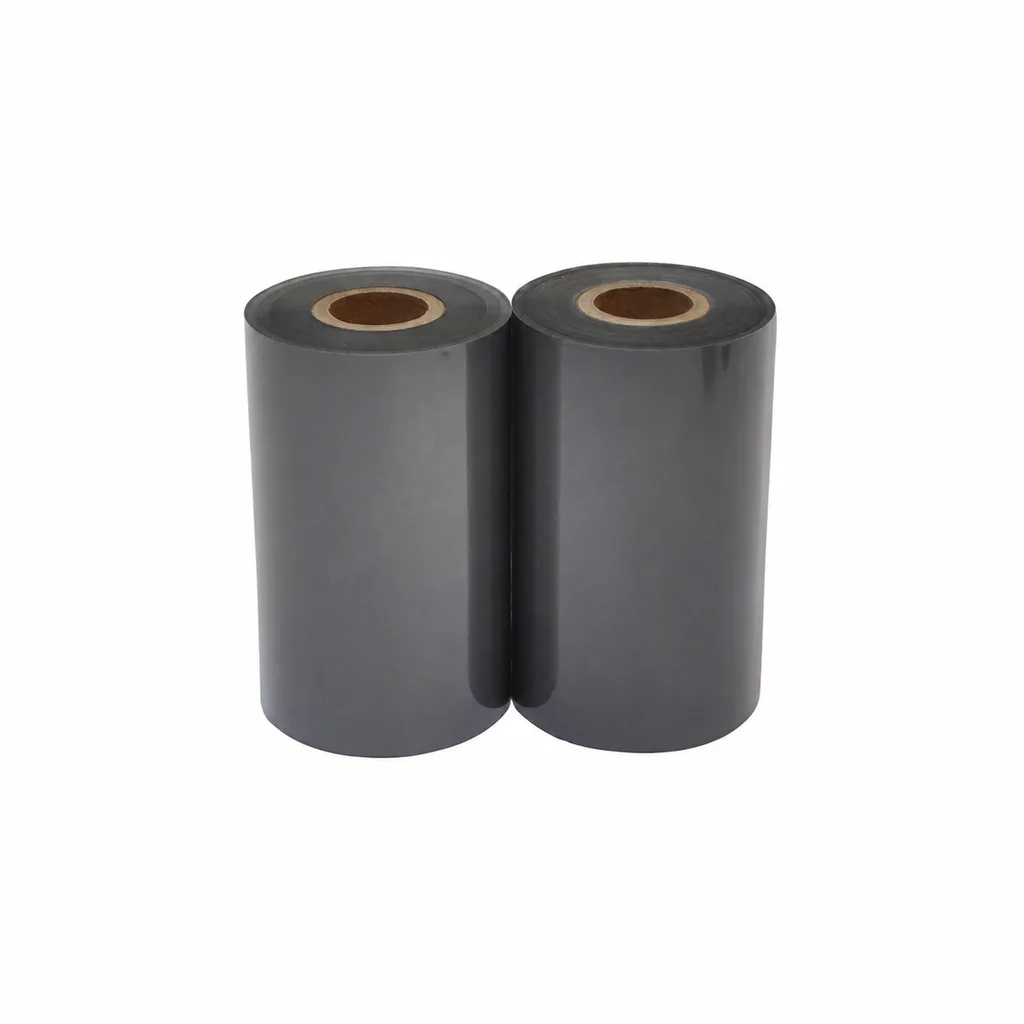
Black Resin Thermal Transfer Ribbon for Label Printing - CL-Z373
CL-Z373 is a black resin thermal transfer ribbon for label printing with desktop or industrial flat-head barcode printers at speeds of ≤6 ips (inches per second). Listed applications include electronics processing, tire identification, automotive manufacturing, pharmaceutical packaging, cosmetic labels and outdoor identification. Selection depends on the actual label material, printer and exposure conditions. Fine-line, small-character and resistance results were obtained on coated paper; print quality and image durability may vary with the printer and print substrate.
View details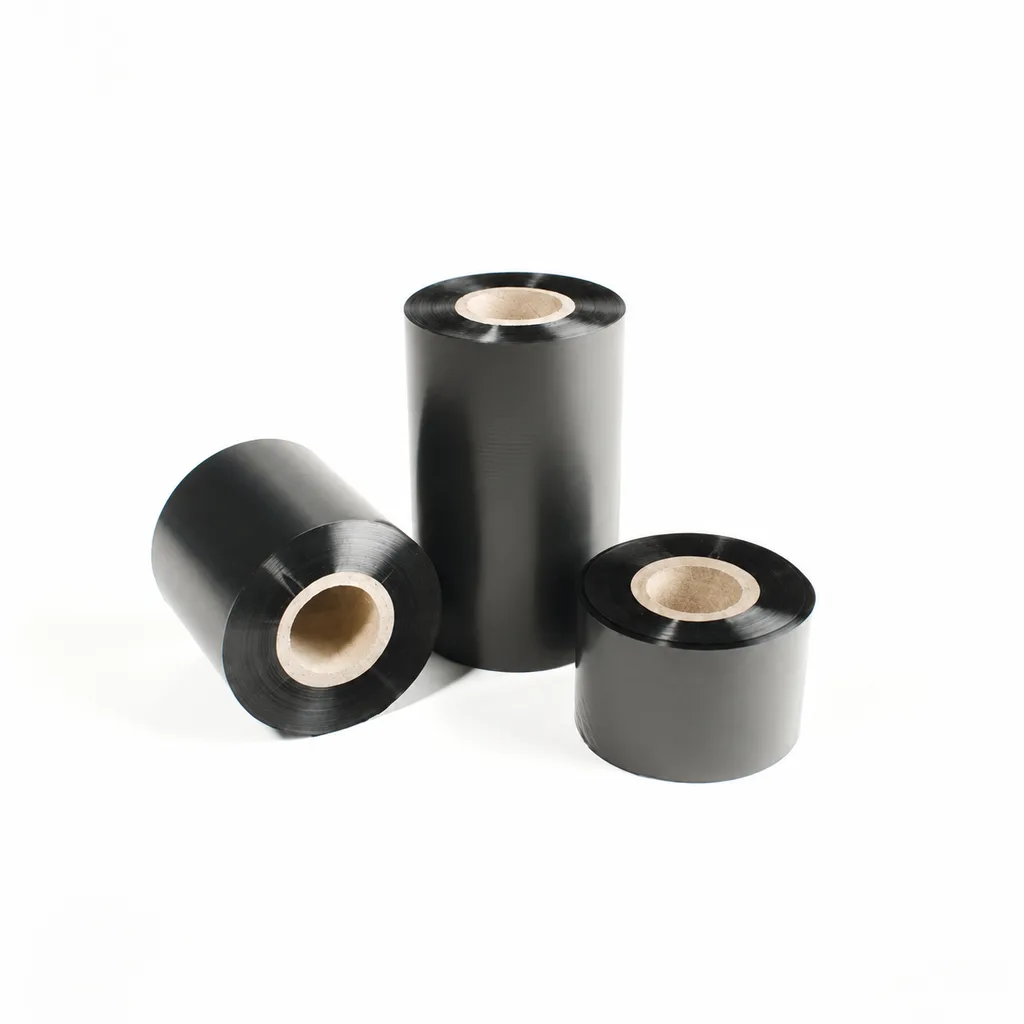
CL-Z112 Enhanced Wax Thermal Transfer Ribbon for Paper Labels and Tags
An enhanced wax thermal transfer ribbon with black ink for paper labels and tags used in retail, warehousing and logistics. It is specified for flat-head printing on desktop or industrial barcode printers at ≤8 inches per second (ips). Select it by checking the actual label material, printer configuration and handling conditions: image-quality, rub-resistance and cold-chamber results were obtained on coated paper, and print quality and image durability may vary with the printer and print medium.
View detailsNeed the right ribbon for your label application?
Share the label material, printer and operating environment. Our team will recommend a tested combination.
