
Why Thermal Transfer Ribbon Must Evolve from “Good Enough” to “Consistently Reliable” in a More Traceable Packaging Market

- Original TTR manufacturer since 2013
- Automated coating and slitting
- IQC / IPQC / OQC control
- ANSI barcode grade testing
- -20°C to 120°C environmental testing
- Batch-level traceability
- ANSI barcode grade
- Batch traceability
- RoHS / REACH compliance
- SGS and MSDS documents on request
Packaging labels are carrying more responsibility than they used to. Across manufacturing, logistics, retail supply chains, healthcare packaging, and industrial identification, labels are no longer simple printed markers. They now carry batch data, production records, 2D codes, warehouse information, compliance content, and traceability links that must remain clear from the production line to the final scan. That shift is changing how buyers look at the entire labeling system—and it is bringing thermal transfer ribbon back into sharper focus.
For a long time, many companies treated ribbon as a routine consumable. If the label printed, the ribbon seemed acceptable. If the barcode scanned once during setup, the job looked finished. But that logic is becoming outdated. In real production, labels do not live in a test environment. They move through high-speed printing, handling, friction, transport, storage, and repeated scanning. Once labels begin carrying more operational value, ribbon performance becomes much more than a printing detail. It becomes part of the traceability infrastructure itself.

Traceability Demands Are Raising the Standard for Print Performance
The packaging market is moving toward richer product information, denser barcode usage, and stronger supply-chain visibility. More brands and manufacturers now rely on labels to support inventory control, warehouse accuracy, channel management, after-sales traceability, and compliance workflows. In that kind of environment, a label does not only need to look good at the moment of printing. It needs to stay readable throughout its full working life.
That is where many print systems start to show their weaknesses. A barcode that looks dark on the first print is not automatically a barcode that remains stable after rubbing, stacking, transport vibration, or long-term storage. A batch code that appears acceptable in a short sample test may become unreliable during full production runs. As a result, buyers are beginning to understand a simple but important reality: print quality is not only about image appearance. It is about whether business information can still be captured accurately later.
This is why thermal transfer ribbon is gaining more strategic attention again. When labels carry more business value, the material that transfers that information must perform with greater consistency.
Why More Buyers Are Looking Beyond Ribbon Price Alone
The real difference between ribbon options is rarely visible in one short sample. It shows up in consistency, compatibility, and durability. Can the ribbon maintain sharp edges at higher speeds? Can it adapt well to coated paper, PET, synthetic labels, silver labels, tags, and logistics applications? Can it reduce smudging, fading, or weak transfer over time? Can it help preserve clear scanning performance after the label leaves the printer?
These are practical questions, but they are now central purchasing questions. Companies that once focused heavily on unit price are increasingly paying attention to total application performance. A cheaper ribbon that causes blurred codes, rework, scanning delays, or customer complaints is rarely a cheaper solution in real operational terms.
This is especially true in packaging and manufacturing environments where production continuity matters. The right ribbon does not simply produce darker output. It supports cleaner transfer, better durability, more stable batch performance, and less uncertainty across long production cycles.

Stability Is Becoming More Valuable Than a Single Attractive Sample
Experienced buyers rarely make decisions based on one label alone. They want to know how a ribbon behaves over repeated use, across different substrates, and under real operating pressure. A good ribbon solution should remain dependable through multiple shifts, changing print conditions, and different label structures. It should help the printer deliver consistent output without forcing constant adjustment or creating avoidable downtime.
This is where the market is quietly changing. Buyers are no longer just purchasing rolls of ribbon. They are purchasing confidence in the output. They want fewer exceptions, fewer unreadable codes, fewer production interruptions, and better long-term readability. In other words, they are buying a more controllable labeling result.
That shift creates more space for manufacturers that understand application logic instead of selling ribbon as a commodity. The stronger supplier is not the one that only offers a price sheet. It is the one that helps match ribbon performance to substrate type, printing conditions, durability needs, and scanning expectations.
This Is Where Colorful Can Position Its Value More Clearly
Colorful should not present thermal transfer ribbon as just another labeling supply item. Its real value is in helping customers achieve clearer printing, more stable scanning, better wear resistance, and stronger compatibility across different label materials and end-use environments. That positioning is much stronger than competing only on product category or price.
For packaging users, logistics operators, and industrial labeling buyers, the goal is not simply to print information. The goal is to keep that information reliable throughout the product journey. If Colorful builds its communication around consistent print quality, durable identification, and lower operational risk, it speaks much more directly to what serious customers are already trying to solve.
Conclusion: As Labels Carry More Value, Ribbon Becomes More Strategic
The future of packaging will involve more data, more tracking, and more pressure on every printed code. That does not reduce the role of thermal transfer ribbon. It increases it. The more important the information on the label becomes, the more important the print foundation behind it becomes as well.
For companies that want stronger traceability, better label quality, and more reliable daily operations, upgrading ribbon strategy is no longer a small technical choice. It is part of building a more dependable packaging system. And for suppliers like Colorful, that creates a stronger long-term opportunity: not just to supply ribbon, but to help customers build labeling performance they can trust.

Key Takeaways
- Packaging labels now carry critical traceability data, demanding more from thermal transfer ribbon.
- This article explains why ribbon must evolve from a simple consumable to a consistently reliable component for clear barcodes and durable print performance across production, handling, and storage.
Related Products & Guides
- AL05-A Temporary Number Plate Printer
- Handheld Barcode Scanner A890
- High-grade wax resin thermal transfer ribbon
- Thermal Transfer Ribbon Supplier in France: A Factory-Grade Buying Guide
- Thermal Transfer Ribbon Supplier in Brazil: A Factory Buyer's Guide
Related Products & Guides
- High-grade wax resin thermal transfer ribbon
- Silver Thermal Transfer Colour Washable Resin Printer Ribbon
- Why Thermal Transfer Ribbon Matters More as 2D Barcode Packaging Moves Mainstream
- Smart Manufacturing
Explore
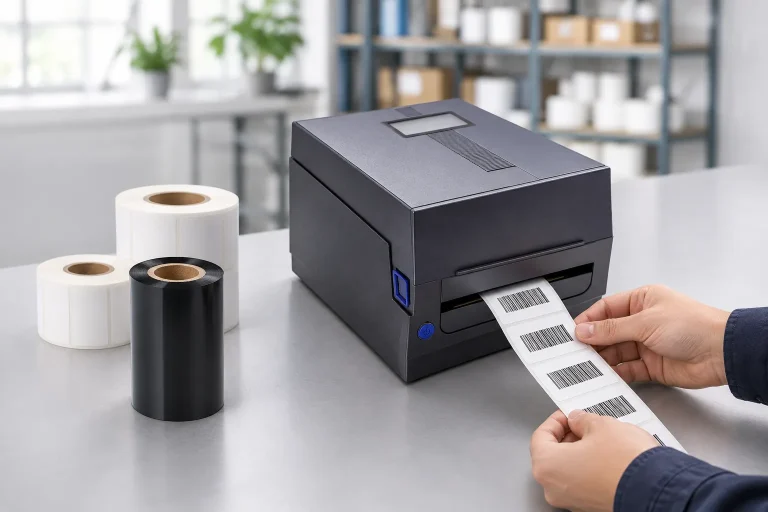
How to Choose a Thermal Printing Ribbon: A Practical Buyer’s Guide
Choose a thermal printing ribbon by matching its ink type to your label material, printer…
Read article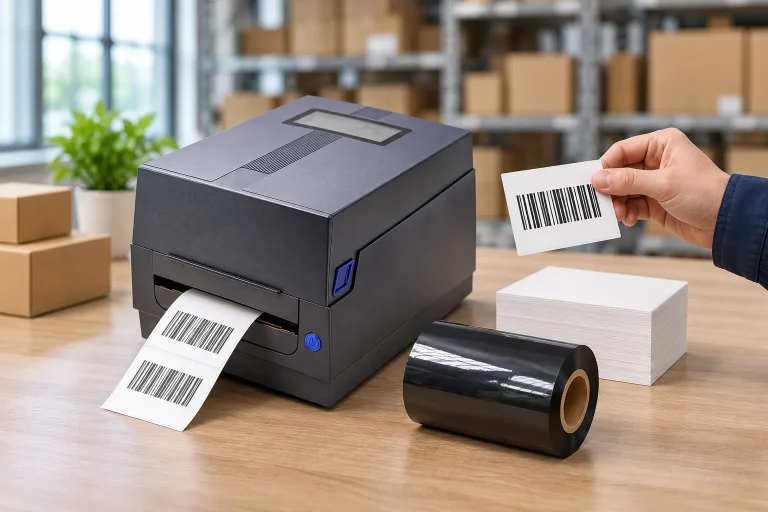
Thermotransfer-Bänder: How to Choose Wax, Wax-Resin or Resin Ribbon
Pick thermal transfer ribbon by label stock and exposure: wax for paper, wax-resin for…
Read article
Choosing a Thermal Transfer Ribbon Manufacturer: Buyer Criteria
Compare ribbon suppliers by printer compatibility, label stock, product range and sample…
Read articleRecommended products for this industry
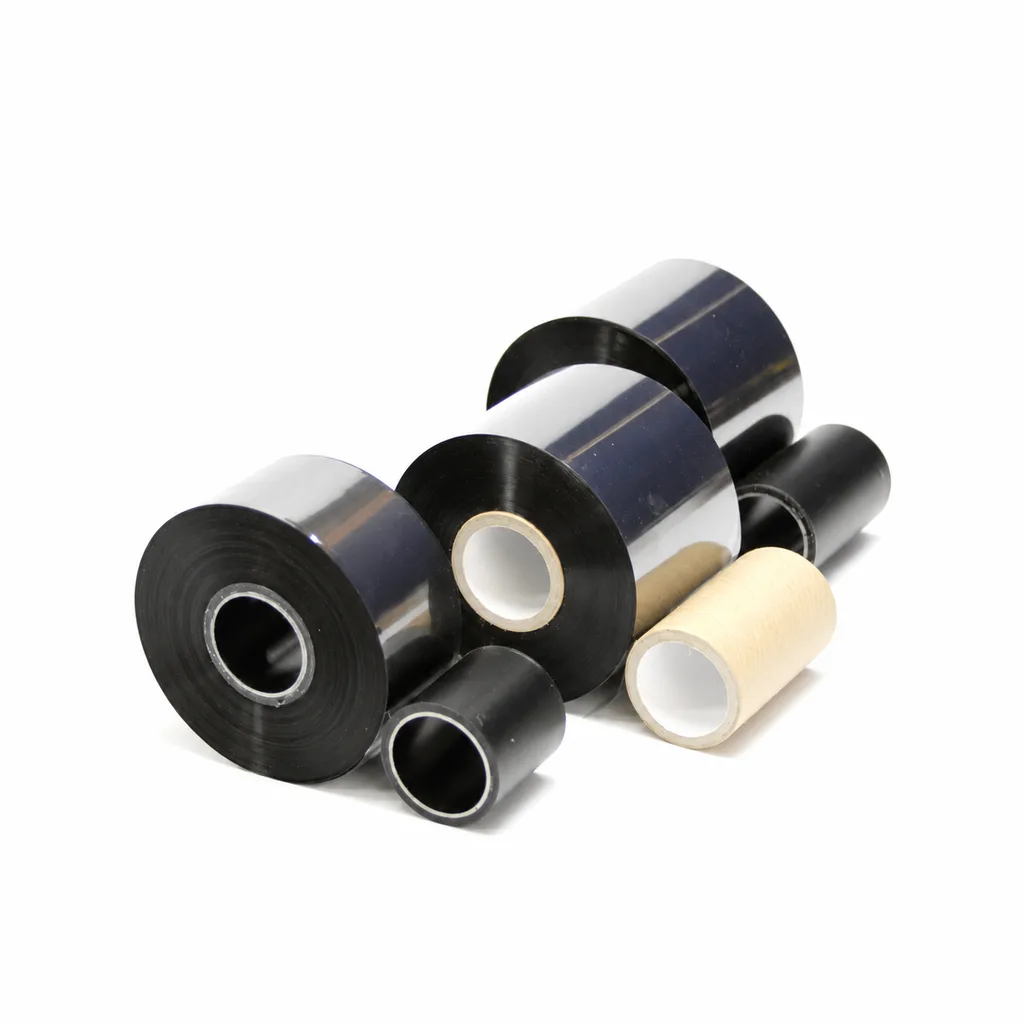
CL-Z215 Wax-Resin Thermal Transfer Ribbon for Packaging and Barcode Printing
CL-Z215 is a black, general-purpose wax-resin thermal transfer ribbon for thermal transfer overprinting (TTO) and near-edge barcode printers. Listed applications include retail labels, prepackaging, food packaging, pharmaceutical packaging, hot packaging and the frozen-food sector. Select it against your actual printer, printing material and required speed, then confirm print quality and image durability on that combination. The stated speed limits and durability results apply only within the documented conditions; they are not universal compatibility or long-term temperature guarantees.
View details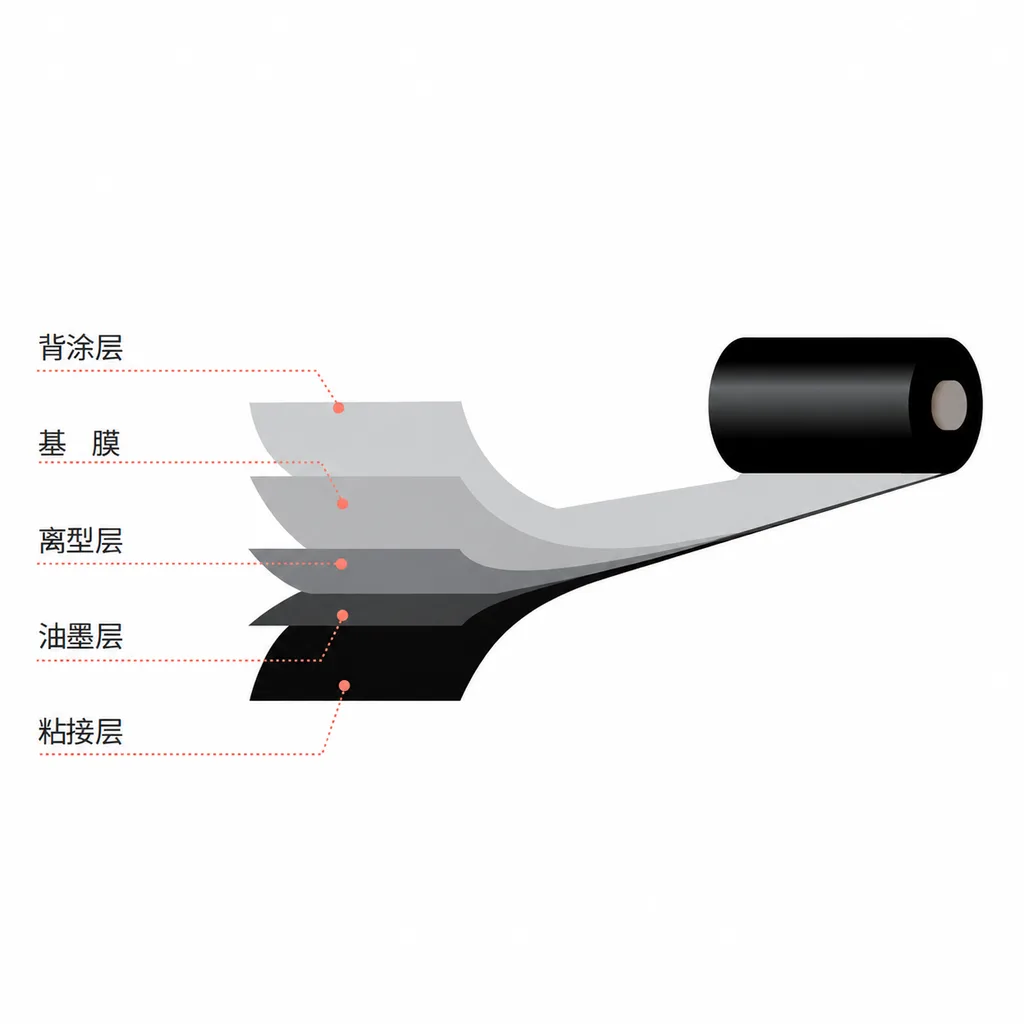
CL-Z312 Resin Thermal Transfer Ribbon for Packaging Printing
CL-Z312 is a black, general-purpose resin ribbon for thermal transfer overprinting (TTO), with packaging and retail label applications listed in the product information. Its abrasion, alcohol and oil resistance data were obtained on polyethylene terephthalate (PET). Select it against your actual packaging material, printer and production speed: print quality and image durability can vary with the printer and substrate, and the material chart percentages are not defined as pass rates.
View details
CL-ZL200 Freezer-Resistant Hot Coding Ribbon for Packaging
CL-ZL200 is a black hot coding ribbon for packaging exposed to freezing or cold water. Select it against the packaging material and printer conditions; print quality and image durability can vary with the printer and substrate.
View detailsNeed the right ribbon for your label application?
Share the label material, printer and operating environment. Our team will recommend a tested combination.
