
Hard-Mode Last Mile: Outdoor-Grade Thermal Transfer Labels for Delivery, Utilities, and Field Ops
- Original TTR manufacturer since 2013
- Automated coating and slitting
- IQC / IPQC / OQC control
- ANSI barcode grade testing
- -20°C to 120°C environmental testing
- Batch-level traceability
- ANSI barcode grade
- Batch traceability
- RoHS / REACH compliance
- SGS and MSDS documents on request
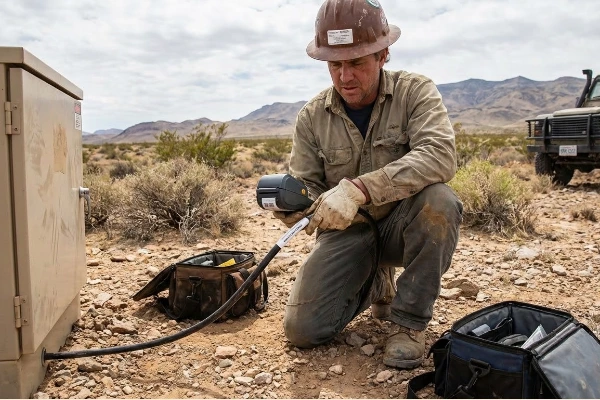
Last-mile logistics is no longer just city streets and storefronts. It includes outdoor storage yards, construction sites, utility infrastructure, container terminals, and even drone drop points. Labels have to survive sun, rain, dust, abrasion, and rough handling—conditions that expose weaknesses instantly. Thermal transfer ribbon technology is evolving to meet this “hard-mode” reality by prioritizing environmental durability, reliable adhesion, and consistent readability across unexpected use cases.
Key Takeaways
- Durable outdoor thermal transfer labels for logistics, utilities, and field operations in harsh environments.
When the label is exposed, ribbon choice becomes safety-critical
Outdoor labeling isn’t a niche. It’s an operations requirement for piping, underground cables, transport containers, and field-marked equipment. Labels must withstand UV exposure, temperature fluctuations, moisture, chemicals, and mechanical impact. That translates directly into resin-grade performance, or carefully selected wax-resin hybrids depending on cost and risk profile.

Recent product innovation emphasizes extreme durability against solvents, abrasions, and heat, while maintaining compatibility with various substrates and printer models. In practical terms, that means fewer label replacements in remote locations and fewer failures during inspections. For operators, it reduces the risk that a critical identifier disappears at the moment it’s needed most.
Last-mile growth demands both speed and sustainability
E-commerce packaging and logistics labeling volumes are rising. Warehouse automation is expanding. So the label system must scale without increasing waste. That means fewer reprints, fewer damaged labels, and cleaner transfers. Sustainability in labeling often begins with process improvements: stable print means less waste roll by roll.
A major trend in TTR is hybrid formulations that provide durable, smudge-resistant performance with economic efficiency—ideal for large fleets where cost per label matters but failure is expensive. Think of it as designing for the worst day while budgeting for the average day.
A reliable supplier ecosystem for field-ready labeling
Outdoor-grade labeling needs more than a robust ribbon; it needs a partner who can match ribbon, substrate, and application method. Shenzhen Jin Tian Kai Le Fu Technology Co., Ltd. ( Colorfulttr) delivers that through an ecosystem approach: premium imported raw materials, automated production, and full-process traceability. Their portfolio spans barcode, color, card, and specialty ribbons—supporting manufacturing, logistics, medical, retail, and education, with the flexibility to create custom solutions for harsh environments.
This matters when you have distributed operations: depots, field technicians, and multiple printer models. A traceable supply chain and consistent quality help ensure that a rollout isn’t “one region at a time,” but a unified standard across the network.

Designing labels for outdoor readability: contrast, durability, and inspection
Outdoor labels face more than weather: they face inspection. Legibility under glare matters. Barcodes must remain decodable even after surface wear. High-density output from thermal transfer printing helps keep edges distinct, but it only pays off if the chosen ribbon resists the environment in which the label lives.
That is why field labeling projects often include a validation stage: wipe tests, UV exposure tests, and abrasion cycles. Modern TTR helps operators pass these tests with less trial-and-error—because the technology is trending toward better environmental resistance as a core feature, not an optional upgrade.
Field logistics: labels as navigation tools for humans and machines
In outdoor operations, labels guide more than a scanner. They guide crews, maintenance schedules, and asset movement. When labels fail, time gets lost: technicians have to trace documents manually, parts get misrouted, and jobs accumulate delays.
Thermal transfer labeling supports high scan confidence, which accelerates verification steps. In turn, it enables faster repairs, safer operations, and cleaner reporting. It becomes the foundation for accurate inventory and compliance, especially when assets move between indoor and outdoor environments.

resilient labels for a restless last mile
The last mile is becoming a frontier where logistics meets field operations. It demands durability and scale together. Thermal transfer ribbon technology is meeting this challenge with improved print quality, better resistance to environmental factors, and formulations designed for multiple substrates. It’s not just about printing labels—it’s about engineering labels to endure.
Colorfulttr’s commitment to “quality first, innovation future” fits the outdoor-grade expectation: reliable materials, automated production, traceable quality, and customized solutions. For operations teams, that means labels that survive when the environment stops cooperating—and that’s exactly when labels matter most.

Explore
Cold Chain Packaging and Labeling: A Buyer’s Checklist
Choose insulated packaging, adhesives and print materials for your shipment, then…
Read article
How to Choose a Zebra Thermal Transfer Ribbon
Choose a Zebra ribbon by print method, label material and roll fit, then test the printed…
Read article
Thermal Transfer Overprint: A Practical Ribbon Selection Guide
Learn how TTO prints variable codes and choose a compatible ribbon by checking your…
Read articleRecommended products for this industry
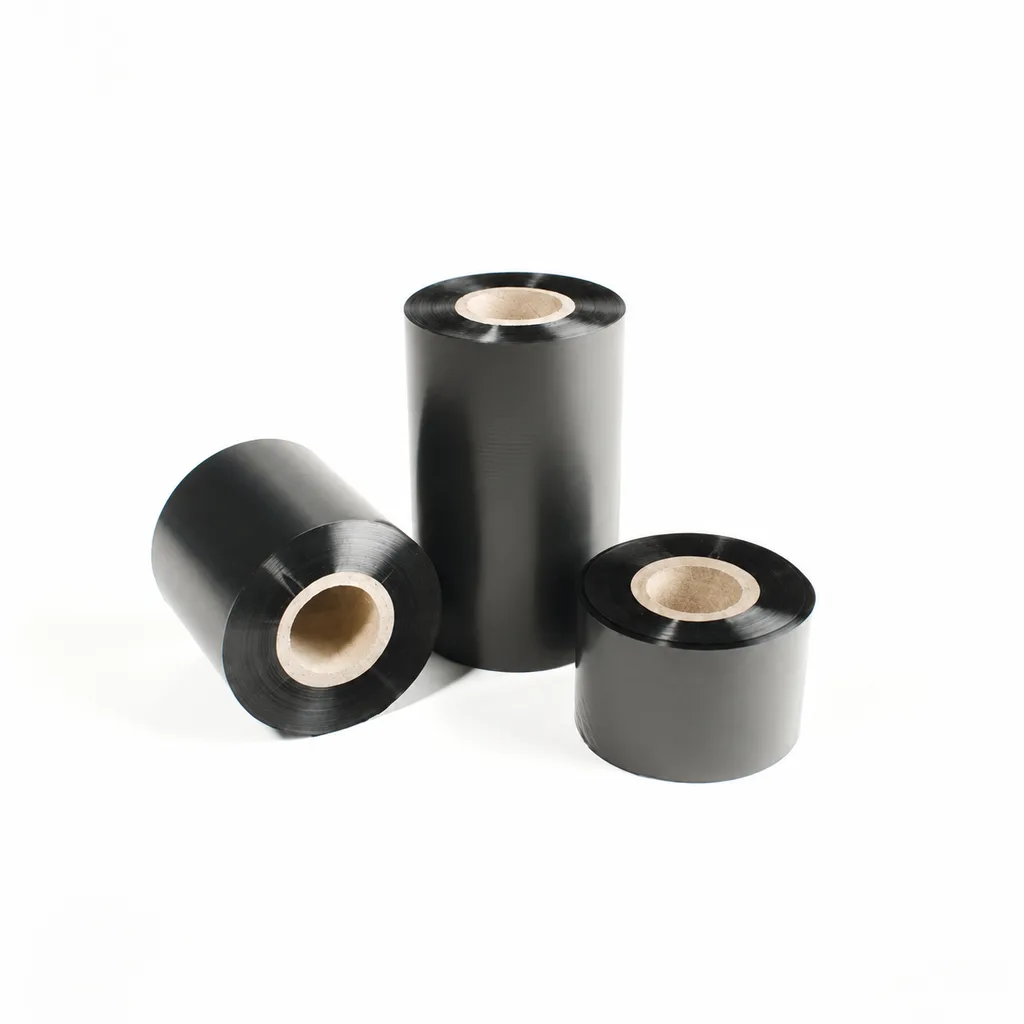
CL-Z112 Enhanced Wax Thermal Transfer Ribbon for Paper Labels and Tags
An enhanced wax thermal transfer ribbon with black ink for paper labels and tags used in retail, warehousing and logistics. It is specified for flat-head printing on desktop or industrial barcode printers at ≤8 inches per second (ips). Select it by checking the actual label material, printer configuration and handling conditions: image-quality, rub-resistance and cold-chamber results were obtained on coated paper, and print quality and image durability may vary with the printer and print medium.
View details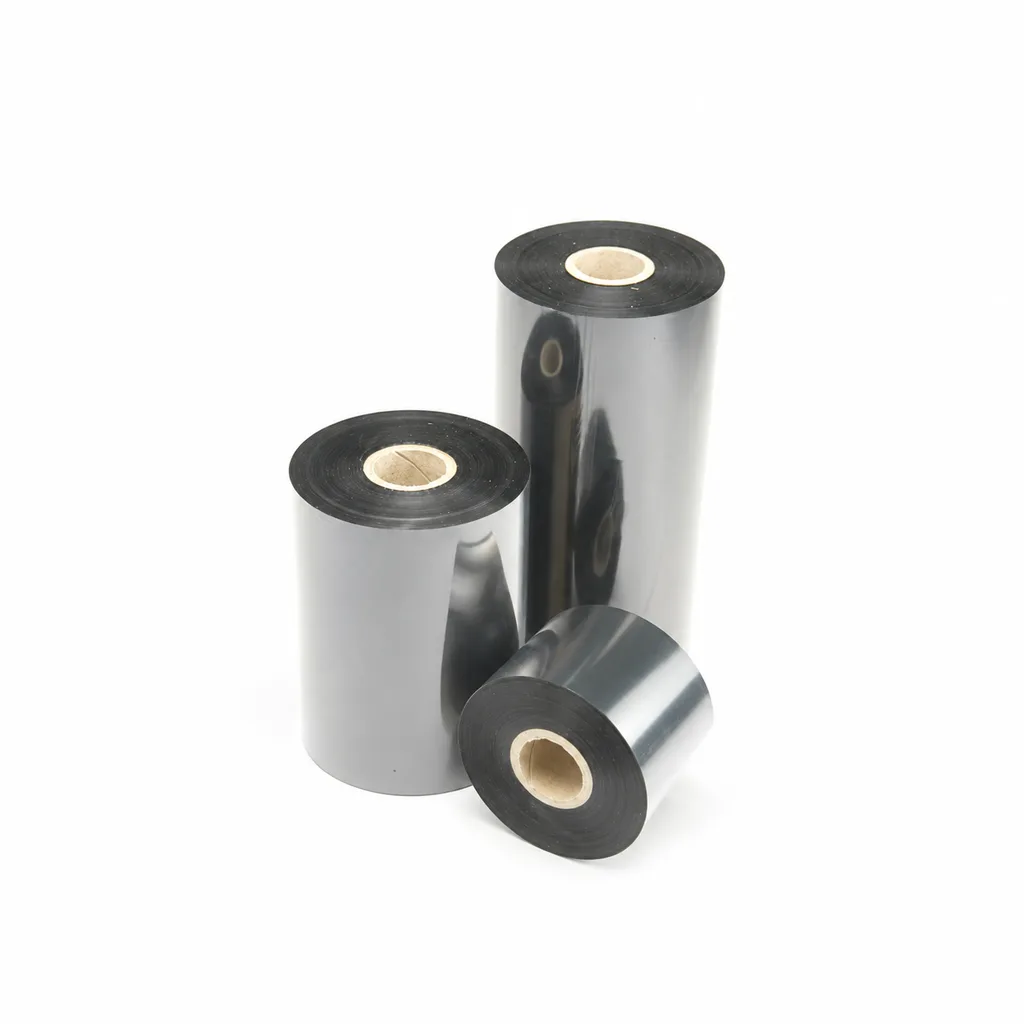
CL-Z203 Wax-Resin Thermal Transfer Ribbon for Barcode Labels
A black wax-resin thermal transfer ribbon for flat-head printing, with listed applications including retail, warehousing, logistics and garment tags. Select it against your actual label material and desktop or industrial barcode printer at speeds ≤6 ips (inches per second). Fine-line, small-text and durability results were obtained on coated paper; print quality and image durability may vary with the printer and printing substrate.
View details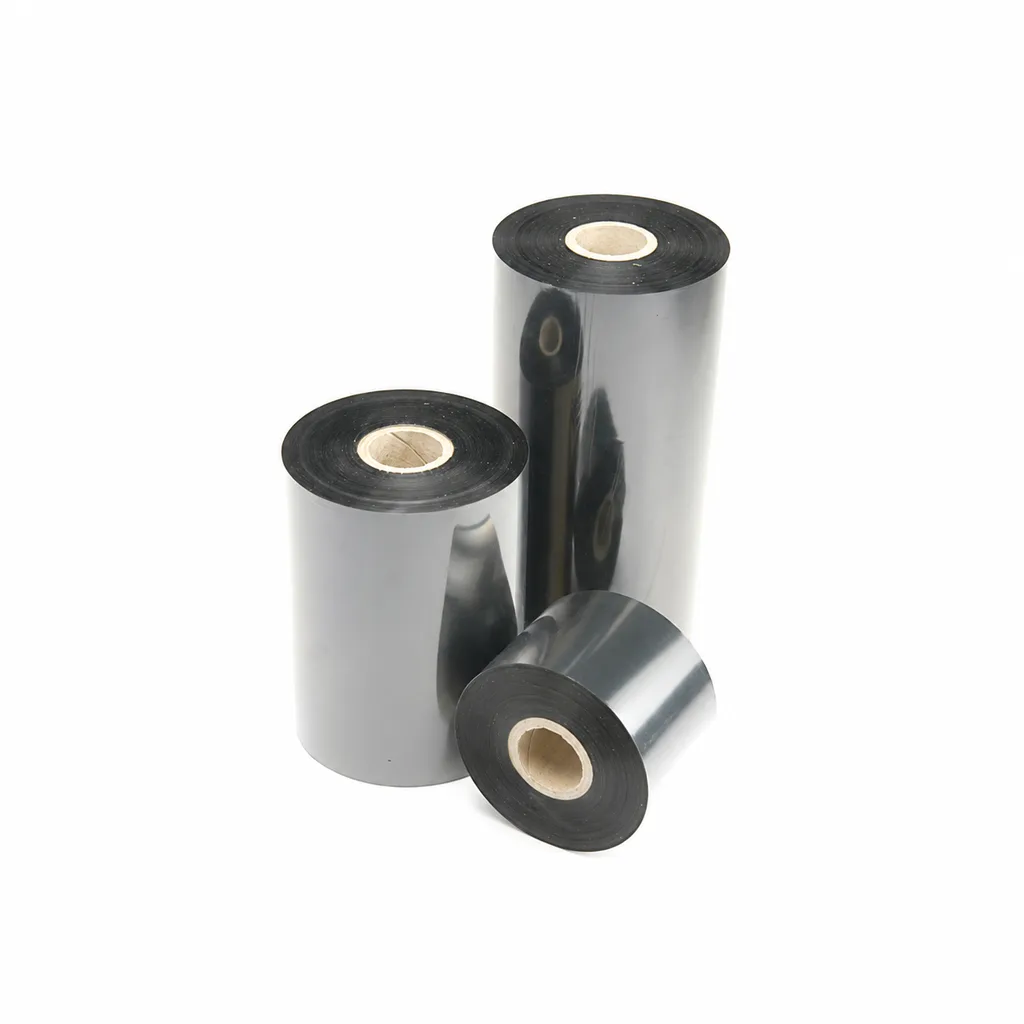
CL-Z213 Near-Edge Wax-Resin Thermal Transfer Ribbon for Barcode Labels
An enhanced black near-edge wax-resin thermal transfer ribbon for near-edge barcode printers and low- to medium-speed thermal transfer overprinting (TTO). Listed applications include retail labels, warehousing, garment tags and packaging identification. Match the printer, actual print medium and operating speed before selection: print quality and image durability can vary with the printer and substrate.
View detailsNeed the right ribbon for your label application?
Share the label material, printer and operating environment. Our team will recommend a tested combination.
