
How Near-Edge Thermal Transfer Ribbons Improve Flexible Packaging Coding

- Original TTR manufacturer since 2013
- Automated coating and slitting
- IQC / IPQC / OQC control
- ANSI barcode grade testing
- -20°C to 120°C environmental testing
- Batch-level traceability
- ANSI barcode grade
- Batch traceability
- RoHS / REACH compliance
- SGS and MSDS documents on request
Key Takeaways
- Improve flexible packaging coding with near-edge thermal transfer ribbons for faster, cleaner, and durable printing results.
Why flexible packaging coding has become more demanding
Flexible packaging moves fast. Snack bags, sachets, pouches, and film labels often run on high-speed lines with limited downtime. In this environment, coding quality must stay sharp from the first print to the last. A faded batch code or a broken date mark can create traceability gaps, rework, and customer complaints.
Brand owners also expect more from the printed mark itself. Production teams want clean lot numbers, readable barcodes, and stable expiry dates on glossy films and coated surfaces. At the same time, converters want higher throughput without adding maintenance headaches. Those demands push ribbon selection into a more strategic role.
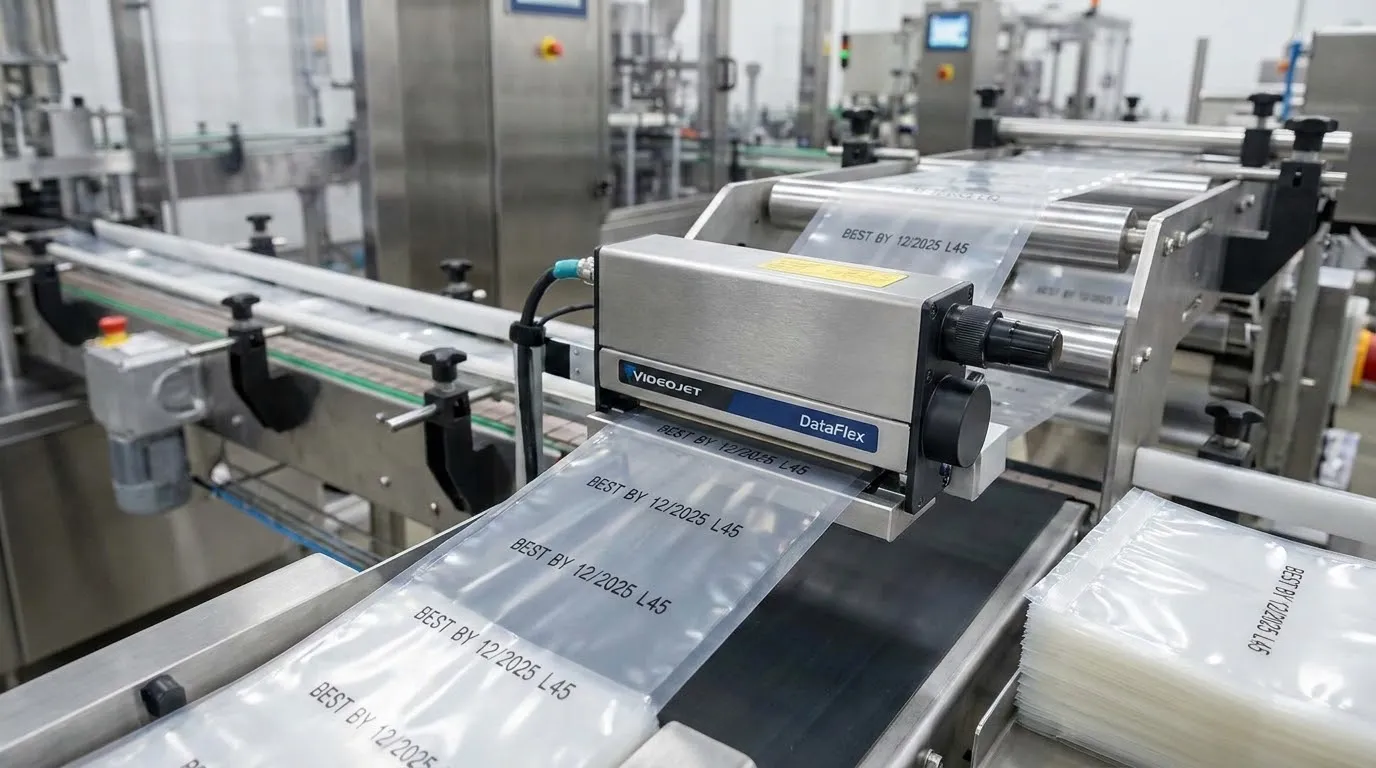
What makes near-edge ribbons different
Near-edge thermal transfer ribbons are designed for printers that use angled printheads and fast intermittent or continuous motion. This setup helps packaging lines print clear information at higher speeds. It also supports better release behavior when the substrate moves quickly under the head.
Faster transfer at production speed
Conventional ribbon formulas may struggle when the line accelerates. Near-edge products are built to release ink more efficiently in short contact time. That matters for flexible packaging because every pause on the line costs output. A ribbon that performs well at speed helps manufacturers protect both quality and productivity.
Cleaner coding on films and coated materials
Flexible packaging uses a wide range of surfaces. Some are smooth, some are glossy, and some include layered barrier structures. Near-edge ribbons can be formulated to achieve stronger adhesion on these materials. As a result, codes look darker, edges stay cleaner, and small characters remain easier to read.
Why packaging plants care about code durability
Packaging codes do more than satisfy a regulation. They connect the product to production history, quality checks, and downstream logistics. If the print rubs off during handling, sorting teams lose confidence in the data carried by the package. That problem becomes more serious when manufacturers export goods through long distribution chains.
For that reason, buyers often test ribbons for smear resistance, scratch resistance, and heat tolerance before full rollout. A strong ribbon reduces the risk of unreadable codes on finished packs. It also lowers the chance of repacking or manual relabeling later in the workflow.

How the right ribbon supports brand consistency
Coding may look like a small detail, but it affects how professional a product feels. A clear and consistent print mark signals control. A weak or patchy mark suggests process instability. On retail shelves and in export cartons, these signals matter more than many teams first assume.
Operations managers therefore need a ribbon that matches both the printer and the substrate. Print darkness alone is not enough. The better choice combines transfer efficiency, substrate compatibility, and stable output across long runs.
What to evaluate before choosing a near-edge ribbon
Start with the packaging material. Film type, coating, and surface energy all influence adhesion. Next, review print speed, head setting, and the information being printed. Dense barcodes and small text need tighter edge definition than simple date codes. Finally, test the print under real handling conditions instead of relying on a short bench sample.
Teams that follow this process usually avoid the most common purchase mistake. They stop comparing ribbons only by roll price and begin comparing them by line efficiency, reject rate, and code reliability.
Why Colorful focuses on application fit
Colorful develops thermal transfer ribbon solutions for packaging, labeling, and industrial identification. For flexible packaging coding, application fit matters more than generic claims. A ribbon should match the customer’s printer type, film structure, and production speed. That is how a plant gets stable output instead of occasional good samples.
When near-edge coding is done well, the benefits are practical. Lines run with fewer interruptions. Codes remain readable. Traceability becomes easier to maintain from factory to market. That is why near-edge thermal transfer ribbons continue to gain attention in modern packaging operations.

Explore
How to Choose Vulcanized Air Spring Labels for Your Production Line
Choose air spring labels by cure timing, actual finished-part substrate, location, and…
Read article
Wax Thermal Transfer Ribbon: A Practical Selection Guide
Choose wax thermal transfer ribbon for paper labels and light-duty use. Match the grade…
Read article
How to Choose a Resin Thermal Transfer Ribbon for Your Labels
Choose a resin thermal transfer ribbon by matching label surface and exposure, checking…
Read articleRecommended products for this industry
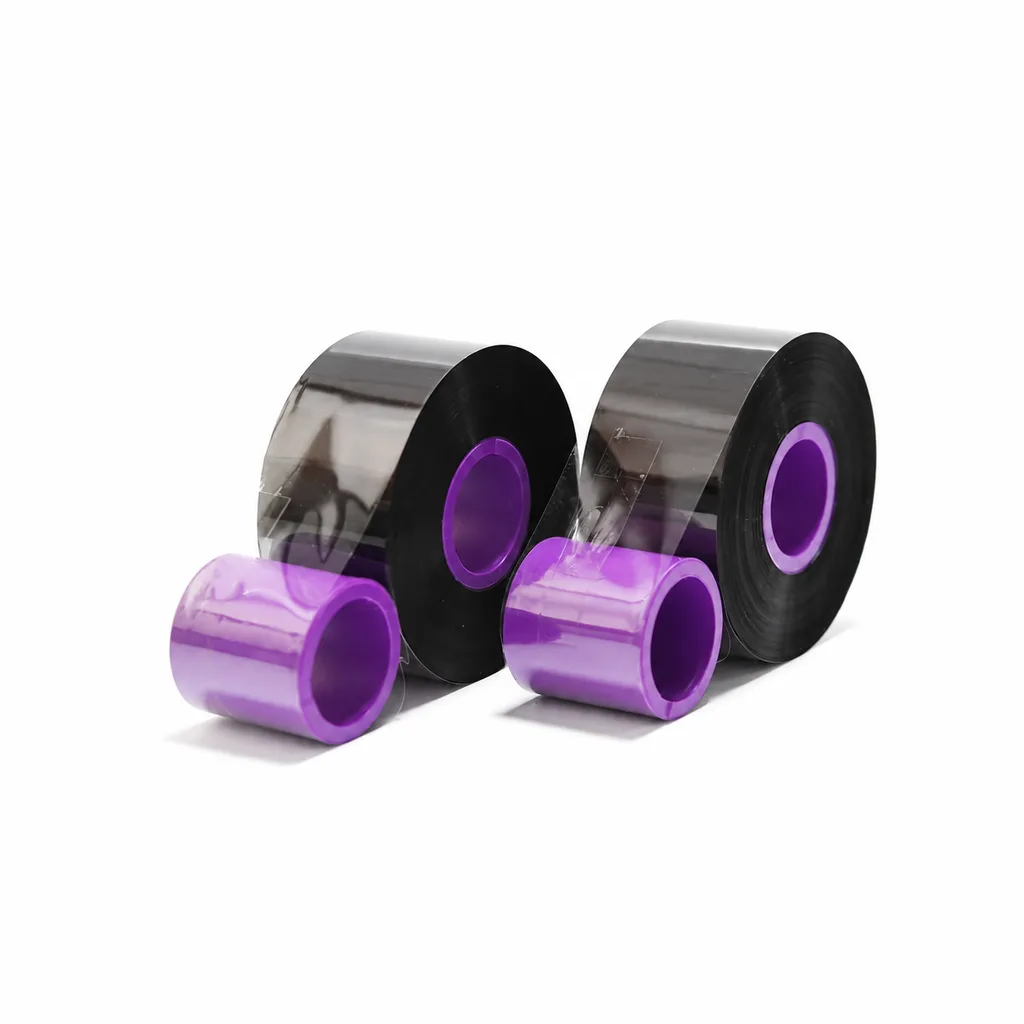
Near-Edge Wax-Resin Thermal Transfer Ribbon for Packaging Printing — CL-T075
CL-T075 is a near-edge wax-resin ribbon for thermal transfer overprinting (TTO) on packaging materials. Its stated high-speed printing capability is 70m/min(46inches/s) on biaxially oriented polypropylene (BOPP) and biaxially oriented polyethylene terephthalate (BOPET). Good resistance to tape adhesion is stated for polyethylene terephthalate (PET) and polyamide (PA). Select against the actual packaging material and distinguish these material-specific claims from the broader recommended-material list.
View details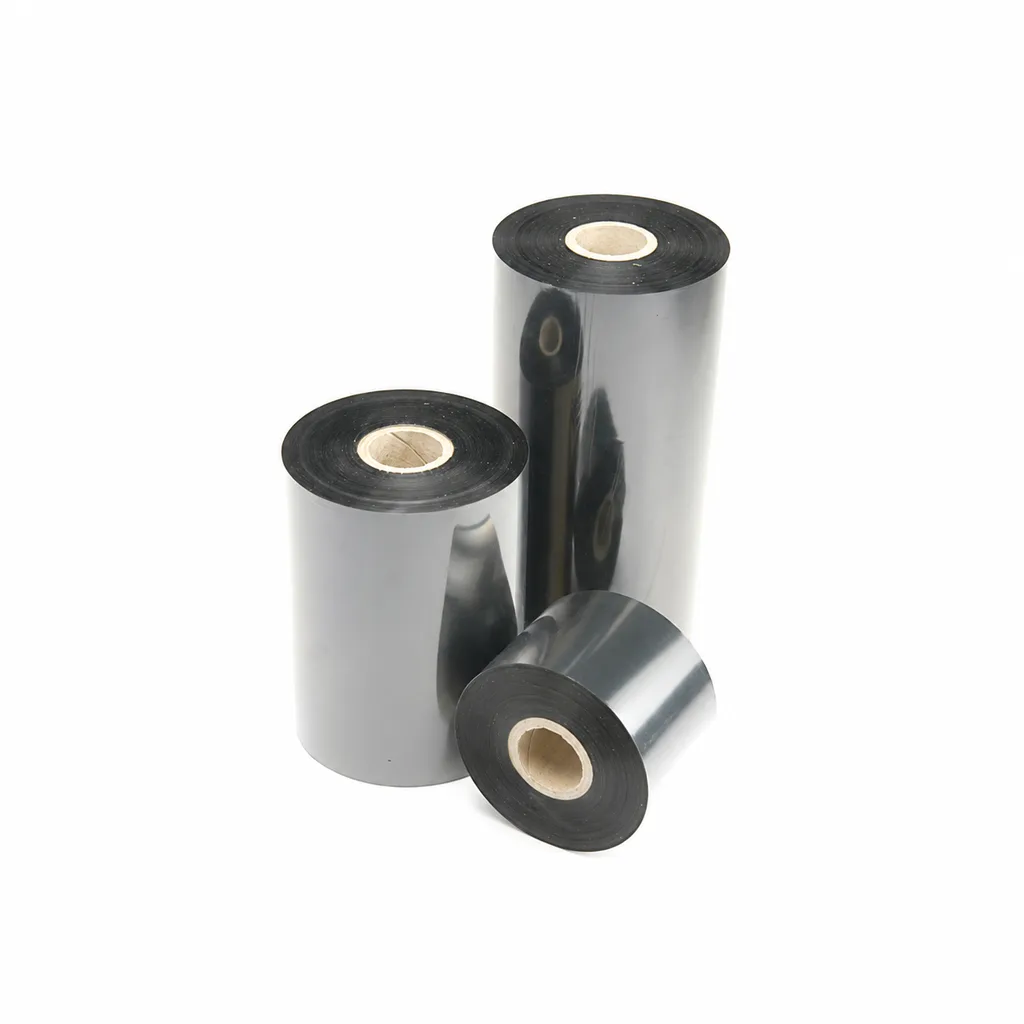
CL-Z213 Near-Edge Wax-Resin Thermal Transfer Ribbon for Barcode Labels
An enhanced black near-edge wax-resin thermal transfer ribbon for near-edge barcode printers and low- to medium-speed thermal transfer overprinting (TTO). Listed applications include retail labels, warehousing, garment tags and packaging identification. Match the printer, actual print medium and operating speed before selection: print quality and image durability can vary with the printer and substrate.
View details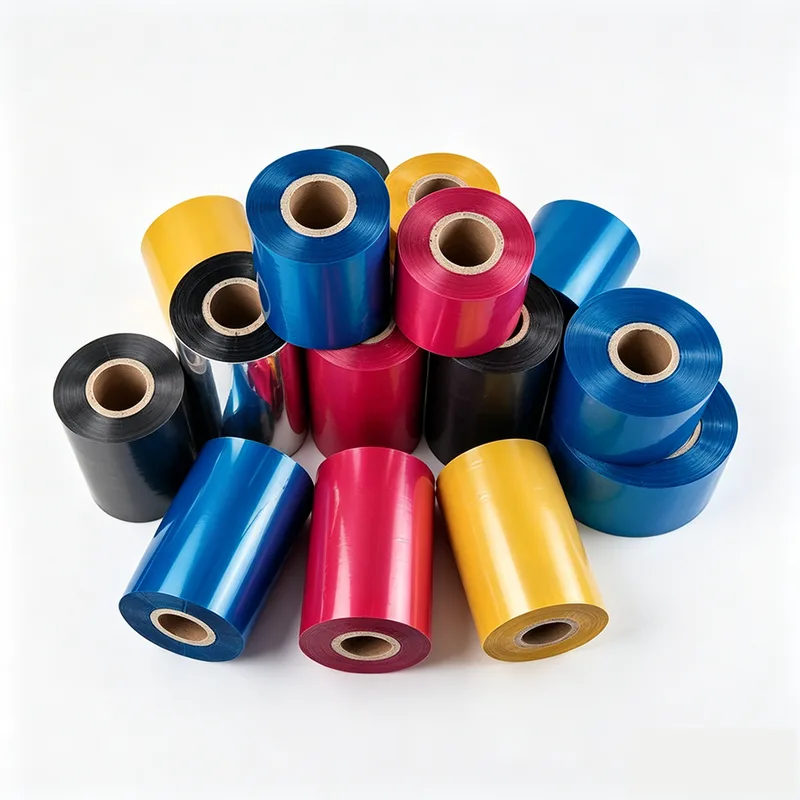
CL-ZL200 Freezer-Resistant Hot Coding Ribbon for Packaging
CL-ZL200 is a black hot coding ribbon for packaging exposed to freezing or cold water. Select it against the packaging material and printer conditions; print quality and image durability can vary with the printer and substrate.
View detailsNeed the right ribbon for your label application?
Share the label material, printer and operating environment. Our team will recommend a tested combination.
