
How Near Edge Thermal Transfer Ribbons Improve Variable Data Printing on Flexible Packaging

- Original TTR manufacturer since 2013
- Automated coating and slitting
- IQC / IPQC / OQC control
- ANSI barcode grade testing
- -20°C to 120°C environmental testing
- Batch-level traceability
- ANSI barcode grade
- Batch traceability
- RoHS / REACH compliance
- SGS and MSDS documents on request
How Near Edge Thermal Transfer Ribbons Improve Variable Data Printing on Flexible Packaging
Flexible packaging lines move fast. Brands need crisp batch codes, dates, barcodes, and traceability data on every pack. That sounds simple, but the process is demanding. Film surfaces can be smooth, coated, uneven, or heat sensitive. At the same time, near edge printers run at high speed and leave little room for weak ribbon performance. A suitable thermal transfer ribbon helps converters keep print dark, sharp, and stable from the first pack to the last. Colorful focuses on ribbon performance that supports packaging productivity, code legibility, and reliable variable data printing in real production environments.
Why flexible packaging needs a different ribbon strategy
Variable data printing on flexible packaging is not the same as printing a standard warehouse label. Packaging films often move quickly through form fill seal systems, pouch lines, and horizontal packaging equipment. Printers must transfer information in a split second. If the ribbon cannot release ink cleanly at speed, the printed image may show voids, broken barcodes, weak edges, or smudged characters. Those defects hurt both appearance and scanning accuracy.
High speed makes print consistency harder to control
Near edge printing is built for speed, but speed exposes weaknesses fast. A ribbon that performs well in a slow bench test may fail on a live line. Uneven coating, poor sensitivity, or unstable release can reduce density and create inconsistent marks. That is why packaging manufacturers look beyond ribbon price alone. They need a product that supports stable transfer under real production pressure.

What good near edge ribbon performance looks like
A strong near edge ribbon should deliver clear print at high speed without forcing frequent adjustments. Operators want deep black marks, readable small text, and barcodes that scan the first time. Maintenance teams also value low residue build-up on the printhead because it helps reduce cleaning downtime and supports longer head life. When those benefits come together, the packaging line becomes easier to manage.
Sharp edges protect barcode and text quality
Variable data often sits in a small area on the pack. That means edge definition matters. Blurry lines can turn a readable code into a risky one. Clean transfer improves the shape of numbers, letters, and machine-readable elements. It also gives finished packs a more professional look, which matters for export packaging and premium retail products.
Surface compatibility supports wider packaging use
Flexible packaging includes PET, BOPP, PE laminates, coated films, and other specialty structures. No single ribbon fits every case equally well. The best choice depends on substrate, production speed, expected friction, and storage conditions. A well-matched ribbon helps maintain print quality across different packaging jobs instead of creating constant trial and error on the factory floor.

Why converters and brands care about code durability
Print quality is important at the line, but durability matters after the product leaves the factory. Flexible packages may rub against each other during packing, shipping, shelving, and handling. If the printed code fades too easily, traceability becomes weaker. That can create compliance concerns, customer complaints, or manual rework. For sectors such as food, healthcare, personal care, and industrial consumables, durable coding supports both operational control and brand trust.
Reliable coding helps reduce hidden costs
Weak printing often creates extra work. Teams may need to stop the line, change settings, replace rolls, inspect output, or reprint rejected packs. These costs build up quickly. A stable ribbon helps lower those interruptions. Better print quality also supports cleaner audits and smoother distribution because codes remain readable through the supply chain.

How Colorful supports packaging coding performance
Colorful develops thermal transfer ribbon solutions for demanding identification and coding applications. For near edge printing, the goal is not only to make a code appear on film. The goal is to help customers achieve clear transfer, stable output, and practical compatibility with real packaging materials. With the right ribbon selection process, converters can shorten testing time and improve day-to-day coding reliability.
A better ribbon match leads to a better production rhythm
When ribbon, substrate, and printer settings work together, the packaging line runs with less friction. Operators spend less time correcting print issues. Brand owners gain cleaner traceability data. End users see packaging that looks controlled and trustworthy. In a market where coding quality reflects manufacturing discipline, near edge thermal transfer ribbons remain an important detail with a large operational impact.

Key Takeaways
- Improve flexible packaging printing with near edge thermal transfer ribbons.
- Achieve sharp, durable, high-speed coding.
Related Products & Guides
Explore
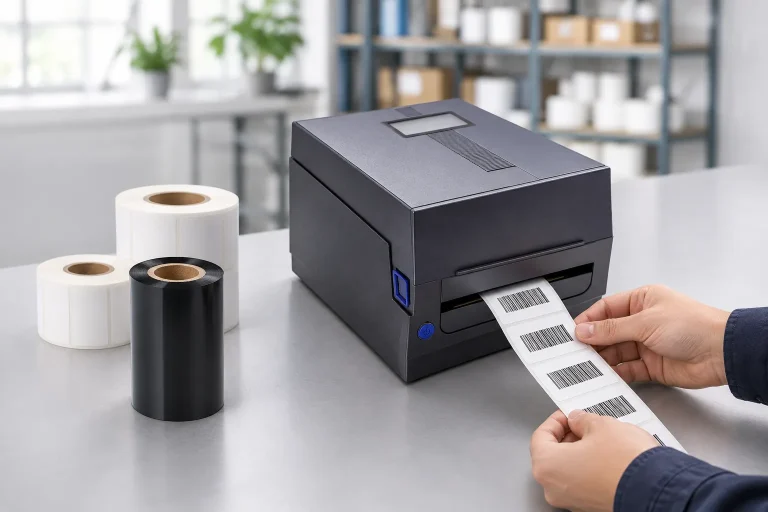
How to Choose a Thermal Printing Ribbon: A Practical Buyer’s Guide
Choose a thermal printing ribbon by matching its ink type to your label material, printer…
Read article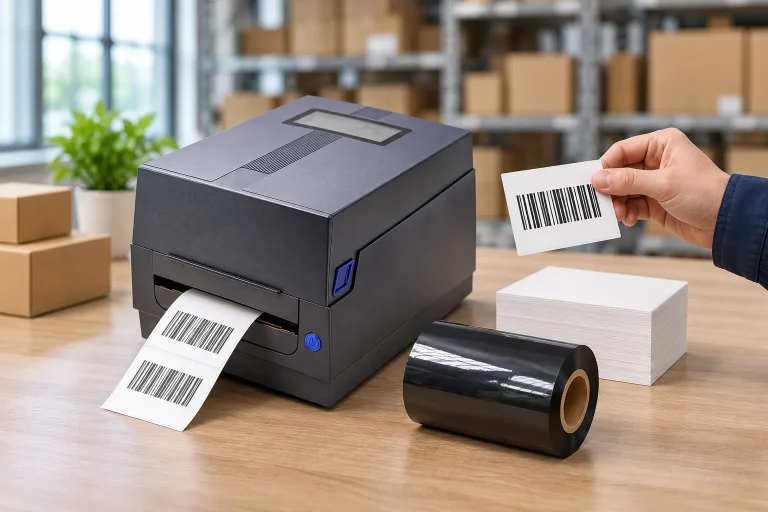
Thermotransfer-Bänder: How to Choose Wax, Wax-Resin or Resin Ribbon
Pick thermal transfer ribbon by label stock and exposure: wax for paper, wax-resin for…
Read article
Choosing a Thermal Transfer Ribbon Manufacturer: Buyer Criteria
Compare ribbon suppliers by printer compatibility, label stock, product range and sample…
Read articleRecommended products for this industry
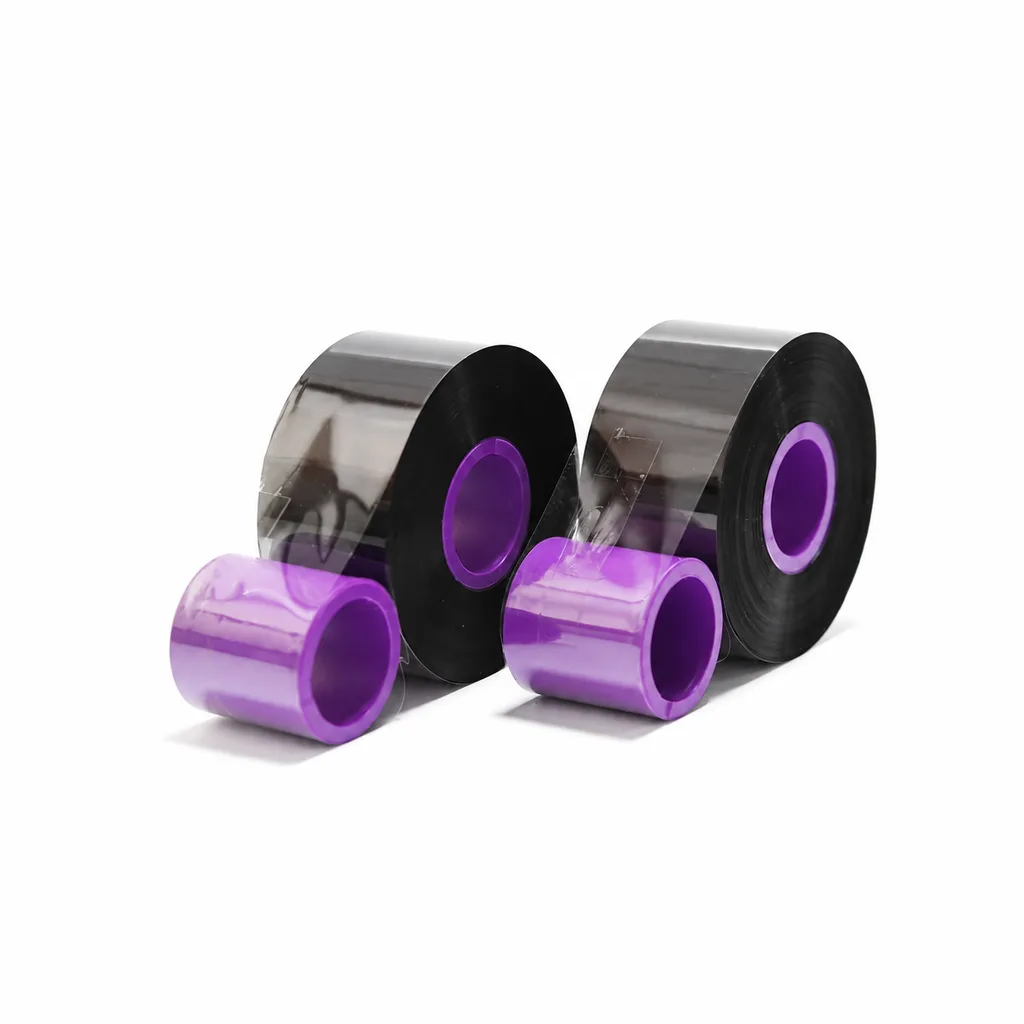
Near-Edge Wax-Resin Thermal Transfer Ribbon for Packaging Printing — CL-T075
CL-T075 is a near-edge wax-resin ribbon for thermal transfer overprinting (TTO) on packaging materials. Its stated high-speed printing capability is 70m/min(46inches/s) on biaxially oriented polypropylene (BOPP) and biaxially oriented polyethylene terephthalate (BOPET). Good resistance to tape adhesion is stated for polyethylene terephthalate (PET) and polyamide (PA). Select against the actual packaging material and distinguish these material-specific claims from the broader recommended-material list.
View details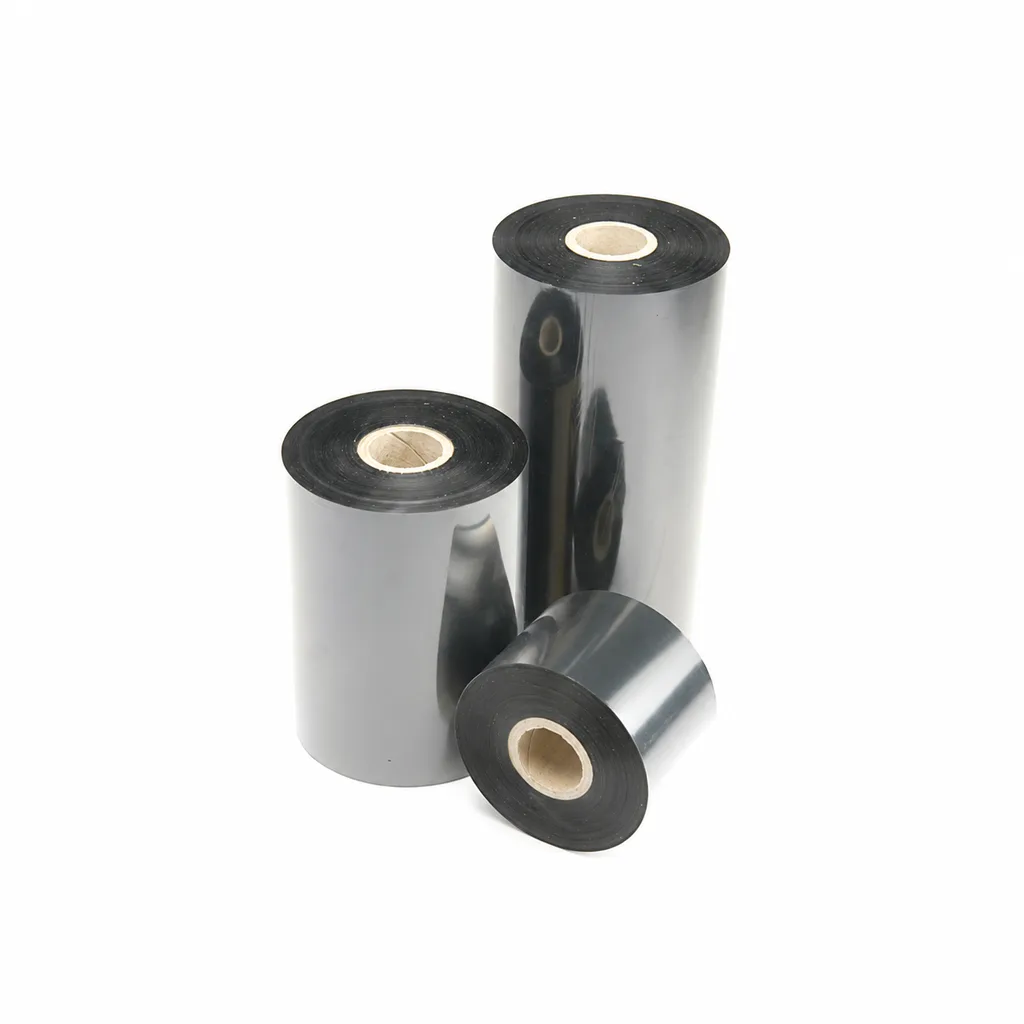
CL-Z213 Near-Edge Wax-Resin Thermal Transfer Ribbon for Barcode Labels
An enhanced black near-edge wax-resin thermal transfer ribbon for near-edge barcode printers and low- to medium-speed thermal transfer overprinting (TTO). Listed applications include retail labels, warehousing, garment tags and packaging identification. Match the printer, actual print medium and operating speed before selection: print quality and image durability can vary with the printer and substrate.
View details
Near-Edge Wax-Resin Thermal Transfer Ribbon CL-Z212 for Barcode Labels
CL-Z212 is a general-purpose black wax-resin thermal transfer ribbon primarily for near-edge barcode printers, with use also described for low- to medium-speed thermal transfer overprinting (TTO). Listed applications include retail labels, garment tags, warehouse identification and packaging printing. Select according to printer type, actual printing speed and substrate: recommended conditions list near-edge printing at ≤10 inches per second (ips) and TTO at ≤20 ips. Print quality and image durability can vary with the printer and printing material, so trial printing on the intended substrate is necessary for selection.
View detailsNeed the right ribbon for your label application?
Share the label material, printer and operating environment. Our team will recommend a tested combination.
