
How Thermal Transfer Ribbons Make RFID Labels More Reliable in Complex Manufacturing Environments

- Original TTR manufacturer since 2013
- Automated coating and slitting
- IQC / IPQC / OQC control
- ANSI barcode grade testing
- -20°C to 120°C environmental testing
- Batch-level traceability
- ANSI barcode grade
- Batch traceability
- RoHS / REACH compliance
- SGS and MSDS documents on request
In modern manufacturing, labels are no longer simple printed stickers. They are now critical data carriers that connect production, warehousing, logistics, compliance, after-sales service, and digital traceability. In industries such as electronics, automotive components, medical devices, precision hardware, and new energy, companies increasingly rely on RFID labels, barcode labels, and variable data labels to support high-speed operations and precise tracking. That shift is changing the role of the thermal transfer ribbon. It is no longer just a consumable. It has become a performance-critical part of the identification system.
When labels must survive heat, abrasion, alcohol wiping, oil exposure, vibration, long storage cycles, and repeated scanning, printing a visible image is only the starting point. The real challenge is whether that printed information stays readable and reliable throughout the entire lifecycle of the product. This is exactly why recent thermal transfer ribbon development has focused less on generic performance claims and more on application-specific matching, print consistency, and long-term durability.

Key Takeaways
- Thermal Transfer Ribbons improve RFID label durability, ensuring reliable barcode printing in complex industrial environments.
Why RFID and Durable Labeling Are Redefining Thermal Transfer Ribbon Value
For years, many buyers categorized ribbons in simple terms: wax for economy, wax-resin for balanced performance, and resin for durability. That framework is still useful, but it is no longer enough for today’s manufacturing reality. More companies now use RFID labels for work-in-progress tracking, fixed asset identification, workstation binding, warehouse automation, and outbound verification. At the same time, global customers and brand owners are demanding better resistance to scratching, chemicals, migration, and image fading.
That means ribbon selection is no longer a pure purchasing issue. It is a quality issue, an efficiency issue, and a risk-control issue. A label on an electronic component box, wire harness, device shell, or returnable container may need to carry sharp barcodes, QR codes, serial numbers, lot numbers, and readable human text while preserving RFID functionality. The image must print cleanly at speed, with strong edge definition and minimal smudging, and it must remain readable after handling, shipment, and storage. These needs are pushing thermal transfer ribbon applications toward higher compatibility, stronger consistency, and more precise material engineering.
The Real Upgrade in Thermal Transfer Ribbon Technology Is Better Matching, Not Just Better Abrasion Resistance
A mature thermal transfer solution is never built on one parameter alone. It depends on the interaction between the printer, printhead settings, ribbon formulation, label substrate, operating environment, and reading devices. Many printing failures are not caused by the barcode design itself. They happen because the ribbon is poorly matched to the surface energy of the label material, the print speed, the printhead pressure, or the required environmental resistance.
Today, the most important progress in thermal transfer ribbon technology lies in more stable coatings, more controlled ink release, and better substrate-specific formulations. PET, PI, synthetic paper, coated paper, and composite RFID label structures all respond differently during printing. The differences in darkness, sharpness, scratch resistance, alcohol resistance, and migration resistance can be substantial. In industrial traceability applications, the ribbon does not simply determine how a label looks right after printing. It helps determine whether that same information remains reliable three months later, six months later, or even longer.

As a result, more purchasing managers, equipment engineers, and labeling solution providers are asking a smarter question: which thermal transfer ribbon is truly right for the real application, instead of which option is cheapest on paper. A low-cost ribbon may appear to reduce spend in the short term, but if it causes scan failure, reprinting, relabeling, delayed shipment, or traceability gaps, the total cost quickly becomes much higher. A ribbon with strong print adaptability, stable batch quality, and reliable durability often delivers the better business outcome.
Three Directions Shaping the Future of Thermal Transfer Ribbon Competition
The first is compatibility with hybrid identification scenarios. As visible barcodes and RFID functions are used together more often, one label increasingly needs to support both fast scanning and stable RFID reading. This requires tighter control over print energy, image precision, and label compatibility. The second is fine-tuned durability. Different industries care about different resistance profiles, such as heat, abrasion, solvents, migration, or outdoor exposure. Ribbon suppliers need the ability to recommend solutions based on real operating conditions rather than generic specifications. The third is supply consistency. Industrial customers no longer judge suppliers only by whether a sample works once. They increasingly value long-term batch stability, traceable quality systems, and dependable supply support.
Thermal Transfer Ribbons Are Part of Delivery Quality, Not Just Printing Cost
For manufacturers, labeling may look like a small step near the end of the production line, but it strongly influences supply chain visibility and operational confidence. One unreadable QR code can delay inbound processing. One worn-off durable label can break the after-sales traceability chain. One RFID label affected by unstable print parameters can interrupt automated identification. In practice, these are not small printing issues. They become efficiency losses, labor costs, and trust costs.
This is why more companies are looking for suppliers that can support both materials and applications. Shenzhen Colorful Technology Co., Ltd., known as Colorfulttr, focuses on thermal transfer ribbon and ribbon technology R&D, manufacturing, and customized solution support. With product coverage spanning barcode ribbons, color ribbons, card printer ribbons, and specialty ribbons, the company serves industries including manufacturing, logistics, healthcare, retail, and education. Backed by imported raw materials, automated production systems, and full-process quality traceability, Colorfulttr aims not only to deliver products, but to help customers achieve clear printing, durable image performance, and practical application stability in real environments. For customers that need both performance and dependable delivery, this kind of integrated capability matters.

Why Ribbon Upgrades Matter When Companies Want Real Cost Reduction
Real cost reduction does not come from choosing the lowest unit price. It comes from reducing reprints, lowering scrap, improving scan success rates, protecting printhead life, and keeping label performance stable across shifts, printers, and material batches. Thermal transfer ribbons may represent a small line item, but they influence the reliability of the entire identification process.
As more companies invest in warehouse automation, MES traceability, RFID workflows, and global product delivery, choosing the right ribbon becomes a strategic decision. It supports clearer data, stronger process reliability, and better operational continuity. The market is moving away from asking whether a ribbon can print at all. The real questions are whether it stays stable, whether it fits the material, and whether the result can be repeated at scale over time.

If your business is facing challenges in RFID label print stability, industrial durable label matching, long-term barcode traceability, or multi-substrate labeling upgrades, now is the right time to re-evaluate your thermal transfer ribbon strategy. The right ribbon does more than make labels look sharp. It helps make the entire data chain more reliable, the delivery system more stable, and every scan more professional.
Explore
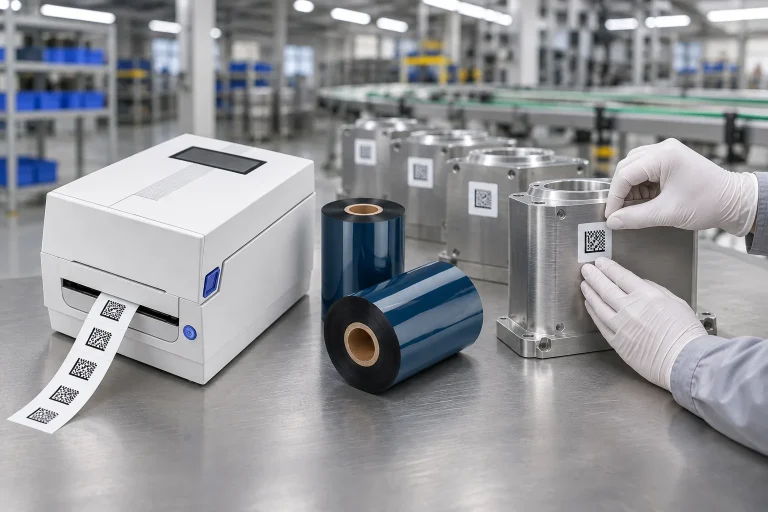
Industrial Serial Number Marking: Definition, Methods and How It Differs From Batch Coding
Industrial serial number marking puts a unique per-unit ID on each product by label…
Read article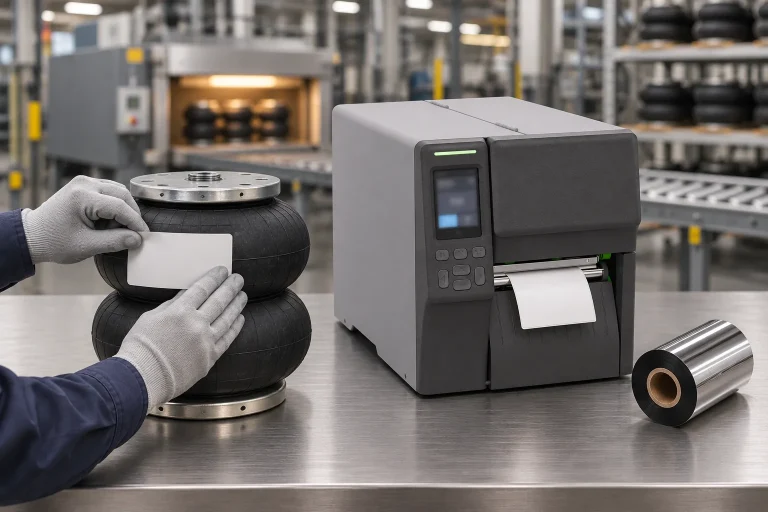
How to Choose Vulcanized Air Spring Labels for Your Production Line
Choose air spring labels by cure timing, actual finished-part substrate, location, and…
Read article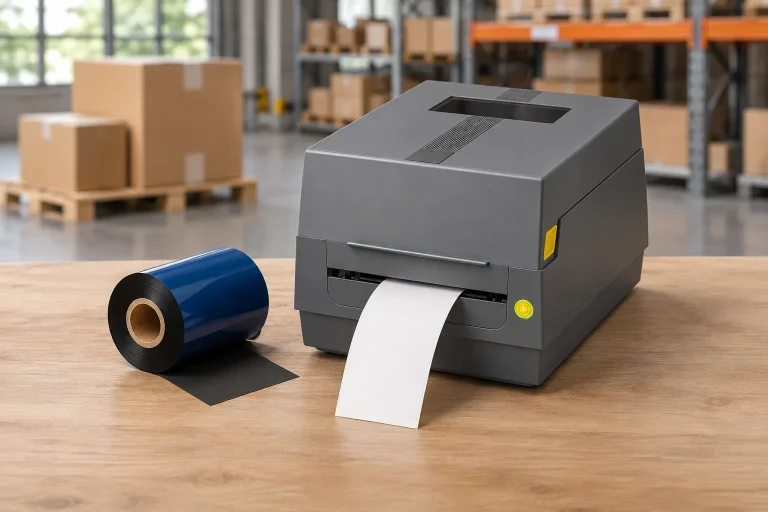
Wax Thermal Transfer Ribbon: A Practical Selection Guide
Choose wax thermal transfer ribbon for paper labels and light-duty use. Match the grade…
Read articleRecommended products for this industry
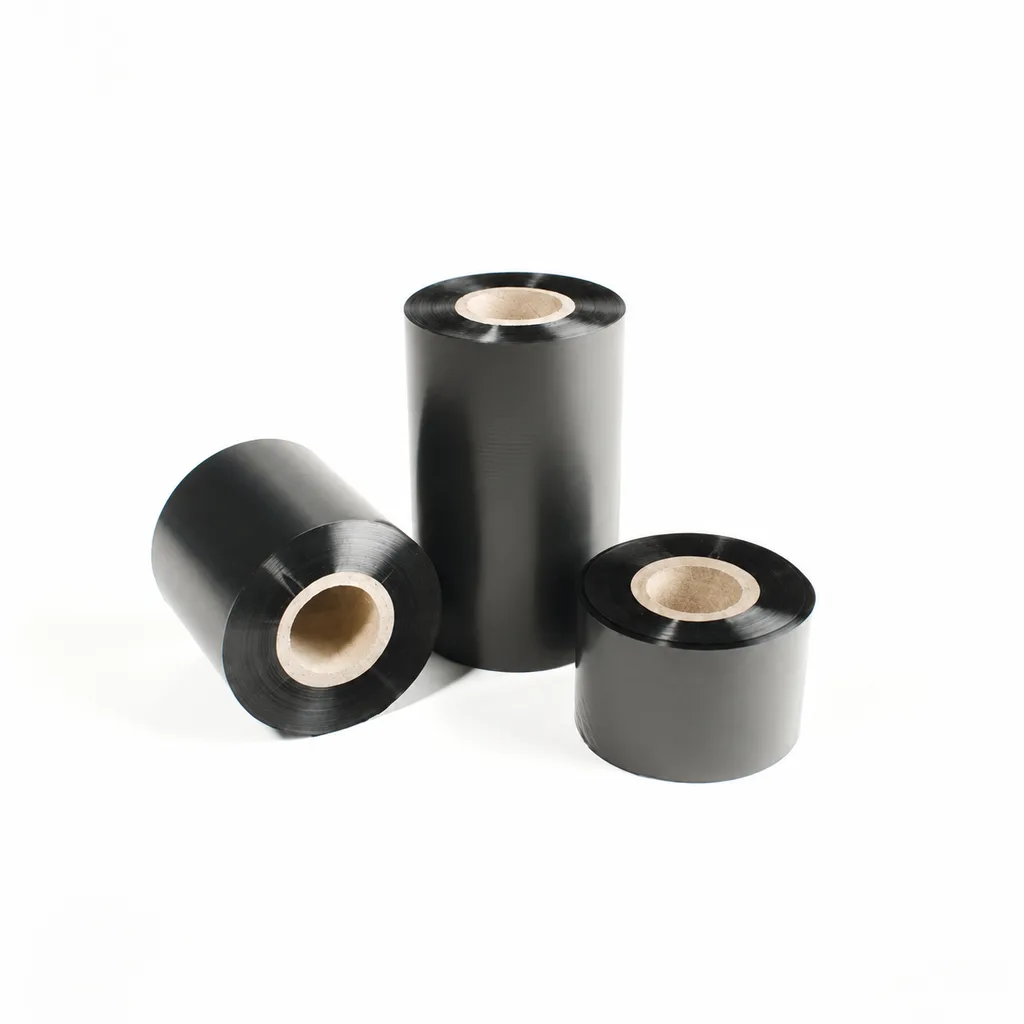
CL-Z112 Enhanced Wax Thermal Transfer Ribbon for Paper Labels and Tags
An enhanced wax thermal transfer ribbon with black ink for paper labels and tags used in retail, warehousing and logistics. It is specified for flat-head printing on desktop or industrial barcode printers at ≤8 inches per second (ips). Select it by checking the actual label material, printer configuration and handling conditions: image-quality, rub-resistance and cold-chamber results were obtained on coated paper, and print quality and image durability may vary with the printer and print medium.
View details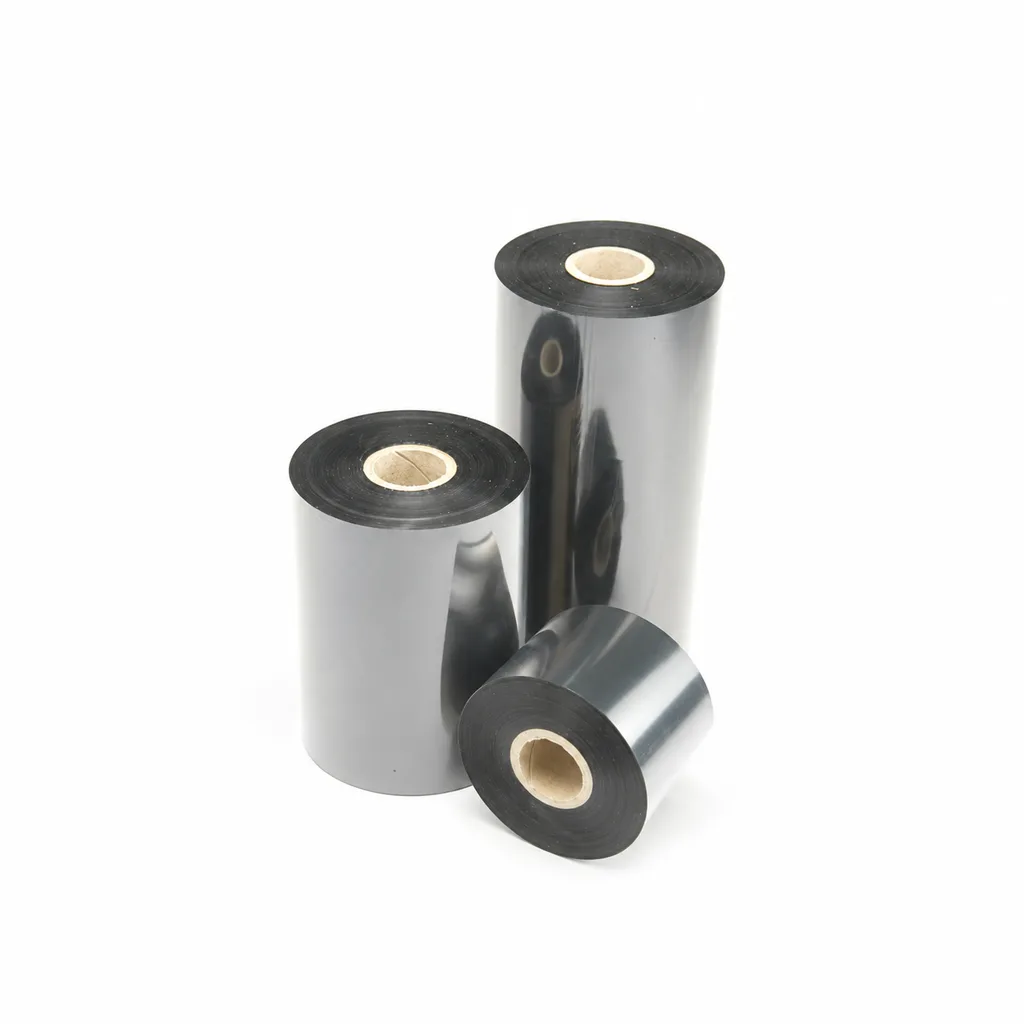
CL-Z203 Wax-Resin Thermal Transfer Ribbon for Barcode Labels
A black wax-resin thermal transfer ribbon for flat-head printing, with listed applications including retail, warehousing, logistics and garment tags. Select it against your actual label material and desktop or industrial barcode printer at speeds ≤6 ips (inches per second). Fine-line, small-text and durability results were obtained on coated paper; print quality and image durability may vary with the printer and printing substrate.
View details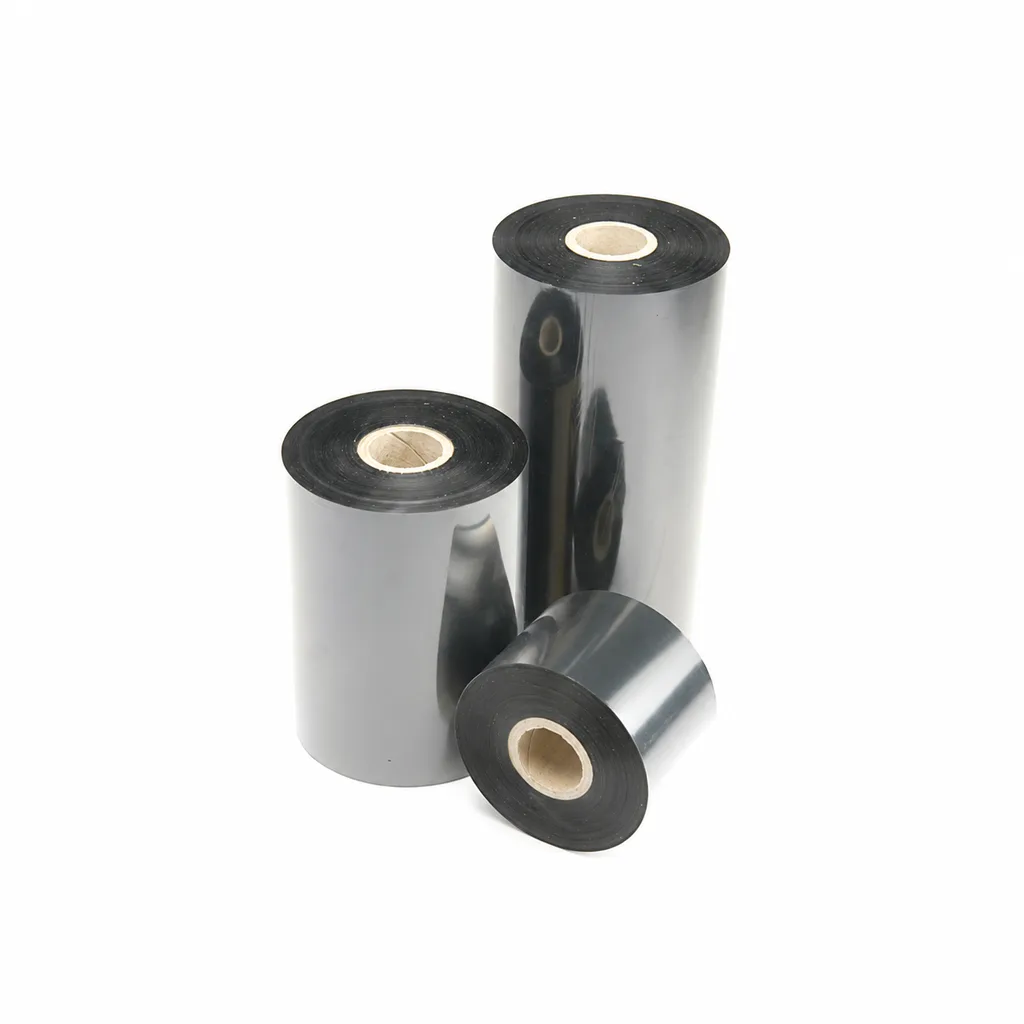
CL-Z213 Near-Edge Wax-Resin Thermal Transfer Ribbon for Barcode Labels
An enhanced black near-edge wax-resin thermal transfer ribbon for near-edge barcode printers and low- to medium-speed thermal transfer overprinting (TTO). Listed applications include retail labels, warehousing, garment tags and packaging identification. Match the printer, actual print medium and operating speed before selection: print quality and image durability can vary with the printer and substrate.
View detailsNeed the right ribbon for your label application?
Share the label material, printer and operating environment. Our team will recommend a tested combination.
