
How Thermal Transfer Ribbons Help Manufacturers Build More Reliable Labels and Smarter Traceability

- Original TTR manufacturer since 2013
- Automated coating and slitting
- IQC / IPQC / OQC control
- ANSI barcode grade testing
- -20°C to 120°C environmental testing
- Batch-level traceability
- ANSI barcode grade
- Batch traceability
- RoHS / REACH compliance
- SGS and MSDS documents on request
How Thermal Transfer Ribbons Help Manufacturers Build More Reliable Labels and Smarter Traceability
In many factories, labels are treated as a small operational detail. In reality, they carry product identity, batch data, barcodes, tracking information, and brand signals through the entire supply chain. Once a label becomes unclear, easy to scratch, or hard to scan, the problem moves far beyond printing. It slows receiving, interrupts warehouse work, weakens traceability, and creates avoidable rework across production and shipping.
That is why more manufacturers are rethinking thermal transfer ribbons. A ribbon is not just a consumable that puts text on a label. It is part of a larger labeling system that supports readability, durability, process consistency, and customer confidence. When companies choose the right ribbon for the right substrate and environment, they improve both operational accuracy and long-term brand presentation.
Key Takeaways
- Improve label durability and traceability with high-performance thermal transfer ribbons for industrial printing.
Why label quality matters more than many teams expect
Procurement teams often compare ribbon prices first. That is understandable, but the visible purchase price is only one part of the equation. The real cost appears later when labels fade, barcodes fail to scan, print edges blur, or operators must stop to adjust settings and repeat jobs.
A label that looks acceptable at the printer may still fail in storage, transport, or field use. Friction, heat, moisture, chemicals, and handling pressure can quickly expose weak print performance. If the printed layer cannot hold up, traceability becomes less reliable and labor costs rise at the exact points where speed matters most.
Hidden losses often begin with small print failures
Many businesses underestimate how often minor print defects create larger process delays. One unclear barcode can trigger manual checks. One damaged carton label can slow outbound scanning. One inconsistent batch can force teams to inspect labels more carefully during peak workloads.
These interruptions rarely stay isolated. They spread across picking, packing, shipping, and after-sales service. As volume grows, even a small decline in print consistency can translate into measurable losses in productivity and customer satisfaction.

Thermal transfer ribbons now support more than basic printing
Today, businesses expect labels to do more than display text. Labels must survive handling, remain readable in motion, and perform well in automated environments. They also need to support inventory visibility, compliance, and accurate data capture from warehouse to end customer.
Because of these demands, thermal transfer ribbons have become part of a performance strategy. The right ribbon can improve print density, edge definition, adhesion, and resistance to abrasion. It can also reduce printer downtime and lower the frequency of adjustments during large print runs.
Reliable output improves workflow stability
In fast-moving labeling environments, consistency matters as much as print quality. Operators need labels to come out clear at scale, not just during a short test. When output stays stable across long runs, teams spend less time checking, correcting, and restarting jobs.
That stability supports smoother logistics, cleaner warehouse execution, and stronger confidence in barcode scanning performance. It also helps standardize output across departments and facilities, which is important for growing manufacturers with complex operations.
Durability protects traceability after the label leaves the printer
A label does not complete its job when it is printed. It still needs to survive contact with cartons, pallets, shelves, transport surfaces, and sometimes harsh storage conditions. In many industries, labels must remain readable for long periods and through multiple touchpoints.
That is where ribbon performance becomes critical. A better-matched ribbon helps protect printed information against scratching, smudging, and loss of contrast. This gives companies more dependable traceability and fewer surprises after products move deeper into the supply chain.

How to choose the right ribbon for real business conditions
Choosing a thermal transfer ribbon should begin with actual application needs, not generic assumptions. Different label materials, printing speeds, storage conditions, and end-use demands require different levels of performance. A ribbon that works well for short-term paper labels may not deliver the durability needed for synthetic labels or demanding industrial use.
Start with substrate and environment
Paper, PET, PP, and silver polyester labels do not behave the same way. Each surface interacts differently with ribbon formulas, printer heat, and expected handling conditions. Companies should first define where the label will be used, how long it must last, and what risks it will face during its lifecycle.
This simple step leads to better decisions. It helps teams narrow the right wax, wax-resin, or resin direction and avoid costly mismatches between ribbon performance and field requirements.
Test for stability, not just first impressions
A good sample print is useful, but it is not enough. Teams should also review long-run consistency, print sharpness at production speed, resistance to scratching, and behavior across different printers or batches. These factors reveal whether a ribbon is ready for daily use at scale.
A better evaluation process helps companies move from trial-and-error purchasing to smarter selection. That shift saves time, reduces waste, and supports a more reliable labeling system over the long term.

Label performance also shapes brand credibility
Label quality influences more than internal efficiency. It also affects how customers, distributors, and partners view a business. A clear and durable label suggests process control, professionalism, and attention to detail. A weak label sends the opposite signal, especially in export, OEM, electronics, and high-value product markets.
For that reason, labeling quality should be seen as part of brand execution. When printed information stays clear and consistent, companies protect both operational accuracy and visual trust. This is a practical advantage in competitive markets where reliability matters.
How Colorful supports better labeling performance
Colorful focuses on thermal transfer ribbon applications with an emphasis on print clarity, compatibility, and stable output across business scenarios. By paying close attention to real labeling needs, material matching, and long-run consistency, Colorful helps customers achieve stronger day-to-day performance instead of chasing short-term savings alone.
For businesses that want labels to scan well, last longer, and reflect a more professional image, a better ribbon choice can create measurable value. That is where the right product and the right application support make a real difference.

Conclusion: better ribbons help build stronger labeling systems
Companies that want reliable traceability and smoother operations should stop viewing thermal transfer ribbons as low-value supplies. The ribbon affects print quality, scanning accuracy, workflow stability, and even brand perception. Its impact reaches far beyond the printer itself.
When businesses choose ribbons based on application fit and long-term performance, they reduce avoidable errors and improve confidence across the supply chain. In a market where efficiency and reliability both matter, better labeling starts with better ribbon decisions.
Explore
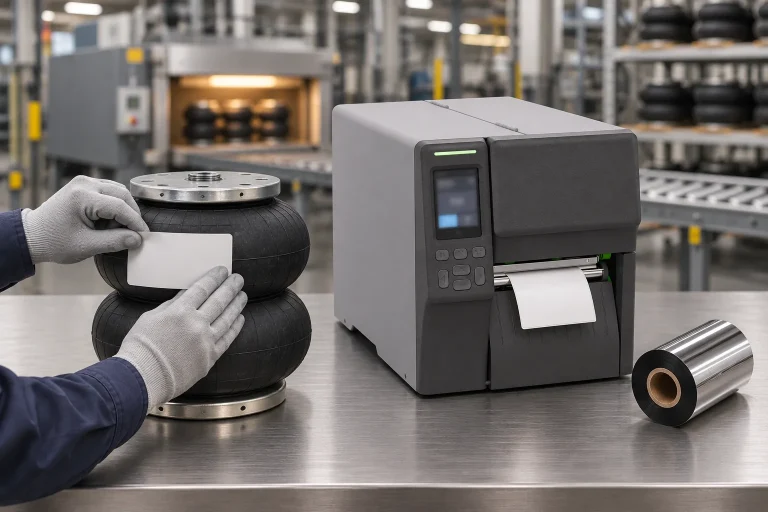
How to Choose Vulcanized Air Spring Labels for Your Production Line
Choose air spring labels by cure timing, actual finished-part substrate, location, and…
Read article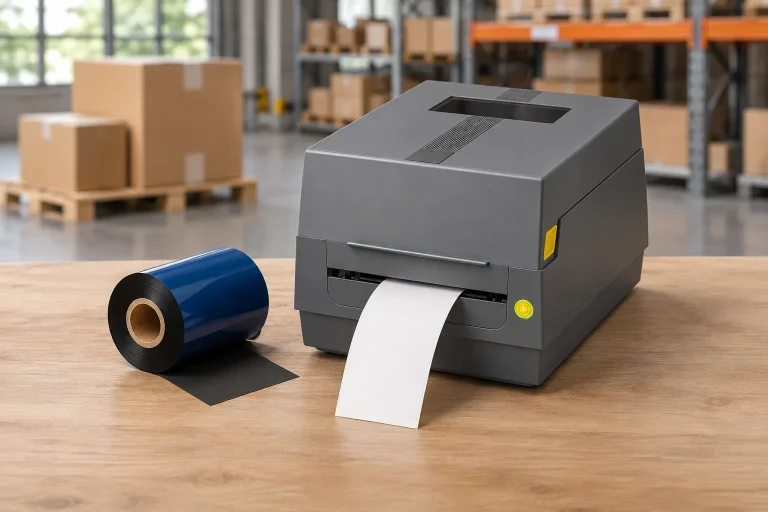
Wax Thermal Transfer Ribbon: A Practical Selection Guide
Choose wax thermal transfer ribbon for paper labels and light-duty use. Match the grade…
Read article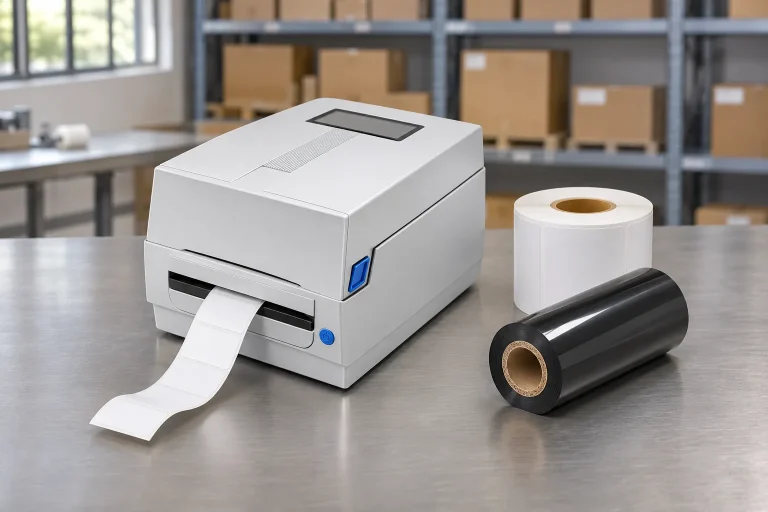
How to Choose a Resin Thermal Transfer Ribbon for Your Labels
Choose a resin thermal transfer ribbon by matching label surface and exposure, checking…
Read articleRecommended products for this industry
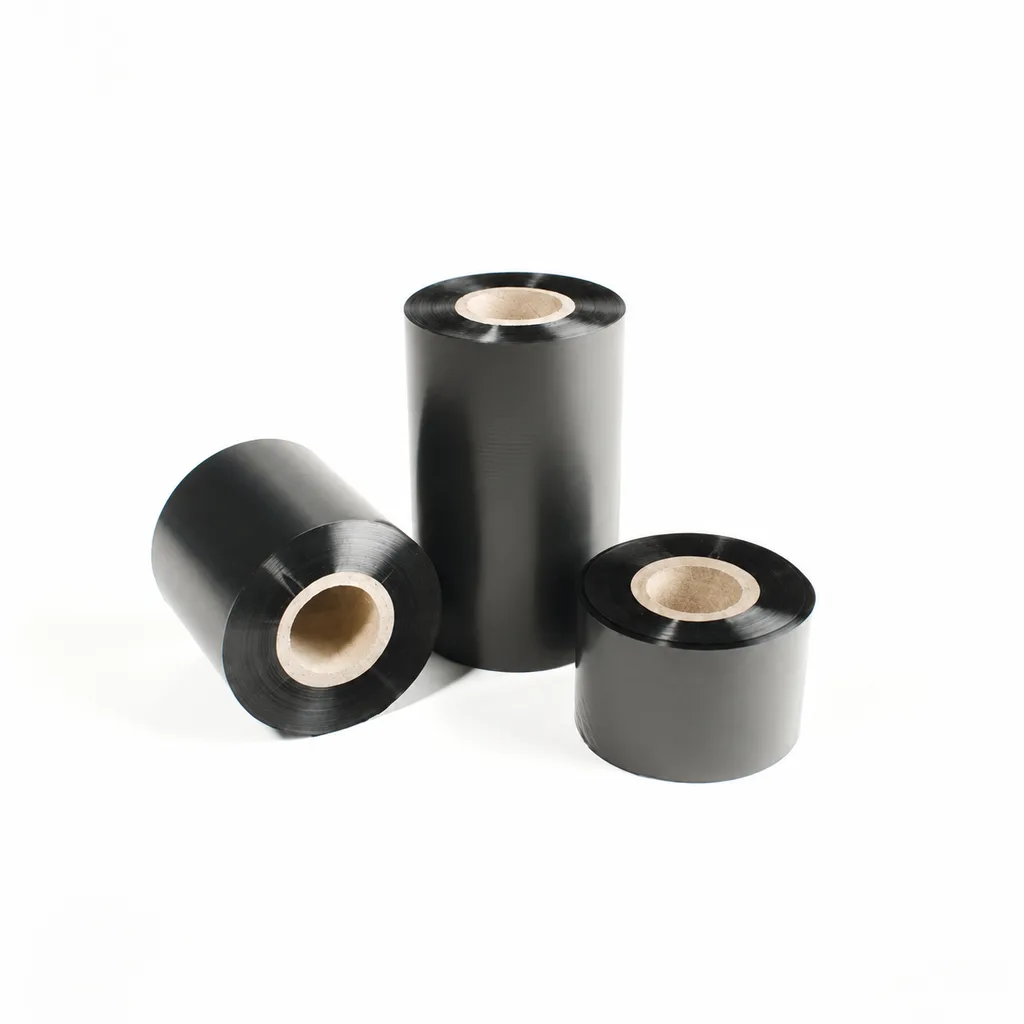
CL-Z112 Enhanced Wax Thermal Transfer Ribbon for Paper Labels and Tags
An enhanced wax thermal transfer ribbon with black ink for paper labels and tags used in retail, warehousing and logistics. It is specified for flat-head printing on desktop or industrial barcode printers at ≤8 inches per second (ips). Select it by checking the actual label material, printer configuration and handling conditions: image-quality, rub-resistance and cold-chamber results were obtained on coated paper, and print quality and image durability may vary with the printer and print medium.
View details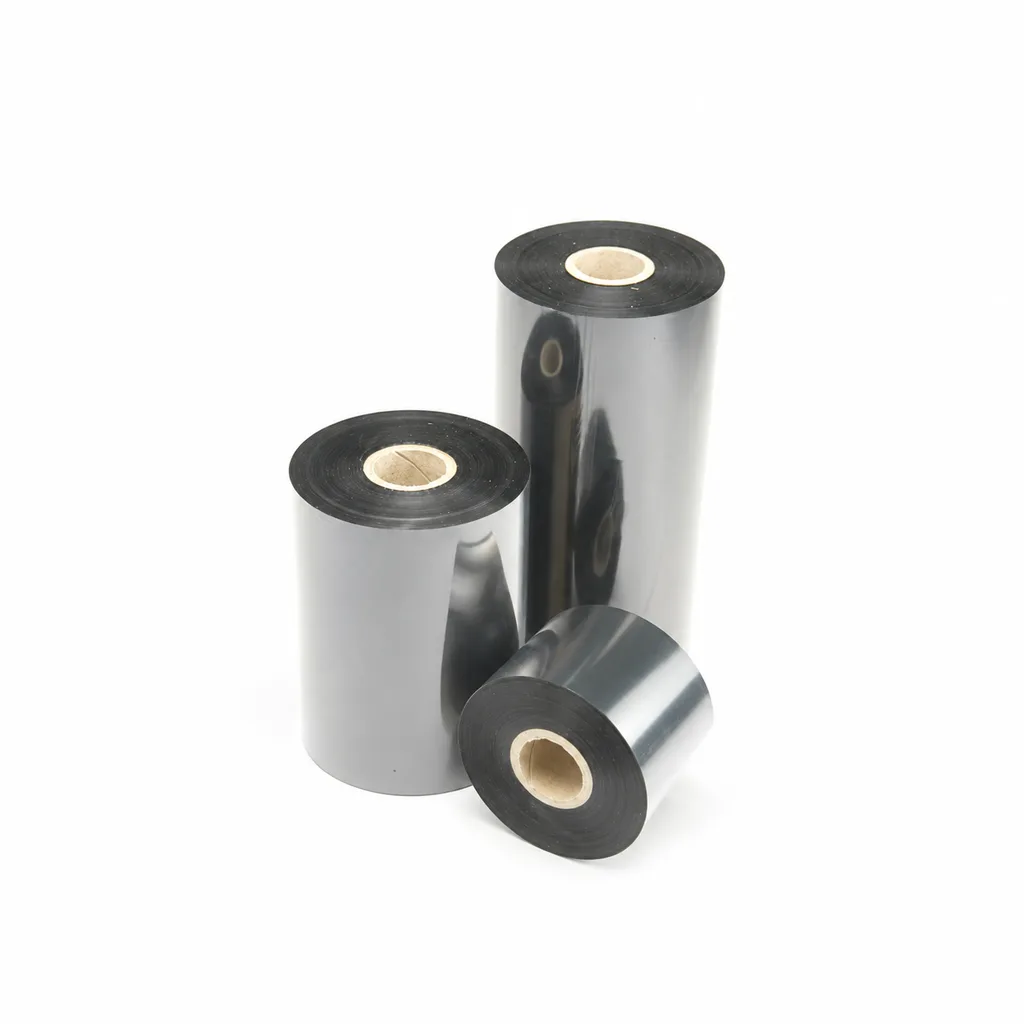
CL-Z203 Wax-Resin Thermal Transfer Ribbon for Barcode Labels
A black wax-resin thermal transfer ribbon for flat-head printing, with listed applications including retail, warehousing, logistics and garment tags. Select it against your actual label material and desktop or industrial barcode printer at speeds ≤6 ips (inches per second). Fine-line, small-text and durability results were obtained on coated paper; print quality and image durability may vary with the printer and printing substrate.
View details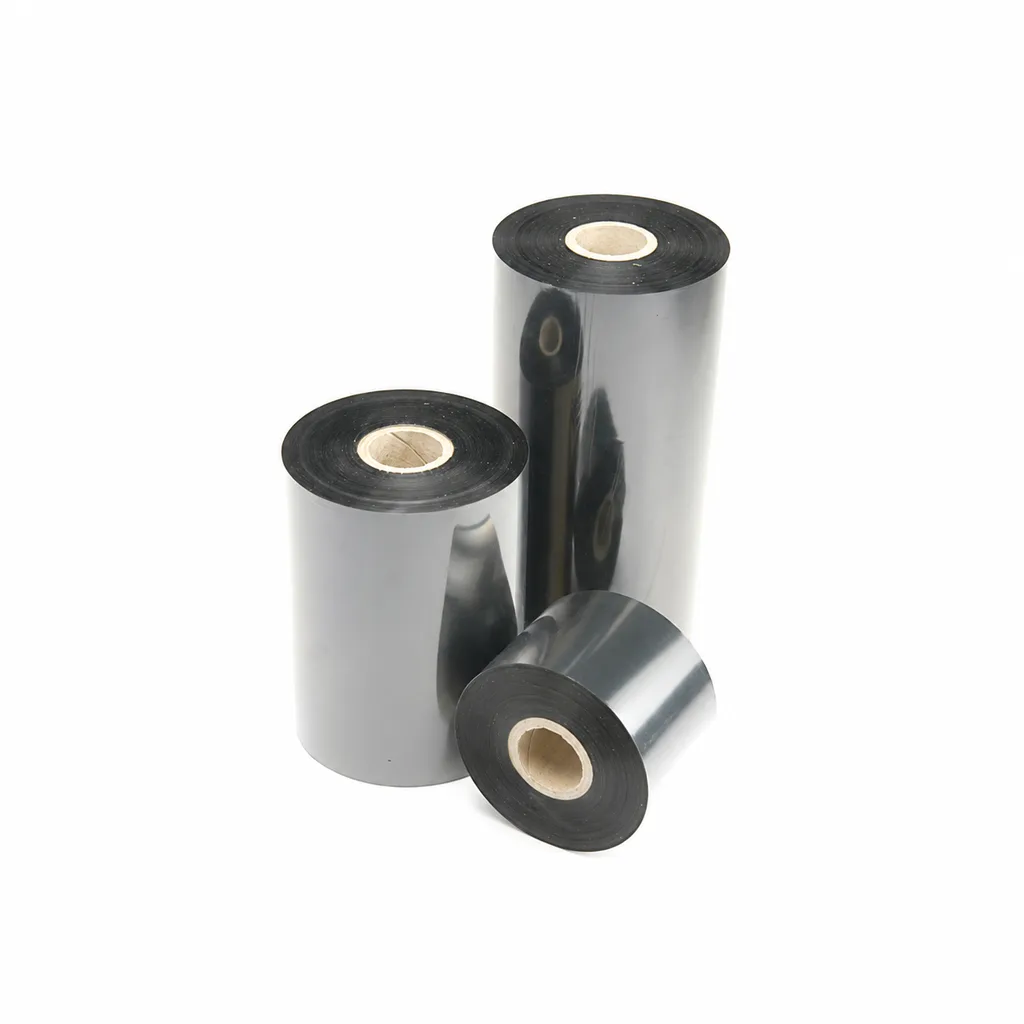
CL-Z213 Near-Edge Wax-Resin Thermal Transfer Ribbon for Barcode Labels
An enhanced black near-edge wax-resin thermal transfer ribbon for near-edge barcode printers and low- to medium-speed thermal transfer overprinting (TTO). Listed applications include retail labels, warehousing, garment tags and packaging identification. Match the printer, actual print medium and operating speed before selection: print quality and image durability can vary with the printer and substrate.
View detailsNeed the right ribbon for your label application?
Share the label material, printer and operating environment. Our team will recommend a tested combination.
