
How Thermal Transfer Ribbon Helps Manufacturers Build More Reliable, Scannable, and Shipment-Ready Labels

- Original TTR manufacturer since 2013
- Automated coating and slitting
- IQC / IPQC / OQC control
- ANSI barcode grade testing
- -20°C to 120°C environmental testing
- Batch-level traceability
- ANSI barcode grade
- Batch traceability
- RoHS / REACH compliance
- SGS and MSDS documents on request
Why label printing stability matters more than ever
Many manufacturers, warehouses, and brand owners are rethinking their labeling systems. In the past, thermal transfer ribbon was often treated as a basic consumable. Buyers focused on roll price and paid less attention to print consistency, adhesion, abrasion resistance, and printer compatibility. That approach is becoming risky.
Today, operations move faster. SKU counts keep rising. Cross-warehouse coordination is more complex. A blurred barcode, a weak batch code, or a faded shipping label can slow receiving, sorting, checking, and outbound delivery. What looks like a small print defect can quickly become an operational bottleneck.
That is why thermal transfer ribbon is gaining more strategic value. It is not just something inside a printer. It is a control point for traceable information. If a business wants batch numbers, barcodes, dates, and logistics labels to stay clear and readable, it needs more than a ribbon that can print. It needs a ribbon that can print clearly and consistently every day.
Faster fulfillment creates stricter label requirements
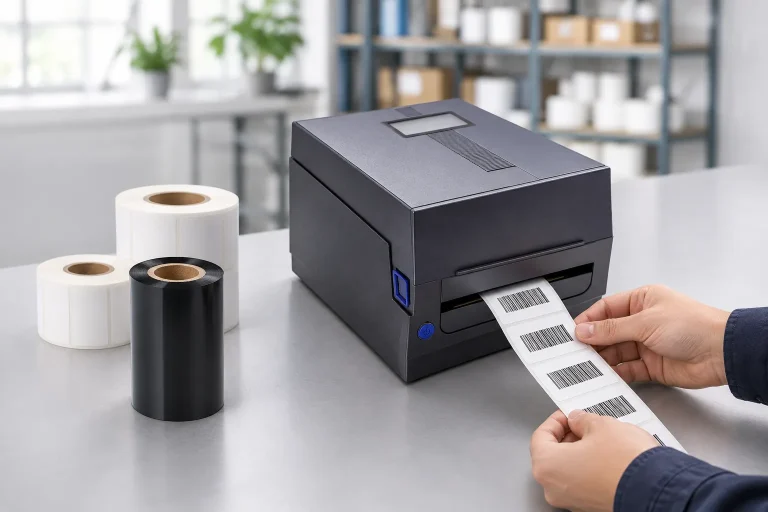
High-speed packaging lines leave little room for print variation. If ink transfer is unstable, barcode edges may look soft, small text may break, and scanning performance may drop. Those issues do not stay small for long. In a busy shipping environment, even a minor inconsistency can lead to reprints, relabeling, and extra manual inspection.
Traceability is moving from visible labels to trustworthy labels
Customers now expect more than a label placed on a product or carton. They want information to remain readable through handling, storage, movement, and delivery. This matters even more in electronics, pharmaceuticals, food packaging, automotive parts, and chemical applications, where label quality supports compliance, workflow control, and customer confidence.

What businesses gain when they choose the right thermal transfer ribbon
Smart sourcing decisions go beyond the roll price. Mature operations look at print stability, downtime risk, and after-sales cost together. A cheaper ribbon that creates more print problems often becomes the more expensive option over time.
Clearer output reduces scanning and identification problems
A high-quality thermal transfer ribbon supports better ink transfer at the right energy level. That helps text stay sharp, barcodes scan more easily, and small variable data remain readable. This is especially important for companies that print serial numbers, lot codes, and dense product information.
When first-pass print quality improves, teams spend less time adjusting settings and reprinting labels. Warehouse scanning becomes smoother. Shipping checks move faster. Customers also receive labels that are easier to read. The improvement may seem simple, but it has a direct effect on daily operating efficiency.
Better adhesion and abrasion resistance lower rework risk
Many label failures appear after printing, not during it. A label may look good at the printer, then fade during stacking, handling, or transportation. In other cases, poor ribbon and substrate matching can weaken durability from the start.
The right wax, wax-resin, or resin ribbon can deliver stronger performance for different materials and conditions. When businesses match ribbon type to paper labels, synthetic labels, PET surfaces, tags, or specialty media, they reduce the risk of label failure later in the process.
Stable printer compatibility supports continuous production
Thermal transfer printing depends on the interaction between printer, ribbon, label stock, and settings. If the ribbon has poor winding quality, uneven coating, or unstable tension, it can cause ribbon breaks, wrinkling, dirty printheads, and unnecessary wear.
A stable ribbon product usually offers stronger consistency in coating, backcoat performance, and roll quality. That helps printers run longer with fewer interruptions. For operations that print large volumes every day, even one avoided stop can improve delivery confidence.
How to choose a better ribbon solution for real applications
The most effective choice is not always the highest-grade ribbon. The best choice is the one that fits the real application. Different environments demand different levels of durability, sharpness, and resistance.
Start with the use case, then match the ribbon type
For standard logistics labels, warehouse labels, and carton marking, a strong wax or wax-resin ribbon is often enough. If the label must resist alcohol, abrasion, heat, or long-term storage, a more durable wax-resin or resin option may be a better fit.
Instead of asking only which product is cheapest or strongest, buyers should ask where the label will be used, how long it must last, what it will touch, and what type of wear it may face. Those answers lead to better selection decisions.
Test with the printer, substrate, and workflow in mind
The same ribbon can perform differently across printer models, print speeds, and label materials. That is why a small application-based test is important before full rollout. The test should check more than the first printed label. It should look at continuous print stability, scan readability, edge definition, and rubbing resistance.
A reliable supplier should help customers compare options based on actual use conditions rather than pushing one generic model. Colorful, as a thermal transfer ribbon supplier, can support customers with product suggestions that fit different label materials and industry needs, making long-term performance easier to achieve.

Why a stable ribbon can reduce total cost
Some companies still treat cost control as a simple price comparison. In reality, the larger cost often comes from failed prints, relabeling, line interruptions, and workflow delays. A low purchase price can hide a higher operational cost.
Hidden costs often outweigh the ribbon price itself
If operators need to adjust printers too often, or if labels need to be replaced after handling, the business loses more than material. It also loses time, labor, and shipping rhythm. In peak outbound periods, a small print issue can affect a much larger batch.
Stable output creates a more sustainable path to savings
When businesses shift from purchase price thinking to process cost thinking, the value becomes clearer. Better print flow, fewer stoppages, and more durable labels can lower overall operating cost. That kind of saving is often more meaningful than choosing the lowest-priced roll.

Thermal transfer ribbon is becoming an efficiency tool, not just a consumable
As supply chains move faster, label systems need to become more dependable. Future competition is not only about delivering products. It is also about delivering accurate information at the right speed. Thermal transfer ribbon may look like a small part of the process, but it has a direct effect on whether that information flows well.
For businesses that want clearer labels, lower error rates, and smoother shipping performance, reviewing the ribbon strategy is no longer optional. It is a practical step toward stronger daily execution.
Stronger labels support a stronger supply chain
A readable label connects production, storage, shipping, and customer service. The more a business values traceability and efficiency, the more it needs reliable print output. That is where the real value of thermal transfer ribbon becomes visible.

Key Takeaways
- Improve label clarity and barcode scanning with thermal transfer ribbon.
- Ensure durable, reliable printing for logistics.
Related Products & Guides
- Fully resin-based ribbon
- Universal thermal transfer ribbon suitable for all labelling applications
- Colour Ribbon – Silver
- Thermal Transfer Ribbon Supplier in France: A Factory-Grade Buying Guide
- Thermal Transfer Ribbon Supplier in Brazil: A Factory Buyer's Guide
Related Products & Guides
- High-grade wax resin thermal transfer ribbon
- Silver Thermal Transfer Colour Washable Resin Printer Ribbon
- How Thermal Transfer Ribbon Helps Brands Build More Reliable Labels in Fast-Moving Industries
- Smart Manufacturing
Explore
How to Choose a Thermal Printing Ribbon: A Practical Buyer’s Guide
Choose a thermal printing ribbon by matching its ink type to your label material, printer…
Read article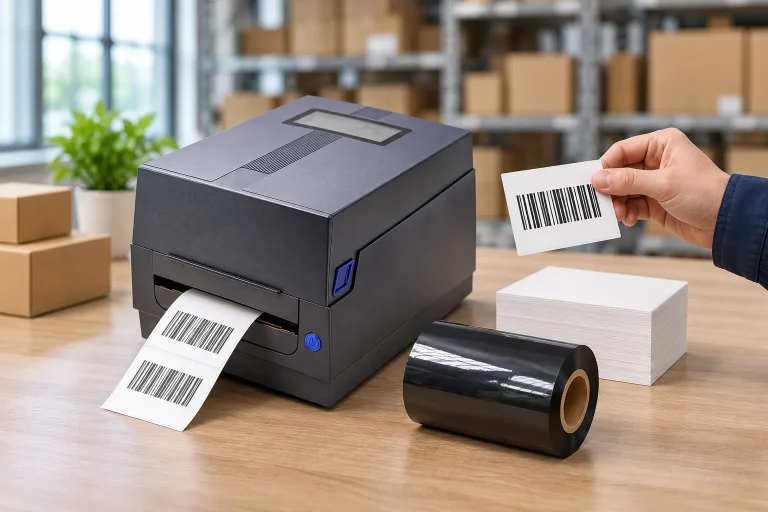
Thermotransfer-Bänder: How to Choose Wax, Wax-Resin or Resin Ribbon
Pick thermal transfer ribbon by label stock and exposure: wax for paper, wax-resin for…
Read article
Choosing a Thermal Transfer Ribbon Manufacturer: Buyer Criteria
Compare ribbon suppliers by printer compatibility, label stock, product range and sample…
Read articleRecommended products for this industry
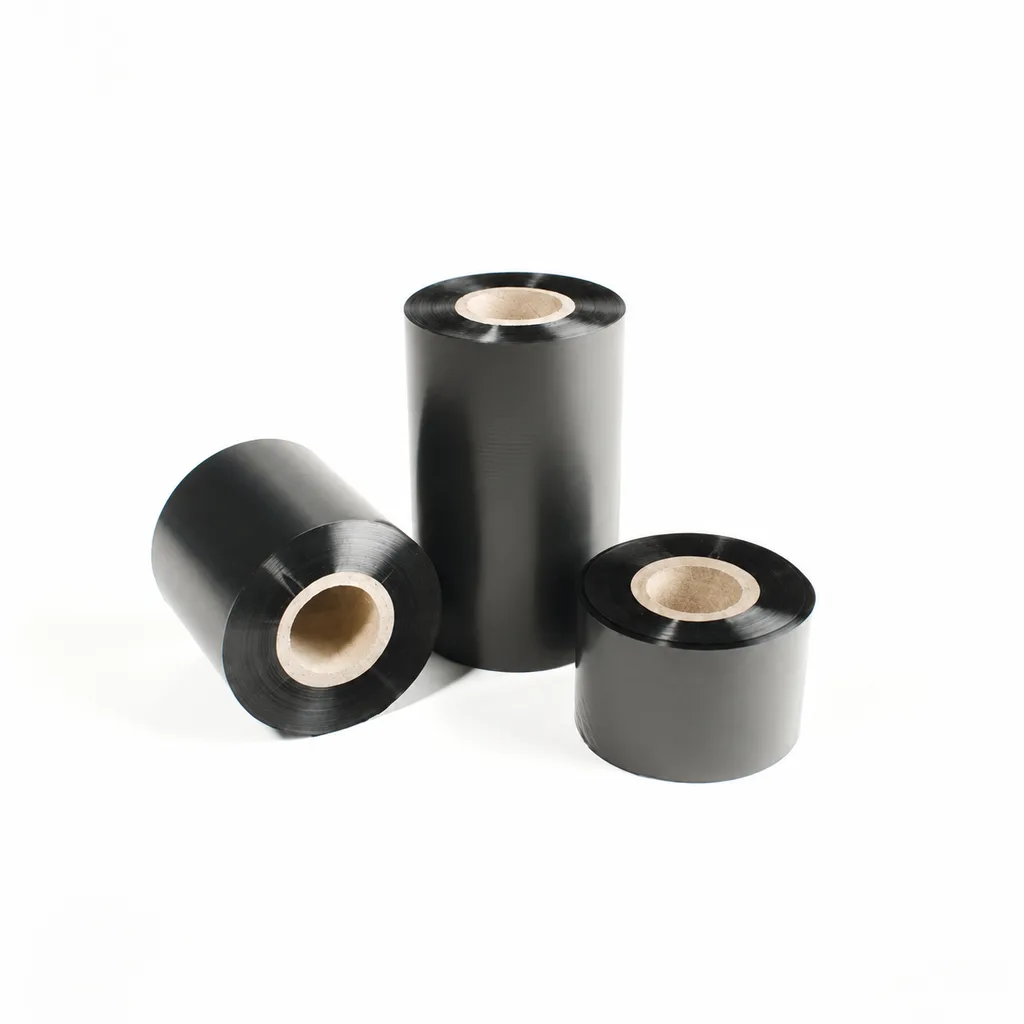
CL-Z112 Enhanced Wax Thermal Transfer Ribbon for Paper Labels and Tags
An enhanced wax thermal transfer ribbon with black ink for paper labels and tags used in retail, warehousing and logistics. It is specified for flat-head printing on desktop or industrial barcode printers at ≤8 inches per second (ips). Select it by checking the actual label material, printer configuration and handling conditions: image-quality, rub-resistance and cold-chamber results were obtained on coated paper, and print quality and image durability may vary with the printer and print medium.
View details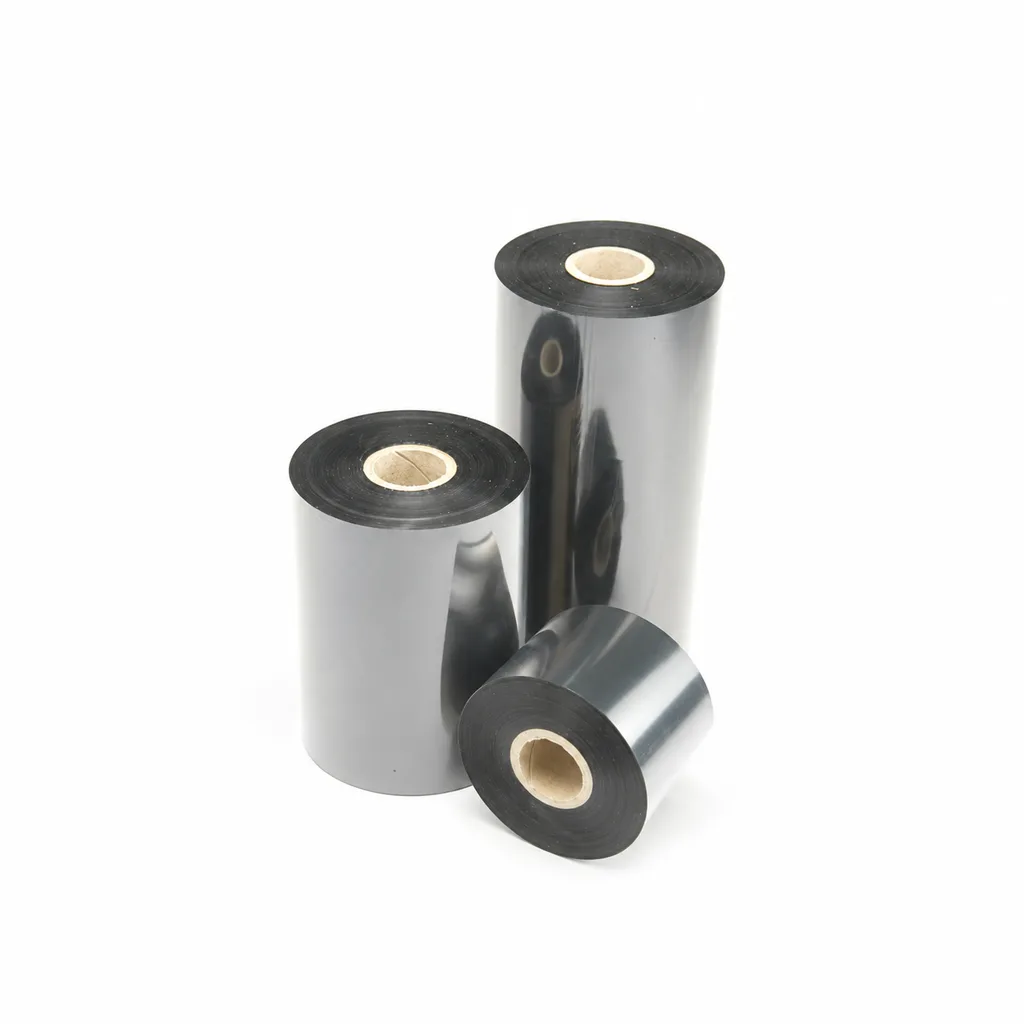
CL-Z203 Wax-Resin Thermal Transfer Ribbon for Barcode Labels
A black wax-resin thermal transfer ribbon for flat-head printing, with listed applications including retail, warehousing, logistics and garment tags. Select it against your actual label material and desktop or industrial barcode printer at speeds ≤6 ips (inches per second). Fine-line, small-text and durability results were obtained on coated paper; print quality and image durability may vary with the printer and printing substrate.
View details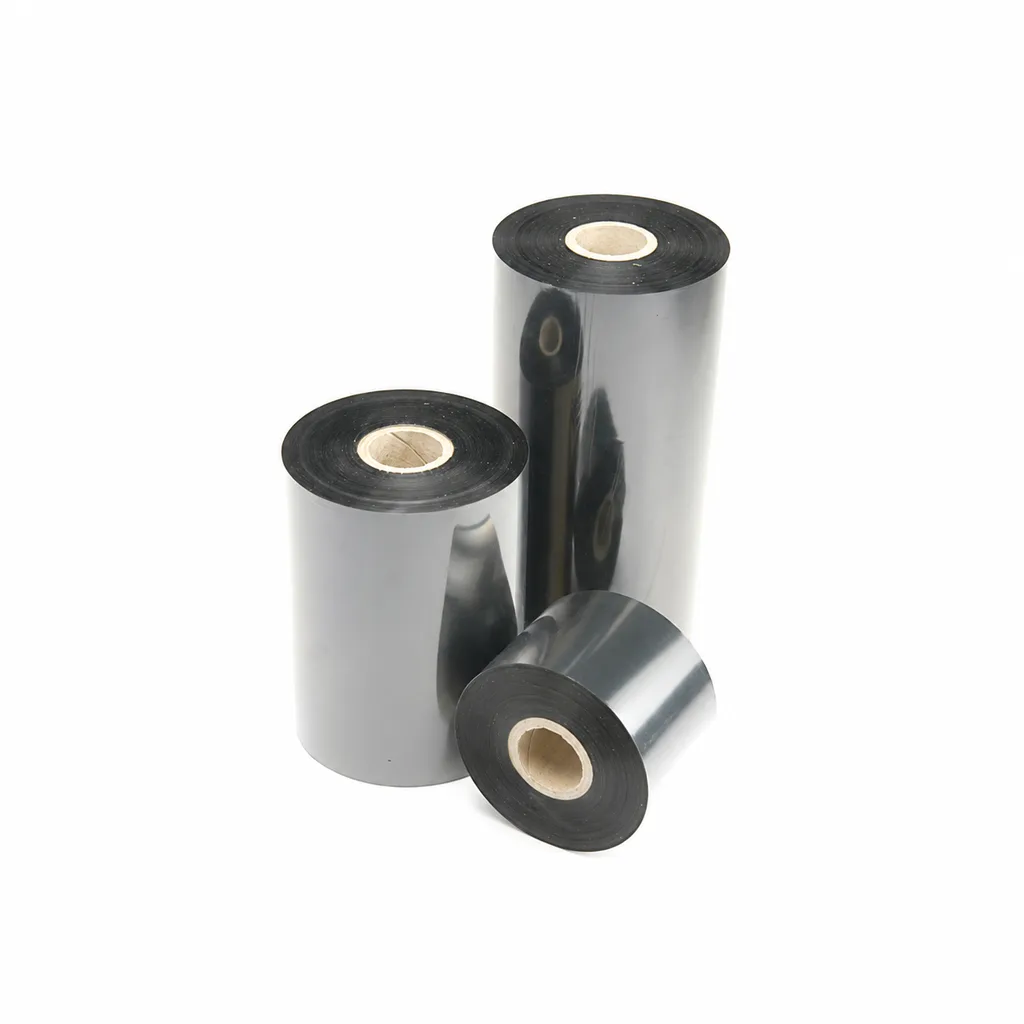
CL-Z213 Near-Edge Wax-Resin Thermal Transfer Ribbon for Barcode Labels
An enhanced black near-edge wax-resin thermal transfer ribbon for near-edge barcode printers and low- to medium-speed thermal transfer overprinting (TTO). Listed applications include retail labels, warehousing, garment tags and packaging identification. Match the printer, actual print medium and operating speed before selection: print quality and image durability can vary with the printer and substrate.
View detailsNeed the right ribbon for your label application?
Share the label material, printer and operating environment. Our team will recommend a tested combination.
