
How Heat-Resistant Thermal Transfer Ribbon Helps Chemical and Industrial Labels Stay Readable

- Original TTR manufacturer since 2013
- Automated coating and slitting
- IQC / IPQC / OQC control
- ANSI barcode grade testing
- -20°C to 120°C environmental testing
- Batch-level traceability
- ANSI barcode grade
- Batch traceability
- RoHS / REACH compliance
- SGS and MSDS documents on request
How Heat-Resistant Thermal Transfer Ribbon Helps Chemical and Industrial Labels Stay Readable
Key Takeaways
- Discover how heat-resistant TTR keeps industrial labels readable under heat, friction, and harsh conditions.
Why heat exposure creates label problems long before failure becomes visible
Many industrial labels look acceptable when they leave the printer. Trouble starts later. Drums, pails, intermediate bulk containers, metal parts, and wrapped components often move through hot workshops, enclosed warehouses, loading yards, and export channels where temperatures rise and fall through the day. In those conditions, a weak print image can soften, blur, or lose edge definition even before the label appears damaged to the eye. Operators may still see black text, yet scanners begin missing codes, batch numbers become harder to confirm, and traceability slows down at exactly the moment speed matters most.
This gap between visual appearance and actual readability is why heat resistance matters. Labels used near production lines, thermal processing areas, sun-exposed storage zones, or fast-moving outbound operations must keep their information sharp after handling and temperature stress. A ribbon that performs well only in a mild office test does not solve the real problem. Industrial users need a print image that stays stable when the label faces friction, packing pressure, and intermittent heat. That is where a better matched thermal transfer ribbon can make a clear difference.

Where heat-resistant TTR brings the most value
Heat-resistant ribbon solutions are especially useful in sectors where labels must survive more than one touchpoint. Chemical packaging is an obvious example. A drum label may be printed in one area, staged in another, wrapped for transport, then scanned several times before it reaches the customer. If the image loses density or definition during those steps, the risk is not limited to aesthetics. Safety information, lot numbers, and shipment codes all become harder to verify.
Industrial manufacturing faces a similar challenge. Components often leave the line with identification labels that remain attached through internal movement, storage, and shipping. Some parts sit near elevated ambient temperatures. Others travel in cartons that trap heat after sealing. Outdoor staging can add another layer of stress. In each case, the printed surface needs to resist both temperature influence and daily handling. When the ribbon and label material are well paired, the result is a cleaner image with stronger durability across the full process.
High temperature is rarely the only issue
Buyers sometimes ask for a ribbon that can handle heat, but heat usually arrives with other pressures. Labels may face rubbing during stacking, compression from stretch wrap, dust from warehouse movement, and repeated scanning at checkpoints. That means the right solution should not chase one laboratory number in isolation. It should deliver balanced performance, including image density, edge clarity, adhesion, and resistance to wear. A ribbon that solves temperature exposure while sacrificing print sharpness can still create downstream inefficiency.

How better ribbon selection improves traceability and operational speed
Traceability depends on readable data. That sounds simple, but many businesses still treat ribbon purchasing as a basic consumables decision. They compare roll cost and overlook the cost of uncertainty. Once labels begin failing in hot or demanding environments, teams pay in other ways. Warehouse staff pause to re-scan. Shipping teams verify numbers by eye. Quality teams spend extra time confirming lots. Customer service may even need to clarify labeling issues after delivery. None of these delays appear on the ribbon invoice, yet all of them affect margin and customer confidence.
A more heat-stable thermal transfer ribbon helps reduce that friction. Sharp print improves first-pass scanning. Stronger image retention keeps codes readable after storage and transport. Consistent output also makes it easier to standardize print settings across shifts and product groups. Instead of adjusting printers every time conditions change, teams can work from a more reliable baseline. That kind of predictability is valuable for chemical suppliers, industrial exporters, private label manufacturers, and contract packers that handle many SKUs each day.
Reliable labels support compliance as well as efficiency
In regulated or semi-regulated sectors, label clarity supports more than warehouse speed. It also supports process control. Safety marks, product identifiers, production dates, and batch references need to stay legible for internal checks and external delivery. When print durability is weak, teams often create manual workarounds. They print duplicates, add handwritten notes, or re-label goods before dispatch. Those workarounds consume labor and increase inconsistency. A better ribbon choice helps remove that noise from the workflow.

What buyers should evaluate before choosing a ribbon
The most useful starting point is not the ribbon catalog. It is the real application. Buyers should review label facestock, surface coating, printer model, print speed, required darkness, storage temperature, and handling intensity. Paper labels, synthetic labels, PET labels, and coated films do not respond in the same way. A ribbon that looks fine on one substrate may underperform on another. Testing should include not only immediate print quality but also rub resistance, code readability, and appearance after exposure to heat and normal logistics movement.
It is also wise to judge performance across a production run instead of a single sample. Some ribbons print one excellent label in a controlled test, then show inconsistency after longer operation. Industrial users usually care more about stability than isolated peak output. They need thousands of labels to look dependable, not a handful of perfect test pieces.
Matching the ribbon to the substrate often prevents expensive rework
When ribbon selection aligns with the label material and the environment, the benefits spread across the whole packaging flow. Printheads run with fewer surprises. Operators spend less time making adjustments. Re-labeling becomes less common. Shipment accuracy improves because codes remain readable at each checkpoint. That is why a good ribbon decision often supports both quality assurance and cost control.

How Colorful supports demanding TTR applications
Colorful focuses on thermal transfer ribbon solutions for labeling environments where clarity and durability both matter. For buyers working with chemical packaging, industrial identification, export cartons, or other heat-sensitive labeling tasks, the goal is not simply to print darker text. The goal is to keep information readable through real handling and real movement. That usually requires a practical match between ribbon formulation, label material, and operating conditions.
A strong TTR choice helps businesses protect traceability, reduce avoidable relabeling, and present a more professional supply chain image to customers. In competitive industrial markets, that kind of stability is not a minor upgrade. It is a practical way to make daily operations smoother and more dependable.
Explore
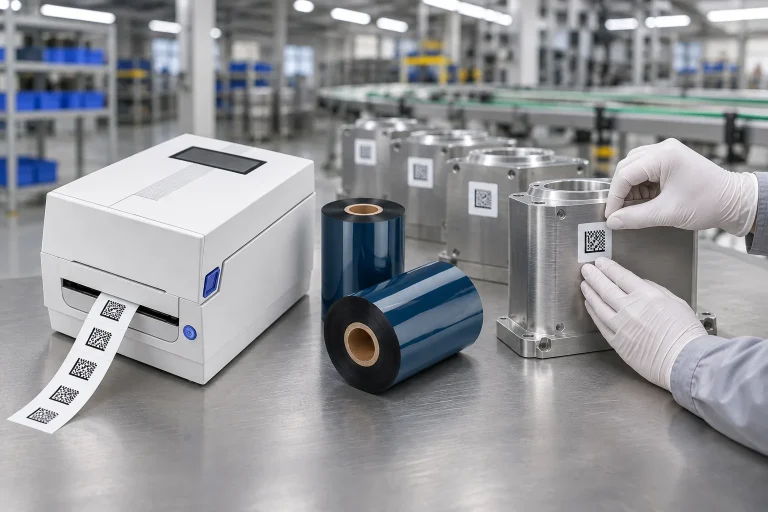
Industrial Serial Number Marking: Definition, Methods and How It Differs From Batch Coding
Industrial serial number marking puts a unique per-unit ID on each product by label…
Read article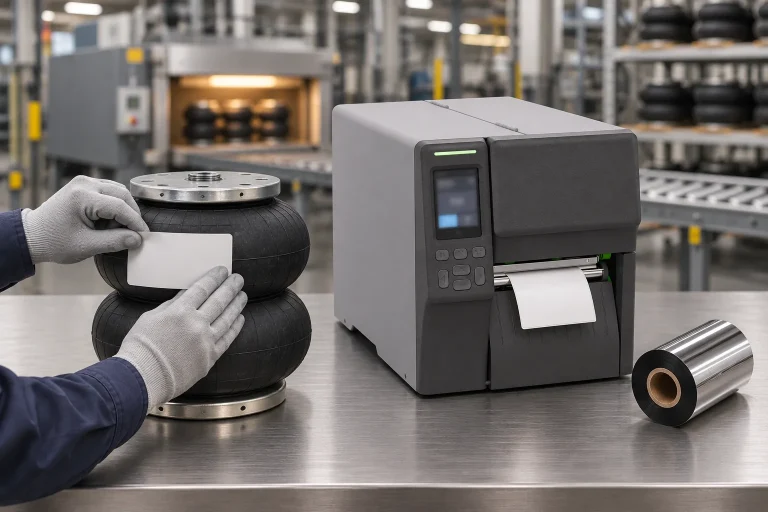
How to Choose Vulcanized Air Spring Labels for Your Production Line
Choose air spring labels by cure timing, actual finished-part substrate, location, and…
Read article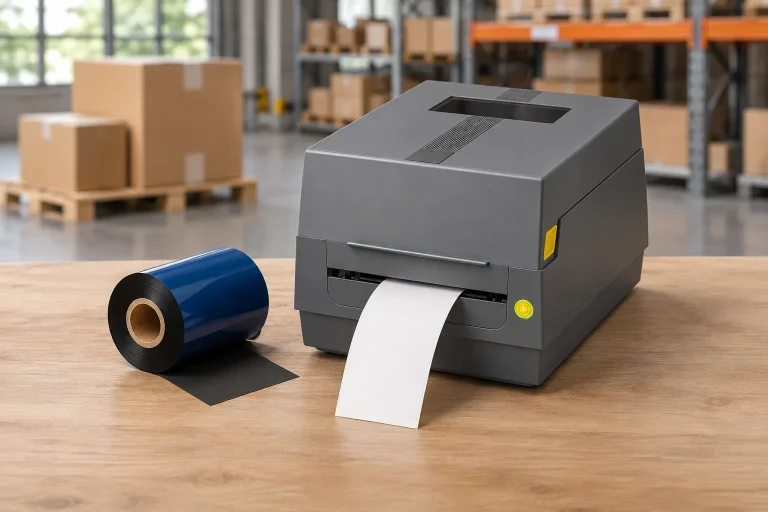
Wax Thermal Transfer Ribbon: A Practical Selection Guide
Choose wax thermal transfer ribbon for paper labels and light-duty use. Match the grade…
Read articleRecommended products for this industry
Chemical Corrosion Resistant Asset Tag
Long-life asset tag for laboratory and industrial assets exposed to corrosive chemicals…
View details
Chemical Solvent Resistant Label
Polyester label engineered to keep barcodes readable after exposure to aggressive…
View details
Chemical Solvent Resistant Polyester Label
Coated polyester label for thermal transfer identification that remains readable after…
View detailsNeed the right ribbon for your label application?
Share the label material, printer and operating environment. Our team will recommend a tested combination.
