
How Wax-Resin TTR Helps Retail and E-Commerce Labels Stay Clear Through Fulfillment

- Original TTR manufacturer since 2013
- Automated coating and slitting
- IQC / IPQC / OQC control
- ANSI barcode grade testing
- -20°C to 120°C environmental testing
- Batch-level traceability
- ANSI barcode grade
- Batch traceability
- RoHS / REACH compliance
- SGS and MSDS documents on request
How Wax-Resin TTR Helps Retail and E-Commerce Labels Stay Clear Through Fulfillment
Retail and e-commerce operations rely on labels that move fast and stay readable. A package label may be printed in seconds, but it still needs to survive sorting, packing, transport, shelf handling, and customer delivery. If barcodes smear or text turns light, scanning slows down and order accuracy suffers. That is why many growing brands are rethinking ribbon choice instead of treating it as a minor consumable.
Wax-resin thermal transfer ribbon offers a practical balance between print clarity, durability, and cost control. It often performs better than basic wax solutions when labels face friction, while remaining more flexible than full resin options for many packaging tasks. For businesses that ship high volumes every day, that balance can make a real difference.

Key Takeaways
- Discover how wax-resin TTR improves label durability, print clarity, and barcode scanning in retail and e-commerce logistics.
Why fulfillment labels face more stress than many buyers expect
A shipping label may look simple, but its working conditions are not. Parcels slide across conveyors, rub against cartons, and pass through many hands before they reach the final destination. At the same time, labels need to remain easy to scan at packing stations, transfer hubs, and delivery points. Weak print layers often fail under this kind of repeated contact.
Frequent handling increases the risk of print damage
Order labels are touched, stacked, sorted, and moved throughout the fulfillment cycle. That constant handling can reduce print quality fast if the ribbon does not bond well with the label stock. Wax-resin TTR usually offers stronger resistance to scratching and rubbing, which helps keep barcode edges cleaner during movement.
Clear scanning supports faster warehouse flow
When a scanner reads a label on the first pass, the whole process moves better. Once scan confidence drops, teams lose time on repositioning, rescanning, and manual checks. Strong print contrast and stable image quality help avoid those delays, especially during peak sales periods when speed matters most.
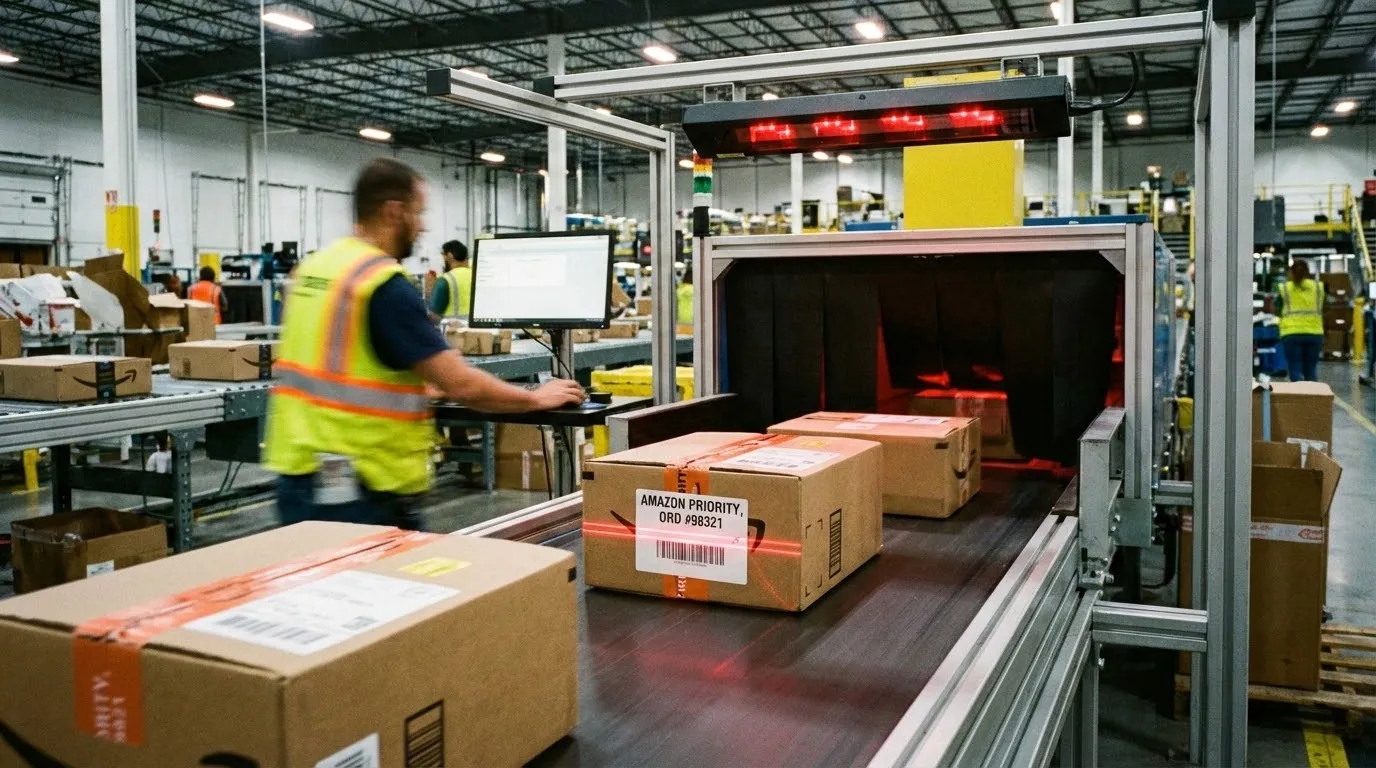
How wax-resin ribbon supports better packaging identification
Packaging labels do more than carry a tracking code. They often include SKU data, destination details, return routing, and internal references. Every field needs to remain readable across the full journey. A more durable ribbon helps protect that information and supports smoother communication between printed labels and digital systems.
Better adhesion improves label reliability
Many e-commerce and retail labels use coated paper or synthetic materials that need dependable ribbon transfer. When ribbon chemistry matches the label surface well, the result is a darker print, cleaner edges, and less smearing. That leads to stronger label reliability without forcing teams into overcomplicated setups.
Stable print quality helps reduce hidden costs
Low ribbon prices can look attractive at first, but reprints, delays, and packing errors cost much more over time. A stable wax-resin solution can lower those hidden losses by reducing scan failures and relabeling work. For fulfillment teams, that means smoother daily output and fewer avoidable disruptions.

What to check before selecting a wax-resin TTR
The best ribbon choice depends on label material, printer settings, output speed, and the level of wear the label will face. Good selection starts with real application testing, not with assumptions based on product category alone. Buyers should focus on how the ribbon performs under actual working conditions.
Match the ribbon to label stock and usage
Coated paper, synthetic labels, and glossy surfaces do not behave the same way during printing. A ribbon that works well for one packaging workflow may underperform in another. Testing with the actual label stock helps confirm adhesion, darkness, and resistance before volume rollout.
Evaluate consistency during continuous printing
A strong sample label is useful, but production conditions matter more. Teams should also review print consistency during long runs because fulfillment lines do not stop after one label. Consistent ribbon performance at speed helps maintain order accuracy and supports cleaner printer operation.

Conclusion
Wax-resin TTR gives retail and e-commerce businesses a reliable way to improve packaging label durability without losing operational flexibility. It supports clearer scanning, stronger print stability, and lower rework pressure across busy fulfillment workflows. In a market where speed and accuracy matter every day, that kind of consistency creates direct value.
Colorful focuses on thermal transfer ribbon solutions that help brands print with better clarity, durability, and application fit. When ribbon performance matches the fulfillment environment, packaging identification becomes smoother and more dependable.
Explore
Industrial Serial Number Marking: Definition, Methods and How It Differs From Batch Coding
Industrial serial number marking puts a unique per-unit ID on each product by label…
Read article
How to Choose Vulcanized Air Spring Labels for Your Production Line
Choose air spring labels by cure timing, actual finished-part substrate, location, and…
Read article
Wax Thermal Transfer Ribbon: A Practical Selection Guide
Choose wax thermal transfer ribbon for paper labels and light-duty use. Match the grade…
Read articleRecommended products for this industry
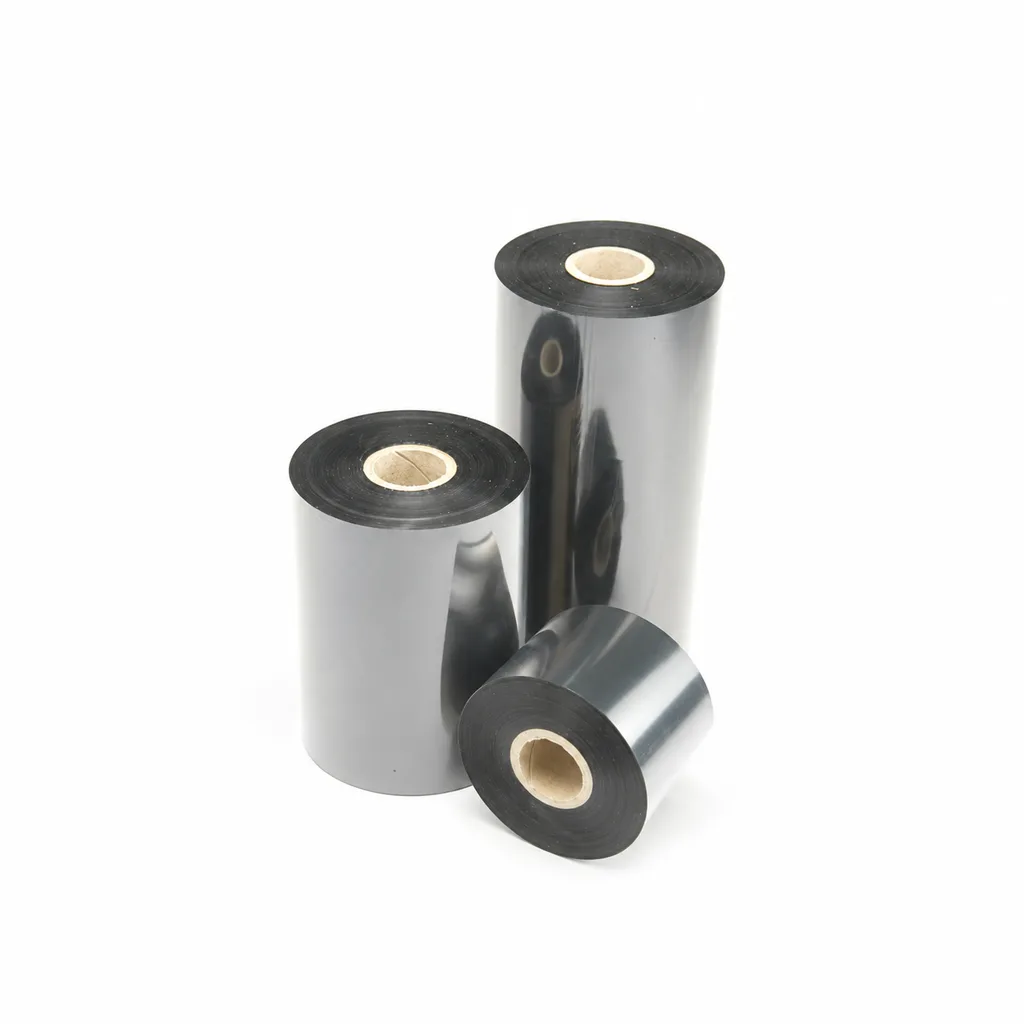
CL-Z203 Wax-Resin Thermal Transfer Ribbon for Barcode Labels
A black wax-resin thermal transfer ribbon for flat-head printing, with listed applications including retail, warehousing, logistics and garment tags. Select it against your actual label material and desktop or industrial barcode printer at speeds ≤6 ips (inches per second). Fine-line, small-text and durability results were obtained on coated paper; print quality and image durability may vary with the printer and printing substrate.
View details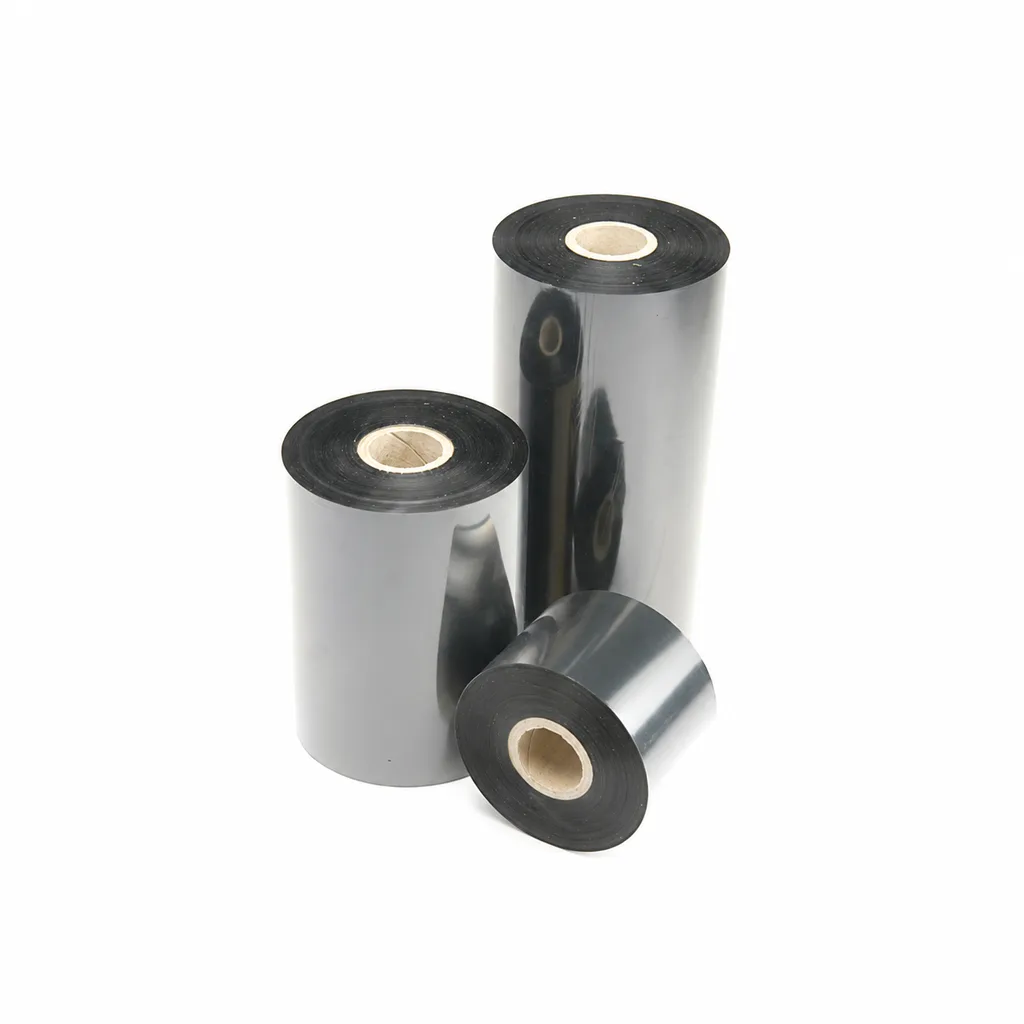
CL-Z213 Near-Edge Wax-Resin Thermal Transfer Ribbon for Barcode Labels
An enhanced black near-edge wax-resin thermal transfer ribbon for near-edge barcode printers and low- to medium-speed thermal transfer overprinting (TTO). Listed applications include retail labels, warehousing, garment tags and packaging identification. Match the printer, actual print medium and operating speed before selection: print quality and image durability can vary with the printer and substrate.
View details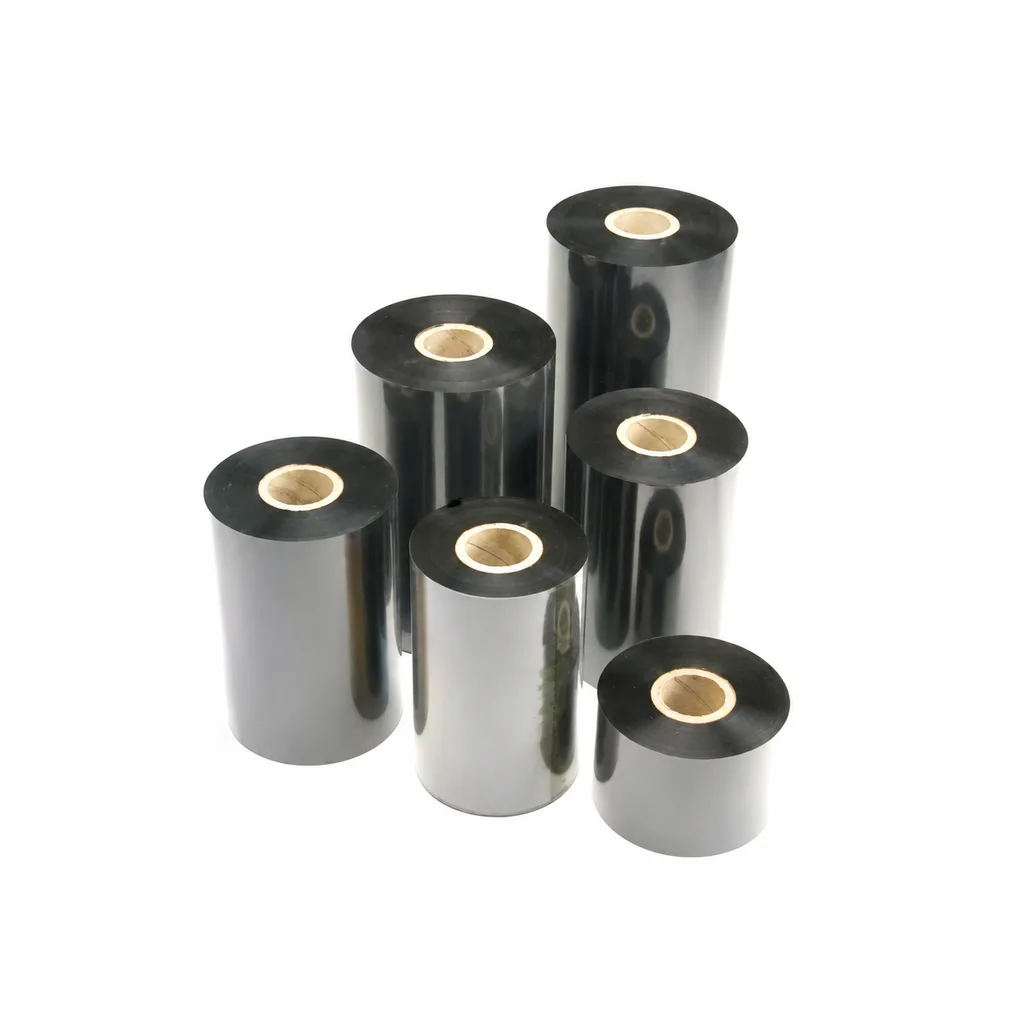
CL-Z308 Resin Thermal Transfer Ribbon for Film and Paper Labels
A black resin thermal transfer ribbon for printing film and paper labels with flat-head printers. Listed applications include retail labels, warehousing, logistics transport, garment hang tags and food packaging. The recommended printing speed is ≤8 inches per second (IPS). Select it by printer type and actual label material, and confirm the required ribbon width, length, core and ink-side orientation before ordering; these dimensions are not specified in the available product data.
View detailsNeed the right ribbon for your label application?
Share the label material, printer and operating environment. Our team will recommend a tested combination.
