
The Invisible Thread: Synergizing Thermal Transfer Technology with RFID for Intelligent Supply Chains

- Original TTR manufacturer since 2013
- Automated coating and slitting
- IQC / IPQC / OQC control
- ANSI barcode grade testing
- -20°C to 120°C environmental testing
- Batch-level traceability
- ANSI barcode grade
- Batch traceability
- RoHS / REACH compliance
- SGS and MSDS documents on request
Key Takeaways
- RFID thermal transfer ribbon ensures safe printing, anti-static protection, and high-definition labels for smart supply chains.
The Evolution of Global Traceability
The modern supply chain is a complex, globally interconnected web that demands unprecedented speed, accuracy, and transparency. The era of manual inventory counting and isolated data silos has passed, replaced by the relentless drive toward automation and real-time visibility. While traditional barcodes have served as the backbone of logistics for decades, the limitations of line-of-sight scanning are becoming apparent in high-volume, fast-paced environments. Enter Radio Frequency Identification (RFID) technology, which allows for the instantaneous capture of hundreds of items simultaneously without direct line of sight. However, a critical synergy is required for RFID to function optimally in the real world: the physical label must still carry human-readable information and traditional 2D barcodes as a fail-safe and for interoperability. This intersection is where advanced Thermal Transfer Ribbon (TTR) technology is playing a transformative, yet often unheralded, role.

Moving Beyond the Traditional Barcode
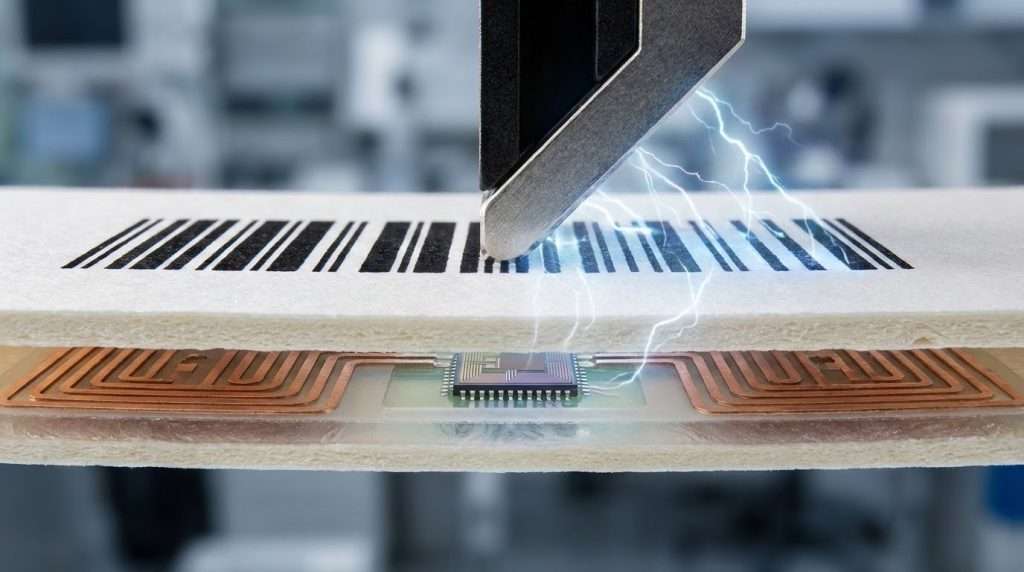
The marriage of RFID inlays with thermal transfer printing creates a smart label that offers the best of both worlds. But printing on an RFID tag is vastly different from printing on standard paper. The surface of an RFID label is often uneven due to the embedded microchip and antenna. Furthermore, the electronic components are highly sensitive to static electricity. Standard thermal printing processes can generate significant static discharge, which risks instantly destroying the RFID chip before the label even leaves the printer. Therefore, the TTR industry has had to innovate rapidly to develop ribbons specifically engineered to protect and complement RFID technology.
The Intersection of High-Definition Print and RFID Encoding
The technological solution lies in the development of specialized anti-static backings and uniquely formulated ink layers. Modern TTR designed for RFID applications utilizes advanced back-coating technologies that dissipate static electricity generated by the friction between the printhead and the ribbon. This crucial innovation acts as a microscopic shield, ensuring the delicate silicon chip beneath the label surface remains unharmed during the high-speed printing and encoding process.
Technical Synergy for Flawless Data Capture
Beyond static protection, the ink formulation itself must accommodate the physical topography of the RFID inlay. The resin or wax-resin blend must melt and flow perfectly to bridge the micro-gaps created by the chip’s bump, ensuring that the 1D or 2D barcode printed on the surface is absolutely flawless. Any void or missing dot caused by the uneven surface could render the barcode unscannable, defeating the purpose of the dual-technology label. Through precise rheological engineering, modern TTR achieves a high-definition, high-contrast print that guarantees 100% scan rates for both the RFID signal and the optical barcode, creating a robust, foolproof data capture node.
Transforming Healthcare and High-Value Logistics
This synergistic technology is fundamentally transforming sectors where item-level tracking is critical. In the healthcare and pharmaceutical industries, these smart labels track high-value, temperature-sensitive vaccines and medications. The RFID component allows a hospital pharmacy to instantly inventory a cold-storage unit, while the ultra-clear, TTR-printed barcode ensures a nurse can perform a final optical scan before administering the drug to a patient, ensuring absolute safety. In the luxury goods and retail sectors, this technology provides an impregnable defense against counterfeiting. The physical print provides brand authentication and pricing, while the encrypted RFID chip traces the item’s origin from the manufacturing floor to the boutique.

Real-Time Visibility and Anti-Counterfeiting
By ensuring that both the digital and physical data carriers are infallible, businesses achieve true, real-time supply chain visibility. Bottlenecks are identified instantly, inventory accuracy approaches 100%, and the infiltration of counterfeit products is systematically eradicated. The thermal transfer ribbon, in this context, is not merely an accessory; it is the vital medium that binds physical objects to the Internet of Things (IoT).
Empowering Smart Systems with Colorfulttr Solutions
Implementing these sophisticated smart labeling systems requires a TTR partner capable of intricate customization and uncompromised quality control. Shenzhen Colorful Technology Co., Ltd. (Colorfulttr) excels in this exact domain. As a thermal transfer ribbon manufacturer, we possess the comprehensive ecological chain—from material R&D to final product application—necessary to support advanced RFID integrations. Our specialized ribbons feature industry-leading anti-static properties and superior print definition, ensuring the protection and functionality of complex smart labels used in medical, logistics, and retail applications. Drawing on over ten years of deep industry experience, Colorfulttr offers highly flexible, customized solutions tailored to your specific printer hardware and RFID tag specifications. Driven by our philosophy of “establishing the brand with quality and winning the future with innovation,” we provide global clients with the stable, efficient, and intelligent ribbon solutions required to power the next generation of smart supply chains.
Explore
How to Choose a Thermal Printing Ribbon: A Practical Buyer’s Guide
Choose a thermal printing ribbon by matching its ink type to your label material, printer…
Read article
Thermotransfer-Bänder: How to Choose Wax, Wax-Resin or Resin Ribbon
Pick thermal transfer ribbon by label stock and exposure: wax for paper, wax-resin for…
Read article
Choosing a Thermal Transfer Ribbon Manufacturer: Buyer Criteria
Compare ribbon suppliers by printer compatibility, label stock, product range and sample…
Read articleRecommended products for this industry

Thermal Transfer Intelligent Coding Machine
This series of thermal transfer coders represents a cost-effective intelligent coding…
View details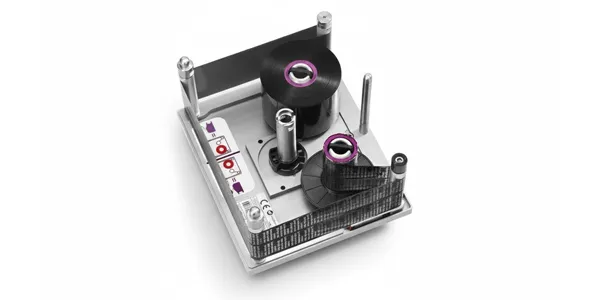
TTO Ribbon Printer High-Speed Customisation Model with Thermal Transfer Colour Ribbon
Highly durable TTO thermal transfer ribbons engineered for high-speed packaging lines…
View details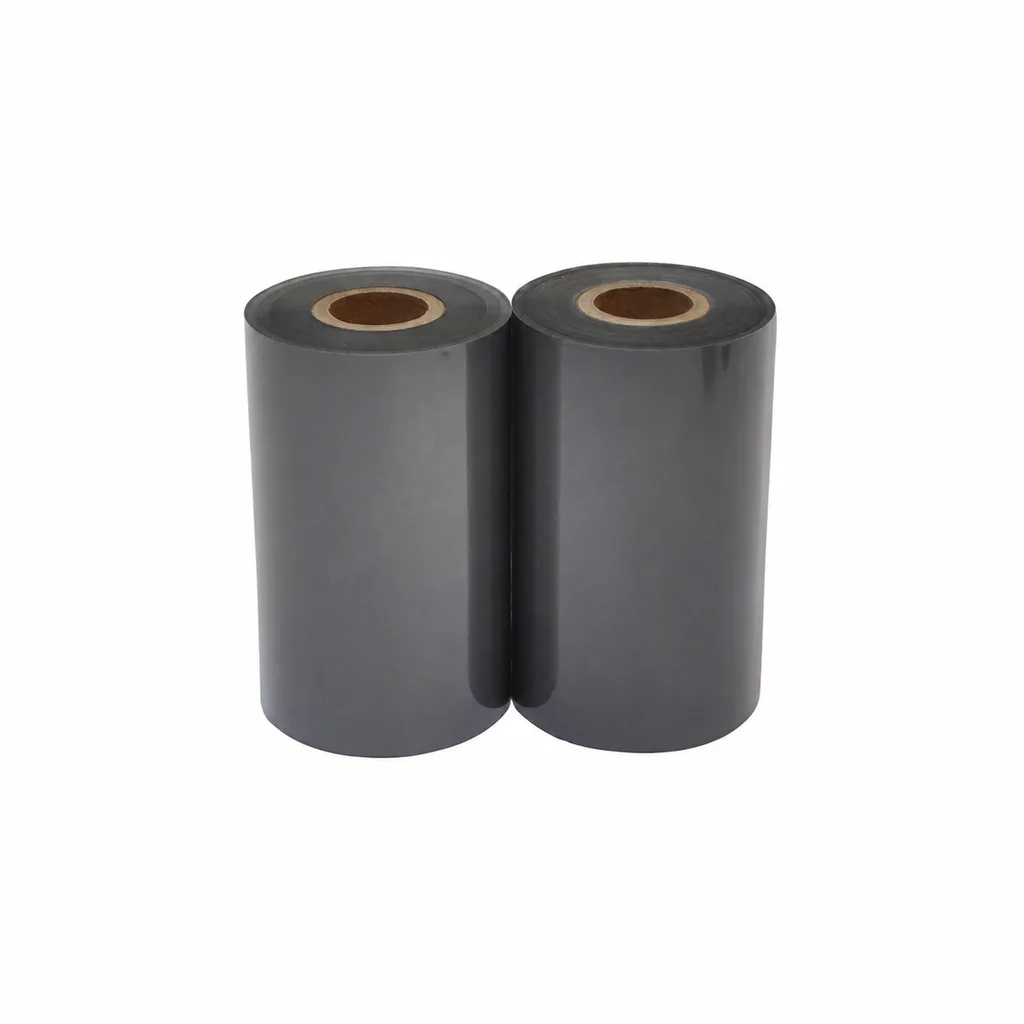
Black Resin Thermal Transfer Ribbon for Label Printing - CL-Z373
CL-Z373 is a black resin thermal transfer ribbon for label printing with desktop or industrial flat-head barcode printers at speeds of ≤6 ips (inches per second). Listed applications include electronics processing, tire identification, automotive manufacturing, pharmaceutical packaging, cosmetic labels and outdoor identification. Selection depends on the actual label material, printer and exposure conditions. Fine-line, small-character and resistance results were obtained on coated paper; print quality and image durability may vary with the printer and print substrate.
View detailsNeed the right ribbon for your label application?
Share the label material, printer and operating environment. Our team will recommend a tested combination.
