
Why Near Edge Thermal Transfer Ribbon Matters for High Speed Flexible Packaging Coding

- Original TTR manufacturer since 2013
- Automated coating and slitting
- IQC / IPQC / OQC control
- ANSI barcode grade testing
- -20°C to 120°C environmental testing
- Batch-level traceability
- ANSI barcode grade
- Batch traceability
- RoHS / REACH compliance
- SGS and MSDS documents on request
Key Takeaways
- Near edge thermal transfer ribbon ensures clear, durable codes on high-speed flexible packaging lines.
- It supports fast transfer, sharp characters, and strong adhesion across diverse films, reducing rework and downtime for manufacturers.
Fast packaging lines need coding that keeps up
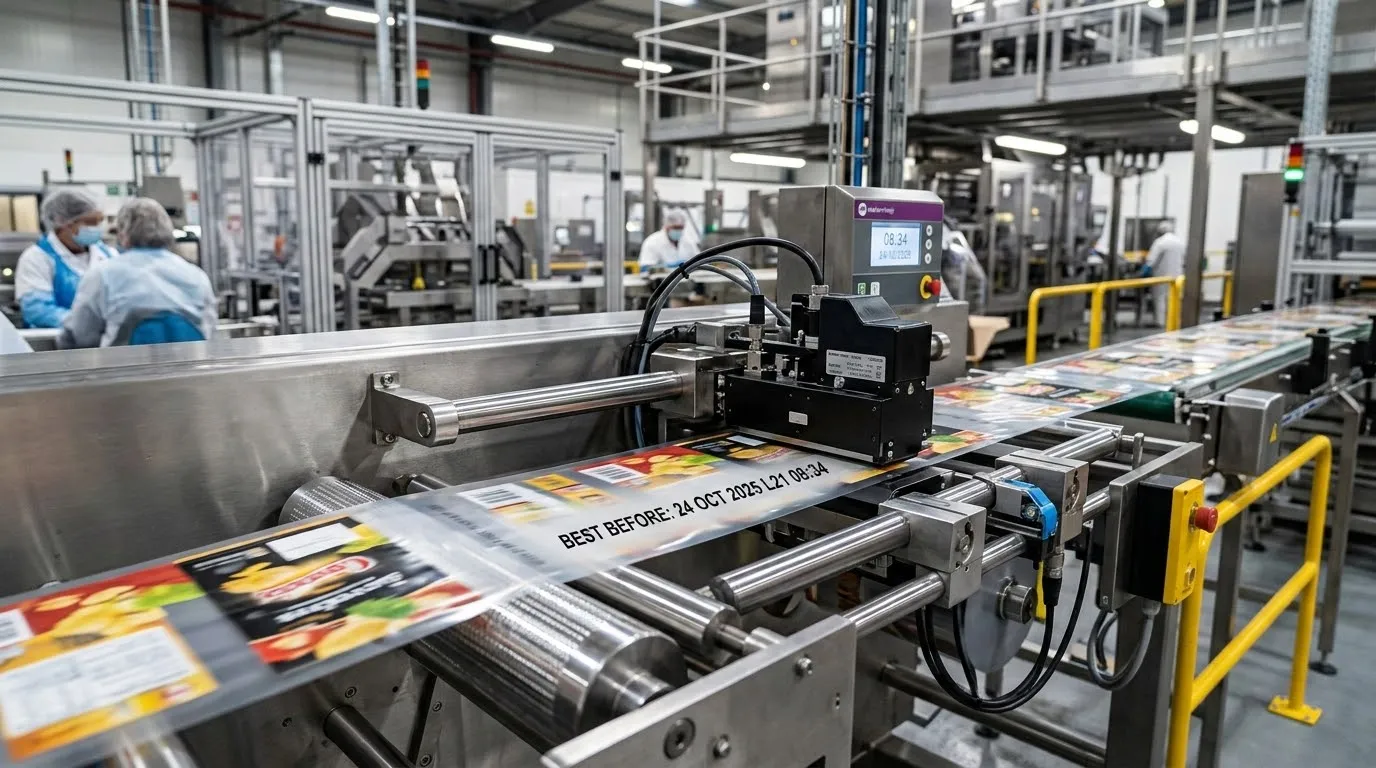
Flexible packaging lines move quickly, and the coding step has no room for hesitation. Brands need clear date codes, batch numbers, QR codes, and traceability data on pouches, films, and laminated materials without slowing production. When the print result is weak, the problem spreads fast. Operators pause the line, reject finished packs, and lose confidence in output consistency. That is why near edge thermal transfer ribbon has become a practical solution for manufacturers that need speed and print quality at the same time.
Unlike standard label printing applications, flexible packaging coding often happens on moving film. The substrate can vary by structure, coating, and surface energy. The coding area may be small, yet the information must remain crisp and readable. A ribbon that performs well in one simple application may struggle when the line runs faster, the print area gets tighter, or the packaging material changes.
Why near edge ribbon fits high speed packaging equipment
Near edge technology is designed for dynamic printing conditions. It supports fast image transfer and helps produce sharp characters on a wide range of packaging films. For companies running snack packaging, medical sachets, condiment packs, frozen food bags, or personal care pouches, that speed advantage matters every day. Clear codes reduce rework. Stable transfer improves uptime. Better consistency also makes quality inspection easier.
Clean transfer supports both readability and efficiency
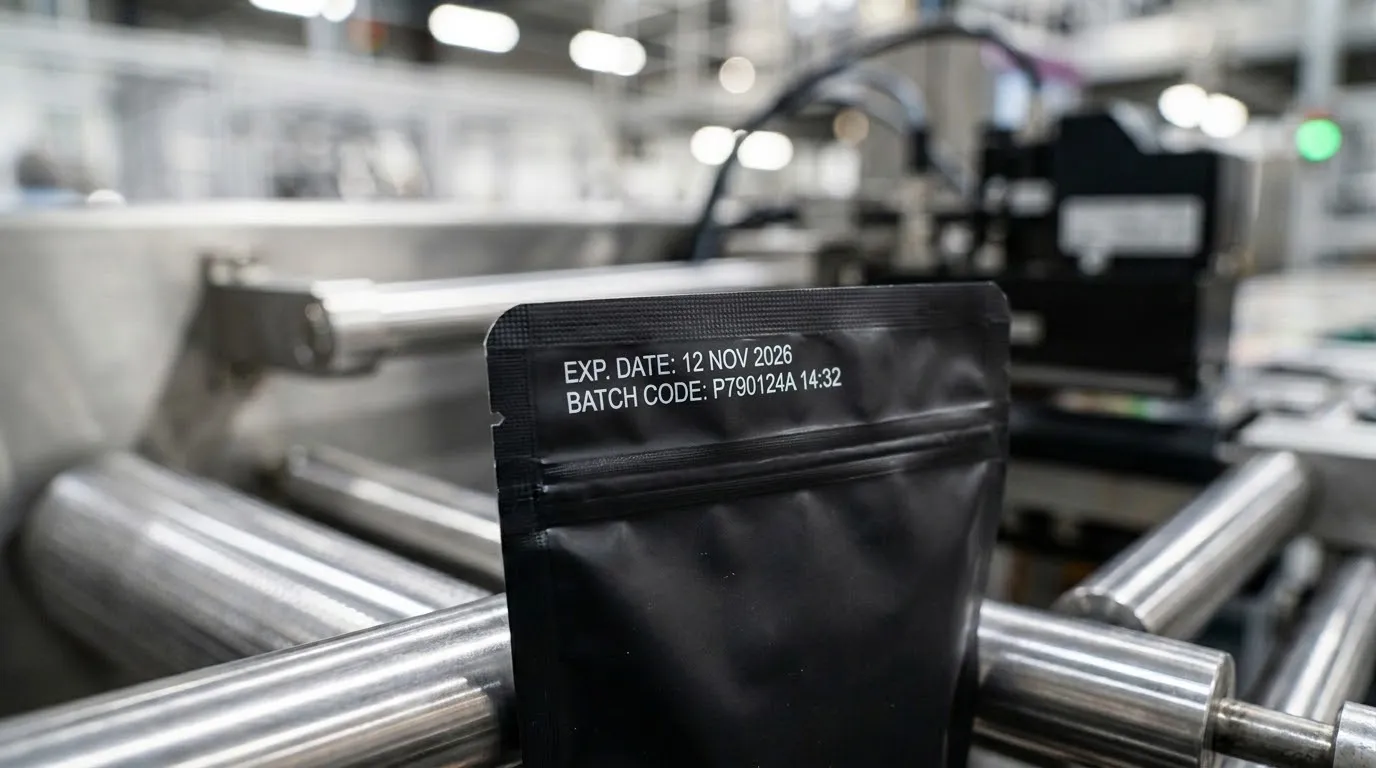
A strong near edge ribbon should release ink evenly and form solid, well defined marks at production speed. The result is not just better appearance. It also means scanners can read variable data more reliably, operators spend less time adjusting darkness, and quality teams face fewer complaints about broken or incomplete codes. In a lean production environment, those small improvements add up quickly.
The real challenge is not only speed but substrate diversity
Many packaging suppliers serve multiple product lines with different material structures. One week the job may use glossy film for snack products. The next week it may shift to multilayer packaging for frozen goods or chemical sachets. That variety creates pressure on the coding process. The ribbon must deliver strong adhesion and stable edge definition across changing surfaces.
Choosing ribbon only by price often leads to hidden costs later. A cheaper option may create more ribbon dust, uneven transfer, or poor resistance to rubbing during packing and shipment. Those issues do not always appear during a quick test. They show up after larger runs, when downtime and rejected packaging become much more expensive than the ribbon itself.
Resistance matters after printing, not only during printing
Packaging codes must survive handling, stacking, and transport. If the printed data scratches too easily, the traceability value falls apart. Manufacturers should look for a ribbon that supports clear transfer and dependable resistance on the target film structure. That balance is especially important for export packaging, automated warehousing, and products that move through long distribution chains.
How better ribbon selection strengthens packaging operations
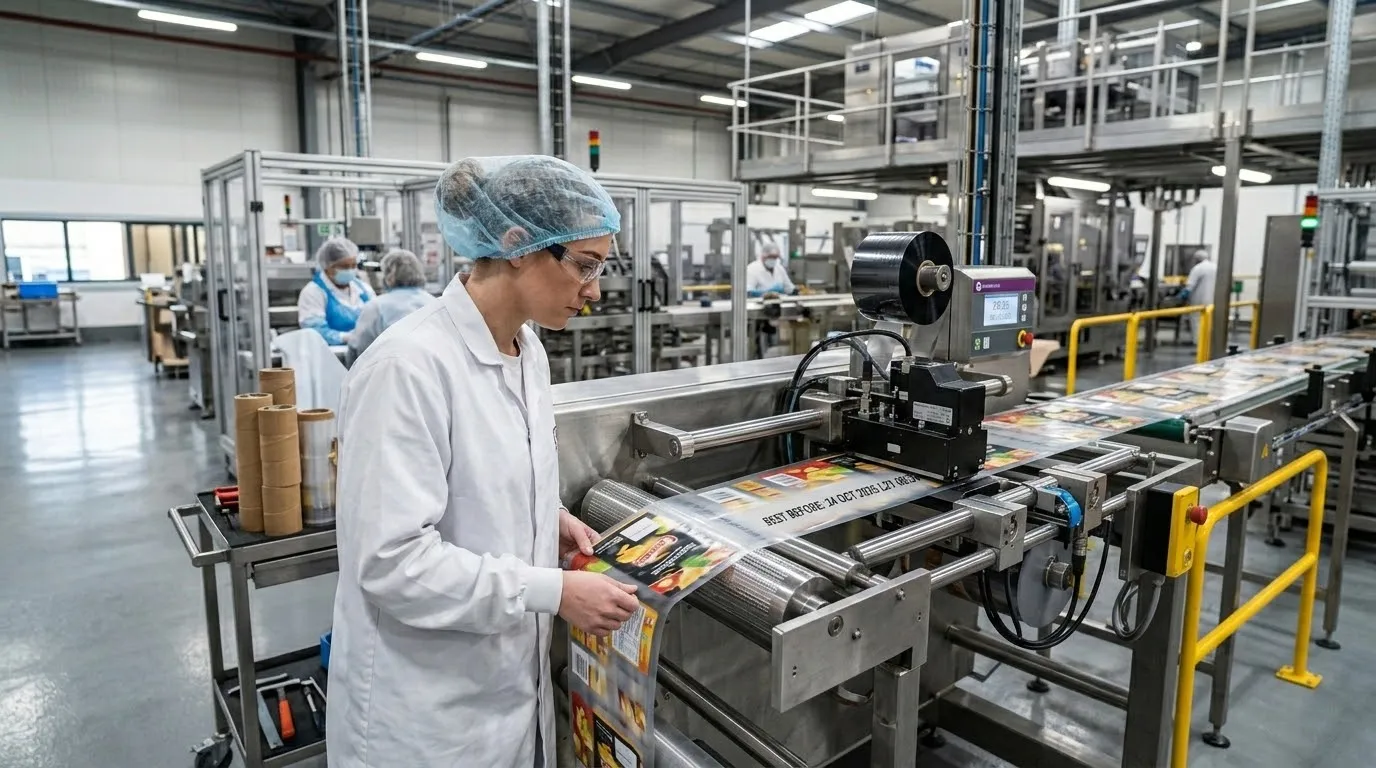
The right near edge thermal transfer ribbon can improve more than print quality. It supports faster changeovers, steadier production speed, and more predictable output across shifts. Procurement teams gain a clearer standard. Production teams spend less time troubleshooting. Brand owners protect readability on every pack that reaches the market.
This is where suppliers need to think beyond catalog claims. A reliable partner should understand film compatibility, printer settings, printhead conditions, and the customer coding objectives. Short term testing is useful, but real value comes from a ribbon solution that stays stable under day to day factory pressure.
Colorful supports practical TTR solutions for packaging manufacturers
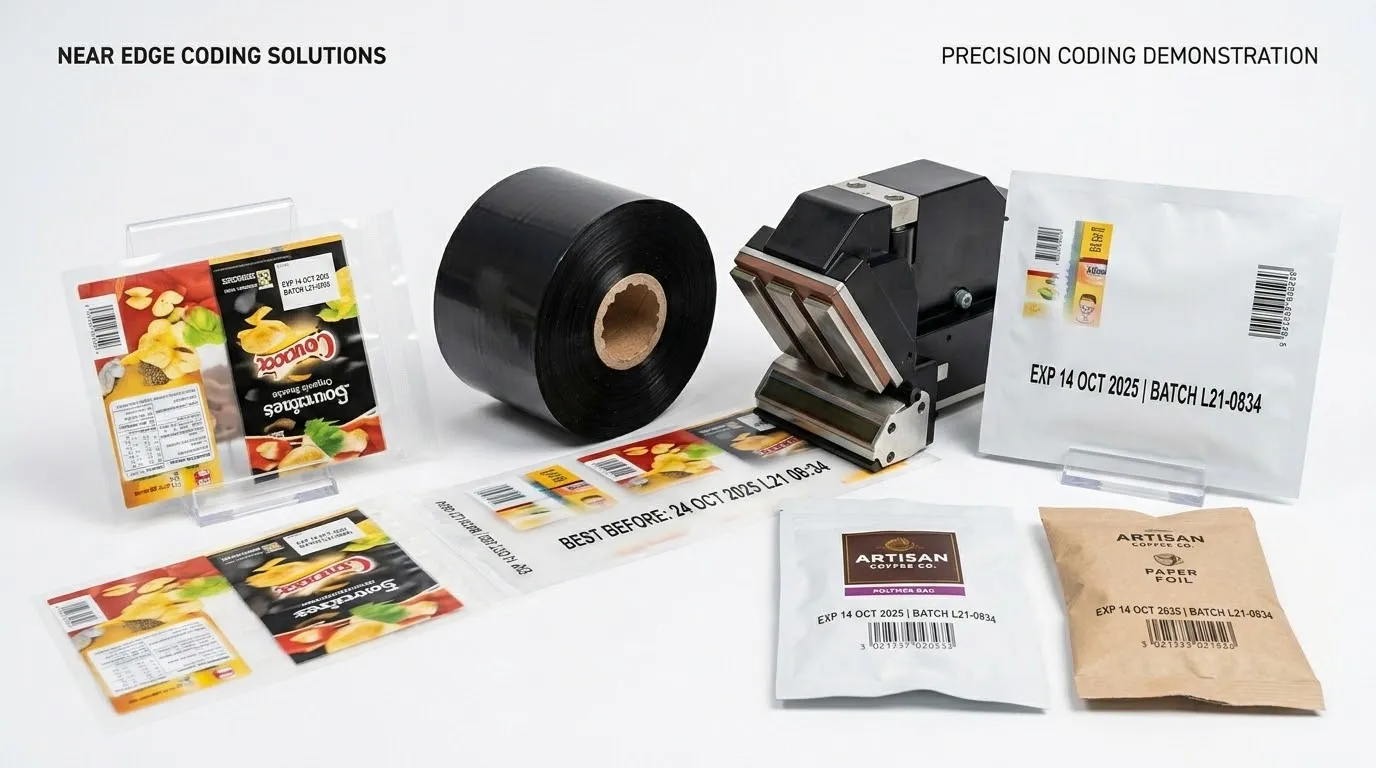
Colorful focuses on thermal transfer ribbon solutions for modern industrial applications, including label printing and flexible packaging coding. For packaging manufacturers that need near edge performance, steady supply, and application based guidance, choosing the right ribbon can reduce coding risk and improve line confidence. In high speed environments, stable printing is not a detail. It is part of production control.
As traceability expectations rise across food, healthcare, and consumer goods packaging, coding quality becomes a visible part of product quality. Companies that upgrade ribbon performance early are often the ones that keep their lines moving with fewer interruptions and stronger consistency.
Explore
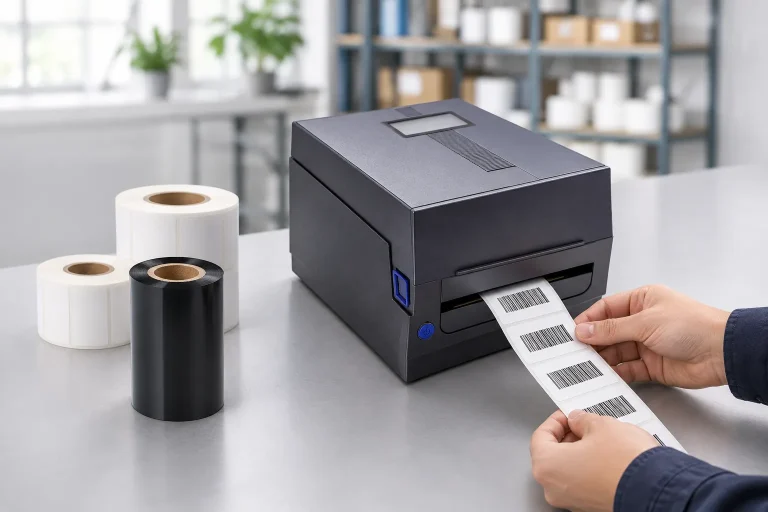
How to Choose a Thermal Printing Ribbon: A Practical Buyer’s Guide
Choose a thermal printing ribbon by matching its ink type to your label material, printer…
Read article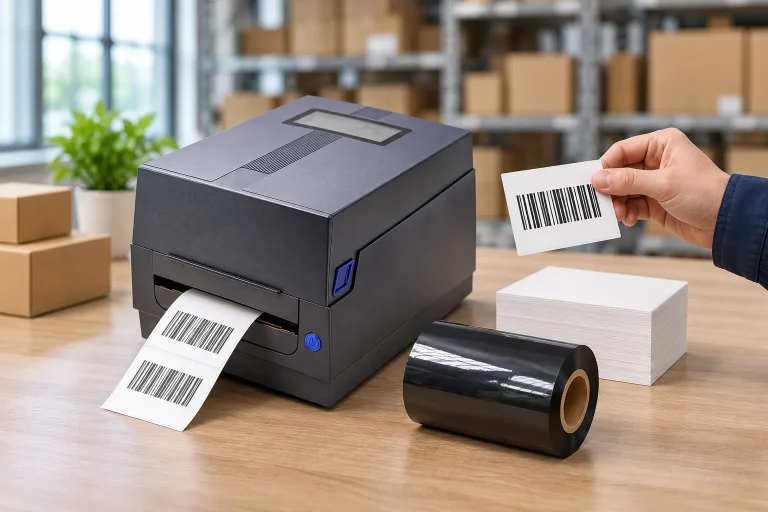
Thermotransfer-Bänder: How to Choose Wax, Wax-Resin or Resin Ribbon
Pick thermal transfer ribbon by label stock and exposure: wax for paper, wax-resin for…
Read article
Choosing a Thermal Transfer Ribbon Manufacturer: Buyer Criteria
Compare ribbon suppliers by printer compatibility, label stock, product range and sample…
Read articleRecommended products for this industry
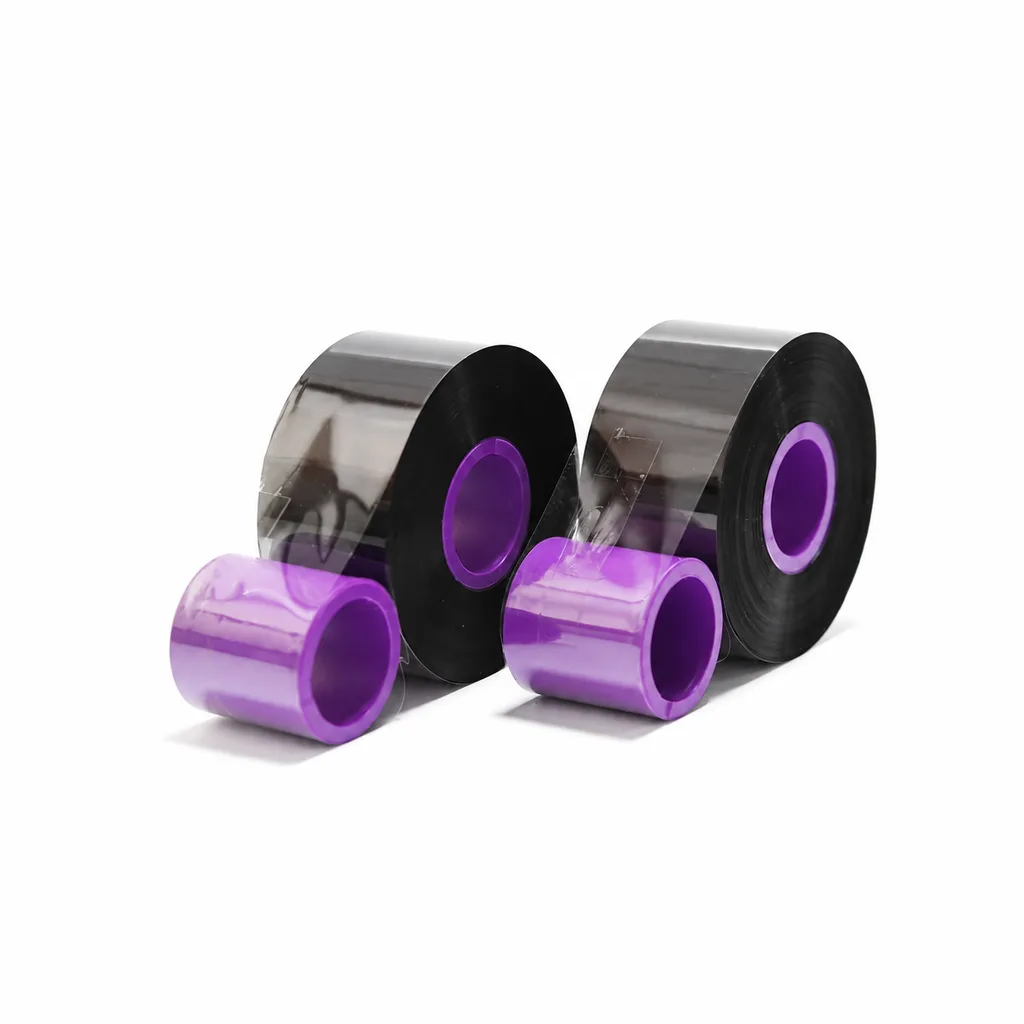
Near-Edge Wax-Resin Thermal Transfer Ribbon for Packaging Printing — CL-T075
CL-T075 is a near-edge wax-resin ribbon for thermal transfer overprinting (TTO) on packaging materials. Its stated high-speed printing capability is 70m/min(46inches/s) on biaxially oriented polypropylene (BOPP) and biaxially oriented polyethylene terephthalate (BOPET). Good resistance to tape adhesion is stated for polyethylene terephthalate (PET) and polyamide (PA). Select against the actual packaging material and distinguish these material-specific claims from the broader recommended-material list.
View details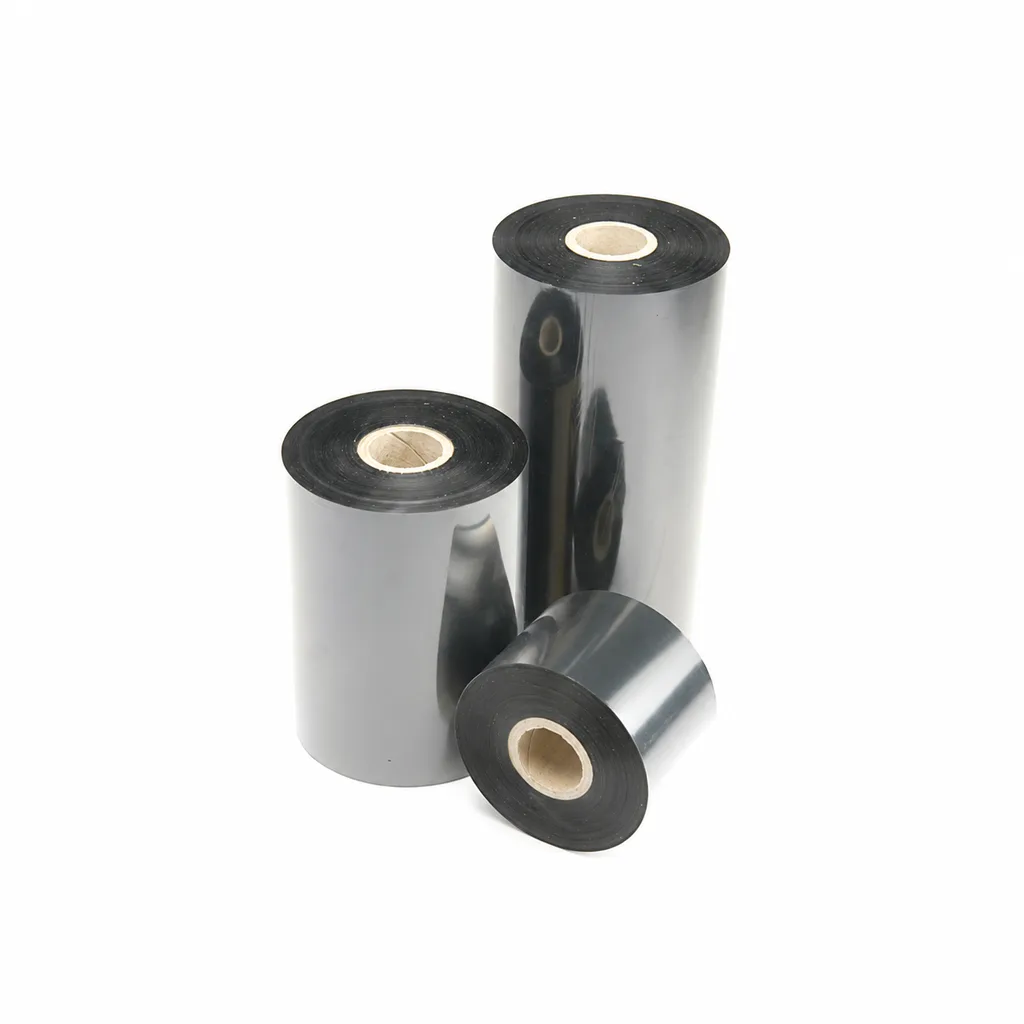
CL-Z213 Near-Edge Wax-Resin Thermal Transfer Ribbon for Barcode Labels
An enhanced black near-edge wax-resin thermal transfer ribbon for near-edge barcode printers and low- to medium-speed thermal transfer overprinting (TTO). Listed applications include retail labels, warehousing, garment tags and packaging identification. Match the printer, actual print medium and operating speed before selection: print quality and image durability can vary with the printer and substrate.
View details
CL-ZL200 Freezer-Resistant Hot Coding Ribbon for Packaging
CL-ZL200 is a black hot coding ribbon for packaging exposed to freezing or cold water. Select it against the packaging material and printer conditions; print quality and image durability can vary with the printer and substrate.
View detailsNeed the right ribbon for your label application?
Share the label material, printer and operating environment. Our team will recommend a tested combination.
