
From Linerless Labels to Low-VOC Printing: The TTR Upgrade Your Sustainability Team Will Actually Love

- Original TTR manufacturer since 2013
- Automated coating and slitting
- IQC / IPQC / OQC control
- ANSI barcode grade testing
- -20°C to 120°C environmental testing
- Batch-level traceability
- ANSI barcode grade
- Batch traceability
- RoHS / REACH compliance
- SGS and MSDS documents on request
Key Takeaways
- Switch to low-VOC thermal transfer ribbon for cleaner, more sustainable label printing with improved durability and performance.
Sustainability is no longer a side project
Every packaging engineer I meet says the same thing: sustainability used to be a compliance checkbox. Now it is a supply-chain strategy. The linerless label market is expanding because it cuts waste by eliminating the release liner, reducing material use and disposal costs and helping brands hit waste-reduction targets. Without a smarter thermal transfer ribbon strategy, you simply move the problem elsewhere—ink smears, unreadable barcodes, and rework.
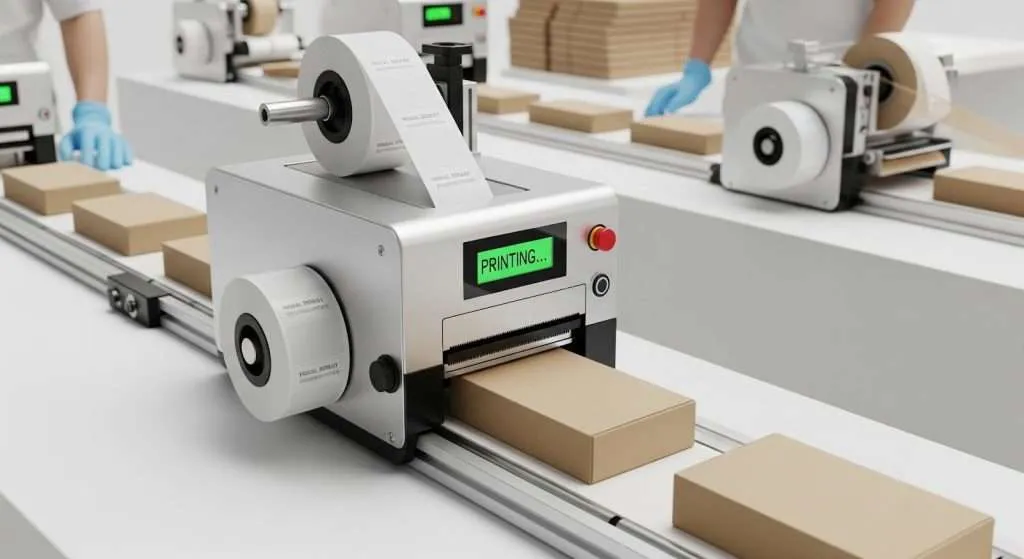
Why linerless labeling needs better ribbons
Linerless labels demand high-speed throughput and consistent adhesion on a variety of substrates. Your ribbon becomes the critical layer that must survive high temperatures, friction on conveyors, and the real-world punishments of transport. That is why material innovation—especially hybrid wax/resin and low-VOC formulations—is shaping thermal transfer ribbon performance in 2025 and beyond.
Wax/resin hybrids tuned for speed and durability
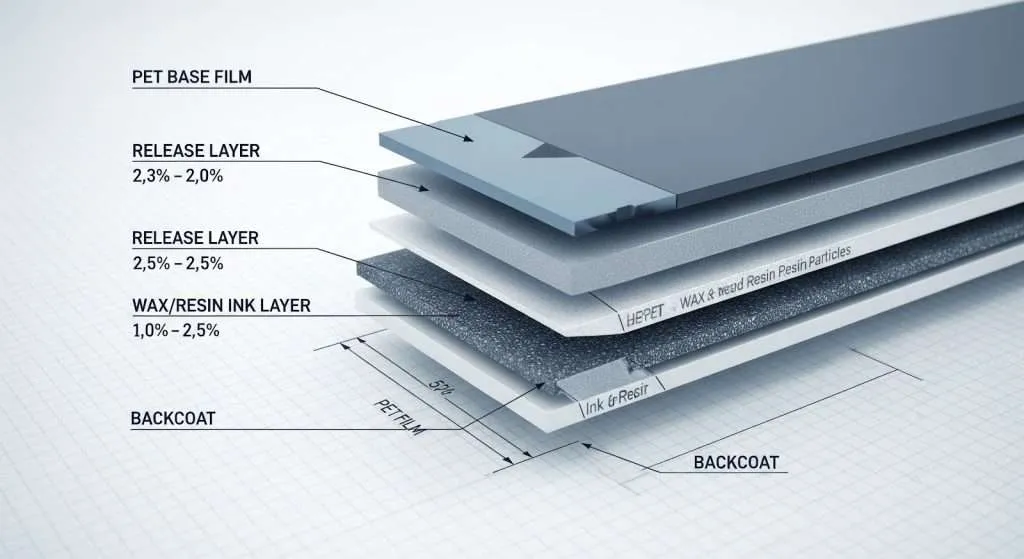
When the line speed rises, so does friction and heat. Standard wax ribbons can give you beautiful print density… until the first scuff. Resin dominates durability, but can be unforgiving on settings and substrates. The best recent hybrid innovations focus on widening the operating window: a broader printhead temperature range, more stable adhesion, and less risk of ribbon wrinkle or voids, especially on synthetic labels used in logistics and industrial packaging.
Proof in logistics and retail
Thermal transfer ribbons remain essential for barcodes and tracking labels that must stay scannable all the way from fulfillment to last-mile delivery. E-commerce growth keeps pushing warehouses to automate, which means labels endure automation: multi-axis handling, thermal exposure near docks, and continuous scanning. In retail, the same label often needs to perform both as a brand touchpoint and as an anti-loss device—clear print plus consistent materials.
Traceability from ribbon batch to carton
If you are serious about quality and carbon reporting, you want full traceability. At Colorfulttr (Shenzhen Colorfulttr Technology Co., Ltd.), we built a full-process quality traceability mechanism from materials research to product application. That means a ribbon is not just a consumable; it is data. Our ecosystem is designed to help you benchmark batch-to-batch stability, manage risk, and still customize formulations for your specific substrates, printheads, and operating environments.

How to deploy in your plant quickly
Start with the substrate, not the ribbon. Define the exact paper or synthetic facestock you use, the printhead type, and the range of temperature and pressure in real production. Then tune for the label’s real journey: does it go into freezer storage, tropical humidity, or a retail environment with high surface contact? The goal is a ribbon that works as an engineered component in your labeling ecosystem, not a generic roll.
Color and specialty ribbons without sustainability penalty
The fastest-growing applications are not just black-on-white barcodes. Color coding in warehouses, security marking on electronics, and compliance labels in healthcare are pushing more companies to adopt specialty ribbons. Modern formulations can deliver color and durability while supporting lower-VOC goals and more efficient material usage—especially when the manufacturer controls the full chain from raw materials to automated production.

Explore
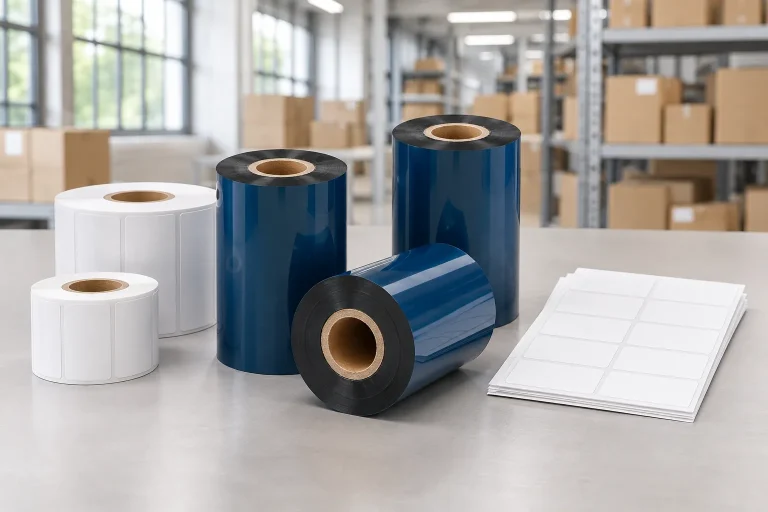
How to Choose a Zebra Thermal Transfer Ribbon
Choose a Zebra ribbon by print method, label material and roll fit, then test the printed…
Read article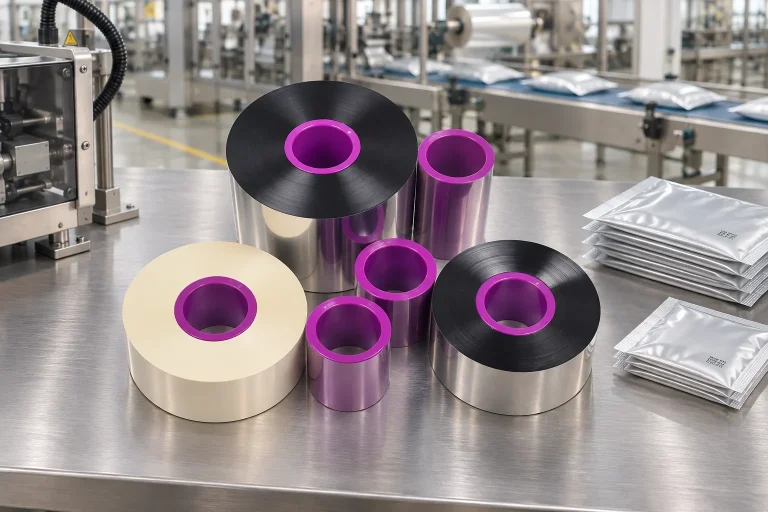
Thermal Transfer Overprint: A Practical Ribbon Selection Guide
Learn how TTO prints variable codes and choose a compatible ribbon by checking your…
Read article
Thermal Transfer Ribbon Specialist: What the Term Means and What It Does Not Prove
A ribbon specialist works on ink, coating, slitting and print testing. See how that…
Read articleRecommended products for this industry
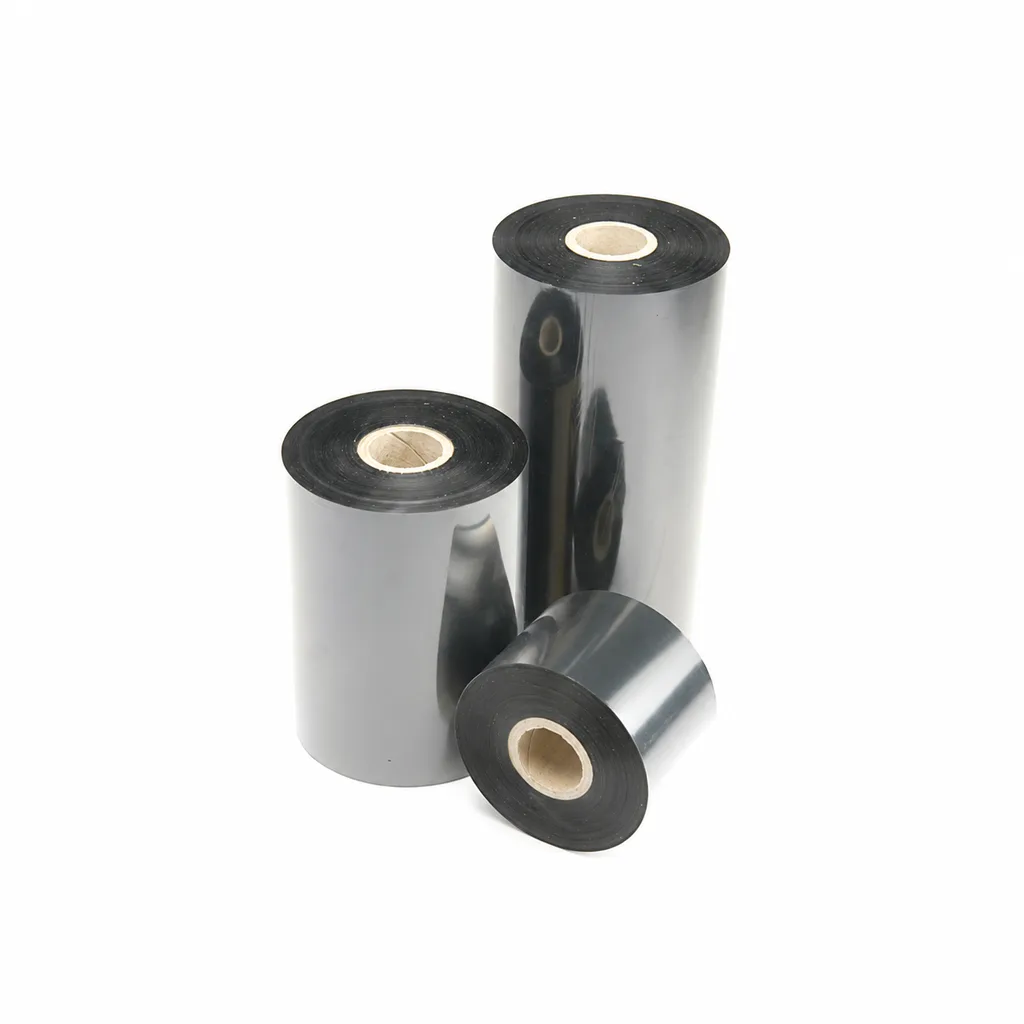
CL-Z213 Near-Edge Wax-Resin Thermal Transfer Ribbon for Barcode Labels
An enhanced black near-edge wax-resin thermal transfer ribbon for near-edge barcode printers and low- to medium-speed thermal transfer overprinting (TTO). Listed applications include retail labels, warehousing, garment tags and packaging identification. Match the printer, actual print medium and operating speed before selection: print quality and image durability can vary with the printer and substrate.
View details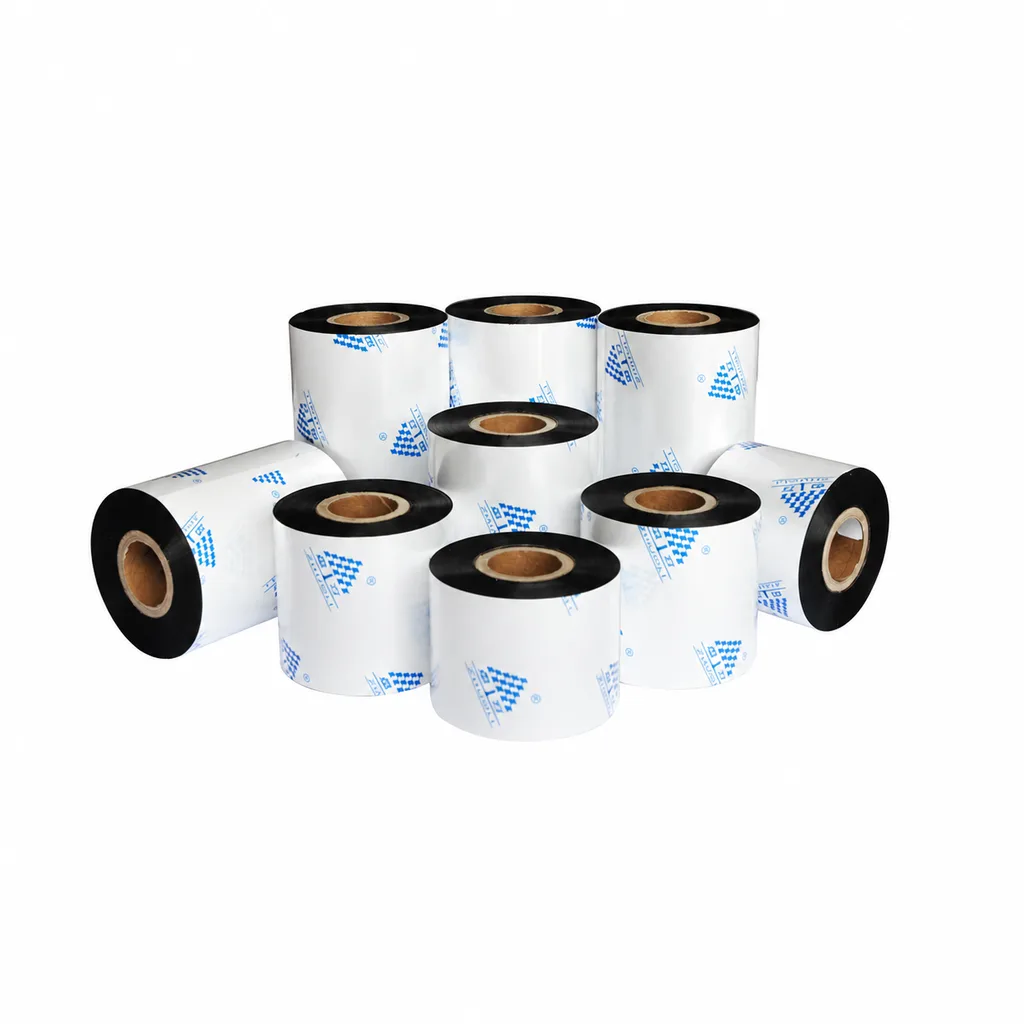
Near-Edge Wax-Resin Thermal Transfer Ribbon CL-Z212 for Barcode Labels
CL-Z212 is a general-purpose black wax-resin thermal transfer ribbon primarily for near-edge barcode printers, with use also described for low- to medium-speed thermal transfer overprinting (TTO). Listed applications include retail labels, garment tags, warehouse identification and packaging printing. Select according to printer type, actual printing speed and substrate: recommended conditions list near-edge printing at ≤10 inches per second (ips) and TTO at ≤20 ips. Print quality and image durability can vary with the printer and printing material, so trial printing on the intended substrate is necessary for selection.
View details
Acid and Alkali Resistant Label
Chemical-resistant label construction for acid baths, paint-stripping solutions, alkali…
View detailsNeed the right ribbon for your label application?
Share the label material, printer and operating environment. Our team will recommend a tested combination.
