
Speed-Ready TTR: Near-edge printing that keeps flexible packaging flowing

- Original TTR manufacturer since 2013
- Automated coating and slitting
- IQC / IPQC / OQC control
- ANSI barcode grade testing
- -20°C to 120°C environmental testing
- Batch-level traceability
- ANSI barcode grade
- Batch traceability
- RoHS / REACH compliance
- SGS and MSDS documents on request
Key Takeaways
- Durable near-edge TTR ribbons keep barcodes, lot codes, and dates clear on high-speed flexible packaging lines.
When your packaging line is the bottleneck, printing can’t be
In flexible packaging, the smallest stop can cascade into lost throughput, late orders, and overtime cost. Near-edge thermal transfer printing was built for this reality: ribbons and printheads designed for high-speed imprinting directly on film packaging, keeping lot codes, expiration dates, and barcodes legible at production speed.

Why near-edge matters: speed, clarity, and uptime
Longer ribbons, fewer interruptions
Premium near-edge wax/resin formulations can run at speeds up to 40 ips, enabled by thin PET carrier films and coating systems optimized for stability. The thinner film also enables longer ribbon lengths—meaning fewer changeovers and more production time.
Sensitivity that protects your printhead
High-sensitivity coatings help achieve rich prints at lower heat settings, which can reduce energy consumption and extend printhead life while maintaining consistency across shifts and operators.
Packaging-ready durability
Near-edge ribbons are engineered for rub resistance and adhesion to common flexible substrates, keeping codes readable after filling, sealing, transportation, and shelf life.

How Colorfulttr supports high-speed converters
Shenzhen Colorfulttr Technology Co., Ltd. (Colorfulttr) offers end-to-end TTR production and customization. With imported raw materials, automated manufacturing, and full-process quality traceability, Colorfulttr helps converters choose the right near-edge wax/resin or resin-grade ribbons and match them to substrates and line speeds—so
Process control: keeping near-edge printing predictable when speed changes
Production realities change hour by hour: film suppliers swap lots, coating weights vary, and bag widths shift between SKUs. The newest near-edge TTR workflows treat printing as a controlled process rather than a post-print gamble. That means dialing in ribbon/film pairs, establishing heat-setting windows, and locking in transfer rates so code legibility holds even when operators swap rolls mid-shift.
Static & debris management at scale
Near-edge setups often run in high-friction, dust-prone environments. Static can pull ribbon into the substrate, while debris builds on the printhead. In well-tuned systems, anti-static films and coatings reduce attraction, and preventative maintenance windows can be aligned with ribbon changeover to avoid unplanned stoppages.
Geometry matters: ribbon width and edge discipline
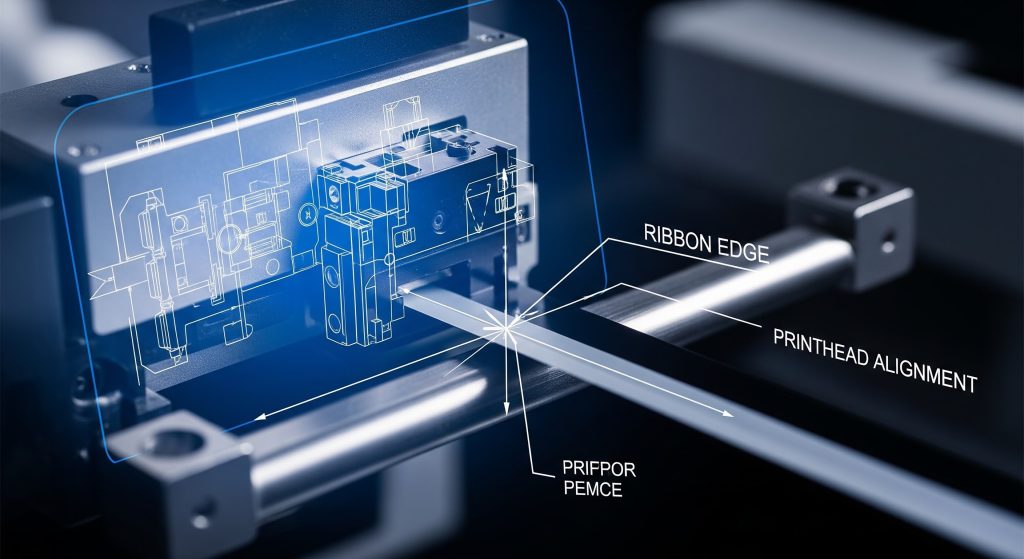
If ribbon width does not match printhead width and package web, you get wasted material on the shoulders and inconsistent heat transfer at the edges. Modern converters are increasingly spec’ing width control tighter, minimizing dead zones while protecting the printhead from edge contact. It’s not a detail; it’s predictable OEE.
Food & pharma codes: cleanliness as a performance spec
Flexible packaging for food and pharmaceutical items carries strict expectations on migration, cleanliness, and readability. Near-edge wax/resin and resin grades can be selected to balance adhesion and resistance without sacrificing line speed, helping converters deliver codes that remain readable through forming, filling, sealing, and distribution.
packaging lines stay productive and print quality stays consistent.
Explore
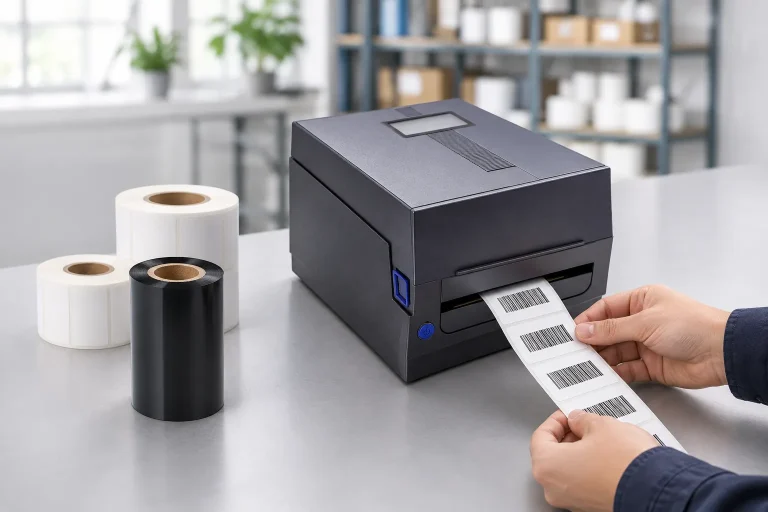
How to Choose a Thermal Printing Ribbon: A Practical Buyer’s Guide
Choose a thermal printing ribbon by matching its ink type to your label material, printer…
Read article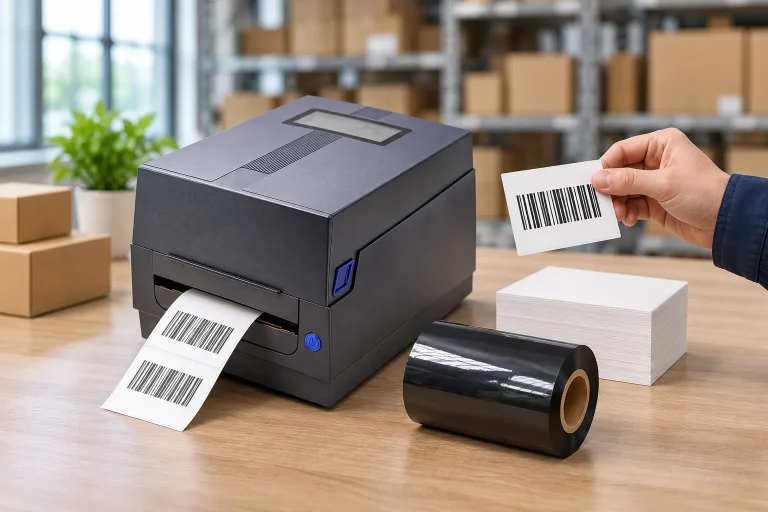
Thermotransfer-Bänder: How to Choose Wax, Wax-Resin or Resin Ribbon
Pick thermal transfer ribbon by label stock and exposure: wax for paper, wax-resin for…
Read article
Choosing a Thermal Transfer Ribbon Manufacturer: Buyer Criteria
Compare ribbon suppliers by printer compatibility, label stock, product range and sample…
Read articleRecommended products for this industry
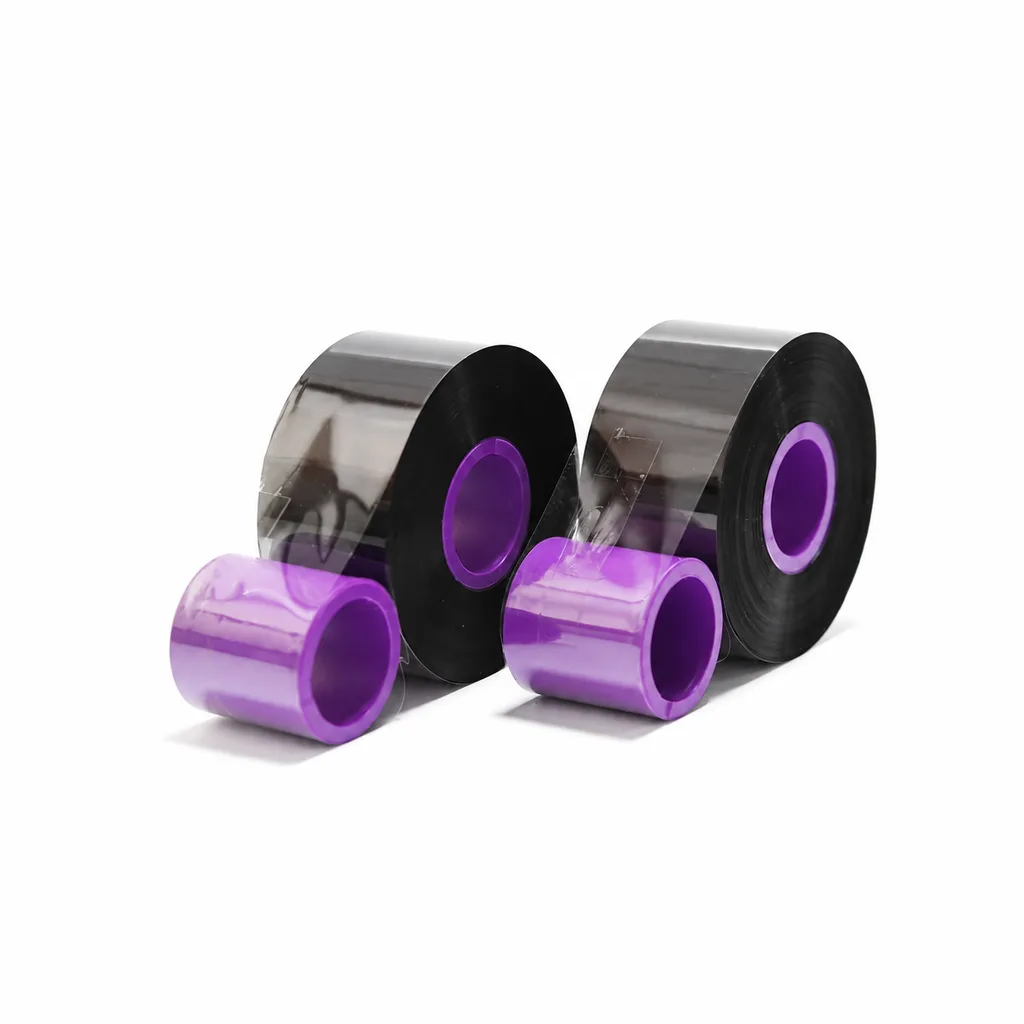
Near-Edge Wax-Resin Thermal Transfer Ribbon for Packaging Printing — CL-T075
CL-T075 is a near-edge wax-resin ribbon for thermal transfer overprinting (TTO) on packaging materials. Its stated high-speed printing capability is 70m/min(46inches/s) on biaxially oriented polypropylene (BOPP) and biaxially oriented polyethylene terephthalate (BOPET). Good resistance to tape adhesion is stated for polyethylene terephthalate (PET) and polyamide (PA). Select against the actual packaging material and distinguish these material-specific claims from the broader recommended-material list.
View details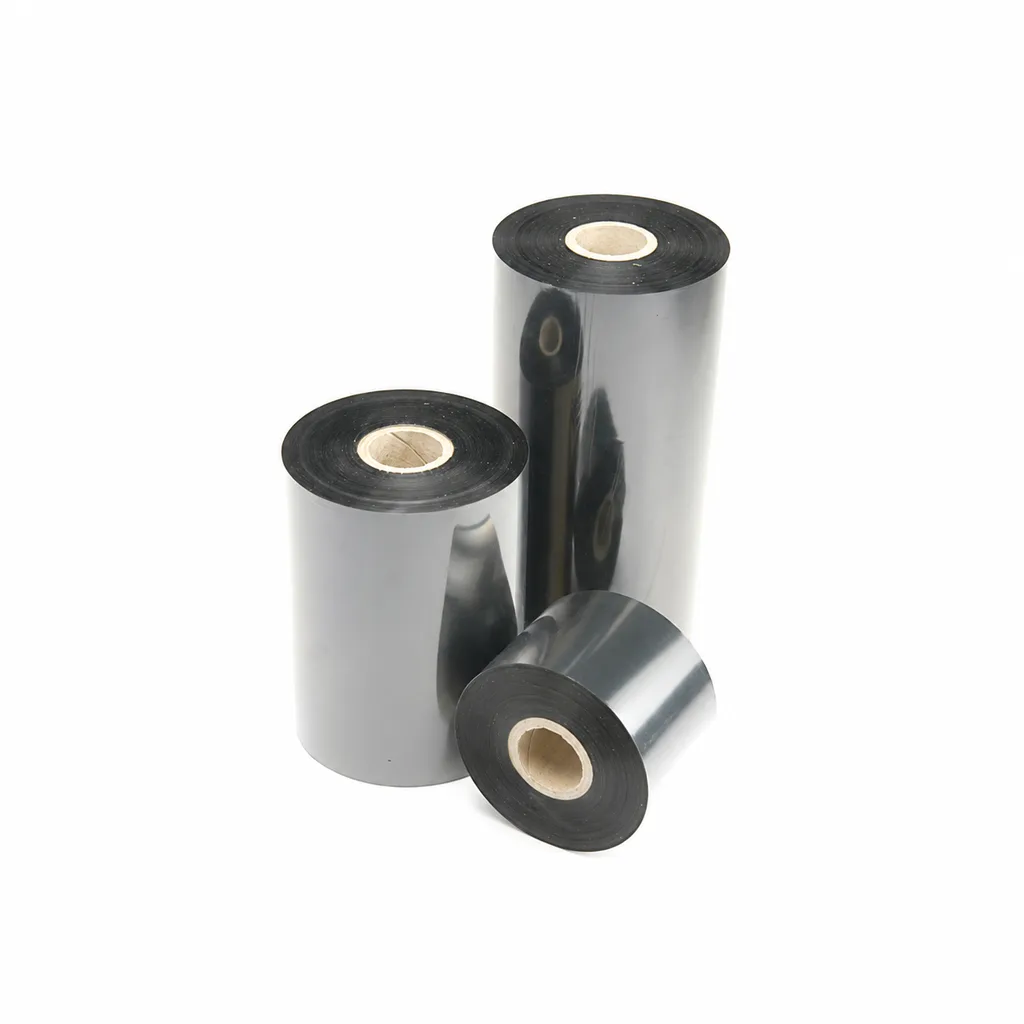
CL-Z213 Near-Edge Wax-Resin Thermal Transfer Ribbon for Barcode Labels
An enhanced black near-edge wax-resin thermal transfer ribbon for near-edge barcode printers and low- to medium-speed thermal transfer overprinting (TTO). Listed applications include retail labels, warehousing, garment tags and packaging identification. Match the printer, actual print medium and operating speed before selection: print quality and image durability can vary with the printer and substrate.
View details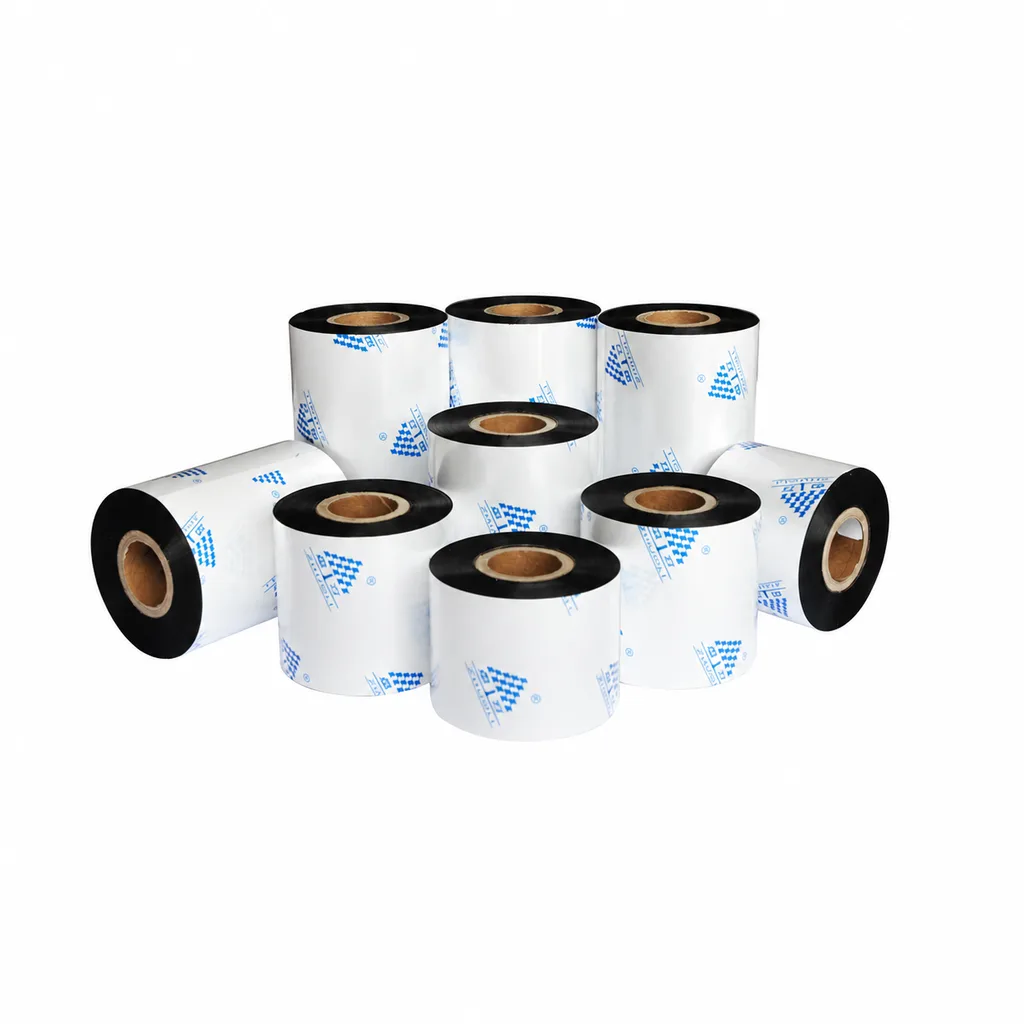
Near-Edge Wax-Resin Thermal Transfer Ribbon CL-Z212 for Barcode Labels
CL-Z212 is a general-purpose black wax-resin thermal transfer ribbon primarily for near-edge barcode printers, with use also described for low- to medium-speed thermal transfer overprinting (TTO). Listed applications include retail labels, garment tags, warehouse identification and packaging printing. Select according to printer type, actual printing speed and substrate: recommended conditions list near-edge printing at ≤10 inches per second (ips) and TTO at ≤20 ips. Print quality and image durability can vary with the printer and printing material, so trial printing on the intended substrate is necessary for selection.
View detailsNeed the right ribbon for your label application?
Share the label material, printer and operating environment. Our team will recommend a tested combination.
