
Why Wax-Resin Thermal Transfer Ribbon Is a Smart Choice for High-Volume Warehouse Carton Labels
- Original TTR manufacturer since 2013
- Automated coating and slitting
- IQC / IPQC / OQC control
- ANSI barcode grade testing
- -20°C to 120°C environmental testing
- Batch-level traceability
- ANSI barcode grade
- Batch traceability
- RoHS / REACH compliance
- SGS and MSDS documents on request
Warehouse labels do not need luxury performance, but they do need reliable performance. In fast-moving fulfillment, carton labels must print clearly, scan quickly, and stay readable through picking, packing, stacking, and delivery. That is why many operations are moving away from the cheapest ribbon option and looking more carefully at wax-resin thermal transfer ribbon. It offers a practical middle ground for teams that want stronger durability than basic wax while keeping cost and flexibility under control.
Key Takeaways
- Wax-resin thermal transfer ribbon offers a practical middle ground for high-volume warehouse carton labels, balancing durability and cost.
- It provides clearer barcodes, better rub resistance, and consistent print quality, reducing scanning errors and manual corrections in fast-paced fulfillment environments.
Why carton labeling has become more demanding
Modern warehouses handle more SKU variation, more order volume, and tighter delivery windows than before. A carton label may carry order data, route information, barcode fields, and customer-specific identifiers. The label often moves across conveyor systems, packing stations, pallet wrapping zones, and last-mile handoff. When print quality drops, the disruption spreads fast. Teams lose scanning speed, parcels need manual checks, and shipping accuracy suffers.
Many buyers still choose ribbon mainly by roll price. That approach can backfire in high-volume operations. A lower-cost ribbon may print acceptably at the start of a shift, yet lose sharpness when speed rises or when labels rub against cartons and film. In a busy warehouse, small print failures multiply quickly.
The issue is not only barcode darkness
Scan success depends on edge definition, consistency, and surface stability. A barcode that looks dark but prints with soft edges can still trigger re-scans. Wax-resin ribbon helps because it often delivers cleaner image transfer and better rub resistance on coated paper and selected synthetic label stocks.
What makes wax-resin ribbon a good fit for warehouse labels
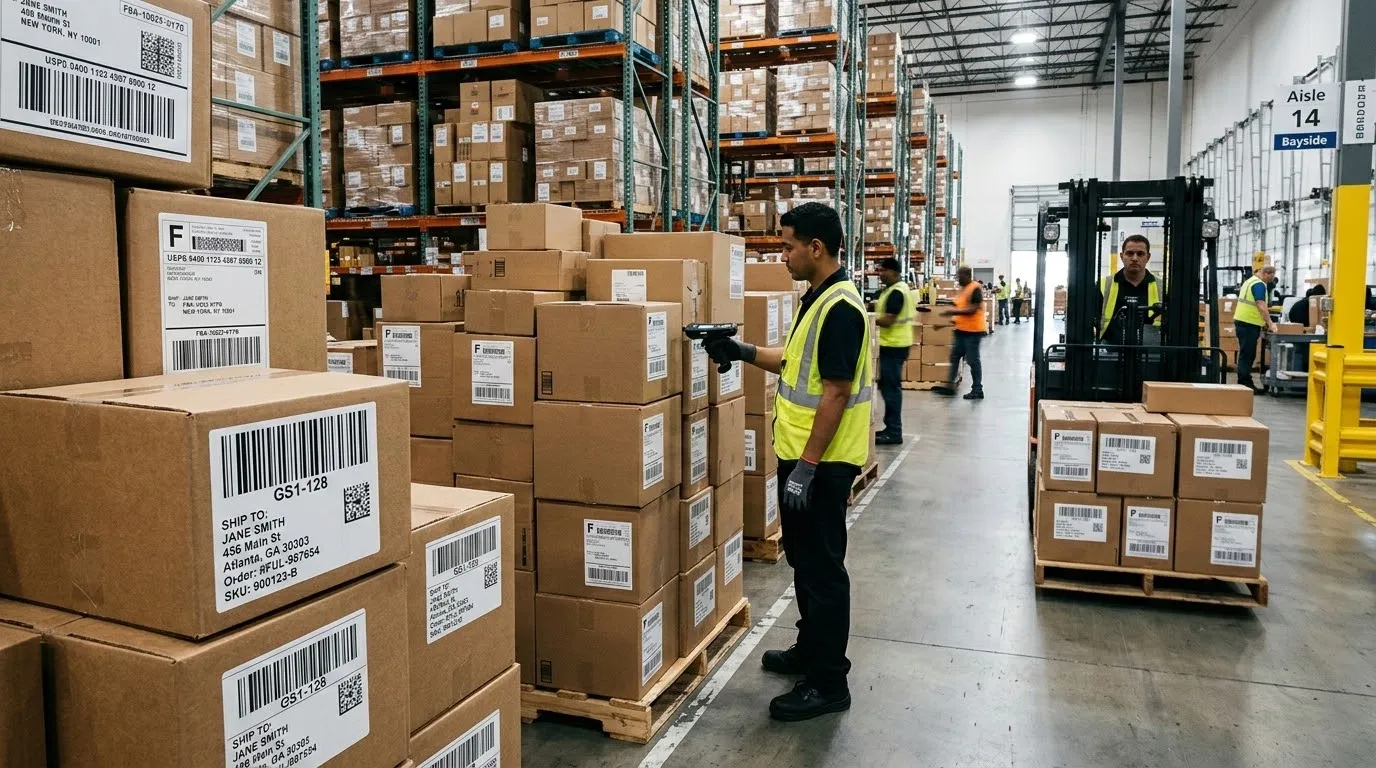
Wax-resin ribbon sits between basic wax and higher-end resin solutions. That balance makes it attractive for operations that need more durability without over-engineering the label system. For warehouse carton labels, the key benefit is stability. The ribbon can support clearer text, stronger barcode edges, and better resistance to rubbing during normal handling.
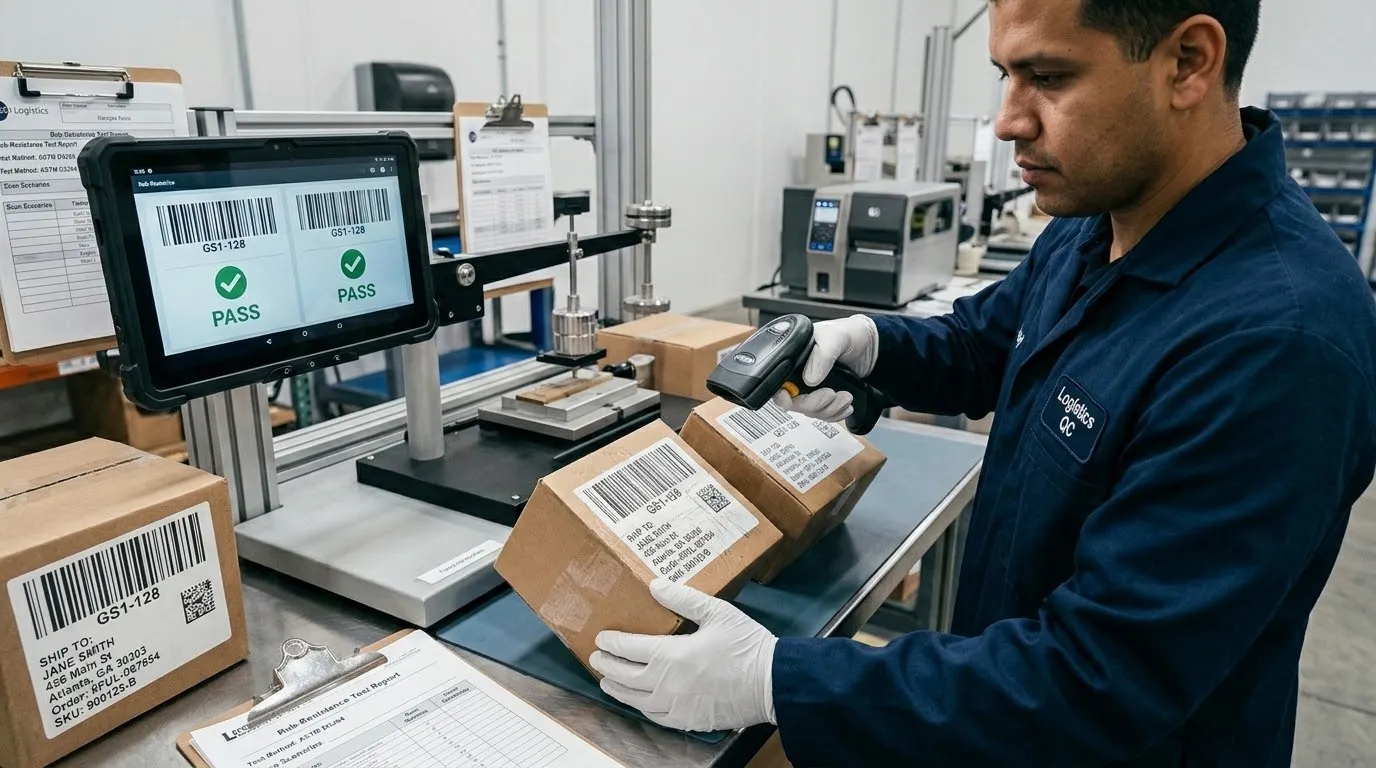
This matters most in e-commerce fulfillment, third-party logistics, retail distribution, and export packing. In these settings, labels may face repeated contact from belts, gloves, stretch film, and carton surfaces. A ribbon that keeps print more intact through those steps helps reduce avoidable exceptions.
It also supports faster print operations
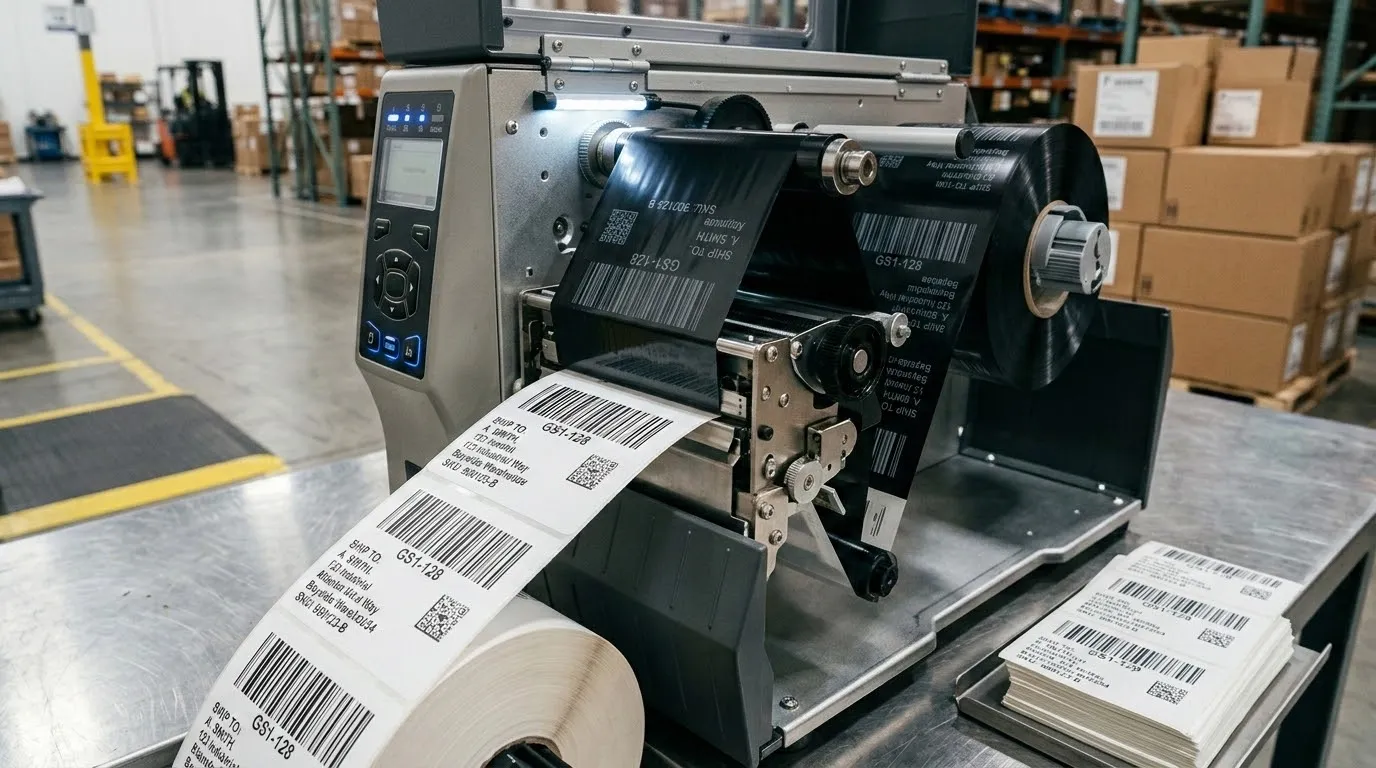
High-volume sites do not want constant adjustments. Operators need a ribbon that works smoothly at practical print speeds and produces repeatable results across long runs. A well-matched wax-resin ribbon can reduce trial-and-error on heat and speed settings, which helps protect throughput during peak periods.
Where buyers see the strongest return
E-commerce picking and packing
Order labels need fast scanning from pack bench to carrier handoff. Better ribbon performance reduces unreadable labels, which keeps lines moving and lowers manual correction work.
Pallet and carton traceability
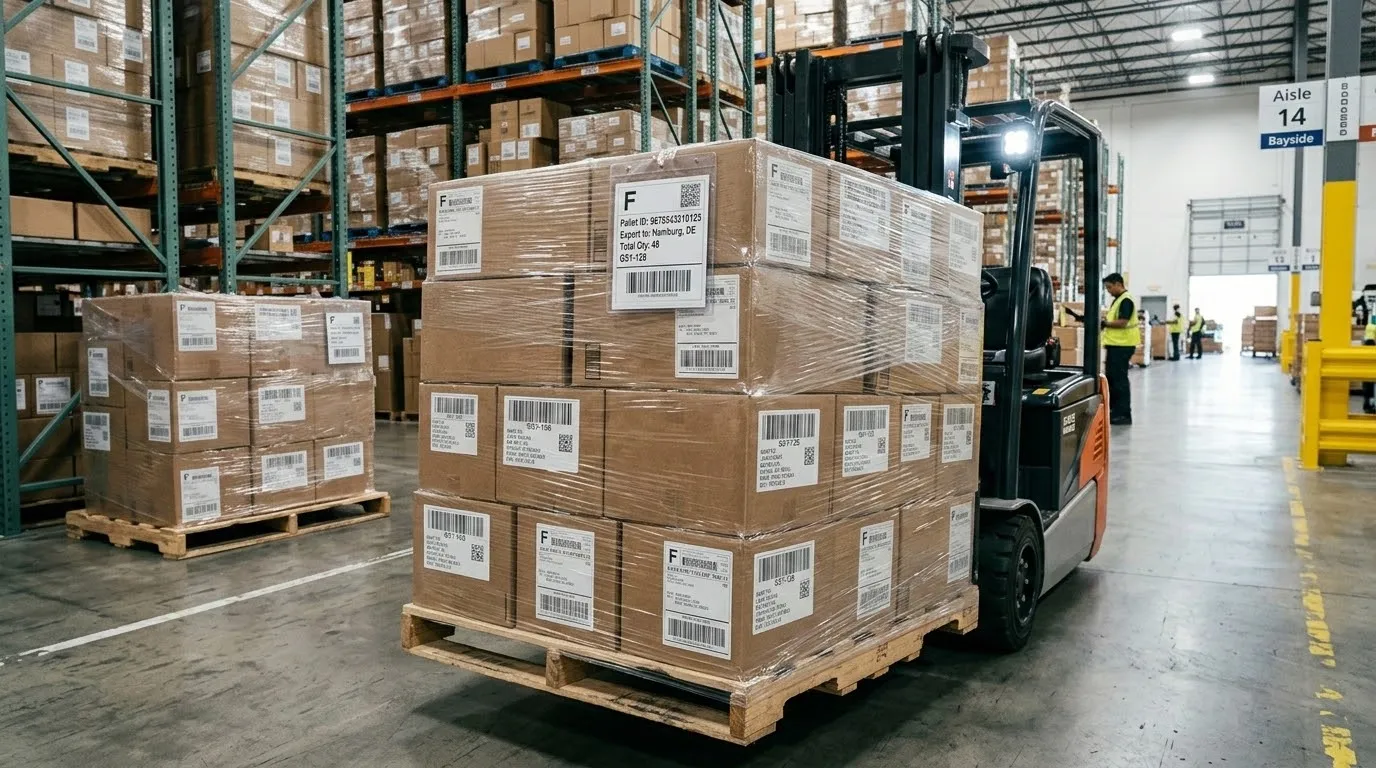
Warehouse teams depend on label clarity during receiving, storage, replenishment, and outbound verification. When barcodes remain sharp after stacking and wrapping, inventory control becomes smoother and more dependable.
Multi-shift distribution centers
Consistency matters more when several teams share the same equipment across the day. Stable ribbon behavior reduces operator variation and helps maintain a cleaner labeling standard across shifts.
How to evaluate ribbon options before scaling up
Start by testing the actual label stock, printer model, and print speed used on the floor. Then review barcode readability after rubbing, stacking, and short transport simulation. Buyers should also compare long-run consistency, not only first-sample appearance. A ribbon that performs evenly over a full shift often creates more value than one that looks slightly darker in a quick test.
Supplier support matters too. Warehousing applications may look simple, but they vary by carton surface, label coating, print volume, and scanning workflow. Colorful focuses on thermal transfer ribbon solutions for practical industrial and logistics labeling. That application knowledge can help buyers shorten testing time and choose a more dependable ribbon-label combination.
A better label system protects shipping accuracy
In high-volume logistics, the label is part of the operating system. When it scans cleanly and stays readable, teams move faster with fewer interruptions. That is why wax-resin thermal transfer ribbon remains a smart option for businesses that want durable warehouse labels without unnecessary cost complexity.
Related Products & Guides
- High-grade wax resin thermal transfer ribbon
- Silver Thermal Transfer Colour Washable Resin Printer Ribbon
- Why Wax Resin Thermal Transfer Ribbon Is a Smart Choice for Apparel Tags and Retail Shelf Labels
- Smart Manufacturing
Explore
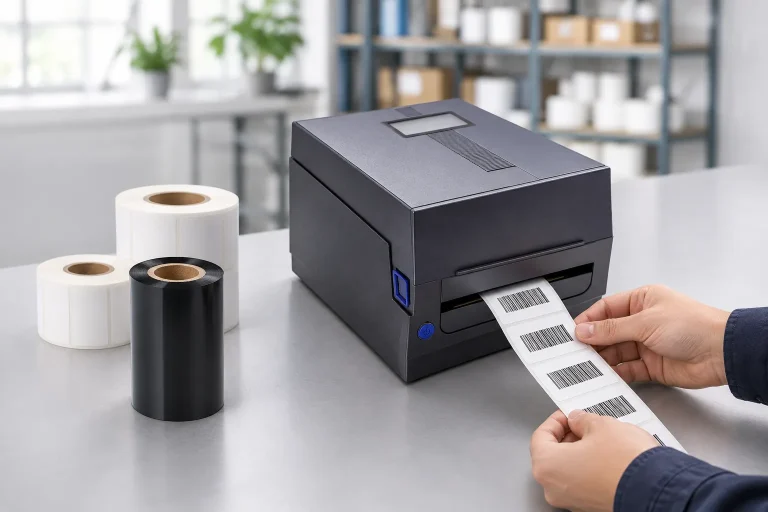
How to Choose a Thermal Printing Ribbon: A Practical Buyer’s Guide
Choose a thermal printing ribbon by matching its ink type to your label material, printer…
Read article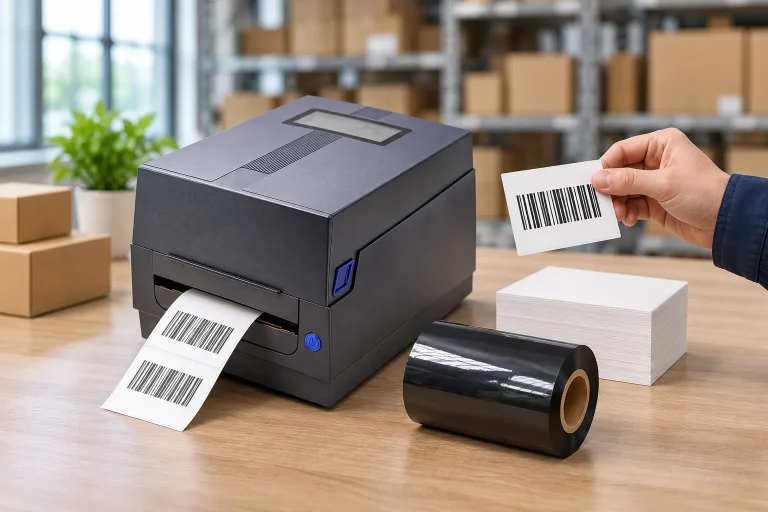
Thermotransfer-Bänder: How to Choose Wax, Wax-Resin or Resin Ribbon
Pick thermal transfer ribbon by label stock and exposure: wax for paper, wax-resin for…
Read article
Choosing a Thermal Transfer Ribbon Manufacturer: Buyer Criteria
Compare ribbon suppliers by printer compatibility, label stock, product range and sample…
Read articleRecommended products for this industry
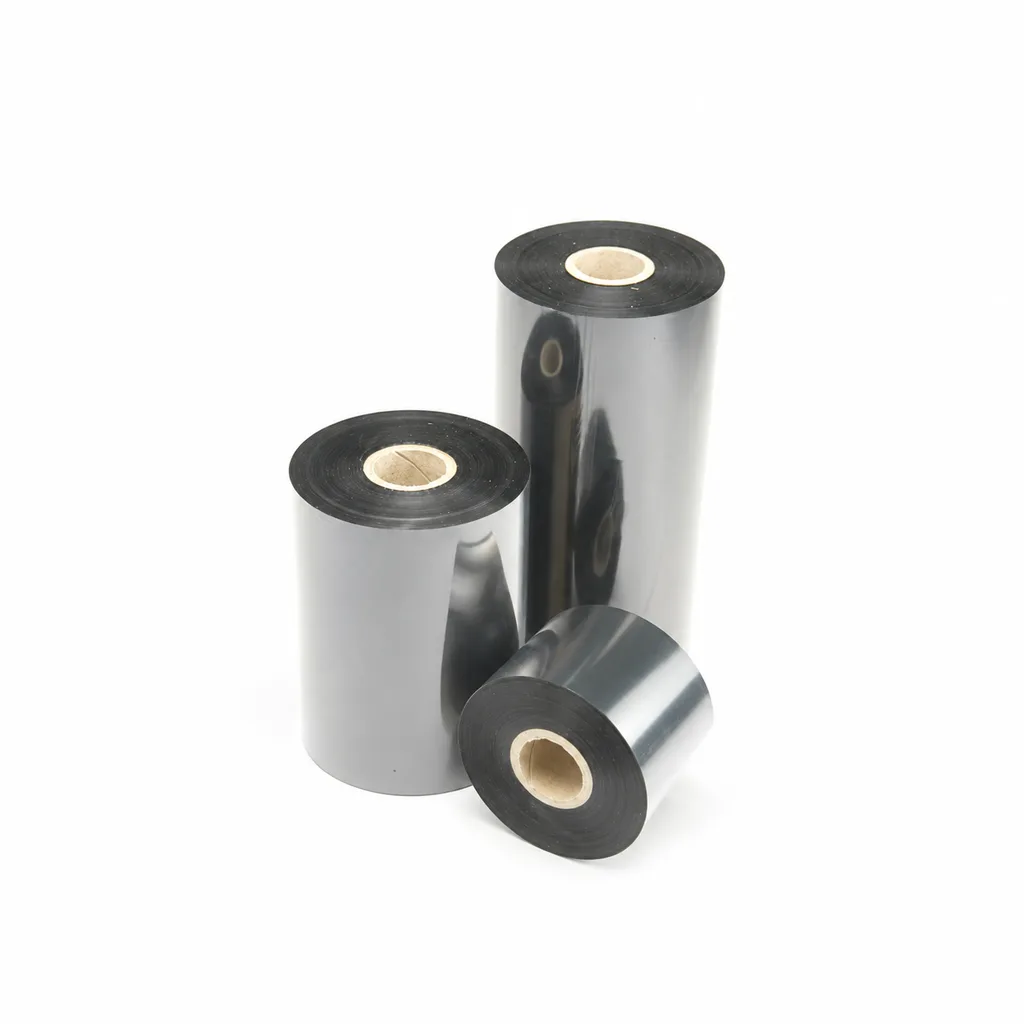
CL-Z203 Wax-Resin Thermal Transfer Ribbon for Barcode Labels
A black wax-resin thermal transfer ribbon for flat-head printing, with listed applications including retail, warehousing, logistics and garment tags. Select it against your actual label material and desktop or industrial barcode printer at speeds ≤6 ips (inches per second). Fine-line, small-text and durability results were obtained on coated paper; print quality and image durability may vary with the printer and printing substrate.
View details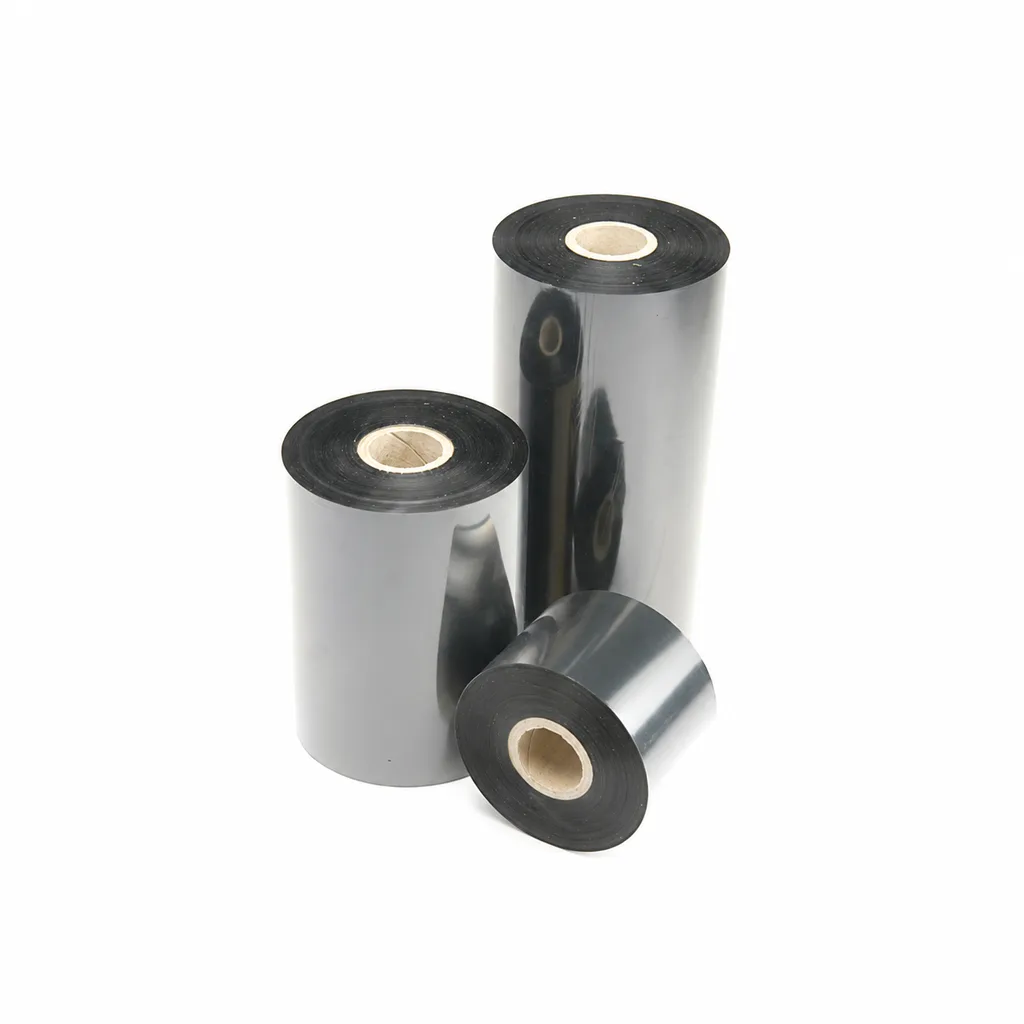
CL-Z213 Near-Edge Wax-Resin Thermal Transfer Ribbon for Barcode Labels
An enhanced black near-edge wax-resin thermal transfer ribbon for near-edge barcode printers and low- to medium-speed thermal transfer overprinting (TTO). Listed applications include retail labels, warehousing, garment tags and packaging identification. Match the printer, actual print medium and operating speed before selection: print quality and image durability can vary with the printer and substrate.
View details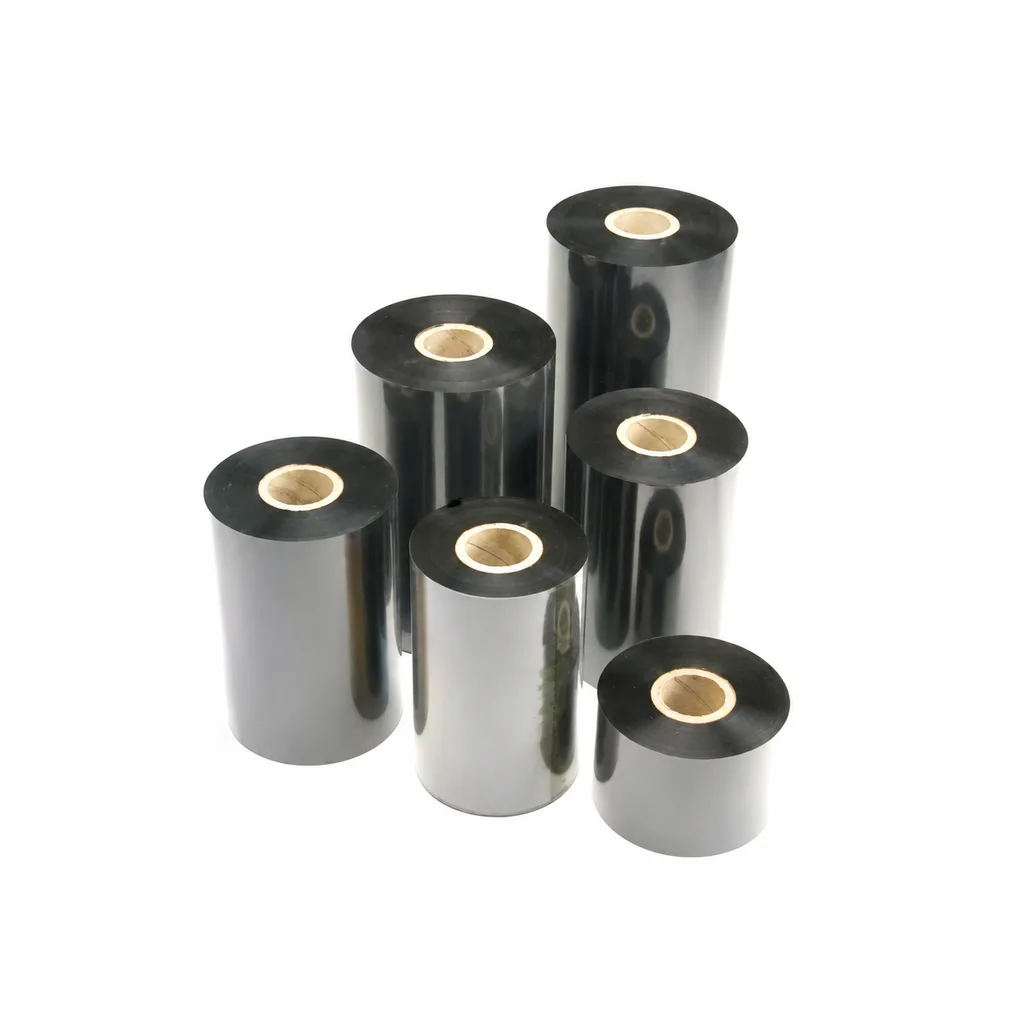
CL-Z308 Resin Thermal Transfer Ribbon for Film and Paper Labels
A black resin thermal transfer ribbon for printing film and paper labels with flat-head printers. Listed applications include retail labels, warehousing, logistics transport, garment hang tags and food packaging. The recommended printing speed is ≤8 inches per second (IPS). Select it by printer type and actual label material, and confirm the required ribbon width, length, core and ink-side orientation before ordering; these dimensions are not specified in the available product data.
View detailsNeed the right ribbon for your label application?
Share the label material, printer and operating environment. Our team will recommend a tested combination.
