
Thermal Transfer Overprinting: How to Choose the Right TTO Ribbon
Request a solution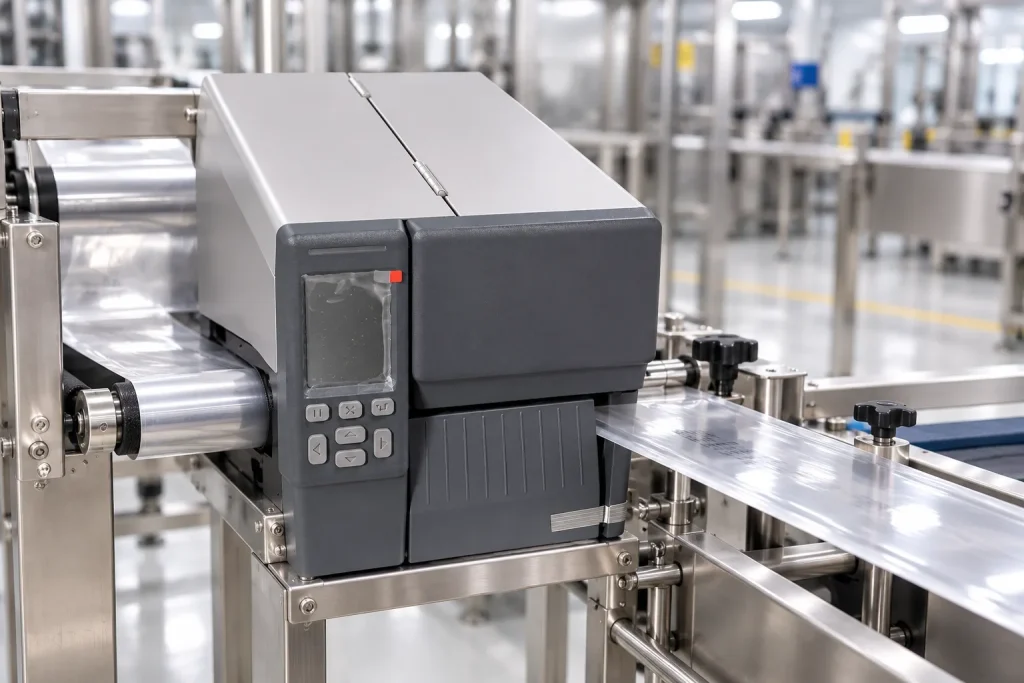
- Original TTR manufacturer since 2013
- Automated coating and slitting
- IQC / IPQC / OQC control
- ANSI barcode grade testing
- -20°C to 120°C environmental testing
- Batch-level traceability
- ANSI barcode grade
- Batch traceability
- RoHS / REACH compliance
- SGS and MSDS documents on request
Key Takeaways
- Thermal transfer overprinting (TTO) is a digital printing method that applies codes to flexible film and labels with a thermal printhead and a wax, wax-resin, or resin ribbon.
- Near Edge Printing and TTO are interchangeable names for the same process, so source ribbons under both terms.
- TTO commonly requires a ribbon, and the melted ink coating is what keeps the code in place through harsh handling.
- Ribbon choice follows the substrate: wax for dry paper labels, wax-resin for very smooth or coated surfaces with only slight water contact, and resin completes the range for film work.
- In-line TTO printing runs at high speeds of 20 IPS, and aftermarket rolls 20-25% longer cut roll changes and downtime.
What Thermal Transfer Overprinting Does on a Packaging Line
Thermal transfer overprinting (TTO) is a digital printing process that applies a code to a flexible film or label using a thermal printhead and a thermal transfer ribbon. The printer holds a fixed-width thermal printhead against the packaging over a driven rubber roller called a platen. Between the two runs a very thin ribbon: a polyester film coated on the label side with wax, wax-resin, or pure resin ink. As the material and ribbon pass beneath the printhead together, tiny pixels across the width of the head heat and cool to melt the ink onto the packaging. The ribbon feeds in sync with the line, and the melted ink coating stays glued to the material once applied.
Lines buy TTO for variable data: barcodes, best-by dates, and serial numbers on food, beverage, pharmaceutical, and cosmetics packaging. The same print engine transfers this data onto flexible packaging materials such as PP, PET, aluminium, paper and Tyvek, which is why one printer can serve different film and label jobs. When you source consumables, expect the same hardware under two names: Near Edge Printing and TTO are interchangeable, so either term leads to the same printers and ribbons.
Choose the Ribbon Ink That Matches Your Substrate and Exposure
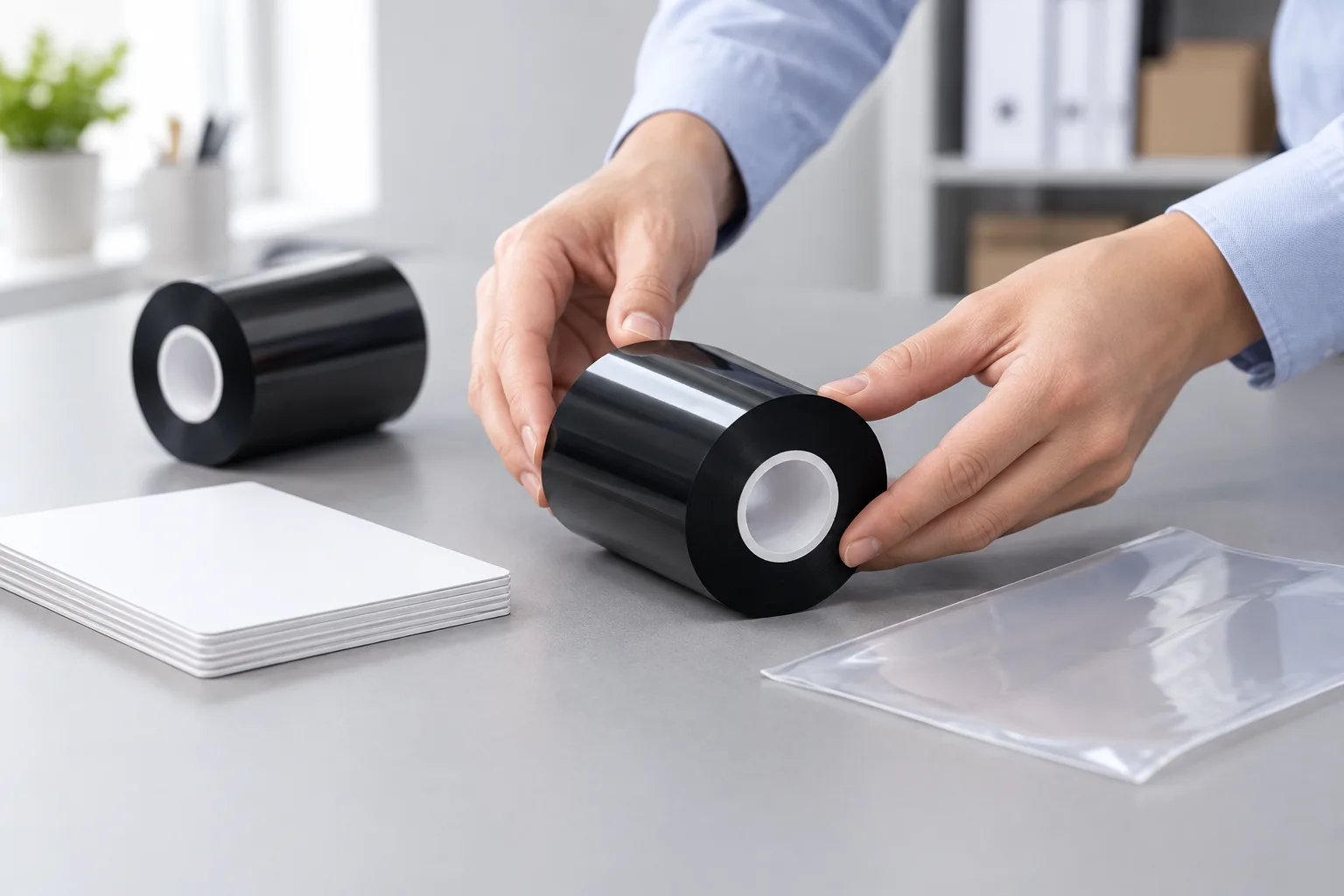
TTO ribbon selection starts from the substrate and the exposure conditions the print must survive. Wax ribbon is used for printing onto paper labels: the print can last for years, but the label must be kept dry and must not be abraded or subjected to certain chemicals or oil, which dissolve the wax image. Wax-resin ribbon produces a finer image on very smooth paper or coated paper labels, and the printed image is much more durable than wax. Its limit is water: wax-resin can only stand slight contact.
For flexible film packaging, expect quotations in wax-resin and resin, the two ribbon classes listed for TTO printing on film. Pure resin completes the three main ribbon types, and the ink is almost always black, with white and silver resin options listed by replacement-ribbon suppliers. Because resin formulations differ between suppliers, treat resin selection as a sample-and-test decision: shortlist a candidate, then judge it on your own film rather than on datasheet wording.
Two limits settle most choices. If your label will be abraded or touches certain chemicals or oil, wax is out. If your package sees more than slight water contact, wax-resin is at its edge, so test a resin instead.
Match Ribbon Choice to Your Printer, Line Speed, and Roll Format
TTO printer hardware and line speed determine the ribbon format you should order. The printhead is fixed width, so order a ribbon that covers every code in your layout across the web; on machines with a floating head, the head can be adjusted to the thickness of the printed materials, which matters when you switch between thin films and thicker laminates. Before ordering, confirm the width, core, and ink-side orientation your printer model requires. Fit details like these decide whether a ribbon is genuinely drop-in.
Line speed decides the formulation. In-line TTO printing runs at high speeds, and ribbons built for those speeds release ink quickly and keep long production runs going without unnecessary changeovers. Qualify every new ribbon at your real running speed rather than on the bench, because speed changes how the ink releases.
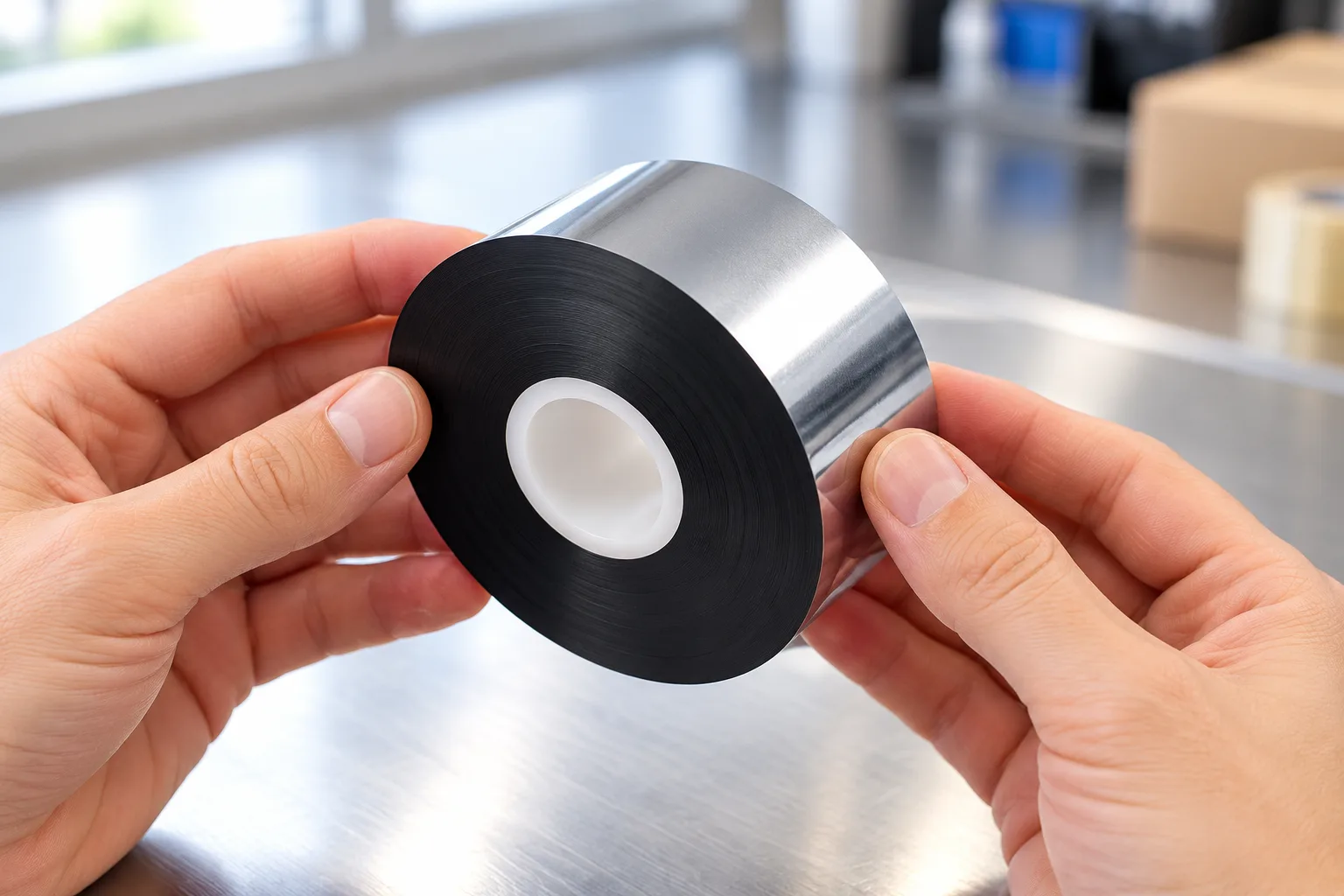
Roll format then drives running cost. Aftermarket suppliers advertise longer-than-standard rolls, and their advertised benefits are operational gains: fewer roll changes reduces downtime, lower energy extends printhead life, and a thinner carrier film cuts landfill waste. Compare roll length and yield between quotes; the exact figures sit in the evidence table below. Check supply terms last: aftermarket suppliers offer drop-in replacements to OEM TTO ribbons, so you can keep the printer and switch only the consumable. Ask each supplier to state which printer models their rolls fit and whether the specification is rated to meet or exceed the original.
Data and Evidence
The figures below come from published printer and ribbon documentation. Use them to shortlist; the roll-length and waste rows are supplier marketing figures, so confirm them on your own line.
| Ribbon type | Use it on | Print and durability limits |
|---|---|---|
| Wax | Paper labels; label life can be years | Must be kept dry; not abraded and not subjected to certain chemicals or oil, which dissolve the wax image |
| Wax-resin | Very smooth paper or coated paper labels, with a finer image | Much more durable than wax, but only slight contact with water |
| Resin (pure) | Flexible film packaging, quoted alongside wax-resin | Formulations vary by supplier; black is standard, with white and silver color options |
| Item | Published value or behavior | What it means for your choice |
|---|---|---|
| In-line print speed | High speeds of 20 IPS | Needs ribbons that release the ink at high speeds and enable long production runs without unnecessary changeovers |
| Printable flexible materials | PP, PET, aluminium, paper and Tyvek | Match your exact film against this scope before shortlisting a printer |
| Ribbon types | Wax, wax-resin and pure-resin | Almost always black; Near Edge TTO lists Wax/Resin Black, Resin White and Resin Silver |
| Aftermarket roll length | Rolls 20-25% longer | Fewer roll changes reduces downtime; lower energy extends printhead life |
| Carrier film | Thinner film | 15% less landfill waste, per supplier figures |
Validate a shortlisted ribbon in four steps before committing to volume:
- Request samples; ribbon suppliers offer free thermal transfer ribbon samples.
- Print your real date, lot, and barcode codes on your production film at running speed.
- Judge the print straight away: expect dark, dense printed images on a wide variety of substrates as the baseline suppliers commit to, and check that your barcodes scan first time.
- Expose the printed samples to the handling, moisture, and storage your package will see in distribution, then compare against your acceptance needs.
Next step: shortlist two ribbons that match your substrate and line speed, order samples of both, and run the four checks above on your own film before signing a supply agreement.
Frequently Asked Questions
Is near edge printing the same as thermal transfer overprinting?
Yes. Suppliers use Near Edge Printing and TTO (Thermal Transfer Overprinting) as interchangeable names for the same process, so either term leads to the same printers and ribbons.
Does a thermal transfer overprinter need a ribbon to print?
Yes. TTO printers commonly require a ribbon to print onto flexible packaging material. The printer melts the ribbon's ink coating onto the material, which helps the print survive harsh environments and stay on the material for a long period of time. The three ribbon types are wax, wax-resin, and pure-resin.
Which TTO ribbon should I use on coated film that gets occasional water contact?
Start with wax-resin. It prints a finer image on very smooth or coated surfaces and is much more durable than wax, but it can only stand slight contact with water. If your line sees more than slight moisture, ask the supplier for a resin option and test it on your film before committing.
What ribbon roll format lowers TTO printing cost on long production runs?
Look at longer rolls. Aftermarket suppliers advertise rolls 20-25% longer, which means fewer roll changes and less downtime, and the thinner carrier film means 15% less landfill waste; lower energy also extends printhead life. Confirm the roll length and core fit your printer before ordering.
How do I validate a new TTO ribbon supplier before switching?
Request a free sample roll, print your own date and barcode codes on your production film at line speed, and check for dark, dense printed images on a wide variety of substrates. Then expose the printed samples to the handling and moisture your package will see in distribution before you commit to volume.
Recommended products for this industry
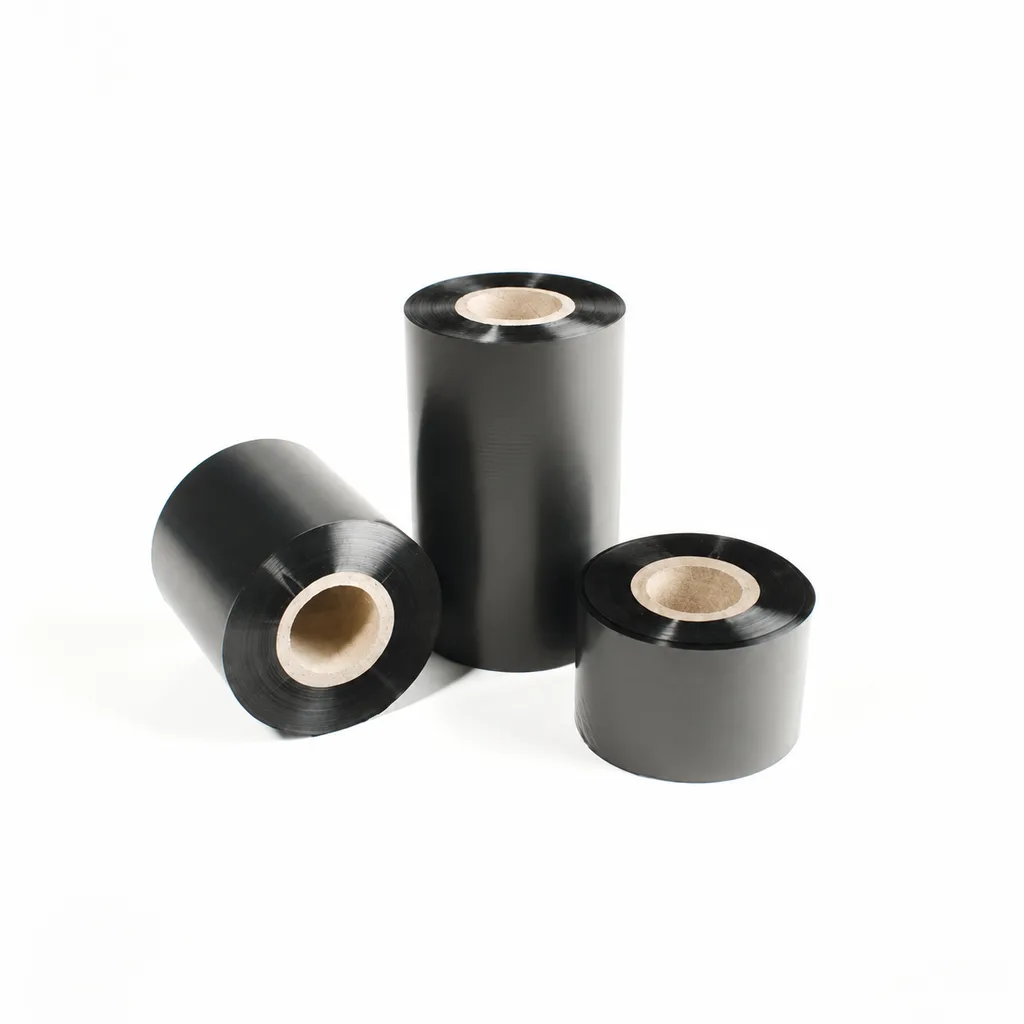
CL-Z112 Enhanced Wax Thermal Transfer Ribbon for Paper Labels and Tags
An enhanced wax thermal transfer ribbon with black ink for paper labels and tags used in retail, warehousing and logistics. It is specified for flat-head printing on desktop or industrial barcode printers at ≤8 inches per second (ips). Select it by checking the actual label material, printer configuration and handling conditions: image-quality, rub-resistance and cold-chamber results were obtained on coated paper, and print quality and image durability may vary with the printer and print medium.
View details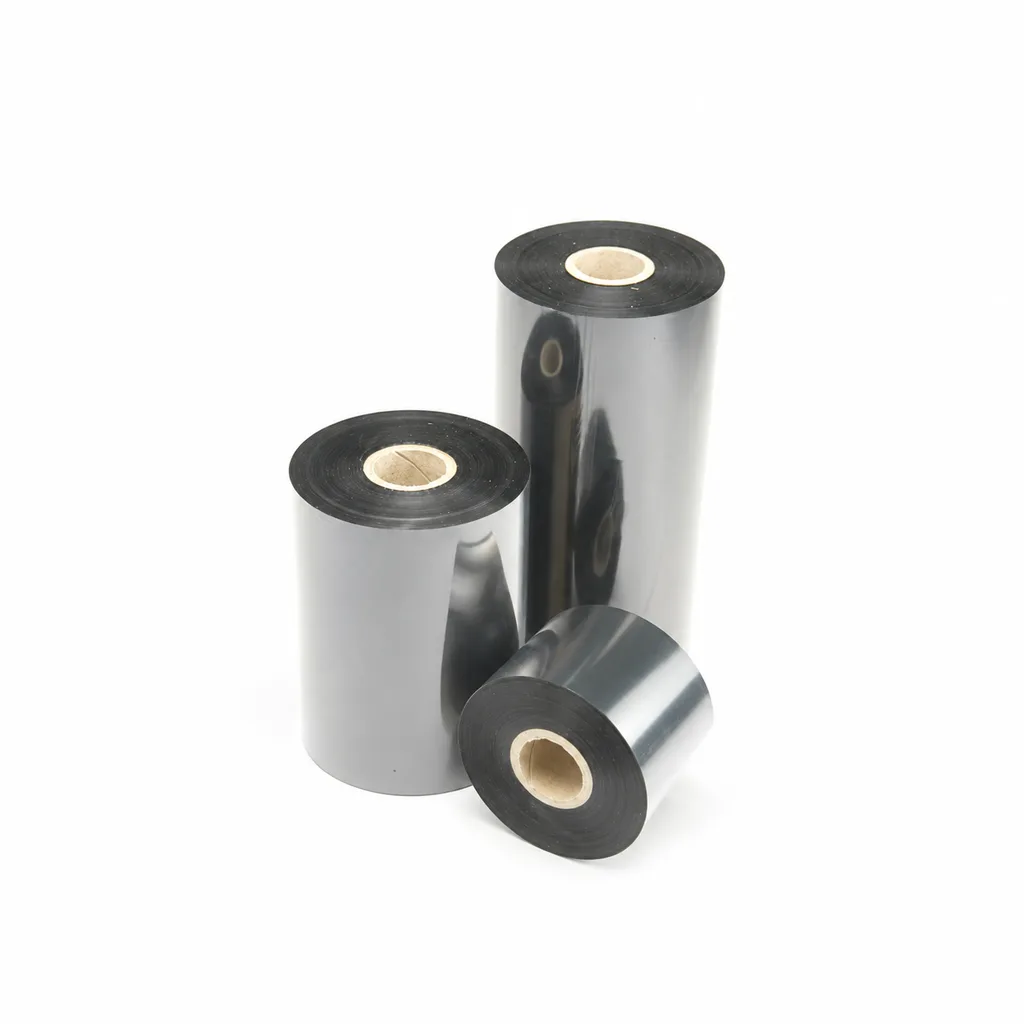
CL-Z203 Wax-Resin Thermal Transfer Ribbon for Barcode Labels
A black wax-resin thermal transfer ribbon for flat-head printing, with listed applications including retail, warehousing, logistics and garment tags. Select it against your actual label material and desktop or industrial barcode printer at speeds ≤6 ips (inches per second). Fine-line, small-text and durability results were obtained on coated paper; print quality and image durability may vary with the printer and printing substrate.
View details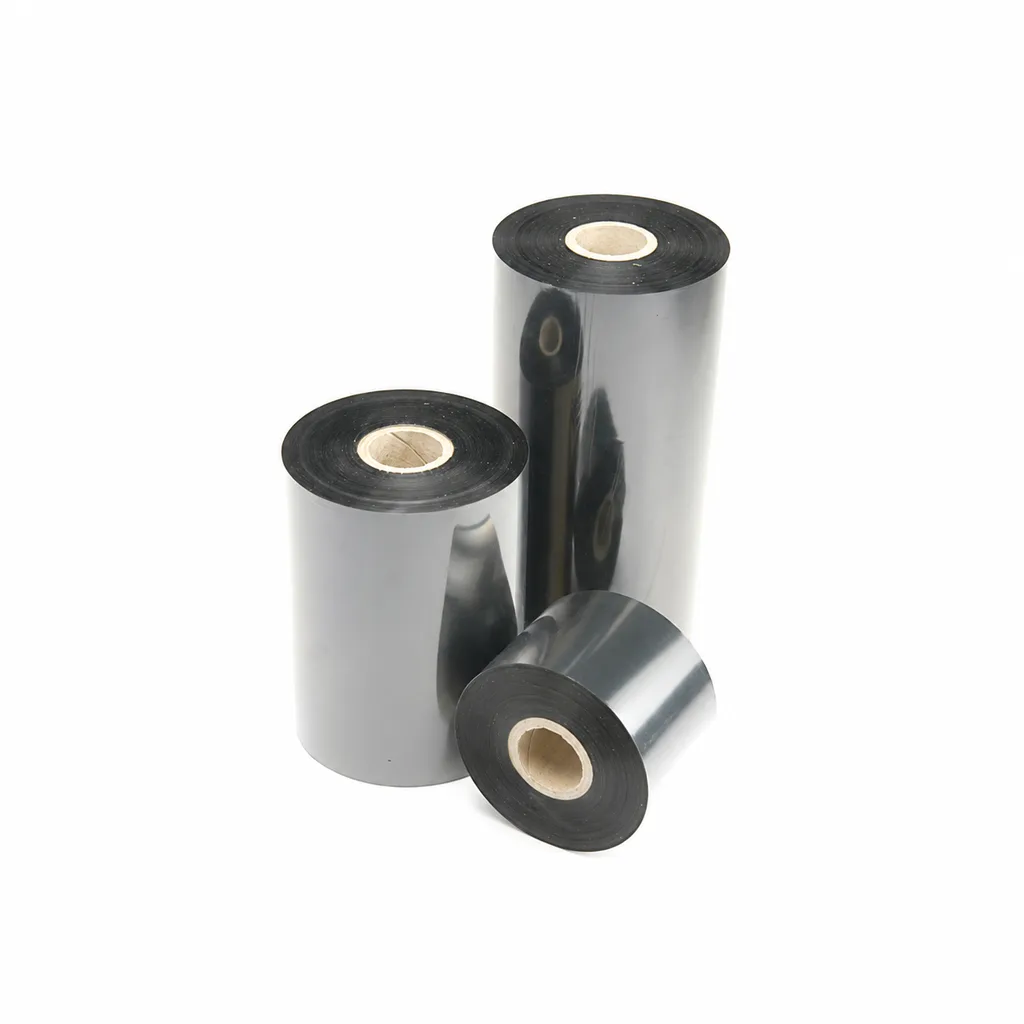
CL-Z213 Near-Edge Wax-Resin Thermal Transfer Ribbon for Barcode Labels
An enhanced black near-edge wax-resin thermal transfer ribbon for near-edge barcode printers and low- to medium-speed thermal transfer overprinting (TTO). Listed applications include retail labels, warehousing, garment tags and packaging identification. Match the printer, actual print medium and operating speed before selection: print quality and image durability can vary with the printer and substrate.
View details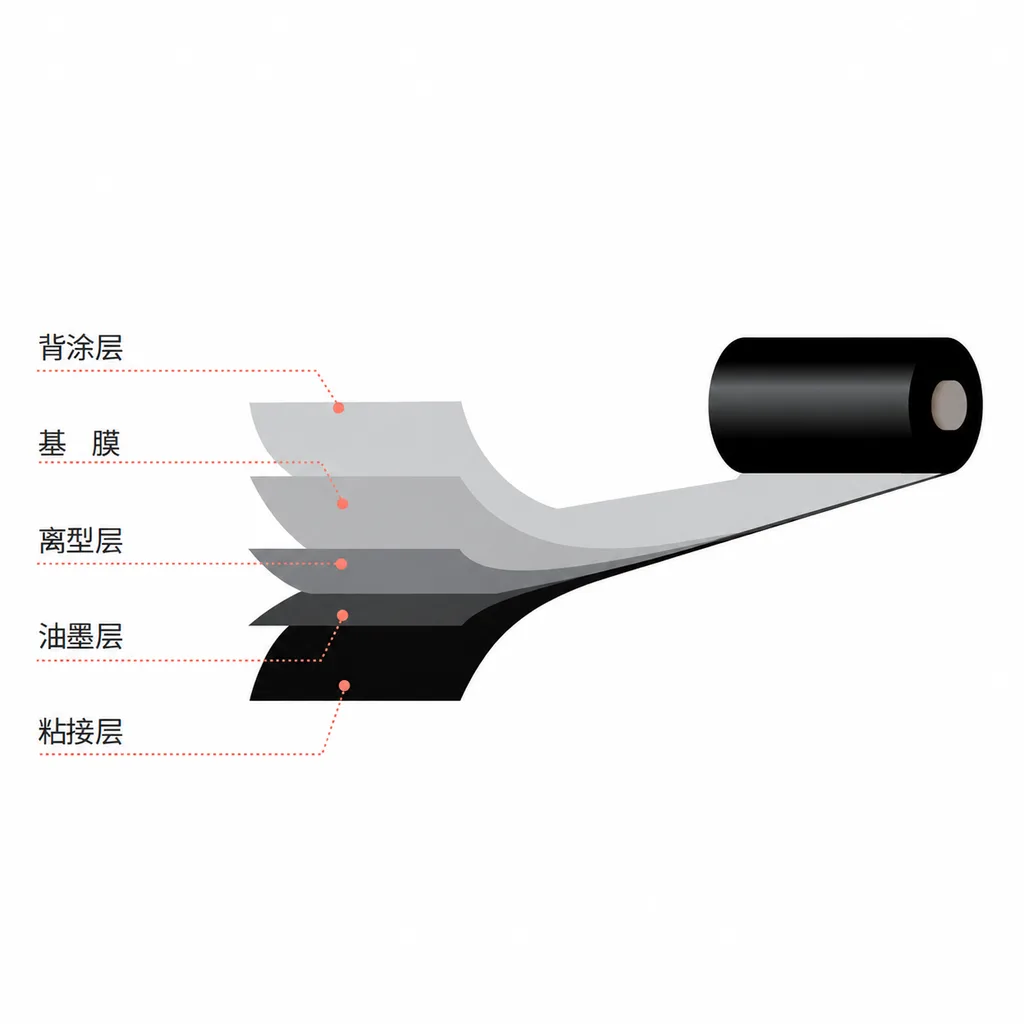
CL-Z312 Resin Thermal Transfer Ribbon for Packaging Printing
CL-Z312 is a black, general-purpose resin ribbon for thermal transfer overprinting (TTO), with packaging and retail label applications listed in the product information. Its abrasion, alcohol and oil resistance data were obtained on polyethylene terephthalate (PET). Select it against your actual packaging material, printer and production speed: print quality and image durability can vary with the printer and substrate, and the material chart percentages are not defined as pass rates.
View detailsNeed the right ribbon for your label application?
Share the label material, printer and operating environment. Our team will recommend a tested combination.
