
Thermal Transfer and TTO: Coding, Identification and Traceability Explained
Request a solution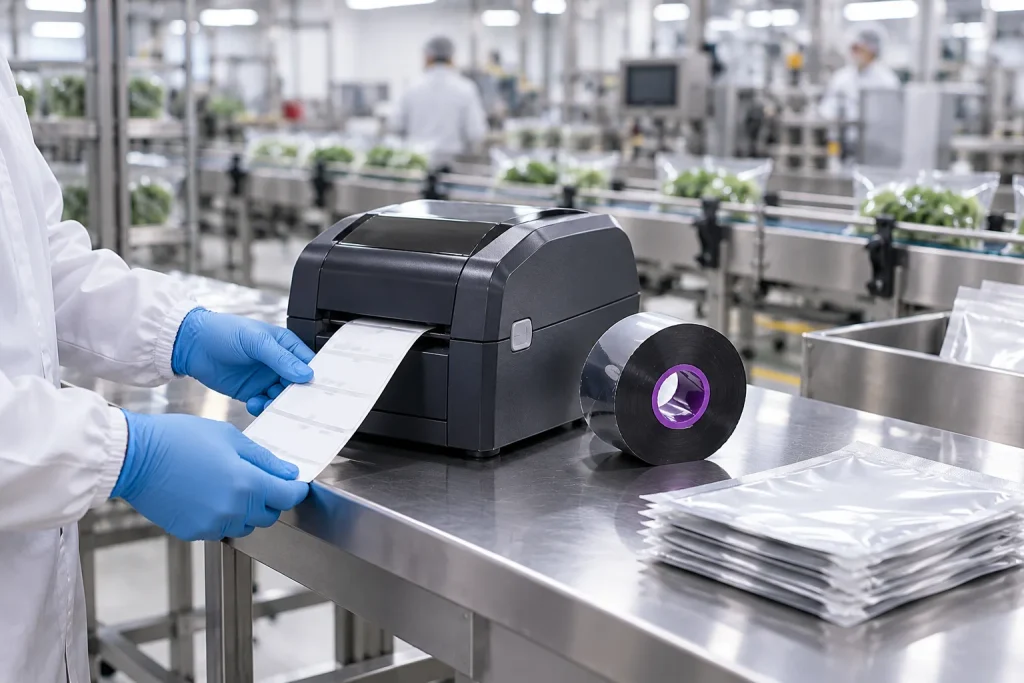
- Original TTR manufacturer since 2013
- Automated coating and slitting
- IQC / IPQC / OQC control
- ANSI barcode grade testing
- -20°C to 120°C environmental testing
- Batch-level traceability
- ANSI barcode grade
- Batch traceability
- RoHS / REACH compliance
- SGS and MSDS documents on request
TTO applies ribbon ink to flexible packaging, while thermal transfer also covers ribbon-based label printing. Buyers investigating product coding should distinguish the printing process from the identifier printed and the records used for traceability. Confirm the printer, ribbon and receiving surface together before treating a replacement consumable as equivalent.
Key Takeaways
- Thermal transfer uses printhead heat to transfer ribbon ink onto the receiving material.
- TTO means Thermal Transfer Overprinting and applies codes to flexible film or labels with wax-resin or resin ribbon.
- Direct thermal printing uses direct thermal paper without a ribbon.
- Batch numbers identify groups, while serial numbers identify individual units.
- Ribbon formulation, width, core size and length must match the printer and material.
Understand where TTO fits within thermal transfer
TTO is a thermal transfer process for coding flexible packaging, rather than an ink-free printing method. Heat transfers the ribbon coating to the material being printed. The broader term thermal transfer also describes printing onto labels, so the words alone do not identify a particular machine or consumable format.
This distinction matters when a purchasing request says only “thermal printer ribbon.” Direct thermal and thermal transfer are both thermal printing methods, but direct thermal uses heat-sensitive paper without a ribbon. Before comparing consumables, establish which method the machine will use. A ribbon request makes sense for thermal transfer; a direct thermal application calls for a different media discussion.
TTO narrows the application further: its definition describes a thermal printhead and wax-resin or resin ribbon applying a code to flexible film or labels. That explains why packaging coding and thermal transfer appear together in supplier descriptions. It does not establish that every label printer is a TTO machine or that any ribbon is suitable for packaging overprinting.
For an existing installation, start with the machine model and specified printing method. Then describe where the image is received: a label or the packaging surface itself. These details give the supplier a clearer starting point than “industrial printing” or “product coding” alone. Keep that distinction in your purchasing brief before discussing individual grades.
Separate printed identification from traceability
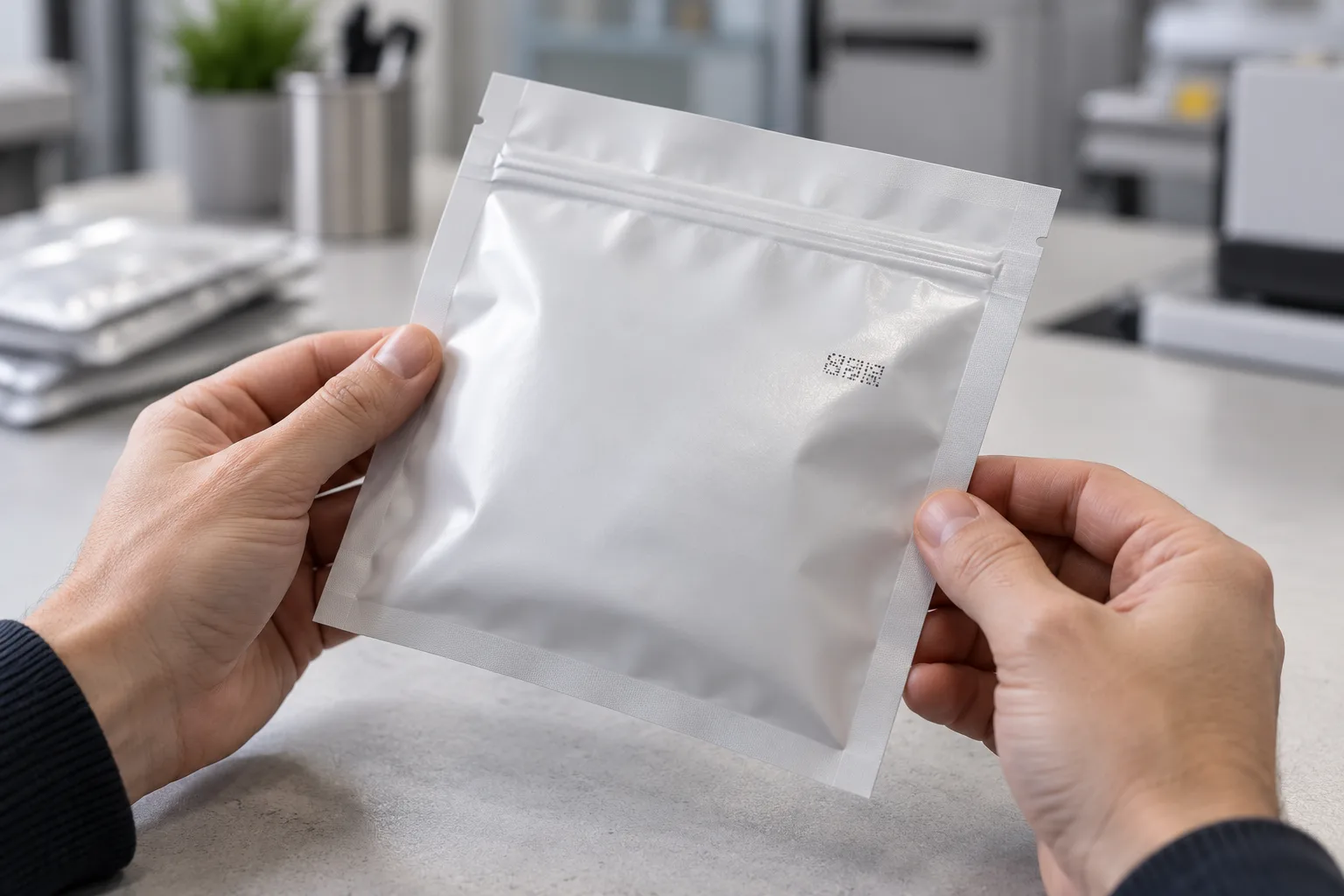
A batch number gives products in the same batch a shared identity, while a serial number identifies an individual unit. This difference concerns the information being printed, not the ribbon chemistry. Decide which identity your operation needs before using a sample code as the basis for a consumable trial.
COLORFULTTR’s product matrix lists TTO ribbon applications for production dates, batch numbers and product parameters in food and pharmaceutical products. These examples describe the information printed. They do not establish that every proposed printer, ribbon and packaging combination has been validated for a particular production line.
Forward traceability asks which products used a material batch; backward traceability asks which material batches went into a product. Review the printed identifier and the records to which it refers as separate checks. A clear sample demonstrates a print result under the trial conditions; do not use it alone as evidence that the intended material-to-product relationships have been checked.
Write down the question the code must answer. If the task is to distinguish batches, review the batch identity. If it is to distinguish individual units, review the serial identity requirement. Ask the responsible team to demonstrate the corresponding record lookup. This exercise keeps the printing trial focused without treating image quality as a complete assessment of the identification workflow.

Recognize what ribbon terminology cannot tell you
Ribbon selection depends on the ink formulation, roll dimensions, printer and receiving material together. Wax, wax-resin and resin are broad formulation families. They help organize options, but a family name is not a complete replacement specification.
The printhead matters as well. Near-edge ribbons use a release layer that allows ink to transfer quickly to the substrate. Additional ribbon layers can influence printing quality and durability, so matching the color and broad formulation does not describe the whole construction. When changing suppliers, ask for a candidate intended for the actual printhead and receiving surface.
COLORFULTTR’s compatibility reference provides a concrete boundary: its listed TTO near-edge ribbons are not designated for the JT desktop and Q light-industrial flat-head printers. Apply that statement to those documented lines. Do not turn a shared brand or a similar roll appearance into approval for an unlisted combination.
The product matrix lists PP, PET, PE, PVC, PS and aluminum foil bags among TTO receiving materials. Use this range to identify candidates rather than approve every surface carrying the same material name. The print system still needs an appropriate receiving surface and ink for the application. Keep the actual packaging sample and printer identity together when discussing a replacement so both sides are reviewing the same proposed combination.
Data and Evidence
The product matrix and printer compatibility reference establish application ranges rather than universal machine settings or production acceptance thresholds. The table separates the supported information from the check to perform for an actual job.
| Evidence point | Supported information | Check for your application |
|---|---|---|
| TTO process | Thermal printhead with wax-resin or resin ribbon applies codes to flexible film or labels. | Identify the machine and receiving surface. |
| Material range | The product matrix lists aluminum foil bags, PP, PET, PE, PVC and PS. | Trial the candidate on the actual packaging. |
| Regular TTO widths | The product matrix lists 33 mm and 55 mm. | Confirm the specific printer and layout requirements. |
| Printer boundary | The compatibility reference excludes its TTO near-edge ribbons from the listed JT and Q flat-head lines. | Review printhead and ribbon requirements. |
| Identifier | Batch identity is shared; serial identity is individual. | Check the intended identity and record lookup. |
Product applications, materials and widths come from 产品矩阵-2025. The JT/Q boundary and direct thermal distinction come from 公司打印机介质兼容性与材质规格(已审第一方来源). These references do not provide a common heat setting, print speed or durability pass value for every combination.
Prepare a short trial brief listing the printer model, printhead type, ribbon formulation, width, core size, roll length and actual receiving material. Include the intended code and describe the handling conditions the printed image must face. Agree what visible evidence is acceptable before testing. Record the selected conditions with the result instead of reporting only that the sample “prints well.”
If the candidate fails the agreed check, retain the failed sample and recorded combination for review before approving a substitute. Your next step is to assemble that brief and print a sample on your own packaging or label stock. Keep the accepted print with its consumable specification so a later supplier change has a concrete comparison.
Frequently Asked Questions
Is a TTO printer the same as a thermal transfer label printer?
TTO uses thermal transfer to code flexible packaging. The shared process name does not establish ribbon interchangeability; check the specific printer and printhead requirements.
Does a printed batch number identify each individual product?
Products in a batch share a batch number. A serial number provides an individual unit identity, so specify the identification level your application needs.
Can I choose a TTO ribbon only from the packaging material name?
Treat a listed material such as PP or PET as a starting point. Match the ribbon formulation and roll format to the printer, then validate a sample on the actual packaging.
Recommended products for this industry

Thermal Transfer Intelligent Coding Machine
This series of thermal transfer coders represents a cost-effective intelligent coding…
View details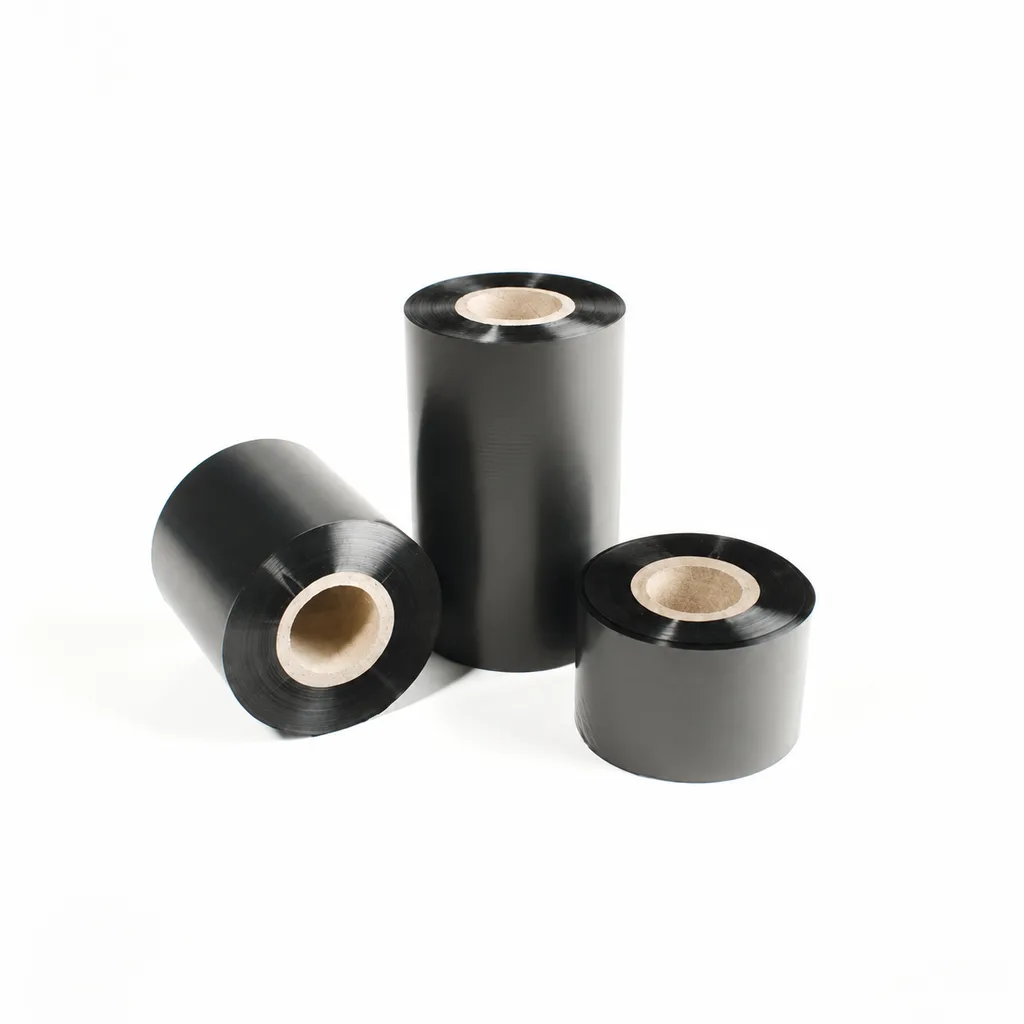
CL-Z112 Enhanced Wax Thermal Transfer Ribbon for Paper Labels and Tags
An enhanced wax thermal transfer ribbon with black ink for paper labels and tags used in retail, warehousing and logistics. It is specified for flat-head printing on desktop or industrial barcode printers at ≤8 inches per second (ips). Select it by checking the actual label material, printer configuration and handling conditions: image-quality, rub-resistance and cold-chamber results were obtained on coated paper, and print quality and image durability may vary with the printer and print medium.
View details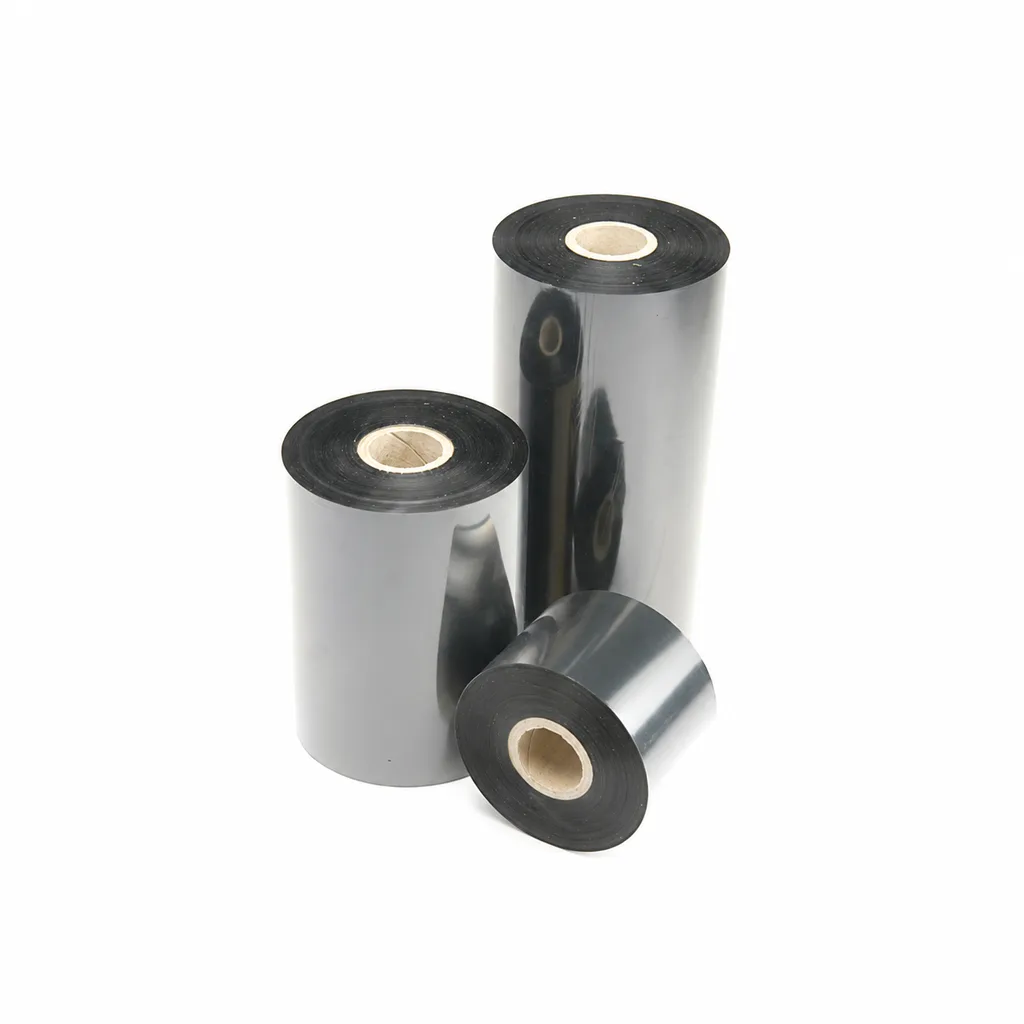
CL-Z213 Near-Edge Wax-Resin Thermal Transfer Ribbon for Barcode Labels
An enhanced black near-edge wax-resin thermal transfer ribbon for near-edge barcode printers and low- to medium-speed thermal transfer overprinting (TTO). Listed applications include retail labels, warehousing, garment tags and packaging identification. Match the printer, actual print medium and operating speed before selection: print quality and image durability can vary with the printer and substrate.
View details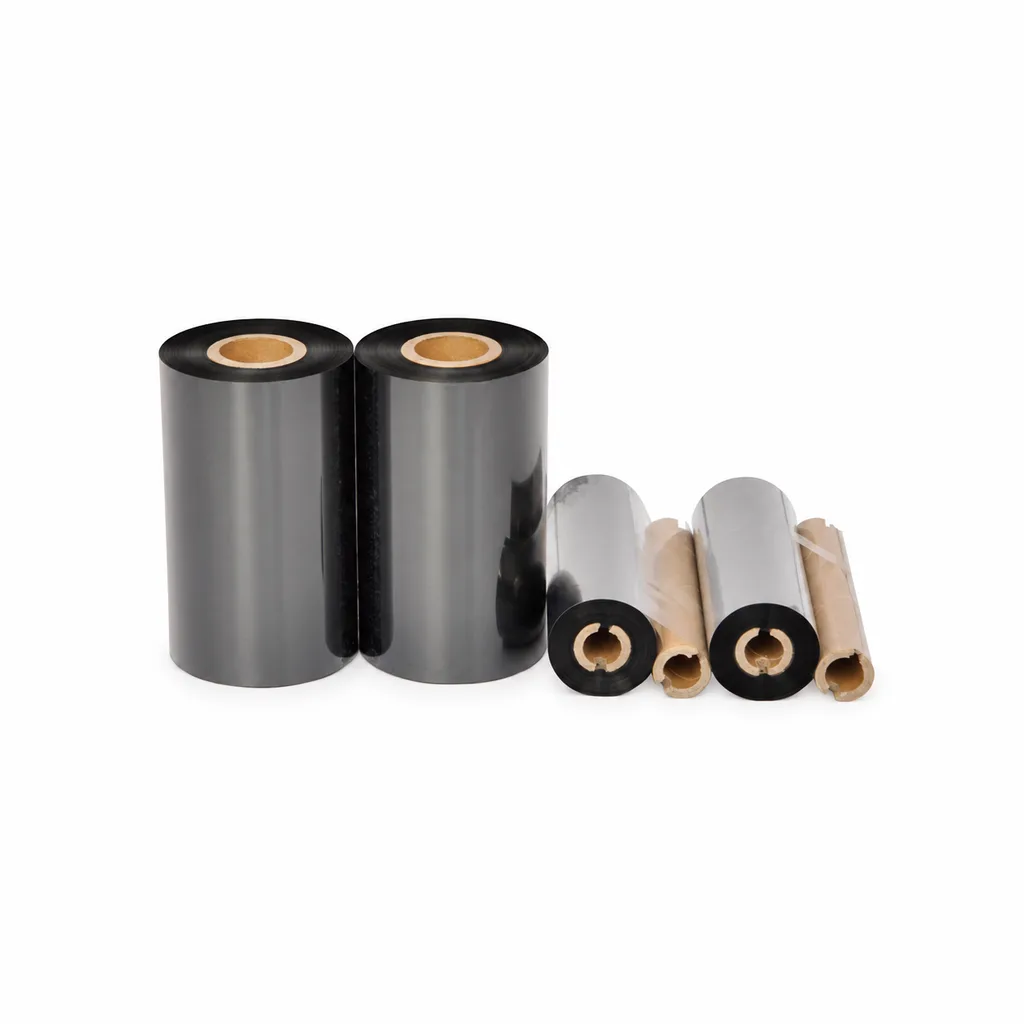
CL-Z908 Wax Thermal Transfer Ribbon for Barcode Labels and Tags
CL-Z908 is an economical black wax thermal transfer ribbon for label and tag printing. Listed applications include retail, warehousing, logistics, clothing tags, simple packaging and production line identification. It is intended for flat-head printing on desktop or industrial barcode printers at speeds of ≤6 inches per second (ips). Select it against your actual paper stock, printer and required image durability: print quality and image durability may vary with the printer and printing substrate.
View detailsNeed the right ribbon for your label application?
Share the label material, printer and operating environment. Our team will recommend a tested combination.
