
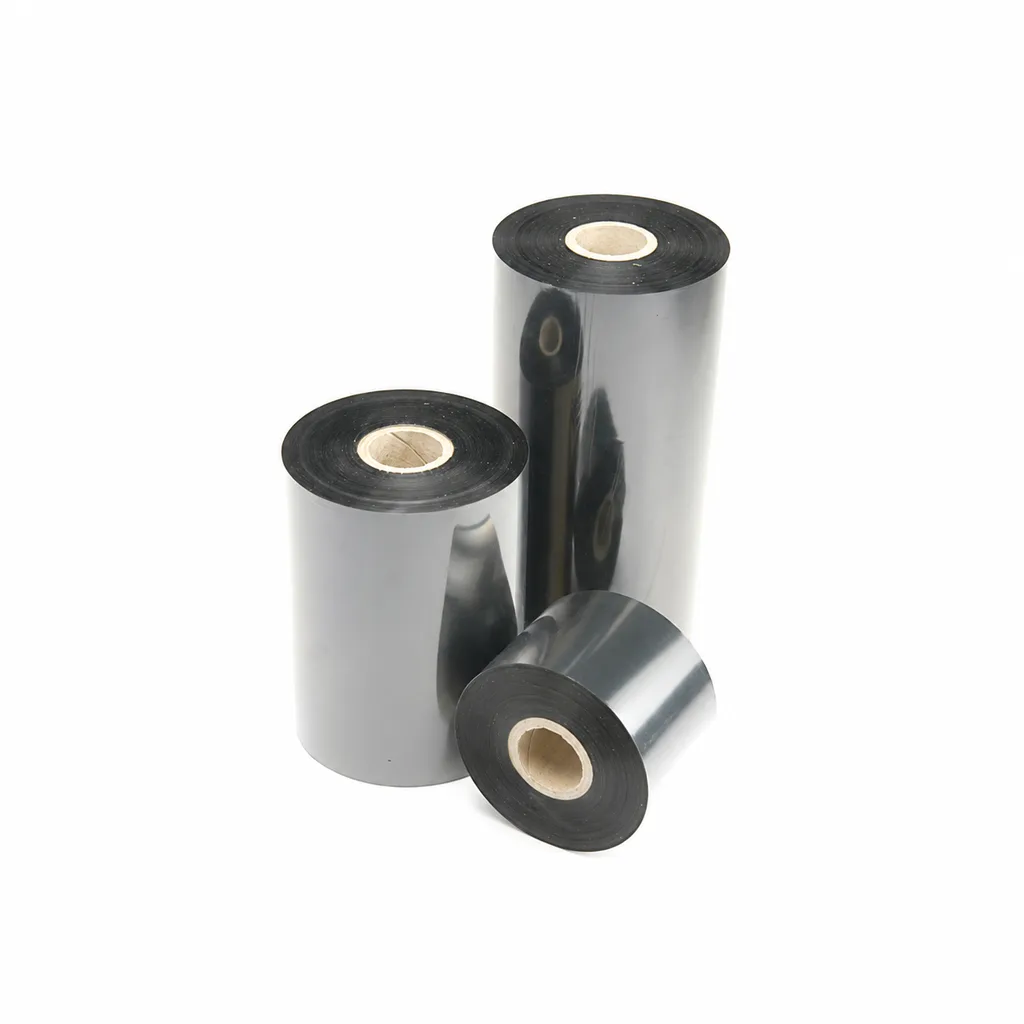
CL-Z213 Near-Edge Wax-Resin Thermal Transfer Ribbon for Barcode Labels
An enhanced black near-edge wax-resin thermal transfer ribbon for near-edge barcode printers and low- to medium-speed thermal transfer overprinting (TTO). Listed applications include retail labels, warehousing, garment tags and packaging identification. Match the printer, actual print medium and operating speed before selection: print quality and image durability can vary with the printer and substrate.
- Coated paper: 350 cycles (9N load, A4 paper); PET: 200 cycles (9N load, A4 paper)Rub resistance
- Label printing unchanged (after 20 hours in a sealed cold chamber at -17℃)Low-temperature test
Product Overview
Choose this enhanced wax-resin ribbon for near-edge barcode printing, or assess it for low- to medium-speed thermal transfer overprinting (TTO) on packaging. The recommended-use graphic lists near-edge printing at ≤10 ips and TTO at ≤20 ips, where ips means inches per second, alongside AVERY 6404 / Videojet 6320 equipment references. These are stated reference conditions, not a guarantee for every printer or substrate.
For material selection, the source identifies coated paper, polyethylene terephthalate (PET), polyvinyl chloride (PVC), polypropylene (PP) and polyethylene (PE). Its material-adaptability graphic shows 100% for coated paper and 85% for each listed plastic, but does not define the evaluation method. Those figures should not be treated as printing success rates or universal compatibility. Confirm performance on the actual print medium.
Compare durability using the stated test conditions: coated paper reached 350 rub cycles and PET reached 200 rub cycles, both with a 9N load and A4 paper. Label printing was unchanged after 20 hours in a sealed cold chamber at -17℃. This cold-test observation does not establish a continuous service-temperature rating. Print quality and image durability may differ with printer and substrate type.
The ribbon uses a polyester-film base, with base-film thickness of 4.5±0.2 μm and total thickness of 6.8±0.5 μm. Store at -5℃~40℃ and 20%~85% humidity in a ventilated place, protected from light and away from heat sources. The stated shelf life is one year. Packaging application listings do not establish food-contact or pharmaceutical-contact compliance.
Core Advantages
Near-edge printing with a TTO use option
Enhanced wax-resin formulation primarily intended for near-edge barcode printers, with low- to medium-speed thermal transfer overprinting applications also stated. Verify the recommended equipment and speed conditions for the intended job.
Separate rub-test results for paper and PET
The reported results distinguish coated paper at 350 cycles from PET at 200 cycles, using a 9N load and A4 paper. Use these conditions when comparing requirements; image durability can vary with printer and substrate.
Defined storage conditions
Store at -5℃~40℃ and 20%~85% humidity with ventilation, protection from light and separation from heat sources. The stated shelf life is one year.
Technical Specifications
| Ink color | Black |
|---|---|
| Optical density | 1.9 (standard-version spectrodensitometer X-Rite eXact) |
| Rub resistance | Coated paper: 350 cycles (9N load, A4 paper); PET: 200 cycles (9N load, A4 paper) |
| Low-temperature test | Label printing unchanged (after 20 hours in a sealed cold chamber at -17℃) |
| Base material | Polyester film |
| Base-film thickness (μm) | 4.5±0.2 |
| Total thickness (μm) | 6.8±0.5 |
| Ink melting point | 60℃ |
| Storage conditions | Temperature -5℃~40℃, humidity 20%~85%, ventilated, protected from light and away from heat sources |
| Shelf life | One year |
| Printing method | Near-edge ≤10 ips TTO ≤20 ips |
| Printing-speed equipment references | AVERY 6404 / Videojet 6320 |
| Back coating | Back coating |
| Base film | Base film |
| Release layer | Release layer |
| Ink layer | Ink layer |
| Adhesive layer | Adhesive layer |
Typical Applications
Retail labels, warehousing and garment tags
Listed identification applications include retail labels, warehousing and garment hang tags. Assess the actual label or tag material with the intended near-edge printer, since print quality and durability depend on the printer and medium.
Production-line and packaging identification
Listed uses include production lines, prepackaging, food packaging and pharmaceutical packaging. For TTO jobs, check the actual packaging medium and the stated equipment and speed conditions. These application listings do not establish food-contact or pharmaceutical-contact compliance.
Frequently Asked Questions
Can I select this ribbon for both near-edge barcode printing and TTO?
It is primarily intended for near-edge barcode printers and is also described for low- to medium-speed thermal transfer overprinting (TTO). The recommended-use graphic states near-edge ≤10 ips and TTO ≤20 ips, with AVERY 6404 / Videojet 6320 as equipment references. Confirm the actual printer, substrate and speed; these references do not establish compatibility with every machine.
How should I compare coated paper and PET for rub resistance?
The stated rub-test results are 350 cycles on coated paper and 200 cycles on polyethylene terephthalate (PET), both using a 9N load and A4 paper. Compare them only with their stated test conditions. Print quality and image durability can vary with the printer and print medium, so confirm the result on your actual material.
Does the -17℃ test establish suitability for continuous cold use?
The reported observation is that label printing remained unchanged after 20 hours in a sealed cold chamber at -17℃. It does not establish a continuous service-temperature rating. Assess the actual printer, label material and exposure conditions for the intended use.
Does the packaging application listing prove food-contact or pharmaceutical-contact compliance?
No. Food packaging and pharmaceutical packaging are listed applications, but the supplied evidence does not establish contact compliance for this model and use. The displayed certification logos lack report numbers, validity details and certification-subject evidence, so they cannot support a product compliance claim.
Explore
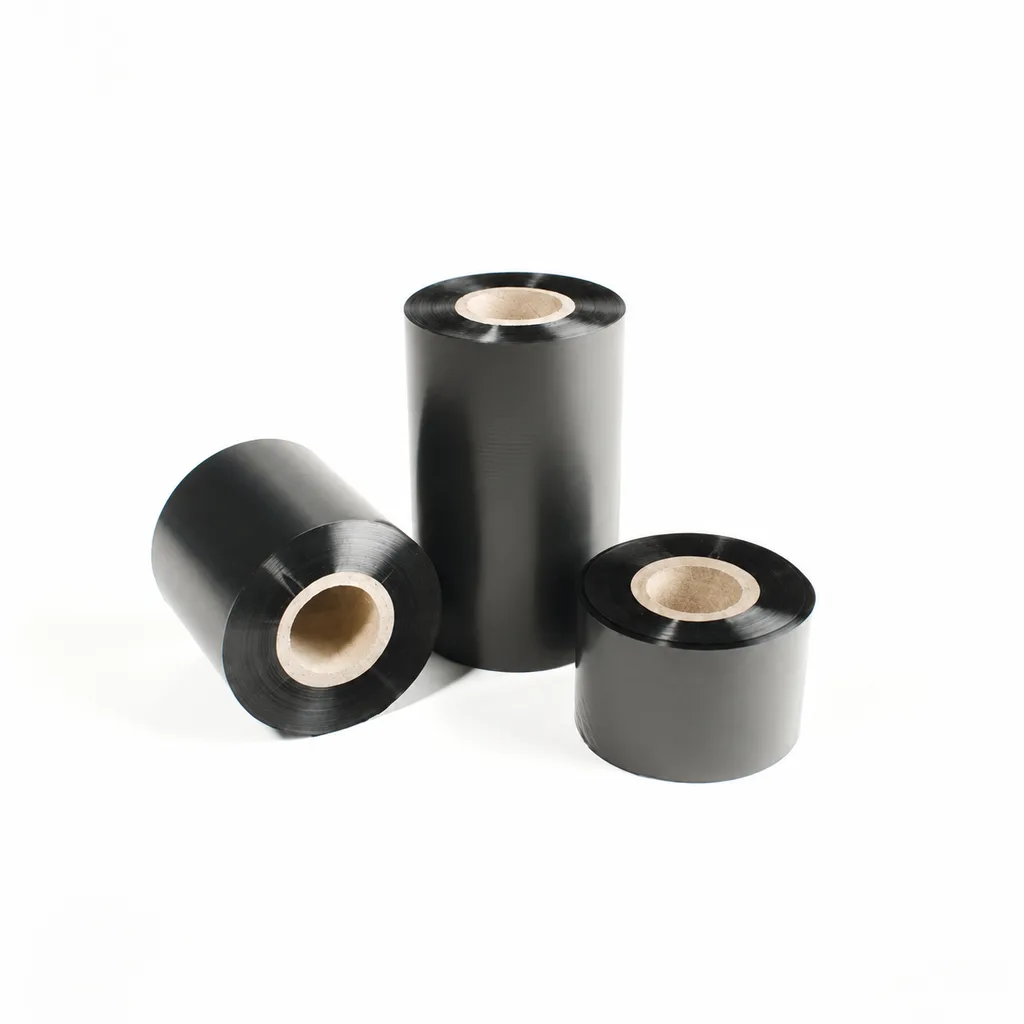
CL-Z112 Enhanced Wax Thermal Transfer Ribbon for Paper Labels and Tags
An enhanced wax thermal transfer ribbon with black ink for paper labels and tags used in retail, warehousing and logistics. It is specified for flat-head printing on desktop or industrial barcode printers at ≤8 inches per second (ips). Select it by checking the actual label material, printer configuration and handling conditions: image-quality, rub-resistance and cold-chamber results were obtained on coated paper, and print quality and image durability may vary with the printer and print medium.
View details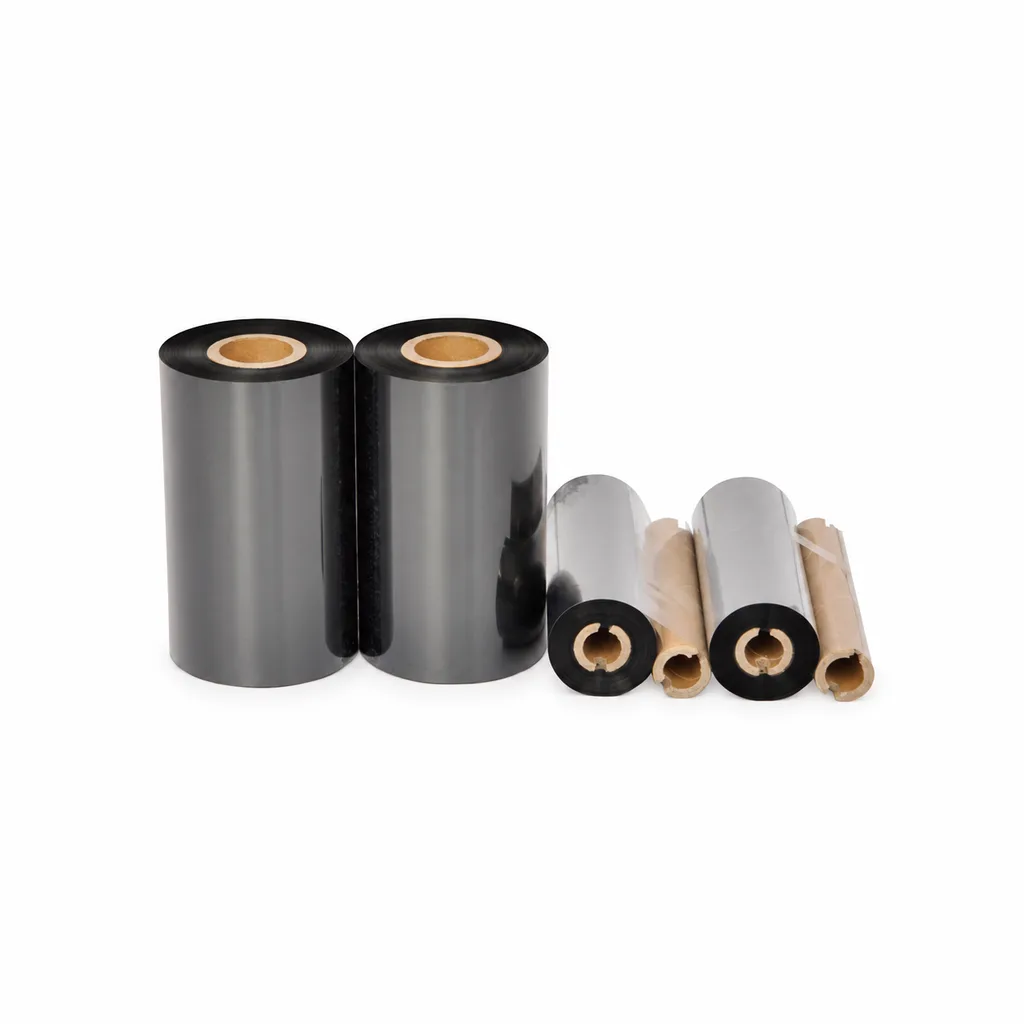
CL-Z908 Wax Thermal Transfer Ribbon for Barcode Labels and Tags
CL-Z908 is an economical black wax thermal transfer ribbon for label and tag printing. Listed applications include retail, warehousing, logistics, clothing tags, simple packaging and production line identification. It is intended for flat-head printing on desktop or industrial barcode printers at speeds of ≤6 inches per second (ips). Select it against your actual paper stock, printer and required image durability: print quality and image durability may vary with the printer and printing substrate.
View details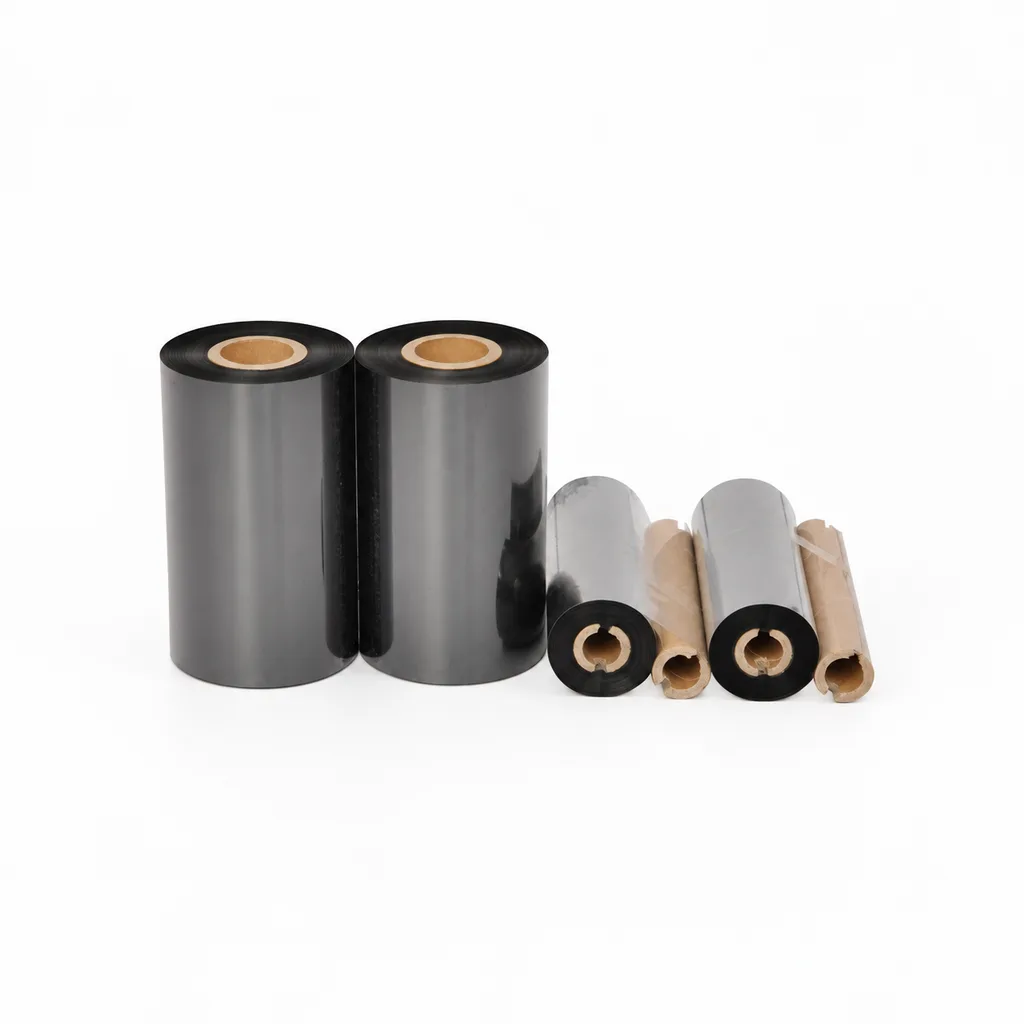
CL-Z908PLUS Wax Thermal Transfer Ribbon for Paper Labels
An economical black wax thermal transfer ribbon for flat-head printing of paper labels in retail, warehousing, logistics, simple packaging and production lines, with garment hangtags also listed as an application. The recommended printing speed is ≤8 inches per second (ips) on desktop or industrial barcode printers. Select it against your actual label material and printer: the material adaptability chart lists lower values for cardstock and hangtags, and print quality and image durability may vary with the printer and print medium.
View detailsNot sure which grade fits your printer and label?
Tell us the label material, printer model, environment and expected durability. We will recommend the right option.
