
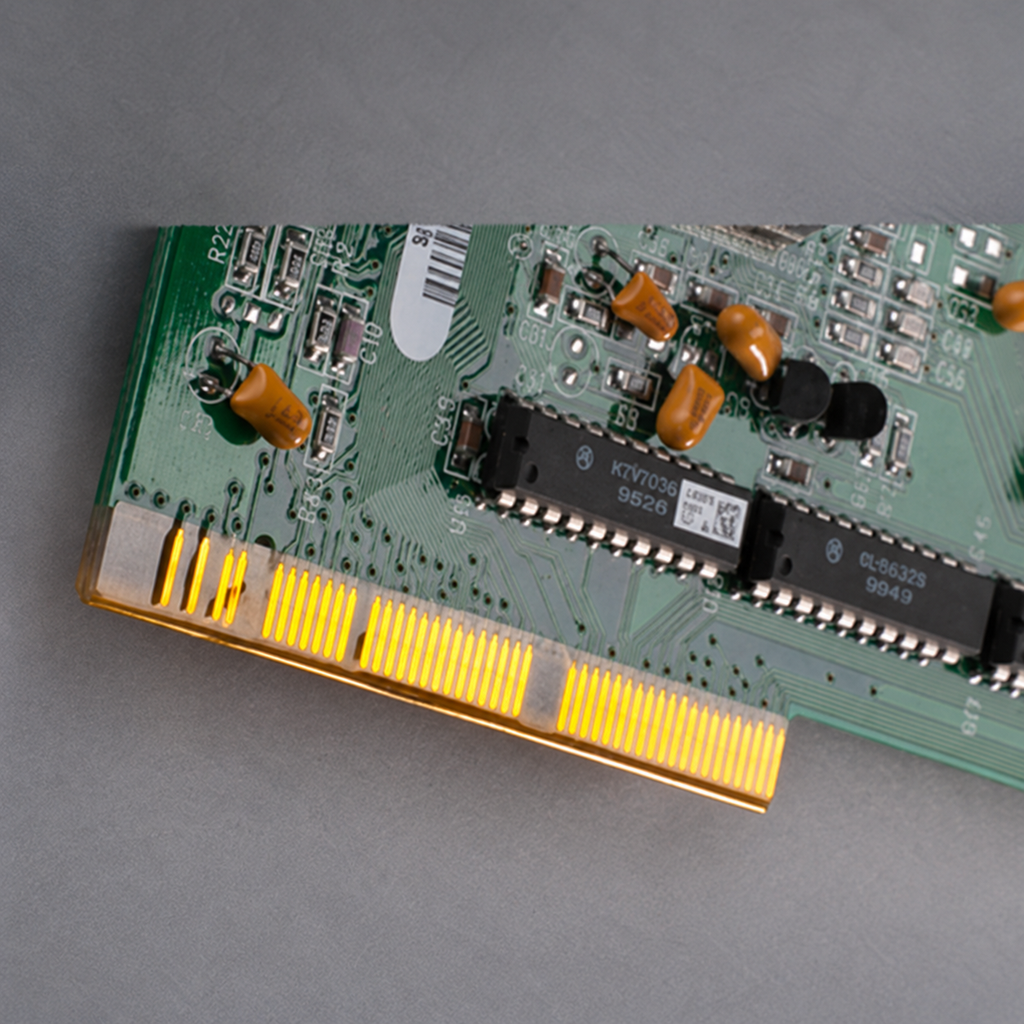
CL-8632S Polyimide High-Temperature Label for PCB Process Control and Traceability
The CL-8632S is a polyimide (PI) high-temperature label with a white matte coating and a thickness of 2 mil, made for the electronics industry. The source specifications list a PI base film, a temperature range of -40°C to 350°C, and SGS/RoHS as the certification standard, and describe stable performance at high temperature, removal without adhesive residue, repeated re-application, usability in wave soldering and reflow processing, and good resistance to chemicals and solvents. The listed applications are process control and product traceability on printed circuit boards (PCBs) and on sensitive electronic components. Before ordering, confirm the printing method and ribbon pairing for your printer, and validate the label against your actual soldering profile.
- -40-350℃Temperature Range
- 2milThickness
- PIBase Film
Product Overview
The CL-8632S is a polyimide (PI) high-temperature label with a white matte coating and a thickness of 2 mil (0.0508 mm). It is made for the electronics industry, where the source application notes place it in process control and product traceability on printed circuit boards (PCBs) and on sensitive electronic components. The source product data states that the label can be used in wave soldering and reflow processing.
Four points drive selection for this label. First, the PI base film with its listed temperature range of -40°C to 350°C matches the heat of reflow and wave soldering steps, where lower-temperature label films are generally not suitable. Second, at 2 mil the label stays thin, which suits dense boards where a low profile matters. Third, the white matte coating provides a printable surface for human-readable text and barcodes. Fourth, the source notes describe removal without adhesive residue and repeated re-application, which is useful when identification must be applied and removed more than once.
All specifications and performance descriptions on this page are reproduced from the approved source product data for this model, and the values above are listed ratings rather than in-house test results. Before volume use, validate the label against your actual soldering profile, cleaning agents and board surface with a processed sample. Two limits apply: the source page presents the product in its antistatic label category, but no surface-resistance values or antistatic test standards are published for the model, so measured data should be requested for electrostatic discharge (ESD) controlled areas; and the source data does not state a printing method or ribbon pairing, so confirm these for your printer before ordering.
Core Advantages
Stable performance at high temperature
The source notes describe stable performance under high temperature, consistent with the listed temperature range of -40-350℃ for reflow and wave soldering processes.
Clean removal and re-application
According to the source product data, the label can be removed without leaving adhesive residue and can be re-applied repeatedly, so identification can be relocated or updated during process routing.
Usable in wave soldering and reflow
The source data states that the label can be used in wave soldering and reflow processing, allowing identification to stay on the board through these heating steps.
Good chemical and solvent resistance
The source notes list good resistance to chemicals and solvents, which is relevant where boards or components are cleaned with solvents during or after assembly.
Technical Specifications
| Coating | White matte |
|---|---|
| Thickness | 2mil |
| Base Film | PI |
| Temperature Range | -40-350℃ |
| Certification Standard | SGS/RoHS |
Typical Applications
PCB process control and traceability
In electronics manufacturing, the label is used for process control and product traceability on printed circuit boards, which is the core application stated in the source product data.
Identification through wave soldering and reflow
The label is listed for use in wave soldering and reflow processing, so traceability marking can be applied before boards enter these heating steps.
Sensitive electronic component identification
The source application notes also cover sensitive electronic components in the electronics industry, supporting process control and product traceability for these parts.
Frequently Asked Questions
Can the CL-8632S label withstand wave soldering and reflow temperatures?
The source specifications list a temperature range of -40-350℃ and state that the label can be used in wave soldering and reflow processing. As a general rule, common reflow and wave soldering profiles operate below 350℃, but your exact peak temperature and dwell time should be confirmed against this listed range, ideally with a label processed on your own line, before volume use.
When should I choose a polyimide (PI) label instead of a PET (polyethylene terephthalate) label?
As a general selection guideline, polyimide films are the standard choice when a label must pass through reflow or wave soldering, because PI keeps its integrity at temperatures where PET films deform; PET labels are generally reserved for lower-temperature identification. The CL-8632S uses a PI base film with a listed temperature range of -40-350℃, which places it in the high-temperature category.
Will repeated application and removal leave adhesive residue on the board?
The source product notes state that the label removes without leaving adhesive residue and can be re-applied repeatedly. Removal behavior can still depend on the board surface finish and how long the label has been attached, so verify removal on your actual surface if the label will be removed and re-applied repeatedly during rework or process routing.
Is verified antistatic performance data available for this label?
The source page presents this product in its antistatic label category, but the available data publishes no surface-resistance values or antistatic test standards for the model. If the label will be used in electrostatic discharge (ESD) controlled areas near sensitive components, request measured ESD data or qualify the material first instead of relying on the category name.
How does the label withstand solvent cleaning, and will printed barcodes stay readable after the oven?
The source notes list good chemical and solvent resistance for the label itself. How a printed barcode behaves after wave soldering or reflow depends on the printing method and ribbon used, which the source data does not specify, so run a print-and-scan check on a label that has passed through your actual process before production release.
Explore

Acid and Alkali Resistant Label
Chemical-resistant label construction for acid baths, paint-stripping solutions, alkali…
View details
Aluminum Foil High-Temperature Label
Coated aluminum label for metal processing, heat treatment and high-temperature part…
View details
Anti-Static High-Temperature Polyimide Label
Anti-static polyimide label for ESD-sensitive electronics assembly and high-temperature…
View detailsNot sure which grade fits your printer and label?
Tell us the label material, printer model, environment and expected durability. We will recommend the right option.
