
Manufacturier Rubans Transfert Thermique: What a Ribbon Manufacturer Is and What the Word Does Not Guarantee
Request a solution
- Original TTR manufacturer since 2013
- Automated coating and slitting
- IQC / IPQC / OQC control
- ANSI barcode grade testing
- -20°C to 120°C environmental testing
- Batch-level traceability
- ANSI barcode grade
- Batch traceability
- RoHS / REACH compliance
- SGS and MSDS documents on request
This guide is for B2B buyers and printing-plant technical leads who hit ribbon specification, compatibility, or supplier-switch problems and search "manufacturier rubans transfert thermique" — French for thermal transfer ribbon manufacturer. It defines the role, separates manufacturers from resellers, converters, and printer-brand suppliers, and lists exactly what the word does not guarantee. The working test of a real manufacturer is control over ink formulation and converting, proven through customization options, documentation, and sample rolls printed on your own equipment before any production order.
Key Takeaways
- A thermal transfer ribbon manufacturer produces the ribbon itself — formulating ink, coating it onto carrier film, slitting, and winding — rather than only reselling finished rolls.
- Factory-direct supply opens specification choices a reseller cannot offer, including width, length, core size, ink-side orientation, and OEM private-label packaging.
- Independent manufacturers publish compatibility lists covering major printer brands, but your exact printer, media, and settings still decide the print result.
- The word "manufacturer" in a listing proves nothing on its own; documentation, customization ability, and sample prints are the evidence that counts.
- Ribbon manufacturers supply consumables — ribbons and blank label stock such as wash-care materials — not finished printing services.
What a Thermal Transfer Ribbon Manufacturer Does
A thermal transfer ribbon manufacturer is the company that makes the ribbon itself: it formulates the ink, coats the ink onto a thin carrier film, slits the coated film to the ordered width, and winds it onto cores as finished rolls. Every other supplier type in the chain buys the roll after this production step and can only repackage what already exists. That single difference drives most of what a buyer cares about — which specifications can be changed, how quickly a formulation can be adapted, and who is accountable when print quality drifts.
Manufacturers usually organize their range into application families instead of one universal ribbon. Wax ribbons target economical, high-volume printing on paper labels such as logistics and shipping labels, warehouse inventory labels, and retail price marking. Wax-resin hybrid ribbons trade some of that economy for scratch and moisture resistance, which suits pharmaceutical labels, medical device labeling, apparel hang tags, manufacturing WIP labels, and asset tracking. COLORFULTTR's catalog follows exactly this structure — see fabricant de ruban transfert thermique cire for the wax side of the range — and adds dedicated categories such as garment wash-care ribbons.
Alongside ribbons, this kind of manufacturer often produces the adjacent consumable: blank label stock. COLORFULTTR's wash-care product list includes blank nylon washed marks and blank satin polyester washed marks for thermal transfer printing, sold factory direct. That matters when your problem is a full consumable set — ribbon plus media — rather than ribbon alone.
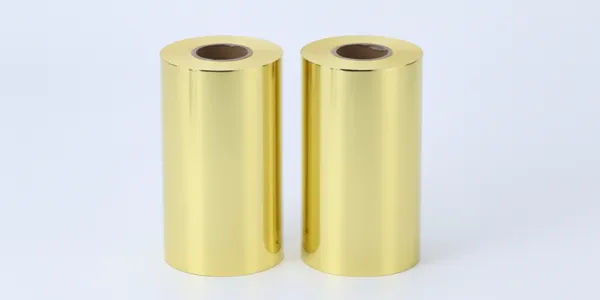
How to Tell a Manufacturer from a Reseller, a Converter, and a Printer Brand
The thermal transfer ribbon supply chain splits into four roles — manufacturer, converter, distributor or reseller, and printer-brand channel — and each role controls a different part of the product. A manufacturer controls ink chemistry, coating, slitting, and winding, so it can quote custom widths, lengths, cores, ink-side orientation, and private-label packaging directly. A converter buys wide jumbo rolls and does the slitting and rewinding: it can change roll dimensions but not the ink formulation. A distributor or reseller stocks finished rolls built to fixed specifications and earns its margin on local availability, small quantities, and fast delivery.
| Supplier type | What it controls | What it can change for you | Best suited for |
|---|---|---|---|
| Manufacturer | Ink formulation, coating, slitting, winding | Width, length, core, ink side, packaging, OEM private label | Custom specs, volume supply, private-label programs |
| Converter | Slitting and rewinding of jumbo rolls | Width, length, and core from existing formulations | Non-standard sizes of a known ribbon |
| Distributor / reseller | Stock and local availability | Choice among existing finished rolls | Small orders and urgent replenishment |
| Printer-brand channel | Ribbons sold under the printer maker's name | Only the brand's own consumable range | Buyers who value single-brand simplicity |
For a buyer facing a supplier switch, the practical question is which changes each role can absorb. If you need a 35mm width on a 1-inch core with ink coated outside, only a manufacturer — or a converter holding the right stock — can produce it; a reseller can only check whether such a roll already exists. COLORFULTTR documents this factory-level scope: custom widths from 30mm to 220mm, lengths from 70m to 600m, 0.5-inch and 1-inch cores, ink coated inside or outside, and private-label packaging for OEM clients.
Compatibility is where the roles overlap in practice. Independent compatibility lists usually read like COLORFULTTR's, covering Zebra ZT200, ZT400, and ZT600 series plus ZD420, ZD620, and GK/GX printers; SATO CL4NX, CL6NX, CT4LX, and WS4; Honeywell/Intermec PM42, PM43, PC43, and PD43; TSC TTP-244 Pro, TTP-342 Pro, MA2400, and MH240; and Datamax-O'Neil E-Class, M-Class, and I-Class series. For the background on branded consumables, see what "ruban transfert thermique Zebra" actually means.
Why Buyers Search This Term and How to Verify a Manufacturer
No one searches "thermal transfer ribbon manufacturer" out of curiosity; the search usually starts from a concrete problem — a specification that no longer prints cleanly, a media change, or a supplier switch — and aims at the factory that controls the product. French-speaking buyers type "manufacturier rubans transfert thermique" or the variant "fabricant" for the same reason English-speaking buyers type the English phrase: to reach whoever can actually change the product. Once you have a candidate, run the same verification checklist whatever the language:
- Ask for the technical data sheet (TDS) of the exact grade you need, not a general brochure.
- Request a customization quote covering width, length, core, ink side, and packaging; a factory answers with production options, while a middleman answers with a fixed catalog.
- Ask for sample rolls and print them on your own printer with your own label stock before placing any production order.
- Check OEM and private-label experience, because producing under another brand's packaging is factory-level work.
- Confirm the supplier's scope: a ribbon manufacturer sells consumables and expects you to print in-house.
These five checks turn a marketing word into evidence. A supplier that passes them can absorb specification changes and stand behind print quality; one that cannot is working as a channel, whatever its listing says.
What the Word "Manufacturer" Does Not Guarantee
"Manufacturer" tells you who makes the ribbon, not how that ribbon will behave on your production line, and four common assumptions do not follow from the word.
It does not guarantee compatibility. Compatibility lists describe the printer series a ribbon is designed to work with; your print head, speed, darkness setting, and label stock still decide the result. Treat every catalog value as a starting point and confirm it with a sample run on the exact printer that will run the job.
It does not guarantee a lower price. Factory-direct supply removes an intermediary margin, which pays off at suitable volumes; for small or urgent orders, freight and minimum quantities can make a local distributor the cheaper route.
It does not guarantee quality on its own. Manufacturers run whole grade families — economical wax for paper, hybrid for synthetic surfaces — so picking the right grade for your application matters more than the factory badge on the roll.
It does not guarantee printing services. Ribbon manufacturers sell consumables: ribbons and blank media such as wash-care label stock. The printing happens on your equipment, with your operators.
Your concrete next step: shortlist one or two candidate manufacturers, request the TDS and sample rolls for the grade that matches your media, and run your usual test file on your current line. Compare scan quality, durability, and unit cost against your current ribbon before you commit the switch.
Data and Evidence
The tables below collect the verifiable specifications documented in COLORFULTTR's product catalog and wash-care product list, together with the verification method each figure supports.
| Customization parameter | Documented options |
|---|---|
| Width | Standard 40mm to 110mm; custom 30mm to 220mm |
| Length | Standard 74m, 90m, 300m, 450m; custom 70m to 600m |
| Core | 0.5" (12.7mm), 1" (25.4mm), custom cores available |
| Ink side | Ink coated inside (CSI) or outside (CSO) |
| Packaging | Neutral, white label, custom private label; pre-printed cores and cartons for OEM clients |
| Ribbon family | Typical label materials | Typical applications |
|---|---|---|
| Wax | Paper labels | Logistics and shipping labels, warehouse inventory labels, retail price marking, outer carton shipping marks |
| Wax-resin hybrid | Paper and synthetic label stocks | Pharmaceutical product labels, medical device labeling, apparel hang tags, manufacturing WIP labels, asset tracking |
| Garment wash-care category | Blank nylon and satin polyester wash-care stock supplied alongside ribbons | Garment care and content labels |
| Printer brand | Series listed in the catalog |
|---|---|
| Zebra | ZT200, ZT400, ZT600 series; ZD420; ZD620; GK/GX series |
| SATO | CL4NX, CL6NX, CT4LX, WS4 series |
| Honeywell/Intermec | PM42, PM43, PC43, PD43 series |
| TSC | TTP-244 Pro, TTP-342 Pro, MA2400, MH240 series |
| Datamax-O'Neil | E-Class, M-Class, I-Class series |
| Other flat head printers | Godex, Argox, Postek, Brady, cab |
Source notes: customization scope, ribbon families, and printer compatibility come from "COLORFULTTR wax and wax-resin product catalog"; blank wash-care label stock comes from "洗水唛产品清单 20260811". Verification method for every figure above: request the matching documentation from the supplier and run sample prints on your own printer and media before production orders.
Frequently Asked Questions
Do thermal transfer ribbons from independent manufacturers work in Zebra, SATO, Honeywell, and TSC printers?
The COLORFULTTR catalog lists compatibility with Zebra ZT200, ZT400, and ZT600 series plus ZD420, ZD620, and GK/GX printers; SATO CL4NX, CL6NX, CT4LX, and WS4; Honeywell/Intermec PM42, PM43, PC43, and PD43; and TSC TTP-244 Pro, TTP-342 Pro, MA2400, and MH240. Confirm your exact printer model with a sample print before switching suppliers.
What ribbon specifications can a manufacturer customize that a reseller usually cannot?
Documented factory options include custom widths from 30mm to 220mm, lengths from 70m to 600m, 0.5-inch and 1-inch cores plus custom cores, ink coated inside (CSI) or outside (CSO), and neutral, white-label, or private-label packaging with pre-printed cores and cartons for OEM clients.
Is buying directly from a thermal transfer ribbon manufacturer always cheaper than buying from a distributor?
No. Direct supply removes an intermediary margin and pays off at suitable volumes, but freight, minimum quantities, and urgent small orders can make a local distributor the more economical route.
Can I order finished printed wash-care labels from a ribbon manufacturer?
No — plan to print in-house. The manufacturer supplies consumables: thermal transfer ribbons plus blank wash-care label stock such as nylon washed marks and satin polyester washed marks, which you print on your own thermal transfer printers.
Recommended products for this industry
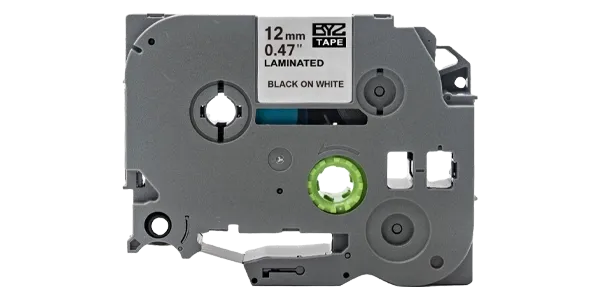
Brother Compatible Label Ribbons (TZe Series)
This Brother-compatible label ribbon (TZe series) is manufactured using high-quality…
View details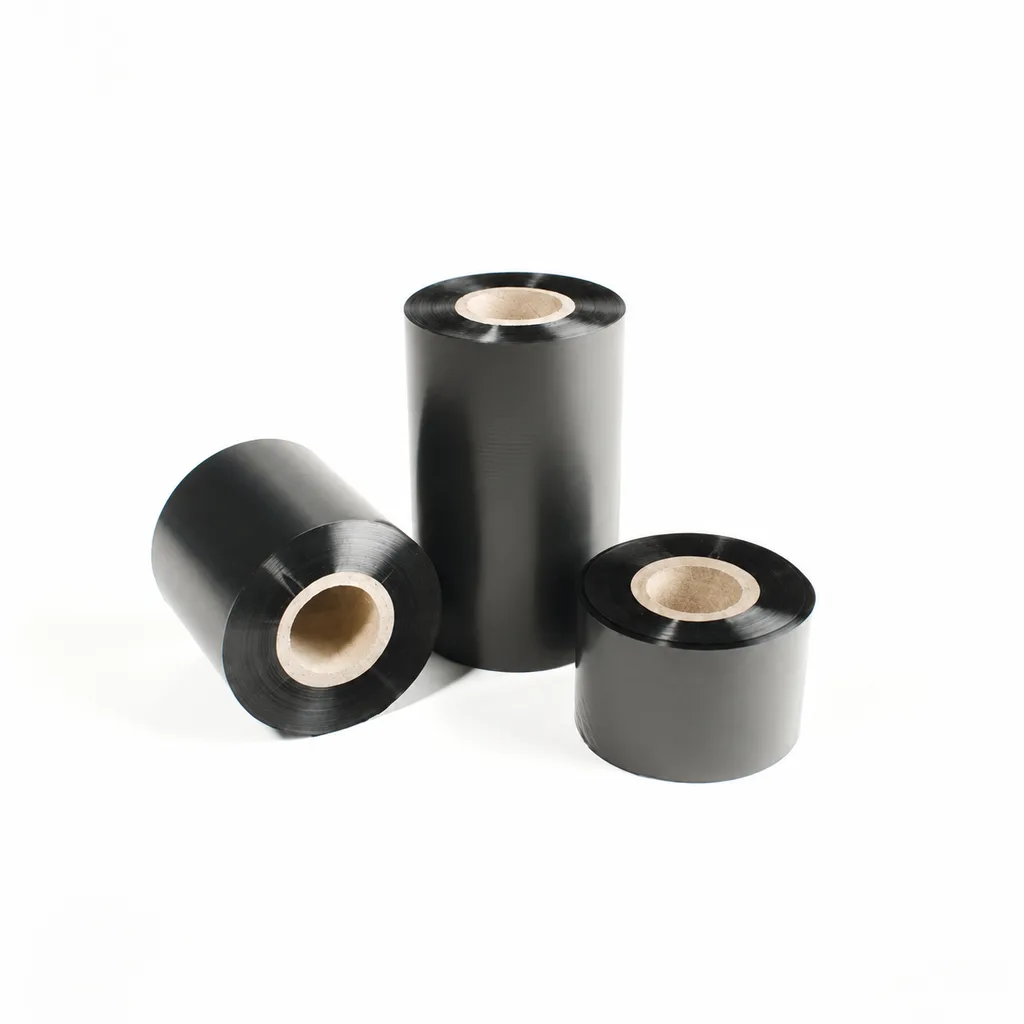
CL-Z112 Enhanced Wax Thermal Transfer Ribbon for Paper Labels and Tags
An enhanced wax thermal transfer ribbon with black ink for paper labels and tags used in retail, warehousing and logistics. It is specified for flat-head printing on desktop or industrial barcode printers at ≤8 inches per second (ips). Select it by checking the actual label material, printer configuration and handling conditions: image-quality, rub-resistance and cold-chamber results were obtained on coated paper, and print quality and image durability may vary with the printer and print medium.
View details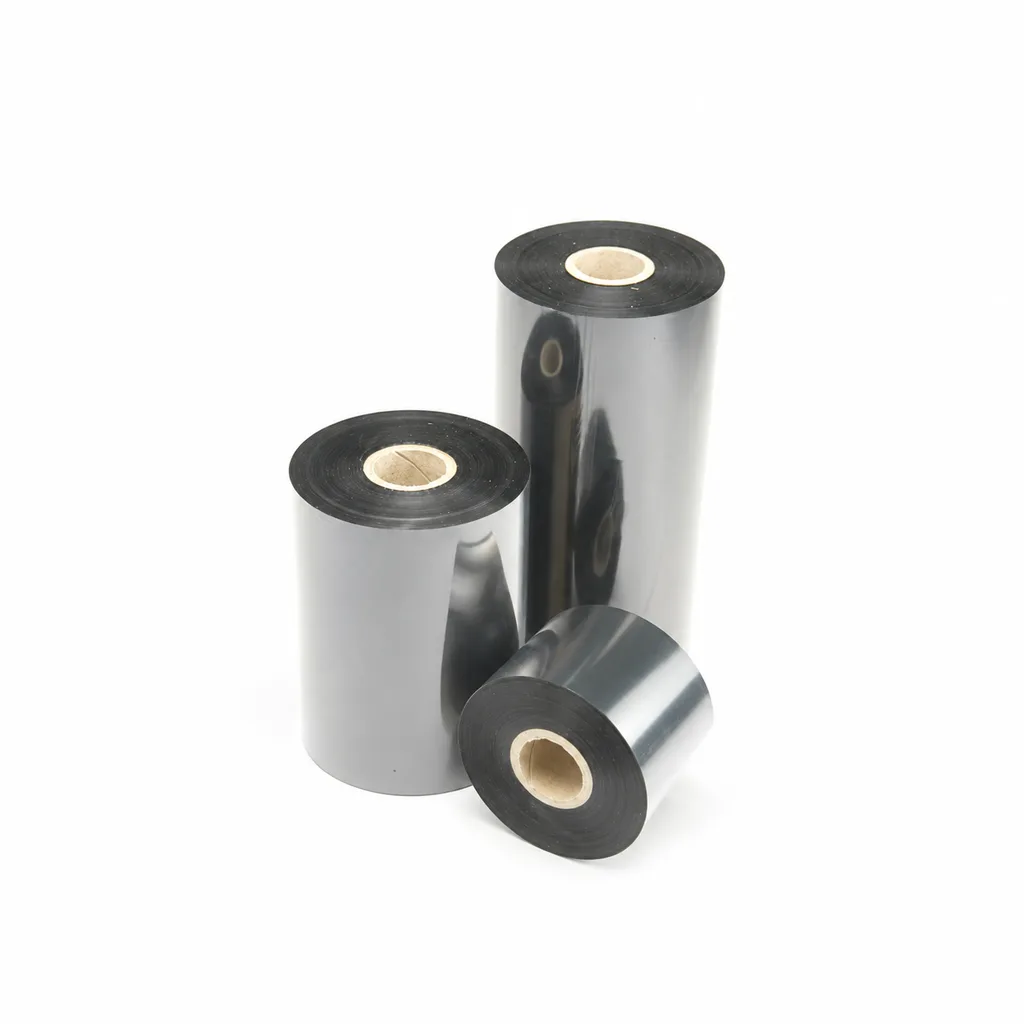
CL-Z203 Wax-Resin Thermal Transfer Ribbon for Barcode Labels
A black wax-resin thermal transfer ribbon for flat-head printing, with listed applications including retail, warehousing, logistics and garment tags. Select it against your actual label material and desktop or industrial barcode printer at speeds ≤6 ips (inches per second). Fine-line, small-text and durability results were obtained on coated paper; print quality and image durability may vary with the printer and printing substrate.
View details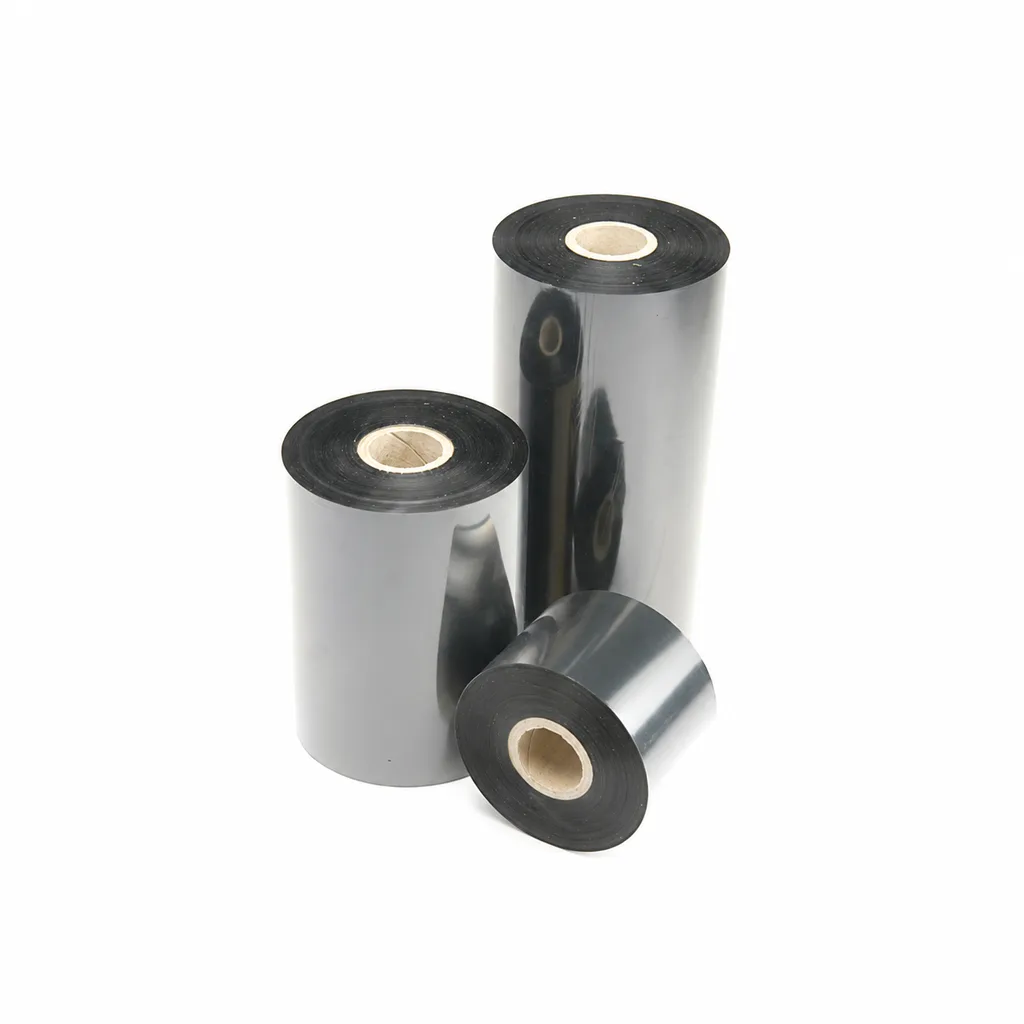
CL-Z213 Near-Edge Wax-Resin Thermal Transfer Ribbon for Barcode Labels
An enhanced black near-edge wax-resin thermal transfer ribbon for near-edge barcode printers and low- to medium-speed thermal transfer overprinting (TTO). Listed applications include retail labels, warehousing, garment tags and packaging identification. Match the printer, actual print medium and operating speed before selection: print quality and image durability can vary with the printer and substrate.
View detailsNeed the right ribbon for your label application?
Share the label material, printer and operating environment. Our team will recommend a tested combination.
