
Ruban Transfert Thermique Zebra: What the Term Means and How to Match the Ribbon to Your Printer
Request a solution
- Original TTR manufacturer since 2013
- Automated coating and slitting
- IQC / IPQC / OQC control
- ANSI barcode grade testing
- -20°C to 120°C environmental testing
- Batch-level traceability
- ANSI barcode grade
- Batch traceability
- RoHS / REACH compliance
- SGS and MSDS documents on request
Ruban transfert thermique Zebra is the French phrase for a thermal transfer ribbon that runs in Zebra label printers, and it names printer compatibility rather than the ribbon's maker or ink chemistry. This explainer defines the term, separates the three ribbon chemistries (wax, wax-resin hybrid, full resin), and maps Zebra's flat-head families against its near-edge ZE500 print engines. Before ordering, confirm width, length, core size and ink side against your specific printer, because the search term alone fixes none of these dimensions.
Key Takeaways
- "Ruban transfert thermique Zebra" means thermal transfer ribbon for Zebra printers; the brand name qualifies the printer, not who manufactured the ribbon or which chemistry it uses.
- Zebra's ZT, ZD, GK, GX, 105SL and 110Xi series are flat head printers, while ZE500 print engines are near-edge TTO machines that take a different ribbon class.
- Wax suits economical paper labeling, wax-resin hybrids balance quality and durability across paper and synthetic materials, and full resin targets permanent identification on synthetics.
- A complete order must still specify width, length, core size (0.5 inch/12.7 mm or 1 inch/25.4 mm) and ink side (coated inside or outside).
- Catalog performance figures describe one ribbon grade under stated conditions; they are not universal settings for every printer and label stock.
What "Ruban Transfert Thermique Zebra" Specifies and What It Leaves Open
The French phrase ruban transfert thermique Zebra translates as "thermal transfer ribbon for Zebra printers," and each word in it carries specification weight. Ruban is the consumable itself: an inked film roll that feeds through the printer. Transfert thermique is the process: a heated print head melts ink off the ribbon and onto the label, which is why this consumable exists at all. Zebra is the printer brand the ribbon must fit.
The term therefore works as a compatibility descriptor rather than a product definition. It tells you the ribbon must run in Zebra thermal transfer hardware, which separates it from two adjacent products buyers often mix up. It is not a direct thermal label, which develops its image in heat-sensitive paper and needs no ribbon. It is also not an inkjet or toner consumable, which belongs to a different marking technology altogether.
In practice, the phrase leaves the four decisions that determine whether a roll actually works — chemistry, width and length, core size, and ink-side orientation — completely open. The sections below cover them in the order a buyer needs.
Tell Wax, Wax-Resin and Resin Ribbons Apart
Zebra-compatible ribbons come in three chemistries — wax, wax-resin hybrid and full resin — and the chemistry, not the printer brand, decides durability and which label stocks the ribbon can print. All three target the flat-head printer class that Zebra's ZT, ZD, GK, GX, 105SL and 110Xi label printers belong to, so your label material and its working environment make the choice.
Wax is the most economical thermal transfer option and delivers excellent print density on paper labels. It fits general-purpose work where extreme durability is not required: logistics and shipping labels, warehouse inventory labels and retail price marking are the classic loads.
Wax-resin hybrids combine the properties of both inks, typically around 60% wax and 40% resin, for balanced print quality and durability with moderate scratch and moisture resistance. They also give good performance on synthetic materials, which opens the door to pharmaceutical product labels, medical device labeling, apparel hang tags and manufacturing WIP labels.
Full resin uses 100% resin-based ink and represents the highest durability level in the COLORFULTTR catalog. It resists scratching, chemicals, high temperatures and outdoor exposure, which is why permanent identification on synthetic materials — automotive VIN and parts labels, electronics PCB and component marking — lands here.
Trace the Term to Its Source: a Printer Brand, Not a Ribbon Maker
Zebra builds the printers, while the ribbon is a consumable that independent manufacturers produce to match those printers' specifications. French-speaking buyers front-load the machine in the phrase because they search by the printer they already own; "Zebra" in the term answers the fit question, not the origin question.
That division of labor explains why one search returns both printer-brand consumables and compatible equivalents. Independent ribbon makers such as COLORFULTTR publish compatibility references that list Zebra's ZT, ZD, GK, GX, 105SL and 110Xi series among flat-head printers, and they manufacture to order rather than to one fixed format: custom widths run from 30 mm to 220 mm, standard lengths step through 74 m, 90 m, 300 m and 450 m with custom runs reaching 600 m, cores come in 0.5 inch (12.7 mm) and 1 inch (25.4 mm) plus custom options, and the ink side is slit in or out per printer specification.
Dedicated color ribbon series round out the range, providing single-color thermal transfer printing for brand identification, color coding and warning labels.
Recognize What "For Zebra" Does Not Guarantee
A ribbon sold as ruban transfert thermique Zebra still leaves chemistry, dimensions, ink side and certifications unspecified, and treating the phrase as a complete specification causes most compatibility and supplier-switching problems. Four gaps matter in practice.
First, the term does not fix dimensions. Width, length, core and ink-side orientation belong to your specific printer model, and a roll with the wrong core or wrong ink side will not feed or print, even with the right chemistry.
Second, it does not fix the ribbon class. Zebra's ZE500 print engines are near-edge TTO machines built for flexible packaging date coding, so they take TTO near-edge ribbons rather than the flat-head rolls that serve the ZT, ZD, GK, GX, 105SL and 110Xi series. Check the head type first whenever you change printers or suppliers.
Third, it does not carry certifications. UL recognition appears in the catalog as an option available on request for a high-performance resin grade, not as a default property of resin ribbons. If an electrical or electronic application requires it, confirm the exact grade's status before ordering.
Fourth, it does not validate performance. Print-speed, density and resistance figures in a catalog describe one ribbon grade under stated conditions. When you change ribbon or label stock, re-run your own checks: adjust darkness on the actual printer, then test scuff and chemical resistance on the labels you will really use.
Data and Evidence
The tables and list below consolidate the chemistry choice, the Zebra hardware split and the ordering dimensions that a "for Zebra" specification must add. Chemistry, compatibility and customization data come from the COLORFULTTR wax and wax-resin product catalog and the COLORFULTTR resin, TTO and color ribbon product catalog.
| Chemistry | Ink base | Durability positioning | Typical label materials | Typical applications |
|---|---|---|---|---|
| Wax | Wax | Most economical; excellent print density on paper | Paper labels | Logistics and shipping, warehouse inventory, retail price marking |
| Wax-resin hybrid | Typically 60% wax / 40% resin | Balanced print quality and durability; moderate scratch and moisture resistance | Paper and synthetic materials | Pharmaceutical labels, medical devices, hang tags, WIP tracking |
| Full resin | 100% resin-based ink | Highest durability level in the catalog; resists scratching, chemicals, heat and outdoor exposure | Synthetic materials | Automotive VIN labels, electronics PCB marking, permanent identification |
| Zebra hardware | Head type | Ribbon class to order |
|---|---|---|
| ZT, ZD, GK, GX, 105SL, 110Xi series | Flat head | Standard flat-head rolls in wax, wax-resin or resin |
| ZE500 print engines | Near edge (TTO) | Near-edge TTO ribbons for flexible packaging coding |
- Widths: standard 40 mm to 110 mm in 10 mm steps; custom from 30 mm to 220 mm.
- Lengths: standard 74 m, 90 m, 300 m and 450 m; custom from 70 m to 600 m.
- Cores: 0.5 inch (12.7 mm) or 1 inch (25.4 mm); custom cores available.
- Ink side: coated inside (CSI) or outside (CSO), set per printer specification.
- Color: color ribbon series cover brand identification, color coding and warning labels.
Before committing a production batch, verify the choice in three steps: read the printer's own specification for core, maximum width and ink side; request the supplier's datasheet for the exact grade; then test-print and adjust darkness on your own label stock, because catalog figures describe the grade rather than your printer-label combination.
Frequently Asked Questions
What does "ruban transfert thermique Zebra" actually mean on a supplier's website?
It is French for "thermal transfer ribbon for Zebra printers" and works as a compatibility descriptor: it tells you which printer hardware the ribbon fits, not who manufactured the ribbon, which chemistry it uses, or its width, length, core and ink side.
Which Zebra printers take flat head ribbons, and which need near edge TTO ribbons?
The ZT, ZD, GK, GX, 105SL and 110Xi series are flat head machines that take standard wax, wax-resin or resin rolls. Zebra's ZE500 print engines are near-edge TTO machines and need the near-edge ribbon class used for flexible packaging date coding.
Should I use wax, wax-resin or resin ribbon for paper versus synthetic labels?
Choose by label material and environment, not by printer. Wax handles economical paper labeling, wax-resin hybrids cover paper plus synthetic materials with moderate scratch and moisture resistance, and full resin targets permanent identification on synthetic materials exposed to chemicals, heat or outdoor conditions.
Is a ribbon listed as "for Zebra" manufactured by Zebra?
Not necessarily. The phrase qualifies printer fit, and independent ribbon manufacturers produce compatible rolls with published Zebra compatibility references, custom widths from 30 mm to 220 mm, standard 0.5 inch and 1 inch cores, and the ink side in or out per printer specification.
Do Zebra-compatible resin ribbons come with UL recognition?
UL recognition is listed as available on request for a high-performance resin grade, not as a default property of every resin ribbon. If your application needs it, confirm recognition for the exact grade with the supplier before ordering.
Recommended products for this industry
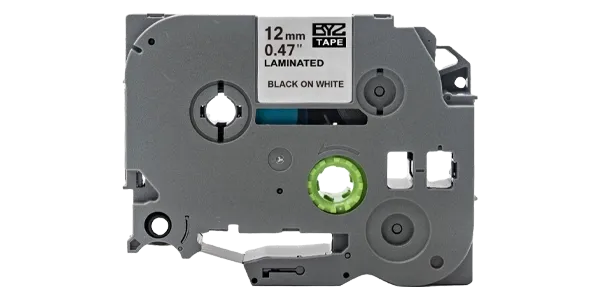
Brother Compatible Label Ribbons (TZe Series)
This Brother-compatible label ribbon (TZe series) is manufactured using high-quality…
View details
Full-colour card printer ribbon YMCKO
Compatible with Seaory S20/S21/S22/S22K card printers, supporting high-definition…
View details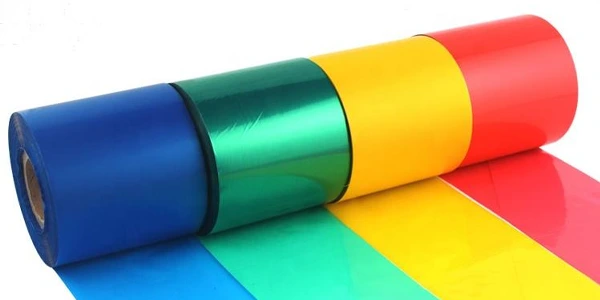
Silver Thermal Transfer Colour Washable Resin Printer Ribbon
High-performance silver thermal transfer washable resin ribbon, specifically designed for…
View details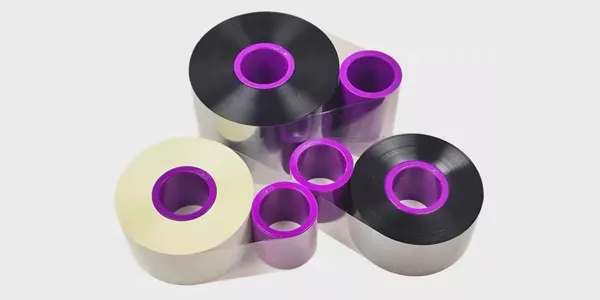
TTO Barcode Printer Thermal Transfer Colour Ribbon High-Speed Customisation
This TTO thermal transfer ribbon is suitable for a variety of label materials across…
View detailsNeed the right ribbon for your label application?
Share the label material, printer and operating environment. Our team will recommend a tested combination.
