
- Original TTR manufacturer since 2013
- Automated coating and slitting
- IQC / IPQC / OQC control
- ANSI barcode grade testing
- -20°C to 120°C environmental testing
- Batch-level traceability
- ANSI barcode grade
- Batch traceability
- RoHS / REACH compliance
- SGS and MSDS documents on request
For industrial label buyers, a thermal transfer ribbon is the ink-bearing consumable used with a heated printhead and a receiving material. Wax, wax-resin and resin describe ink families; flat-head and near-edge describe a separate compatibility question. Select a candidate by printer architecture, roll format and label surface, then verify the printed combination under its intended conditions.
Key Takeaways
- Thermal transfer moves ink from a ribbon onto the receiving material through printhead heat.
- Direct thermal uses specially treated media and does not require a ribbon.
- Wax, wax-resin and resin are formulation families rather than complete printer compatibility specifications.
- Ribbon performance depends on the label surface, printer and print settings together.
What an industrial thermal transfer ribbon actually describes
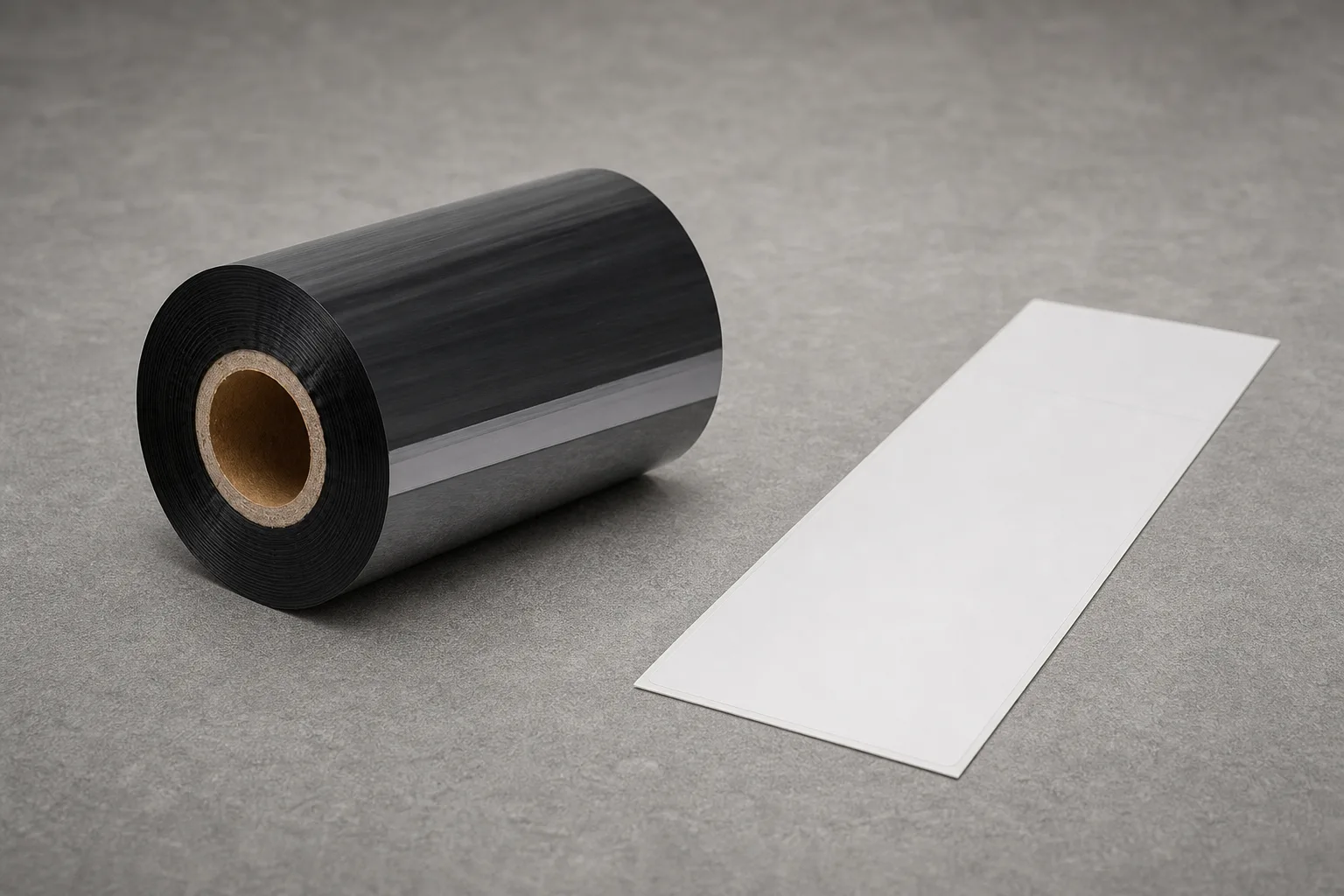
A thermal transfer ribbon carries an ink coating that a heated printhead transfers onto a label or other receiving material. In French-language searches, “ruban transfert thermique” refers to this consumable; adding “industrie” sets the industrial application context. For a technical buyer, the useful question is which printing combination the term describes, rather than whether the roll carries an industrial label.
The ribbon includes a thin film carrying wax-based, resin-based or blended ink. Heat acts on that coating during printing, releasing the image onto the material underneath. The ribbon and the label stock therefore have different jobs: one supplies the ink, while the other receives the printed image. A request for a ribbon should identify the receiving surface as well as the printer.
The three main ink families are wax, wax-resin and full resin. Those names explain the broad formulation choice, but they leave other questions open. A family name alone does not specify the roll dimensions, core, ink-side orientation or compatible printhead architecture.
This distinction also explains where the different descriptions in a quotation come from. “Resin” describes the ink family, “near-edge” describes a printer-related compatibility requirement, and a width or core dimension describes the physical roll. Treat these as separate fields when comparing offers, so that agreement on one field does not hide a mismatch elsewhere.
Separate the printing method from the ribbon family
Direct thermal and thermal transfer are different printing methods, and only the latter requires a ribbon. Direct thermal applies heat directly to specially treated label material. Thermal transfer instead obtains the printed image from the ribbon coating. A printer described simply as thermal therefore needs a closer check before you order consumables.
Start with the exact model and the mode used for the job. If the job runs in direct thermal mode, a ribbon-family comparison does not answer its media question. If it runs in thermal transfer mode, continue with the printer’s ribbon requirements. This prevents a purchasing description such as “thermal labels” from standing in for a complete consumables specification.
Within thermal transfer, distinguish a flat-head label printer from a near-edge application. Thermal Transfer Overprinting, or TTO, applies codes to flexible packaging with a thermal printhead and a wax-resin or resin ribbon. That application description does not make every wax-resin or resin roll a suitable TTO consumable.
COLORFULTTR’s printer compatibility record separates TTO near-edge ribbons from its flat-head JT and Q label printers. Its product specification list also states that its TTO range cannot be used in flat-head barcode printers. Use that exclusion for this listed range, rather than extending it into an unsupported rule about every product called thermal transfer. The practical next check remains the exact printer architecture and the ribbon specification intended for it.
Understand what wax, wax-resin and resin can tell you
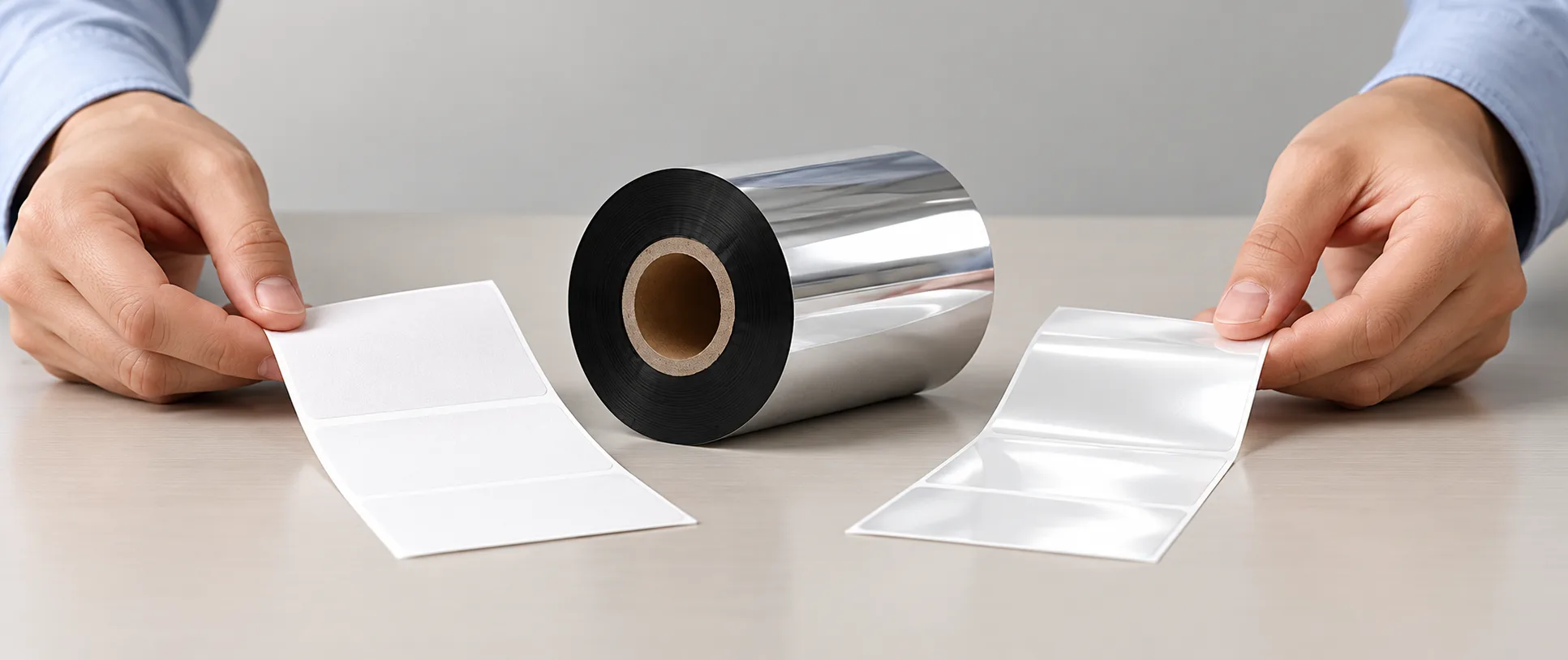
The receiving surface and required durability help distinguish wax, wax-resin and resin candidates. Wax generally suits porous and coated paper; wax-resin extends the comparison to coated paper and selected synthetic surfaces; full resin is used for demanding compatible synthetic films. These are starting points for a sample shortlist, rather than a finished-label approval.
COLORFULTTR’s current product matrix describes wax as economical and low-temperature printing material with limited scratch resistance. It describes wax-resin as balancing print quality with durability, and full resin as offering friction, heat and corrosion resistance. These descriptions explain why two quotations for a visually similar roll may propose different ink families. They do not supply a numerical acceptance limit for your job.
For example, a paper shipping-label project and a synthetic identification-label project should not be compared solely by roll size. Keep the actual surface and durability requirement visible in the comparison. Likewise, do not assume that a broad material name such as PET resolves the entire choice: the final selection still depends on formulation, printer architecture and settings.
The same caution applies to a supplier change. Matching the words wax-resin or resin preserves only a broad category. Compare the complete proposed specification and request a trial on the material you will print. A useful replacement decision records what was tested and what passed, rather than treating a shared family name as proof of equivalent performance.
Data and Evidence
A defensible ribbon comparison combines formulation, physical fit, printer architecture and a test of the printed construction. The table below turns those separate questions into a compact review record. It deliberately avoids universal temperature, speed or resistance limits because the supplied evidence does not establish such limits for every printer and label.
| Question | Evidence-supported starting point | What to record or verify |
|---|---|---|
| Which ink family? | Wax for paper; wax-resin for coated paper and selected synthetics; resin for demanding compatible synthetic films. | Exact receiving material and proposed formulation. |
| Will the roll fit? | Width, core size and roll length are part of ribbon selection. | The exact printer’s required roll format and ink-side orientation. |
| Which printer architecture? | COLORFULTTR separates TTO near-edge ribbons from flat-head label-printer consumables. | Printer model and the architecture specified for the candidate ribbon. |
| Will the print meet the application? | Performance belongs to the complete printed construction. | A trial using the actual surface, printer and settings, with the required durability checks. |
Sources for this comparison are the supplied “Wax ribbons” material guidance and “Ribbon performance” validation statement, together with COLORFULTTR’s 公司现行产品矩阵(2026-10-02校订), 公司现行数字系型号规格清单 and 公司打印机介质兼容性与材质规格(已审第一方来源). The company records support its listed product ranges; the general guidance supports the selection framework, rather than a claim of company test results.
Before requesting a replacement sample, prepare one record containing the printer model, printing mode, current roll format, receiving material and required exposure conditions. Compare the proposed sample against that record, print on the intended material, and assess the result against your application requirements. If it fails, keep the combination unapproved and identify which requirement was not met before trying another candidate. Retain the successful combination and its settings as the reference for the next supplier comparison.
Frequently Asked Questions
Does an industrial thermal printer always need a ribbon?
Check the printing mode. Thermal transfer uses a ribbon, whereas direct thermal applies heat to specially treated media without a ribbon. The word industrial does not establish which mode is being used.
Does a resin ribbon specification prove that my finished label will resist chemicals?
No. A ribbon category or general resistance description does not qualify your finished label. Validate the selected ribbon on your actual label surface, printer and settings against the exposure required for your application.
Can I use a TTO ribbon in a flat-head label printer?
Do not treat the two as interchangeable. COLORFULTTR lists its TTO near-edge ribbons separately and excludes them from its flat-head label printers. Check the exact printer architecture before selecting a roll.
Recommended products for this industry
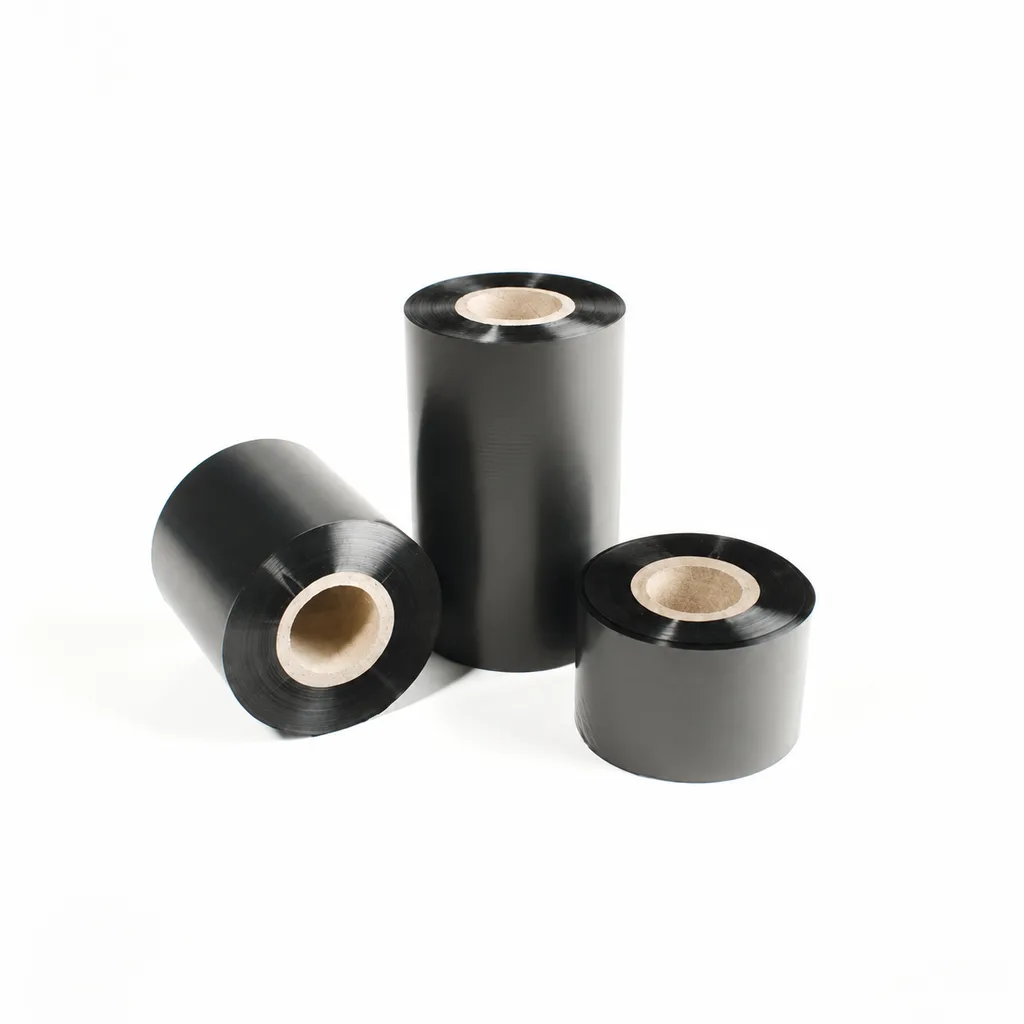
CL-Z112 Enhanced Wax Thermal Transfer Ribbon for Paper Labels and Tags
An enhanced wax thermal transfer ribbon with black ink for paper labels and tags used in retail, warehousing and logistics. It is specified for flat-head printing on desktop or industrial barcode printers at ≤8 inches per second (ips). Select it by checking the actual label material, printer configuration and handling conditions: image-quality, rub-resistance and cold-chamber results were obtained on coated paper, and print quality and image durability may vary with the printer and print medium.
View details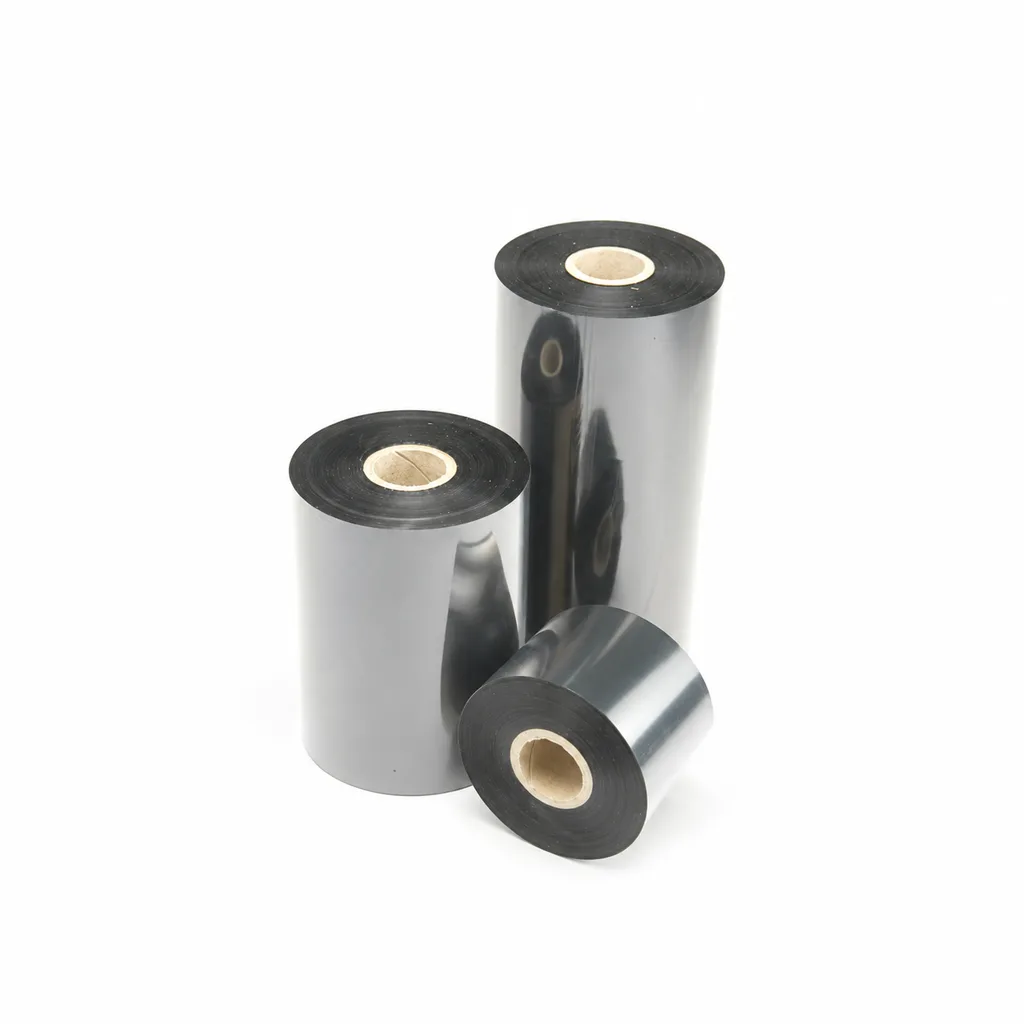
CL-Z203 Wax-Resin Thermal Transfer Ribbon for Barcode Labels
A black wax-resin thermal transfer ribbon for flat-head printing, with listed applications including retail, warehousing, logistics and garment tags. Select it against your actual label material and desktop or industrial barcode printer at speeds ≤6 ips (inches per second). Fine-line, small-text and durability results were obtained on coated paper; print quality and image durability may vary with the printer and printing substrate.
View details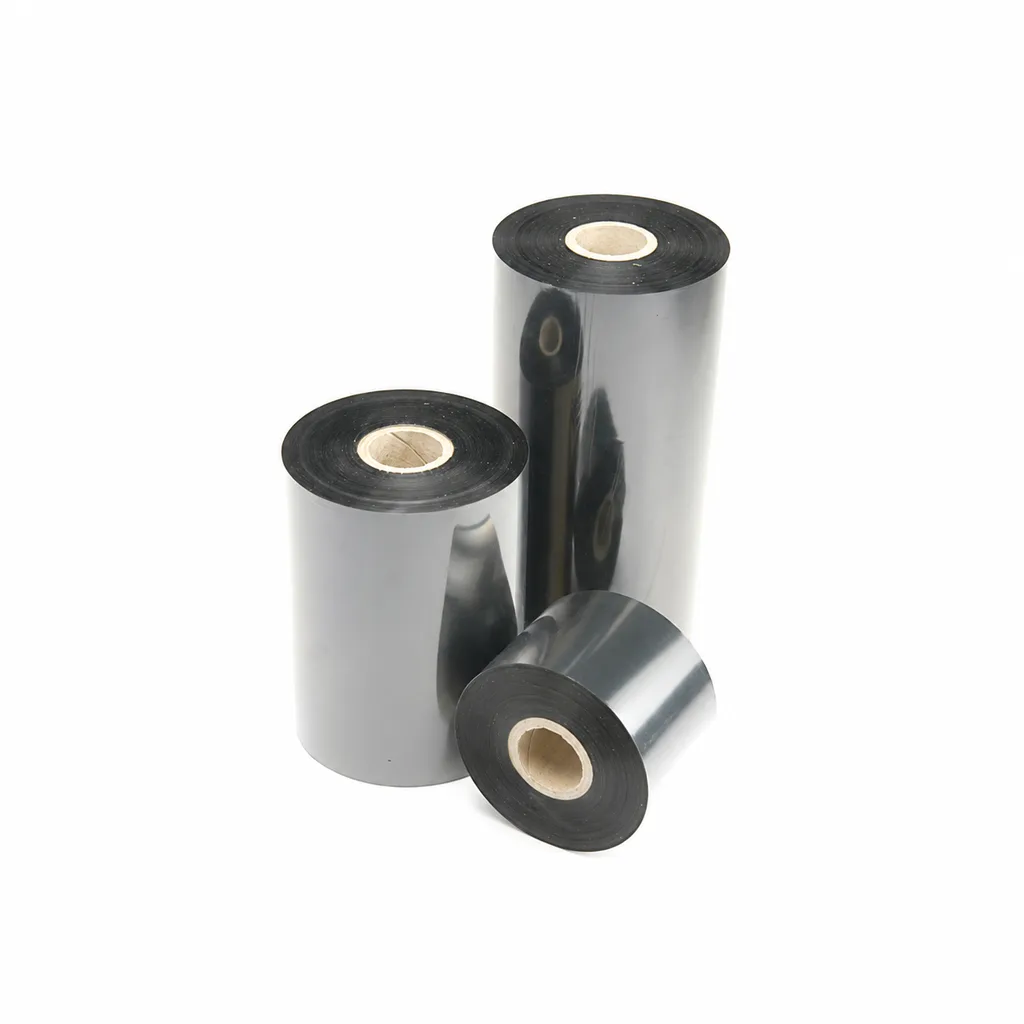
CL-Z213 Near-Edge Wax-Resin Thermal Transfer Ribbon for Barcode Labels
An enhanced black near-edge wax-resin thermal transfer ribbon for near-edge barcode printers and low- to medium-speed thermal transfer overprinting (TTO). Listed applications include retail labels, warehousing, garment tags and packaging identification. Match the printer, actual print medium and operating speed before selection: print quality and image durability can vary with the printer and substrate.
View details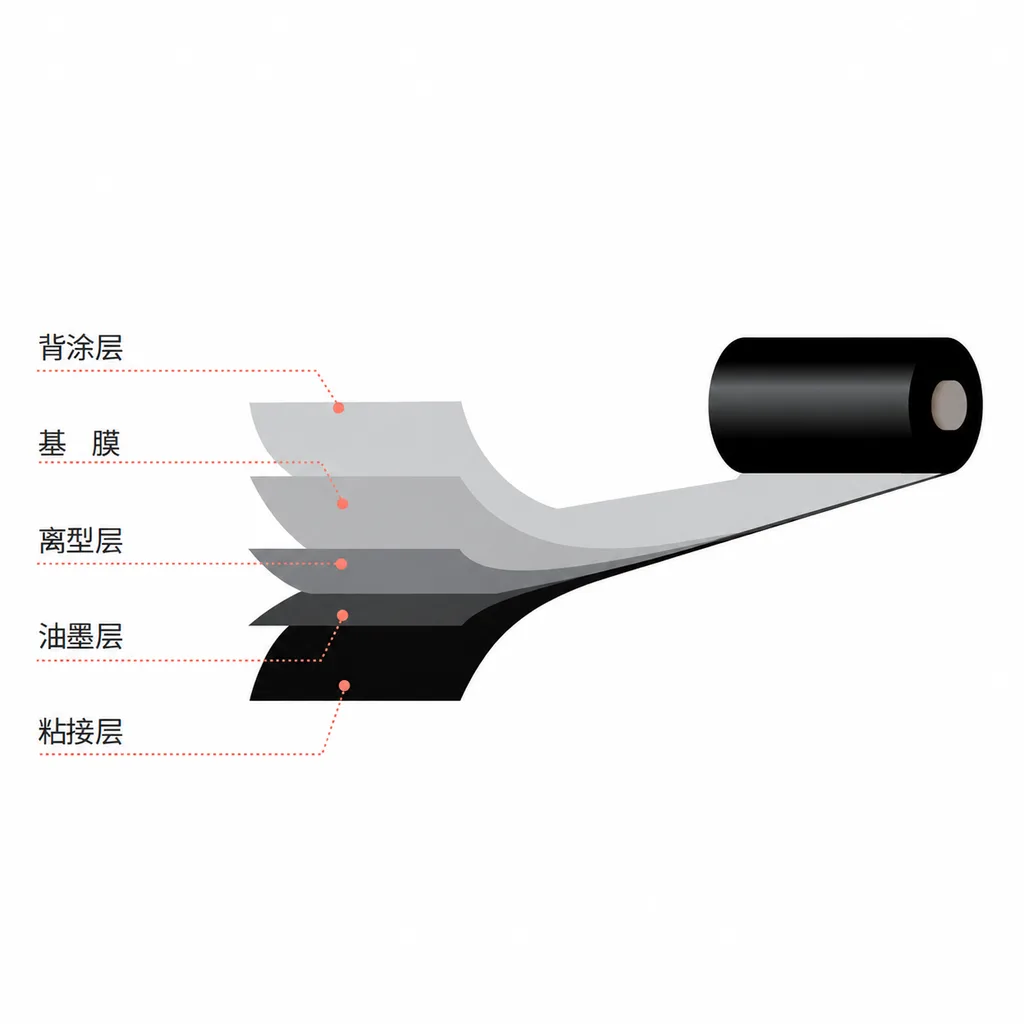
CL-Z312 Resin Thermal Transfer Ribbon for Packaging Printing
CL-Z312 is a black, general-purpose resin ribbon for thermal transfer overprinting (TTO), with packaging and retail label applications listed in the product information. Its abrasion, alcohol and oil resistance data were obtained on polyethylene terephthalate (PET). Select it against your actual packaging material, printer and production speed: print quality and image durability can vary with the printer and substrate, and the material chart percentages are not defined as pass rates.
View detailsNeed the right ribbon for your label application?
Share the label material, printer and operating environment. Our team will recommend a tested combination.
