
How Should Buyers Choose Thermal Transfer Ribbons for Printed Barcode Labels?
Request a solution
- Original TTR manufacturer since 2013
- Automated coating and slitting
- IQC / IPQC / OQC control
- ANSI barcode grade testing
- -20°C to 120°C environmental testing
- Batch-level traceability
- ANSI barcode grade
- Batch traceability
- RoHS / REACH compliance
- SGS and MSDS documents on request
Key Takeaways
- Wax suits cost-effective paper labels, wax/resin adds scratch and moisture resistance and prints on synthetics or glossy paper, and full resin covers chemical, heat, or outdoor durability on synthetic labels.
- Very smooth surfaces, such as varnished or vinyl labels, need ribbons with a special adhesive layer, which are commonly found in resin grades.
- Ribbon performance belongs to the complete printed construction, so validate the ribbon, facestock, printer, and settings together before release.
- Aim for a barcode verification grade of B (3.0) or better in production, because printhead wear pulls grades down over time.
- Ribbons come in ink-side-in and ink-side-out versions, and near-edge or TTO printers have their own ribbon ranges — both must match your machine.
Confirm Your Printer's Ribbon Requirements First
A thermal transfer ribbon works only as part of a matched system: the printer places a layer of ribbon over the label at the point of the print head, and the ink that transfers onto the facestock decides how long the printed image lasts. Buyers choose this process because it produces long-lasting, durable images across a wide variety of materials, and the ribbon has to carry ink of the right quality to secure the durability a given application needs.
Check the technology first. This guide covers thermal transfer, where the ribbon sits on top of the label as it passes the printhead. Direct thermal is a different setup in which printers are typically small and feed out printed labels on a roll; if your machine loads a ribbon alongside the label stock, the steps below apply to you.
Next, identify the print family. Printers come in flathead and near-edge versions, and the geometry differs: on near-edge machines, the distance between where an image is printed and where the ribbon and receiver separate is significantly shorter than on flathead printers. Suppliers sell dedicated near-edge and TTO ribbon ranges, so order the type listed for your printer family instead of assuming any roll will fit.
Finally, write down the physical spec: the ribbon width your labels require, the core size your spindle takes, and the ink-side orientation the printer expects. Ribbons are available ink-side-in and ink-side-out for printers such as Zebra, Sato, Datamax, Intermec, and Printronix, and the orientation must match your machine. The printer manual or the ribbon you are replacing settles all three in a minute.
Match Ribbon Chemistry to the Label Facestock
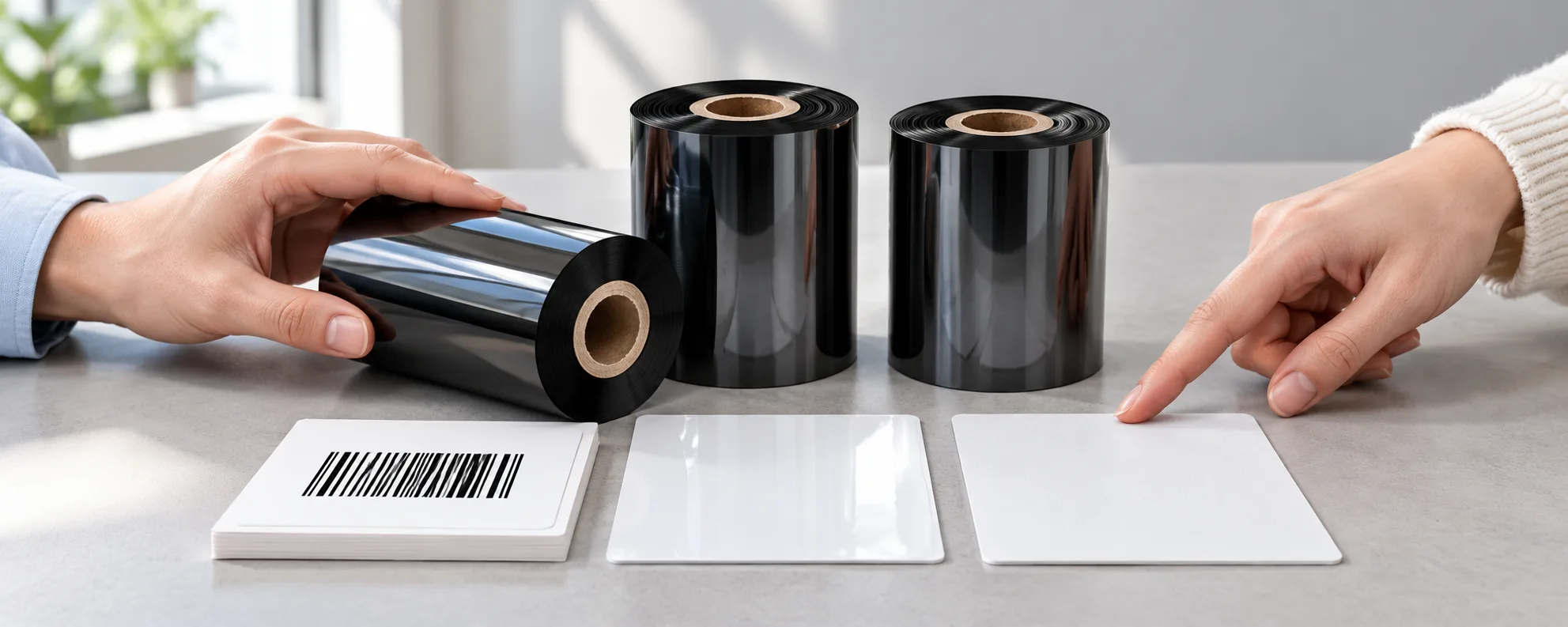
The facestock in front of you picks the starting chemistry: wax for cost-effective paper labels, wax/resin for added scratch and moisture resistance, and full resin for chemical, heat, or outdoor durability on synthetic labels. Cost rises in the same direction, with resin the most expensive of the ribbon options.
Wax/resin ribbons blend both wax and resin inks. Labels printed with them are more durable and smudge resistant than labels printed with a full wax ribbon, and the blended ink prints on a wide variety of substrates, including synthetics or glossy paper. That range makes wax/resin the sensible first candidate when a barcode spends part of its life on paper and part in rougher handling.
Full resin is the ceiling. It is the most expensive option but also the most durable: materials printed with resin ribbons withstand abrasion, moisture, extreme temperatures and sun exposure, and they can resist some chemicals or oils. When a barcode has to survive outdoors, repeated abrasion, or contact with oils and solvents, resin is the grade to test first.
Very smooth materials deserve a separate check. Printing on a glossy label with a varnish, or one made from vinyl, is a known challenge, and the fix is a ribbon that carries a special adhesive so the print can grip the substrate. Such adhesive layers are commonly found in resin ribbons, which is why suppliers ask what your facestock is before quoting a grade.
Weigh the Working Environment and Special Applications
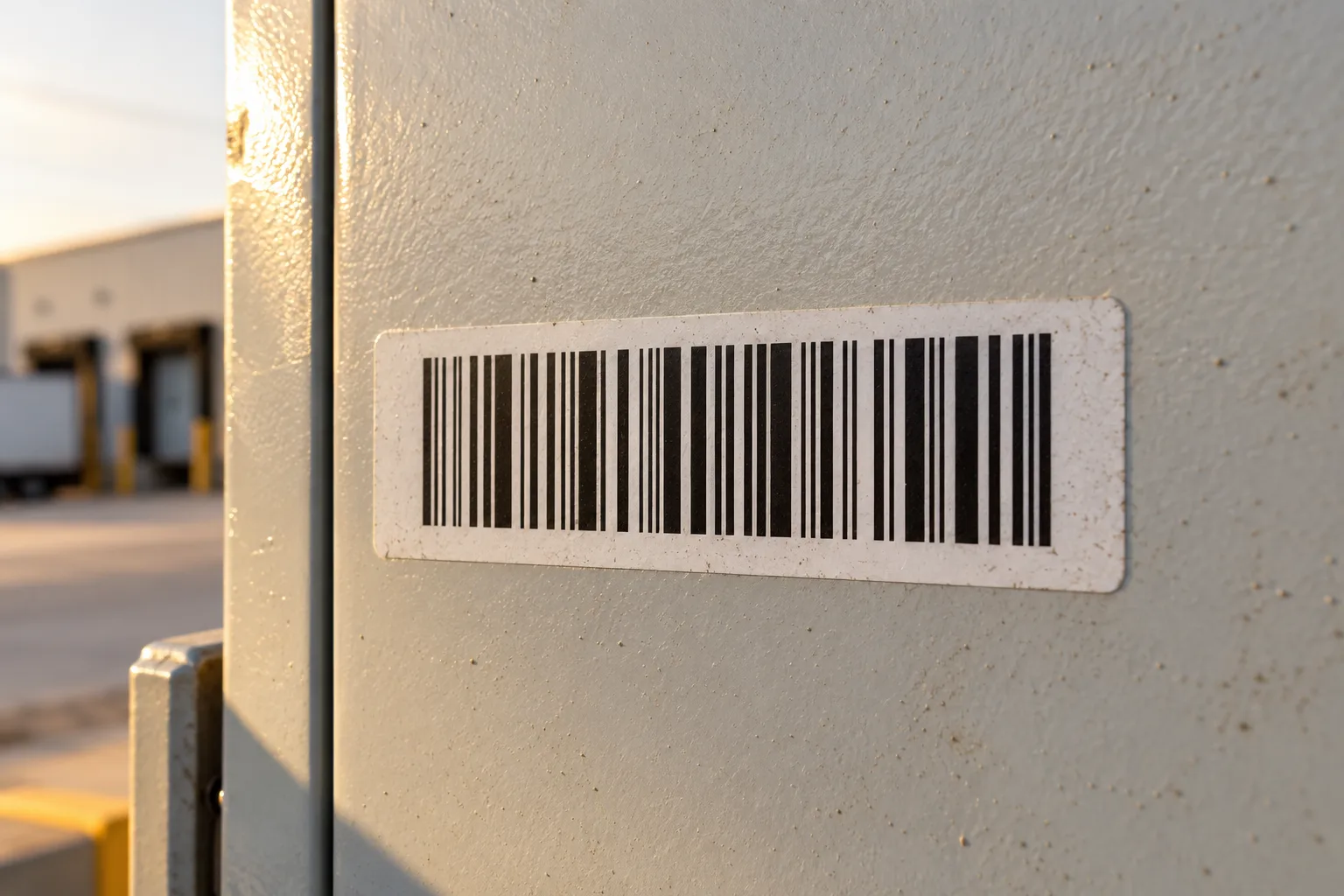
The conditions a label faces decide how far up the durability ladder you need to climb, and the three inputs to weigh are the substrate material, the required durability of the printed label, and any environmental conditions the labels may come in contact with. A code that only travels from a warehouse shelf to a checkout earns a different ribbon than one that rides on outdoor equipment.
Most everyday barcodes are modest. A batch number printed on packaging — a carton, bag, or pallet label — rarely needs more than wax or wax/resin on paper. Move the same code outdoors, onto equipment, or into cleaning routines, and the resin durability list starts to pay for itself.
Some purchases are about more than wear. Ribbons exist that print an image in the form of a hologram, or a mark visible only in ultraviolet light, and they are used to ensure the authenticity of products — worth asking about when counterfeiting is a real risk for your goods.
Specialty constructions go further still: thermal transfer printing also drives labels such as UHF RFID labels for the aviation industry and pressure steam sterilization indicator labels. For programs like these, treat the ribbon and the label as one matched construction sourced together, because the printed result depends on both halves.
Two cost factors finish the picture. Longer rolls mean fewer changes: suppliers of near-edge and TTO ranges market rolls 20-25% longer, and each change you skip is downtime avoided. Lead times belong in the math too — one supplier guide notes expedited shipping for critical orders at 5-10 business days domestically and 2-4 weeks internationally.
Data and Evidence
The table condenses the three-way ribbon decision into the checks that drive it: label-material fit, durability profile, and the role each grade plays in a shortlist.
| Ribbon grade | Label material fit | Print durability | Role in a shortlist |
|---|---|---|---|
| Wax | Cost-effective paper labels | Less durable and less smudge resistant than wax/resin | The budget workhorse for paper barcode labels |
| Wax/resin | Paper, synthetics, glossy paper | More durable and smudge resistant than full wax; adds scratch and moisture resistance | The flexible middle choice when substrates or handling vary |
| Full resin | Synthetic labels; very smooth surfaces via adhesive-layer grades | Withstands abrasion, moisture, extreme temperatures and sun exposure; resists some chemicals or oils | The premium pick, and the most expensive of the ribbon options |
Verification is where the choice gets protected. Print the label or package artwork in final form at the printer, on true stock, so code resolution is checked on the real construction rather than a proof. Grade the result with a barcode verifier: a verification grade is a letter score from A to F that says how closely the printed barcode matches the ISO standard for readability — a scanner reading it today is not the same test. Aim for a B (3.0) or better in production, because normal printhead wear pulls grades down over time and a label printed at exactly the minimum will not stay compliant for long.
Ribbon performance belongs to the complete printed construction, so validate the exact ribbon, facestock, printer, and settings combination on your own equipment, and treat supplier ratings as shortlisting information rather than acceptance criteria for your line. Re-run the check whenever the ribbon, the facestock, or the printer changes. The practical next step: order samples of the one or two grades that fit, print your real barcode artwork on the production printer, and grade the output before placing the volume order.
Frequently Asked Questions
What ribbon type should I buy for synthetic barcode labels?
Start with wax/resin, whose blended ink prints on a wide variety of substrates including synthetics or glossy paper. Move to full resin when the label faces chemicals, heat, or outdoor exposure. On very smooth synthetics, specify a resin grade with a special adhesive layer so the print grips the surface, and validate the exact combination on your own printer before ordering in volume.
What barcode verification grade should I accept when qualifying a new ribbon?
Use a barcode verifier and aim for a B (3.0) or better in production. The grade is a letter score from A to F showing how closely the printed barcode matches the ISO standard for readability, which is a stricter test than whether a scanner happens to read it today. Keep headroom, because printhead wear pulls grades down over time.
What does ink-side-in versus ink-side-out mean when I order ribbons?
It describes which way the ink-coated side of the ribbon faces, and both versions are offered for printers such as Zebra, Sato, Datamax, Intermec, and Printronix. Confirm the orientation your printer requires — the manual or the ribbon you are replacing will tell you — and order the matching version.
Are resin ribbons worth the extra cost for outdoor labels?
Usually yes when the exposure list includes abrasion, moisture, extreme temperatures, or sun exposure, since resin labels withstand all of those and can resist some chemicals or oils. Resin is the most expensive ribbon option, so confirm the payoff by printing real labels on your line and checking the verification grade before committing to volume.
Do near-edge or TTO printers use the same ribbons as flathead printers?
Order from ranges listed for your machine rather than assuming interchangeability. Near-edge geometry keeps the distance between the print point and where the ribbon and receiver separate significantly shorter than on flathead printers, and suppliers list full near-edge/TTO ranges, typically in wax/resin and resin types including white and silver.
Recommended products for this industry
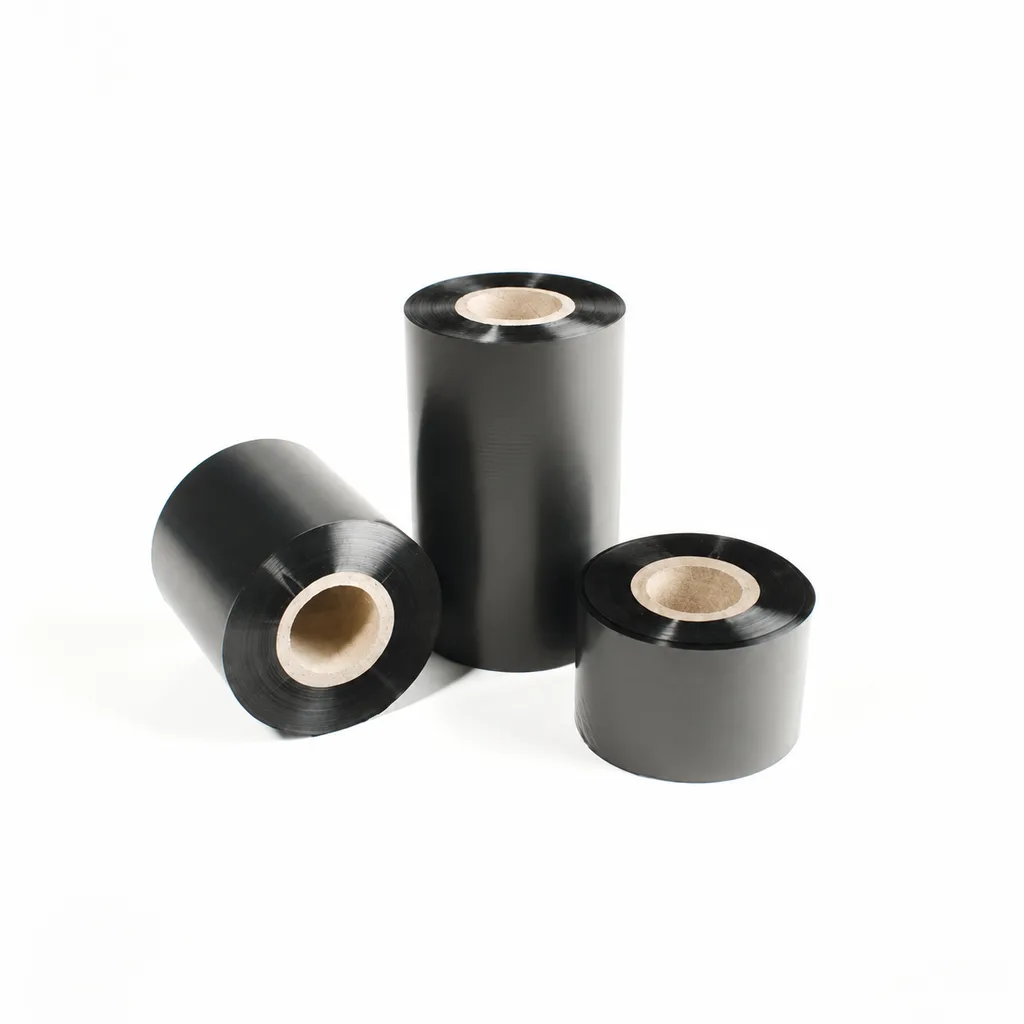
CL-Z112 Enhanced Wax Thermal Transfer Ribbon for Paper Labels and Tags
An enhanced wax thermal transfer ribbon with black ink for paper labels and tags used in retail, warehousing and logistics. It is specified for flat-head printing on desktop or industrial barcode printers at ≤8 inches per second (ips). Select it by checking the actual label material, printer configuration and handling conditions: image-quality, rub-resistance and cold-chamber results were obtained on coated paper, and print quality and image durability may vary with the printer and print medium.
View details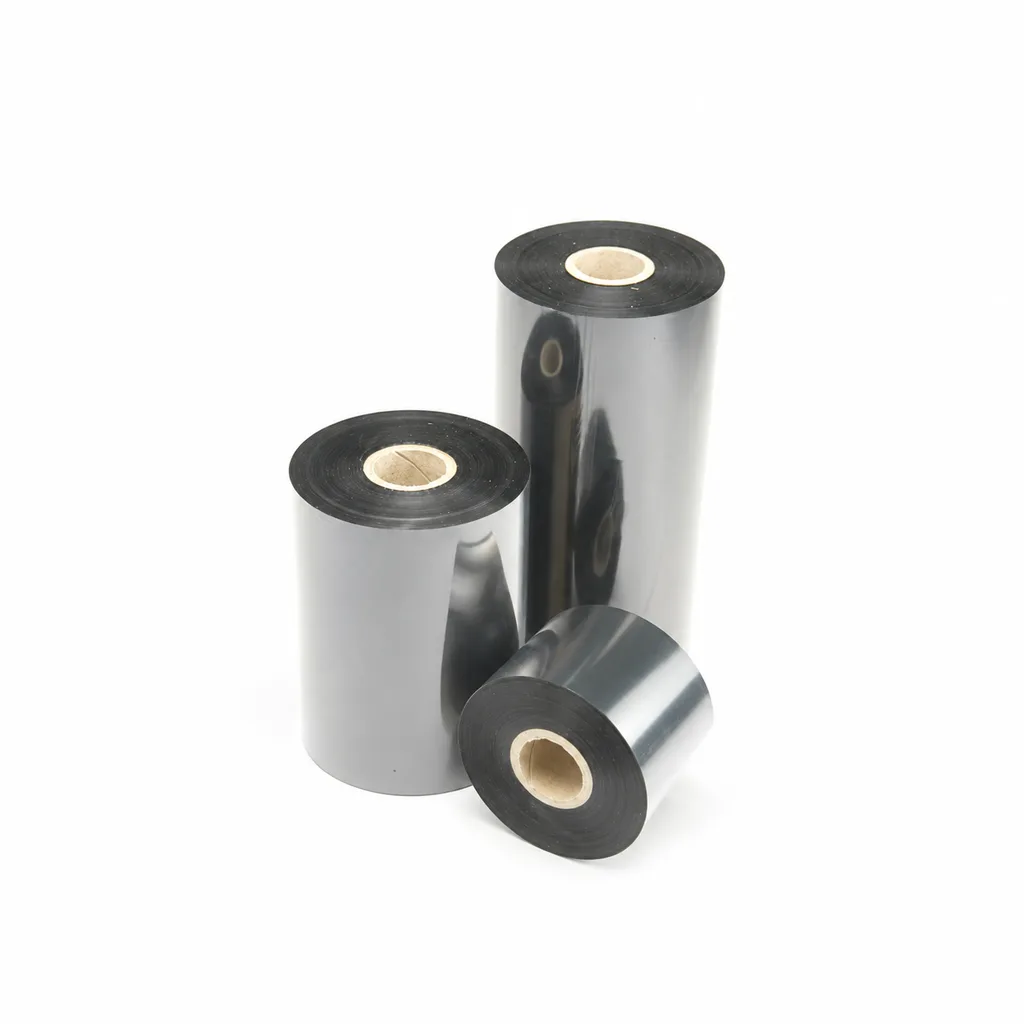
CL-Z203 Wax-Resin Thermal Transfer Ribbon for Barcode Labels
A black wax-resin thermal transfer ribbon for flat-head printing, with listed applications including retail, warehousing, logistics and garment tags. Select it against your actual label material and desktop or industrial barcode printer at speeds ≤6 ips (inches per second). Fine-line, small-text and durability results were obtained on coated paper; print quality and image durability may vary with the printer and printing substrate.
View details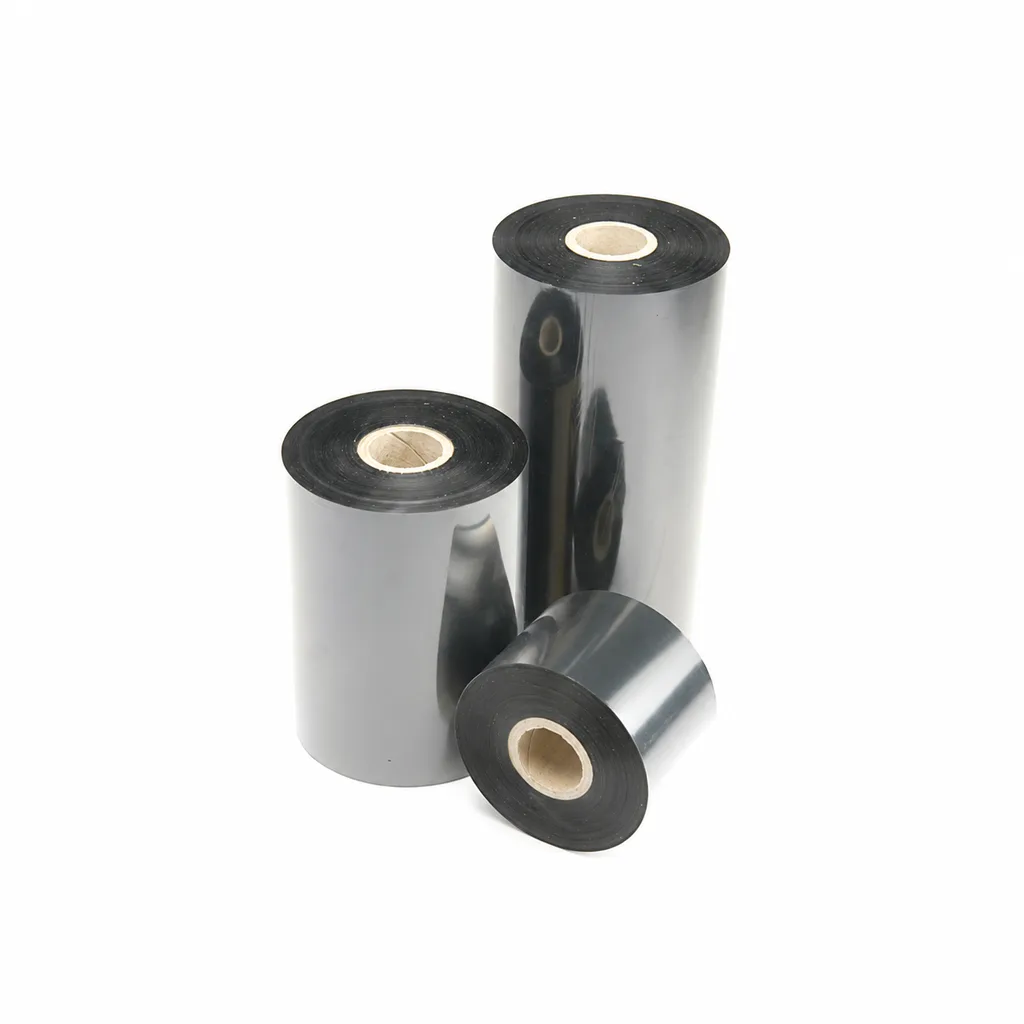
CL-Z213 Near-Edge Wax-Resin Thermal Transfer Ribbon for Barcode Labels
An enhanced black near-edge wax-resin thermal transfer ribbon for near-edge barcode printers and low- to medium-speed thermal transfer overprinting (TTO). Listed applications include retail labels, warehousing, garment tags and packaging identification. Match the printer, actual print medium and operating speed before selection: print quality and image durability can vary with the printer and substrate.
View details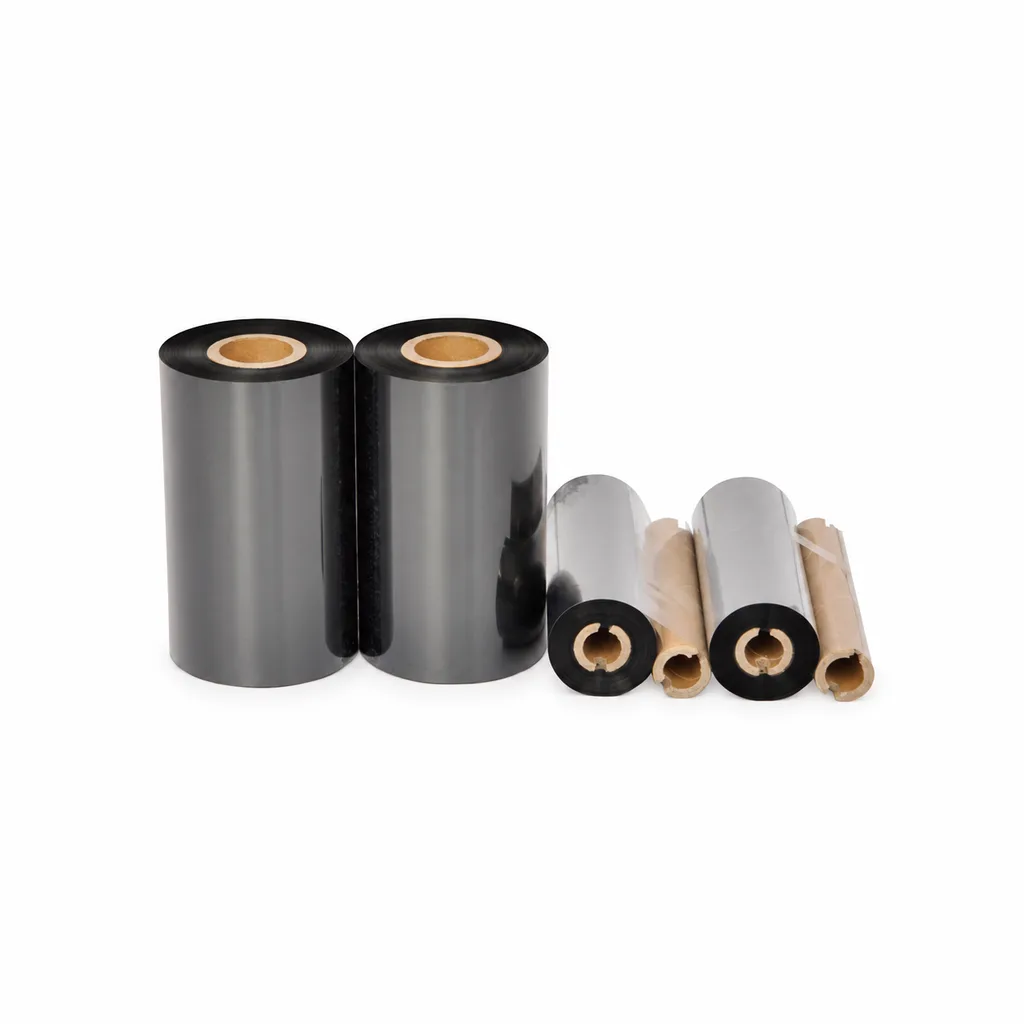
CL-Z908 Wax Thermal Transfer Ribbon for Barcode Labels and Tags
CL-Z908 is an economical black wax thermal transfer ribbon for label and tag printing. Listed applications include retail, warehousing, logistics, clothing tags, simple packaging and production line identification. It is intended for flat-head printing on desktop or industrial barcode printers at speeds of ≤6 inches per second (ips). Select it against your actual paper stock, printer and required image durability: print quality and image durability may vary with the printer and printing substrate.
View detailsNeed the right ribbon for your label application?
Share the label material, printer and operating environment. Our team will recommend a tested combination.
