
Farbige Thermotransferbänder Explained: What Colored Thermal Transfer Ribbons Are and What They Don't Guarantee
Request a solution
- Original TTR manufacturer since 2013
- Automated coating and slitting
- IQC / IPQC / OQC control
- ANSI barcode grade testing
- -20°C to 120°C environmental testing
- Batch-level traceability
- ANSI barcode grade
- Batch traceability
- RoHS / REACH compliance
- SGS and MSDS documents on request
Farbige Thermotransferbänder — colored thermal transfer ribbons — are single-color ink rolls for thermal transfer label printers, sold in twelve base colors with shade and finish variants. The printhead heats the back of the ribbon and the released ink transfers onto the label, so every print run carries the color of the loaded roll. Color availability alone proves nothing about adhesion, durability, or certification: those follow the wax, wax-resin, or resin formulation and the documents a supplier can provide. This guide defines the product, separates it from neighboring concepts such as card ribbons and multi-color heat transfers, and lists what to verify — material match, color evidence, and certification files — before any roll is ordered.
Key Takeaways
- Farbige Thermotransferbänder are colored thermal transfer ribbons: printer consumables supplied as single-color rolls, available in twelve base colors with light/dark and gloss/matte variants.
- A printhead heats resistive dots against the back of the ribbon, and the released ink transfers onto the label — so a print run always prints the color of the loaded roll.
- Color does not decide durability; the formulation family — full wax, wax-resin blend, or full resin — decides which label materials the print will survive.
- Ribbon performance belongs to the complete printed construction, so validate any color on your own facestock, printer, and settings before release.
- A UL969 label is accepted because the facestock, adhesive, and print system are recognized under a valid PGDQ2 file — treat a ribbon change as a documentation question first.

Understand What Farbige Thermotransferbänder Are and How the Color Reaches the Label
Farbige Thermotransferbänder is the German buying term for colored thermal transfer ribbons. A Thermal Transfer Ribbon (TTR), also known as a hot stamping ribbon or simply a ribbon, is a type of printer consumable; it consists of a polyester or other high-density thin film coated on one side with a wax-based, resin-based, or wax-resin mixed ink. In a colored ribbon, the pigment sits in this ink layer — made of wax, resin, or a wax-resin blend — while the rest of the construction matches a black ribbon.
The printing mechanism does not change with the ink color. A printhead heats resistive dots against the back of a ribbon, and the released ink transfers onto the label underneath. Because the color is fixed in the roll, colored thermal transfer ribbons are supplied as single-color rolls — twelve base colors in the current product matrix — and the printed image carries the color of the roll loaded in the printer.
Apart from the ink itself, a ribbon carries additional layers: coatings that control ink release and adhesion, and a backcoat on the reverse side of the base film, which prevents static buildup, distributes heat evenly, and reduces friction, thereby protecting the printhead. These layers constitute the know-how of every manufacturer and have influence on the printing quality and durability of the print. Two ribbons sold under the same color name can therefore behave differently — the name describes one layer, not the whole construction.
Tell Colored Ribbons Apart From Black Ribbons, Card Ribbons, and Multi-Color Processes
Colored and black ribbons are one technology, not two. Both run on the same printers and both come in the same wax, wax-resin, and resin families; only the ink color differs. The current matrix offers twelve base colors with light/dark, gloss-gold/matte-gold, and gloss-silver variants per color, and on the TTO side the promoted range runs black, gold, silver, red, and white for production-date and batch printing.
Card-printer ribbons are a separate category that the word "colored" often blurs. They come in monochrome and colored versions at 55 × 85 mm as consumables for dedicated card printers. When a card project asks for a "color ribbon", it points at this 55 × 85 mm card category, not at farbige Thermotransferbänder for labels.
Multi-color output in a single pass belongs to a different process family. Decorative heat transfers grew popular precisely because of the capability of doing multi-color decorating in a single application. A thermal transfer ribbon is the opposite kind of consumable — one roll, one color — so a label design that needs two colors has to be planned as separate passes or routed to a different printing process, not solved with one multicolor roll.

Where Colored Ribbons Fit: Formulation Families, TTO Coding, and Security Marks
Colored thermal transfer ribbons span the same three formulation families as black ribbons: full wax, wax-resin blend, and full resin. The family, not the color, decides which label materials the print will survive: wax ribbons are generally suited to porous and coated paper, wax-resin ribbons to coated paper and selected synthetics, and full resin ribbons to demanding synthetic films such as polyester, polyimide, and vinyl. Load a wax ribbon against a glossy plastic substrate and the print will almost certainly smudge, because the ink cannot properly adhere to that surface.
Within that framework, color earns its place in three recurring jobs:
- Coding on flexible packaging. A Thermal Transfer Overprinter (TTO) prints onto flexible packaging by melting a coating of ribbon so that it stays glued to the material once applied; colored TTO ribbons cover the promoted black, gold, silver, red, and white range for date and batch codes that need fast, clear, rub-resistant marking.
- Identification and grading. Light/dark and gloss/matte variants within each base color let one printer carry different grades, shifts, or brand colors, and Pantone matching extends the palette when a corporate shade is required, with MOQ negotiated separately.
- Security marks. Specialty ribbons can print the image in the form of a hologram, or one visible only in ultraviolet light, used to ensure the authenticity of products.
Whatever the job, choosing the right ribbon starts with matching ink formulation, width, core size, and roll length to your printer and label material — color is the last variable to fix, not the first.
Know What a Colored Ribbon Listing Cannot Guarantee
A color name on a data sheet proves only that the pigment exists; it does not prove that the ribbon will print, survive, or stay certified on your application. Four limits matter most.
- Compatibility is not implied. Selecting the right ribbon is crucial because using the wrong type can result in poor print quality, faded labels, or printer damage. A colored wax ribbon will not behave like a colored resin ribbon just because the shade looks the same.
- Durability is not implied by color. Resin ribbons provide excellent print quality and are ideal for applications that demand long-lasting durability, such as asset tracking labels or chemical drum labels. If that is your use case, the formulation family drives the choice, not the color chart.
- Certification is not transferable. A UL969 label is accepted because the facestock, adhesive, and print system are recognized under a valid PGDQ2 file, so the evaluation starts with what a supplier can document — and even within the UL969 label materials range, matte silver PET, polyimide, and vinyl are not interchangeable. Treat a move from black to colored ribbon as a change to the print system and ask which documents cover it.
- Performance must be proven on your line. Ribbon performance belongs to the complete printed construction, so validate any combination on your own facestock, printer, and settings before release.
For consistency, work with batches and documents rather than catalog wording. A batch is a specific quantity of a product that is manufactured or produced under identical conditions, which makes the batch number the natural anchor for color-consistency requests; the current color program backs its color codes with 176 matching SGS color reports. On the supplier side, manufacturers must align their processes with global and industry-specific standards to maintain compliance and protect brand integrity — ask which standards your supplier's files map to.
Data and Evidence
The table below consolidates the three formulation families and the label materials each is intended for; the checklist collects the color-specific data points to request before ordering.
| Formulation family | Typical label materials | Why buyers choose it |
|---|---|---|
| Full wax | Porous and coated paper | The most economical option, designed for high-speed printing on paper labels |
| Wax-resin blend | Coated paper and selected synthetics | A blend of wax and resin with enhanced durability compared with wax |
| Full resin | Demanding synthetic films: polyester, polyimide, vinyl | Excellent print quality for long-lasting applications such as asset tracking and chemical drum labels |
Color-specific data points to request from a supplier:
- Roll form and palette — single-color rolls across twelve base colors, with light/dark, gloss-gold/matte-gold, and gloss-silver variants per color.
- Custom color — Pantone customization is supported, with MOQ negotiated separately.
- Color evidence — 176 SGS color reports mapped one-to-one to color codes.
- Standard sizes — widths 40–110 mm and lengths 74/90/300/450 m; custom slitting from 20–220 mm × 70–600 m.
- Samples — 110 mm × 10 m for standard ribbons, 33 mm × 50 m for TTO, slittable to the required width.
- Storage and shelf life — 5–35 °C at 30–70% RH, with 1–2 years of shelf life.
Specification values in this section come from the current company product matrix (公司现行产品矩阵(2026-10-02校订)) and the current digital-code specification list (公司现行数字系型号规格清单); mechanism, compatibility, and certification statements come from verified internal fact assets. As a concrete next step, send your label facestock, printer model, and target color code to the supplier, request the matching SGS report and a batch-referenced sample, and trial the print on your own line before releasing volume.
Frequently Asked Questions
Can one colored thermal transfer ribbon print several colors on the same label?
No. Colored thermal transfer ribbons are supplied as single-color rolls, and a print run carries the color of the loaded roll. Multi-color decorating in a single application is a capability of heat transfer processes, not of a label ribbon.
Do colored thermal transfer ribbons work on any label material?
No. Wax ribbons suit porous and coated paper, wax-resin ribbons suit coated paper and selected synthetics, and full resin ribbons suit demanding films such as polyester, polyimide, and vinyl. A wax ribbon on a glossy plastic substrate will almost certainly smudge, so fix the formulation family before the color.
How can I verify a color before ordering full production rolls?
Ask for the SGS report mapped to your color code — the current program covers 176 color codes — and anchor samples to a batch, defined as a specific quantity produced under identical conditions. Then validate the print on your own facestock, printer, and settings before release.
Does switching from a black to a colored ribbon affect UL969 acceptance?
Treat the switch as a documentation question. A UL969 label is accepted because the facestock, adhesive, and print system are recognized under a valid PGDQ2 file, so the evaluation starts with what a supplier can document.
Related Products & Guides
Recommended products for this industry
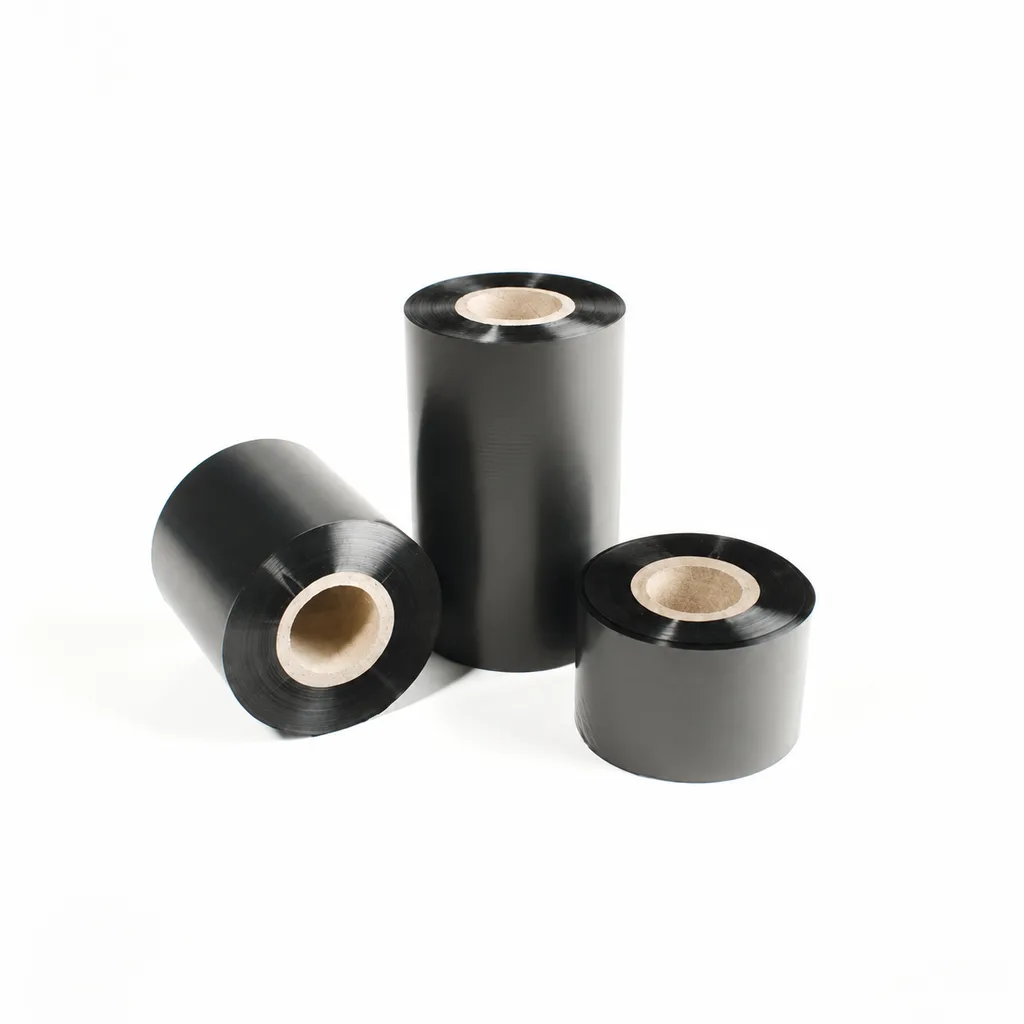
CL-Z112 Enhanced Wax Thermal Transfer Ribbon for Paper Labels and Tags
An enhanced wax thermal transfer ribbon with black ink for paper labels and tags used in retail, warehousing and logistics. It is specified for flat-head printing on desktop or industrial barcode printers at ≤8 inches per second (ips). Select it by checking the actual label material, printer configuration and handling conditions: image-quality, rub-resistance and cold-chamber results were obtained on coated paper, and print quality and image durability may vary with the printer and print medium.
View details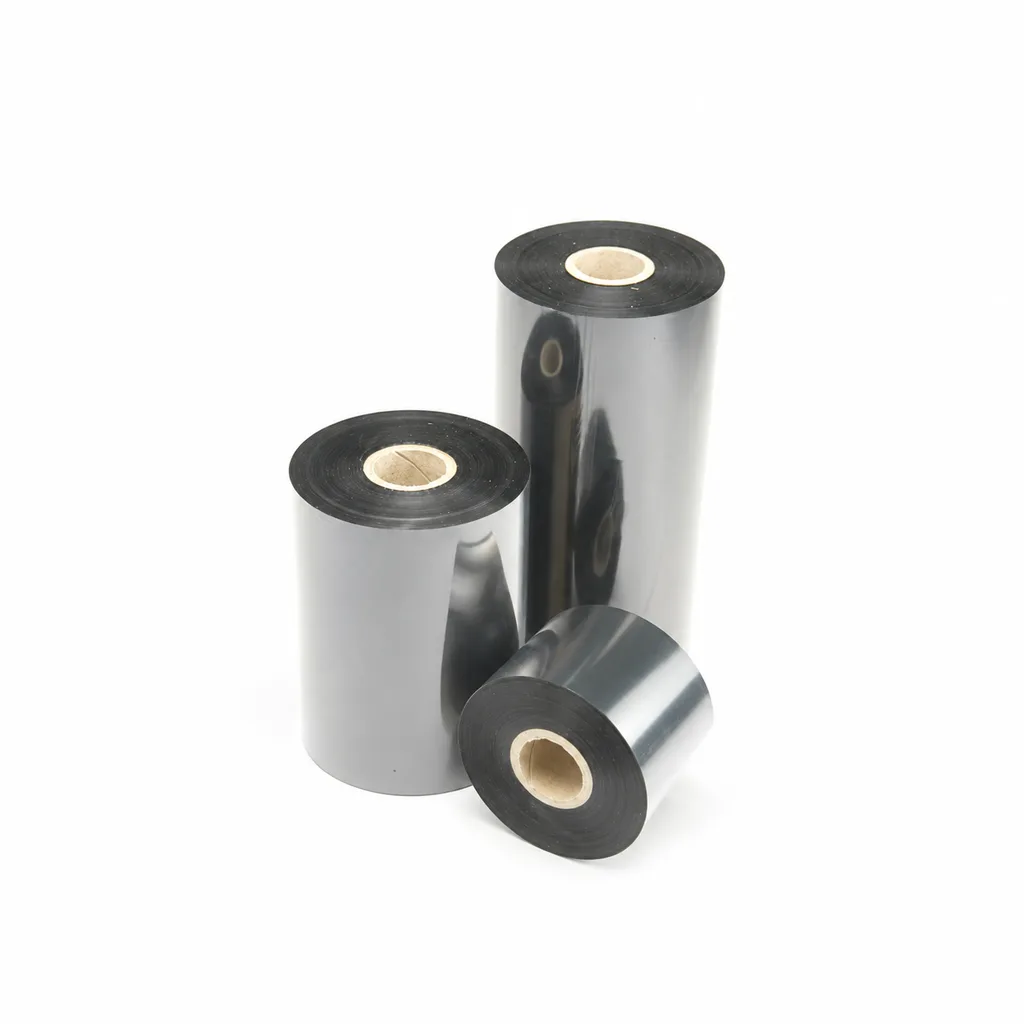
CL-Z203 Wax-Resin Thermal Transfer Ribbon for Barcode Labels
A black wax-resin thermal transfer ribbon for flat-head printing, with listed applications including retail, warehousing, logistics and garment tags. Select it against your actual label material and desktop or industrial barcode printer at speeds ≤6 ips (inches per second). Fine-line, small-text and durability results were obtained on coated paper; print quality and image durability may vary with the printer and printing substrate.
View details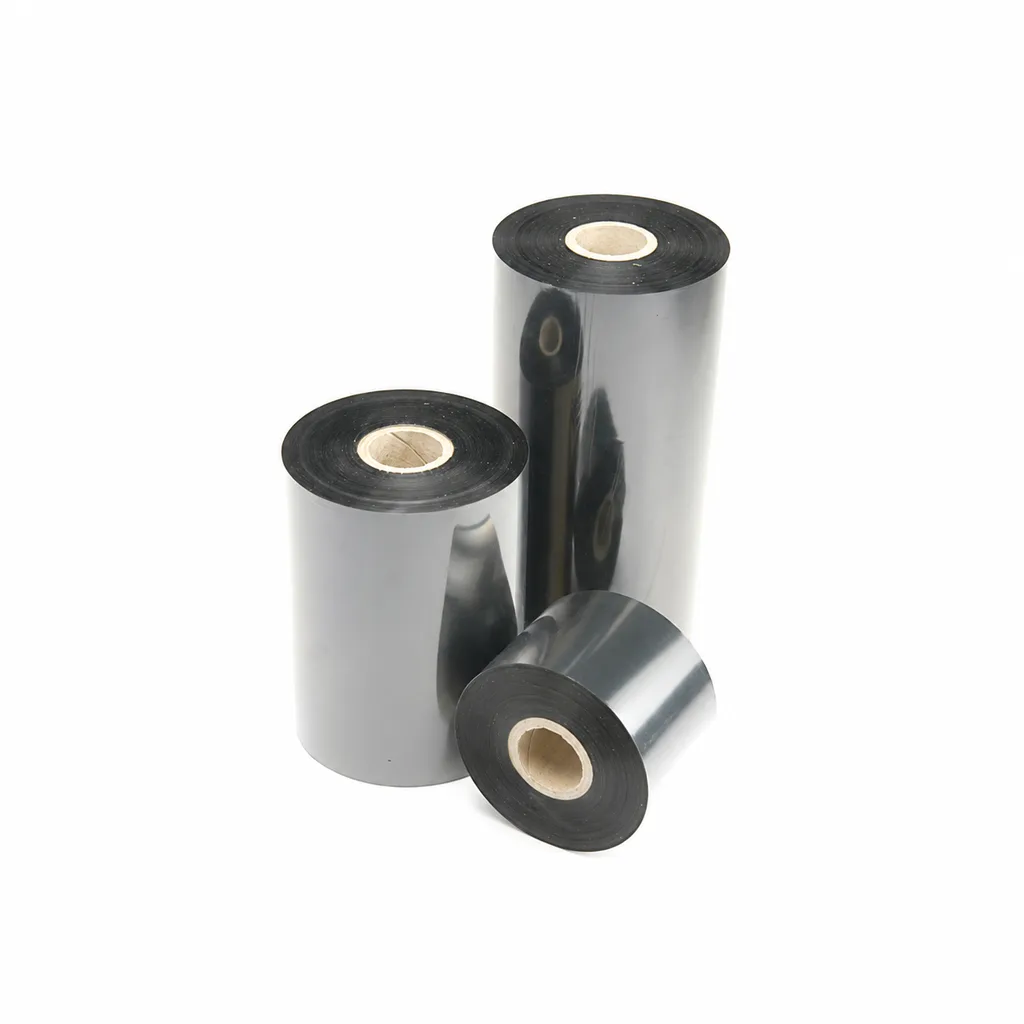
CL-Z213 Near-Edge Wax-Resin Thermal Transfer Ribbon for Barcode Labels
An enhanced black near-edge wax-resin thermal transfer ribbon for near-edge barcode printers and low- to medium-speed thermal transfer overprinting (TTO). Listed applications include retail labels, warehousing, garment tags and packaging identification. Match the printer, actual print medium and operating speed before selection: print quality and image durability can vary with the printer and substrate.
View details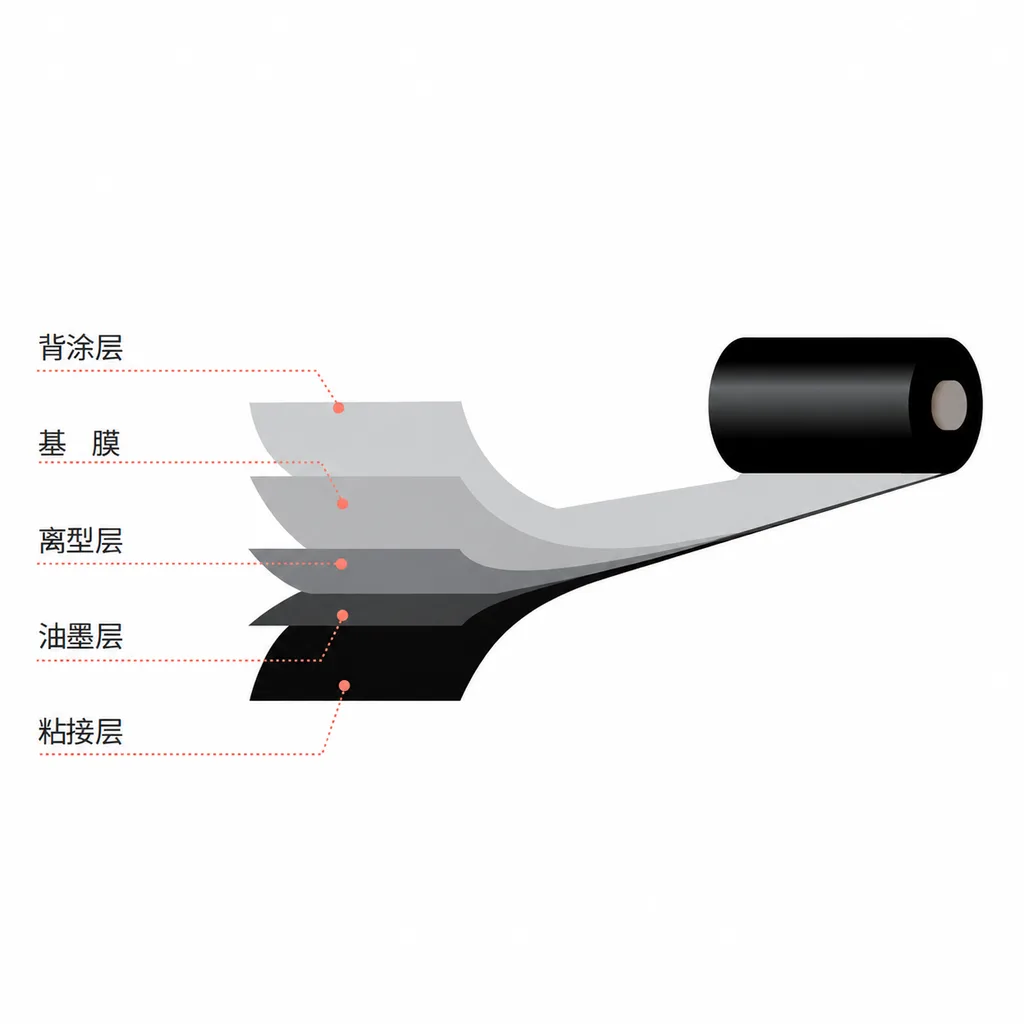
CL-Z312 Resin Thermal Transfer Ribbon for Packaging Printing
CL-Z312 is a black, general-purpose resin ribbon for thermal transfer overprinting (TTO), with packaging and retail label applications listed in the product information. Its abrasion, alcohol and oil resistance data were obtained on polyethylene terephthalate (PET). Select it against your actual packaging material, printer and production speed: print quality and image durability can vary with the printer and substrate, and the material chart percentages are not defined as pass rates.
View detailsNeed the right ribbon for your label application?
Share the label material, printer and operating environment. Our team will recommend a tested combination.
