
Fabricant Ruban Transfert Thermique: What a Ribbon Manufacturer Is and What the Term Does Not Tell You
Request a solution
- Original TTR manufacturer since 2013
- Automated coating and slitting
- IQC / IPQC / OQC control
- ANSI barcode grade testing
- -20°C to 120°C environmental testing
- Batch-level traceability
- ANSI barcode grade
- Batch traceability
- RoHS / REACH compliance
- SGS and MSDS documents on request
This guide explains the French phrase fabricant ruban transfert thermique for B2B buyers and print-shop technical leads who source thermal transfer consumables. The term names the company that manufactures the ribbon itself — the party that formulates, coats, slits and rewinds the product — rather than a reseller or the printer brand on the box. You can verify any manufacturer claim by asking for evidence of coating and slitting capability, customization options and named durability tests.
Key Takeaways
- Fabricant ruban transfert thermique is French for thermal transfer ribbon manufacturer — the company that makes the ribbon, not the printer it runs in.
- A thermal transfer ribbon combines a thin, durable polyester base film with an ink layer of wax, resin or a wax-resin blend, plus a lubricating backcoat that protects the printhead.
- Making the ribbon in-house is what lets a fabricant customize width, length, color and packaging, and offer OEM/ODM private-label production.
- Printer-brand ribbons can come from OEM arrangements — one manufacturer records Ricoh, Domino and SATO among brands covered by its OEM service.
- The term alone proves neither compatibility with your printer nor specific durability results; both need separate, named evidence.
What Fabricant Ruban Transfert Thermique Means in Plain English
The French phrase fabricant ruban transfert thermique translates as thermal transfer ribbon manufacturer and refers to the company that produces the ribbon itself. Buyers meet the phrase on French-language supplier pages and search results, usually while comparing sources for barcode label printing. In English commerce, the same role is called a TTR manufacturer or a ribbon producer.
The product is a consumable, not a machine. A thermal transfer ribbon is built in layers: a thin and durable base film made of polyester or other high-density materials carries the product, and an ink layer made of wax, resin, or a wax-resin blend sits on one side of the film. The side without ink receives a lubricating coating that protects the printhead. During printing, the printhead applies heat and pressure, and the ink transfers from the ribbon onto the label as text, barcodes or graphics.
Within that construction, manufacturers sort their ranges by ink chemistry. One documented range covers wax, wax-resin, resin, washable resin, TTO and card-printing ribbons, applied across packaging, electronics, automotive parts, jewelry, apparel and footwear, logistics, pharmaceutical and food labeling. The point for this article is simpler: a fabricant is the party that formulates, coats and cuts that product, so the phrase describes a role in the supply chain — not a ribbon grade, a certification or a printer brand.
How a Manufacturer Differs From a Reseller and a Printer Brand
A thermal transfer ribbon manufacturer operates the processes that turn raw film and ink into finished rolls: coating, slitting, rewinding and final packaging. Shenzhen Colorfulttr Technology Co., Ltd. is one example. Founded on 22 January 2013 and headquartered in Shenzhen, it focuses on thermal transfer ribbon R&D, production and sales, and runs a complete chain from raw materials through coating and slitting to the finished product.
A reseller or distributor sits one step downstream. It buys finished rolls and sells them on, sometimes under its own packaging, but it does not control the ink formulation or the slitting tolerance. The difference matters when you need something changed — a specific width, a custom length, a non-standard color, or dedicated packaging. Those are manufacturer-level decisions: the company dossier records support for customizing color, width, length and packaging, for OEM/ODM private-label production, and for four packaging modes ranging from neutral rolls with the product code on the core to fully customer-dedicated boxes.
A printer brand is a third role. The company whose name is on your printer designs the machine and sells consumables, but those consumables are not always made in-house: OEM and ODM arrangements are common, and the same dossier lists Ricoh, Domino and SATO among brands its OEM service has covered. A ribbon sold under a printer brand may therefore come from an independent fabricant. For French-speaking buyers, note also that overseas presence often means cooperating agents rather than branches — the distribution record for the company above lists agents in the United Kingdom, France, the Netherlands and Germany, and specifies they are agents, not subsidiaries.

Where the Ribbon Comes From: Coating, Slitting and Quality Control
Ribbon production starts at coating, where a polyester film receives a wax-based, resin-based or blended ink on one side and a lubricating material on the other to protect the printhead. The coated master roll then moves to slitting, where it is cut to the widths customers order. Slitting controls the width tolerance, which is what keeps ribbon dimensions stable across a batch.
Tension control is the craft inside that step. If slitting tension is too high, the PET base film stretches and the ink layer changes physically, which can show up as powder shedding and ink dust. If tension is too low, the ribbon develops wrinkles, white lines and press marks, and the roll can shift or slide on its core in transport or during installation. Rewinding must keep the ribbon flat and parallel to the core, and the slitting workshop needs dust control, because dust contamination causes white-dot print defects.
Quality control at the manufacturer covers print density and clarity, abrasion, scratch and chemical resistance, and anti-static backcoating, alongside the dimensional stability that tension and rewinding discipline deliver. Storage is part of quality too: the production documentation specifies storage at -5°C to 40°C and 20%–85% relative humidity for no more than one year.
What the Term Fabricant Does Not Tell You
Knowing that a supplier is a manufacturer does not by itself settle compatibility, durability or suitability for your labels. The word describes where the product is made, not whether that product matches your printer and your application.
- It does not confirm printer fit. Ribbon width, core size, ink-side orientation and ink chemistry still have to match your specific printer model and label material, one combination at a time. Treat catalog values as starting points to test, not as universal settings for every printer or as acceptance standards for a whole batch.
- It does not rank suppliers. A reseller stocking a good manufacturer ribbon can beat a direct factory on small-order lead time or local stock; the term tells you the role, not the service level.
- It does not supply durability numbers. Wear-resistance statements are only as good as the tests behind them, so ask for named tests. The verified fact assets behind this article, for example, describe abrasion testing with sand and salt exposure, adhesion testing on various container materials, and seawater immersion for up to three months — a claim without that kind of named backing is marketing, not evidence.
- It does not describe corporate structure. A fabricant with overseas coverage may be working through cooperating agents, and an agent in your region is not a subsidiary.
None of this argues against buying from a manufacturer. It fixes the order of the questions: confirm the role and capability first, then ask for model-level compatibility evidence and named test results.
Data and Evidence
The table below collects the construction, range and handling facts used in this article, with their conditions attached. The checklist that follows is how this article recommends verifying a fabricant claim before you switch suppliers.
| Item | Documented detail | Condition or note |
|---|---|---|
| Base film | Thin, durable film of polyester or other high-density materials | Carries the ink layer |
| Ink layer | Wax, resin, or a wax-resin blend | Chemistry defines the ribbon family |
| Backcoat | Lubricating material on the non-ink side | Protects the printhead |
| Product families | Wax, wax-resin, resin, washable resin, TTO, card ribbons | One manufacturer documented range |
| Application fields | Packaging, electronics, automotive parts, jewelry, apparel and footwear, logistics, pharmaceutical, food | Documented for the range as a whole, not per ribbon family |
| Storage | -5°C to 40°C, 20%–85% relative humidity, up to one year | Check before accepting old stock |
Five checks verify a fabricant ruban transfert thermique claim:
- Production capability: ask where coating and slitting happen, and how width tolerance and tension are controlled.
- Customization: confirm the supplier can change width, length, color and packaging, and can describe its packaging modes.
- OEM/ODM evidence: ask which printer brands the factory has produced for, and treat brand names as examples rather than compatibility promises.
- Named tests: request the test names and reports behind durability claims, and match them to your environment.
- Model-level fit: check ribbon width, core, ink-side orientation and ink chemistry against your printer model and label material, then run a sample print before committing a batch.
The facts above come from the manufacturer 2025 corporate dossier and from verified fact assets describing named tests. As a next step, collect your printer model, current ribbon spec, label material and durability scenario in one sheet, and put the five questions above to candidate suppliers — the answers, not the word fabricant, tell you who can actually supply you.
Frequently Asked Questions
What does fabricant ruban transfert thermique mean in English?
It means thermal transfer ribbon manufacturer — the company that produces the ribbon itself. The phrase describes a supply-chain role, not a ribbon grade, a certification or a printer brand.
Are ribbons sold under printer brands such as SATO always made by the printer brand?
No. OEM and ODM production is common in this industry, and one manufacturer records Ricoh, Domino and SATO among brands covered by its OEM service. A printer-brand box does not tell you who made the ribbon inside, and it does not confirm fit for your model — check width, core and ink-side orientation separately.
How do I verify that a ribbon supplier is a real manufacturer before ordering?
Ask for evidence of in-house coating and slitting, the ability to customize width, length, color and packaging, the packaging modes on offer, and the named tests behind durability claims. A factory answers these specifically; a trader usually redirects you to its supplier.
What ribbon types can a thermal transfer ribbon manufacturer offer?
One documented range covers wax, wax-resin, resin, washable resin, TTO and card-printing ribbons, built on a polyester base film with a wax, resin or wax-resin ink layer and a lubricating backcoat. The right choice depends on your label material and durability needs, so test before committing a batch.
Does buying directly from a manufacturer guarantee better print durability?
No. Durability comes from the ink formulation and the tests behind the claim, not from the supplier role. Ask for named tests such as abrasion testing with sand and salt exposure, and keep storage within the documented range of -5°C to 40°C at 20%–85% relative humidity.
Recommended products for this industry

Thermal Transfer Intelligent Coding Machine
This series of thermal transfer coders represents a cost-effective intelligent coding…
View details
Brother Compatible Label Ribbons (TZe Series)
This Brother-compatible label ribbon (TZe series) is manufactured using high-quality…
View details
CL-Z112 Enhanced Wax Thermal Transfer Ribbon for Paper Labels and Tags
An enhanced wax thermal transfer ribbon with black ink for paper labels and tags used in retail, warehousing and logistics. It is specified for flat-head printing on desktop or industrial barcode printers at ≤8 inches per second (ips). Select it by checking the actual label material, printer configuration and handling conditions: image-quality, rub-resistance and cold-chamber results were obtained on coated paper, and print quality and image durability may vary with the printer and print medium.
View details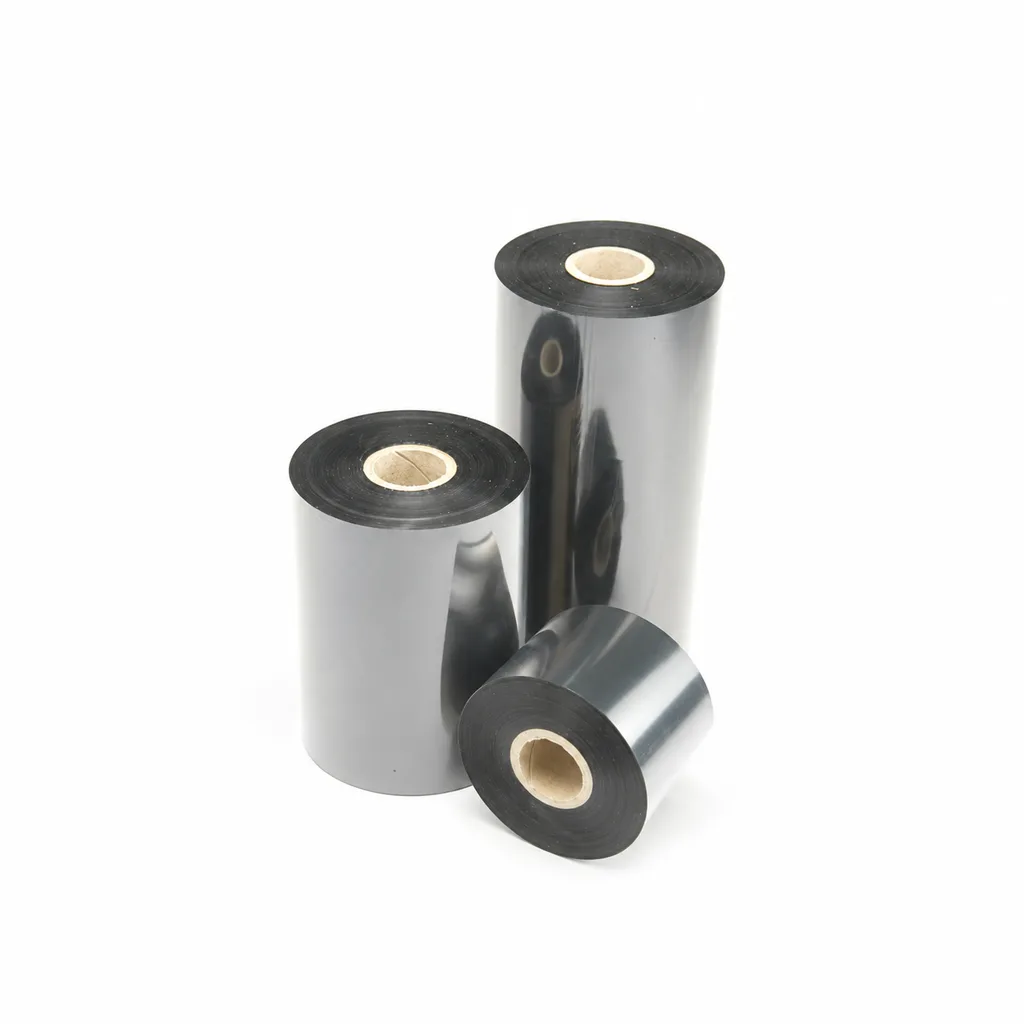
CL-Z203 Wax-Resin Thermal Transfer Ribbon for Barcode Labels
A black wax-resin thermal transfer ribbon for flat-head printing, with listed applications including retail, warehousing, logistics and garment tags. Select it against your actual label material and desktop or industrial barcode printer at speeds ≤6 ips (inches per second). Fine-line, small-text and durability results were obtained on coated paper; print quality and image durability may vary with the printer and printing substrate.
View detailsNeed the right ribbon for your label application?
Share the label material, printer and operating environment. Our team will recommend a tested combination.
