
Barcode Ribbon Market Explained: Product Scope, Main Segments, and Adjacent Markets
Request a solution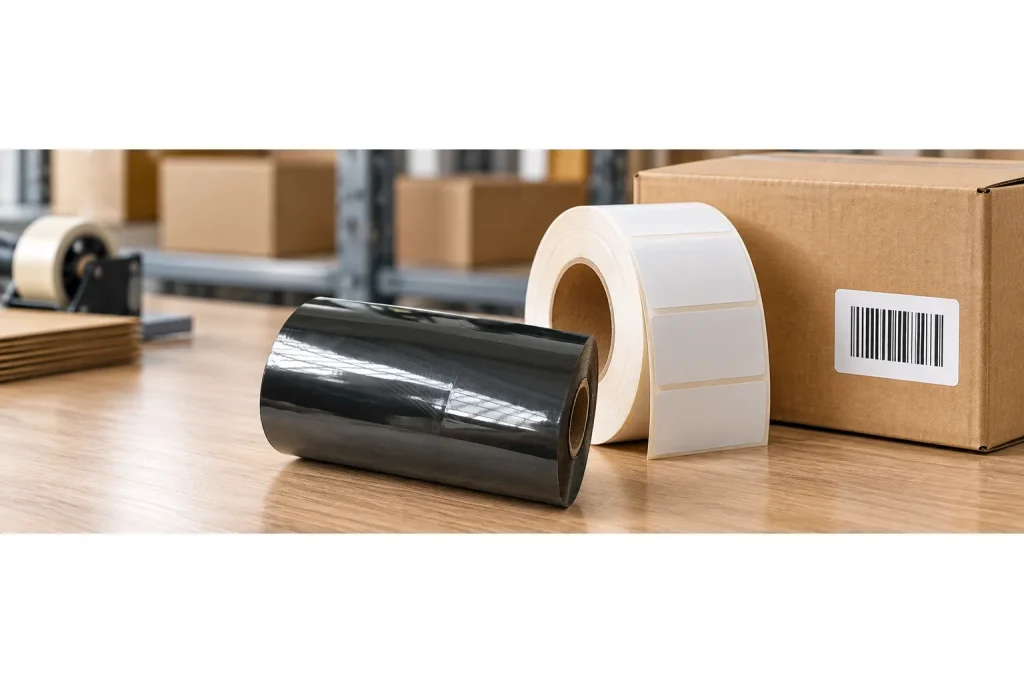
- Original TTR manufacturer since 2013
- Automated coating and slitting
- IQC / IPQC / OQC control
- ANSI barcode grade testing
- -20°C to 120°C environmental testing
- Batch-level traceability
- ANSI barcode grade
- Batch traceability
- RoHS / REACH compliance
- SGS and MSDS documents on request
Key Takeaways
- Thermal transfer ribbons are printer consumables: heat from the printhead melts ink from the ribbon onto the label to form the barcode.
- Three primary ribbon types structure the market — wax, wax-resin, and full resin — each designed for different label materials and durability requirements; manufacturer matrices add a wash-resistant resin grade for care labels.
- Wax is the most economical grade, designed for high-speed printing on paper labels, and one manufacturer's product matrix notes wax at roughly 70% of the market.
- The wider ribbon family also includes date coding, infusion bag, care label, and cable marking ribbons; compare market figures only after checking which applications and materials they include.
- Direct thermal printing uses specially treated label material and no ribbon, so its label volumes sit outside the barcode ribbon market.
What the Barcode Ribbon Market Covers
The barcode ribbon market is the supply and demand system around thermal transfer ribbons used to print barcodes — a printer consumable also known as hot stamping ribbon or simply ribbon. The working principle is easy to state: thermal transfer ribbons are used in thermal transfer printing, where heat from the printhead melts ink from the ribbon onto the label. Because the ribbon is consumed as labels print, this is a consumables market in which demand repeats with every roll.
Construction explains how the category is built. A barcode ribbon is a barcode-printer consumable on a polyester film: one side carries a wax, resin, or hybrid ink layer, and the other side carries a lubricating layer that protects the printhead. Since the ink formulation plus the film decide print quality and durability, ribbon grades — not brand names — are the primary way the market segments itself.
Ribbons are used to mark products and packaging in transportation and logistics processes, and manufacturer documentation lists packaging, electronics, automotive parts, apparel and footwear, logistics, pharmaceuticals, and food among the main application fields. When a report discusses barcode ribbon demand, it is describing these labeling workflows buying consumable rolls.
How the Market Splits Into Ribbon Grades
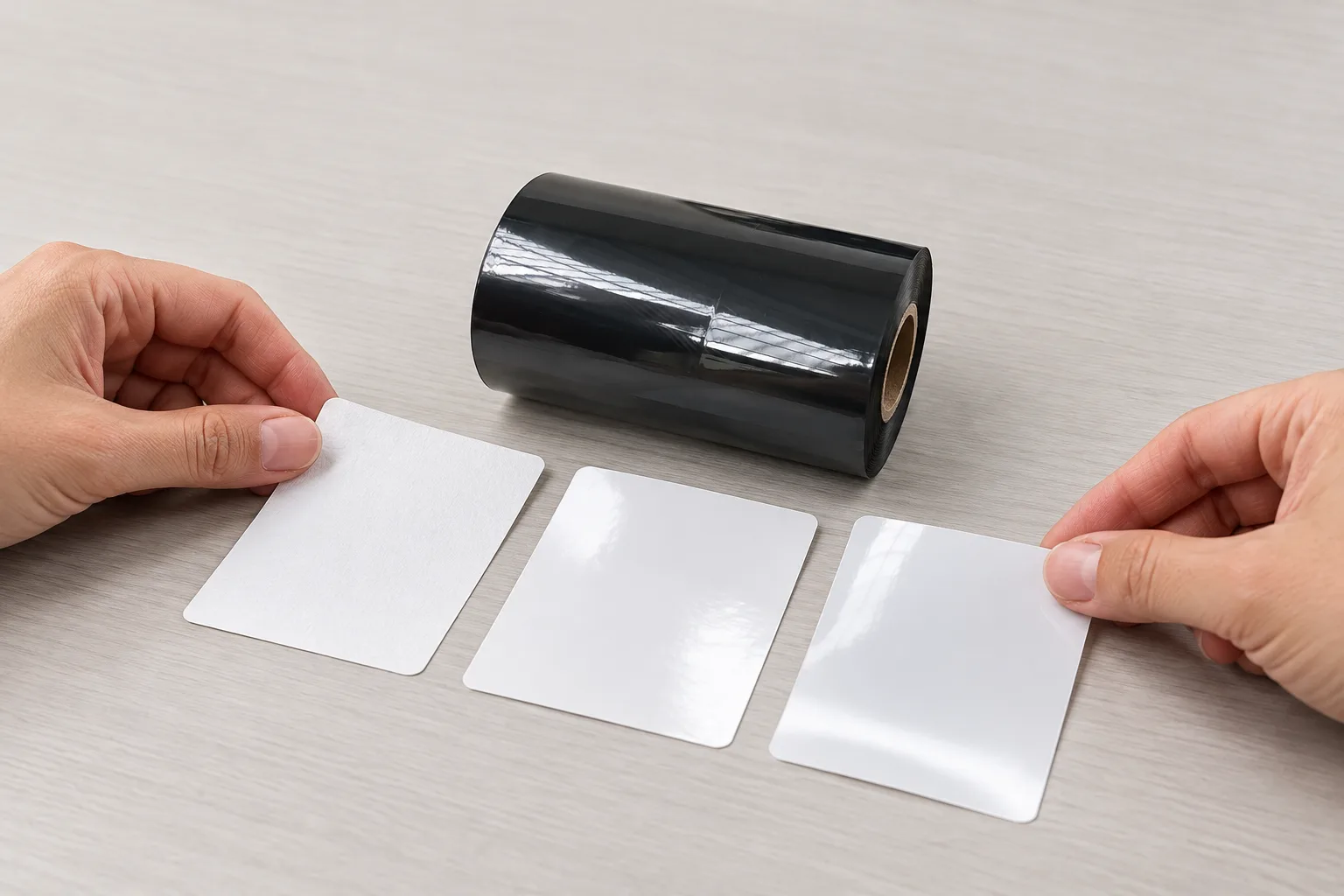
Three primary ribbon types structure the thermal transfer market, and each is designed for different materials and durability requirements. Wax ribbons are the most economical option, designed for high-speed printing on paper labels, and paper labels are their most common application. One manufacturer's product matrix notes wax at roughly 70% of the market.
Wax-resin ribbons sit one step up: they blend wax and resin to provide enhanced durability compared with wax ribbons, covering coated paper and selected synthetic label stocks. Full resin ribbons deliver excellent print quality for applications that demand long-lasting durability, such as asset tracking labels or chemical drum labels, but they require a higher level of heat and pressure during printing, so they suit printers equipped with compatible printheads.
Beyond the three primary types, one manufacturer's barcode-ribbon matrix adds a fourth, wash-resistant resin category that resists scratching, smearing, alcohol and other chemicals, and washing — including dry cleaning — for garment care label duty. Match the grade to the label material and the environmental conditions, and the market map turns into a shortlist.
Which Adjacent Markets Sit Beside It
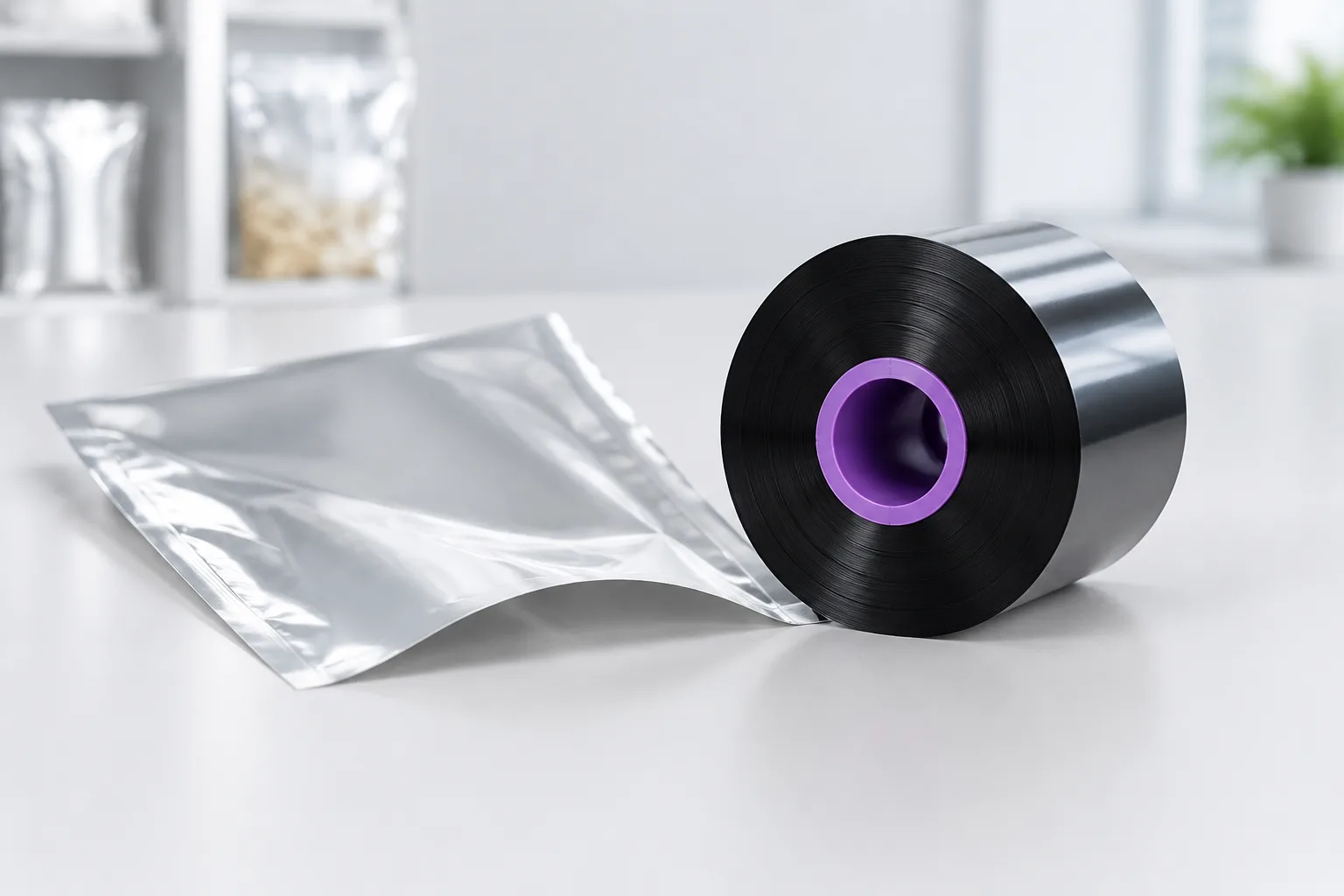
Barcode ribbons are one category inside a much wider ribbon family. In China, widely used ribbons include barcode ribbons alongside date coding ribbons, infusion bag ribbons, resin-based fabric care label ribbons, cable marking ribbons, wax-based ribbons, wax-resin mixed ribbons, and resin-based ribbons. This list combines application names with material-based grades; it does not establish mutually exclusive market segments. When comparing figures quoted for “thermal transfer ribbons” and barcode ribbons, check which applications and grades each report includes.
Two adjacent segments cause the most confusion. TTO high-speed ribbons serve coding jobs — printing production dates, batch numbers, and product parameters on food and pharmaceutical packaging. Direct thermal printing is the opposite case: it applies heat directly to a specially treated label material that has ink set in the material, so it consumes no ribbon and its label volumes sit outside any ribbon market.
For buyers, the discipline is to name the segment before comparing numbers. A supplier covering wax, wax-resin, resin, wash-resin, TTO, and card ribbon lines can quote “thermal transfer ribbon” volumes that say little about barcode-grade supply alone, so ask which grades and applications a figure or price list actually counts.
Read Market Figures With Scope, Years, and Regions Attached
No verified global size, share, or growth forecast for barcode ribbons appears in the sources behind this guide. The only share-type figure is the single-manufacturer note putting wax near 70%, which is directional rather than a market study. What these sources verify is structure: the grade system, the label materials each grade suits, and the demand base in logistics marking.
Before you weigh any external market figure, attach three checks:
- Product scope: does the figure count barcode ribbons only, or the full thermal transfer ribbon family, including date coding, care label, and cable marking segments?
- Forecast period: which start and end years does the projection span, and are they printed next to the number?
- Regional coverage: does the analysis break out the regions you source from, or blend them into one global line?
Then bring the same rigor to your own specification. Each ribbon type suits specific label materials and environmental conditions, and mismatched ribbon and substrate combinations frequently cause smudging. Ribbon performance belongs to the complete printed construction, so validate any combination on your own facestock, printer, and settings before release. Next step: list every label you print, note its material and exposure, and use that list to fix the ribbon scope you actually buy against — before comparing any market figure or quotation.
Data and Evidence
The table below collects the verified facts this guide rests on, with the source record named for each row. The grade-to-material mapping is the core comparison to carry into supplier discussions.
| Point | Verified detail | Source record |
|---|---|---|
| Grade-to-material mapping | Wax ribbons: porous and coated paper; wax-resin ribbons: coated paper and selected synthetics; full resin ribbons: demanding synthetic films such as polyester, polyimide, and vinyl. | Wax ribbons (verified fact asset) |
| Wax grade position | Most economical option, designed for high-speed printing on paper labels; paper labels are the most common application. | Wax ribbons; Paper labels wax ribbons (verified fact assets) |
| Resin grade demands | Higher heat and pressure during printing; suits printers equipped with compatible printheads. | resin ribbons resin (verified fact asset) |
| Wash-resistant fourth grade | Resists scratching, smearing, alcohol and other chemicals, and washing including dry cleaning; serves garment care label applications. | 公司现行产品矩阵(2026-10-02校订) |
| Share note | Wax noted at roughly 70% of the market in one manufacturer's product matrix. | 公司现行产品矩阵(2026-10-02校订) |
| Ribbon family in China | Barcode ribbons rank among widely used types, alongside date coding, infusion bag, resin-based fabric care label, and cable marking ribbons. | widely used ribbons (verified fact asset) |
| Direct thermal boundary | Heat is applied directly to specially treated label material with ink set in the material; no ribbon is consumed. | Direct thermal printing (verified fact asset) |
To verify any of this against your own operation, ask suppliers to state the ribbon grade, the label materials it suits, and the environmental conditions it handles — then test-print on your own facestock, printer, and settings before releasing a batch. For market figures, apply the three checks in the previous section: a number without scope, years, and regions attached is not comparable.
Frequently Asked Questions
Is the barcode ribbon market the same as the thermal transfer ribbon market?
Do not assume the two terms cover the same products. The ribbon categories listed in the sources include barcode, date coding, infusion bag, resin-based fabric care label, and cable marking ribbons. These application names do not establish mutually exclusive segments, so check the product scope a report counts before comparing.
Which ribbon grade do high-volume barcode applications on paper labels use?
Wax is an economical option for high-speed printing on paper labels, and paper labels are its most common application. The choice must still suit the specific label material and environmental conditions, including the durability required in use. The product matrix of one manufacturer notes wax at roughly 70% of the market.
Does direct thermal label printing count toward barcode ribbon market volume?
No. Direct thermal printing applies heat directly to a specially treated label material that has ink set in the material, so it consumes no ribbon. Its label volumes sit in the direct thermal market, not the barcode ribbon market.
Why do barcode ribbon market reports show different size and growth figures?
Before comparing figures, check whether each report counts barcode ribbons only or a broader ribbon category, which start and end years it covers, and whether it breaks out your sourcing regions. These checks help assess comparability; they do not establish why particular reports differ. This guide quotes no global size or growth number because none is verified in its sources.
Recommended products for this industry
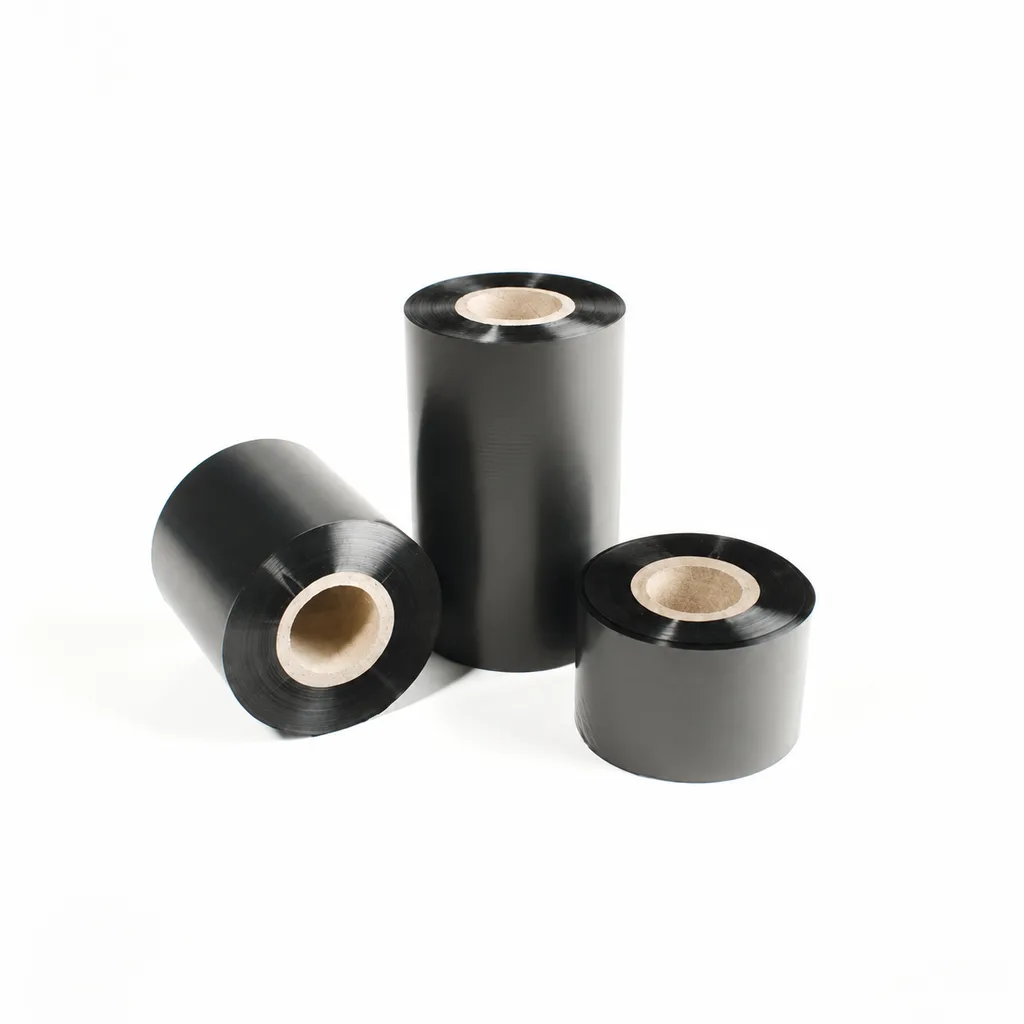
CL-Z112 Enhanced Wax Thermal Transfer Ribbon for Paper Labels and Tags
An enhanced wax thermal transfer ribbon with black ink for paper labels and tags used in retail, warehousing and logistics. It is specified for flat-head printing on desktop or industrial barcode printers at ≤8 inches per second (ips). Select it by checking the actual label material, printer configuration and handling conditions: image-quality, rub-resistance and cold-chamber results were obtained on coated paper, and print quality and image durability may vary with the printer and print medium.
View details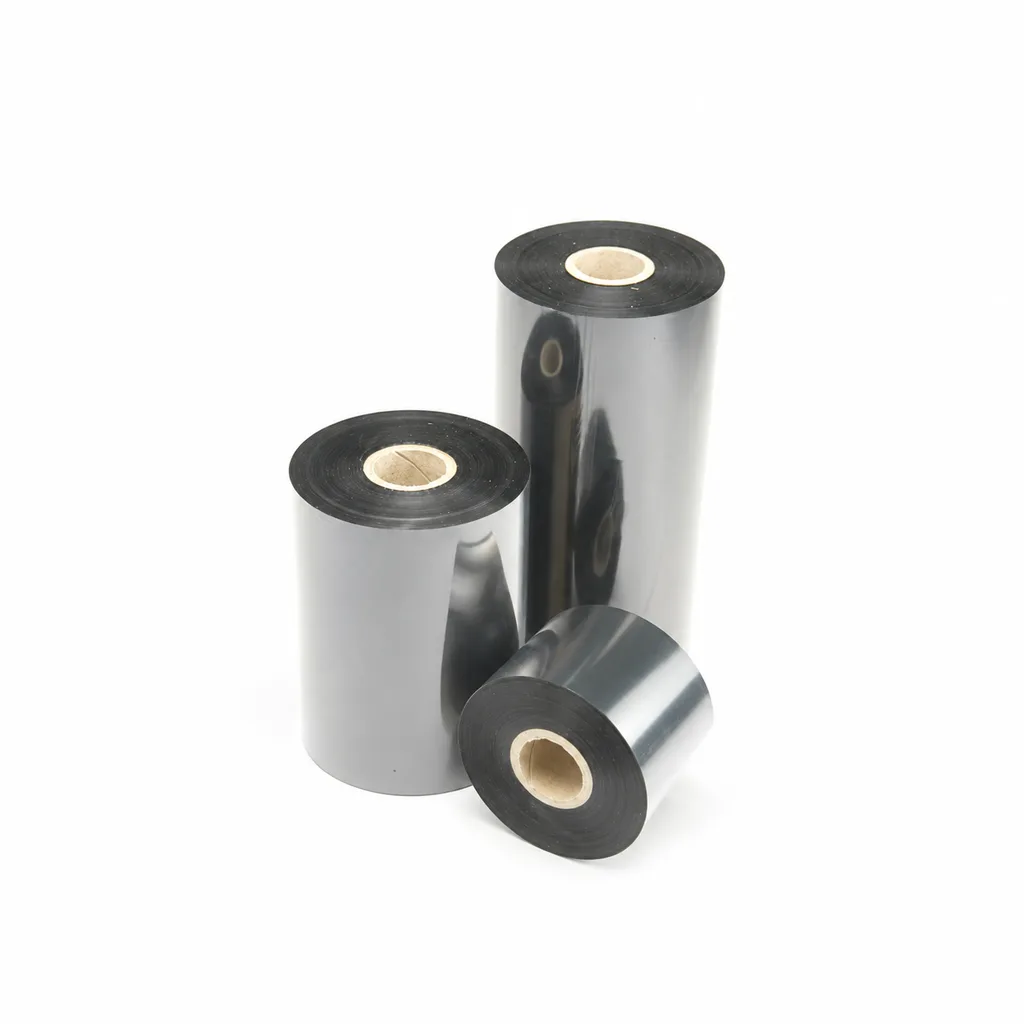
CL-Z203 Wax-Resin Thermal Transfer Ribbon for Barcode Labels
A black wax-resin thermal transfer ribbon for flat-head printing, with listed applications including retail, warehousing, logistics and garment tags. Select it against your actual label material and desktop or industrial barcode printer at speeds ≤6 ips (inches per second). Fine-line, small-text and durability results were obtained on coated paper; print quality and image durability may vary with the printer and printing substrate.
View details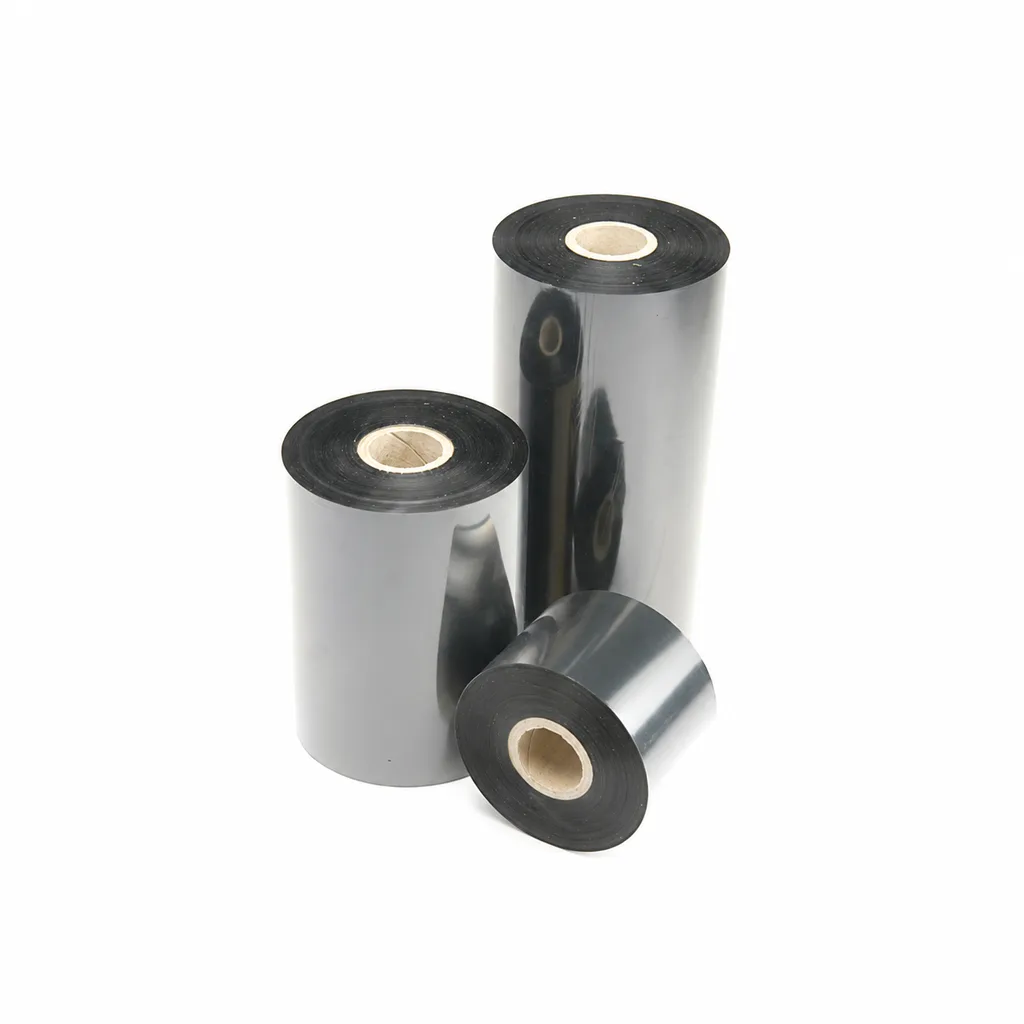
CL-Z213 Near-Edge Wax-Resin Thermal Transfer Ribbon for Barcode Labels
An enhanced black near-edge wax-resin thermal transfer ribbon for near-edge barcode printers and low- to medium-speed thermal transfer overprinting (TTO). Listed applications include retail labels, warehousing, garment tags and packaging identification. Match the printer, actual print medium and operating speed before selection: print quality and image durability can vary with the printer and substrate.
View details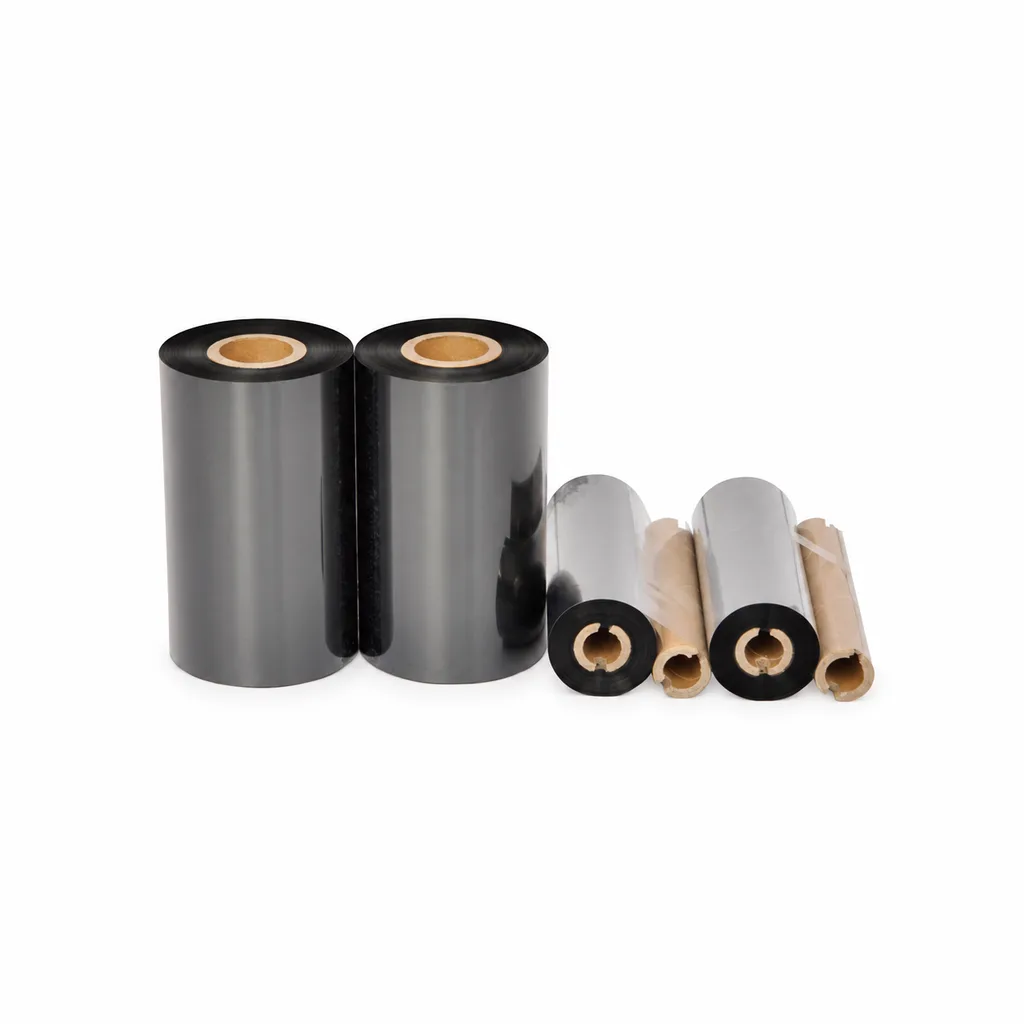
CL-Z908 Wax Thermal Transfer Ribbon for Barcode Labels and Tags
CL-Z908 is an economical black wax thermal transfer ribbon for label and tag printing. Listed applications include retail, warehousing, logistics, clothing tags, simple packaging and production line identification. It is intended for flat-head printing on desktop or industrial barcode printers at speeds of ≤6 inches per second (ips). Select it against your actual paper stock, printer and required image durability: print quality and image durability may vary with the printer and printing substrate.
View detailsNeed the right ribbon for your label application?
Share the label material, printer and operating environment. Our team will recommend a tested combination.
