
Lojistik Etiketlemesi Explained: Labels, Print Methods and Ribbons
Request a solution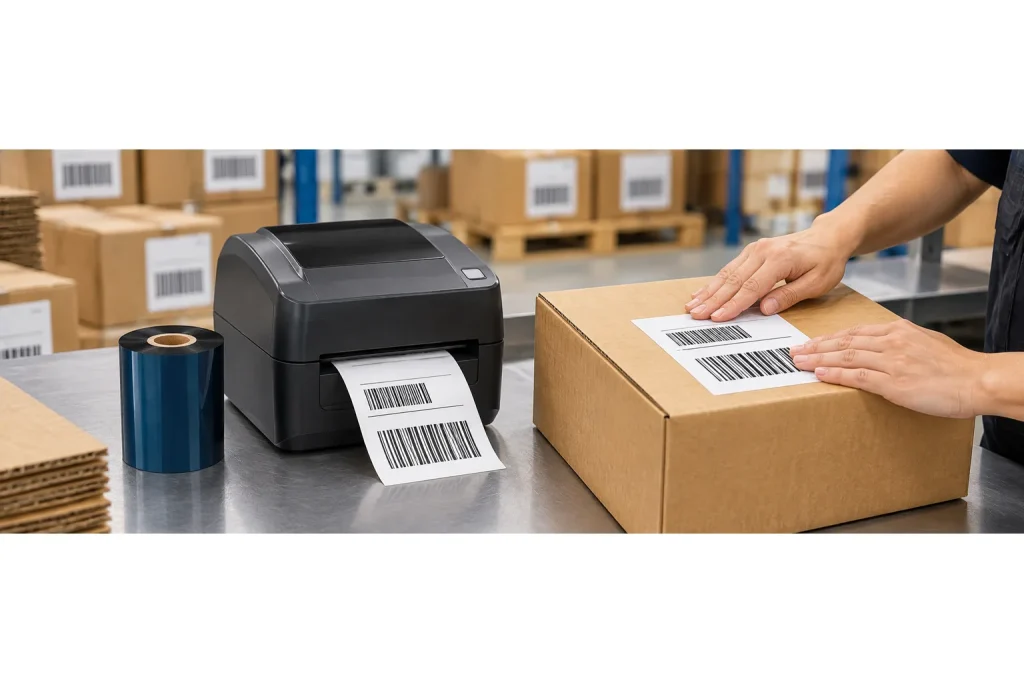
- Original TTR manufacturer since 2013
- Automated coating and slitting
- IQC / IPQC / OQC control
- ANSI barcode grade testing
- -20°C to 120°C environmental testing
- Batch-level traceability
- ANSI barcode grade
- Batch traceability
- RoHS / REACH compliance
- SGS and MSDS documents on request
For buyers printing their own labels, lojistik etiketlemesi concerns marking goods and packaging in transportation and logistics. It describes the application, while direct thermal and thermal transfer describe how the mark is produced. Identify the print method, match the label surface and consumables, and evaluate a printed sample against the receiving party’s requirements.
Key Takeaways
- Thermal transfer ribbon is used to mark products and packaging in transportation and logistics processes.
- Direct thermal printing uses specially treated label material, while thermal transfer moves ribbon ink onto a label.
- Wax, wax-resin and resin are the three main thermal transfer ribbon families.
- Ribbon selection includes formulation, width, core size and roll length.
- A successful scan and a barcode verification grade answer different questions.

What is logistics labeling?
Logistics labeling, or lojistik etiketlemesi, concerns the use of printed identification in transportation and logistics processes. For an in-house printing team, the useful starting point is the goods or packaging being marked. The term describes the application; it does not specify a ribbon formulation or a printer setting.
This distinction matters when a request arrives simply as “ribbon for logistics labels.” That phrase leaves the label surface and printing equipment unresolved. Ask which label stock will be printed and which printer will produce it. A consumable description becomes useful only when it connects the intended mark with those physical details.
A label and a ribbon also have different roles. The label provides the surface that receives the image. Thermal Transfer Ribbon (TTR) is a printer consumable that supplies ink in a thermal transfer process. Calling both items “logistics supplies” does not make them interchangeable purchasing specifications.
The source of the printed image provides another useful distinction. In thermal transfer, heat from the printhead transfers ribbon ink onto the label. In direct thermal printing, heat acts on specially treated label material. Therefore, the application name alone cannot tell a buyer whether to order ribbon. Confirm the printing method before comparing ribbon grades or asking for a replacement roll.
Separate the application from the printing method
Thermal printing includes direct thermal and thermal transfer, and the general term “thermal printer” may refer to either method. A supplier request that names only a thermal printer is therefore incomplete for consumable selection. Record the actual print mode alongside the printer identification.
For direct thermal work, the specially treated label material forms the image under heat. For thermal transfer work, the label stock and ribbon form a printing combination. The latter requires attention to both the receiving surface and the ink formulation; evaluating the ribbon in isolation leaves part of the system unspecified.
This also explains why “thermal transfer” is not a complete material specification. There are three main ribbon families: full wax, wax-resin blend and full resin. The family names identify broad ink formulations. They do not, by themselves, establish that a particular roll fits a printer or produces the required image on a particular stock.
When reviewing a supplier substitution, separate these questions in your notes. First, is the proposed item for the correct printing method? Second, is the formulation appropriate for the label surface? Third, do the roll dimensions match the equipment? Keep performance approval as a separate question for the printed sample. This sequence gives the discussion a clear structure without treating a familiar application name as evidence of compatibility.
Read ribbon descriptions as starting points for matching
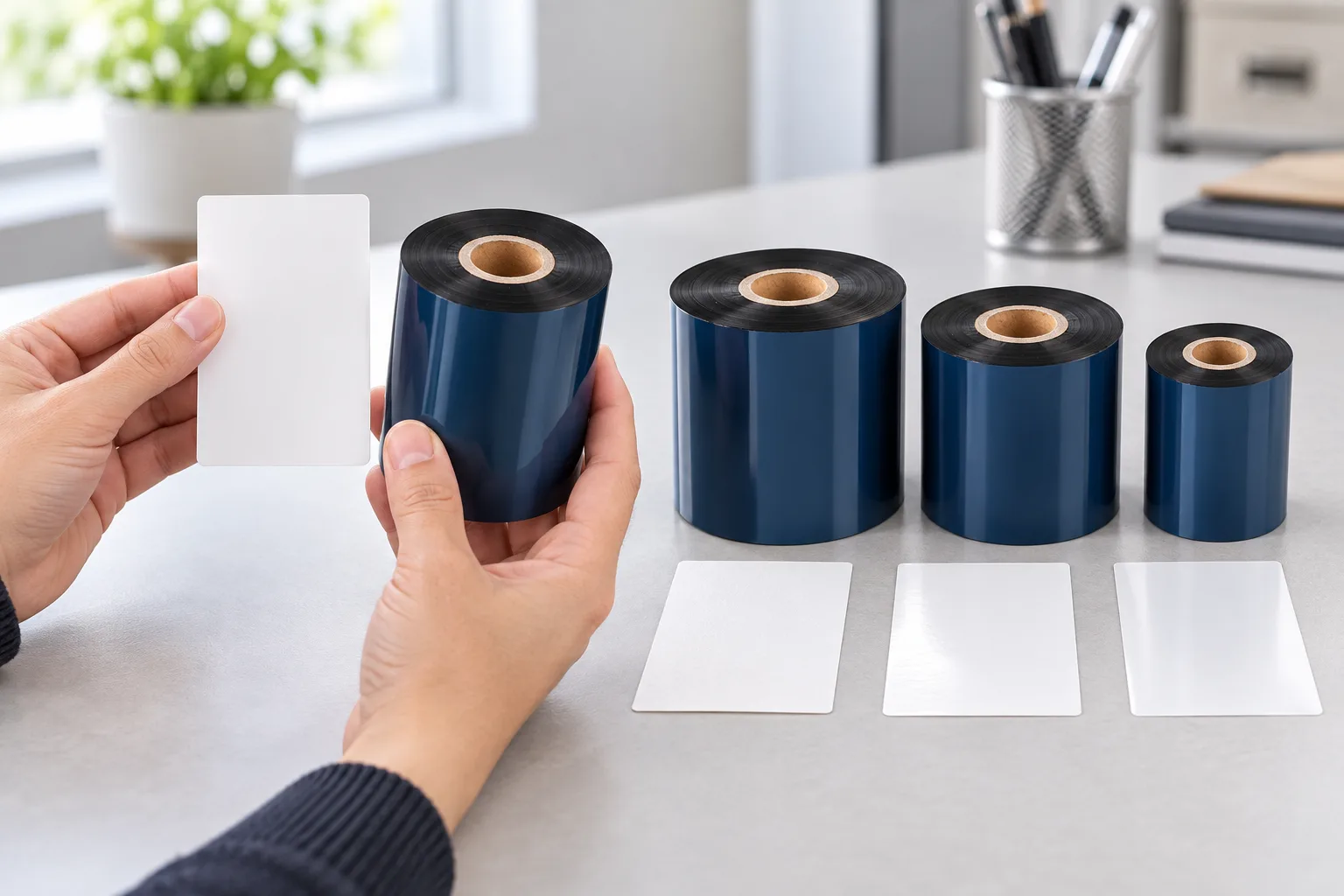
Wax ribbons are generally suited to paper, wax-resin to coated paper and selected synthetics, and full resin to demanding synthetic films. These are useful starting categories for logistics-label consumables, rather than approval of every material sold under a broad stock name.
For uncoated or vellum paper, the supplied material guidance points to wax. For coated paper and shipping-label applications, it lists wax or wax-resin. Wax-resin offers enhanced durability compared with wax, but the decision still needs the specific surface and required printed result. A request for “a stronger ribbon” should therefore retain the label-stock information instead of replacing it with a family name.
For synthetic stock, avoid carrying a paper-based choice over automatically. The supplied guidance describes resin formulations as designed to adhere strongly to compatible synthetic surfaces. The word “compatible” matters: obtain the stock description and propose a sample combination before treating a change of formulation as an approved solution.
Physical fit remains part of the same decision. Ribbon selection includes width, core size and roll length as well as ink formulation. Check these details against the printer’s documented requirements. A roll described as resin may address a formulation question while leaving the fit question unanswered. For a more detailed selection sequence, use the guide to matching wax-resin ribbon with labels and printers.
Data and Evidence
The supplied material guidance supports broad ribbon-to-surface matches, while printed-image quality depends on the printer, label surface and ribbon together. Use the following distinctions to build a sample request, then record the actual combination you evaluate.
| Question | Supported distinction | What to record |
|---|---|---|
| Which print method? | Direct thermal heats treated stock; thermal transfer uses ribbon ink. | The printer’s actual mode and label stock. |
| Which ribbon family? | Wax for paper; wax-resin for coated paper and selected synthetics; resin for demanding synthetic films. | The specific surface and candidate formulation. |
| Will the roll fit? | Width, core size and roll length are selection factors. | The required dimensions and proposed roll dimensions. |
| What does the barcode result show? | A scanner decodes a symbol; a verification grade assesses conformity to a readability standard. | The agreed acceptance requirement and sample result. |
The material comparisons above follow the supplied Wax ribbons and Coated paper, cartons, shipping labels guidance. The printing-system distinction follows the Thermal transfer ribbon guidance, which identifies the printer, surface layer and ink quality as contributors to the required result. These references describe selection principles; they are not test reports for a particular shipment.
A barcode that reads once should not become a universal acceptance statement. A scanner can decode marginal symbols, whereas a verification grade evaluates how closely the printed barcode matches a readability standard. Ask the receiving party which requirement applies to the job rather than inventing a universal grade.
Before replacing an existing consumable, prepare a sample request listing the printer, print mode, label stock, candidate ribbon and roll dimensions. Agree what visible evidence will count as acceptance before testing. Keep the sample result with that combination, and use the logistics-label matching and approval guide when moving from understanding the terms to qualifying a printed result.
Frequently Asked Questions
Does a logistics label always need a thermal transfer ribbon?
No. Direct thermal printing heats specially treated label material without a ribbon. Thermal transfer printing uses a ribbon, so confirm the printer mode before choosing consumables.
Can I use the same wax ribbon on paper and synthetic logistics labels?
Do not assume so. Wax is generally suited to paper, while selected synthetics may call for wax-resin or resin. Match the specific label surface and printer before approving a replacement.
Does one successful barcode scan prove a logistics label is acceptable?
A scan shows that one reader decoded the symbol. A barcode verification grade assesses conformity to a readability standard. Agree the receiving party’s requirements before accepting printed samples.
Related Products & Guides
Recommended products for this industry
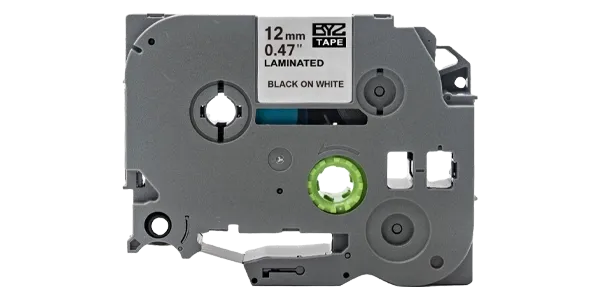
Brother Compatible Label Ribbons (TZe Series)
This Brother-compatible label ribbon (TZe series) is manufactured using high-quality…
View details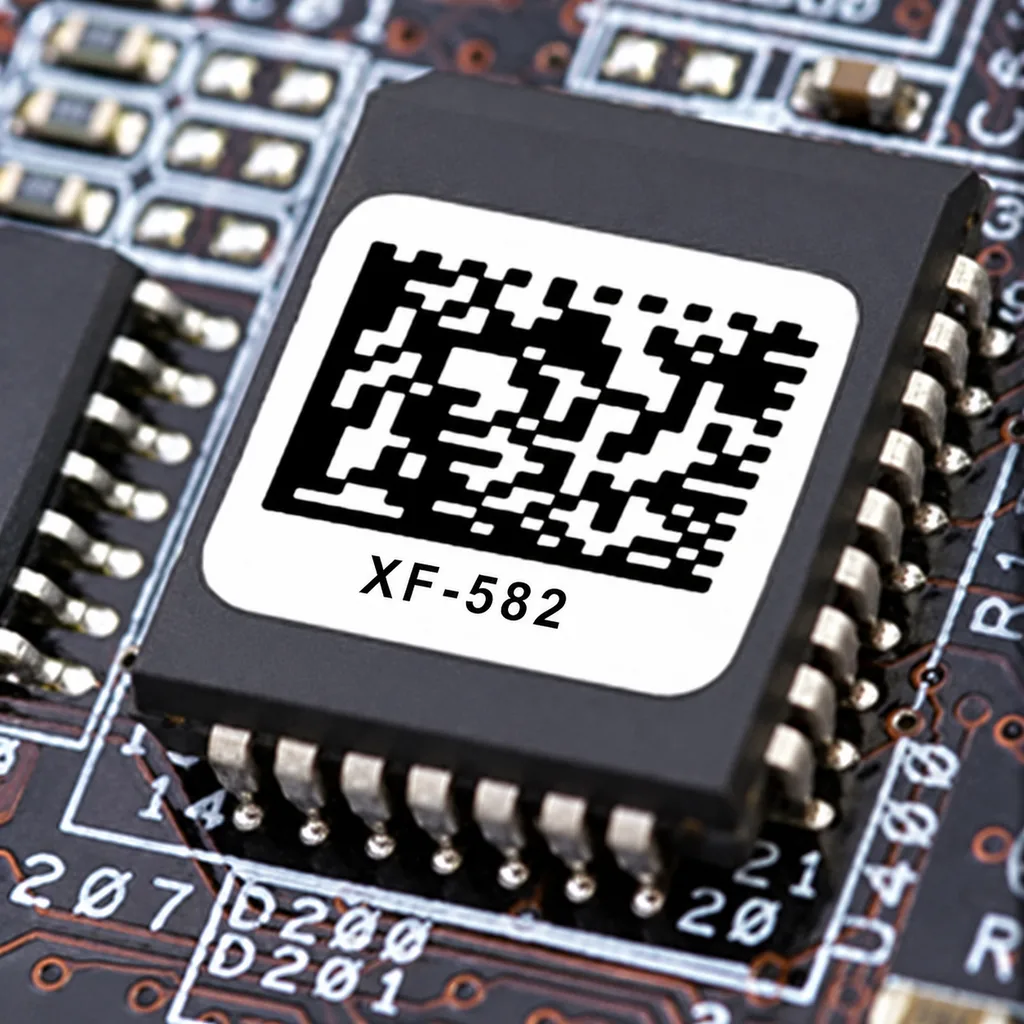
CL-582 High-Temperature Polyimide Labels for Printed Circuit Board Traceability
CL-582 is a high-temperature polyimide (PI) label material for printed circuit board (PCB) and sensitive electronic component process control and product traceability. It has a gloss white coating, a listed thickness of 2mil and an acrylic adhesive. The source identifies wave soldering and reflow soldering as applications. Selection requires confirmation of the actual heat exposure and chemical conditions: the listed temperature range has no specified exposure duration, and solvent resistance is qualitative.
View details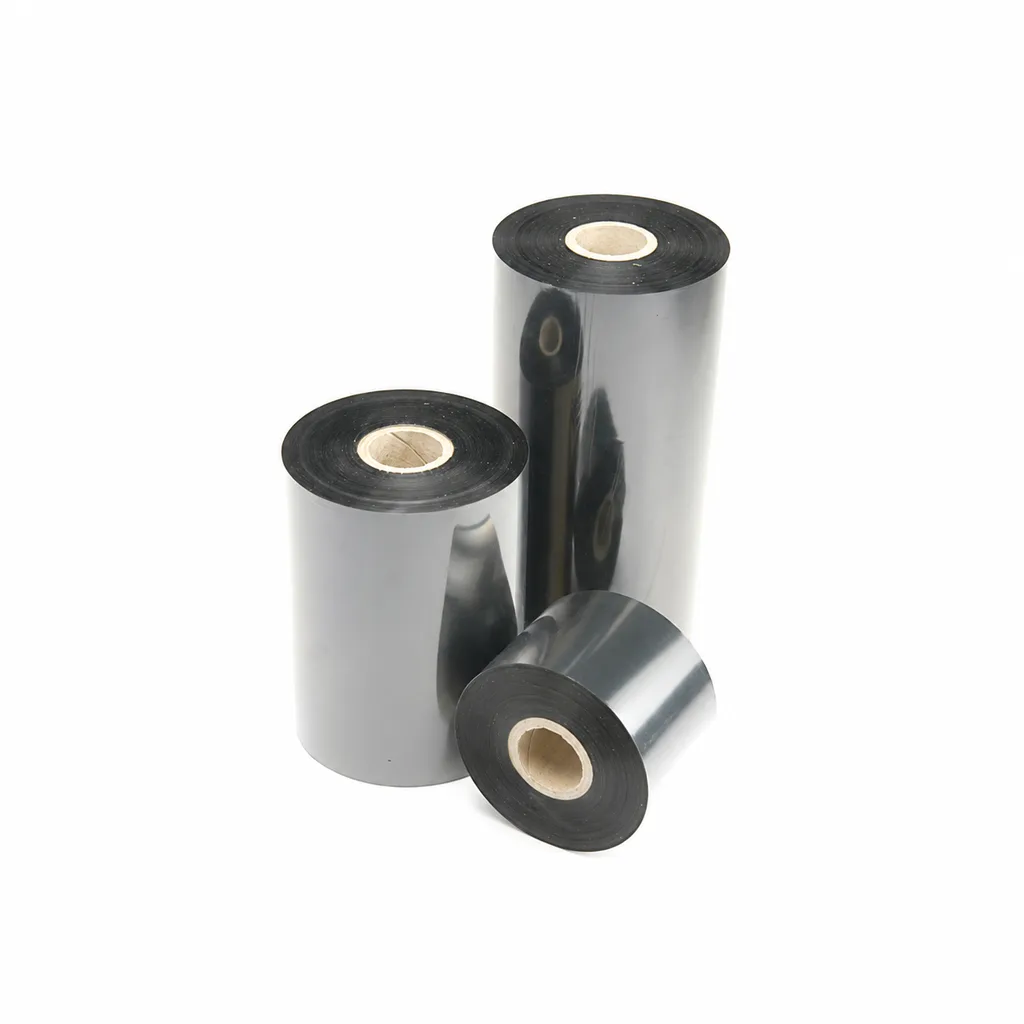
CL-Z213 Near-Edge Wax-Resin Thermal Transfer Ribbon for Barcode Labels
An enhanced black near-edge wax-resin thermal transfer ribbon for near-edge barcode printers and low- to medium-speed thermal transfer overprinting (TTO). Listed applications include retail labels, warehousing, garment tags and packaging identification. Match the printer, actual print medium and operating speed before selection: print quality and image durability can vary with the printer and substrate.
View details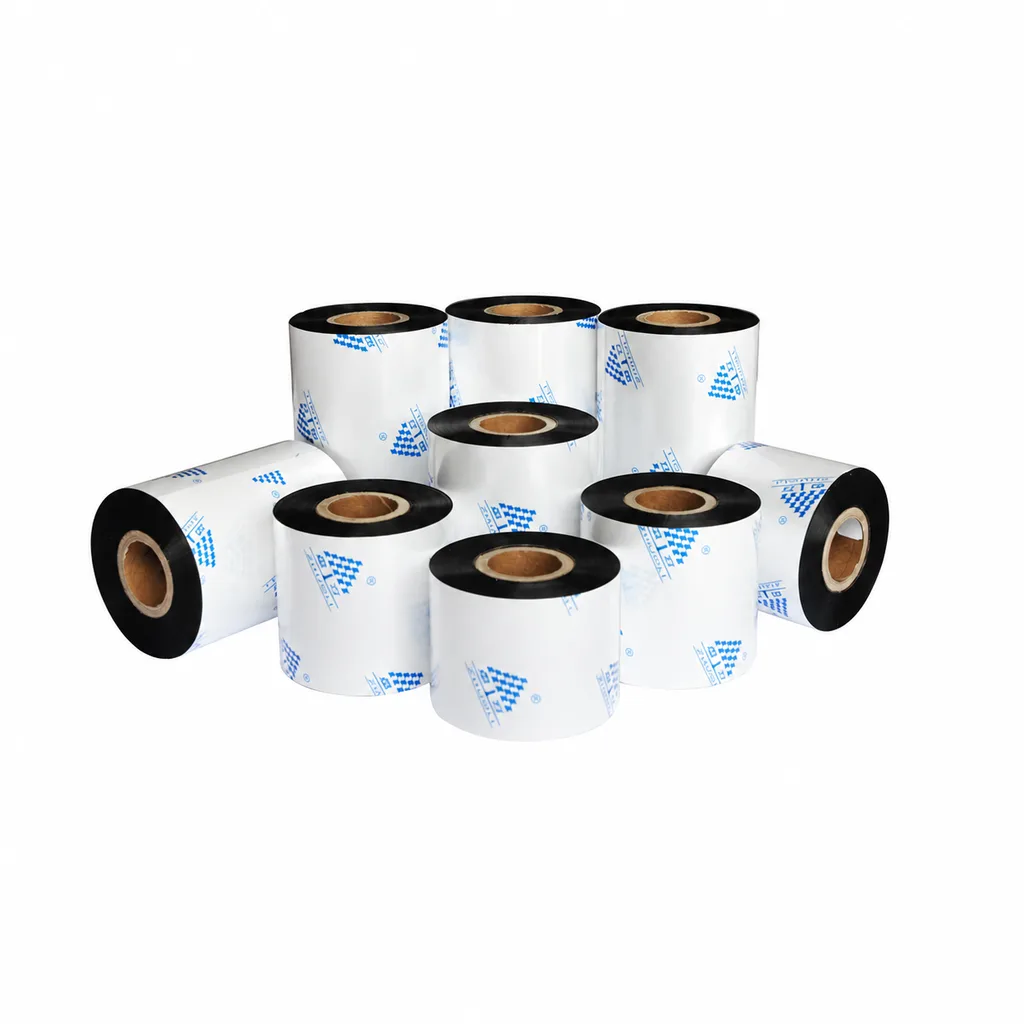
Near-Edge Wax-Resin Thermal Transfer Ribbon CL-Z212 for Barcode Labels
CL-Z212 is a general-purpose black wax-resin thermal transfer ribbon primarily for near-edge barcode printers, with use also described for low- to medium-speed thermal transfer overprinting (TTO). Listed applications include retail labels, garment tags, warehouse identification and packaging printing. Select according to printer type, actual printing speed and substrate: recommended conditions list near-edge printing at ≤10 inches per second (ips) and TTO at ≤20 ips. Print quality and image durability can vary with the printer and printing material, so trial printing on the intended substrate is necessary for selection.
View detailsNeed the right ribbon for your label application?
Share the label material, printer and operating environment. Our team will recommend a tested combination.
