
What a Barcode Ribbon Manufacturer Is — and What the Term Does Not Guarantee
Request a solution
- Original TTR manufacturer since 2013
- Automated coating and slitting
- IQC / IPQC / OQC control
- ANSI barcode grade testing
- -20°C to 120°C environmental testing
- Batch-level traceability
- ANSI barcode grade
- Batch traceability
- RoHS / REACH compliance
- SGS and MSDS documents on request
This explainer defines barcode ribbon manufacturer for B2B buyers who specify thermal transfer consumables for their own printers. It covers what these producers make — thermal transfer ribbons (TTR) in wax, wax/resin hybrid, and resin families, and sometimes blank label stock — how they differ from resellers and printer brands, and which customization and verification points to check. To judge a supplier, match ribbon width, core, ink-side orientation, and label material to your printer, then request the TDS for the exact model code.
Key Takeaways
- A barcode ribbon manufacturer makes thermal transfer ribbons (TTR) — printer consumables in wax, wax/resin hybrid, and resin families — not finished printed labels.
- Wax ribbons are the economical family for paper labels; hybrids add moderate scratch and moisture resistance and perform on synthetics such as PP, PET, and PVC.
- Manufacturer-level customization spans custom widths from 30mm to 220mm, 0.5-inch and 1-inch cores, CSI or CSO winding, and OEM private-label packaging.
- Ribbons from one manufacturer are cataloged as compatible with flat head printers across brands such as Zebra, SATO, Honeywell, and TSC.
- Catalog ips and optical density values are not TDS-verified: request the model's TDS and test on your own printer and label stock.

What a Barcode Ribbon Manufacturer Produces
A barcode ribbon manufacturer produces thermal transfer ribbons (TTR) — also known as hot stamping ribbons, or simply ribbons — which are printer consumables, not printed products. During printing, the ink in the ribbon is transferred onto the material in a predefined area of the label or package. Ribbon, label stock, and printer settings therefore work as one system, and the manufacturer supplies the consumable that fits yours.
The range splits into families. Widely used ribbons include barcode ribbons alongside wax-based, wax-resin mixed, and resin-based types, plus specialities such as date coding, cable marking, and fabric care label ribbons. Wax ribbons are the most economical option, pairing high sensitivity with excellent print density on paper labels; they serve logistics and shipping labels, warehouse inventory, retail price marking, and general purpose barcode labels where extreme durability is not required. Wax/resin hybrids, typically balanced at about 60% wax and 40% resin, combine the two materials for balanced print quality, moderate scratch and moisture resistance, and good performance on synthetic materials — what a hybrid ribbon is covers that family in depth. Wash-care hybrids are designed specifically for nylon taffeta and polyester satin garment labels, and near edge ribbons carry a release layer so ink transfers quickly at speed. For the wax-versus-resin trade-off, see wax ribbon vs resin ribbon: how to choose.
Some manufacturers also produce the label stock that pairs with their ribbons: COLORFULTTR lists blank sewn-in nylon wash label materials for thermal transfer printing, with the printing left to the buyer.
Manufacturer, Reseller, and Printer Brand — Who Does What
A barcode ribbon manufacturer formulates and produces the rolls itself, which separates it from the other players in the chain. A reseller buys finished rolls and resells them: pricing and availability are what it controls, while formulation, custom slitting, and winding are production decisions made upstream. A printer brand — Zebra, SATO, Honeywell, TSC — builds the printers; consumables carrying other labels can come from manufacturers serving OEM clients, and COLORFULTTR itself offers pre-printed cores and cartons for OEM clients plus private-label packaging with the client's logo.
The roles show in what a supplier can promise. A manufacturer offers custom slitting, a choice of core sizes, either ink-side winding, and documents for the exact model you buy; a reseller answers from a stock list. Compatibility makes the same point: ribbons from one manufacturer are cataloged for flat head printers across brands — Zebra ZT200, ZT400, and ZT600 series, ZD420 and ZD620 desktops, plus SATO, Honeywell, TSC, Datamax-O'Neil, Godex, Argox, Postek, Brady, cab, and all other flat head printers. Buying from the ribbon maker rather than the printer brand is a normal route, as illustrated by Zebra thermal transfer ribbons for industrial printers.

Where Ribbon Differences Come From: Ink, Cores, and Slitting
Ribbon differences trace back to production decisions the manufacturer controls. The ink formulation sets the cost-durability balance: a higher resin share widens the substrate range from coated paper to synthetic paper, PP, PET, and PVC. Construction matters too — an anti-static back-coating reduces static buildup and dust during high-speed printing, and near edge ribbons must contain a release layer that lets ink transfer quickly to the substrate.
Slitting and finishing then adapt production to your hardware. Widths are cut to order: standard catalog widths run 40mm to 110mm, custom widths 30mm to 220mm. Lengths come in 74m, 90m, 300m, and 450m rolls, custom from 70m to 600m. Cores — commonly paper or plastic — must resist deformation and slippage during printing, in 0.5-inch (12.7mm) and 1-inch (25.4mm) sizes with custom options. Each roll is wound ink coated inside (CSI) or outside (CSO) to match how your printer loads ribbon; core choices are compared in ribbon core size: 1 inch vs 3 inch.
What the Word Manufacturer Does Not Guarantee
A manufacturer badge tells you who makes the roll; it does not establish fitness, validated settings, or batch quality.
First, it does not mean any ribbon fits your application: match the family to the label material — wax for papers, hybrids for synthetics and moderate scratch and moisture resistance, wash-care hybrids for nylon taffeta and polyester satin. Second, it does not turn catalog numbers into settings. Catalog ips speed ratings and optical density figures are not TDS-verified; treat them as indicative and request the TDS for the exact model before locking darkness or speed settings or setting batch acceptance criteria. COLORFULTTR's current numeric series — JT101, CL305, CL805, CL801, CL609, CL926, and the CL5xx–CL9xx color families — is the coding that corresponds to its TDS and SGS documentation, so confirm which code you are buying. Third, it does not replace your own test: print with your label stock on your printers before committing a full order.
Next step: list your printers and label materials, ask candidates for the TDS and samples of the matching family, and run a trial before switching suppliers — the thermal transfer ribbon selection guide walks through the comparison.
Data and Evidence
The tables below condense the catalog entries and verified facts cited in this article; per-model performance must be confirmed against the model's TDS.
| Ribbon family | Formulation | Durability | Typical label materials | Documented uses |
|---|---|---|---|---|
| Wax | Wax formulation | Most economical option; high sensitivity and excellent print density on paper; for uses where extreme durability is not required | Paper labels | Logistics and shipping, warehouse inventory, retail price marking, general purpose barcode labels |
| Wax/resin hybrid | Typically 60% wax / 40% resin | Balanced print quality and durability; moderate scratch and moisture resistance | Paper, synthetic paper, PP, PET, PVC, coated paper | Pharmaceutical labels, medical device labeling, apparel hang tags, manufacturing WIP labels, asset tracking |
| Wash-care hybrid | Hybrid formulated for garment care labels | Withstands repeated industrial washing, dry cleaning, and ironing | Nylon taffeta, polyester satin | Garment care labels |
Resin-based ribbons are a further family; the sources cited here document them for fabric care label use, and the wax-versus-resin guide linked above covers choosing between constructions.
| Specification | Documented options | What to verify on your side |
|---|---|---|
| Width | Standard 40–110mm; custom 30–220mm | Printer maximum width and label width |
| Length | Standard 74m, 90m, 300m, 450m; custom 70–600m | Ribbon capacity and changeover cadence |
| Core | 0.5" (12.7mm), 1" (25.4mm), custom cores; cores are paper or plastic and must resist deformation and slippage | Printer hub size |
| Ink side | Coated inside (CSI) or outside (CSO) | The winding your printer requires |
| Packaging | Neutral, white label, or custom private label; pre-printed cores and cartons for OEM clients | Branding and resale needs |
Four checks verify a manufacturer claim:
- Request the TDS for the exact model code; the numeric series coding corresponds to the maker's TDS and SGS documentation.
- Ask for custom slitting to your width, core size, and ink side — production-level answers signal manufacturing capability.
- Match the ribbon family to your label material using the first table.
- Print test rolls on your own printer and label stock before standardizing settings or accepting a batch.
Frequently Asked Questions
What does a barcode ribbon manufacturer actually make?
Thermal transfer ribbons (TTR) — printer consumables in wax, wax/resin hybrid, and resin families — plus, in some cases, blank label stock such as nylon wash label materials. The manufacturer supplies the consumable; printing runs on your printers.
Is a barcode ribbon manufacturer the same company as my printer brand?
Usually not. Zebra, SATO, Honeywell, and TSC build printers; ribbons sold under other labels can come from manufacturers serving OEM clients. Ribbons from one maker are cataloged for flat head printers across these brands.
Can I use any ribbon from a barcode ribbon manufacturer in my printer?
No. Match ribbon width, core size, and ink-side winding (CSI or CSO) to your printer, and match the family to your label material — wax for papers, hybrids for synthetics such as PP, PET, and PVC.
Are catalog ips and optical density values reliable print settings?
No. Catalog ips and OD figures are not TDS-verified; request the TDS for the exact model code and confirm settings with test prints on your own printer and label stock.
Can a barcode ribbon manufacturer supply custom sizes and private-label packaging?
Yes. Documented options include custom widths from 30mm to 220mm, custom lengths from 70m to 600m, custom cores, CSI or CSO winding, and neutral, white-label, or private-label packaging with pre-printed cores and cartons for OEM clients.
Related Products & Guides
- Wax Ribbon vs Resin Ribbon: How to Choose the Right Thermal Transfer Ribbon
- What Is a Hybrid Ribbon: Wax-Resin Thermal Transfer Ribbons
- Ribbon Core Size: 1 Inch vs 3 Inch Comparison for B2B Buyers
- Zebra Thermal Transfer Ribbons for Industrial Printers
- Thermal Transfer Ribbon Selection Guide: How to Choose
Recommended products for this industry
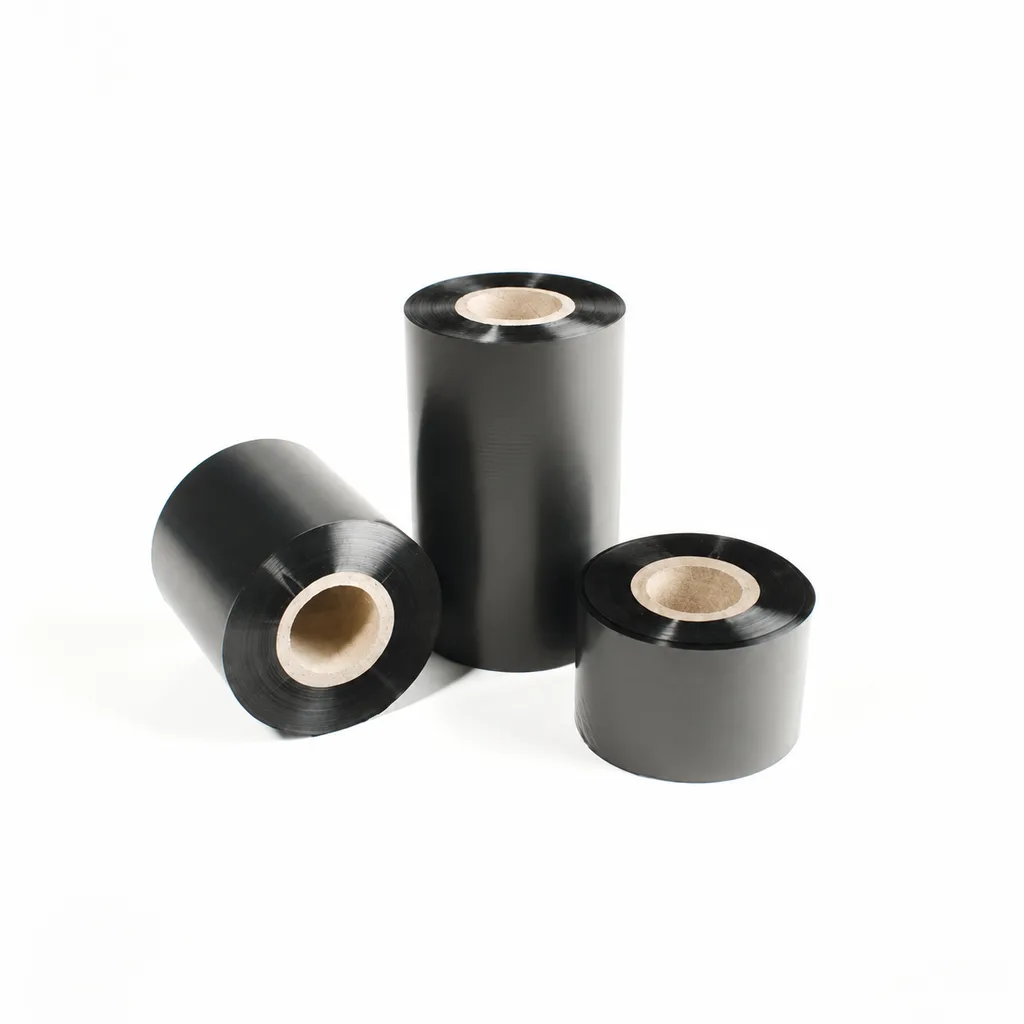
CL-Z112 Enhanced Wax Thermal Transfer Ribbon for Paper Labels and Tags
An enhanced wax thermal transfer ribbon with black ink for paper labels and tags used in retail, warehousing and logistics. It is specified for flat-head printing on desktop or industrial barcode printers at ≤8 inches per second (ips). Select it by checking the actual label material, printer configuration and handling conditions: image-quality, rub-resistance and cold-chamber results were obtained on coated paper, and print quality and image durability may vary with the printer and print medium.
View details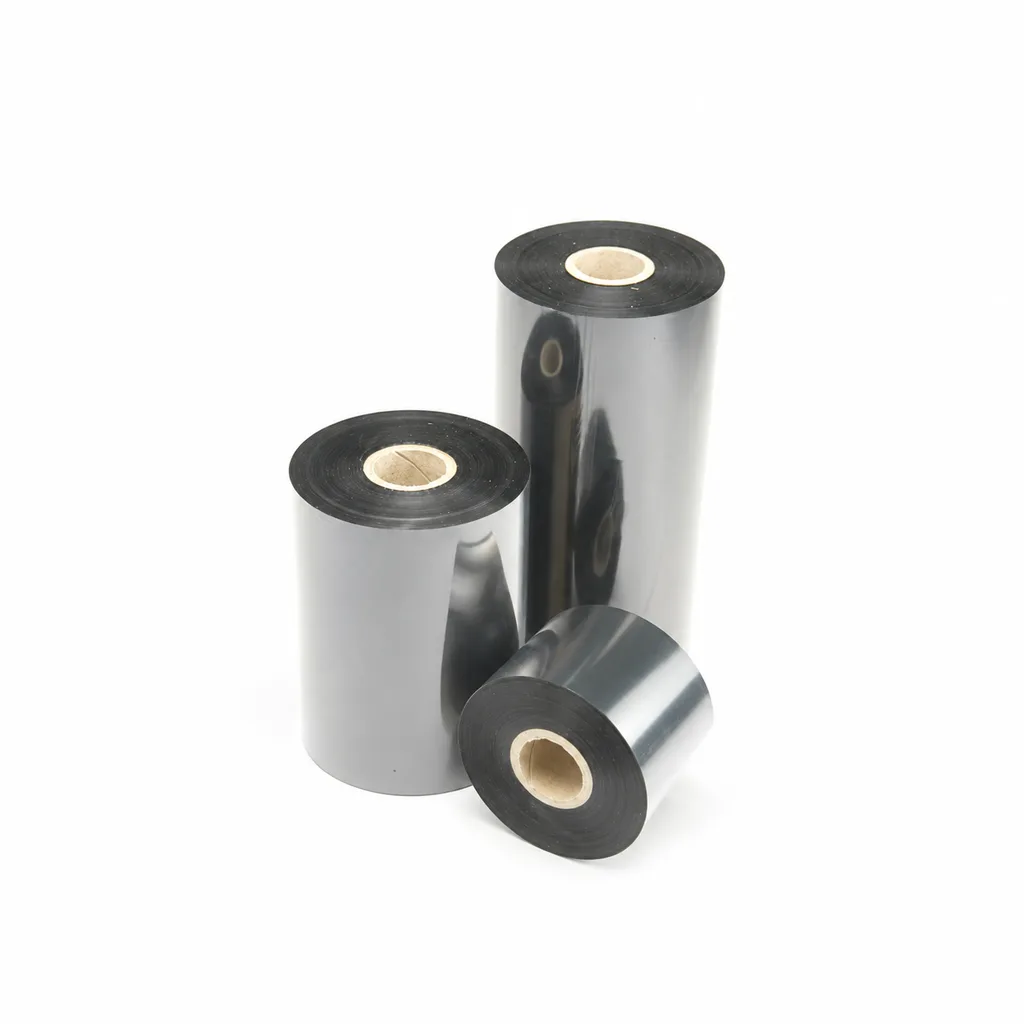
CL-Z203 Wax-Resin Thermal Transfer Ribbon for Barcode Labels
A black wax-resin thermal transfer ribbon for flat-head printing, with listed applications including retail, warehousing, logistics and garment tags. Select it against your actual label material and desktop or industrial barcode printer at speeds ≤6 ips (inches per second). Fine-line, small-text and durability results were obtained on coated paper; print quality and image durability may vary with the printer and printing substrate.
View details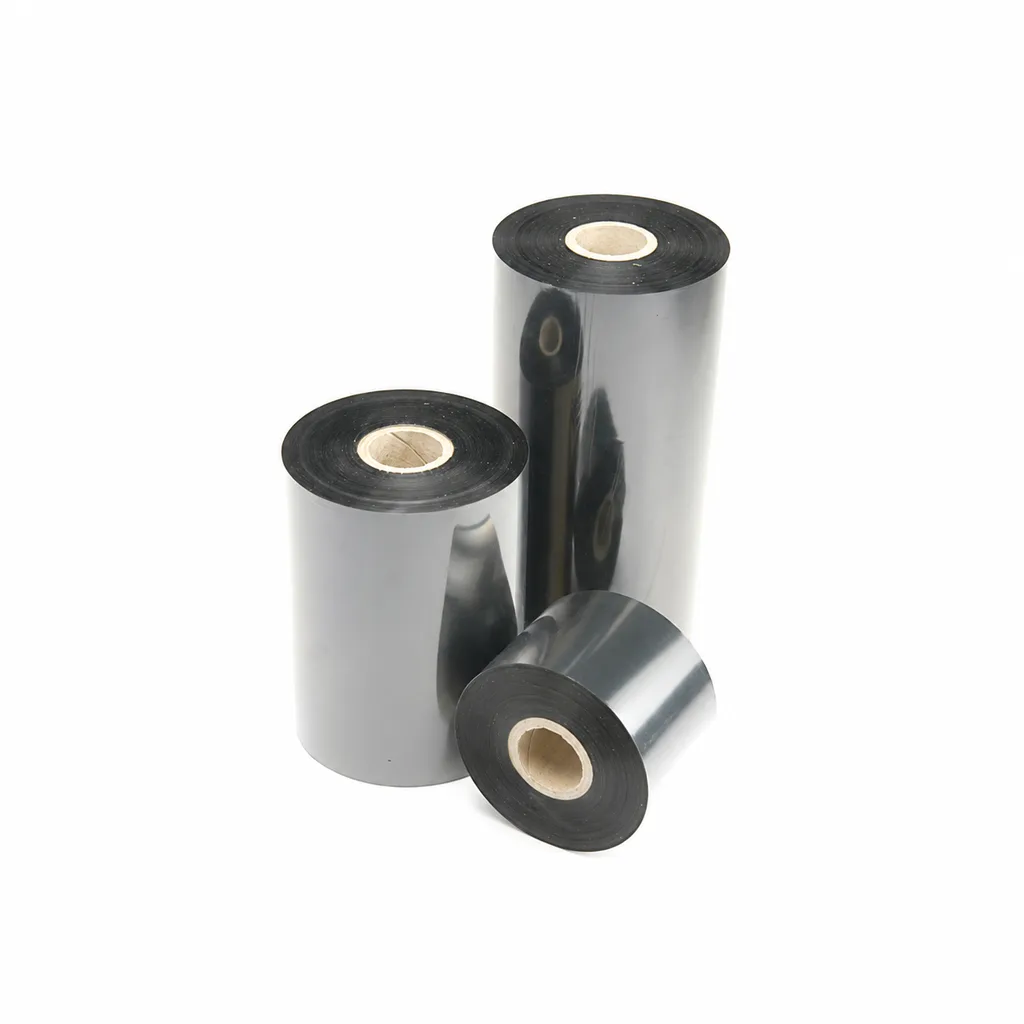
CL-Z213 Near-Edge Wax-Resin Thermal Transfer Ribbon for Barcode Labels
An enhanced black near-edge wax-resin thermal transfer ribbon for near-edge barcode printers and low- to medium-speed thermal transfer overprinting (TTO). Listed applications include retail labels, warehousing, garment tags and packaging identification. Match the printer, actual print medium and operating speed before selection: print quality and image durability can vary with the printer and substrate.
View details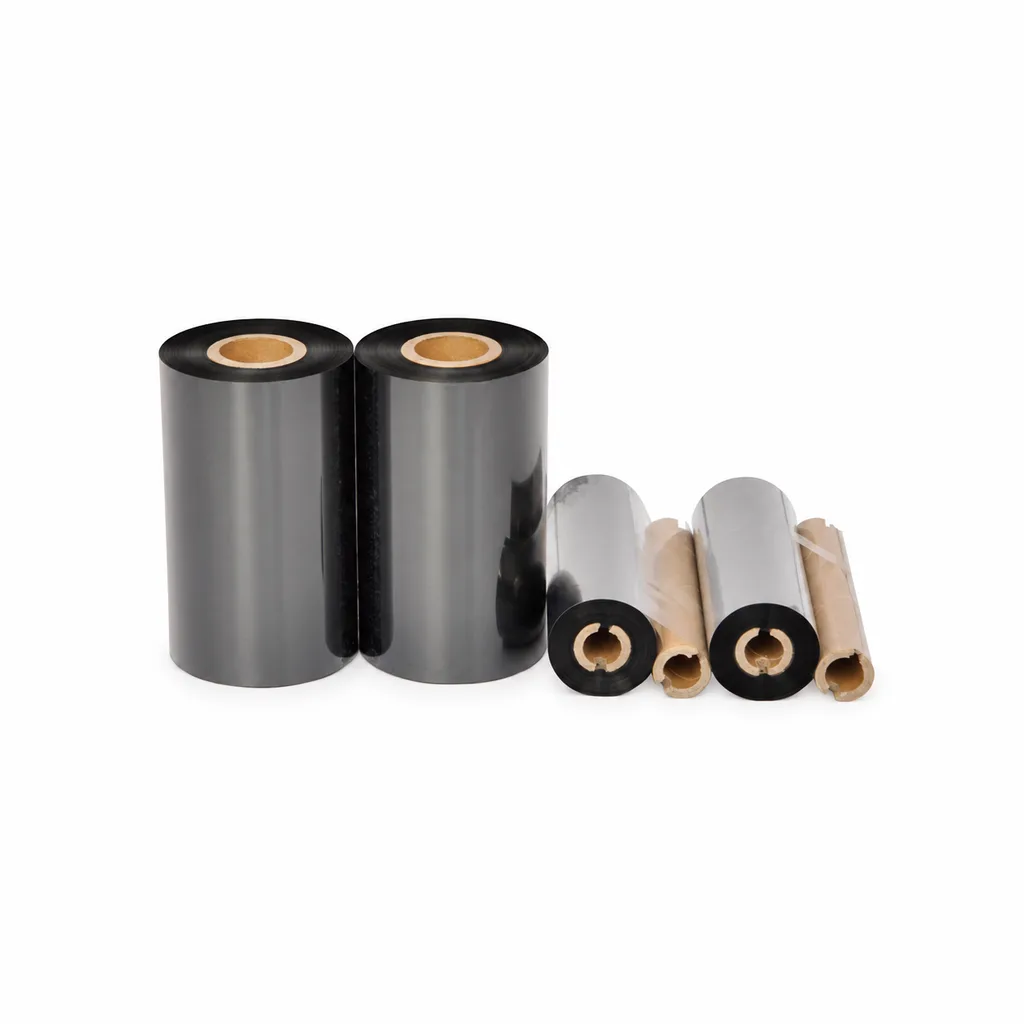
CL-Z908 Wax Thermal Transfer Ribbon for Barcode Labels and Tags
CL-Z908 is an economical black wax thermal transfer ribbon for label and tag printing. Listed applications include retail, warehousing, logistics, clothing tags, simple packaging and production line identification. It is intended for flat-head printing on desktop or industrial barcode printers at speeds of ≤6 inches per second (ips). Select it against your actual paper stock, printer and required image durability: print quality and image durability may vary with the printer and printing substrate.
View detailsNeed the right ribbon for your label application?
Share the label material, printer and operating environment. Our team will recommend a tested combination.
