
Thermal Transfer Ribbon Selection Guide: How to Choose Between Wax, Wax-Resin, and Resin
Request a solution
- Original TTR manufacturer since 2013
- Automated coating and slitting
- IQC / IPQC / OQC control
- ANSI barcode grade testing
- -20°C to 120°C environmental testing
- Batch-level traceability
- ANSI barcode grade
- Batch traceability
- RoHS / REACH compliance
- SGS and MSDS documents on request
Key Takeaways
- Wax ribbons are the most economical formulation and deliver excellent print density on paper labels for general-purpose barcode and logistics work.
- Wax-resin hybrids balance cost and durability, typically blending 60% wax / 40% resin, and perform well on synthetic materials.
- Full resin ribbons resist scratching, chemicals, high temperatures, and outdoor exposure, making them the formulation for permanent identification on synthetics.
- Ribbons with a wax-only ink layer are not suitable for TTO applications; flexible-film date coding needs a dedicated near-edge TTO ribbon.
- Colored ribbons are available in wax, hybrid, and resin bases, so choosing a color does not lock you out of a durability class.
Compare Wax, Wax-Resin, and Resin Ribbons by Durability and Cost
A thermal transfer printer forms an image when its print head heats the ribbon and the melted ink bonds to the label surface. That bond depends on how the ink formulation reacts to heat and grips the facestock, so formulation is the first dimension to settle: it fixes the durability ceiling, the unit cost, and the label materials the ribbon can hold. Buyers who skip this comparison tend to meet one of three problems later — barcodes that scanners struggle to read, print that rubs off in handling, or print speeds forced down to compensate for a poor match.
Wax Ribbons for Economical Paper Labeling
Wax ribbons are the most economical thermal transfer option, combining high sensitivity with excellent print density on paper labels. They are ideal for general purpose applications where extreme durability is not required: logistics and shipping labels, outer carton shipping marks, and general purpose barcode labels. Because they print at low energy, they also keep print head wear down, which matters when labels run by the thousands.
Wax-Resin Hybrids for Balanced Durability
Hybrid ribbons combine the best properties of wax and resin, offering balanced print quality and durability. The formulation is typically 60% wax / 40% resin, which buys moderate scratch and moisture resistance over plain wax while staying well below resin pricing. Hybrids also give good performance on synthetic materials, which is why pharmaceutical product labels and apparel hang tags commonly specify them.
Resin Ribbons for Maximum Durability
Resin ribbons are made with 100% resin-based ink, offering the highest level of durability of the three. They resist scratching, chemicals, high temperatures, and outdoor exposure, which makes them the formulation for permanent identification on synthetic materials, where their adhesion is strongest. Outdoor asset tags, chemical container labeling, and automotive VIN and parts labels are typical resin territory. The trade-offs are a higher price per roll and the need for a printer that can deliver higher energy settings.
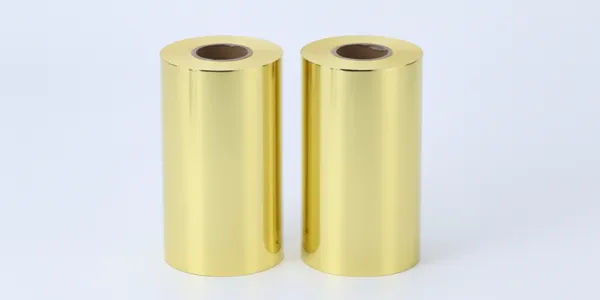
Match the Ribbon to Your Label Material and Chemical Exposure
Label facestock sets the minimum formulation level, because the ink must anchor to the surface and survive the label's service life.
On paper labels, wax or a wax-resin hybrid is the right starting point, since wax already delivers excellent print density there. Synthetic facestocks such as PET, PP, PE, and PVC are harder to bond to: use a hybrid where durability needs are moderate, and full resin where superior adhesion to synthetic materials and long-term outdoor UV resistance are required.
Chemical exposure is the dimension buyers most often under-specify. Where labels are wiped with alcohol or cleaning agents — laboratories, electronics lines, cleanrooms — a standard hybrid will not hold up. Colorfulttr's catalog includes an enhanced chemical-resistant hybrid grade intended for exactly these environments: it withstands isopropyl alcohol wipes and resists light oils, mild detergents, and cleaning solutions. Where exposure goes further — solvents, fuels, chemical containers, sustained outdoor use — full resin with its stronger chemical resistance is the safer specification.
One special case sits outside this ladder: garment care labels that go through industrial laundry need dedicated wash-care grades, whose hybrid formulation withstands repeated wash cycles with detergents and bleach. When the service environment is unusual, describe it to your supplier together with the facestock and ask for a pairing recommendation rather than guessing a grade.
Choose by Application: TTO Coding, Hot Stamp Coding, and Color Ribbons
Application-specific ribbon families sit on top of the base formulation choice rather than replacing it.
TTO ribbons are specially formulated for near-edge print head technology used in flexible packaging date coding — expiry dates, batch numbers, and lot codes printed directly on film at line speed, with food contact compliant options available. The formulation matters here more than buyers expect: ribbons with a wax-only ink layer are not suitable for TTO applications, so a packaging line should never default to leftover wax rolls from its label printers.
Hot stamping and date coding ribbons serve the contact coders and roller coders found on packaging lines, marking expiry dates, batch numbers, and production dates across paper, cardboard, plastic films, aluminum foil, and cellophane; the grades are food contact safe. Choose them by coder type and substrate rather than by the formulation you use on label printers.
Color ribbons add a second decision: the base. Color ribbons provide single-color printing in a wide range of colors for brand identification, color coding, and warning labels, and they are available in wax, hybrid, and resin bases — so a red safety label can be as durable as your black one if you pick the resin base. Metallic and fluorescent colors are offered, custom Pantone color matching is available, and an opaque white resin grade prints solid white on black, dark blue, and transparent materials where black ink has no contrast.
Confirm Width, Core, Winding Direction, and Printer Compatibility
A ribbon with the right formulation still prints badly when its width, core, or winding direction does not match the printer.
Start with width and winding. Order a ribbon at least as wide as your label so the print path is fully covered, then match the core size and ink side to the printer: ribbons are supplied with ink coated inside (CSI) or outside (CSO), and a wrong winding direction prints nothing. Both are listed in the printer manual and take one message to confirm with the supplier.
Next, match the printer architecture. Standard tabletop and industrial label printers use flat head ribbons, while TTO overprinters need the near-edge ribbons described above. Energy matters too: wax prints at low energy settings, but full resin gives its rated durability only in printers capable of higher energy settings, so check that an older printer can reach them before specifying resin.
Finally, judge cost as total cost of ownership. A cheap ribbon that smears or wears the print head early costs more in waste, rework, and maintenance than the price gap to the correct grade.
- Write down the label facestock — paper or synthetic, and which one.
- List the durability demands: abrasion, chemicals, moisture, temperature, outdoor time.
- Confirm the printer type, ribbon width limit, core, winding direction, and energy range.
- Shortlist the formulation and application family that satisfy all three lines above.
- Run a sample on your own labels and check adhesion, scratch resistance, and barcode scan quality before the bulk order.
Your concrete next step: send the label material and service environment to the ribbon supplier, request samples of the shortlisted grades, and test them on the printer and labels you will actually use in production.
Data and Evidence
The table below condenses the three base formulations as specified in Colorfulttr's product catalog. Catalog compatibility describes each formulation family's intended use, so treat it as the shortlist and verify the final pairing with a sample run on your own label stock and printer.
| Formulation | Durability and resistance | Typical label materials | Typical applications |
|---|---|---|---|
| Wax | Most economical; high sensitivity at low energy; minimal print head wear | Paper labels | Logistics and shipping labels, outer carton shipping marks, general purpose barcode labels |
| Wax-resin hybrid | Balanced print quality and durability; moderate scratch and moisture resistance; enhanced grades withstand alcohol wipes and mild chemicals | Paper, synthetic paper, synthetic materials | Pharmaceutical product labels, apparel hang tags, wash-care grades for garment labels |
| Resin | Highest durability; resists scratching, chemicals, high temperatures, outdoor UV | Synthetic materials (PET, PP, PE, PVC families) | Outdoor asset tags, chemical container labeling, automotive VIN and parts labels, permanent identification on synthetics |
Frequently Asked Questions
What is the difference between wax, wax-resin, and resin thermal transfer ribbons?
Wax is the most economical formulation and prints with excellent density on paper labels where extreme durability is not required. Wax-resin hybrids blend the two — typically 60% wax / 40% resin — adding moderate scratch and moisture resistance and good performance on synthetic materials. Full resin offers the highest durability, resisting scratching, chemicals, high temperatures, and outdoor exposure for permanent identification on synthetics.
Which ribbon type should I use for synthetic PET or PP labels?
Use a wax-resin hybrid for synthetic facestocks when durability needs are moderate. Use full resin when labels must survive chemicals, heat, or long-term outdoor UV exposure, because resin provides superior adhesion to synthetic materials. Plain wax is built for paper labels and is the wrong starting point for PET or PP.
How do I know the right ribbon width and winding direction for my printer?
Check the printer's specification for maximum ribbon width, core size, and required ink side before ordering. The ribbon should be at least as wide as your label, and it comes with ink coated inside (CSI) or outside (CSO) — a wrong choice simply will not print. Confirm both details with the supplier and verify with a sample roll.
Do colored thermal transfer ribbons print as durably as black ribbons?
Durability comes from the base, not the color. Colored ribbons are available in wax, hybrid, and resin bases, so a color-coded or warning label can match the durability of your black printing by choosing the resin base. Custom Pantone matching plus metallic and fluorescent options widen the color range without changing the base.
Recommended products for this industry
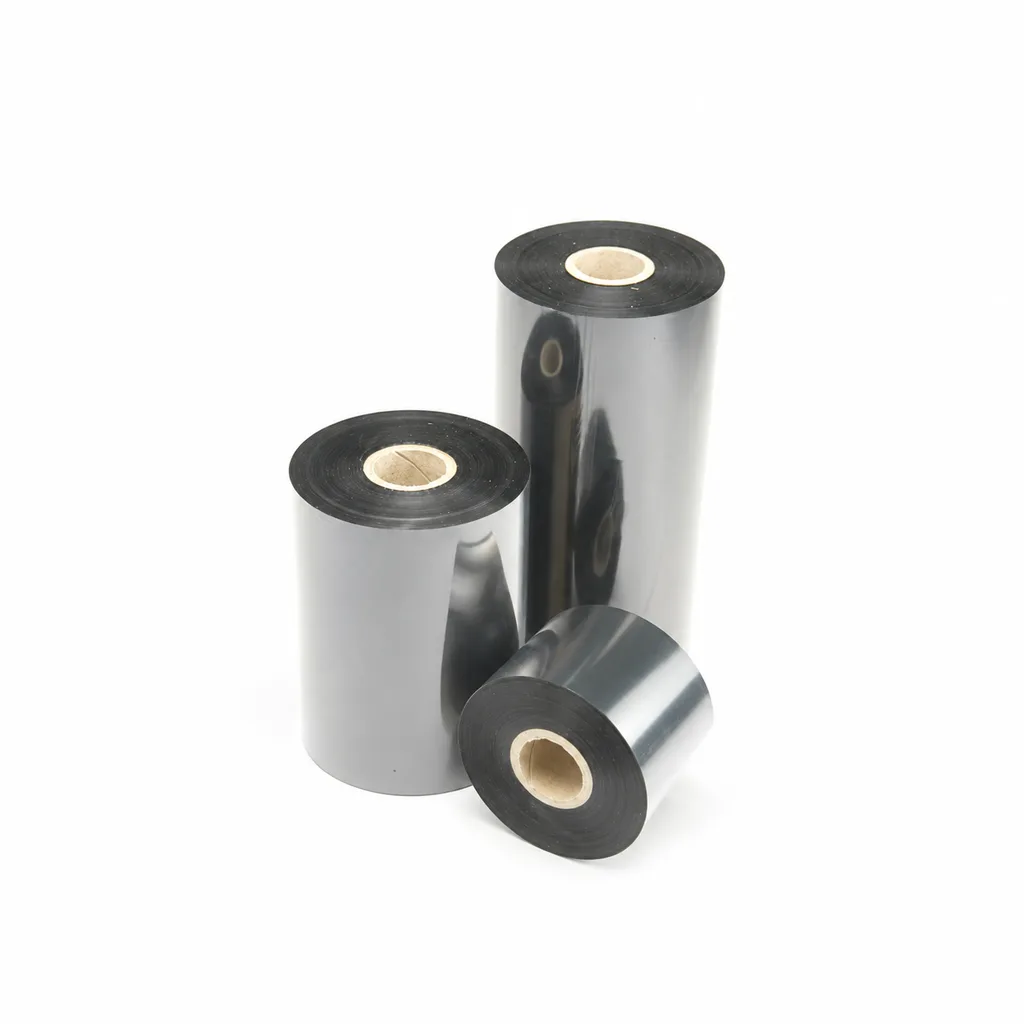
CL-Z203 Wax-Resin Thermal Transfer Ribbon for Barcode Labels
A black wax-resin thermal transfer ribbon for flat-head printing, with listed applications including retail, warehousing, logistics and garment tags. Select it against your actual label material and desktop or industrial barcode printer at speeds ≤6 ips (inches per second). Fine-line, small-text and durability results were obtained on coated paper; print quality and image durability may vary with the printer and printing substrate.
View details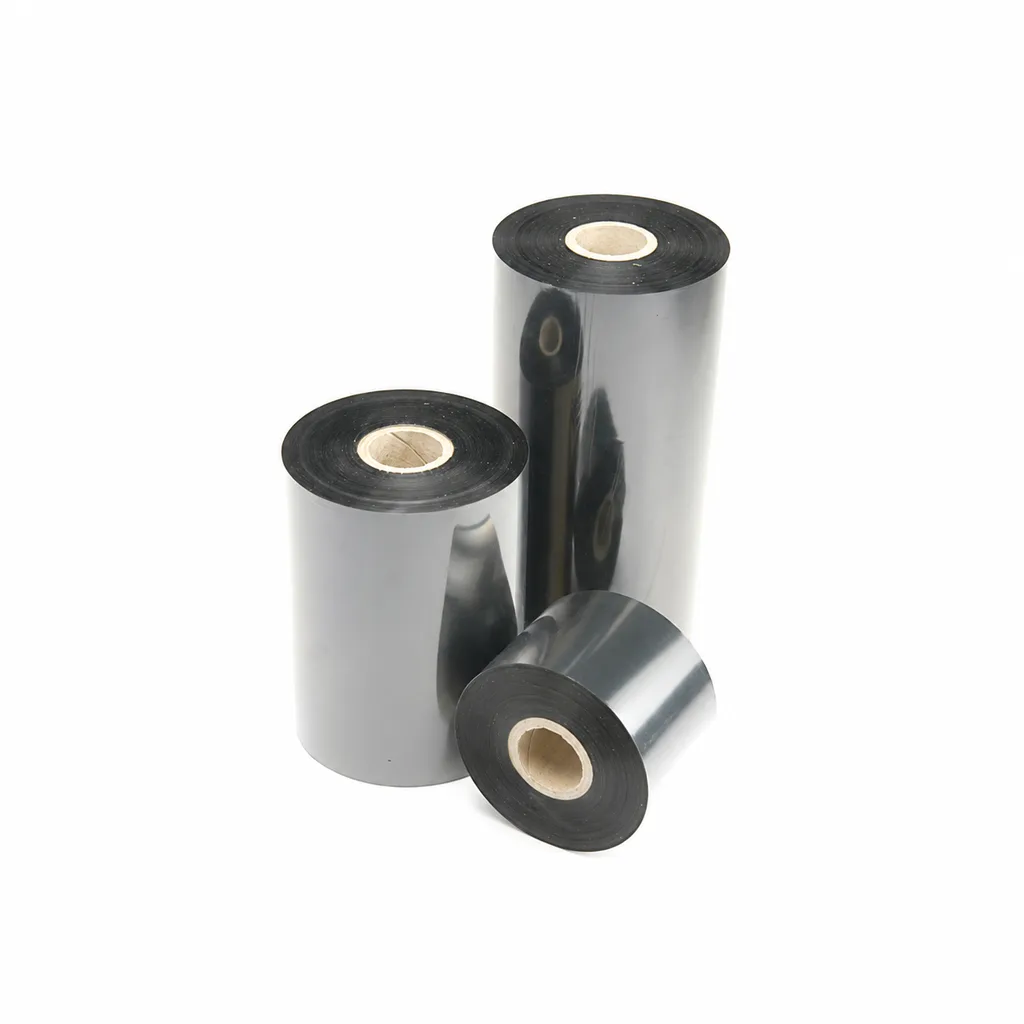
CL-Z213 Near-Edge Wax-Resin Thermal Transfer Ribbon for Barcode Labels
An enhanced black near-edge wax-resin thermal transfer ribbon for near-edge barcode printers and low- to medium-speed thermal transfer overprinting (TTO). Listed applications include retail labels, warehousing, garment tags and packaging identification. Match the printer, actual print medium and operating speed before selection: print quality and image durability can vary with the printer and substrate.
View details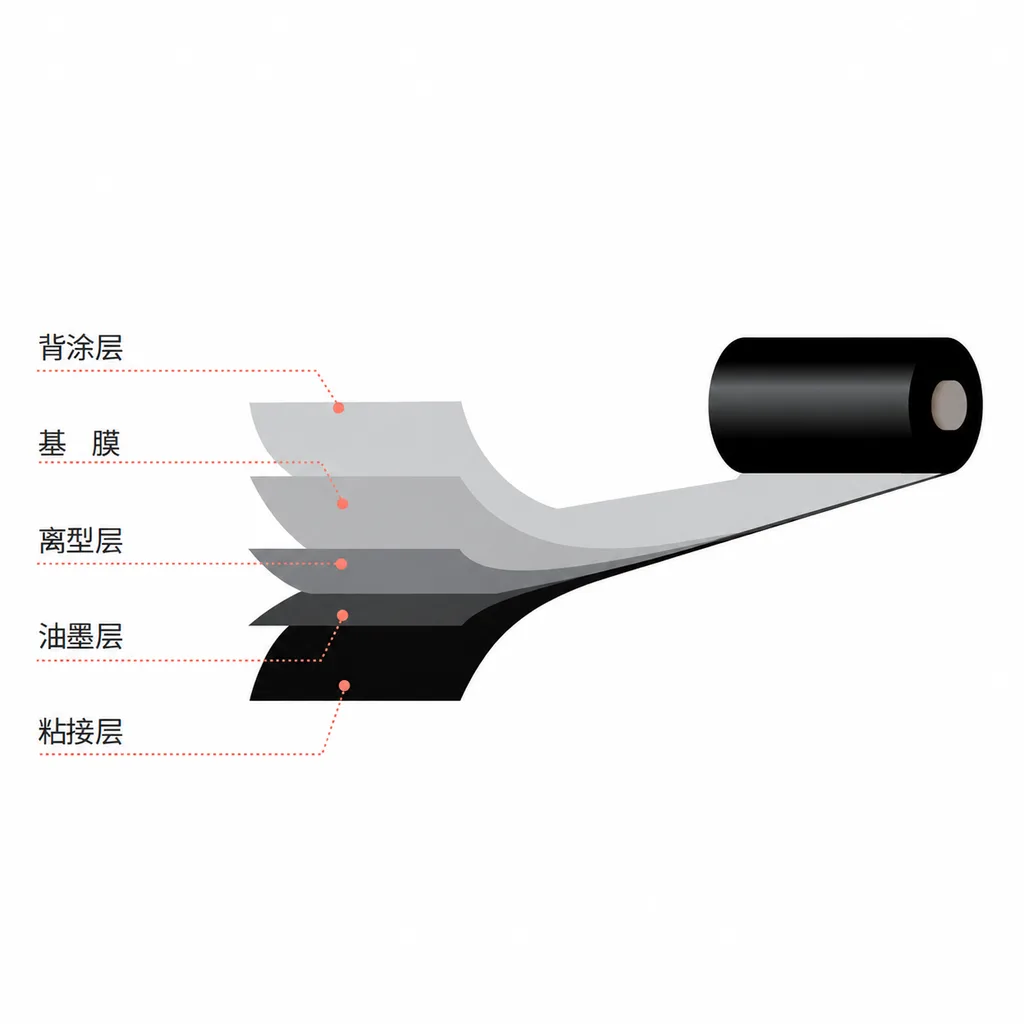
CL-Z312 Resin Thermal Transfer Ribbon for Packaging Printing
CL-Z312 is a black, general-purpose resin ribbon for thermal transfer overprinting (TTO), with packaging and retail label applications listed in the product information. Its abrasion, alcohol and oil resistance data were obtained on polyethylene terephthalate (PET). Select it against your actual packaging material, printer and production speed: print quality and image durability can vary with the printer and substrate, and the material chart percentages are not defined as pass rates.
View details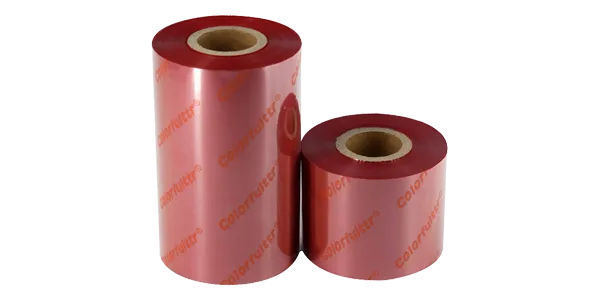
High-grade wax resin thermal transfer ribbon
Premium wax-resin thermal transfer ribbons are specifically engineered for diverse…
View detailsNeed the right ribbon for your label application?
Share the label material, printer and operating environment. Our team will recommend a tested combination.
