
Zebra Thermal Transfer Ribbons for Industrial Printers: What the Term Means and How to Match the Right Ribbon
Request a solution
- Original TTR manufacturer since 2013
- Automated coating and slitting
- IQC / IPQC / OQC control
- ANSI barcode grade testing
- -20°C to 120°C environmental testing
- Batch-level traceability
- ANSI barcode grade
- Batch traceability
- RoHS / REACH compliance
- SGS and MSDS documents on request
Key Takeaways
- A Zebra thermal transfer ribbon is defined by matching width, roll length, core size and ink-side winding, not by who manufactures the roll.
- Zebra ZT, ZD, GK, GX, 105SL and 110Xi series printers are flat-head machines, while Zebra ZE500 print engines belong to the near-edge TTO class that takes a separate ribbon range.
- Near-edge ribbons must contain a release layer so the ink transfers almost instantly, which is why suppliers list flat-head and near-edge ribbons separately.
- Wax suits paper labels, wax-resin hybrids cover paper and synthetic materials with moderate scratch and moisture resistance, and full resin targets synthetic labels facing chemicals, heat or outdoor exposure.
- Printer compatibility only guarantees format; it does not fix the ribbon grade, predict durability on your stock, or identify the maker of the roll.
What a Zebra Thermal Transfer Ribbon Actually Refers To
When print shops and buyers say Zebra thermal transfer ribbon, they mean a ribbon whose physical format — width, roll length, core size and ink-side winding — matches a Zebra thermal transfer printer, so the roll loads and prints as the machine expects. The phrase is a compatibility statement, not a manufacturer statement. Independent producers supply ribbons built for these machines: COLORFULTTR's flat-head range is catalogued against all Zebra ZT, ZD, GK, GX, 105SL and 110Xi series printers, and its wax and wax-resin line separately lists the ZT200, ZT400 and ZT600 series, ZD420, ZD620 and GK/GX models.
The printing process behind the name is direct. The print information transfers to the thermal print head, and the individual printing dots are heated as required; that heat carries ink from the ribbon onto the label face. Because transfer is driven by the print head and the ribbon's ink formulation, what decides whether a roll runs in your Zebra printer is geometry plus chemistry, not the name on the box.
Three format details decide physical fit before chemistry enters the discussion:
- Width — the ribbon is slit to match the label, with custom widths from 30mm to 220mm available.
- Core — 0.5-inch (12.7mm) and 1-inch (25.4mm) cores are standard, with custom cores on request.
- Ink side — rolls are wound with ink coated inside (CSI) or outside (CSO) to match the printer's specification.
How Flat-Head Zebra Printers Differ From Near-Edge ZE500 Print Engines
Zebra's best-known industrial label printers — the ZT, ZD, GK, GX, 105SL and 110Xi series — are flat-head machines. Zebra also builds the ZE500 print engines, which sit in the near-edge class. Near Edge Printing and TTO (Thermal Transfer Overprinting) are interchangeable terms, and near-edge printing technology is used in thermal transfer overprinters — the coders that print dates and batch numbers on flexible packaging at production-line speed.
The head technology changes what the ribbon must do. A near-edge head works with an extremely short contact window, so near-edge ribbons must contain a release layer which allows the ink to quickly transfer to the substrate. That formulation difference is why suppliers keep flat-head and near-edge ribbon ranges as separate product lines instead of one shared list.
The practical rule when ordering is to settle the head class first. For ZT, ZD, GK, GX, 105SL and 110Xi machines, order from the flat-head range; for ZE500 print engines, order from the near-edge TTO range. A listing that only says Zebra is not specific enough — check which class of machine it actually names.
How to Judge Which Ribbon Grade Your Labels Need
Once format and head class are settled, the label material and its working environment decide the ribbon grade — the printer badge does not. Work through three questions in order:
- What is the label made of? Paper labels are the home ground of wax ribbons, the most economical thermal transfer option, which combine high sensitivity with excellent print density on paper. Synthetic materials call for more resin in the ink film.
- What must the print survive? Hybrid ribbons combine the best properties of wax and resin for balanced print quality and durability, including moderate scratch and moisture resistance, and good performance on synthetic materials. Full resin ribbons are made with 100% resin-based ink and deliver the highest level of durability, resisting scratching, chemicals, high temperatures and outdoor exposure.
- How permanent is the mark? Wax is ideal for general purpose applications where extreme durability is not required — logistics and shipping labels, warehouse inventory labels, retail price marking, outer carton shipping marks. Hybrids cover pharmaceutical product labels, medical device labeling, apparel hang tags and manufacturing WIP labels. Full resin answers automotive VIN and parts labels, electronics PCB marking, outdoor asset tags and chemical container labeling.
On high-volume paper work, choosing the lowest grade that passes your durability check keeps consumable cost in proportion.
What a Zebra-Compatible Listing Alone Does Not Tell You
The search phrase exists because procurement teams shop by the printer they already own, but a compatibility listing only covers format. Most supplier-switching mistakes come from reading more into it than that:
- It does not fix the grade. A ribbon can be wound correctly for a ZT-series printer and still be the wrong chemistry for a PET label or chemical exposure.
- It does not predict durability on your stock. Catalog durability statements are tied to label-material families and stated exposure types, so your own trial remains the reliable check.
- It does not split industrial from desktop chemistry. ZD desktop and ZT industrial models appear in the same flat-head compatibility listing, so that split is about printer duty, not about a different ribbon chemistry.
- It does not identify the maker. 'Zebra ribbon' tells you the target machine, not who produced the roll or how consistent their slitting and coating are — the reason to verify with samples when changing suppliers.
Treat every durability claim as conditional on the stated material and exposure, and re-check it on your production stock whenever the ribbon or label source changes.
Data and Evidence
The table below condenses grade selection from the COLORFULTTR wax and wax-resin product catalog and the COLORFULTTR resin, TTO and color ribbon product catalog; near-edge terminology follows verified industry references on TTO printing.
| Ribbon grade | Ink formulation | Durability positioning | Label materials | Typical applications |
|---|---|---|---|---|
| Wax | Wax | Most economical option; high sensitivity and excellent print density on paper; for uses where extreme durability is not required | Paper labels (coated and uncoated) | Logistics and shipping; warehouse inventory; retail price marking; outer carton shipping marks |
| Wax-resin hybrid | Wax/resin blend | Balanced print quality and durability; moderate scratch and moisture resistance | Paper and synthetic materials, including synthetic paper | Pharmaceutical labels; medical device labeling; apparel hang tags; manufacturing WIP labels |
| Full resin | 100% resin-based ink | Highest durability: resists scratching, chemicals, high temperatures and outdoor exposure | Synthetic materials, including PET, PP and PVC labels | Automotive VIN and parts; electronics PCB marking; outdoor asset tags; chemical container labeling |
Before ordering, confirm this format set against your printer and media specification:
- Printer class: flat-head range for ZT, ZD, GK, GX, 105SL and 110Xi series; near-edge TTO range for ZE500 print engines.
- Width: slit to label width; custom widths run from 30mm to 220mm.
- Core: 0.5-inch (12.7mm) or 1-inch (25.4mm); custom cores on request.
- Ink side: wound CSI or CSO to match the machine's specification.
- Roll length: standard and custom lengths; confirm the roll fits your printer's ribbon capacity.
Verification method: load a trial roll slit to your width, print your actual barcode and text on your production label stock, and check density and scuff behavior before committing to volume. Keep the first acceptable roll as the reference standard for reorders and supplier changes.
Frequently Asked Questions
Can I use third-party thermal transfer ribbons in a Zebra ZT400 industrial printer?
Yes, when the format matches. Independent suppliers including COLORFULTTR list ZT400-series machines among compatible flat-head printers. Check width, core size and ink-side winding against your printer before ordering, then confirm with a trial roll on your own labels.
What is the difference between wax, wax-resin and resin ribbons for Zebra industrial printers?
Wax is the most economical grade and prints with high density on paper labels. Wax-resin hybrids balance print quality with moderate scratch and moisture resistance and also perform well on synthetic materials. Full resin uses 100% resin-based ink for the highest durability — scratch, chemical, heat and outdoor resistance — on synthetic labels. The grade follows your label material and environment, not the printer badge.
Are near-edge TTO ribbons the same as ribbons for ZT-series flat-head printers?
They are built for different head types. ZT-series machines are flat-head printers; near-edge printing, interchangeable with TTO (thermal transfer overprinting), is used in overprinters such as Zebra ZE500 print engines. Near-edge ribbons must contain a release layer so the ink transfers almost instantly, which is why suppliers keep separate flat-head and near-edge ranges.
Do Zebra printers need ribbons wound ink side in (CSI) or ink side out (CSO)?
It depends on the ribbon path of the specific model. Ribbons are supplied wound either way — ink coated inside (CSI) or outside (CSO) — to match the printer's specification, so confirm the orientation for your machine before ordering rolls from a new supplier.
Do I need full resin ribbons for synthetic labels on an industrial Zebra printer?
For synthetic label materials, full resin gives the strongest result: 100% resin-based ink with superior adhesion to synthetics and resistance to scratching, chemicals, high temperatures and outdoor exposure. Wax-resin hybrids also deliver good performance on synthetic materials when demands are moderate, so match the grade to the exposure your labels will actually face.
Recommended products for this industry
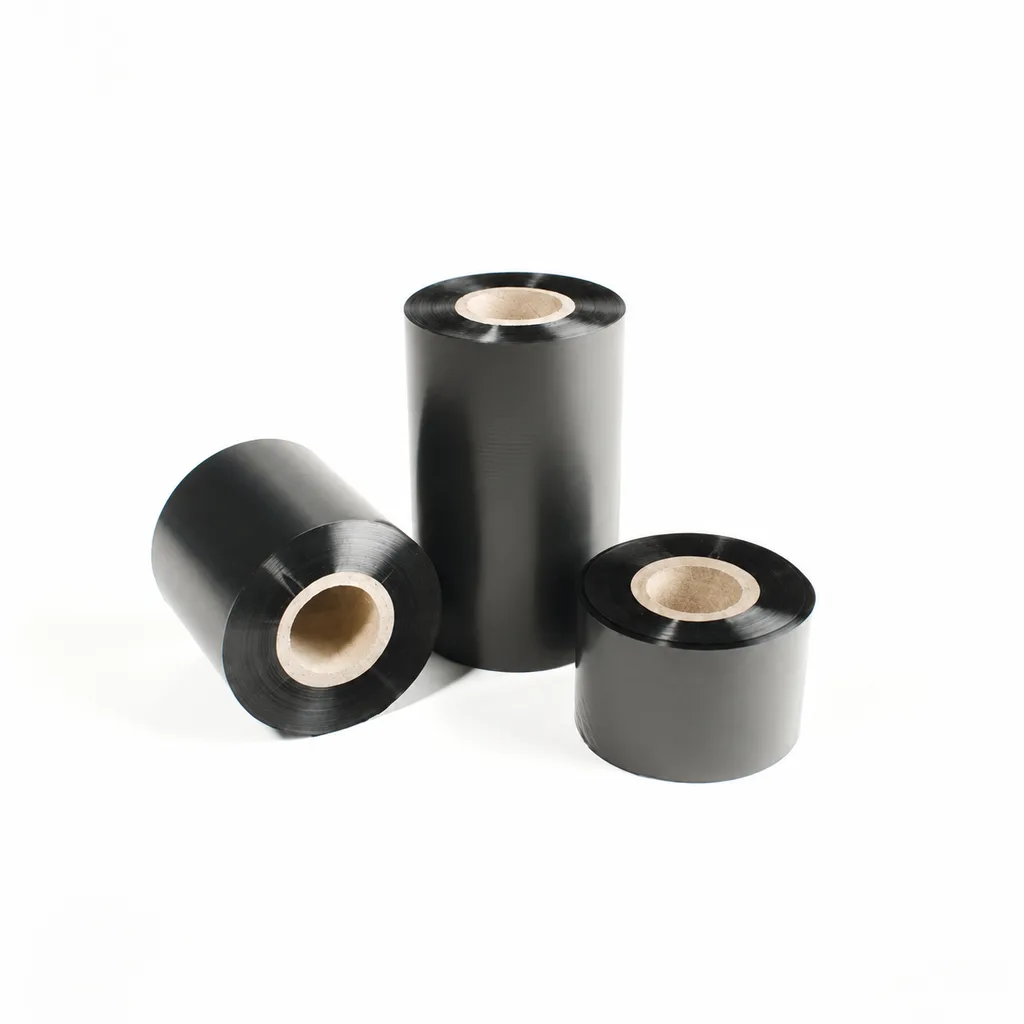
CL-Z112 Enhanced Wax Thermal Transfer Ribbon for Paper Labels and Tags
An enhanced wax thermal transfer ribbon with black ink for paper labels and tags used in retail, warehousing and logistics. It is specified for flat-head printing on desktop or industrial barcode printers at ≤8 inches per second (ips). Select it by checking the actual label material, printer configuration and handling conditions: image-quality, rub-resistance and cold-chamber results were obtained on coated paper, and print quality and image durability may vary with the printer and print medium.
View details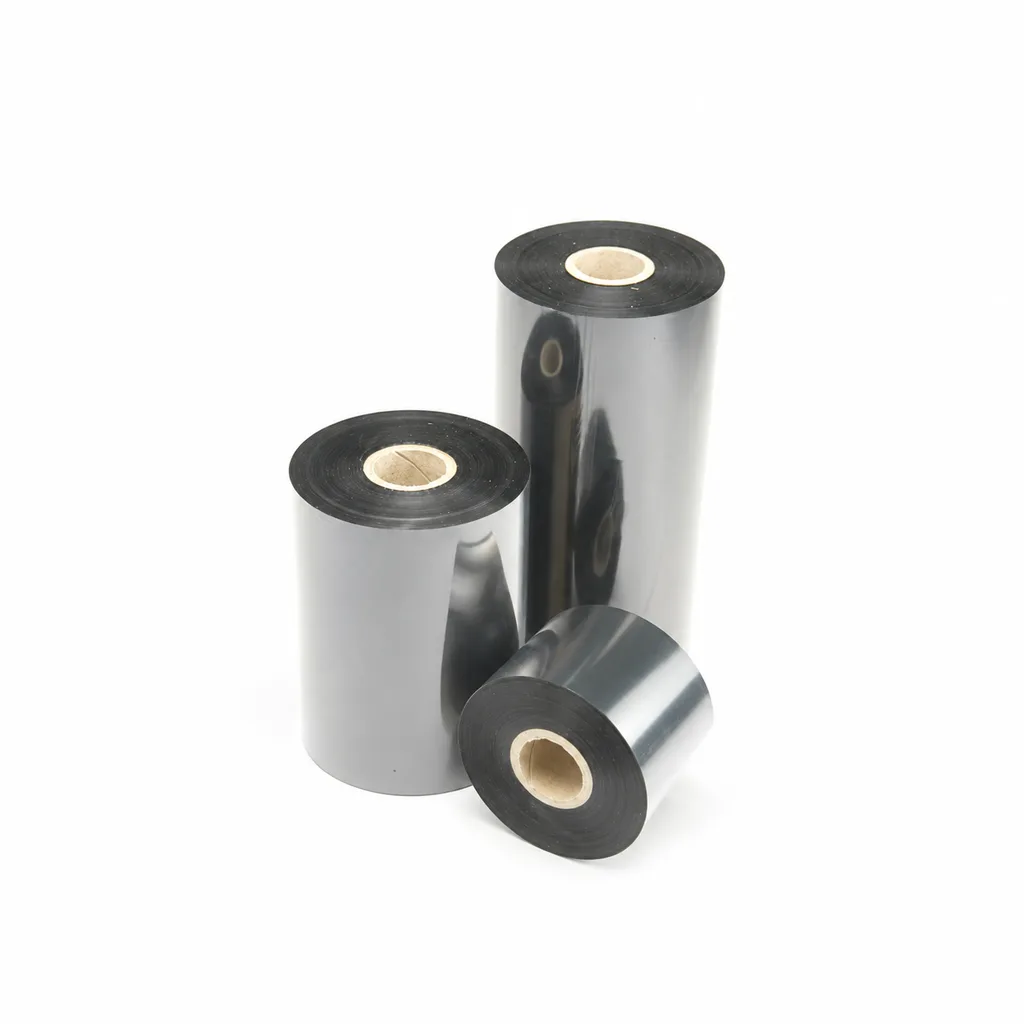
CL-Z203 Wax-Resin Thermal Transfer Ribbon for Barcode Labels
A black wax-resin thermal transfer ribbon for flat-head printing, with listed applications including retail, warehousing, logistics and garment tags. Select it against your actual label material and desktop or industrial barcode printer at speeds ≤6 ips (inches per second). Fine-line, small-text and durability results were obtained on coated paper; print quality and image durability may vary with the printer and printing substrate.
View details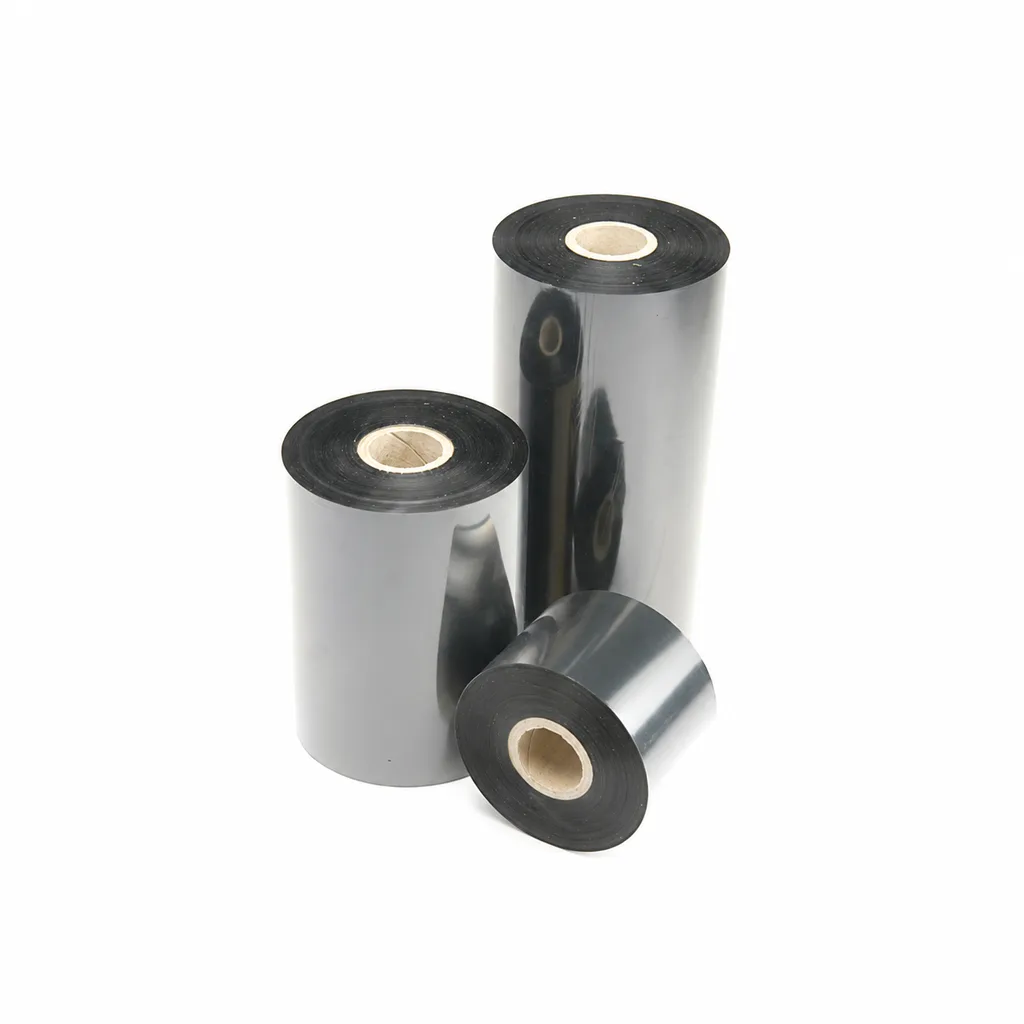
CL-Z213 Near-Edge Wax-Resin Thermal Transfer Ribbon for Barcode Labels
An enhanced black near-edge wax-resin thermal transfer ribbon for near-edge barcode printers and low- to medium-speed thermal transfer overprinting (TTO). Listed applications include retail labels, warehousing, garment tags and packaging identification. Match the printer, actual print medium and operating speed before selection: print quality and image durability can vary with the printer and substrate.
View details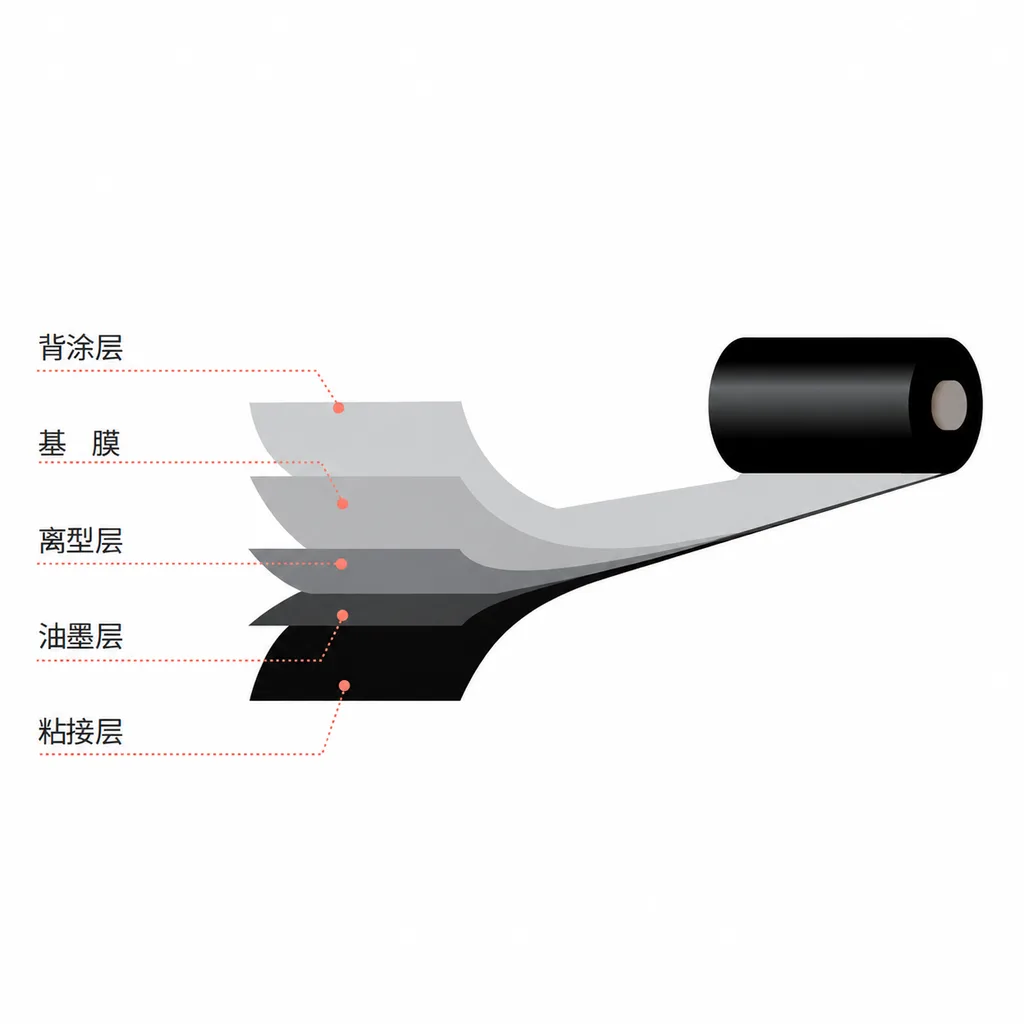
CL-Z312 Resin Thermal Transfer Ribbon for Packaging Printing
CL-Z312 is a black, general-purpose resin ribbon for thermal transfer overprinting (TTO), with packaging and retail label applications listed in the product information. Its abrasion, alcohol and oil resistance data were obtained on polyethylene terephthalate (PET). Select it against your actual packaging material, printer and production speed: print quality and image durability can vary with the printer and substrate, and the material chart percentages are not defined as pass rates.
View detailsNeed the right ribbon for your label application?
Share the label material, printer and operating environment. Our team will recommend a tested combination.
