
What Is an Industrial Identification System? Layers, Distinctions, and Limits
Request a solution
- Original TTR manufacturer since 2013
- Automated coating and slitting
- IQC / IPQC / OQC control
- ANSI barcode grade testing
- -20°C to 120°C environmental testing
- Batch-level traceability
- ANSI barcode grade
- Batch traceability
- RoHS / REACH compliance
- SGS and MSDS documents on request
This explainer defines the term industrial identification system for B2B buyers who print identification marks in-house. It breaks the concept into three working layers — identifiers, marking carriers, and the data systems behind them — and separates it from a QR link, a hologram, and a batch of identical products. The point to check first: a code on a package is only a carrier, and no mark proves authenticity without defined verification controls.
Key Takeaways
- An industrial identification system registers unique identifiers for products, parts, machinery, and equipment, then connects those marks to the data systems that record and check them.
- Batch numbers identify a group made under the same conditions, serial numbers identify each single unit, and a production order number serves internal production planning.
- Common carriers are thermal transfer labels, laser marking, Data Matrix codes, and RFID tags; thermal transfer gives you wax, wax-resin, and full resin ribbon chemistries.
- A QR code that opens a webpage is not the same as a unit-level identity checked by a verification service.
- Ribbon performance belongs to the complete printed construction, so test the exact combination on your own stock before release.
What an Industrial Identification System Covers
An industrial identification system is the combined setup that registers a unique identifier for products, parts, machinery, and equipment so a plant can distinguish and manage physical objects, then connects that identifier to the data that describes the object. National standards already codify the idea: GB/T 44121-2024, "Intelligent manufacturing — Requirements of identification and resolution system," is one example. In practice the system spans three layers. The identifier layer decides what the mark means. The carrier layer puts the mark on the object. The data layer stores what the mark resolves to.
On the data side, identity resolution systems help organizations share and connect information from different sources securely. An identity resolution and management platform can support traceability and information sharing throughout a product’s lifecycle. Think of this layer as the records behind an identifier, rather than the printed shape of the code. This is why automotive, aerospace, medical, and electronics sectors rely on permanent identifiers to authenticate products, verify origin, and meet compliance requirements. For a buyer, the practical meaning is simple: the printed mark is only the visible end of a chain that has to reach your data systems.
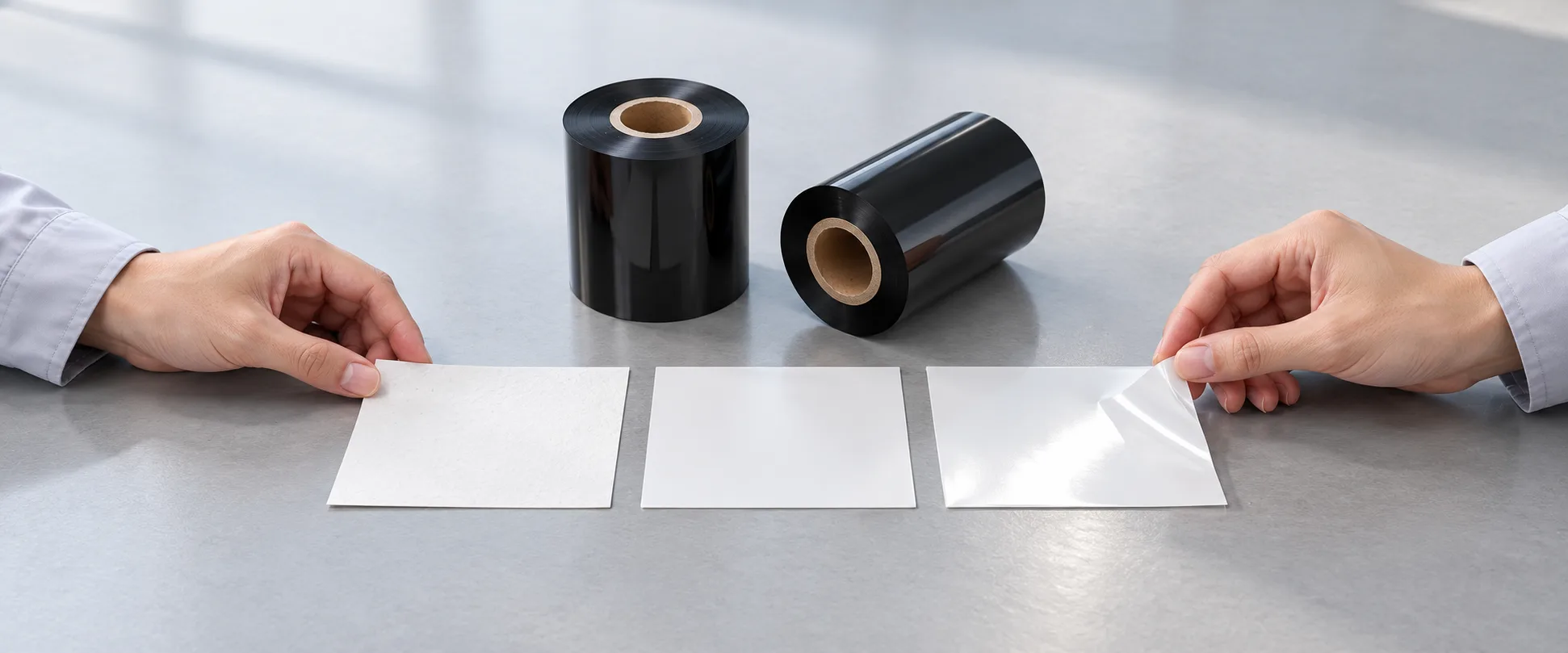
How Identifiers, Carriers, and Data Work Together
The identifier layer splits into three levels that buyers often confuse: a production order number, a batch number, and a serial number. A production order number is an internal planning identifier from the enterprise resource planning (ERP) system, the business software used for production planning. A batch number (also called a lot number or charge number) identifies a group of products manufactured together under the same conditions — same raw materials, same machine, same process parameters, same time period — and is printed on packaging such as cartons, bags, or pallet labels. A serial number is a unique identifier assigned to an individual product during manufacturing, and it can sit on a label, a laser marking, a Data Matrix code, or an RFID tag.
Many plants run both levels at once: batch numbers for incoming materials such as steel coil, plastic granulate, or chemicals, and serial numbers for finished products. The manufacturing execution system (MES), software that records shop-floor production, links the two. As an illustrative example, serial number 00047823 can be linked to material batch 2026-03-15-A. MES records process parameters at each station, quality status, and production history for each part. That linkage is what enables forward traceability (which products used this material batch?) and backward traceability (which material batches went into this product?).
The carrier layer is where your printing decisions land. Thermal transfer uses heat from the printhead to melt ink from a ribbon onto the label and comes in three chemistries: full wax, wax-resin blend, and full resin. Most professional and industrial label printers also offer direct thermal printing, which applies heat to a specially treated label material and needs no ribbon. Laser marking is the third common route, and pulsed lasers are favored in most industrial applications. If you print in-house, check printer instruction languages and supported barcode formats before you commit. According to Colorfulttr’s first-party printer media and material compatibility specifications, its Q-series light-industrial printers support TSPL, ZPL, and EPL and print twelve 1D barcodes plus Data Matrix, QR, PDF417, and Aztec codes, with an RFID unit available as an option. For a walk-through of label and ribbon choices, see how to choose identification labels and ribbons for in-house printing.
How It Differs from Adjacent Concepts Buyers Confuse
Three adjacent ideas cause most of the confusion around this term: a code on a package, an optical security feature, and a label printer. A code on a package is not the system. A QR code that opens a webpage does not, by that action alone, demonstrate an individual unit’s identity. A unit-level verification service is one distinct use of an assigned identity; it is not the definition of every product identification arrangement. Batch identity is not unit identity either: lot numbers give a collective identity to a batch of products, while serial numbers give a unique identity to each individual unit within that batch. A recall question and a warranty question need different levels.
An optical security feature is not authentication. Optical appearance is not an authentication process, and a reflective or colour-changing surface does not by itself establish a product's origin. A security application has to define the optical feature to inspect, an authorised reference, and who performs the check before the feature carries any weight. A label printer is not the system either — the printer and its ribbon produce the carrier, while the identification system covers what the carrier means and where it resolves.
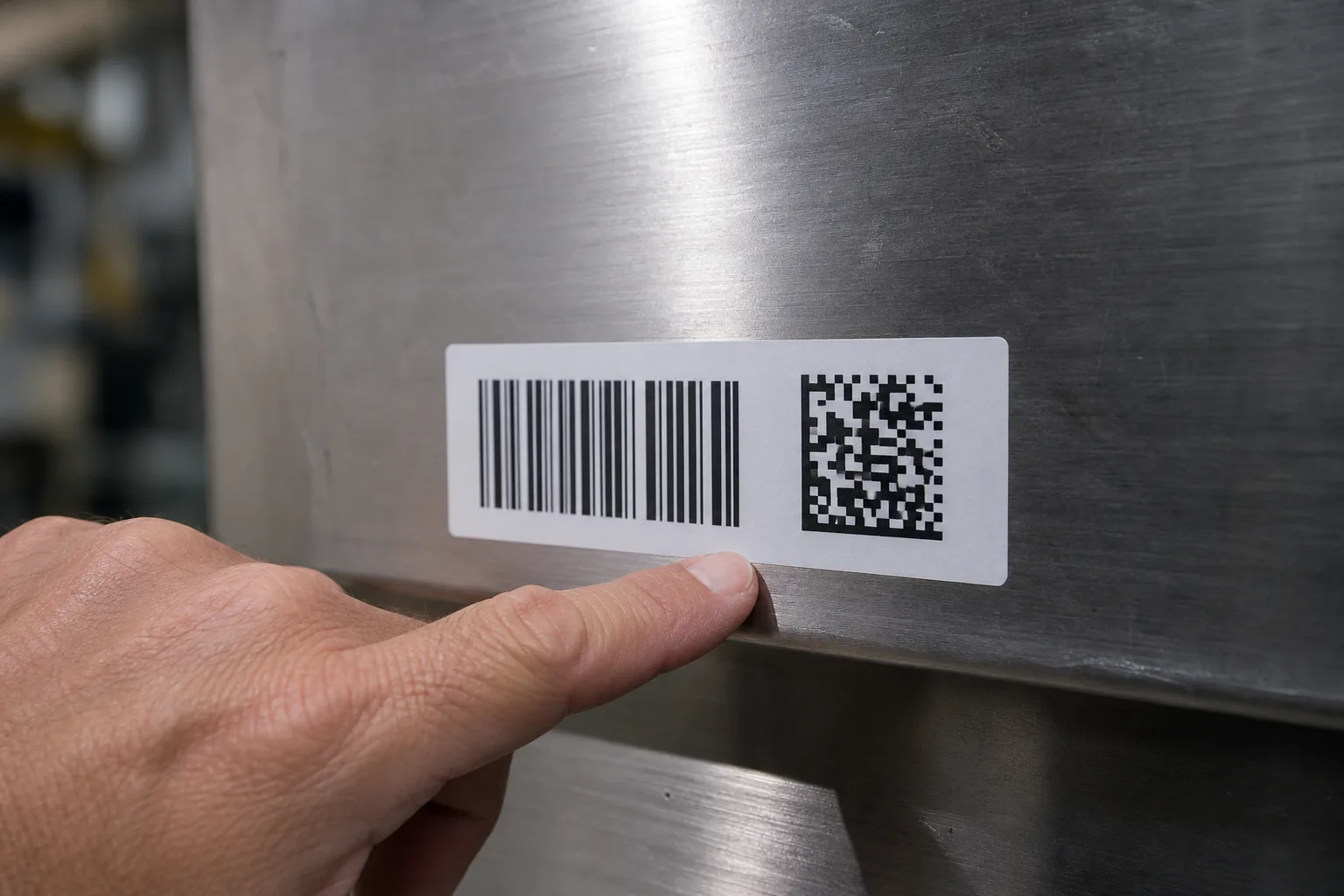
What an Identification System Cannot Tell You
No marking route inside an industrial identification system proves authenticity on its own. An optical or printed feature must be evaluated with the controls required for counterfeiting, tampering, or product identity, because it is not an authenticity guarantee on its own. Plan around that limit before you promise traceability or anti-counterfeit protection to your own customers.
The second limit is physical: a mark identifies an object only while it stays readable. Industrial labels must resist heat, light, moisture, corrosive solvents, and the other factors that make labels fade, crack, rip, or peel — and for manufacturers shipping hazardous chemicals, industrial products, or hardware overseas, that durability is a matter of legal compliance and human safety. Ribbon performance belongs to the complete printed construction, so validate any ribbon, label, and printer combination on your own label face material and printer settings before release. Full resin is the usual chemistry where identification labels must survive long-term handling, such as asset tracking or chemical drum labels.
The third limit is scope: not every product needs unit-level identity. For products that are consumed or discarded quickly, such as food or low-cost personal care items, you can usually do without serial numbers, and products that need no warranty, service, or repair tracking rarely need them either. Match the identifier level to the questions you actually have to answer — recall scope, warranty, or compliance — instead of serializing everything by default.
Data and Evidence
The tables below collect the levels, marking routes, and checks discussed above so you can brief a supplier or an internal quality meeting from one place.
| Identifier level | What it identifies | Where it lives | Typical question it answers |
|---|---|---|---|
| Production order number | One internal production order | Internal production planning in ERP | What did we plan to build? |
| Batch (lot) number | A group made under the same conditions | Carton, bag, or pallet label | Which items share a recall risk? |
| Serial number | One individual unit | Label, laser marking, Data Matrix code, RFID tag | Which exact unit came back for warranty? |
| Marking route | Key condition | Suits |
|---|---|---|
| Thermal transfer, full wax | Porous and coated paper | General-purpose paper identification labels |
| Thermal transfer, wax-resin | Coated paper and selected synthetics such as matte PP and matte PET | Durable paper and matte synthetic labels |
| Thermal transfer, full resin | Demanding films such as polyester, polyimide, and vinyl | Asset tracking and chemical drum labels |
| Direct thermal | Specially treated label stock, no ribbon | Short-term or indoor marks with little abrasion, heat, or chemical exposure |
| Laser marking | Pulsed lasers favored in most industrial applications | Part marking; assess the application separately |
| RFID tag | Printer or module with an RFID option | Unit identity carried on the tag itself |
The identifier comparison draws on the production-order, batch-number, serial-number, and MES descriptions supplied for this article. The ribbon comparison follows the supplied Wax ribbons and Matte synthetics guidance; the direct thermal row follows the supplied direct thermal guidance. These are application categories, not measured acceptance limits.
Verification: print the code on the production substrate, then grade finished labels against print-quality verification parameters such as those defined by ISO — either for your own legibility requirements or for full standards compliance. Validate the proposed ribbon-label-printer combination before release. If later output fails, check the materials and printing conditions rather than assuming that an approved combination excludes either cause.
Frequently Asked Questions
What is an industrial identification system in a manufacturing plant?
It is the combined setup that registers unique identifiers for products, parts, machinery, and equipment, marks them on the object, and links the marks to data systems such as MES and identity resolution platforms for traceability and verification.
Is a QR code that opens a webpage the same as product identity?
A QR code opening a webpage does not by itself demonstrate an individual unit’s identity. Product identification may cover a batch or a single unit; a serial number identifies the individual unit.
Do I need serial numbers, or are batch numbers enough for traceability?
It depends on the questions you must answer. Batch numbers cover groups made under the same conditions and recall scope; serial numbers track individual units for warranty and service. Products consumed or discarded quickly, such as food, can usually do without serial numbers.
Does a hologram or colour-shift label prove a product is genuine?
No. Optical appearance is not an authentication process, and a reflective or colour-changing surface does not establish origin by itself; the feature is not an authenticity guarantee without defined inspection controls.
Which thermal transfer ribbon keeps identification labels readable in industrial use?
Match the chemistry to the label face material: wax for porous and coated paper, wax-resin for coated paper and matte synthetics, and full resin for polyester, polyimide, or vinyl labels such as asset tracking and chemical drums. Approve the combination on your own printer and labels before release.
Recommended products for this industry
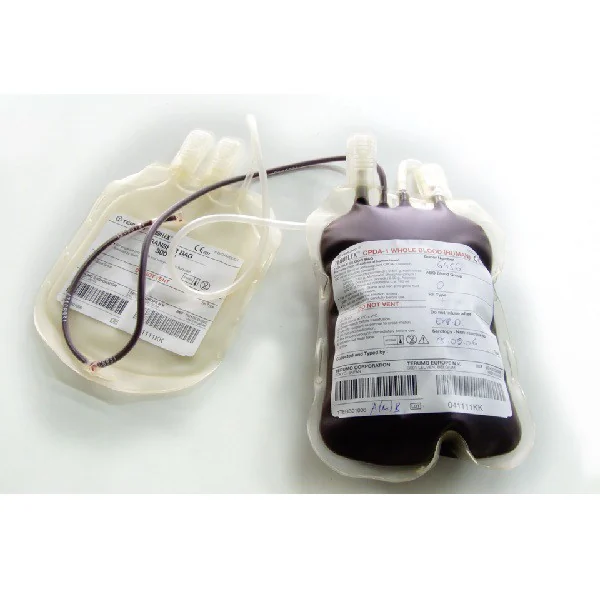
Blood Bag Identification Label
Cold-storage label for blood bags and transfusion containers where traceability remains…
View details
Cable Wrap and Outdoor Identification Label
Vinyl cable-wrap label for outdoor cables, harnesses and power infrastructure exposed to…
View details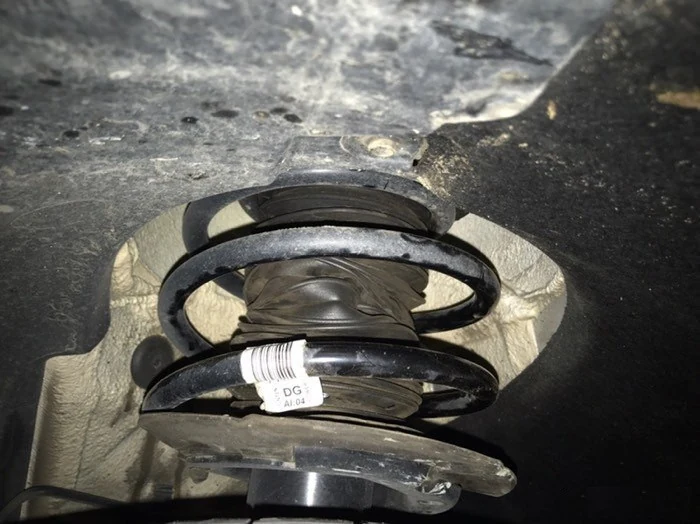
Chemical-Resistant PET Identification Label
Durable PET label for asset, rating-plate and component identification exposed to oils…
View details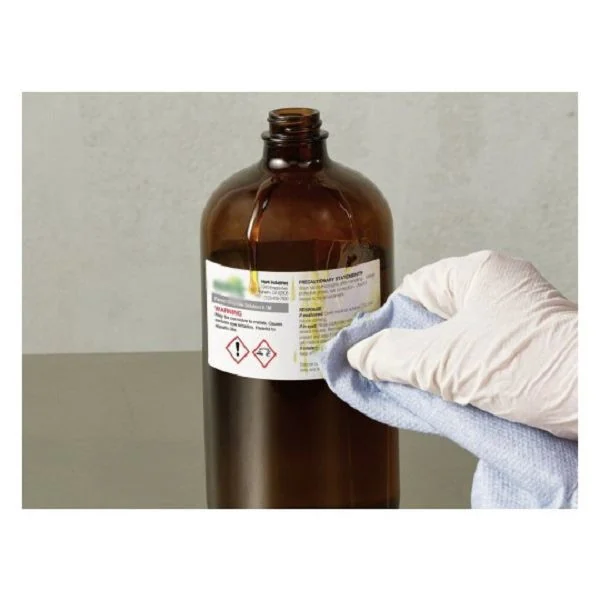
GHS Chemical Identification Label
Chemical-resistant label facestock for GHS hazard communication on containers, drums and…
View detailsNeed the right ribbon for your label application?
Share the label material, printer and operating environment. Our team will recommend a tested combination.
