
What Is a Thermotransferband? Thermal Transfer Ribbon Layers, Variants, and Limits
Request a solution
- Original TTR manufacturer since 2013
- Automated coating and slitting
- IQC / IPQC / OQC control
- ANSI barcode grade testing
- -20°C to 120°C environmental testing
- Batch-level traceability
- ANSI barcode grade
- Batch traceability
- RoHS / REACH compliance
- SGS and MSDS documents on request
Key Takeaways
- A thermotransferband is the ink-carrying consumable of a thermal transfer printer: a thin polyester base film carries a wax, resin, or wax-resin ink layer that the print head melts onto the label with heat and pressure.
- The ink-free side carries a lubricating back coating that protects the print head, so the ribbon must sit ink-side toward the label.
- The term names the print technology, not a durability class — rub, scratch, and chemical resistance are verified per product, and tests such as three-month seawater immersion describe only their tested conditions.
- Slitting quality shows up later on press: excess tension causes powder shedding, low tension causes wrinkles and white lines, and dust contamination causes white-dot defects.
- Stored ribbons keep their quality for up to one year at -5°C to 40°C and 20–85% relative humidity, away from direct sunlight and damp.
What a Thermotransferband Is and How It Prints
A thermotransferband is the ink-carrying consumable of a thermal transfer barcode printer: a thin base film of polyester or another high-density material, coated on one side with a wax, resin, or wax-resin ink layer. "Thermotransferband" is the German word for a thermal transfer ribbon, the category also abbreviated TTR, so the two names describe one and the same product.
Three functional layers define the ribbon. The base film is thin and durable and is made of polyester or other high-density materials; it carries the ink and runs through the printer. The ink layer, made of wax, resin, or a wax-resin blend, supplies everything that becomes visible on the label. The reverse side carries a lubricating material whose function is to protect the print head — which is why that side faces the head and the ink side faces the label.
Printing works by heat and pressure rather than by ink flow: the print head heats the ribbon, and text and barcode information transfer from the ribbon onto the label. The ribbon is the consumable you replace; the label is the substrate that keeps the printed result and travels with your product.
How the Ribbon Differs from the Label, the Printer, and Adjacent Ribbon Types
The printer supplies heat and pressure, the ribbon supplies the ink, and the label receives the transferred image — three roles that specification sheets often blur. Only the ribbon is consumed, and only the label leaves with the product. When print quality drops after a change of ribbon, label, or printer settings, the first question is which of the three changed, because ribbon faults, label faults, and setting faults show up differently.
Inside the ribbon category, the main distinction is ink chemistry: wax, wax-resin blends, and resin. Manufacturer ranges then extend into application-specific variants — Colorfulttr, for example, covers wax, blend, resin, wash-resistant resin, TTO, and card ribbon lines. Which chemistry suits which label material and durability demand is a product-level question, answered by that grade's own test data rather than by the shared category name. The applications span packaging, electronics, automotive parts, jewelry, apparel and footwear, logistics, pharmaceuticals, and food.

Where Thermal Transfer Ribbons Come From and Why Slitting Quality Matters
Every thermal transfer ribbon starts as a coated mother roll: production runs from raw-material formulation and development through coating and slitting to print assembly, and each stage requires specialized technical support. Colorfulttr — Shenzhen Colorfulttr Technology Co., Ltd., founded on 22 January 2013 and focused on thermal transfer ribbon research, production, and sales — is one manufacturer with a complete chain from raw materials and coating through slitting to finished rolls.
Slitting converts the mother roll into the width on your datasheet, and width tolerance is actively controlled there to keep ribbon specifications stable. Tension and cleanliness during slitting and rewinding leave signatures that remain visible on the finished roll:
| Slitting or rewinding condition | Documented defect it produces |
|---|---|
| Tension too high | PET base film stretch damage and physical change in the ink layer, leading to powder shedding and toner contamination |
| Tension too low | Wrinkles, white lines, and press marks; the roll may shift or slide on its core during transport or installation |
| Dust contamination in the slitting workshop | White-dot print defects |
Rewinding must also keep the ribbon flat and parallel to its core. Uneven force during rewinding easily causes ribbon breakage, wrinkles, white lines, and press marks. A clean slitting environment matters for the same reason: dust contamination easily leads to white-dot print defects.
What the Term "Thermotransferband" Alone Cannot Tell You
The term guarantees a construction and a transfer principle; it does not guarantee the four properties below.
- Durability class. Rub resistance, scratch resistance, and chemical resistance sit on the ribbon quality-control checklist together with print density and clarity — they are properties verified for a specific product, not properties of the category name.
- Transferable test results. Examples of documented durability tests include adhesion testing on various container materials, abrasion testing with sand and salt exposure, and seawater immersion for up to three months. Each result describes its own tested condition; carrying it over to a different ribbon grade, printer, or label material is not covered by the test.
- Printer settings. Recommended temperature and speed values on a datasheet are starting points for that ribbon on a reference setup. They are not universal settings for every printer and not a batch acceptance standard, so validate them on your own printer and label before a production run.
- Remaining shelf life. Storage at -5°C to 40°C and 20–85% relative humidity keeps a ribbon within specification for up to one year, and transport should stay in the same band for no more than one month. Direct sunlight and damp affect print quality even when the temperature is right, so check the age and the storage conditions of any batch you inherit.
When you switch suppliers, compare what can be verified — layer construction, width tolerance control, the quality-control checklist, and storage discipline — rather than the category label, which every supplier shares.
Data and Evidence
The tables below consolidate the layer definitions, environmental limits, and documented test examples used in this guide.
| Layer | Material | Function |
|---|---|---|
| Base film | Polyester or other high-density materials | Thin, durable carrier that transports the ink through the printer |
| Ink layer | Wax, resin, or a wax-resin blend | Supplies the ink that transfers to the label |
| Back side | Lubricating material | Protects the print head during printing |
| Stage | Temperature | Relative humidity | Time limit |
|---|---|---|---|
| Use | 5°C–35°C | 45%–85% | — |
| Storage | -5°C–40°C | 20%–85% | Up to one year |
| Transport | -5°C–40°C | 20%–85% | Up to one month |
Examples of documented durability tests are adhesion testing on various container materials, abrasion testing with sand and salt exposure, and seawater immersion for up to three months. Treat these as the shape of a verifiable claim — a named method plus a stated condition — and ask any supplier which tests and conditions stand behind the grade you are buying.
Sources: 公司简介-2025 (company profile) and 生产工艺与品质-2025 (production and quality documentation) for the product range, production controls, and environmental limits; verified fact records for the layer definitions and the test examples.
Frequently Asked Questions
What is a thermotransferband, and is it the same as a thermal transfer ribbon or TTR?
Yes. A thermotransferband is the German word for a thermal transfer ribbon, commonly abbreviated TTR. It is a barcode-printer consumable — a polyester base film with a wax, resin, or wax-resin ink layer on one side and a lubricating back coating on the other — and the print head transfers its ink onto the label using heat and pressure.
Which side of a thermal transfer ribbon faces the label when I load the printer?
The ink side faces the label. The opposite side carries a lubricating coating whose function is to protect the print head, so that side must face the head; only the ink-bearing side can transfer onto the label.
How should I store thermal transfer ribbons, and how long do they keep?
Store ribbons at -5°C to 40°C and 20–85% relative humidity for no more than one year, and transport them within the same band for no more than one month. Keep rolls away from direct sunlight and damp, which affect print quality. The specified environment for using the ribbon is 5–35°C at 45–85% relative humidity.
Does buying a thermotransferband guarantee a scratch-proof or waterproof print?
No. Rub, scratch, and chemical resistance are quality-control results verified per product, and documented tests such as seawater immersion for up to three months describe only their tested conditions. Ask which tests and conditions stand behind the specific grade and label material you plan to use.
My prints show wrinkles, white lines, or white dots — does that point to the ribbon?
Those patterns match documented slitting defects. Wrinkles, white lines, and press marks, sometimes with the roll shifting on its core, point to slitting tension that was too low; powder shedding and contamination point to tension that was too high; isolated white dots point to dust contamination in the slitting workshop. Report the pattern and batch details to your supplier before changing printer settings.
Recommended products for this industry
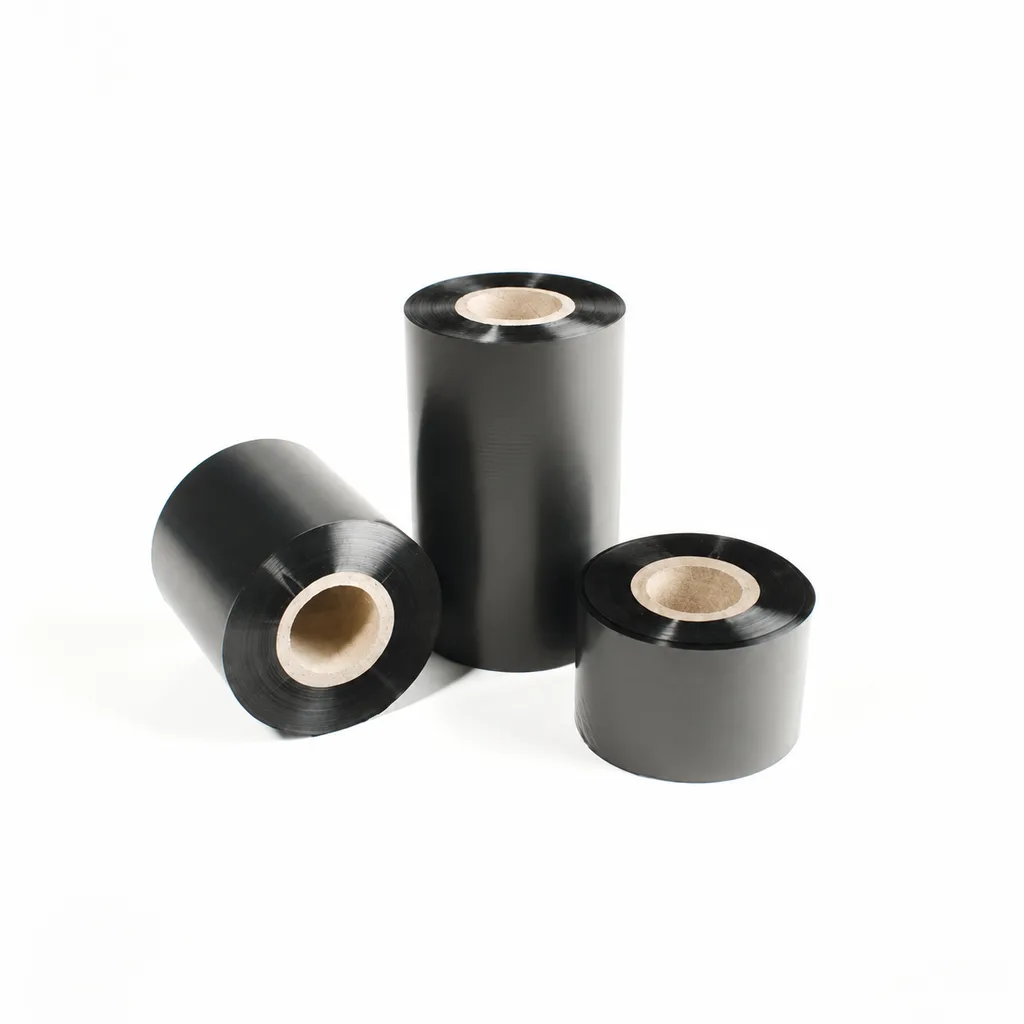
CL-Z112 Enhanced Wax Thermal Transfer Ribbon for Paper Labels and Tags
An enhanced wax thermal transfer ribbon with black ink for paper labels and tags used in retail, warehousing and logistics. It is specified for flat-head printing on desktop or industrial barcode printers at ≤8 inches per second (ips). Select it by checking the actual label material, printer configuration and handling conditions: image-quality, rub-resistance and cold-chamber results were obtained on coated paper, and print quality and image durability may vary with the printer and print medium.
View details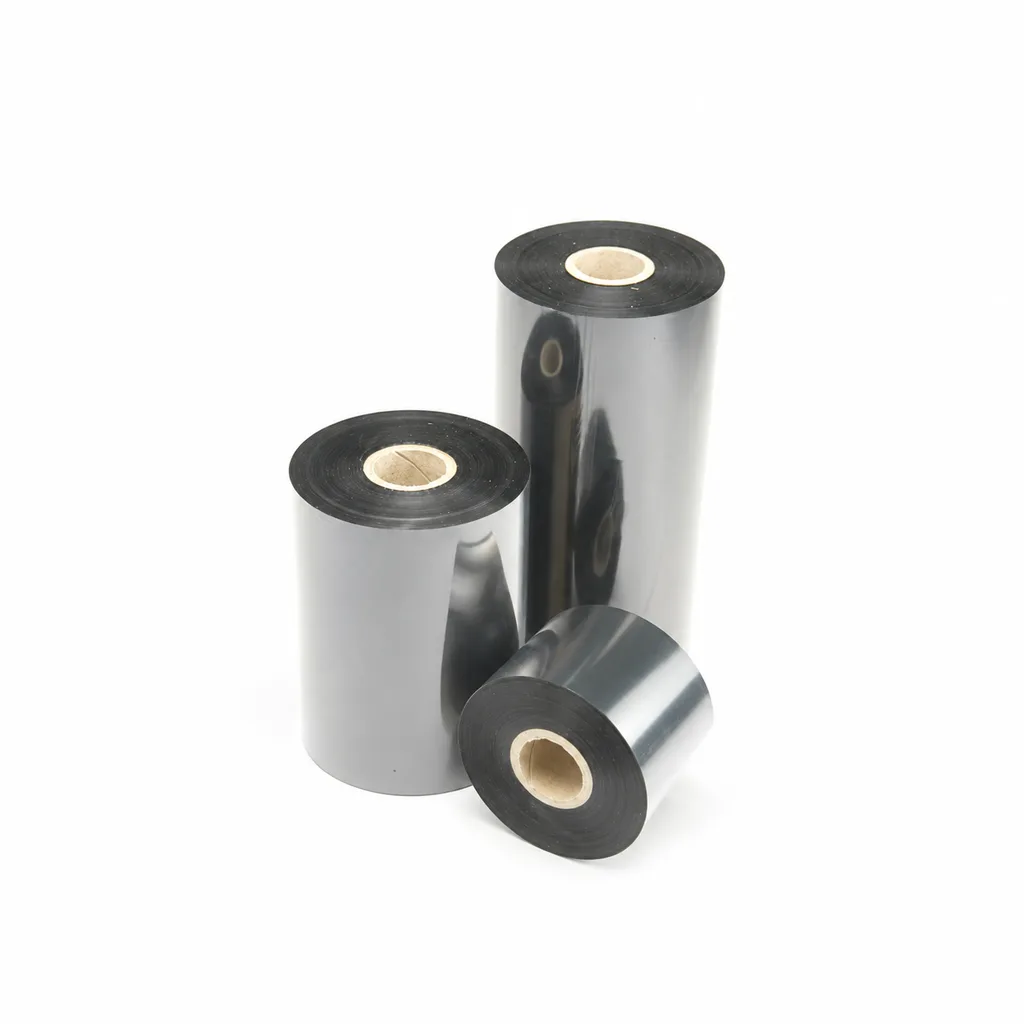
CL-Z203 Wax-Resin Thermal Transfer Ribbon for Barcode Labels
A black wax-resin thermal transfer ribbon for flat-head printing, with listed applications including retail, warehousing, logistics and garment tags. Select it against your actual label material and desktop or industrial barcode printer at speeds ≤6 ips (inches per second). Fine-line, small-text and durability results were obtained on coated paper; print quality and image durability may vary with the printer and printing substrate.
View details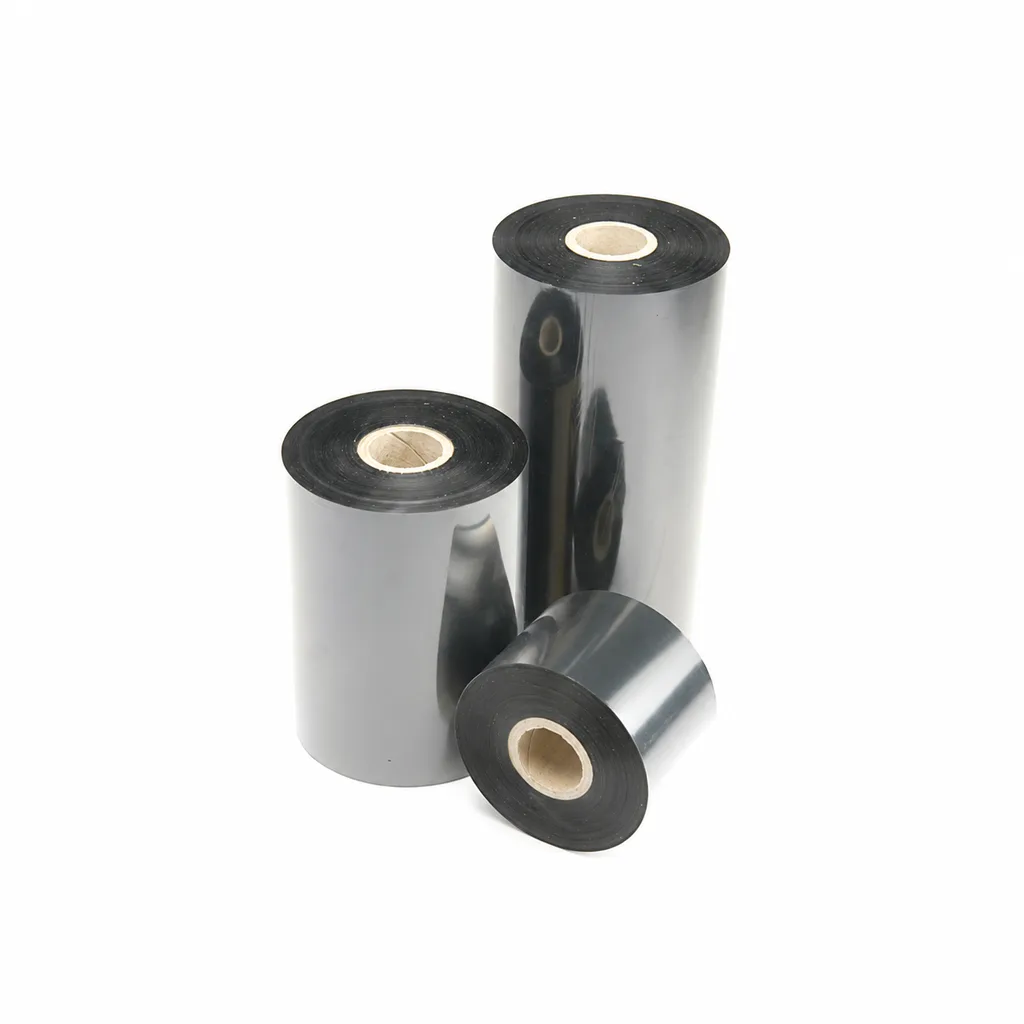
CL-Z213 Near-Edge Wax-Resin Thermal Transfer Ribbon for Barcode Labels
An enhanced black near-edge wax-resin thermal transfer ribbon for near-edge barcode printers and low- to medium-speed thermal transfer overprinting (TTO). Listed applications include retail labels, warehousing, garment tags and packaging identification. Match the printer, actual print medium and operating speed before selection: print quality and image durability can vary with the printer and substrate.
View details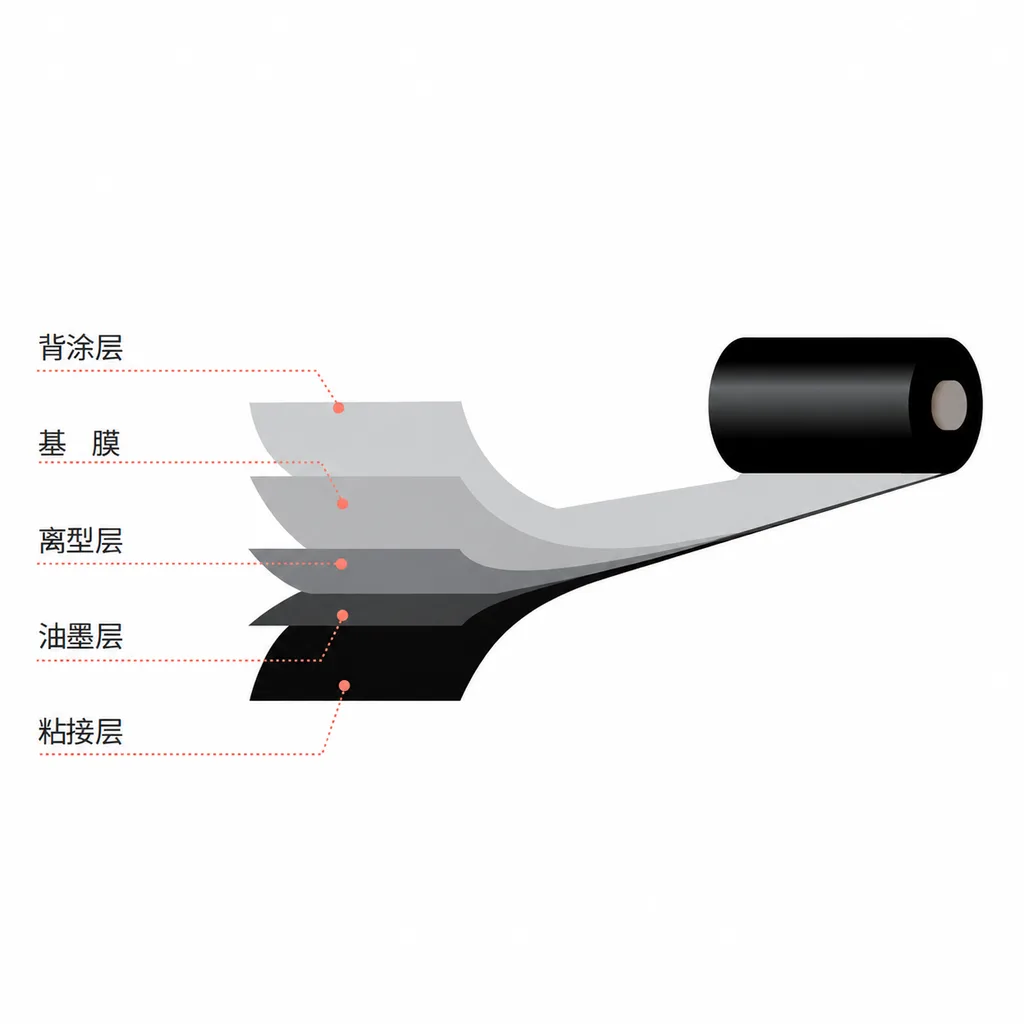
CL-Z312 Resin Thermal Transfer Ribbon for Packaging Printing
CL-Z312 is a black, general-purpose resin ribbon for thermal transfer overprinting (TTO), with packaging and retail label applications listed in the product information. Its abrasion, alcohol and oil resistance data were obtained on polyethylene terephthalate (PET). Select it against your actual packaging material, printer and production speed: print quality and image durability can vary with the printer and substrate, and the material chart percentages are not defined as pass rates.
View detailsNeed the right ribbon for your label application?
Share the label material, printer and operating environment. Our team will recommend a tested combination.
