
What Are Security Hologram Labels and How Do They Protect Products?
Request a solution
- Original TTR manufacturer since 2013
- Automated coating and slitting
- IQC / IPQC / OQC control
- ANSI barcode grade testing
- -20°C to 120°C environmental testing
- Batch-level traceability
- ANSI barcode grade
- Batch traceability
- RoHS / REACH compliance
- SGS and MSDS documents on request
Security hologram labels (güvenlik hologram etiketleri) are plastic-film stickers whose reflective layer creates a shifting 3D image that counterfeiters struggle to copy. This guide explains how that effect is produced, which overt, covert, and digital features the labels combine, and how tamper evidence behaves once a seal is peeled. It ends with the specifications and field checks a B2B buyer should compare before ordering, from film material and shape to serialization.
Key Takeaways
- A security hologram label is a plastic-film sticker whose reflective layer produces a 3D, multi-dimensional effect that changes with the viewing angle.
- The visible hologram works alongside covert features such as micro text, hidden images, and UV or infrared printing.
- Tamper-evident holograms leave a residue once they are removed, which exposes an opened package.
- The security label category now combines overt visual cues with covert digital verification such as QR codes and serial numbers.
- Before ordering, compare film material, size, finish, shape, and serialization against your product surface and inspection process.
What Security Hologram Labels Are and How the 3D Effect Is Created
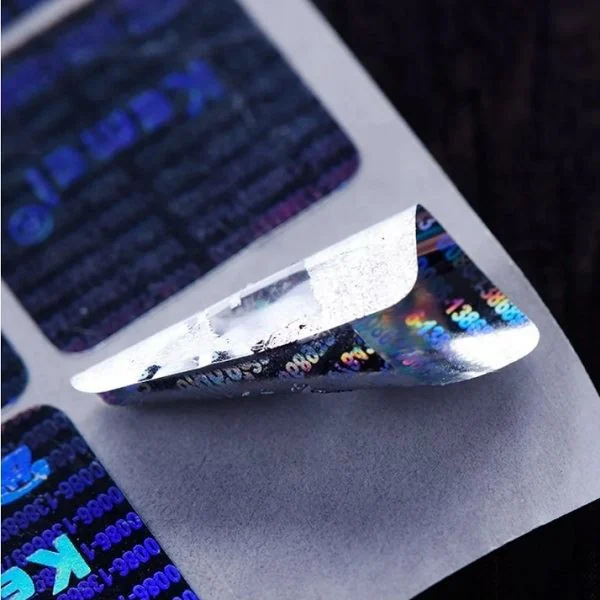
A security hologram label is a sticker built from plastic films with a reflective layer that creates a 3D, multi-dimensional visual effect when viewed from different angles. That effect is the label's overt layer: anyone handling the product can tilt it and watch the image shift. This instant visual check is what separates a hologram label from a plain printed sticker.
The film underneath the effect varies by supplier and application. One retail anti-counterfeit example uses Polyethylene Terephthalate with a silver, glossy finish, die-cut to 18mm x 26mm and sold in packs of 480pcs. Film and finish affect how the label looks and handles on your packaging, so ask each supplier for the material specification and a printed sample before you commit to a production run.
Shape follows the surface you are labeling. For contoured surfaces such as baseballs or footballs, an oval shape is the recommended choice. Straight-edged formats like the 18mm x 26mm example above suit flat application areas such as cartons, pouches, and documents.
Which Overt, Covert, and Digital Features the Labels Combine
An effective hologram label stacks three groups of features: the visible hologram, covert marks hidden in the print, and digital verification tied to data. The hologram itself is the overt layer described above. Covert features include micro text, hidden images, and UV or infrared printing. These features provide an additional layer of security and make it more difficult for counterfeiters to replicate the label, because a counterfeiter who copies the visible design still misses the marks that only your inspection procedure knows to look for.
The newest layer is digital. In 2026, the security label category has evolved into a hybrid security architecture, combining overt visual cues with covert digital verification. In practice, a hologram label can carry a QR code and a unique random serial number alongside the hologram: the hologram gives the instant visual check, while the code and serial number tie the label to one specific unit, so authenticity can be confirmed item by item rather than batch by batch.
Demand for this layered protection keeps growing. The global security labels market is set to surpass USD 82.5 Billion by 2036 as anti-counterfeit imperatives reshape packaging intelligence. For a buyer, that growth means more suppliers and more feature combinations to compare, which is why the field checks later in this guide matter.
How Tamper Evidence Exposes Opened Packages
Tamper-evident hologram labels leave a residue once they are removed, so a package that has been opened and resealed announces itself. The label does more than discourage counterfeiting: it protects the seal between your factory and the end user, and the residue left behind keeps showing the interference even after the label itself is gone.
This tamper-evidence role is the oldest job in the category. Historically, security labels were designed to offer visual tamper evidence — VOID patterns, holograms, or destructible films. Hologram labels carry that tradition into current hybrid designs, where they work with covert marks and digital verification instead of standing alone.
In use, choose the tamper-evident version wherever the package must stay sealed until it reaches the buyer: retail cartons, spare-part bags, warranty seals, and certification documents are typical candidates. Position the label across the opening or seam, so that opening the package has to break the label and leave its residue in plain view.
Data and Evidence
The first table below summarizes the feature layers of a security hologram label and how each one is checked. The second table lists the specifications of one retail anti-counterfeit hologram label as a concrete comparison point. Treat both as reference points for shortlisting suppliers, not as universal standards; your packaging, inspection process, and counterfeit threats decide the final specification.
| Feature layer | What it looks like | What it does |
|---|---|---|
| Overt hologram | 3D, multi-dimensional effect when viewed from different angles | Gives an instant visual authenticity check |
| Covert features | Micro text, hidden images, and UV or infrared printing | Add an additional layer of security and make the label more difficult for counterfeiters to replicate |
| Tamper evidence | Residue left once the label is removed | Reveals unauthorized opening of the package |
| Digital verification | QR code plus unique random serial number | Ties one label to one specific unit for item-level checks |
| Attribute | Specification (retail example) |
|---|---|
| Color | Silver |
| Size | 18mm x 26mm |
| Material | Polyethylene Terephthalate |
| Finish | Glossy |
| Serialization | Unique random serial number |
| Pack size | 480pcs |
Verification follows the layers. To check a hologram label in the field:
- Tilt the label and view it from different angles to confirm the 3D, multi-dimensional effect.
- Inspect the label and the surface beneath it for residue, which shows the label has been removed.
- Check the covert feature with the reading method your supplier specifies for micro text, hidden images, or UV or infrared printing.
- Scan the QR code and confirm the unique random serial number matches the specific unit in hand.
Ordering conditions worth confirming with the supplier: an oval shape for contoured surfaces such as baseballs or footballs; the film material and finish against your packaging; and whether serial numbers are unique and random rather than sequential, if item-level traceability is your goal. As a next step, request material samples and a written feature list from the suppliers on your shortlist, then run the four checks above on your own packaging before placing the production order.
Frequently Asked Questions
What material are security hologram labels made from?
They are typically plastic films with a reflective layer that creates the 3D effect. One retail anti-counterfeit example uses Polyethylene Terephthalate film with a silver, glossy finish at 18mm x 26mm, so ask suppliers for the exact film specification and a sample before ordering.
How do micro text and UV printing make hologram labels harder to counterfeit?
Covert features include micro text, hidden images, and UV or infrared printing, and they stay hidden during a normal visual inspection. They provide an additional layer of security and make it more difficult for counterfeiters to replicate the label, because a fake must reproduce marks it cannot even see.
Do security hologram labels show if a package has been opened?
Tamper-evident versions do. They leave a residue once they are removed, so an opened and resealed package carries visible proof of interference; place the label across the seam so opening the package must break it.
Which hologram label shape should I choose for curved surfaces?
For contoured surfaces such as baseballs or footballs, choose an oval shape. Flat application areas like cartons and documents can use straight-edged formats, such as the 18mm x 26mm size used on retail anti-counterfeit packaging.
Can a hologram label also carry a QR code and serial number?
Yes. The category now combines overt visual cues with covert digital verification, and retail anti-counterfeit labels pair a silver QR code with a unique random serial number, sold in packs of 480pcs, so each label can be checked at item level.
Recommended products for this industry
Hologram Security Label
Reflective holographic security label with visual authentication for brand protection and…
View details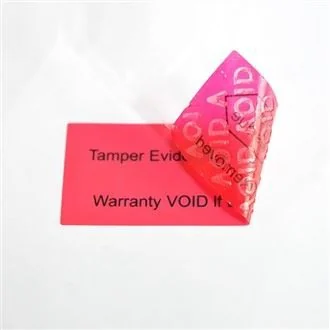
VOID Tamper Evident Security Label
Security label that reveals a tamper message when lifted, helping protect equipment…
View details
Acid and Alkali Resistant Label
Chemical-resistant label construction for acid baths, paint-stripping solutions, alkali…
View details
Aluminum Foil High-Temperature Label
Coated aluminum label for metal processing, heat treatment and high-temperature part…
View detailsNeed the right ribbon for your label application?
Share the label material, printer and operating environment. Our team will recommend a tested combination.
