
Wax vs Wax-Resin vs Resin: Choosing the Right Thermal Transfer Ribbon
Request a solution- Original TTR manufacturer since 2013
- Automated coating and slitting
- IQC / IPQC / OQC control
- ANSI barcode grade testing
- -20°C to 120°C environmental testing
- Batch-level traceability
- ANSI barcode grade
- Batch traceability
- RoHS / REACH compliance
- SGS and MSDS documents on request
Key Takeaways
- Wax ribbons suit uncoated paper labels at the lowest cost but offer minimal scratch resistance.
- Wax-resin ribbons balance cost and durability for coated papers,synthetic labels and general packaging.
- Full-resin ribbons deliver maximum durability on synthetic labels for harsh environments but cost the most.
- Always test the ribbon on your actual label material before committing to a grade.
Wax Ribbons: Entry-Level Printing on Paper
Wax thermal transfer ribbons use a wax-based ink that melts at low temperature and transfers easily to uncoated paper surfaces. They produce clear, scannable codes on standard paper labels used in shipping, warehouse labeling and retail tagging. The trade-off is durability: wax prints smudge under abrasion, moisture or chemical exposure. If your labels stay dry and indoor, wax offers the lowest cost per label.
Wax-Resin Ribbons: The Versatile Middle Ground
Wax-resin ribbons blend wax with resin to improve scratch resistance and chemical tolerance while keeping cost moderate. They print well on coated papers, thermal transfer labels and many synthetic substrates including polypropylene and polyethylene. 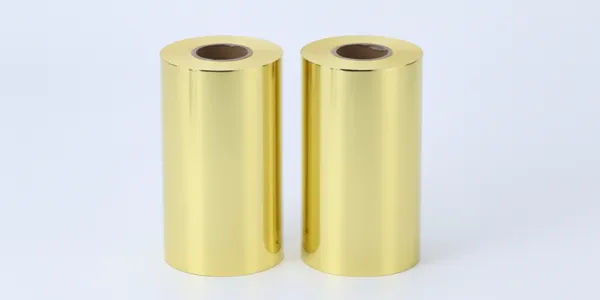 For B2B distributors serving diverse customer needs, wax-resin covers the widest range of applications and is the most commonly stocked grade.
Full-Resin Ribbons: Maximum Durability
Resin ribbons use pure resin ink that requires higher print energy but produces the most durable output. Prints resist solvents, oils, extreme temperatures and outdoor UV exposure. They bond to polyester, polyimide and other synthetic labels used in electronics, automotive and laboratory applications. 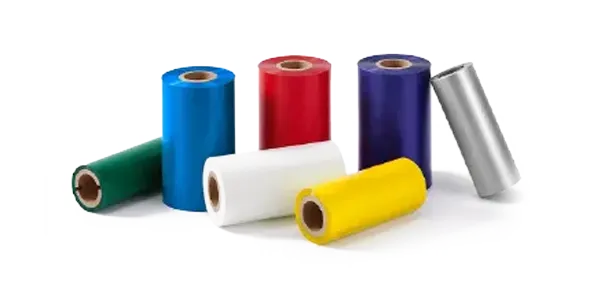 If your labels face washing, chemical contact or outdoor conditions, full-resin is the only reliable choice.
How to Choose: A Quick Selection Checklist
Ask three questions: What is your label material? What conditions will the printed code face? What is your budget per label? Match the answers to the ribbon grade: wax for dry indoor paper, wax-resin for general packaging and synthetic labels, resin for harsh environments and synthetics. Then request printed samples on your actual material to confirm before ordering.
Frequently Asked Questions
Can I use wax ribbons on plastic labels?
Wax ribbons produce poor adhesion on plastic surfaces. Use wax-resin or resin grades for synthetic label materials.
What is the price difference between grades?
Wax is the cheapest, wax-resin costs roughly 1.5 to 2 times more, and full-resin costs 2 to 3 times more than wax. The per-label cost difference shrinks at volume.
Can I mix ribbon grades on the same printer?
Yes, most thermal transfer printers handle all three grades. Adjust the print energy settings when switching grades to maintain print quality.
Recommended products for this industry
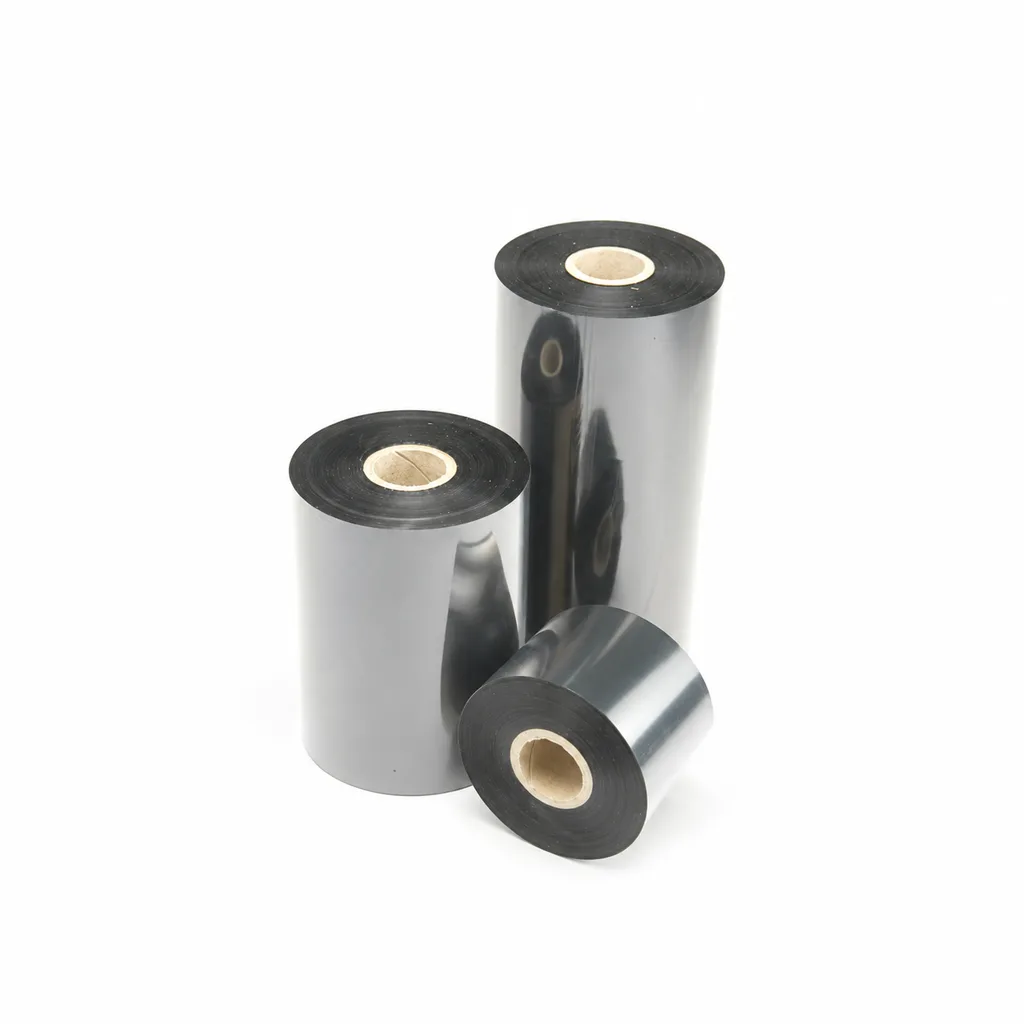
CL-Z203 Wax-Resin Thermal Transfer Ribbon for Barcode Labels
A black wax-resin thermal transfer ribbon for flat-head printing, with listed applications including retail, warehousing, logistics and garment tags. Select it against your actual label material and desktop or industrial barcode printer at speeds ≤6 ips (inches per second). Fine-line, small-text and durability results were obtained on coated paper; print quality and image durability may vary with the printer and printing substrate.
View details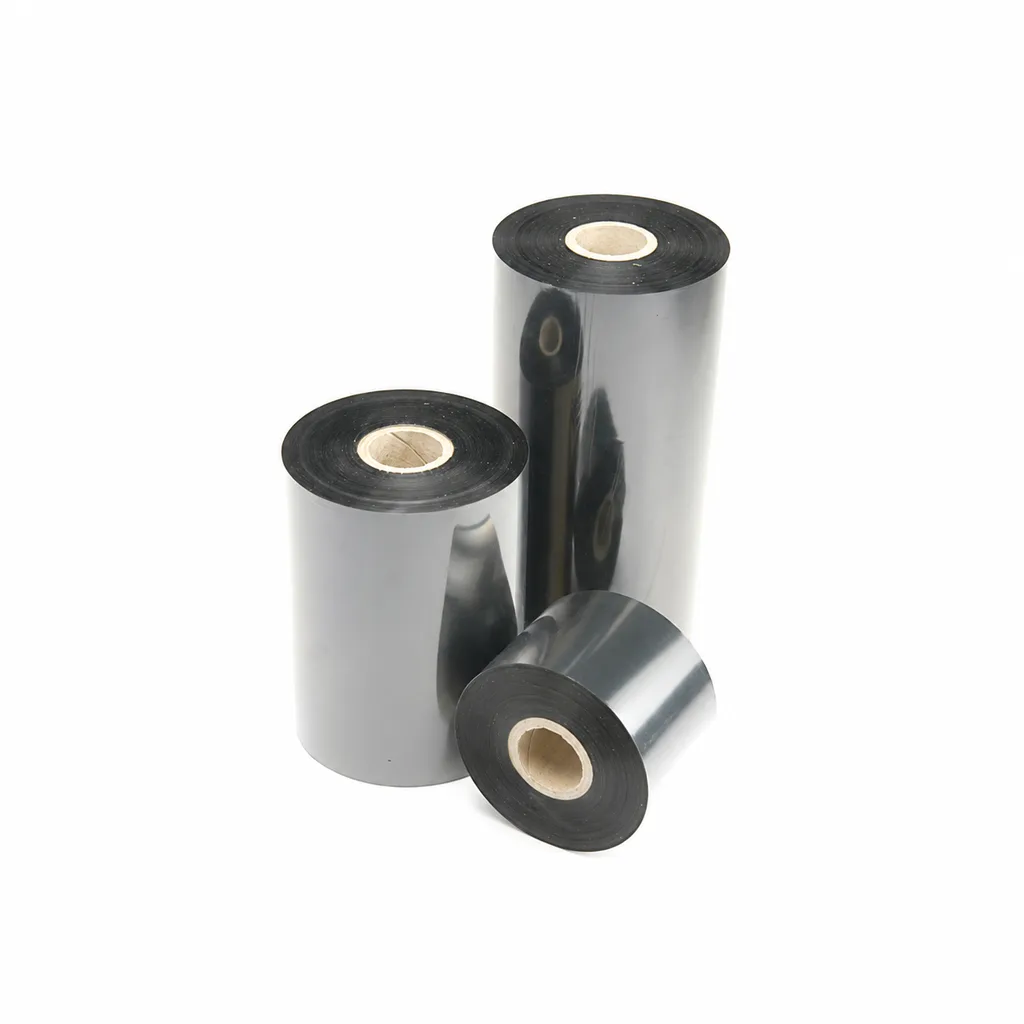
CL-Z213 Near-Edge Wax-Resin Thermal Transfer Ribbon for Barcode Labels
An enhanced black near-edge wax-resin thermal transfer ribbon for near-edge barcode printers and low- to medium-speed thermal transfer overprinting (TTO). Listed applications include retail labels, warehousing, garment tags and packaging identification. Match the printer, actual print medium and operating speed before selection: print quality and image durability can vary with the printer and substrate.
View details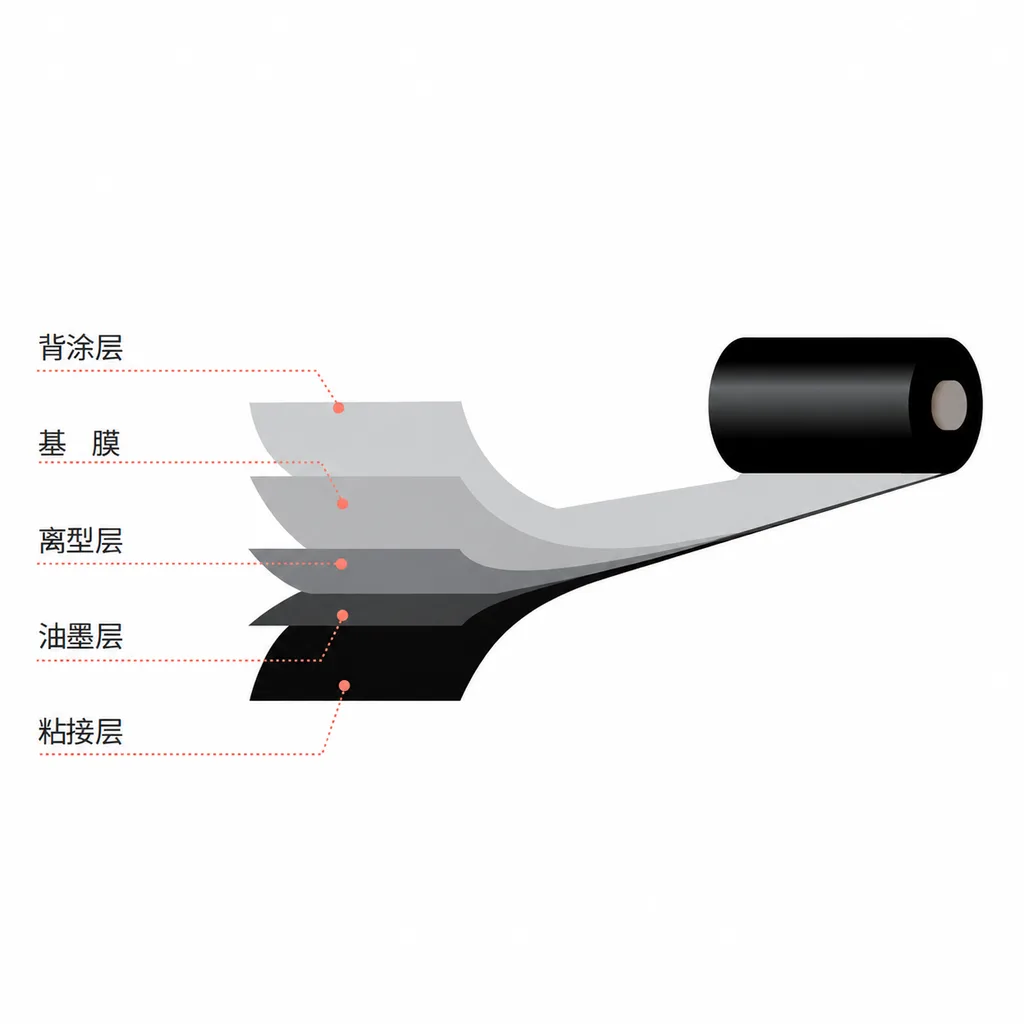
CL-Z312 Resin Thermal Transfer Ribbon for Packaging Printing
CL-Z312 is a black, general-purpose resin ribbon for thermal transfer overprinting (TTO), with packaging and retail label applications listed in the product information. Its abrasion, alcohol and oil resistance data were obtained on polyethylene terephthalate (PET). Select it against your actual packaging material, printer and production speed: print quality and image durability can vary with the printer and substrate, and the material chart percentages are not defined as pass rates.
View details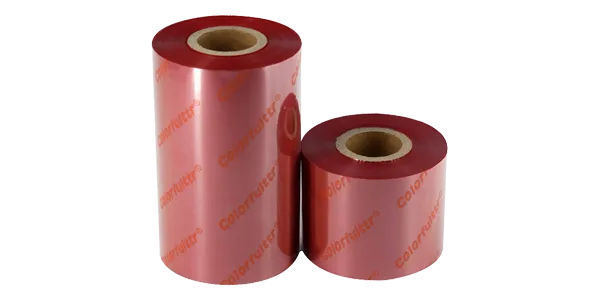
High-grade wax resin thermal transfer ribbon
Premium wax-resin thermal transfer ribbons are specifically engineered for diverse…
View detailsNeed the right ribbon for your label application?
Share the label material, printer and operating environment. Our team will recommend a tested combination.
