
Wax Resin Ribbon Manufacturers: How to Choose the Right Grade and the Right Factory
Request a solution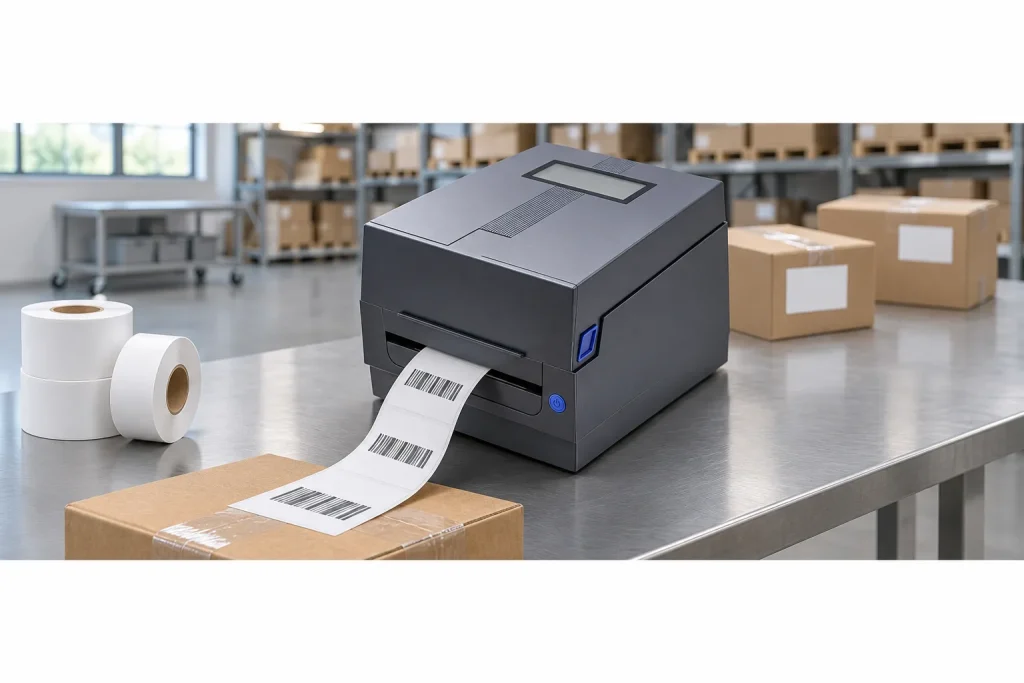
- Original TTR manufacturer since 2013
- Automated coating and slitting
- IQC / IPQC / OQC control
- ANSI barcode grade testing
- -20°C to 120°C environmental testing
- Batch-level traceability
- ANSI barcode grade
- Batch traceability
- RoHS / REACH compliance
- SGS and MSDS documents on request
This guide helps B2B buyers select the right ribbon grade and judge which wax resin ribbon manufacturer deserves the order. Every thermal transfer ribbon carries a wax, wax-resin, or pure resin ink layer on a polyester film, and the resin share sets durability, print speed, and price. Wax-resin sits in the middle: sharper than wax on coated paper, cheaper than full resin, and strong enough for moderate abrasion, water, and some chemicals. Verify any recommendation with a trial print on your own labels.
Key Takeaways
- A thermal transfer ribbon is a thin polyester film coated on the label side with a wax, wax-resin, or pure resin ink layer that the print head melts onto the label.
- Wax-resin ribbons cost slightly more than wax ribbons and resist smudges, scratches, and abrasion; full resin is the most expensive grade, the most durable, and needs lower print speeds.
- Wax-resin suits coated, glossy, matte, or weatherproof materials and synthetics such as polypropylene, with exposure to water, changing temperatures, and some chemicals.
- Judge a wax resin ribbon manufacturer on in-house coating and slitting, documented QC, batch traceability, certifications, and a trial-printing policy, not on unit price alone.
- Print quality and image durability vary with the printer and printing material, so trial printing on the intended substrate is necessary before any bulk order.
Wax, Wax-Resin, and Full Resin Ribbons: What Each Grade Is Made Of
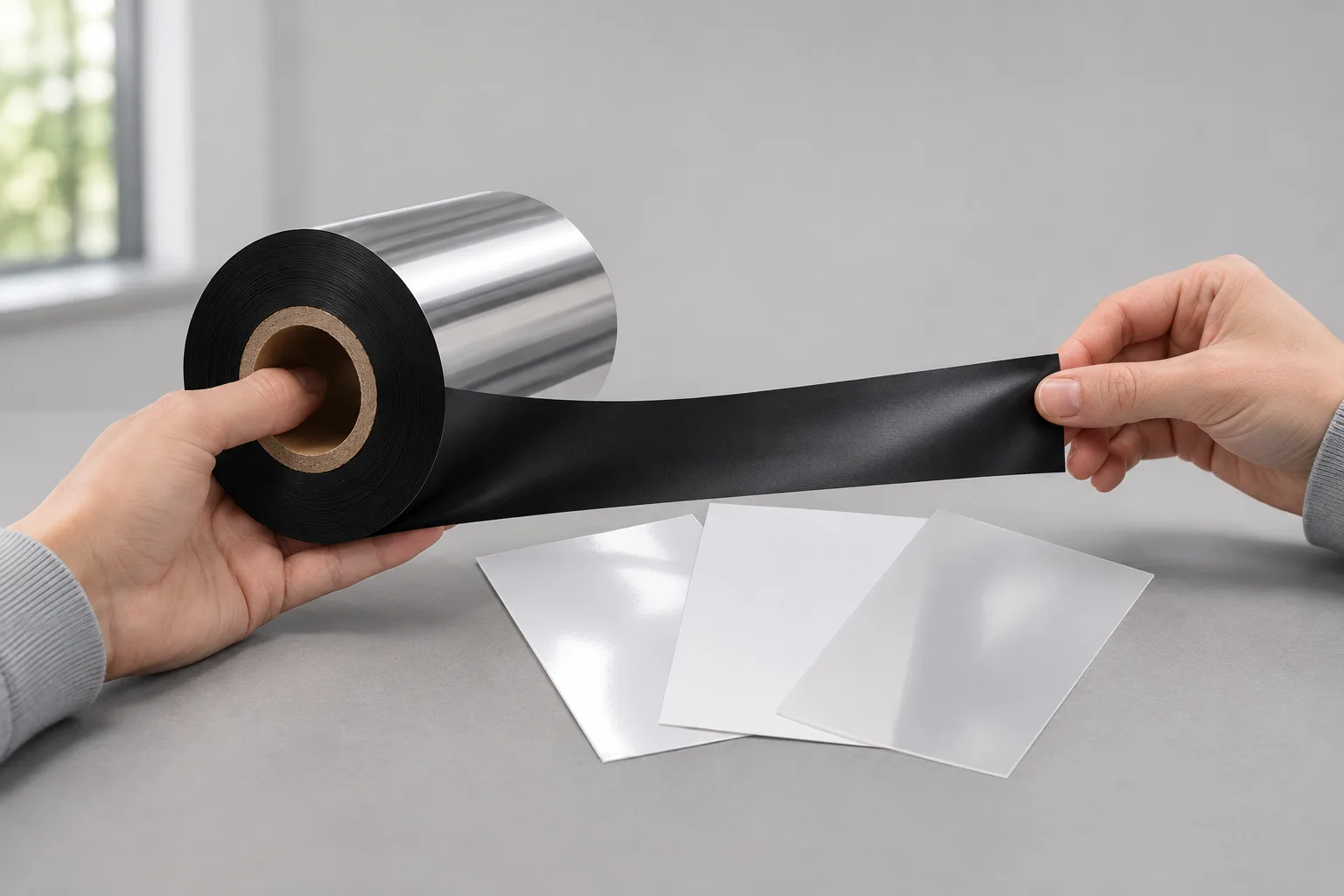
Every thermal transfer ribbon is a very thin polyester film coated on the label side with a wax, wax-resin, or pure resin ink layer, and the print head melts that ink onto the label with heat and pressure. How much resin the ink layer carries is what separates the three grades, and it drives durability, print speed, and price in one direction.
Wax ribbons are the simplest and most economical ribbons on the market and can support higher print speeds; they are designed for coated and uncoated paper materials in environments with little to no exposure to chemicals and abrasion. Wax/Resin ribbons offer a slightly more durable ribbon with moderate print speeds and are optimized for select paper and matte synthetic materials in environments with moderate chemical exposure and moderate abrasion. Resin ribbons are the most durable ribbons on the market but require lower print speeds, and they are designed for synthetic materials facing harsh to extreme chemical exposure. On price, wax is inexpensive, wax-resin costs slightly more than all-wax, and full resin is the most expensive ribbon type available.
Apart from the ink itself, a ribbon carries additional layers, including the backcoating closest to the printhead, whose main function is to protect the printhead from excessive heat and static. These layers constitute the know-how of every manufacturer and have direct influence on printing quality and durability, which is why two ribbons both sold as wax-resin can perform differently on the same printer. That is the technical reason the factory you choose matters as much as the grade you choose.
Where Wax Resin Ribbons Fit: Strengths and Typical Applications
Wax resin ribbons combine wax and resin materials in one ink layer, and the addition of resin creates a protective barrier over images and texts that increases durability against smudges, scratches, and abrasions. On very smooth paper or coated paper labels this grade produces a finer image than wax, which is why it is the standard upgrade when wax prints scuff in handling.
The same barrier makes wax-resin a strong choice for labels that must withstand exposure to water, changing temperatures, and some chemicals. Because wax-resin ribbons are more durable than full-wax, they can typically be used on synthetic substrates such as polypropylene, as well as materials that are coated and glossy, matte, or weatherproof. Common application areas are retail labels, warehousing and shipping, barcoding, garment tags, warehouse identification, and packaging printing; on packaging lines, TTO printers are commonly used in the food, beverage, pharmaceuticals and cosmetics industries, with wax-resin covering low- to medium-speed coding.
The boundary toward full resin is exposure. Resin ribbons show exceptional resistance to high temperature and chemicals and are usually used for durable industrial prints such as nameplates, identification labels, warning labels, warehouse labels, labels for laboratories, tags and textile labels; resin prints also resist detergents, chemicals, and washing processes, and apparel care labels are printed with dedicated textile wash care ribbons. When labels must survive washing, solvents, or sustained harsh conditions, move up to full resin; when they only face handling, moisture, or occasional wiping, wax-resin is usually the more economical stopping point.
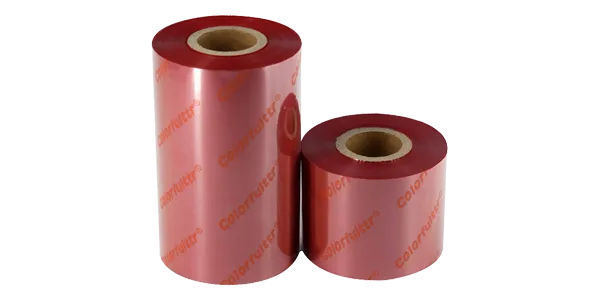
Colorfulttr's high-grade wax resin thermal transfer ribbon is built for this middle ground: it delivers exceptional print clarity, robust adhesion and consistent performance on both coated and uncoated paper labels, and its balanced wax-resin formulation maintains stable output even during high-speed printing operations while extending printhead longevity.
How to Choose the Right Ribbon Grade for Your Application
The correct grade follows from four variables in a fixed order: label material, print speed, durability exposure, and cost per label.
- Label material. Coated or uncoated paper runs with wax or wax-resin; polypropylene calls for wax-resin or resin; polyester, vinyl, and nylon belong to resin. Fix the substrate first, because the ink must transfer onto that surface and stay there.
- Print speed. Wax supports higher speeds, wax-resin moderate speeds, and resin lower speeds. Check the ceiling against your line before ordering — for example, Colorfulttr's CL-Z203 flat-head wax-resin ribbon is selected at speeds ≤6 ips (inches per second), while the near-edge CL-Z212 lists near-edge printing at ≤10 inches per second (ips) and TTO at ≤20 ips.
- Durability exposure. Indoor handling can stay on wax; moderate abrasion, water, and some chemicals point to wax-resin; harsh chemicals, high temperature, or washing processes require resin.
- Cost per label. Wax is inexpensive, wax-resin adds a slight premium, and full resin is the most expensive type available. Overbuying resin inflates every label you print; underbuying for a harsh environment fails later at reprints and returns.
Close every selection with a trial: print quality and image durability can vary with the printer and printing material, so trial printing on the intended substrate is necessary for selection. If a wax print scuffs on coated paper, step up to wax-resin; if a wax-resin print fails against chemicals or washing, step up to resin or revisit the label material instead of only changing printer settings.
How to Evaluate a Reliable Wax Resin Ribbon Manufacturer
Apart from the ink itself, the additional layers of the ribbon constitute the know-how of every manufacturer and have influence on the printing quality and durability, so two factories offering the same wax-resin grade are rarely equivalent. Screen a wax resin ribbon manufacturer against six checks before you tie a production line to one.
- In-house coating and slitting. Confirm the supplier coats and slits its own ribbon rather than only trading finished rolls — a factory that controls coating and slitting can adapt the formulation and the cut to your printer.
- Documented QC and batch evidence. Ask what is tested, at which stage, and how results tie to the roll you receive. Colorfulttr states its factory capabilities as an original TTR manufacturer since 2013, with automated coating and slitting, IQC / IPQC / OQC control, ANSI barcode grade testing, -20°C to 120°C environmental testing, and batch-level traceability.
- Certifications and documents on request. RoHS / REACH compliance and SGS and MSDS documents on request show the factory can support regulated markets, not just quotations.
- Trial-printing policy. A manufacturer who asks for trial printing on your intended substrate understands that results vary with printer and material; treat reluctance to sample as a warning sign.
- Formulation consistency between orders. Because the ribbon layers are the maker's know-how, ask how the same formulation is held stable across batches — consistency, not one good sample, keeps scanners reading every label.
- Delivery stability and communication. Ask for current lead times, capacity headroom, and who answers technical questions after the order; the answers show whether you are dealing with a production team or a sales desk.
Colorfulttr's wax-resin catalogue illustrates what factory-direct coverage looks like: a high-grade general ribbon for coated and uncoated papers, CL-Z203 for flat-head desktop and industrial printers, and the near-edge CL-Z212 and enhanced CL-Z213 for barcode printers and low- to medium-speed TTO. Compare shortlisted suppliers at this level of detail — printhead types, speed conditions, application coverage — rather than by visibility alone, then verify with the trial print.
Sourcing Directly from a Manufacturer: Specs and Practical Buying Tips
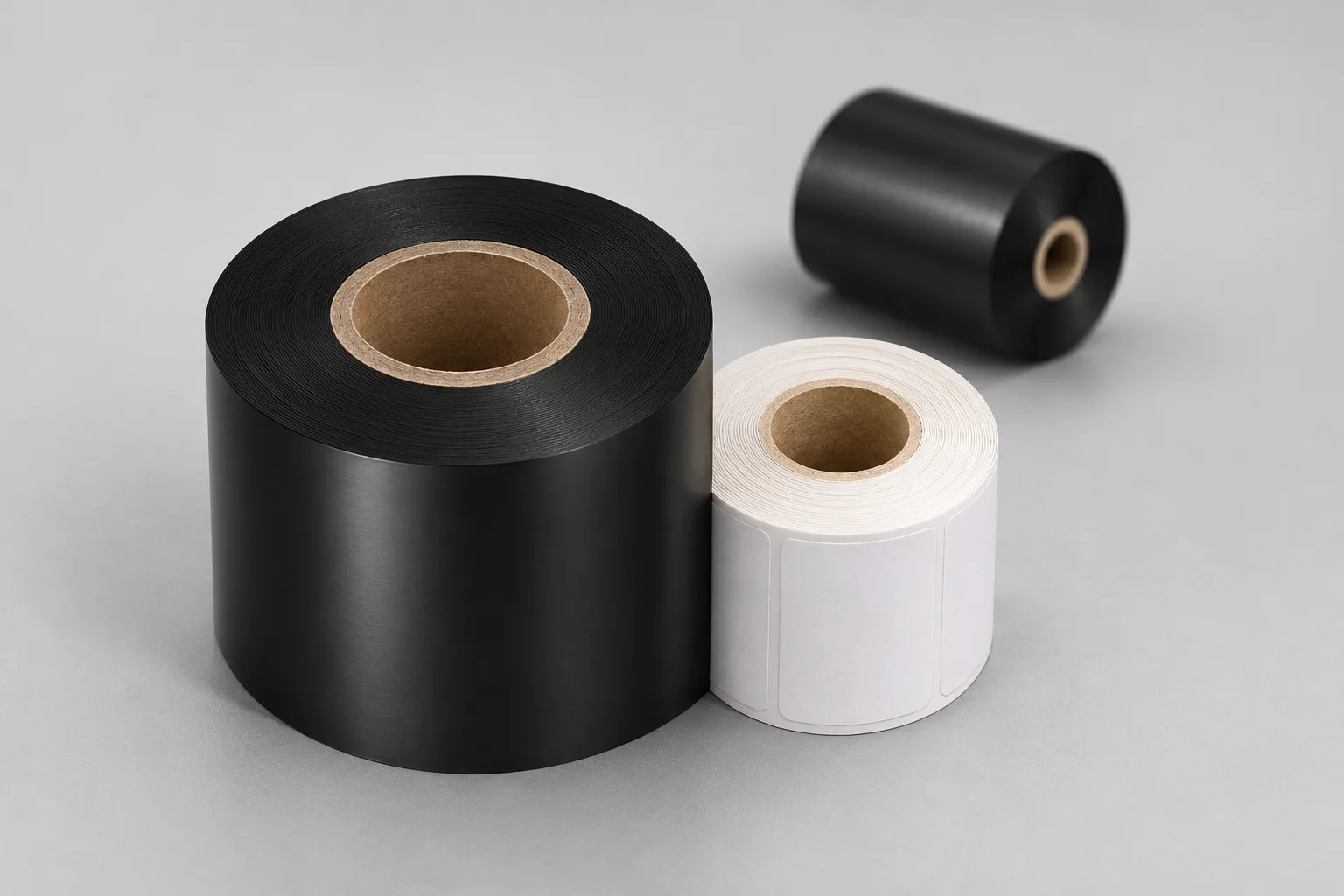
Buying directly from a wax resin ribbon manufacturer lets you confirm the coating formulation, the slitting accuracy, and the batch traceability behind each roll, and leaves one team accountable for the trial-print result. Three specs decide whether a roll actually runs on your equipment:
- Core size. Industrial printers use ribbon with a standard 1” core, while smaller desktop printers need a 0.5” core — ordering the wrong core is the most avoidable sourcing error.
- Width. The ribbon width should extend past the edge of the label material to protect the print head, yet stay close to the label width, because a wider ribbon wastes ink and a narrower one hinders printing.
- Roll length and ink side. Match length to consumption — depending on the ribbon, you can typically print through 2-3 rolls of labels for 1 roll of ribbon — and confirm the wound direction, since thermal transfer ribbons come as Coated Side In (CSI) or Coated Side Out (CSO) depending on the printer. Near-edge printheads need a near edge ribbon, so name the printhead type when requesting a quote.
Put four facts in your first inquiry: printer model, label material, printing speed, and daily consumption. With those, the factory can propose the grade, width, core, and roll length in one pass instead of long email chains. Confirm the trial print on your own substrate, agree the acceptance standard, and only then fix the order volume.
Data and Evidence
The tables below consolidate the comparison this guide is built on, with each claim's conditions attached.
| Grade | Ink layer | Relative cost | Print speed | Typical label materials | Durability position |
|---|---|---|---|---|---|
| Wax | Wax | Most economical; inexpensive | Higher speeds | Coated and uncoated paper | Little to no chemical or abrasion exposure |
| Wax-resin | Wax + resin blend | Slightly more expensive than all-wax | Moderate speeds | Paper; coated and glossy, matte, or weatherproof materials; polypropylene | Smudges, scratches, abrasion, water, changing temperatures, some chemicals |
| Full resin | Pure resin | Most expensive type available | Lower speeds | Synthetic materials, including polypropylene, polyester, vinyl, nylon | Harsh to extreme chemicals, high temperature, washing processes |
Colorfulttr wax-resin catalogue entries and their listed conditions:
| Product | Printhead type | Listed speed condition | Listed applications |
|---|---|---|---|
| High-grade wax resin ribbon | General labelling | Stable output during high-speed printing | Coated and uncoated paper labels, barcode printing |
| CL-Z203 | Flat-head | ≤6 ips (inches per second) | Retail, warehousing, logistics, garment tags |
| CL-Z212 | Near-edge; also low- to medium-speed TTO | ≤10 inches per second (ips) near-edge; ≤20 ips TTO | Retail labels, garment tags, warehouse identification, packaging printing |
| CL-Z213 | Enhanced near-edge; low- to medium-speed TTO | Not listed; match printer, medium and speed before selection | Retail, warehousing, garment tags, packaging identification |
Verification behind this guide: grade behaviour follows ribbon manufacturers' published technical material; Colorfulttr's factory capabilities are stated by the company itself; and every product recommendation ends the same way — print quality and image durability may vary with the printer and printing substrate, so run the trial on your own line before bulk orders.
Frequently Asked Questions
What is the difference between wax resin and full resin ribbons?
Wax-resin blends wax and resin in one ink layer, costs slightly more than all-wax, runs at moderate speeds, and resists smudges, scratches, abrasion, water, and some chemicals. Full resin is the most expensive and most durable grade, requires lower print speeds, and is designed for synthetic materials facing harsh to extreme chemical exposure. Choose full resin only when washing, solvents, or high temperature actually appear in your application.
Which ribbon grade should I choose for coated paper and polypropylene labels?
Coated paper works with wax or wax-resin — take wax-resin when you need a finer image on the smooth surface or resistance to handling and moisture. Polypropylene is synthetic, so use wax-resin or resin: wax-resin typically covers moderate exposure, while resin suits harsher chemicals or abrasion. Confirm with a trial print on the actual substrate before ordering.
Can I request trial printing before committing to a bulk order?
Yes, and it is the necessary step rather than a courtesy: print quality and image durability can vary with the printer and printing material, so trial printing on the intended substrate is necessary for selection. Send the manufacturer your printer model, label material, and printing speed, then judge the sample on your own line before fixing volumes.
Can ribbon width, roll length, and core size be customized when buying directly from a manufacturer?
These specs are matched to your equipment rather than chosen freely: industrial printers take a standard 1” core, desktop printers a 0.5” core, the ribbon width should extend past the label edge to protect the print head, and roll length follows your consumption — typically 2-3 label rolls per ribbon roll. A direct manufacturer can confirm the exact widths, lengths, and cores it slits for your printer, so state the requirement in your inquiry and ask for the available range.
Recommended products for this industry
High-grade wax resin thermal transfer ribbon
Premium wax-resin thermal transfer ribbons are specifically engineered for diverse…
View details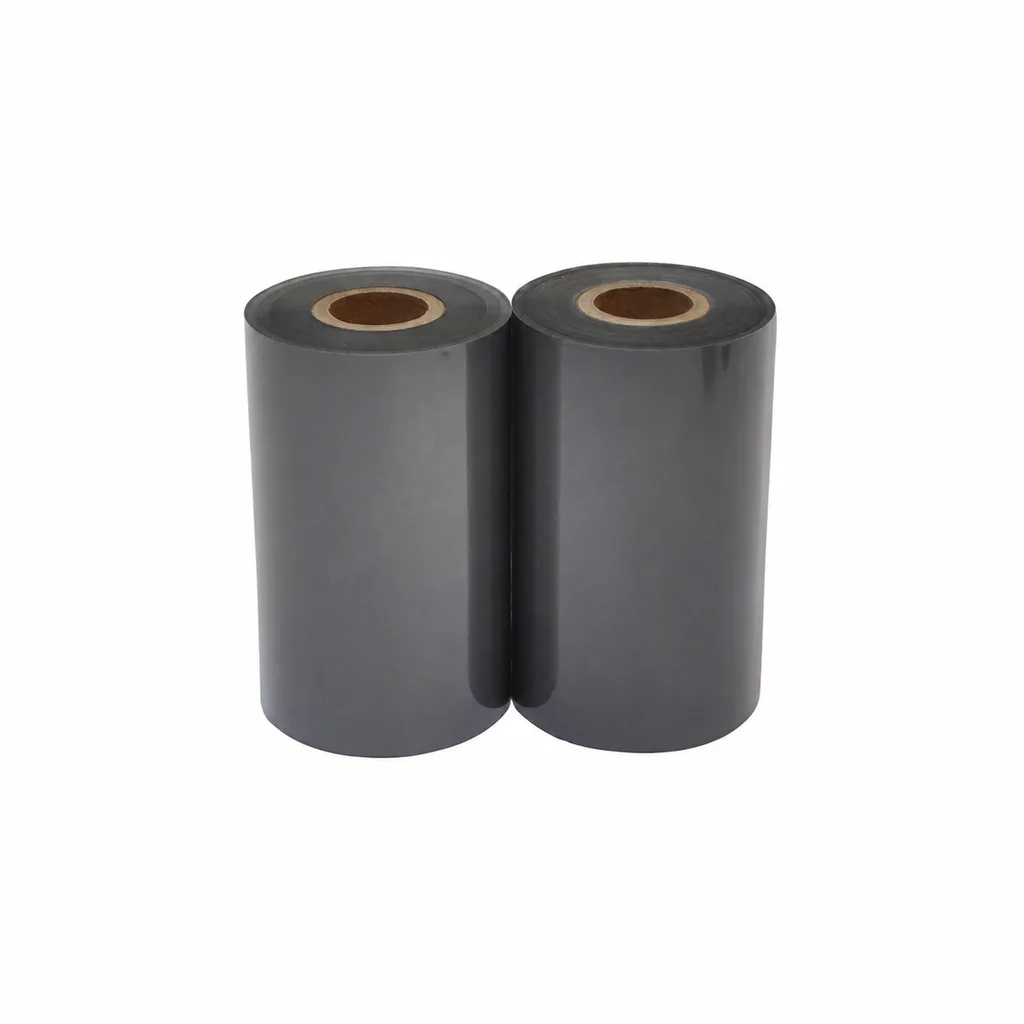
Black Resin Thermal Transfer Ribbon for Label Printing - CL-Z373
CL-Z373 is a black resin thermal transfer ribbon for label printing with desktop or industrial flat-head barcode printers at speeds of ≤6 ips (inches per second). Listed applications include electronics processing, tire identification, automotive manufacturing, pharmaceutical packaging, cosmetic labels and outdoor identification. Selection depends on the actual label material, printer and exposure conditions. Fine-line, small-character and resistance results were obtained on coated paper; print quality and image durability may vary with the printer and print substrate.
View details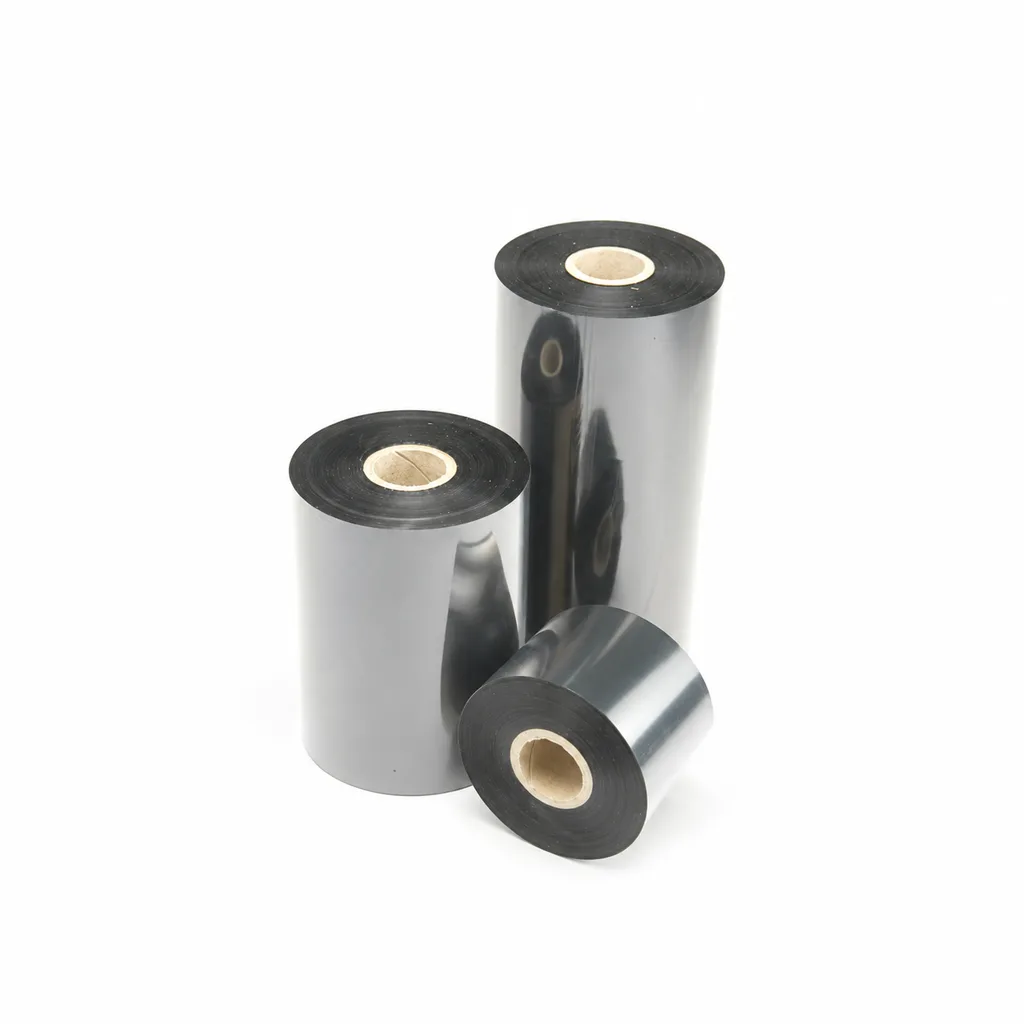
CL-Z203 Wax-Resin Thermal Transfer Ribbon for Barcode Labels
A black wax-resin thermal transfer ribbon for flat-head printing, with listed applications including retail, warehousing, logistics and garment tags. Select it against your actual label material and desktop or industrial barcode printer at speeds ≤6 ips (inches per second). Fine-line, small-text and durability results were obtained on coated paper; print quality and image durability may vary with the printer and printing substrate.
View details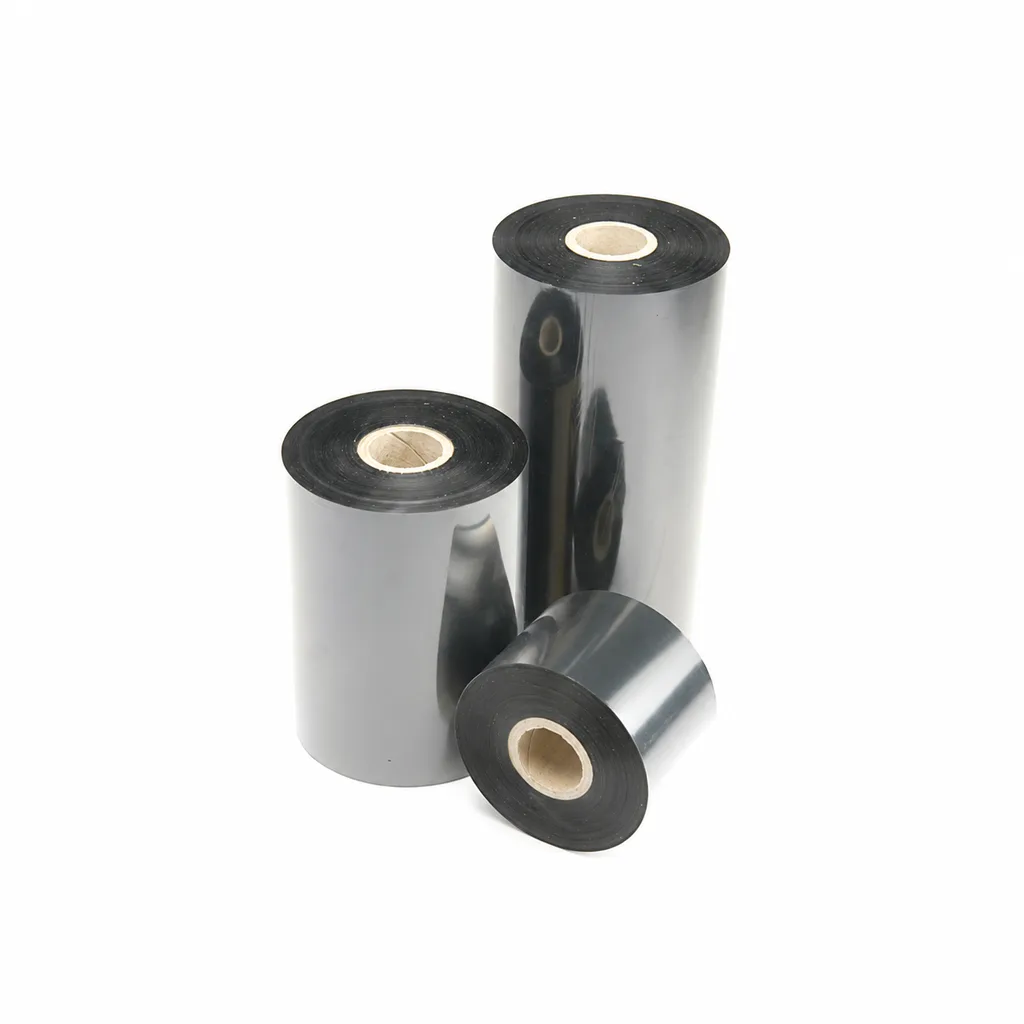
CL-Z213 Near-Edge Wax-Resin Thermal Transfer Ribbon for Barcode Labels
An enhanced black near-edge wax-resin thermal transfer ribbon for near-edge barcode printers and low- to medium-speed thermal transfer overprinting (TTO). Listed applications include retail labels, warehousing, garment tags and packaging identification. Match the printer, actual print medium and operating speed before selection: print quality and image durability can vary with the printer and substrate.
View detailsNeed the right ribbon for your label application?
Share the label material, printer and operating environment. Our team will recommend a tested combination.
